- by MollyJewelryUS
- March 1, 2025
- Gemstone Education
Last updated on August 31, 2026
March has two birthstones: aquamarine and bloodstone. They look completely different—aquamarine is known for its clear blue to blue-green color, while bloodstone is typically dark green with distinctive red markings.
That gives anyone born in March two very different ways to wear their birthstone. One feels light and refined; the other is darker, more natural, and full of character.

Table of Contents
What Is the March Birthstone?
What Is the March Birthstone?
The March birthstones are aquamarine and bloodstone.
Aquamarine is the more familiar choice, especially for rings and other fine jewelry. Its soft blue to blue-green color gives it a clean, elegant appearance.
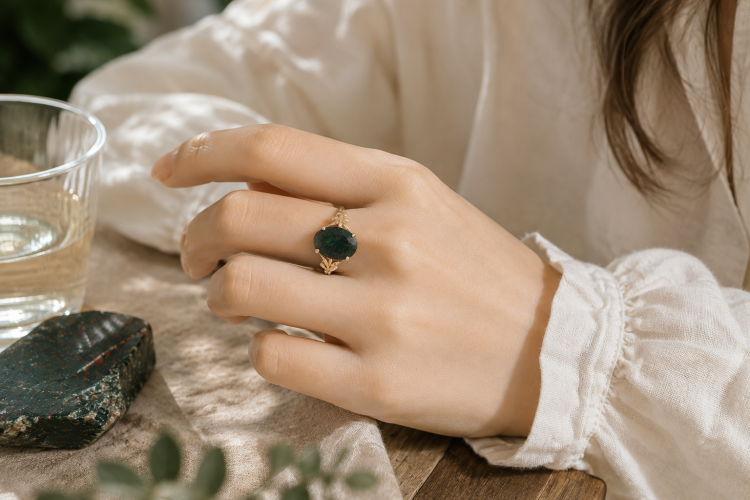
Bloodstone offers something very different: a dark green body with red spots or flecks. It is less conventional, but that is exactly what makes it appealing to people who want a birthstone with a more distinctive look.
If you’re choosing between them, color and overall style are usually more useful starting points than their historical differences.
March Birthstones at a Glance
March Birthstones at a Glance
| Aquamarine | Bloodstone | |
|---|---|---|
| Color | Light blue to blue-green | Dark green with red markings |
| Gem type | Variety of beryl | Variety of chalcedony |
| Typical appearance | Transparent and bright | Opaque to translucent |
| Mohs hardness | 7.5–8 | 6.5–7 |
| Overall style | Light, clean, elegant | Earthy, bold, distinctive |
| Best for | Everyday jewelry and classic designs | Unique, natural-looking jewelry |
Both are genuine March birthstones, but they suit very different preferences. GIA also notes that aquamarine is durable enough for everyday wear, while bloodstone is slightly softer and benefits from more careful handling.
Aquamarine: The Classic March Birthstone
Aquamarine: The Classic March Birthstone
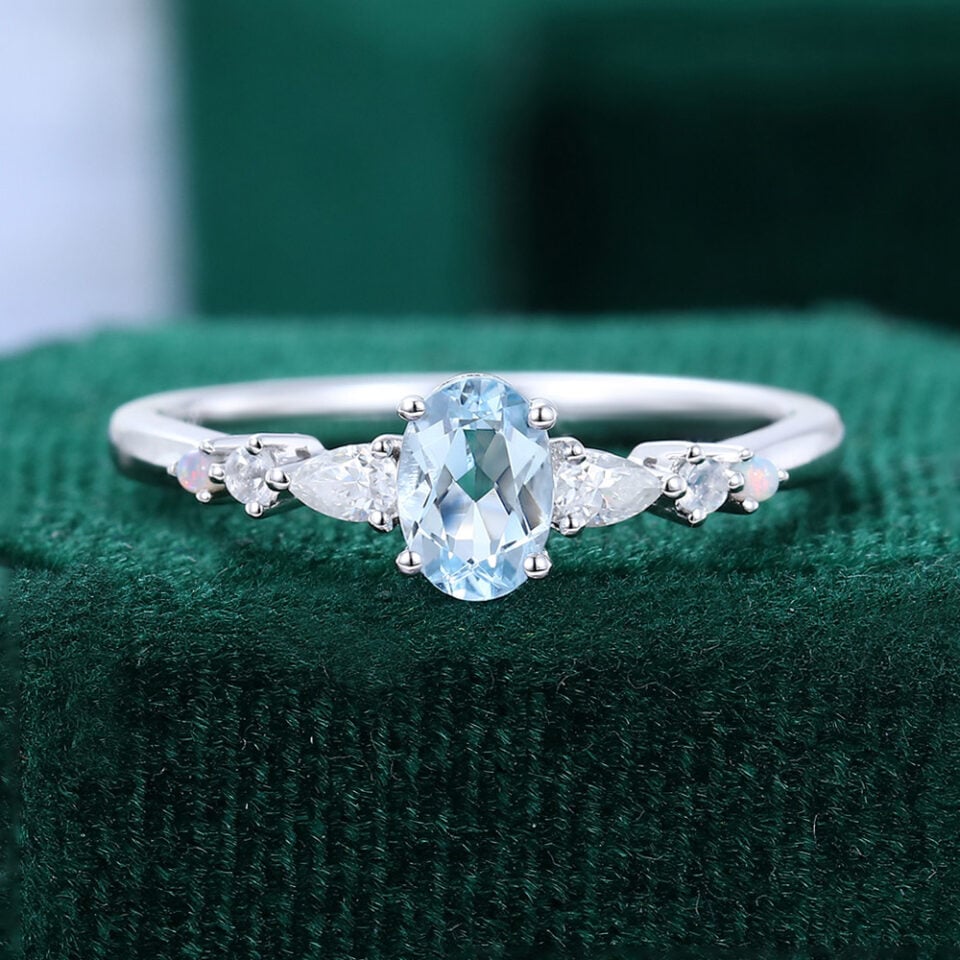
Aquamarine is a blue variety of beryl, the same mineral family that includes emerald. Its name comes from the Latin phrase for seawater, which fits its cool blue appearance.
What Color Is Aquamarine?
What Color Is Aquamarine?
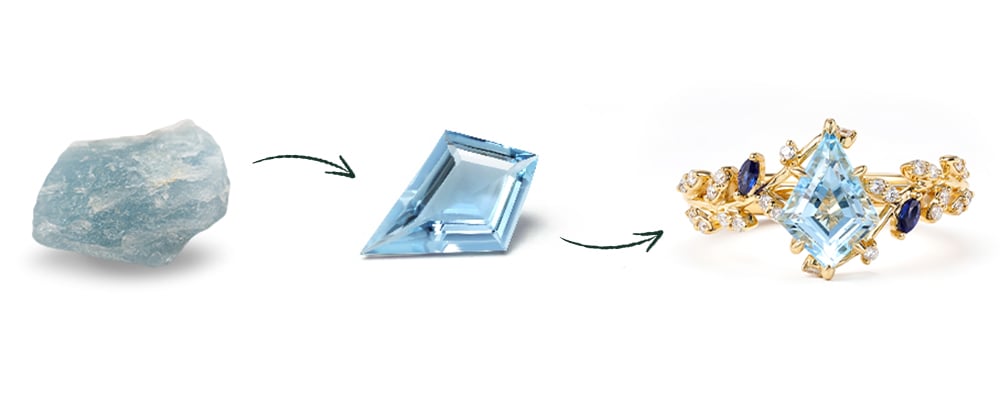
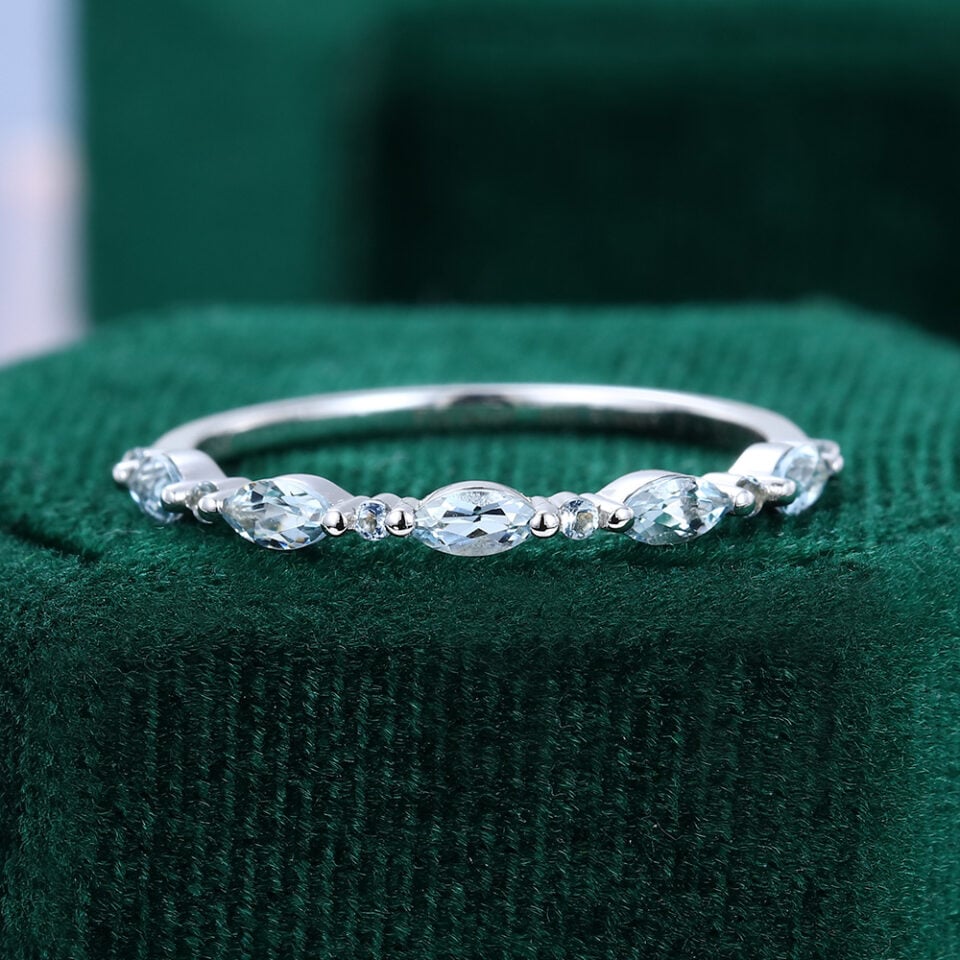
Aquamarine ranges from pale blue to blue-green, with the most appealing stones often showing a clear blue color and good transparency.
Its light color is one reason aquamarine works so easily in jewelry. It can look delicate in a simple setting or more eye-catching when used as a larger center stone.
What Does Aquamarine Symbolize?
What Does Aquamarine Symbolize?
Aquamarine has long been associated with the sea, calmness, protection, and clarity. Historical stories connected the gemstone with sailors and protection at sea.
Today, its meaning is often interpreted more simply: a gemstone associated with calm, clarity, and a sense of renewal.
Is Aquamarine Good for Everyday Wear?
Is Aquamarine Good for Everyday Wear?
Yes. Aquamarine has a Mohs hardness of 7.5–8, making it a practical choice for everyday jewelry when properly cared for.
For a ring, it is still worth avoiding strong impacts and checking the setting from time to time, especially if the stone sits high above the finger.
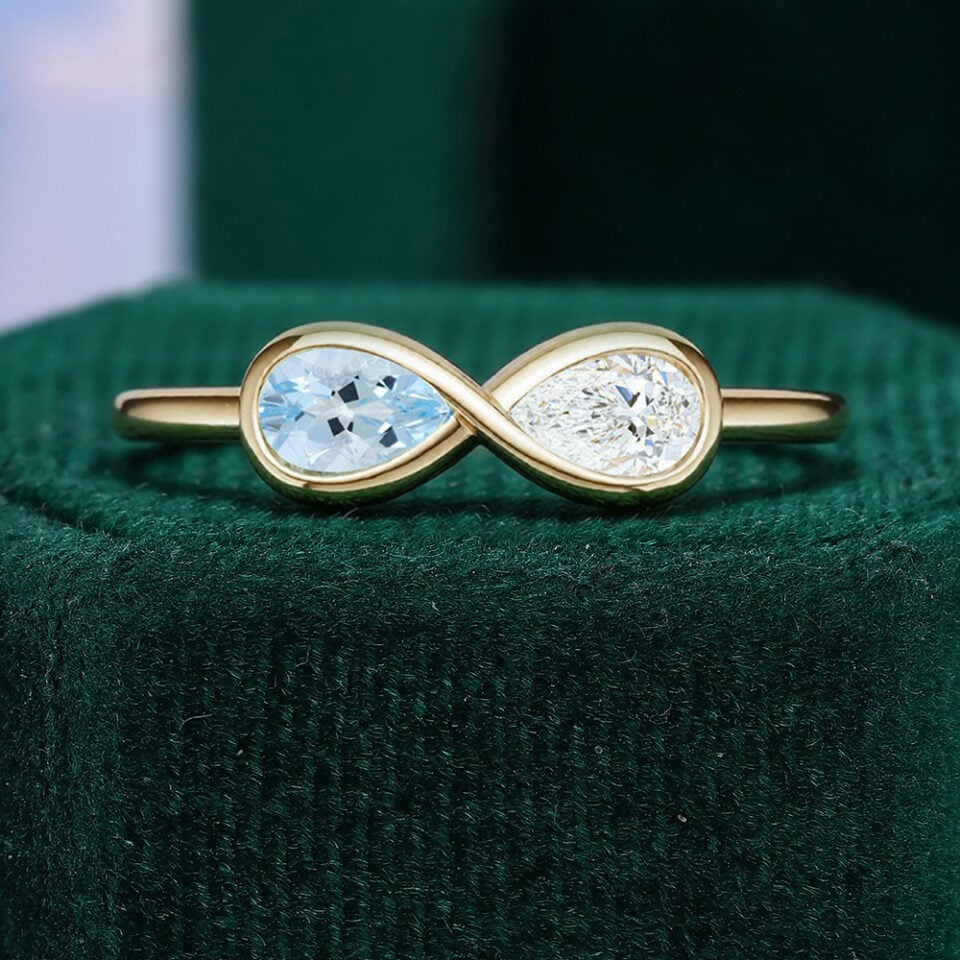
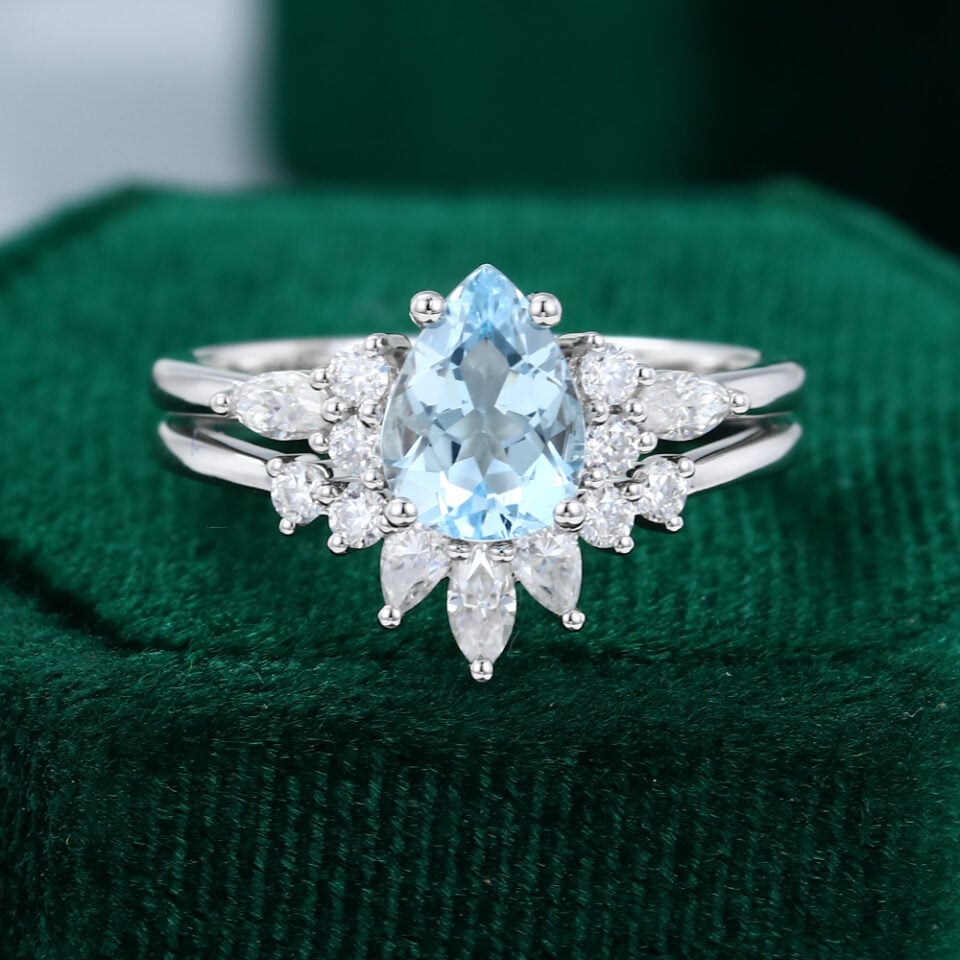
For anyone who wants a March birthstone engagement ring or everyday gemstone ring, aquamarine is generally the more versatile of the two options.


Bloodstone: The More Unusual March Birthstone
Bloodstone: The More Unusual March Birthstone
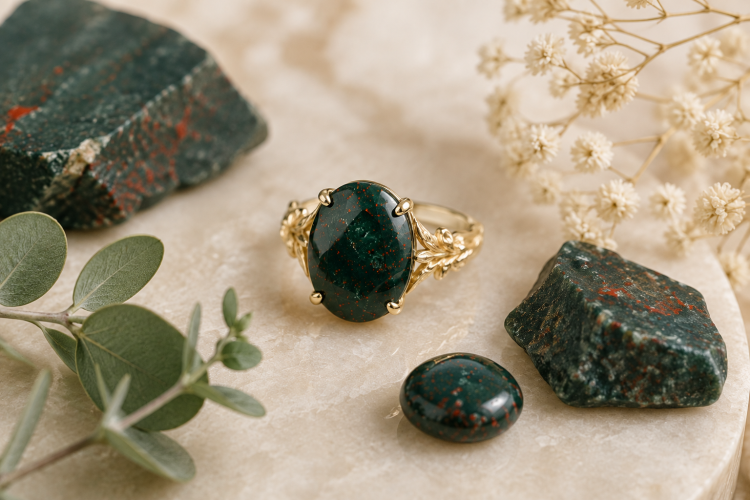
Bloodstone is very different from aquamarine. It is a variety of chalcedony, with a dark green body and red inclusions caused by iron oxides.
What Does Bloodstone Look Like?
What Does Bloodstone Look Like?
The most recognizable bloodstone has:
- A dark green base
- Red or reddish-brown spots
- An opaque to semi-translucent appearance
- A natural, irregular pattern
The red markings are part of the appeal. Unlike a transparent gemstone where clarity and sparkle are often the focus, bloodstone is appreciated more for its individual pattern and character.
What Does Bloodstone Symbolize?
What Does Bloodstone Symbolize?
Bloodstone has a long history of associations with strength, health, courage, and protection. Its distinctive red markings also contributed to many historical and religious interpretations of the stone.
For modern jewelry, its symbolism is often less important than its appearance: it is a good choice for someone who wants a March birthstone that feels unusual and personal.
Is Bloodstone Durable Enough for Jewelry?
Is Bloodstone Durable Enough for Jewelry?
Bloodstone has a Mohs hardness of around 6.5–7, so it can be worn as jewelry but is somewhat softer than aquamarine.
For rings, avoid unnecessary knocks and store bloodstone separately from harder gemstones that could scratch its surface.
Aquamarine vs. Bloodstone: What's the Difference?
Aquamarine vs. Bloodstone: What's the Difference?
The biggest difference is simple: aquamarine is light, blue, and transparent, while bloodstone is dark green with red markings and a more opaque appearance.
| Feature | Aquamarine | Bloodstone |
| Color | Blue to blue-green | Dark green with red spots |
| Look | Clear and luminous | Natural and patterned |
| Hardness | 7.5–8 | 6.5–7 |
| Style | Classic and refined | Earthy and distinctive |
| Best for | Rings, necklaces, earrings | Statement and character-rich jewelry |
| Everyday wear | Very practical with care | Practical with a little more caution |
So there is no single “better” March birthstone.
The better choice depends on whether the goal is a light, versatile gemstone or a more unusual stone with natural visual variation.
Which March Birthstone Should You Choose?
Which March Birthstone Should You Choose?
A simple way to decide is to start with the look you naturally prefer.
Choose Aquamarine If You Want:
Choose Aquamarine If You Want:
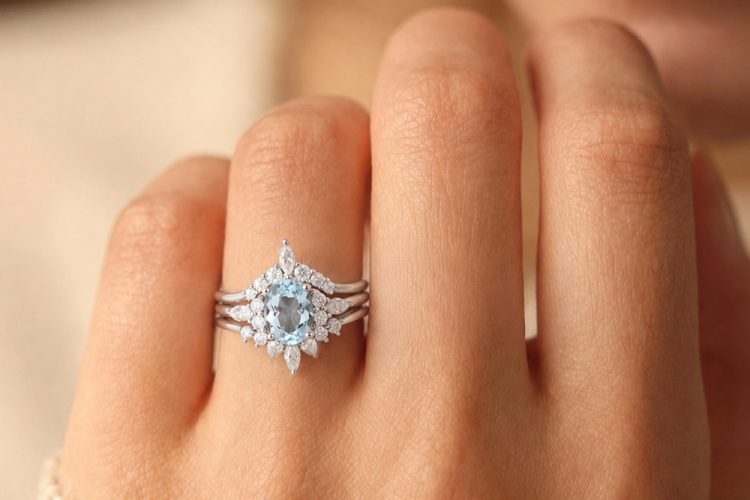
- A light blue or blue-green gemstone
- A clean and elegant appearance
- A transparent stone with natural sparkle
- A versatile gemstone for everyday jewelry
- A classic choice for a March birthstone ring
Aquamarine is particularly easy to pair with different metals and ring styles, making it a natural choice when you want a birthstone that can work beyond a single occasion.
Choose Bloodstone If You Want:
Choose Bloodstone If You Want:
- A dark green gemstone
- Natural red markings
- A less traditional birthstone look
- More visible variation from stone to stone
- Something with an earthy and distinctive character
Bloodstone makes more sense when the personality of the gemstone matters more than sparkle or a traditional fine-jewelry appearance.
If versatility is the priority, aquamarine is usually the easier choice. If individuality is more important, bloodstone offers a look that is much harder to confuse with another gemstone.
March Birthstone Meaning
March Birthstone Meaning
The two March birthstones have different histories, but both have traditionally been connected with positive qualities.
Aquamarine is associated with:
- Calm
- Clarity
- Protection
- Courage
- Renewal
Bloodstone is traditionally associated with:
- Strength
- Health
- Courage
- Protection
- Vitality
These meanings come from historical traditions and gemstone lore rather than scientific evidence. They can still make a birthstone feel more personal, especially when it is chosen for a birthday, promise ring, or other meaningful occasion.
How to Care for March Birthstone Jewelry
How to Care for March Birthstone Jewelry
Aquamarine and bloodstone do not require complicated care.
For Aquamarine
For Aquamarine
Clean it with warm water, mild soap, and a soft brush. Avoid unnecessary impacts, especially around the setting.
GIA notes that aquamarine is generally durable enough for everyday wear, with a Mohs hardness of 7.5–8.
For Bloodstone
For Bloodstone
Use warm soapy water and a soft brush. Because bloodstone is slightly softer, store it away from harder gemstones to reduce the risk of scratches. GIA recommends protecting bloodstone from harsh chemicals and extreme heat.
For either stone, the setting matters just as much as the gemstone itself when it comes to everyday wear.
Final Thoughts
Final Thoughts
March is unusual because it gives you two very different birthstones.
Aquamarine is the better fit for a light, versatile, and classic look, while bloodstone is ideal for someone who prefers darker color and natural character.
There is no need to choose based only on tradition. The most meaningful March birthstone is often the one that matches the way you actually want to wear your jewelry.
FAQs
FAQs
What is the birthstone for March?
March has two birthstones: aquamarine and bloodstone. Aquamarine is blue to blue-green, while bloodstone is typically dark green with red markings.
Why does March have two birthstones?
March is traditionally associated with both aquamarine and bloodstone. Modern birthstone lists recognize both stones, giving people born in March two options with very different colors and styles. GIA lists aquamarine and bloodstone as March’s two birthstones.
What color is the March birthstone?
There are two answers. Aquamarine is blue to blue-green, while bloodstone is dark green with red spots or markings.
Is aquamarine or bloodstone better?
Neither is universally better. Aquamarine is usually the more versatile choice because of its light color, transparency, and 7.5–8 Mohs hardness. Bloodstone is better suited to someone who prefers a darker, more natural-looking gemstone.
Is aquamarine good for everyday wear?
Yes. Aquamarine has a Mohs hardness of 7.5–8 and is generally suitable for everyday jewelry with proper care.