Last updated on August 20, 2026
If you were born in November, you have two birthstones to choose from: Topaz and Citrine. Topaz offers a much wider range of colors, while Citrine is best known for its warm yellow-to-orange tones.
The choice is less about which stone is “better” and more about which color, look, and meaning feel right for you.
Table Of Contents
- What Is the November Birthstone?
- Why Does November Have Two Birthstones?
- Topaz vs. Citrine: What’s the Difference?
- What Does Topaz Look Like?
- What Does Citrine Look Like?
- November Birthstone Origins
- November Birthstone History
- November Birthstones Meanings
- November Birthstone Durability
- How to Care for Topaz and Citrine Jewelry
- Choosing Between Topaz and Citrine – or Both?
- FAQs
What Is November Birthstone?
November has two modern birthstones: Topaz and Citrine. Both are recognized as November birthstones by major gemological and jewelry organizations.
They are easy to tell apart once you focus on their typical color:
- Topaz: available in many colors, including yellow, orange, pink, blue, and colorless
- Citrine: known mainly for yellow, golden, and orange tones
So if the question is simply “What is the birthstone for November?”, the answer is Topaz or Citrine.
And yes, November 1 has the same birthstones. The date within November does not change the traditional birthstone.

Why Does November Have Two Birthstones?
November has two birthstones because modern birthstone traditions recognize both Topaz and Citrine for the month.
There is also a historical reason these two gems became closely associated: yellow Citrine was once confused with yellow Topaz because they can look similar. They are actually different minerals—Topaz is a silicate mineral, while Citrine is a variety of quartz.
That distinction matters when shopping because the two stones can have a similar warm color but offer a different overall look and value.
Topaz vs. Citrine: What’s the Difference?
The quickest way to compare them is by color, material, durability, and treatment.
| Topaz | Citrine | |
|---|---|---|
| Typical color | Many colors | Yellow to orange |
| Mineral | Topaz | Quartz |
| Hardness | 8 | 7 |
| Treatment | Depends on color | Most commercial Citrine is heat-treated |
| Overall look | Bright and versatile | Warm and golden |
| Best known for | Color variety | Sunny yellow-orange tones |
Both can make beautiful November birthstone jewelry. The biggest visual difference is simple: Topaz gives you more color choices, while Citrine gives you a distinctly warm palette.
What Does Topaz Look Like?
Topaz is the more color-flexible November birthstone.
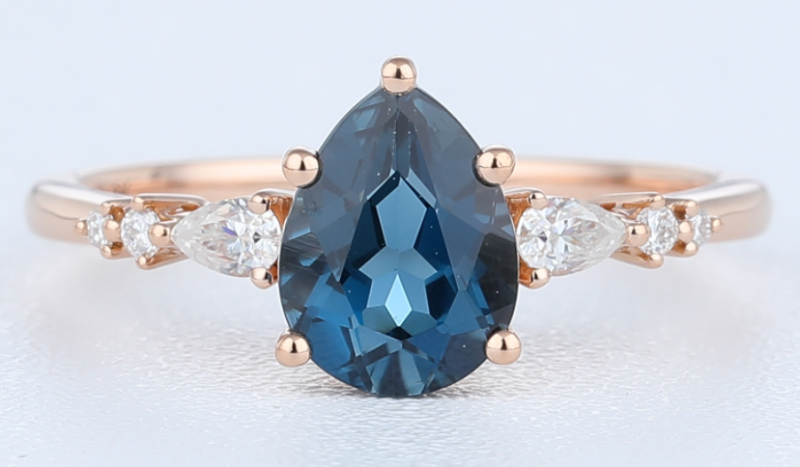
Natural Topaz can occur in colorless, yellow, orange, pink, blue, brown, violet, and other hues. Among them, Imperial Topaz, with its rich orange to pinkish-orange color, is particularly valued.
Blue Topaz is also widely used in jewelry, but most blue Topaz on the market gets its color through treatment rather than occurring naturally in strong blue shades.
That makes Topaz a good choice when November birthstone jewelry needs to match a particular color preference.
Love blue? Explore our blue topaz rings. Prefer warm orange or golden tones? Look at yellow or Imperial Topaz.
What Does Citrine Look Like?
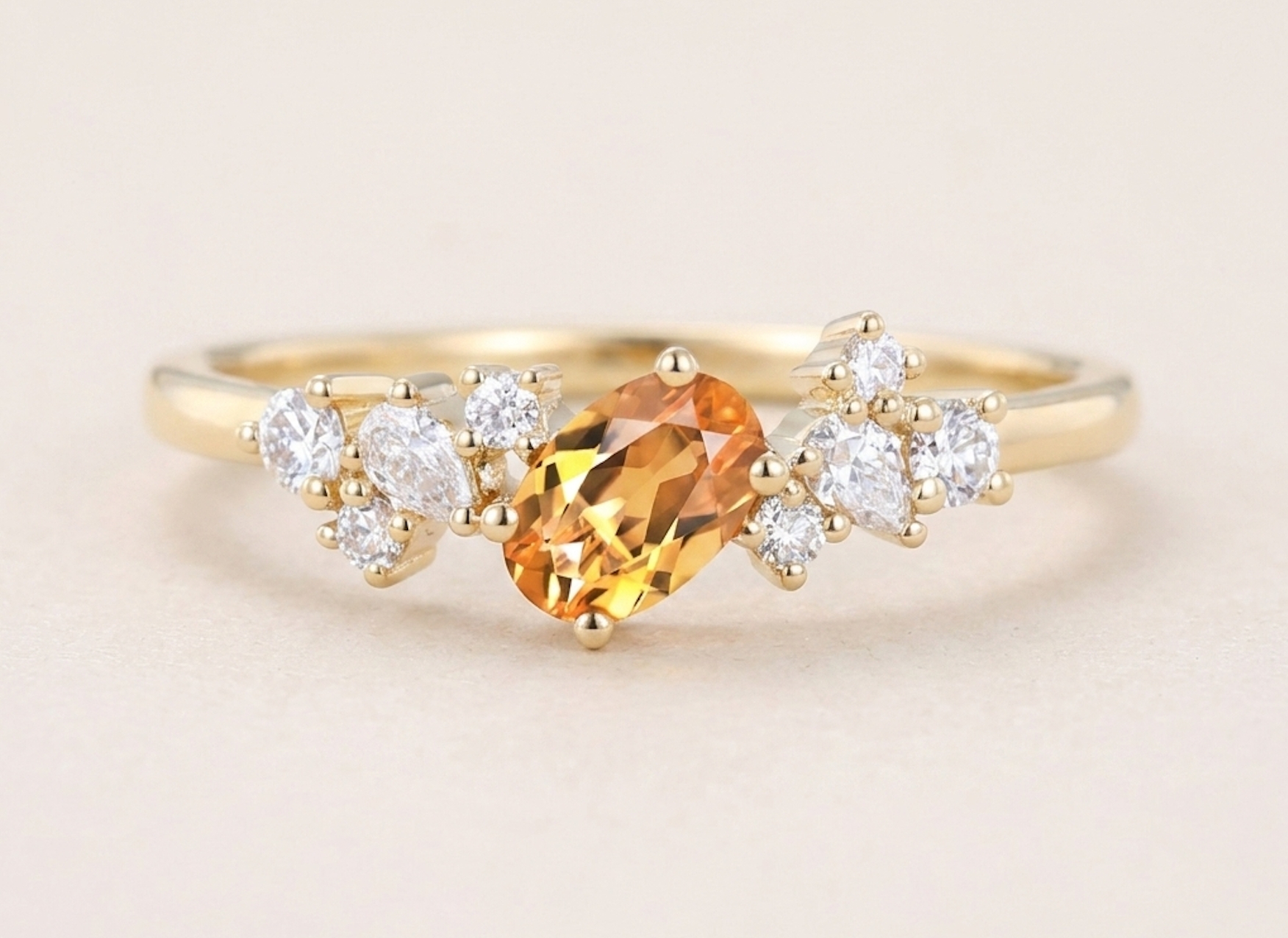
Citrine is defined by its warm yellow-to-orange color range.
It is the transparent yellow to brownish-orange variety of quartz, with popular colors ranging from soft yellow to deeper golden and orange tones.
Citrine has a naturally warm appearance that works especially well with:
- Yellow gold
- Warm-toned jewelry
- Vintage-inspired designs
- Autumn-inspired looks
- Simple gemstone rings and pendants
Citrine is a yellow-hued quartz, with colors ranging from pale yellow to brown. Explore our citrine rings.
So “treated” does not automatically mean “fake.” Treatment is a normal part of the commercial gemstone market. What matters is knowing what you are buying.
November Birthstone Origins
Topaz Birthstone Origins
There are many sources of Topaz, like Brazil (the largest source), Russia, Sri Lanka, Norway, etc.
Citrine Birthstone Origins
Citrine is primarily found in Brazil (the main source), U.S., Madagascar, and Spain.
November Birthstone History
Topaz Birthstone History
Topaz has a captivating history that spans centuries and cultures. Its name is believed to come from the Sanskrit word “tapas”, meaning fire, referring to its radiant glow and warmth. Historically revered, especially in ancient Egypt and Rome, Topaz was believed to harness the power of the sun, granting the wearer strength, wisdom, and protection from harm.
One of Topaz’s most attractive features is its color, which ranges from clear, pink, and blue to the rich golden shades associated with November. Imperial Topaz, with its golden-orange tones, is especially sought after, symbolizing royal favor and divine blessing.
Citrine Birthstone History
Citrine, named after the Latin word “citrine” meaning “yellow”, is also known as the “merchant’s stone” or “money stone.” Historically, Citrine was valued by the Greeks and Romans for its bright beauty, and it became especially popular in the 19th century in Scottish traditional Celtic brooches. In modern times, Citrine is loved not only for its vibrant color but also for its strong associations with positivity and wealth.
November Birthstones Meanings
Topaz Birthstone Symbolism & Energy
Topaz is a stone of strength, balance, and protection. It is said to bring clarity of thought, focus, and help people make wise decisions confidently. But its powers go beyond logic—Topaz is also considered a stone of love and passion, believed to foster emotional bonds and promote healthy relationships.
- Clarity and Focus: Topaz is often associated with enhancing mental clarity and helping in making difficult decisions. It is believed to reduce stress, promote emotional balance, and help overcome obstacles.
- Healing and Revitalization: Historically, Topaz was worn to ward off illness and promote recovery. Some believe it strengthens the body and revitalizes energy, promoting physical health.
- Spiritual Growth: Topaz is also linked to spiritual insight and personal growth. For those on a journey of self-discovery, Topaz can serve as a guiding light, helping to harmonize mind, body, and spirit.
Citrine Birthstone Symbolism & Energy
Citrine is known as the “merchant’s stone” or “money stone”, famed for bringing prosperity and success. Many believe that Citrine enhances financial fortune, making it a popular choice for business people and entrepreneurs. It is also considered a stone of joy, helping dispel negative emotions and encouraging a more optimistic, energetic outlook on life.
- Prosperity and Abundance: Citrine is associated with financial success and abundance. Many place Citrine in their workplace or cash register to attract wealth.
- Positivity and Vitality: Its sunny hue is said to promote happiness and joy, helping to combat depression, stress, and anxiety. Citrine’s warm energy can lift spirits and inspire confidence.
- Emotional Healing: Citrine is believed to purify negative energy in the body and improve emotional well-being, making it an ideal companion for cultivating happiness and optimism.
November Birthstone Durability
Topaz Birthstone Durability
With a Mohs hardness of 8, Topaz is highly durable, making it suitable for everyday wear. However, care should still be taken to avoid impacts that might cause damage. It is important to note that Topaz is sensitive to extreme heat and drastic temperature changes, which may cause color changes or fading in these environments.
Citrine Birthstone Durability
With a Mohs hardness of 7, Citrine is also durable enough for everyday wear but should be protected from scratches. Its crystal structure, and chemical stability, usually do not produce high temperatures and other extreme weather and color change reactions.
How to Care for Topaz and Citrine Jewelry
Both gemstones can be cleaned at home with warm water, mild soap, and a soft cloth.
Topaz needs extra care around impact, heat, and sudden temperature changes because of its cleavage. GIA also recommends avoiding steam and ultrasonic cleaning for Topaz.
Citrine is generally straightforward to care for, but steam cleaning is best avoided because high heat can cause damage.
For either gemstone:
- Remove jewelry before heavy physical activity.
- Keep gemstones away from harsh chemicals.
- Store pieces separately to reduce scratches.
- Use gentle cleaning rather than aggressive methods.
Choosing Between Topaz and Citrine – or Both?
Start with the look you want rather than the birthstone label.
Choose Topaz when color variety matters most. Its broad color range makes it easier to find something from icy blue to warm yellow or rich orange.
Choose Citrine when you want a warm, golden gemstone. Its yellow-to-orange palette has a naturally sunny, understated richness.
There is also a style difference:
- Blue Topaz → cool, crisp, brighter
- Yellow or Imperial Topaz → warm, rich, more dramatic
- Citrine → golden, earthy, warm
For a November birthday gift, the choice can also come down to the person’s existing jewelry. Someone who mostly wears cool-toned gemstones may prefer blue Topaz, while someone drawn to warm gold and earthy colors may naturally gravitate toward Citrine.
There is no single “best” November birthstone—the better choice is the one that fits the wearer.
Learn more about Topaz in our Topaz Guide!
November Birthstone FAQs
November has two birthstones: Topaz and Citrine.
Yes. Topaz is a November birthstone, and blue is one of its commercially popular colors. However, most blue Topaz gets its blue color through treatment.
Modern birthstone traditions recognize both Topaz and Citrine for November. Their historical association was also strengthened by the fact that yellow Citrine was once confused with yellow Topaz.
No. Citrine is a variety of quartz, while Topaz is a different mineral species.
Neither is automatically more expensive. Price depends on factors such as color, quality, size, treatment, and rarity. Both are generally considered relatively accessible compared with many rarer gemstones.
Yes, with reasonable care. Topaz is harder but has cleavage that makes it vulnerable to impact, while Citrine is slightly softer but has good toughness.
If you want them to be. Yellow is the representative color of November, and November birthstones are mainly yellow. Check out our article on yellow gemstones to learn more about popular gemstones with this beautiful color.
Featured November Birthstone Jewelry
-
 Oval Cut Citrine Promise Ring Half Eternity Wedding Band$215
 -
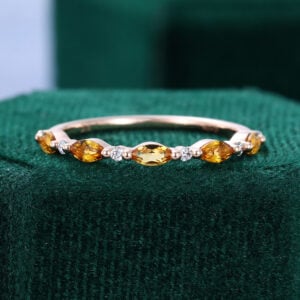 Alternating Citrine & Diamond Wedding Band Half Eternity Stacking Promise Ring$215
 -
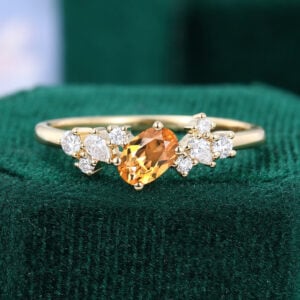 Leaning Oval Cut Citrine Engagement Ring With Moissanite Cluster Accents$220
 -
 Princess Cut London Blue Topaz Infinity Promise Ring$270
 -
 Taper Baguette Cut London Blue Topaz Open Wedding Band in Rose Gold$217
 -
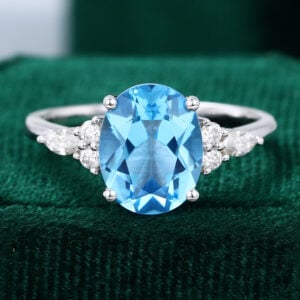 White Gold Oval Cut Swiss Blue Topaz Engagement Ring For Women$525
 -
 Marquise Cut London Blue Topaz Engagement Ring$246
Explore more November Birthstone Jewelry 👉 Topaz Rings, Citrine Rings
Related Readings: January Birthstone, February Birthstone, March Birthstone, April Birthstone, May Birthstone, June Birthstone, July Birthstone, August Birthstone, September Birthstone, October Birthstone, December Birthstone