Last updated on September 10 2026
June has three recognized birthstones: pearl, moonstone, and alexandrite. Each has a very different look, from pearl’s classic luster to moonstone’s soft glow and alexandrite’s dramatic color change.
Having three options makes June one of the easiest birthstone months to personalize. The best choice depends on the color, style, durability, and type of jewelry you prefer.Table of Contents
June Birthstones at a Glance
| Birthstone | Signature Look | Common Colors | Best For |
|---|---|---|---|
| Pearl | Classic luster | White, cream, pink, golden, gray, black | Timeless jewelry and traditional gifts |
| Moonstone | Soft glowing effect | Colorless, white, peach, gray | Romantic and dreamy styles |
| Alexandrite | Color-changing effect | Green or blue-green to red or purplish-red | Unique rings and statement jewelry |
Pearl, moonstone, and alexandrite can all represent June, but they suit very different styles. Pearl is the most classic, moonstone is the most ethereal, and alexandrite is the most distinctive.
Why Does June Have Three Birthstones?
June has three recognized birthstones because birthstone lists have evolved over time, with newer stones added alongside traditional choices.
Pearl is generally considered the traditional June birthstone, while moonstone and alexandrite became additional choices. According to GIA, June is one of the three months with three birthstones.
This gives people born in June more flexibility when choosing a birthstone gift or piece of jewelry. You do not have to choose based only on tradition—you can also choose according to color, style, durability, or personal meaning.
Pearl: The Classic June Birthstone
Pearl is the traditional June birthstone, known for its soft luster and timeless appearance.
Unlike most gemstones, pearls are formed by living organisms. They can be natural or cultured and come in a range of colors, including white, cream, pink, lavender, golden, gray, and black.
What Does Pearl Look Like?
Pearls are valued for their smooth surface and distinctive luster rather than the sharp sparkle associated with faceted gemstones.
Their appearance can range from bright white and cream to more unusual pink, golden, gray, and black tones. Pearl shape also varies, from round and oval forms to more irregular shapes.
What Does Pearl Symbolize?
Pearls are traditionally associated with purity, innocence, humility, and timeless elegance.
That makes pearl jewelry a natural choice for birthdays, anniversaries, weddings, and other meaningful gifts.
Is Pearl Good for Everyday Jewelry?
Pearls require more care than harder gemstones. They typically measure only about 2.5–4.5 on the Mohs hardness scale, so they can scratch or become damaged more easily.
For frequent wear, pearl necklaces and earrings are generally easier to protect than rings. If you choose a pearl ring, it is best to remove it during activities that could expose the pearl to impact, chemicals, or excessive friction.
Moonstone: The Softly Glowing June Birthstone
Moonstone is a June birthstone known for its soft, floating glow, called adularescence.
Rather than producing strong sparkle, moonstone can show a luminous effect that seems to move across the surface as the stone or light changes.
What Color Is Moonstone?
Moonstone can appear colorless, white, gray, peach, or other soft tones. Some stones show a blue or white glow that creates the characteristic moonstone appearance.
Because of this subtle effect, moonstone works especially well in romantic, nature-inspired, vintage, and bohemian jewelry.
What Does Moonstone Symbolize?
Moonstone is often associated with intuition, calmness, femininity, and new beginnings.
These associations are symbolic rather than scientific, but they can make moonstone particularly meaningful for birthdays, milestones, and personal gifts.
Is Moonstone Good for Everyday Wear?
Moonstone is softer than alexandrite, with a Mohs hardness of around 6–6.5. It can work in jewelry, but it needs more care than harder gemstones.
For a moonstone ring, a protective setting can help reduce the risk of damage. It is also better to remove moonstone jewelry during activities involving hard impact, harsh chemicals, or rough work.
If you like the look of moonstone specifically for a June birthday, a ring does not have to be overly traditional. A nature-inspired setting or an unusual gemstone shape can make the soft glow feel more personal.
Alexandrite: The Color-Changing June Birthstone
Alexandrite is the most distinctive June birthstone because its color can change noticeably under different lighting.
A fine alexandrite may appear green or blue-green in daylight and shift toward red or purplish-red under incandescent or warmer light.
What Color Is Alexandrite?
Color change is one of alexandrite’s defining characteristics.
The exact colors and strength of the change vary from stone to stone. A strong, noticeable shift is particularly prized, while lighting conditions can affect how dramatic the color change appears.
Alexandrite can be natural or lab-grown, giving shoppers different options when choosing a piece of jewelry.
What Does Alexandrite Symbolize?
Alexandrite is often associated with transformation, balance, creativity, and good fortune.
Its changing appearance also makes it a natural symbolic choice for someone who values individuality or wants a birthstone with a less traditional look.
Is Alexandrite Good for Everyday Wear?
Alexandrite has a Mohs hardness of about 8.5, making it significantly harder than pearl and moonstone.
That makes it the most practical of the three June birthstones for jewelry that will be worn frequently, including rings. A secure setting is still important, since hardness does not make a gemstone completely resistant to damage.
Which June Birthstone Is Right for You?
There is no single “best” June birthstone. The right one depends on what you want the jewelry to look and feel like.
| If You Want… | Consider… |
|---|---|
| A classic and timeless look | Pearl |
| A soft, romantic glow | Moonstone |
| A dramatic color-changing effect | Alexandrite |
| A traditional June gift | Pearl |
| A dreamy or nature-inspired style | Moonstone |
| A distinctive everyday ring | Alexandrite |
| A less traditional birthstone | Alexandrite or moonstone |
June Birthstone Moonstone Jewelry
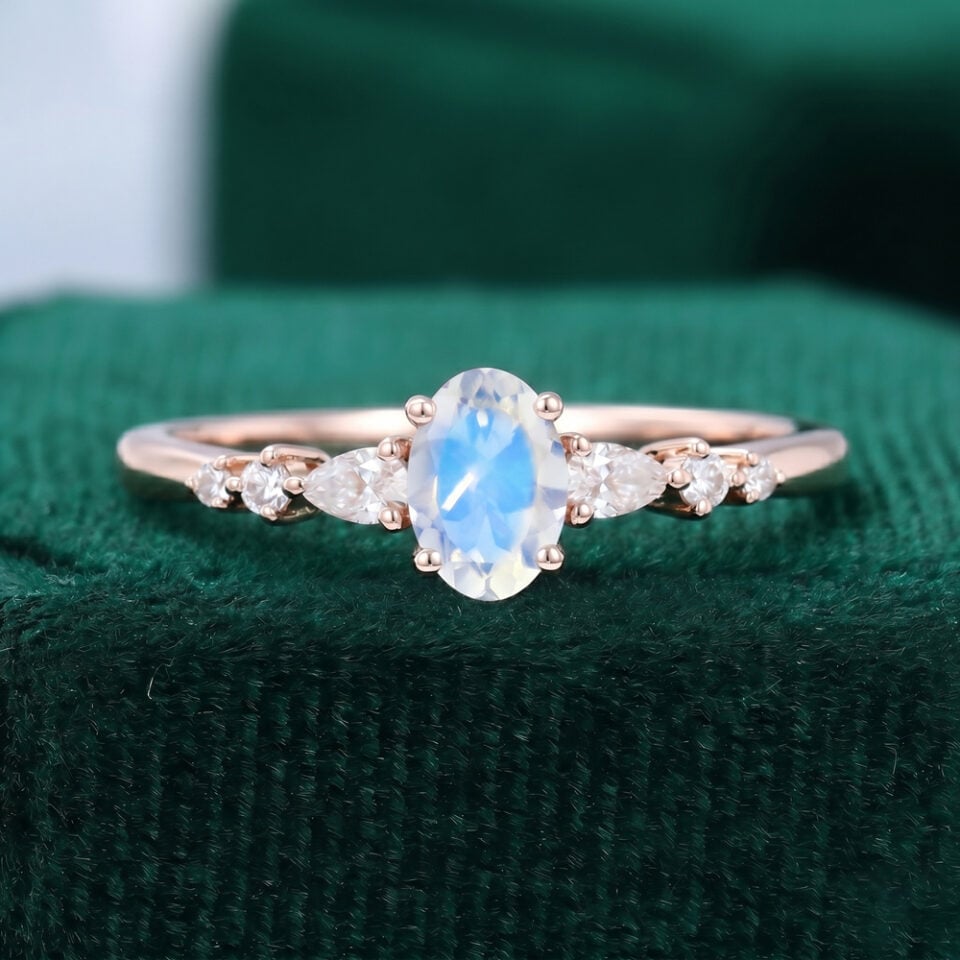


Explore more 👉 June birthstone moonstone rings.
June Birthstone Alexandrite Jewelry
-
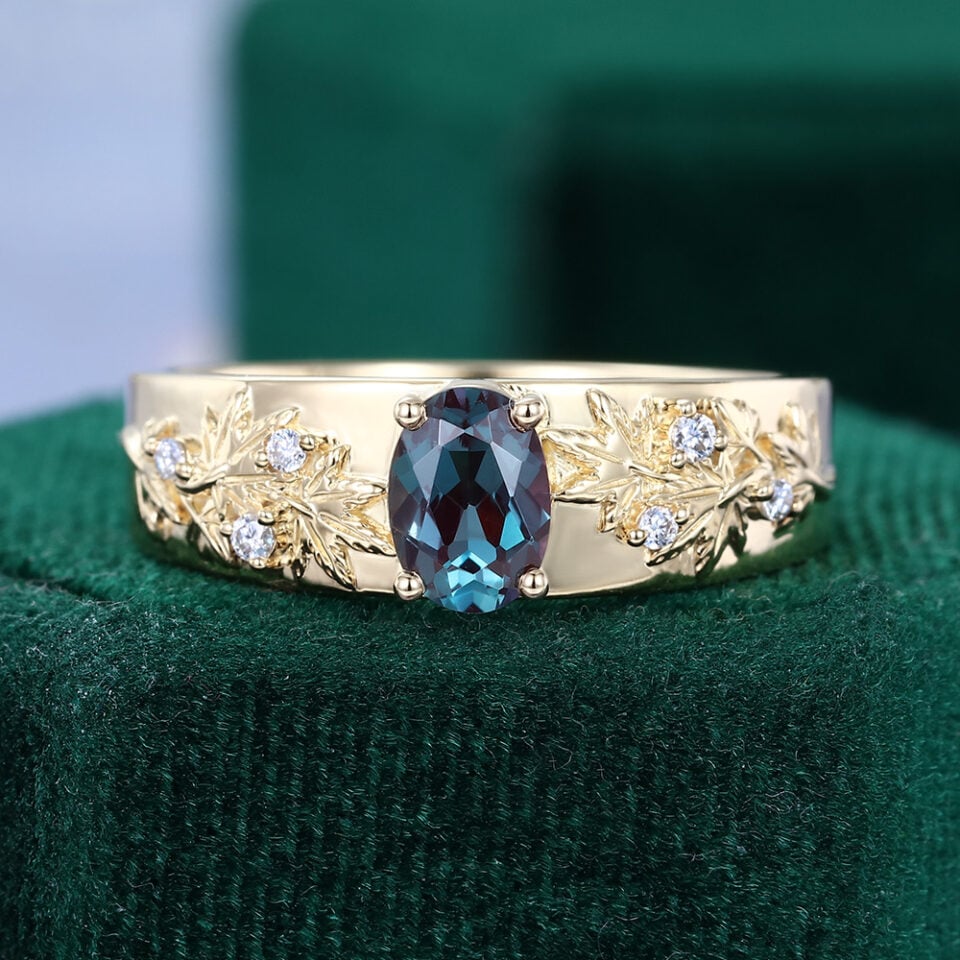
Oval Cut Alexandrite Gender Neutral Wedding Band Maple Leaf Ring
$380 -

Alternating Baguette Alexandrite & Round Moissanite Half Eternity Wedding Band
$335 -
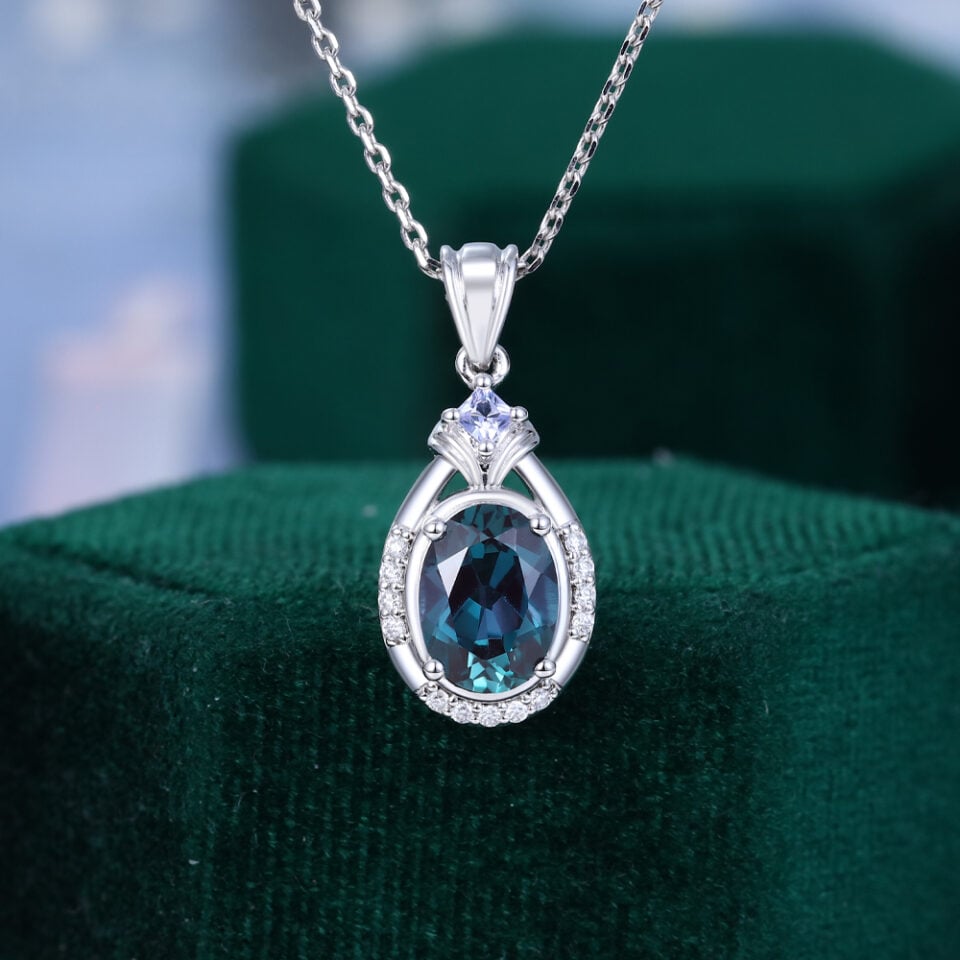
Oval Alexandrite Pendant Necklace For Women with Tanzanite Accent
$460 -
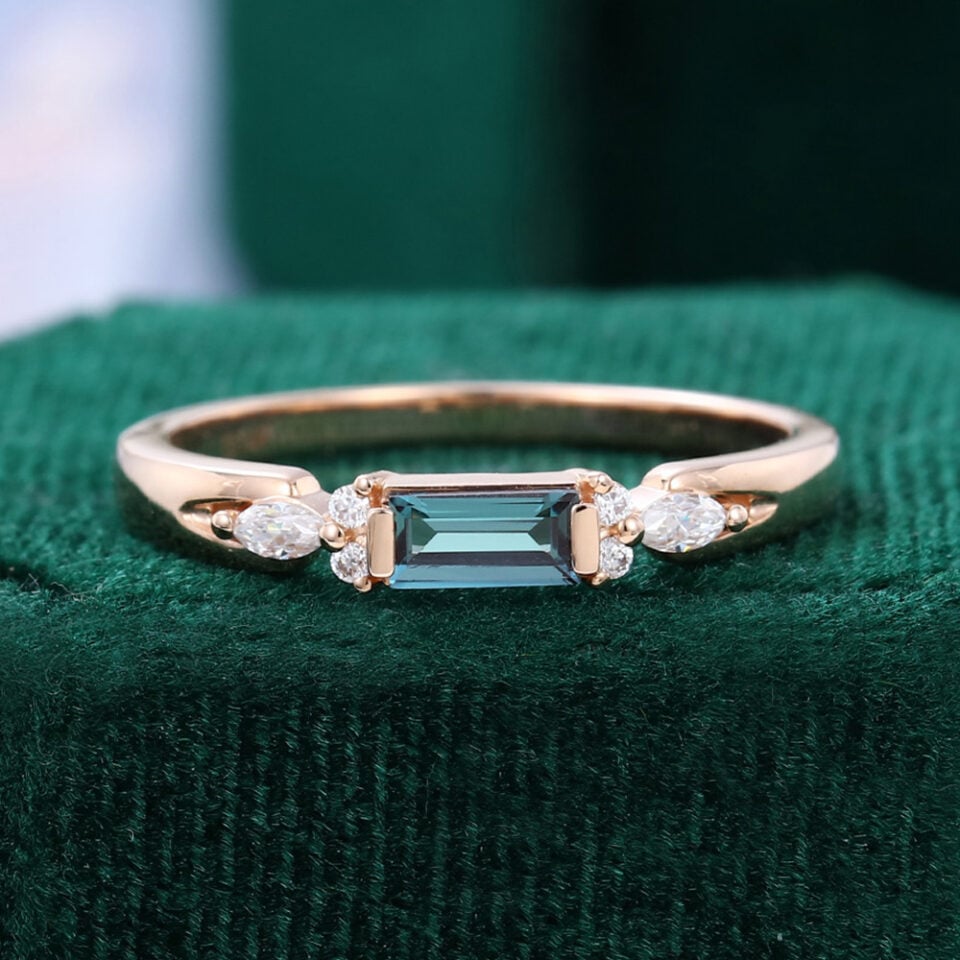
Calming Blue Baguette Cut Alexandrite Stacking Ring June Birthday Gift Promise Ring for Her
$200
Explore more 👉 June birthstone alexandrite rings; June birthstone alexandrite necklaces
June Birthstone Jewelry Ideas
The three June birthstones can be styled in very different ways.
- Pearl jewelry works naturally for classic necklaces, earrings, and refined gift pieces. Its soft luster pairs well with simple settings and timeless silhouettes.
- Moonstone jewelry suits romantic, nature-inspired, vintage, and bohemian designs. Leaf details, floral settings, and softer metal tones can complement its subtle glow.
- Alexandrite jewelry is ideal when you want the birthstone itself to be the focus. It can work especially well in rings with distinctive cuts, unusual settings, or other colorful gemstone accents.
For a June birthday gift, you can also choose based on the recipient’s existing jewelry style rather than following a traditional birthstone look. A person who rarely wears classic jewelry may appreciate an unusual alexandrite ring more than a traditional pearl piece.
FAQs About June Birthstone
The three recognized June birthstones are pearl, moonstone, and alexandrite. Pearl is the traditional choice, while moonstone and alexandrite provide additional options with very different appearances.
June does not have one single birthstone color because it has three birthstones. Pearl can be white, cream, pink, golden, gray, or black; moonstone is often colorless, white, peach, or gray with a glowing effect; and alexandrite can shift from green or blue-green toward red or purplish-red under different lighting.
Under the standard monthly birthstone system, someone born on June 6 has pearl, moonstone, or alexandrite as their June birthstones. There is no separate standard birthstone assigned specifically to June 6.
June 8 has the same three monthly birthstone choices: pearl, moonstone, and alexandrite. Some alternative birthstone traditions may use different systems, but the standard June list includes these three stones.
Alexandrite is the most durable of the three, with a Mohs hardness of about 8.5. Moonstone is around 6–6.5, while pearl is much softer at about 2.5–4.5. For a ring intended for frequent wear, alexandrite generally offers the best durability.
Alexandrite is generally the best choice for a frequently worn June birthstone ring because it is significantly harder than pearl and moonstone. Moonstone can also work well in a ring with a protective setting and careful wear, while pearl is better suited to jewelry that receives less daily impact.
Yes. Since June has three recognized birthstones, you can choose more than one for different pieces of jewelry. For example, pearl can provide a classic everyday accent, while moonstone or alexandrite can add a more distinctive look to a ring or statement piece.
Conclusion
June’s three birthstones give you three very different ways to represent the same birth month.
Pearl offers timeless elegance, moonstone brings a soft and dreamy glow, and alexandrite stands out with its color-changing effect. If durability matters most for a frequently worn ring, alexandrite is generally the strongest choice. If appearance and tradition matter more, pearl or moonstone may be a better fit.
Instead of looking for one universally “best” June birthstone, choose the one that matches the person’s style, the type of jewelry, and how often it will be worn.
Related Readings: January Birthstone, February Birthstone, March Birthstone, April Birthstone, May Birthstone, July Birthstone, August Birthstone, September Birthstone, October Birthstone, November Birthstone, December Birthstone