- by MollyJewelryUS
- September 20, 2026
- Jewelry Care & Tips
Pavé stones can loosen or fall out, but that does not mean pavé rings are unsuitable for everyday wear. The risk depends on factors such as the quality of the setting, repeated impact, friction, and how the ring is worn and cared for.
Knowing what can cause a stone to loosen—and what signs to watch for—can help you catch a problem before a small stone is lost.
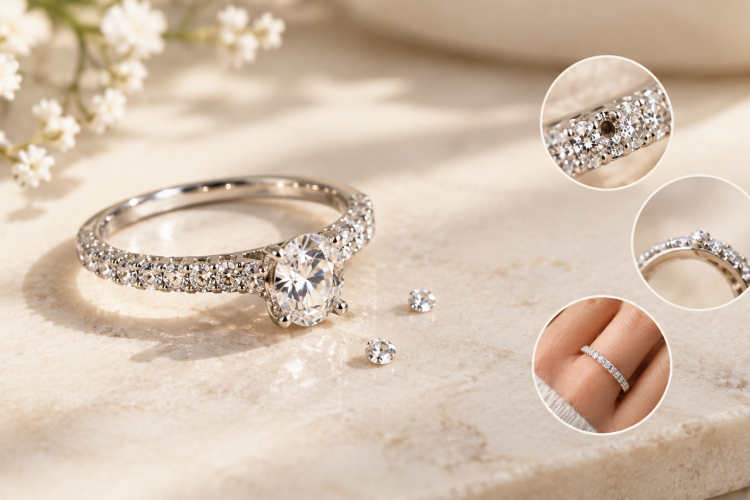
Table of Contents
Do Pavé Stones Fall Out Easily?
Do Pavé Stones Fall Out Easily?
Pavé stones can loosen over time, especially when a ring is exposed to repeated impact or friction.
Unlike a plain metal band, a pavé ring has many individual stones secured along the band or setting. Each stone has its own setting, so there are more small areas to inspect and maintain.
That does not automatically make a pavé ring fragile. A well-made pavé ring can be worn every day, but it benefits from a little more attention than a ring with no accent stones.
If you are still deciding whether pavé is right for you, our Pavé Engagement Ring Guide can help you compare the style, setting, and everyday-wear considerations before choosing a ring.
What Makes Pavé Stones More Likely to Loosen?
What Makes Pavé Stones More Likely to Loosen?
There is no universal percentage for how often pavé stones fall out. Instead, think about the conditions that can gradually affect the setting.
The main factors are:
- Impact: Hard knocks can affect a small stone or its setting.
- Repeated friction: Constant contact with other objects can gradually affect the setting.
- Setting quality: Well-made pavé depends on secure, properly finished settings.
- Daily activities: Heavy work, sports, gardening, and similar activities can put more stress on the ring.
- Pavé coverage: More stones mean more individual settings to inspect and maintain, but full pavé is not automatically less durable than half pavé.
How Can You Tell If a Pavé Stone Is Loose?
How Can You Tell If a Pavé Stone Is Loose?
A loose pavé stone may look slightly different from the stones around it before it actually falls out.
Watch for these changes:
| What You Notice | What It May Mean |
|---|---|
| A stone looks tilted | The setting may have shifted |
| One stone sits higher or lower | The stone may no longer be secure |
| A new gap appears around a stone | The surrounding setting may be damaged |
| The ring starts catching on clothing | A setting element may be raised or damaged |
| You notice unusual movement or clicking | A stone may be loose |
| A stone is missing | The ring needs inspection and repair |
If something looks different from when you first bought the ring, it is better to stop wearing it and have it checked rather than waiting for the stone to fall out.

What Should You Do If a Pavé Stone Is Loose?
What Should You Do If a Pavé Stone Is Loose?
If you notice a pavé stone looks loose, stop wearing the ring and have it checked by a qualified jeweler. Continuing to wear it may put more stress on the setting and increase the chance of losing the stone.
Avoid trying to tighten or repair the stone yourself. If it has already fallen out, keep the stone if you can find it and bring it with the ring for inspection.
If your MollyJewelryUS ring is still within the warranty period, check our Warranty Policy before arranging a repair. Coverage depends on the stone, the cause of the issue, and the specific warranty terms.
How Can You Reduce the Risk of Losing Pavé Stones?
How Can You Reduce the Risk of Losing Pavé Stones?
You do not need to treat a pavé ring like a display piece. A few everyday habits can reduce unnecessary stress on the stones and settings.
- Remove your ring before strenuous activities or sports.
- Take it off for household chores or activities involving hard surfaces.
- Avoid wearing it when working with harsh chemicals or abrasive materials.
- Put your ring on after makeup, perfume, hairspray, and lotions.
- Check the stones and setting regularly for changes.
- Clean and store the ring properly when it is not being worn.
- Have the ring professionally checked if a stone looks loose or the setting changes.
For a more complete routine, our Jewelry Care Guide covers cleaning, storage, everyday wear, and situations when jewelry should be removed.
How Often Should a Pavé Ring Be Inspected?
How Often Should a Pavé Ring Be Inspected?
There is no single inspection schedule that works for every pavé ring.
A ring worn heavily or exposed to frequent impact may need attention sooner than one worn less often. Instead of waiting for a stone to fall out, make it a habit to look over the ring periodically for loose, tilted, or missing stones.
A professional inspection is especially worth considering after a significant impact or when you notice a change in the setting.
The goal is simple: catch a loose stone while it is still loose, rather than after it is gone.
Is Pavé Still a Good Choice for Everyday Wear?
Is Pavé Still a Good Choice for Everyday Wear?
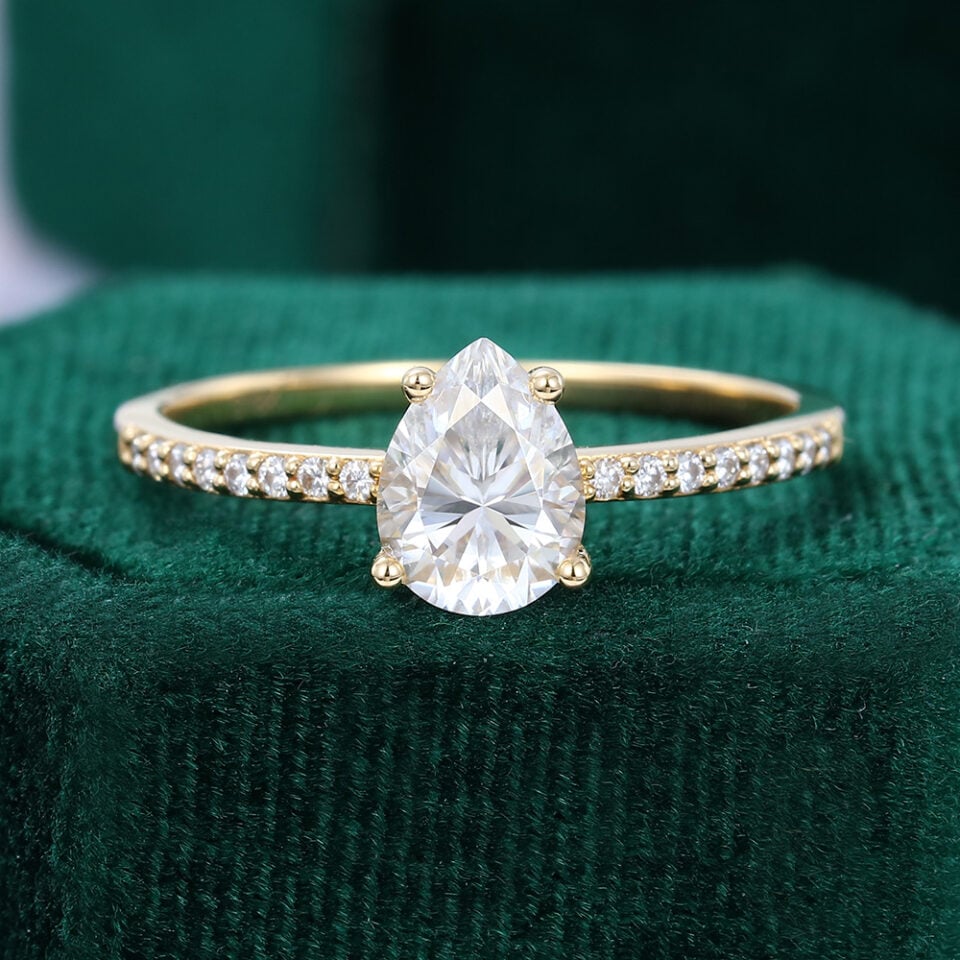
Pavé can work well for everyday wear if you are comfortable with regular care and removing the ring during higher-risk activities.
It may be a good fit if you love:
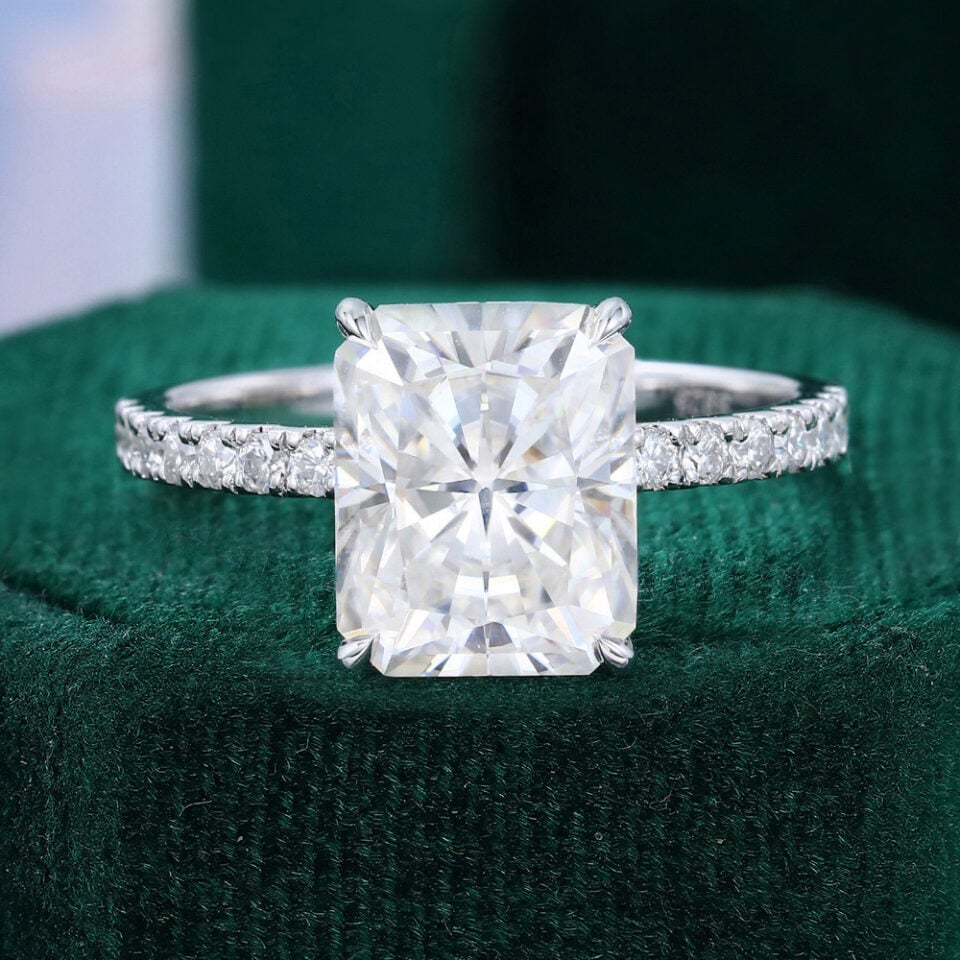
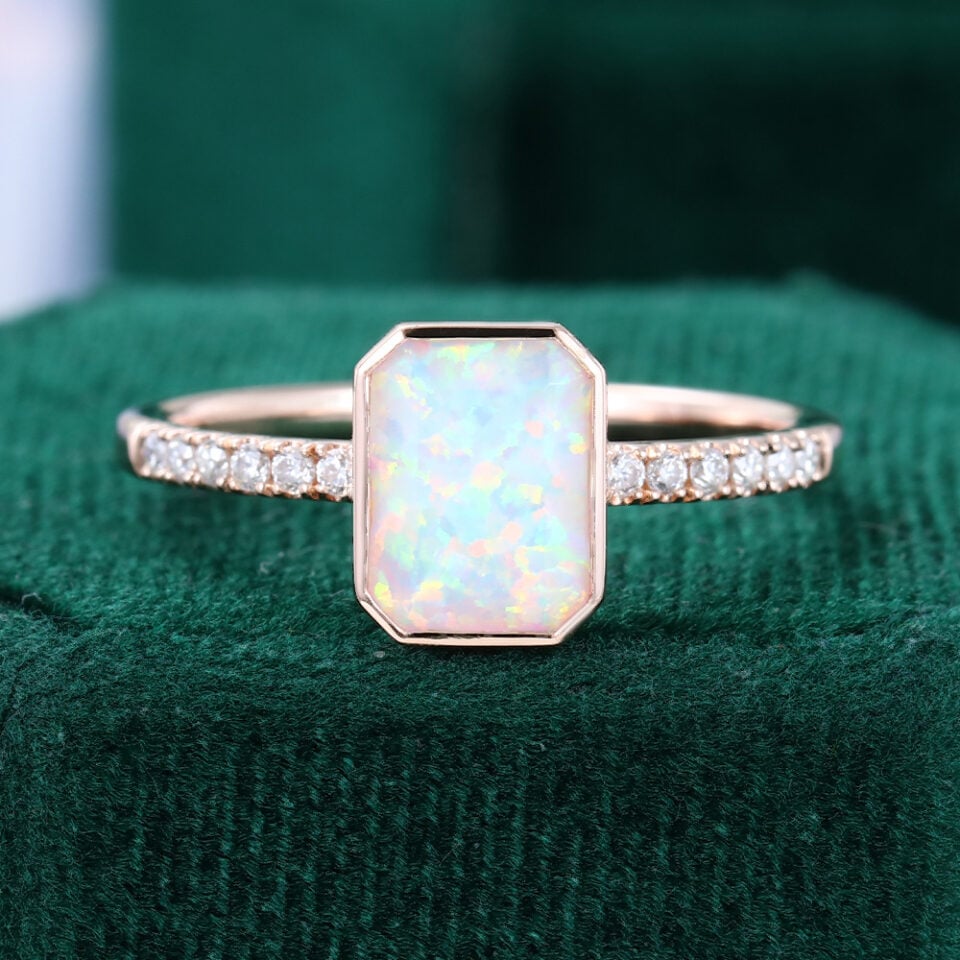
- Sparkle across the band
- A more detailed engagement ring
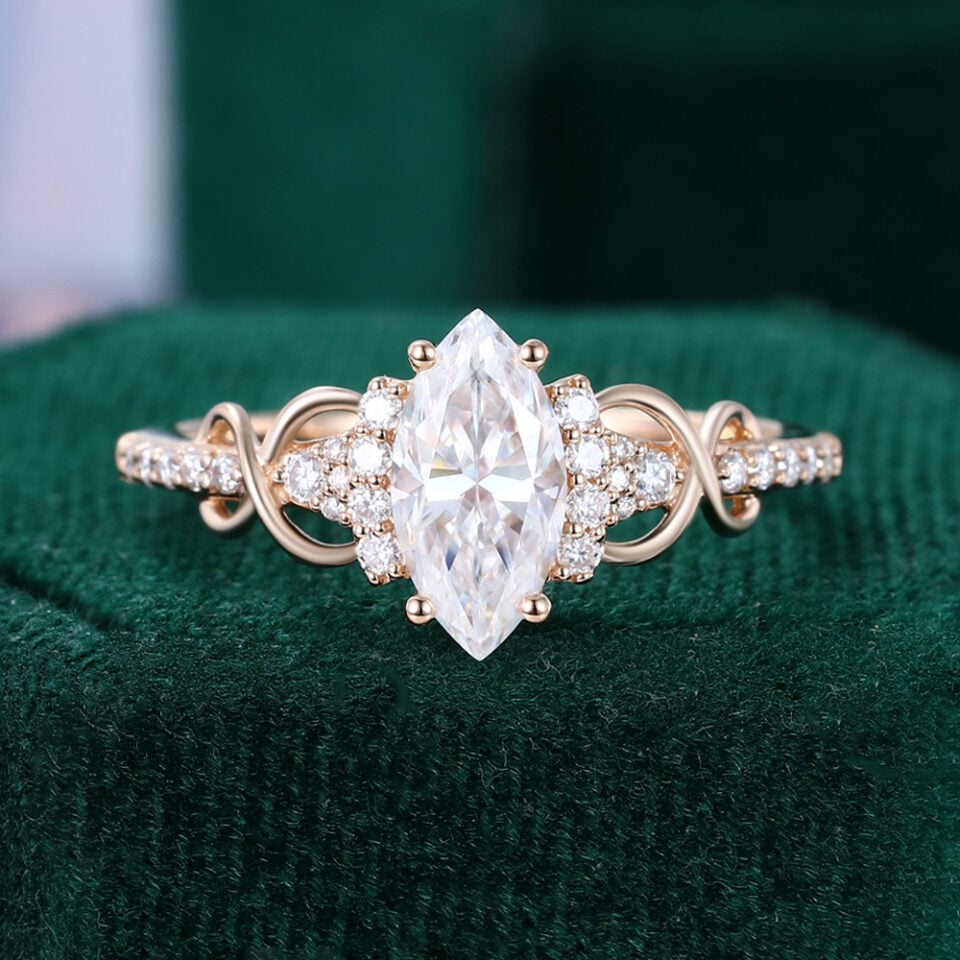
- Pavé combined with solitaire, halo, or three-stone designs
- A delicate look with lots of small accent stones
A simpler setting may make more sense if you want a ring that requires less attention or if your daily routine involves frequent impact and hands-on work.
The choice is less about whether pavé is “safe” or “unsafe” and more about whether the amount of detail fits the way you actually wear your ring.



Final Thoughts
Final Thoughts
Pavé does not have to be a high-maintenance choice, but it does require a little more attention than a plain band.
If you notice a stone that looks different, the setting catches on clothing, or you feel unusual movement, stop wearing the ring and have it checked. A quick inspection can help address a small setting problem before it becomes a missing stone.
FAQs
FAQs
Do pavé stones fall out?
They can. Pavé stones are individually set, so a damaged or worn setting, repeated impact, or friction can cause a stone to loosen. Regularly checking the ring can help you notice a problem before the stone is lost.
Why do pavé stones become loose?
Common factors include impact, repeated friction, wear around the setting, and everyday activities that put stress on the ring. The quality and condition of the setting also matter.
How can I tell if a pavé stone is loose?
Look for a stone that appears tilted, sits higher or lower than the others, moves when the ring is handled, catches on clothing, or has a visible gap around it. If something looks unusual, stop wearing the ring and have it inspected.
Can I wear a pavé engagement ring every day?
Yes. Pavé can work well for everyday wear when the ring suits your lifestyle and receives reasonable care. Removing it for sports, strenuous activities, household chores, and other higher-impact situations can help reduce unnecessary stress on the setting.
What should I do if a pavé stone falls out?
Stop wearing the ring and keep the stone if you can find it. Have the ring inspected by a jeweler rather than trying to repair the setting yourself. If the ring is under warranty, review the warranty terms before arranging a repair.