- by MollyJewelryUS
- September 4, 2026
- Buying Guides
A durable solitaire engagement ring setting should keep the center stone secure without making the ring unnecessarily bulky or difficult to wear. For everyday use, low-profile basket, six-prong, and bezel settings are among the most practical choices, while the right metal can further support long-term wear.
The best option depends on how the ring will be worn. A bezel offers the most protection around the stone, a six-prong setting provides extra support while keeping the stone exposed, and a low-profile basket balances security with a classic solitaire look. Construction quality matters just as much as the setting style itself.
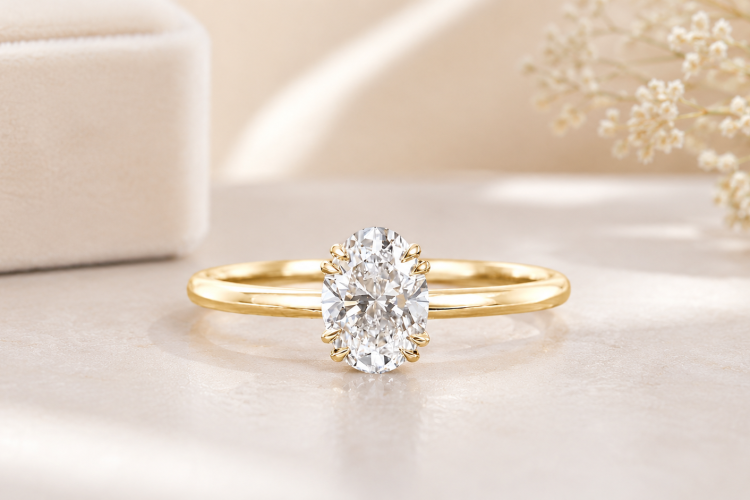
Table of Contents
What Makes a Solitaire Engagement Ring Durable?
What Makes a Solitaire Engagement Ring Durable?
The most durable solitaire settings are generally those that keep the center stone well supported and reduce its exposure to knocks, snags, and everyday impact.
| Setting | Protection | Best For |
|---|---|---|
| Low-profile basket | High | Everyday wear with a classic look |
| Six-prong | High | Traditional solitaire style with added support |
| Bezel | Very high | Active lifestyles and maximum stone protection |
A solitaire uses a single center stone, so the setting plays an especially important role in keeping that stone secure. A lower profile can also reduce the chance of the ring catching on clothing or being knocked against objects.
However, setting style alone does not determine durability. Prong thickness, stone fit, construction quality, and finishing all matter.
Low-Profile Basket: A Practical Balance of Security and Style
Low-Profile Basket: A Practical Balance of Security and Style
A low-profile basket setting places the center stone closer to the finger while surrounding its lower portion with a supportive metal structure.
This makes it a strong choice for someone who wants a traditional solitaire but does not want a tall, exposed center stone.
Why choose a low-profile basket?
Why choose a low-profile basket?
- Less exposure: The stone sits closer to the finger, reducing the chance of catching it on clothing or objects.
- Supportive structure: The basket surrounds the lower portion of the gemstone and helps hold it in position.
- Classic appearance: It maintains the clean, center-stone-focused look associated with solitaire rings.
- Practical for everyday wear: The lower profile can be more comfortable for people who frequently use their hands.
There is one trade-off to consider: a low setting can make wedding-band pairing more complicated. If the basket or stone sits close to the finger, a straight band may not sit completely flush against it.
So if a flush bridal stack is important, check the side profile before choosing the setting.
Six-Prong Solitaire: Classic and Secure
Six-Prong Solitaire: Classic and Secure
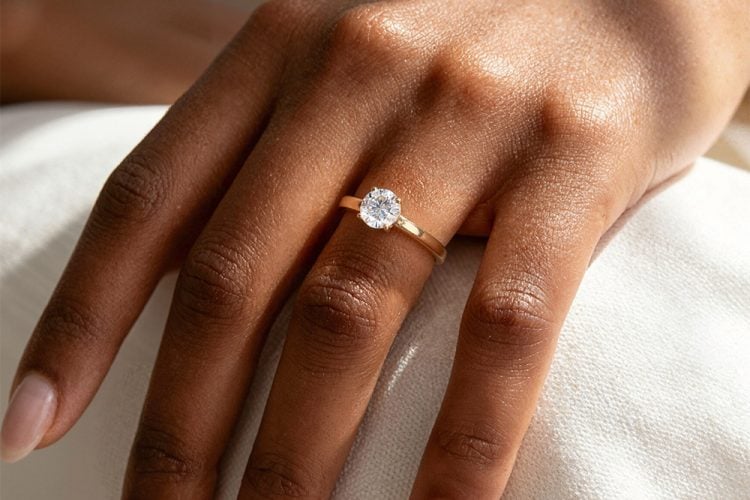
A six-prong solitaire provides additional support around the center stone while keeping most of the gemstone visible.
Compared with a four-prong design, six prongs provide more points of support and offer greater protection if one prong becomes damaged. GIA specifically notes that a six-prong setting is more secure than a four-prong setting and offers additional protection around the gemstone’s girdle.
Six prongs are particularly appealing when the goal is to combine security with the classic appearance of a traditional solitaire.
For a closer look at the differences, see our 4-prong vs. 6-prong solitaire guide.
Does six-prong automatically mean more durable?
Does six-prong automatically mean more durable?
Not necessarily.
Six prongs can add support, but the quality of the prongs matters just as much as the number. They should be properly sized, positioned, and finished so that the gemstone is held securely without creating unnecessary snagging.
For some stone shapes, the prong design also matters. Pointed shapes such as pear and marquise can benefit from prongs positioned to protect their vulnerable points.

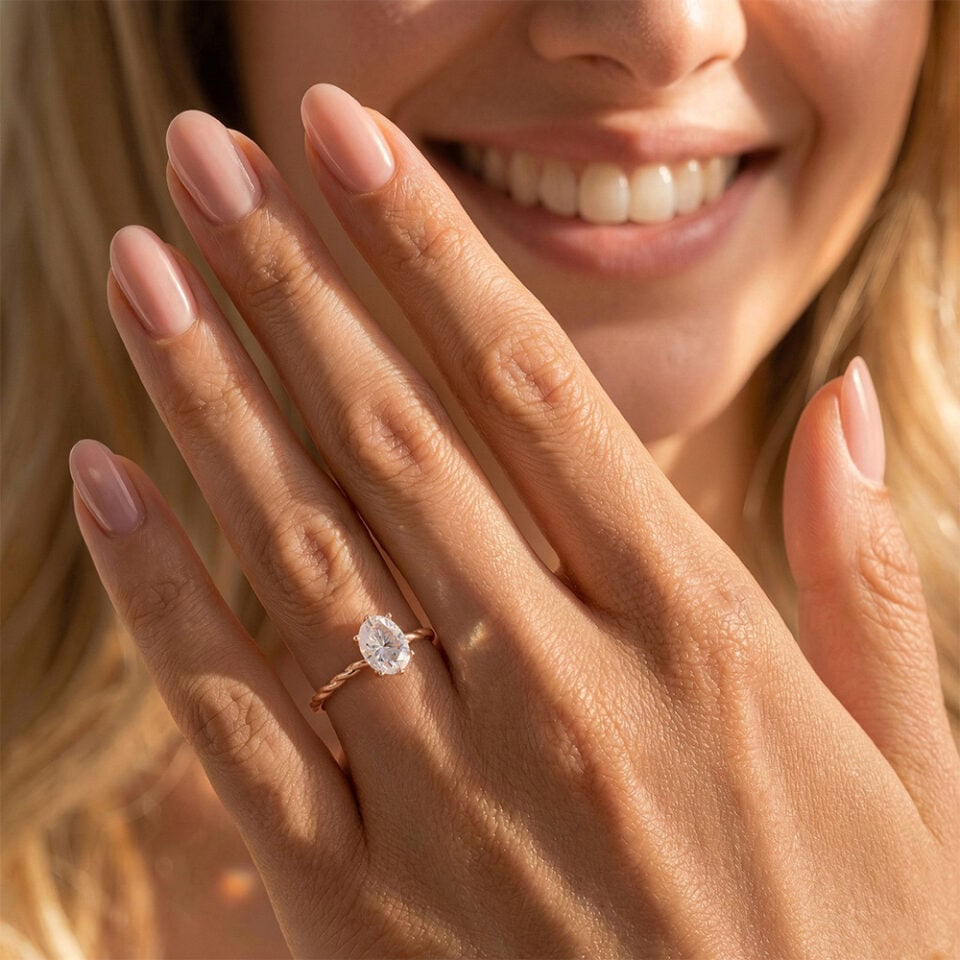
Bezel Solitaire: Maximum Protection for the Center Stone
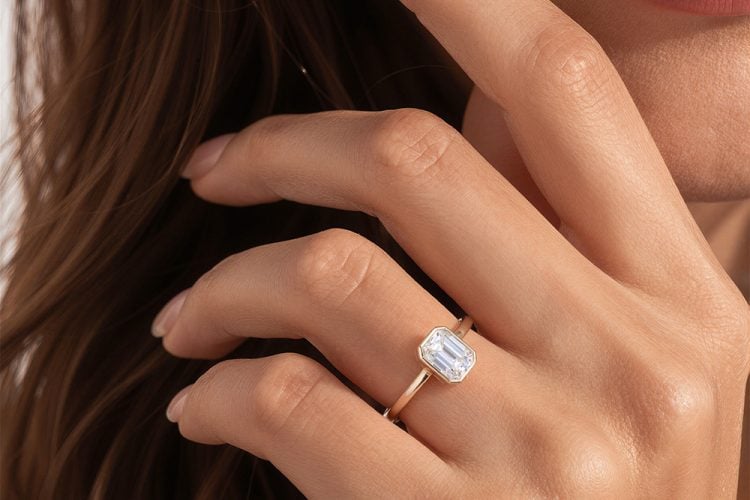
Bezel Solitaire: Maximum Protection for the Center Stone
A bezel setting surrounds the edge of the gemstone with a rim of metal, providing excellent protection against everyday bumps and reducing the chance of snagging.
This makes a bezel solitaire especially attractive for:
- Active lifestyles
- Jobs that involve frequent hand use
- People who dislike high-profile rings
- Those who prioritize protection over maximum stone exposure
A full bezel surrounds the gemstone’s perimeter, while a partial bezel leaves portions of the edge exposed.
If maximum protection is the priority, a bezel is one of the strongest solitaire setting choices.
Which Metal Is Best for a Durable Solitaire?
Which Metal Is Best for a Durable Solitaire?
| Metal | Durability | Best For | What to Know |
|---|---|---|---|
| Platinum | Excellent | Maximum durability | Naturally white and a strong choice for gemstone settings |
| 14K Gold | Very good | Balance of durability and value | A practical everyday option with multiple color choices |
| 18K Gold | Good | Richer gold color | Higher gold content, but softer than 14K gold |
For most everyday solitaires, platinum and 14K gold are practical choices. Platinum is especially appealing when durability is the priority, while 14K gold offers a strong balance of durability, appearance, and cost. MollyJewelryUS’s broader gold vs. platinum vs. silver guide explains how these metals differ in durability, appearance, and price.
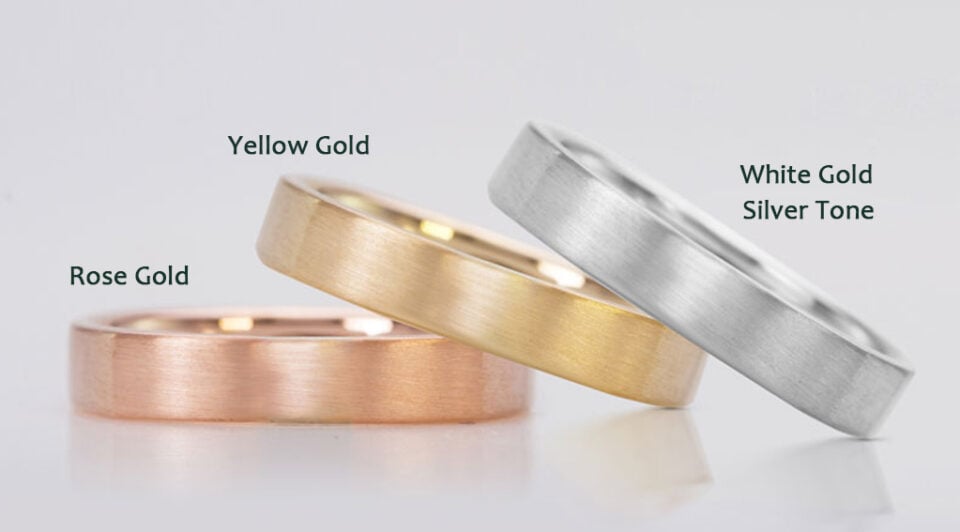
The metal should also complement the gemstone and overall design. White metals create a clean, understated appearance, while yellow and rose gold can add warmth and make a simple solitaire feel more distinctive.
How to Choose a Durable Solitaire for Everyday Wear
How to Choose a Durable Solitaire for Everyday Wear
Start with lifestyle rather than appearance alone, then choose the setting and metal that fit the way the ring will actually be worn.
| Priority | A Practical Choice |
|---|---|
| Very active lifestyle | Low-profile bezel |
| Want a classic solitaire | Six-prong or low-profile basket |
| Want less snagging | Low-profile setting or bezel |
| Want maximum gemstone exposure | Prong setting |
| Want durability with a moderate budget | 14K gold + low-profile setting |
| Want maximum stone protection | Full bezel |
| Want a traditional look with added support | Six-prong setting |
The gemstone itself also matters. Hardness, toughness, shape, and setting design all contribute to how well a ring handles everyday wear. A protective setting can be especially useful when the gemstone has vulnerable edges or is less resistant to impact.
For a more focused look at solitaire styles and what to consider when choosing one, see our Solitaire Engagement Ring Guide.
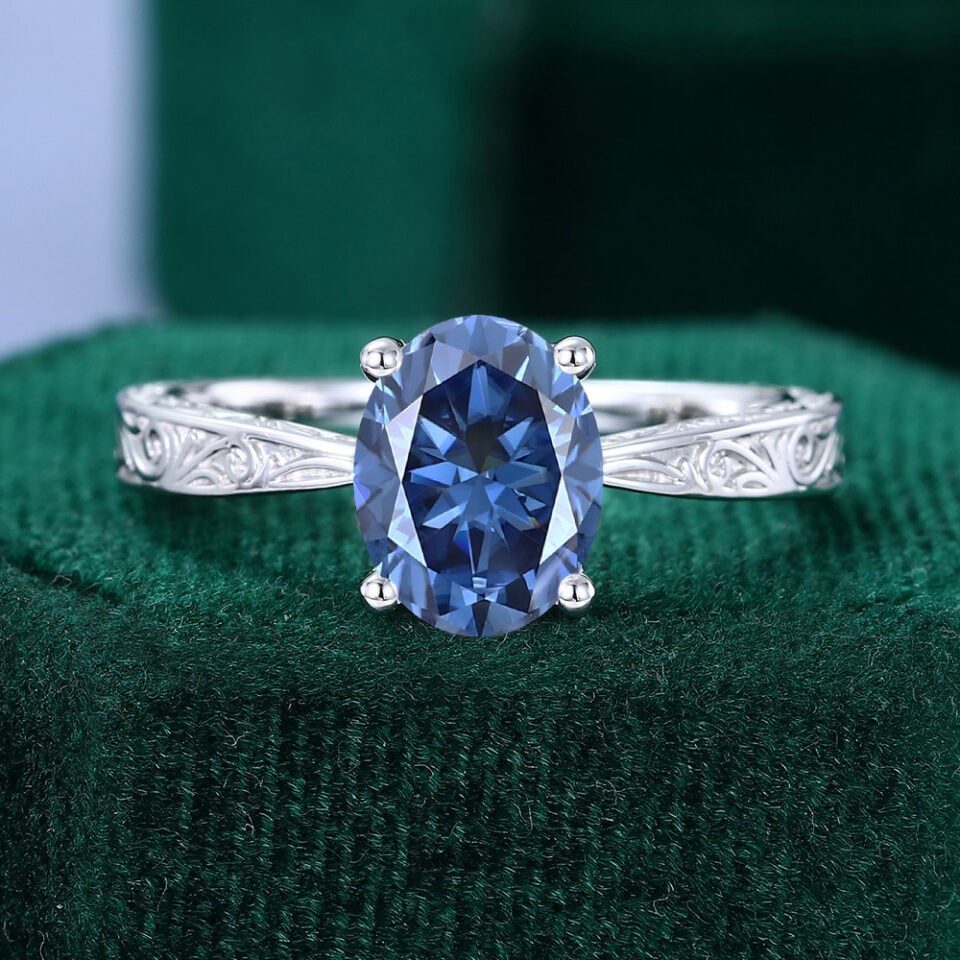
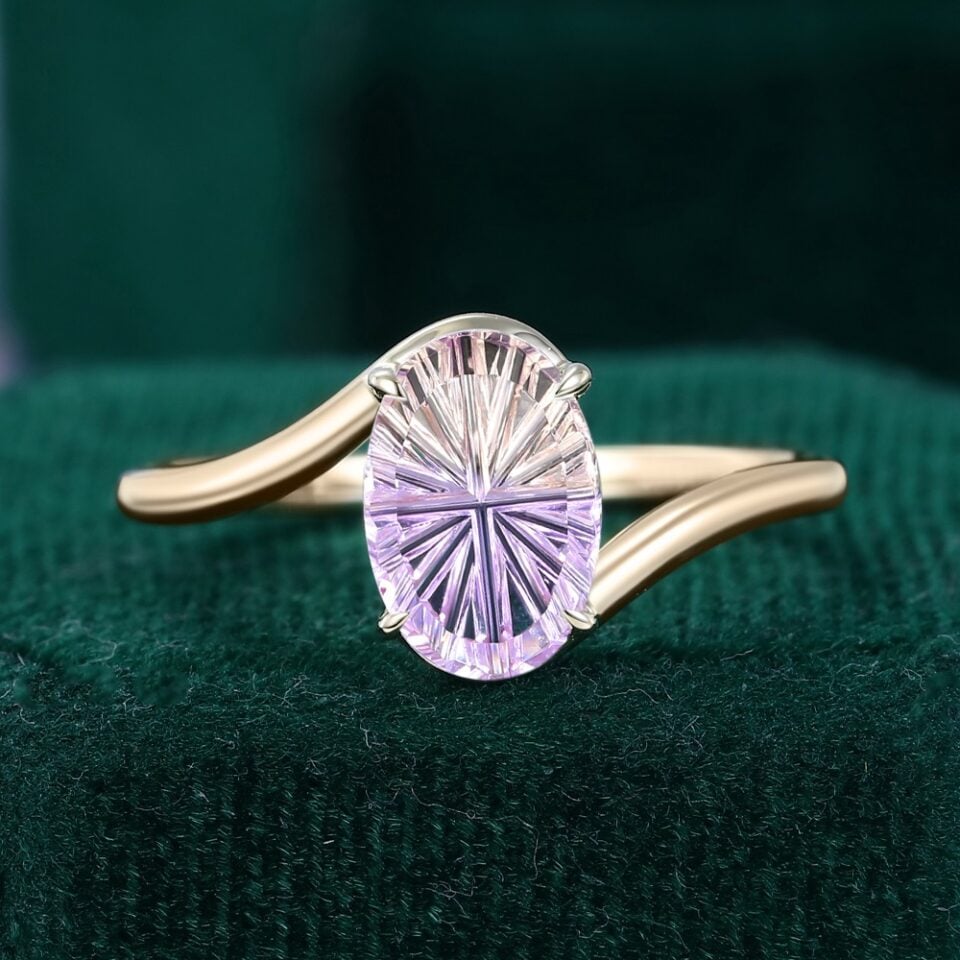
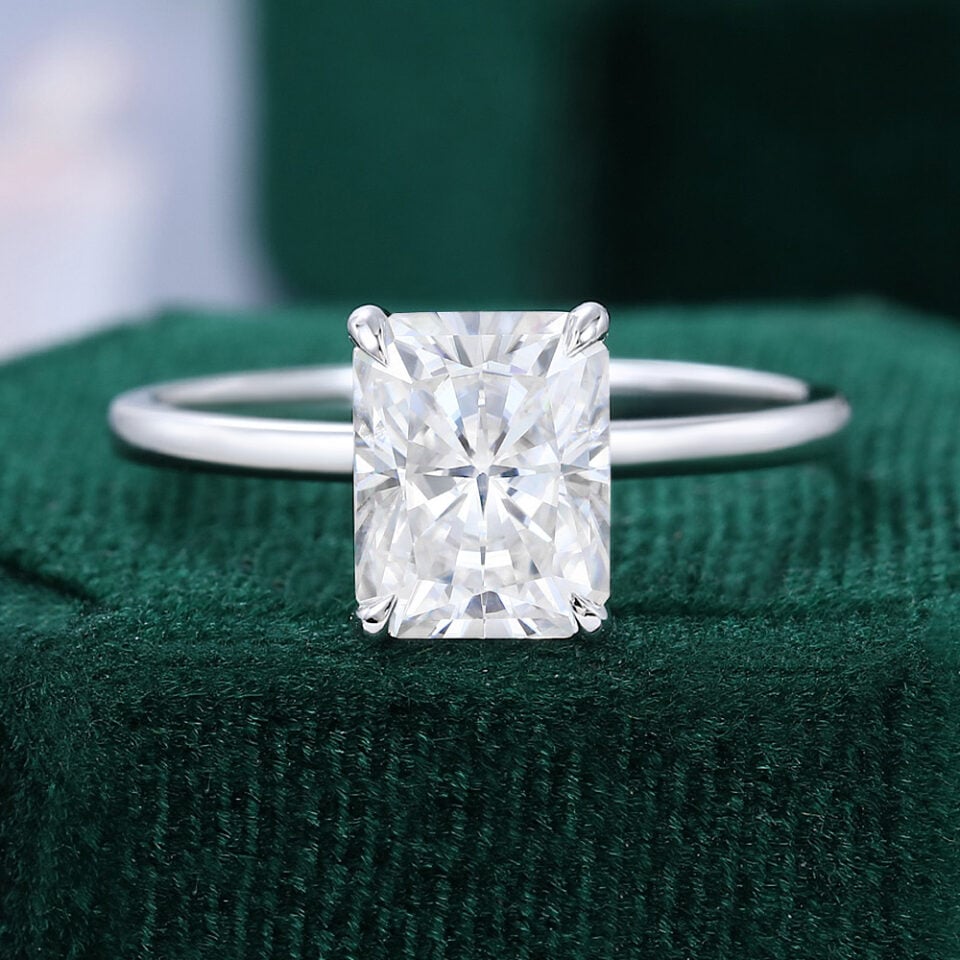


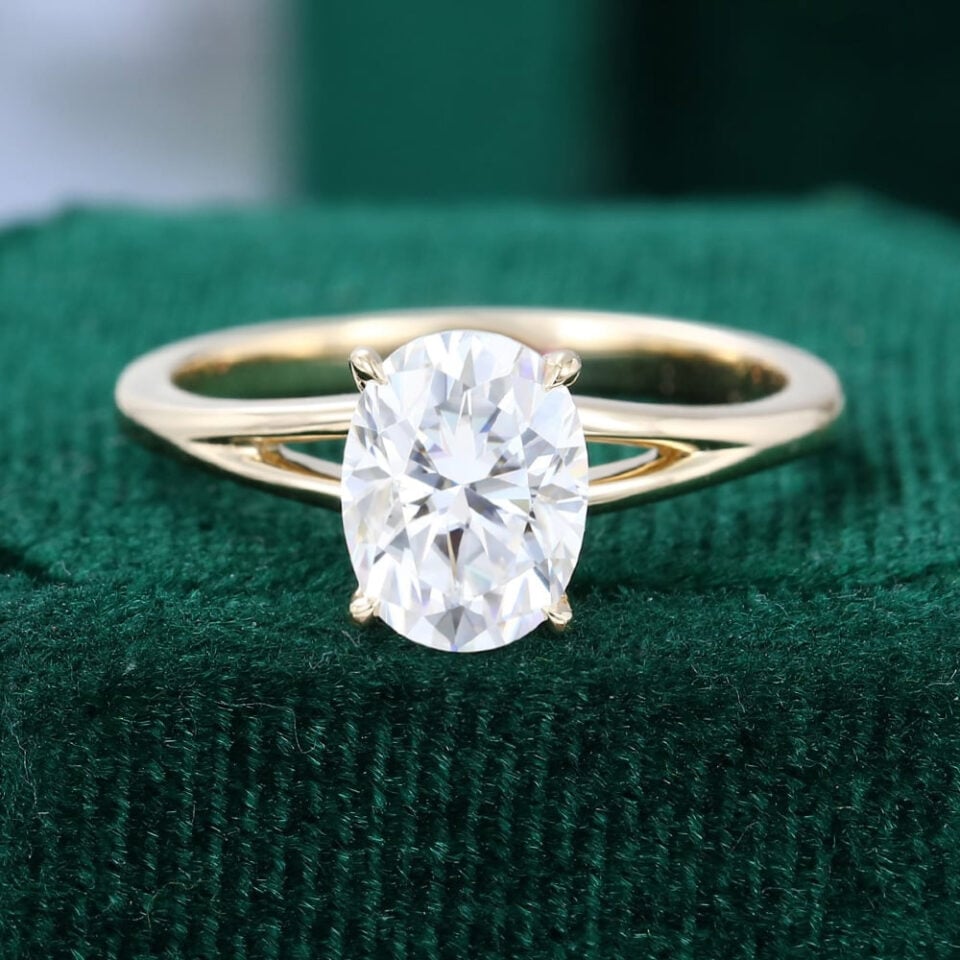
Can a Durable Solitaire Work With a Wedding Band?
Can a Durable Solitaire Work With a Wedding Band?
Yes, but the setting height and profile should be considered before choosing the band.
A high-set solitaire often leaves enough space for a straight wedding band to sit beside it. A low-profile solitaire may place the center stone or basket closer to the finger, which can create a gap with a straight band.
In that situation, a curved, contoured, open, or custom-fit wedding band may create a closer and more comfortable stack.
This is particularly important if the ring has a wide basket or another structure that extends below the center stone. Our guide to choosing a wedding band for a solitaire engagement ring covers how setting height, band style, and proportions affect the final pairing.
How to Maintain a Durable Solitaire Engagement Ring
How to Maintain a Durable Solitaire Engagement Ring
Even a secure setting still needs regular attention.
Check the setting periodically for loose stones, worn prongs, or changes in the way the ring feels. Prong settings in particular can require maintenance as the metal wears over time.
For everyday care:
- Remove the ring during activities involving heavy impact.
- Avoid wearing it during activities where the ring could catch or be struck.
- Check prongs periodically for bending or visible wear.
- Clean the ring regularly to prevent buildup around the setting.
- Have the setting professionally inspected when necessary.
Durability is not about choosing a ring that never needs care. It is about choosing a construction that suits everyday use and maintaining it properly over time.
Final Thoughts
Final Thoughts
Choosing a durable solitaire engagement ring is less about finding one universally strongest setting and more about matching the ring to the way it will be worn. A bezel offers maximum protection, a low-profile basket keeps the ring secure and practical, and a six-prong setting provides added support while preserving the classic solitaire look.
Metal choice matters too, with platinum and 14K gold offering practical options for everyday wear. Consider the setting, gemstone, metal, and wedding-band compatibility together to find a solitaire that feels both secure and comfortable for everyday life.
FAQs
FAQs
What is the most durable solitaire engagement ring setting?
A bezel solitaire is generally the most protective option, because the metal surrounds the gemstone’s edge and helps protect it from bumps and snagging. A low-profile basket and six-prong setting are also strong choices when you want more traditional styling or greater gemstone exposure.
Is a low-profile solitaire more durable? A low-profile solitaire can be more practical for everyd
A low-profile solitaire can be more practical for everyday wear because the center stone sits closer to the finger and is less exposed to knocks and snags. However, durability also depends on the quality of the setting, the gemstone, and the way the ring is worn.
Are six prongs more durable than four prongs?
Six prongs generally provide more support than four prongs. If one prong is damaged, the remaining prongs are more likely to keep the stone in place, and the additional prongs provide more protection around the gemstone’s girdle.
Is a bezel or prong setting better for everyday wear?
It depends on your priorities. Choose a bezel if protection and a low-snag profile matter most; choose prongs if you want more of the gemstone exposed and prefer a traditional solitaire appearance. Bezel settings offer greater edge protection, while prong settings allow more of the stone to remain visible.
What metal is best for a durable solitaire engagement ring?
Platinum is an excellent choice when durability is the priority, while 14K gold offers a practical balance of durability, appearance, and price. 18K gold is also suitable for engagement rings but is softer than 14K gold because it contains more gold.