- by MollyJewelryUS
- March 8, 2026
- Style Inspiration
Few gemstones in the world feel as magical as alexandrite. Known for its remarkable ability to shift colors under different lighting, this rare gem can appear green or bluish-green in daylight and transform into a deep red or purplish hue under warm light. Because of this dramatic transformation, alexandrite has earned a reputation as one of the most fascinating gemstones in fine jewelry
Whether you’re drawn to its color-changing beauty, its rarity, or its symbolism of balance and transformation, choosing the right alexandrite ring requires understanding several key factors. This comprehensive buying guide explains everything you need to know—from color quality and price to ring styles and durability—so you can confidently select the perfect stone.
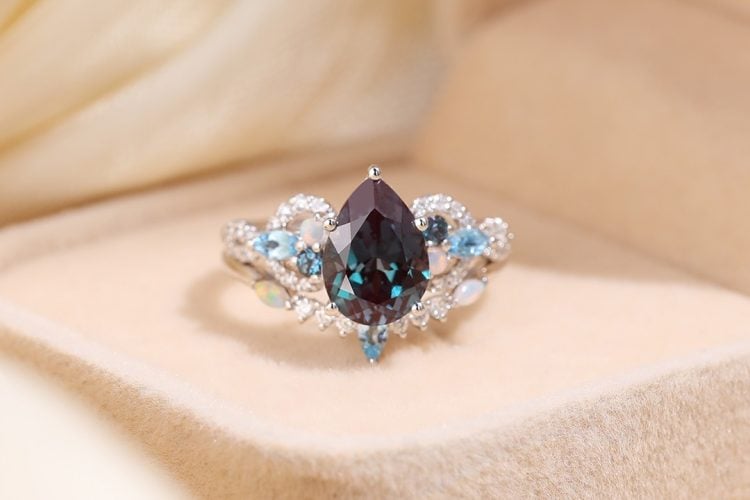
Table Of Contents:
- What Is Alexandrite? The Rare Gem That Changes Color
- Why Alexandrite Rings Are Trending in Modern Engagement Jewelry
- How Alexandrite Changes Color
- The 4 Key Factors When Buying an Alexandrite Ring
- Natural vs Lab-Created Alexandrite
- Choosing the Perfect Setting & Metal for Alexandrite Rings
- How Much Does an Alexandrite Ring Cost?
- Caring for Your Alexandrite Jewelry & Preserving Its Value
- Final Thoughts
- Related FAQs
What Is Alexandrite? The Rare Gem That Changes Color
Alexandrite is a variety of the mineral chrysoberyl and is famous for its dramatic color-changing effect. First discovered in Russia’s Ural Mountains in the 1830s, the gemstone quickly became associated with Russian royalty and remains one of the most prized collector stones today.
What makes alexandrite truly special is its ability to display two completely different colors depending on the light source:
Daylight: green to bluish green
Incandescent light: purplish red to raspberry red
This phenomenon happens because alexandrite absorbs and reflects light wavelengths differently under various lighting conditions.
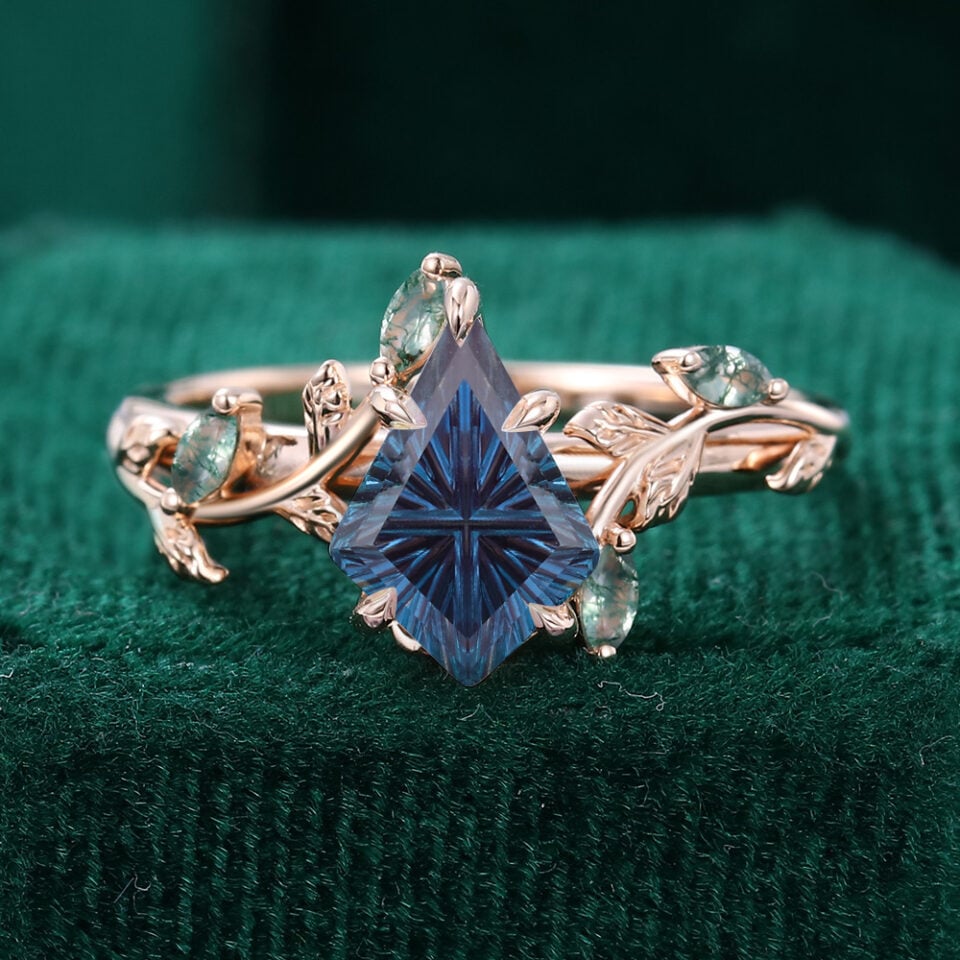
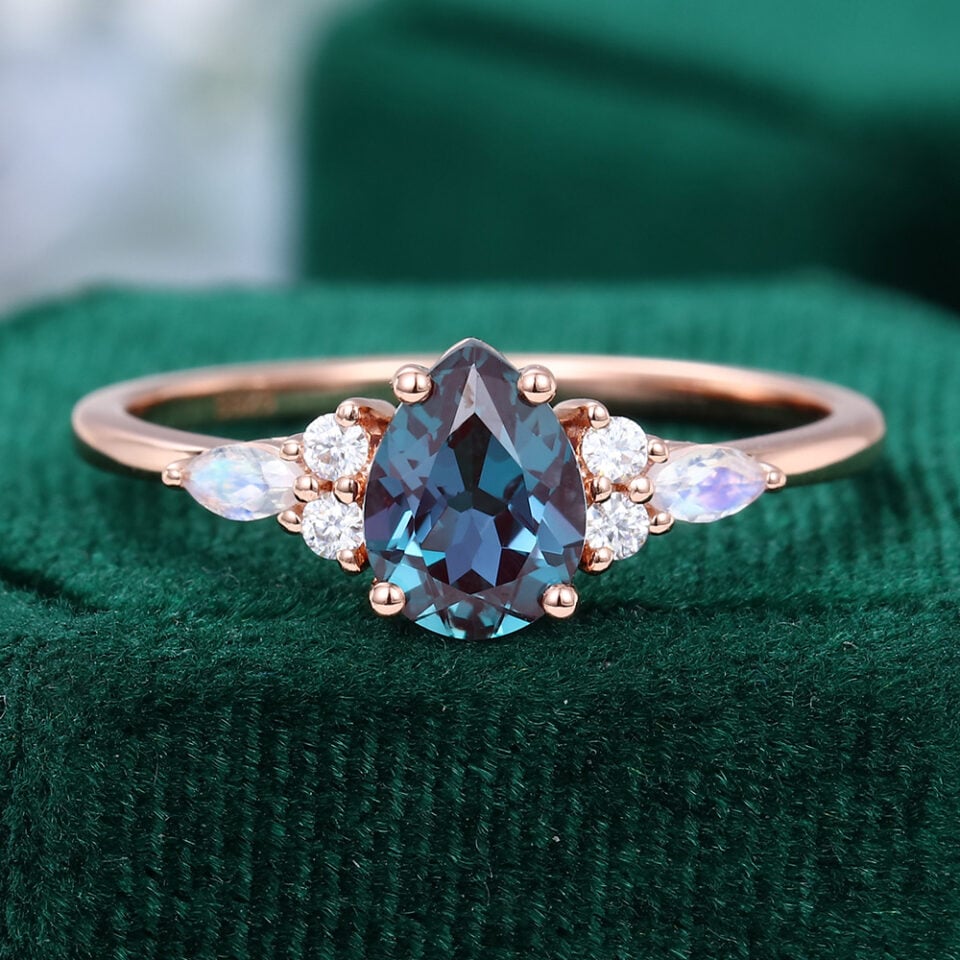
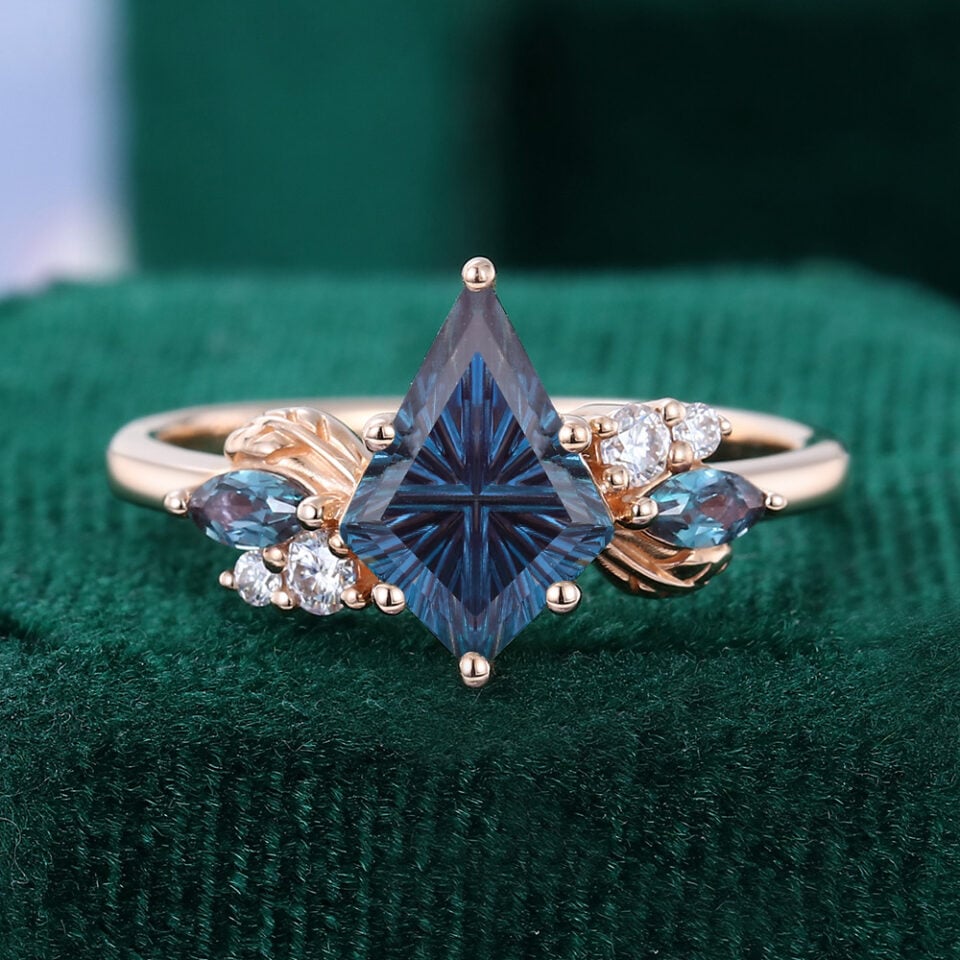
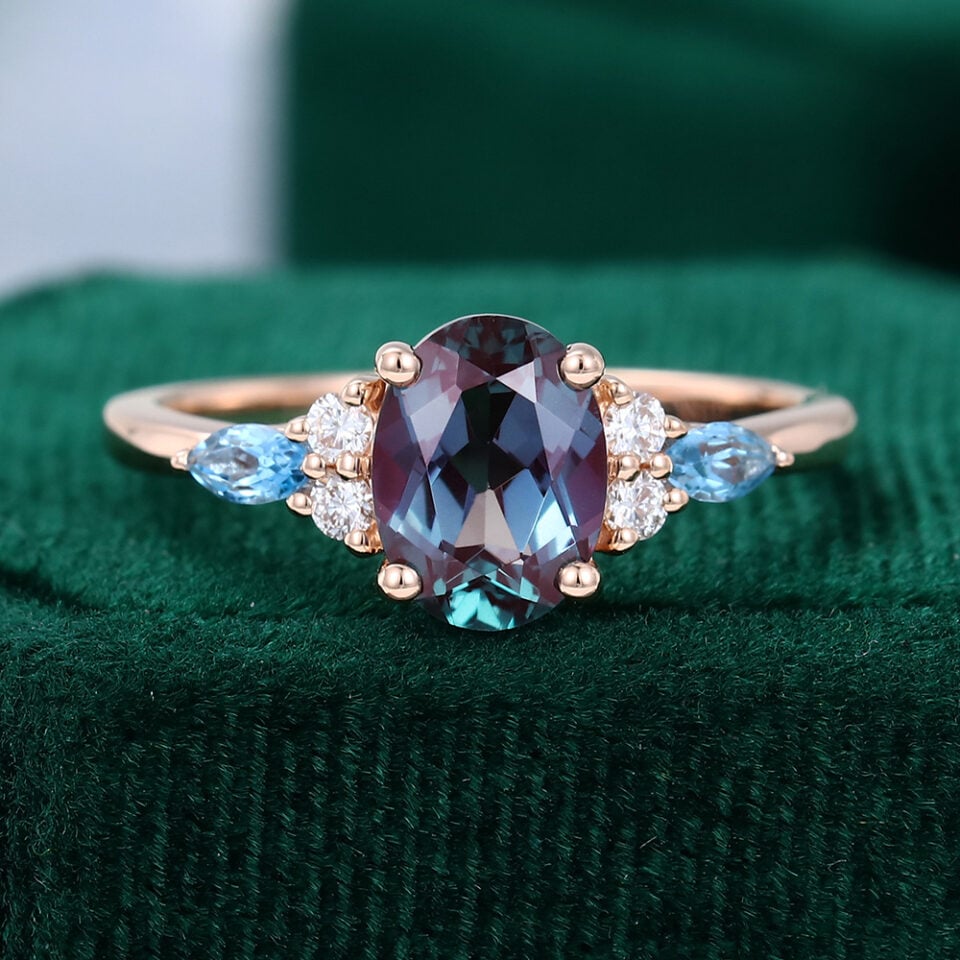
Because high-quality natural alexandrite is extremely rare, many jewelry lovers choose beautifully crafted alexandrite engagement rings that feature lab-created stones offering the same visual effect with greater accessibility.


Why Alexandrite Rings Are Trending in Modern Engagement Jewelry
The rise of colored gemstones in engagement rings has reshaped the jewelry industry. More couples today are choosing rings that feel personal rather than traditional.
Alexandrite fits perfectly into this trend for several reasons:
Unique and distinctive
No two alexandrite stones display exactly the same color change, making each ring feel one-of-a-kind.
Symbolic meaning
Alexandrite is often associated with transformation, balance, and creativity—qualities that resonate with modern relationships.
A conversation-starting gemstone
Because of its shifting colors, alexandrite rings attract attention and admiration wherever they are worn.
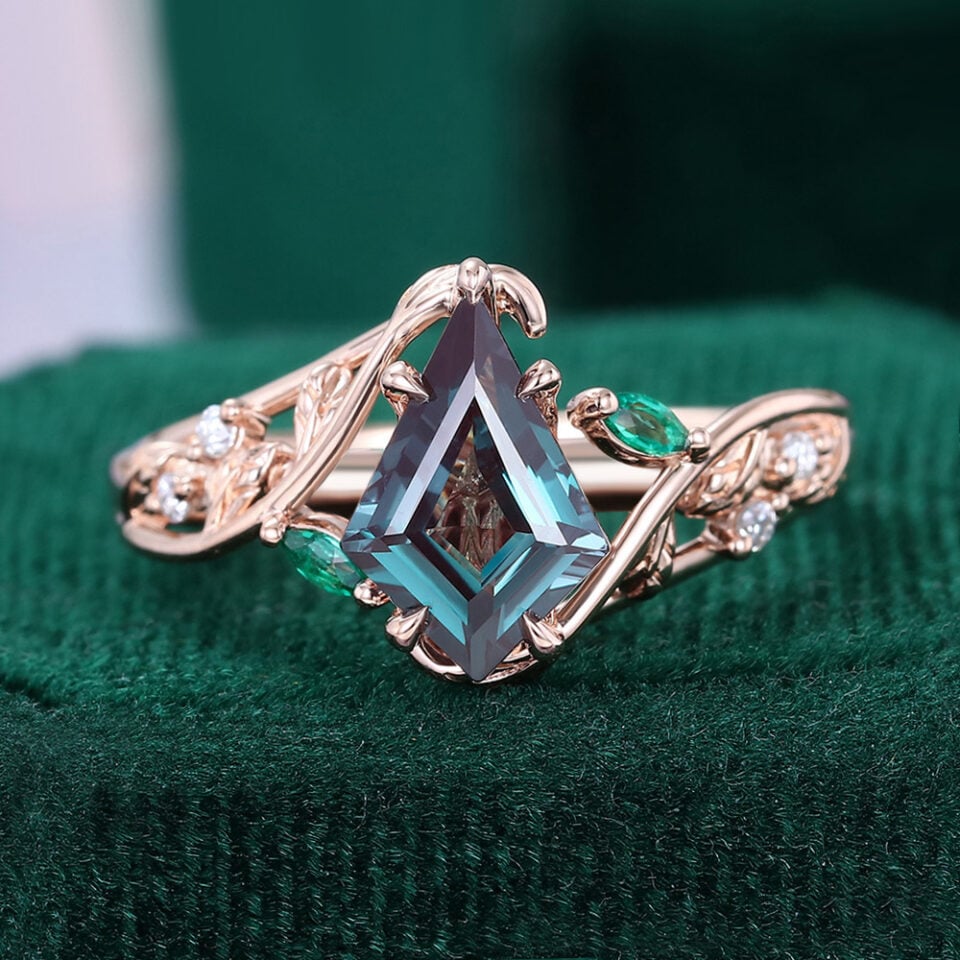
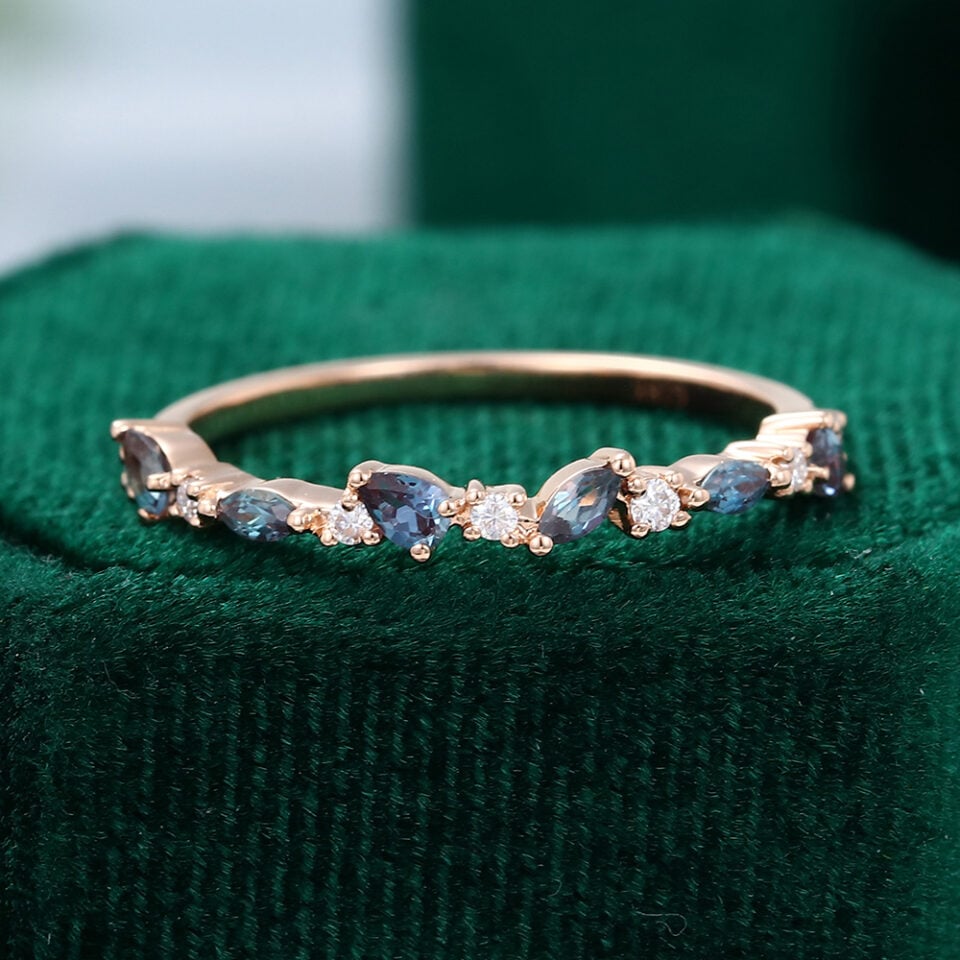
For those looking for a unique piece of jewelry that stands out from traditional designs, exploring a curated alexandrite ring collection can reveal stunning options that combine rarity with modern craftsmanship.
How Alexandrite Changes Color
The famous color-change effect in alexandrite is caused by trace amounts of chromium within the crystal structure.
This element allows the stone to absorb light differently depending on the light source.
Under natural daylight, alexandrite reflects cooler wavelengths, producing green tones. Under incandescent lighting—such as candlelight or warm indoor light—it reflects warmer wavelengths, creating red or purplish hues.
The stronger and more dramatic the color change, the more valuable the stone typically becomes. Gem experts often consider a color change of 80–100% to be exceptional.
The 4 Key Factors When Buying an Alexandrite Ring
Just like diamonds and other gemstones, alexandrite quality is evaluated based on several important characteristics.
Color Change
This is the most important factor when evaluating alexandrite.
High-quality stones display a clear transition between two distinct colors rather than appearing muddy or dull.
The most desirable transformation is typically:
Green or bluish green in daylight
Purplish red in incandescent light
Color Quality
Beyond the shift itself, the richness of each color also matters.
Premium alexandrite stones display:
vivid green or teal tones in daylight
strong raspberry or purplish red under warm light
Muted or brownish colors generally lower the stone’s value.
Clarity
Alexandrite often contains inclusions, especially natural stones. However, the color change effect is usually considered more important than perfect clarity.
Eye-clean stones with minimal visible inclusions are typically preferred for fine jewelry.
Carat Weight
Large alexandrite stones are extremely rare, particularly natural ones.
Even stones under one carat can be highly valuable if they exhibit a strong color change and vibrant color saturation.
Natural vs Lab-Created Alexandrite
One of the most important decisions when buying an alexandrite ring is choosing between a natural gemstone and a lab-created alexandrite. While both display the signature color-changing effect, they differ significantly in rarity, price, and availability.
The table below highlights the key differences.
| Feature | Natural Alexandrite | Lab-Created Alexandrite |
|---|---|---|
| Rarity | Extremely rare gemstone found in limited deposits | Created in controlled laboratory environments |
| Color Change | Green to red color shift; strength varies by stone | Often displays strong and consistent color change |
| Price | Very expensive due to rarity | Much more affordable |
| Availability | Difficult to find in larger sizes | Available in many sizes and ring styles |
| Investment Value | Considered a collectible gemstone | Primarily valued for beauty and wearability |
| Best For | Collectors and high-end gemstone buyers | Engagement rings and everyday jewelry |
For many couples today, lab-created stones offer the perfect balance of beauty and affordability, which is why modern designers often feature them in contemporary alexandrite engagement rings.
Choosing the Perfect Setting & Metal for Alexandrite Rings
1. Choosing the Ideal Setting
Prioritize settings that highlight the gem’s color shift, matched to your style:
- Solitaire: Minimalist, focuses fully on the alexandrite’s color change; ideal for understated elegance.
- Halo: Accent stones amplify sparkle and size, without overshadowing the gem’s hue.
- Vintage-Inspired: Intricate details complement the gem’s timeless charm.
- Pave: Subtle accent stones enhance the color shift without competition.
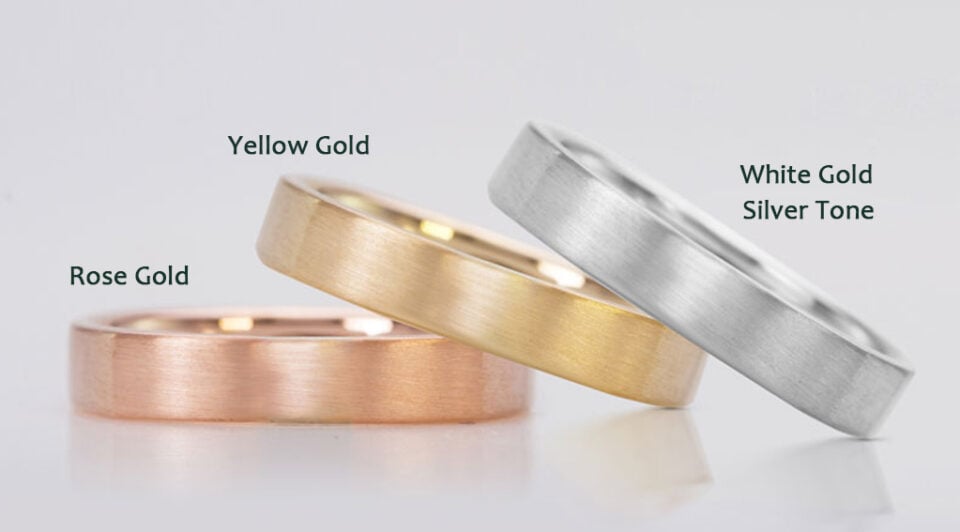
2. Selecting the Right Metal
- Platinum: Luxurious, hypoallergenic, durable; accentuates color shift, great for sensitive skin.
- Yellow Gold: Warms the gem’s tones for a classic look.
- White Gold: Modern, sleek, more accessible than platinum.
- Rose Gold: Romantic, complements purplish-red undertones.
- Gold-Plated/Silver-Plated: More affordable options; gold-plated adds warmth, silver-plated offers a sleek tone, both complement the gem’s color shift on a budget.
How Much Does an Alexandrite Ring Cost?
Alexandrite prices vary widely depending on whether the stone is natural or lab-created, as well as its color change intensity, clarity, and carat weight.
Below is a general price comparison based on the current jewelry market.
| Alexandrite Type | Typical Price per Carat | Typical Ring Price |
|---|---|---|
| Natural Alexandrite (commercial quality) | $5,000 – $15,000 | $8,000 – $30,000+ |
| High-quality Natural Alexandrite | $20,000 – $70,000+ | $30,000 – $100,000+ |
| Lab-Created Alexandrite | $50 – $300 | $300 – $1,500 |
Many modern jewelry brands focus on lab-created alexandrite rings, which offer the same mesmerizing color-changing beauty at a much more accessible price.
For example, many designs in this alexandrite ring collection feature beautifully cut lab-created stones set in gold or platinum settings, making them ideal for engagement rings and meaningful gifts.
Caring for Your Alexandrite Jewelry & Preserving Its Value
Alexandrite is not only beautiful but also durable enough for everyday wear. With proper care, an alexandrite ring can remain brilliant for decades.
Everyday Care Tips
Remove your ring during heavy physical activities
Avoid exposure to harsh chemicals and cleaning agents
Store the ring separately to prevent scratches from harder gemstones
Cleaning Alexandrite Jewelry
Cleaning alexandrite jewelry is simple:
Use warm water and mild soap
Gently brush the stone with a soft toothbrush
Rinse thoroughly and dry with a soft cloth
Ultrasonic cleaners are usually safe for alexandrite, but it’s best to consult your jeweler first.
Long-Term Value
While natural alexandrite is prized by collectors for its rarity, lab-created alexandrite rings hold value through craftsmanship, design quality, and sentimental significance.
A well-crafted alexandrite ring can become a lasting heirloom—especially when paired with timeless settings and durable metals.
Final Thoughts: Buying Alexandrite Rings in 2026
Alexandrite is one of the most extraordinary gemstones available today. Its rare color-changing ability, rich symbolism, and striking visual appeal make it an unforgettable choice for engagement rings and fine jewelry.
Whether you choose a natural gemstone or a beautifully crafted lab-created stone, an alexandrite ring offers something few other gems can: a piece of jewelry that changes with the light—and tells a story every time it does.
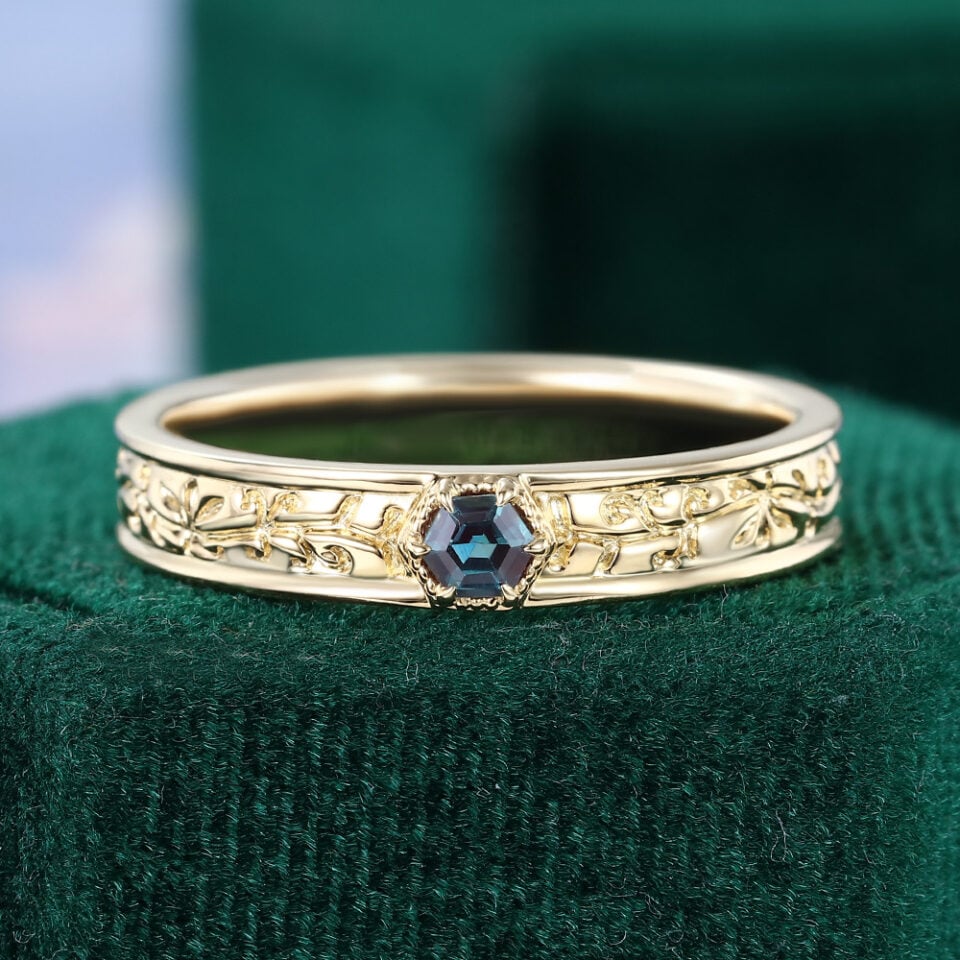
A well-designed alexandrite ring should highlight the gemstone’s color-changing beauty while offering lasting durability and elegant design.


Related FAQs :
Is alexandrite rarer than diamond?
Yes. Natural alexandrite is considered significantly rarer than diamonds, especially in larger carat sizes with strong color change.
Are alexandrite engagement rings expensive?
Prices vary widely depending on whether the stone is natural or lab-created. Lab-created rings can start around a few hundred dollars, while natural alexandrite can cost thousands.
Does alexandrite lose its color over time?
No. Alexandrite’s color change is a natural optical property and will not fade with normal wear.
What color should a good alexandrite be?
The most desirable alexandrite stones display a strong color change from green or bluish green in daylight to purplish red in warm lighting. Stones with vivid colors and a dramatic shift are generally considered higher quality.
Can alexandrite rings be worn every day?
Yes. With a Mohs hardness of 8.5, alexandrite is durable enough for everyday wear when properly set.
Are alexandrite rings good for engagement rings?
Yes. Alexandrite is an excellent choice for engagement rings because it is both durable and visually unique. With a hardness of 8.5 on the Mohs scale, alexandrite is strong enough for everyday wear while offering a rare color-changing effect that makes each ring feel one of a kind.
Is lab-created alexandrite real?
Lab-created alexandrite is chemically and optically similar to natural alexandrite, but it is grown in a laboratory instead of forming underground. These stones still display the signature color change, which makes them a popular choice for modern alexandrite engagement rings.