- by MollyJewelryUS
- May 5, 2026
- Gemstone Education
Purple sapphire is one of the few gemstones that doesn’t rely on popularity to justify its value.
Most buyers discover it after they’ve already looked at blue sapphire, diamond, or even pink sapphire—and felt something was missing. Not in quality, but in identity. Purple sapphire fills that gap. It offers color, depth, and individuality without feeling overly traditional or overly romantic.
This guide is built around that decision. Instead of repeating generic sapphire facts, we’ll focus on what actually matters when choosing a purple sapphire: how its color behaves, how it compares to similar stones, and when it truly makes sense for an engagement ring.
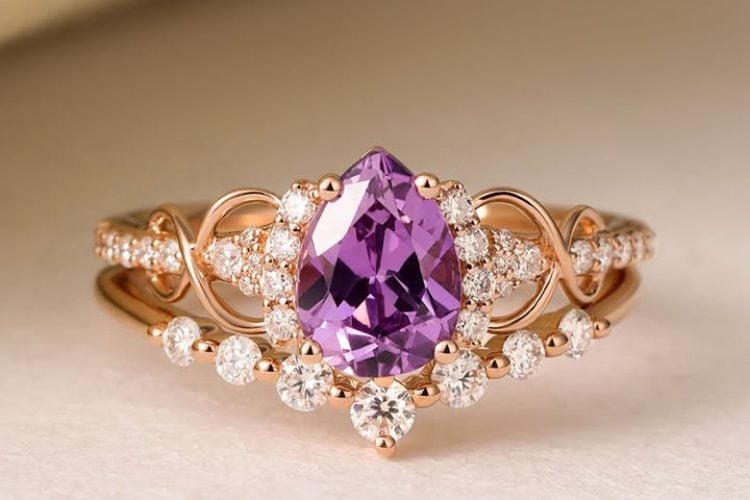
Table Of Contents:
Table Of Contents:
- What Makes Purple Sapphire Different From Other Sapphires
- Purple Sapphire Meaning & Symbolism
- Why Purple Sapphire Is a Hidden Gem in Fine Jewelry
- Color, Tone & What to Look For
- Purple Sapphire vs Amethyst vs Pink Sapphire
- Best Ring Styles for Purple Sapphire
- Is Purple Sapphire Good for Everyday Wear?
- Who Should Choose a Purple Sapphire Ring
- Final Thoughts
- FAQs
What Makes Purple Sapphire Different From Other Sapphires
What Makes Purple Sapphire Different From Other Sapphires
Purple sapphire is defined by balance, not intensity.
It sits between two dominant sapphire families:
- Blue → authority, tradition
- Pink → softness, romance
Purple sapphire combines both—but never fully commits to either.
Why that matters:
- It doesn’t follow mainstream engagement ring trends
- It feels more intentional than conventional
- It avoids the “overdone” look of classic choices
If you’ve already explored options in our 👉sapphire color guide
Summary:
Purple sapphire isn’t about standing out loudly—it’s about standing apart subtly.
Purple Sapphire Meaning & Symbolism
Purple Sapphire Meaning & Symbolism
Purple has long been associated with duality:
- Wisdom + emotion
- Power + sensitivity
- Creativity + control
In sapphire form, this symbolism becomes more grounded and wearable.
What people actually look for (search intent insight):
What people actually look for (search intent insight):
Users searching “purple sapphire meaning” are usually:
- Looking for something less cliché than diamond symbolism
- Interested in personal identity over tradition
Real positioning:
Real positioning:
- Not “royal” like blue sapphire
- Not “romantic cliché” like pink
- But individual, introspective, and modern
If you’ve read
👉 what sapphire symbolizes overall
purple is where those meanings become more personal rather than universal.
Why Purple Sapphire Is a Hidden Gem in Fine Jewelry
Why Purple Sapphire Is a Hidden Gem in Fine Jewelry
Here’s the part most articles miss.
Purple sapphire is underrated — and that’s its advantage.
Why it’s less popular:
- Harder to classify (not purely pink or blue)
- Less marketing exposure
- Fewer mass-market designs
What that means for you:
- More unique appearance
- Less “seen everywhere” fatigue
- Often better value for similar quality
Compared to mainstream options, purple sapphire offers:
- Lower competition in design
- Higher individuality per purchase
Color, Tone & What to Look For
Color, Tone & What to Look For
Not all purple sapphires look the same—and this is where most buyers go wrong.
Key factors:
Key factors:
1. Hue balance
- Too red → becomes pink sapphire
- Too blue → reads as blue sapphire
- Ideal → true violet / balanced purple
2. Tone (light vs dark)
- Light lavender → soft, airy, romantic
- Deep violet → rich, dramatic, luxury feel
3. Saturation
- Low saturation = washed out
- Medium to strong = best visual impact
👉 If you’re unsure how clarity and tone interact, this guide helps: sapphire quality factors explained
Purple Sapphire vs Amethyst vs Pink Sapphire
Purple Sapphire vs Amethyst vs Pink Sapphire
Purple Sapphire vs Amethyst
Purple Sapphire vs Amethyst
| Feature | Purple Sapphire | Amethyst |
|---|---|---|
| Hardness | 9 (very durable) | 7 (softer) |
| Color depth | Rich, complex | Often uniform |
| Value retention | Higher | Lower |
| Everyday wear | Excellent | Moderate |
👉 Key insight:
Amethyst looks similar—but performs very differently in daily jewelry.
Purple Sapphire vs Pink Sapphire
Purple Sapphire vs Pink Sapphire
| Feature | Purple Sapphire | Pink Sapphire |
|---|---|---|
| Tone | Cooler / deeper | Warmer / brighter |
| Style vibe | Unique, artistic | Romantic, feminine |
| Popularity | Niche | High |
| Market demand | Lower | Strong |
👉 If you’re deciding between them: morganite vs pink sapphire can help clarify tone preferences.
Best Ring Styles for Purple Sapphire
Best Ring Styles for Purple Sapphire
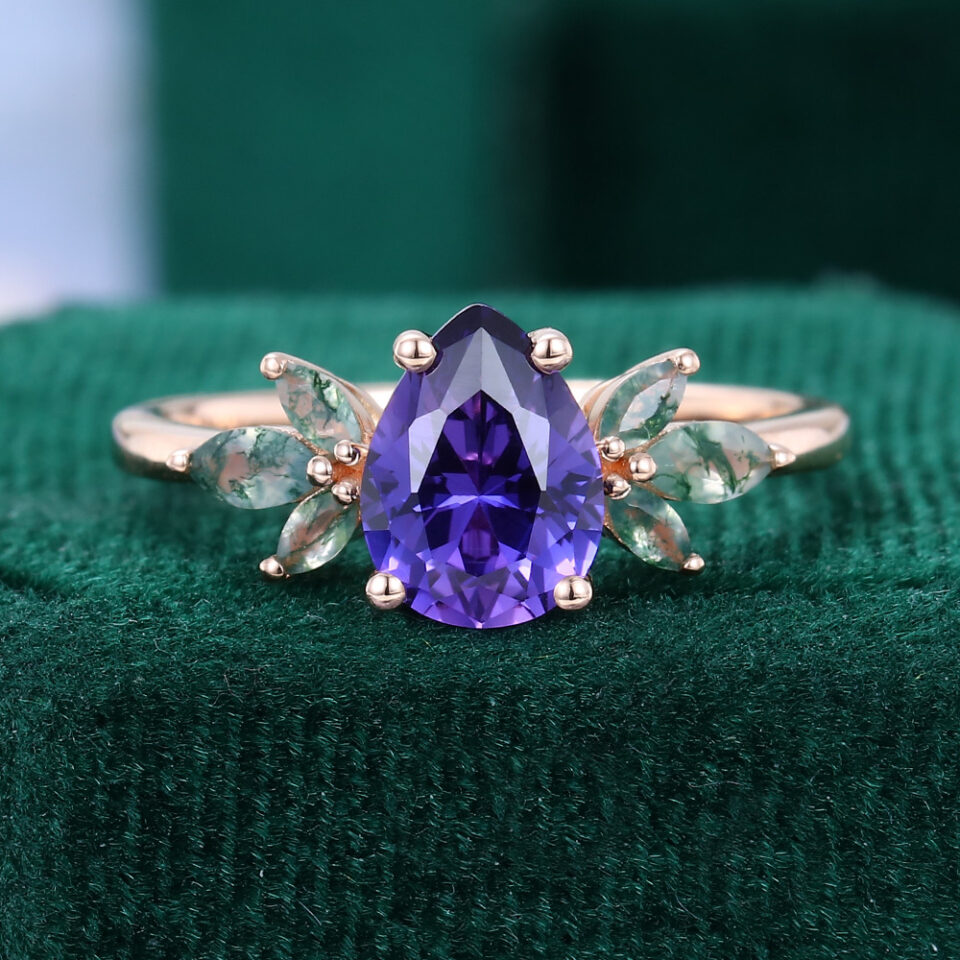
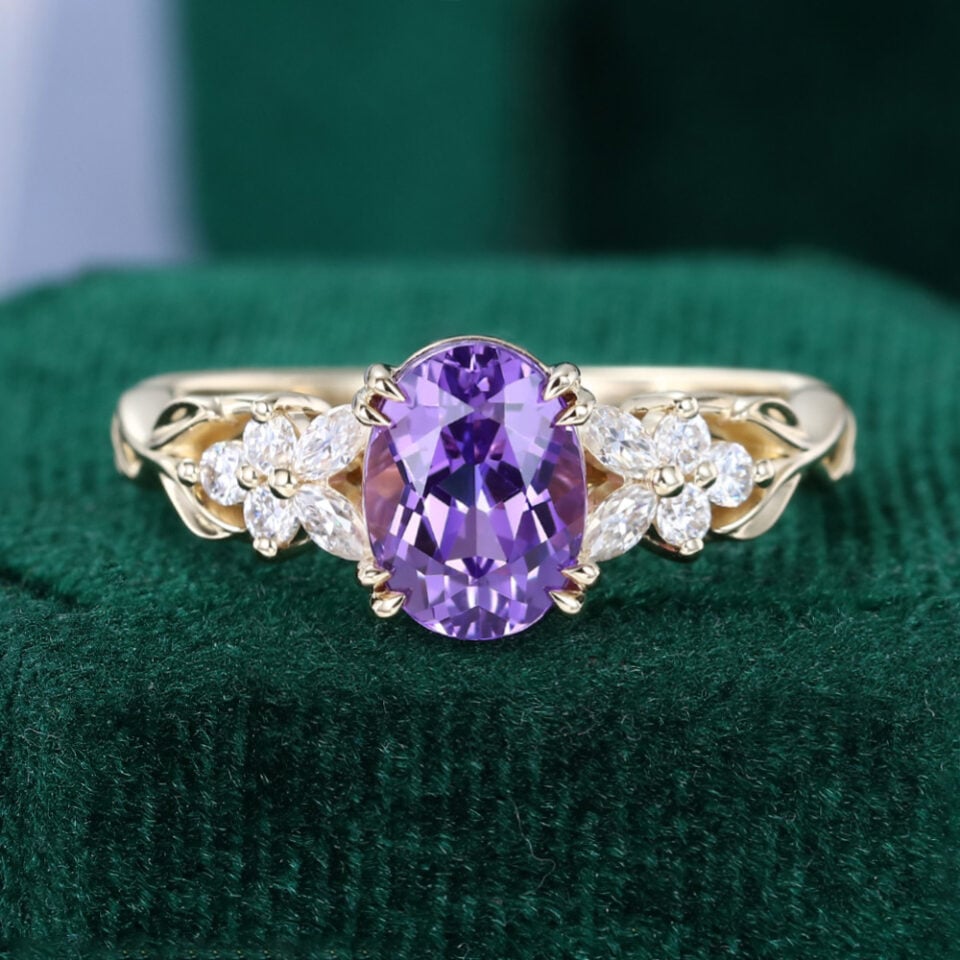
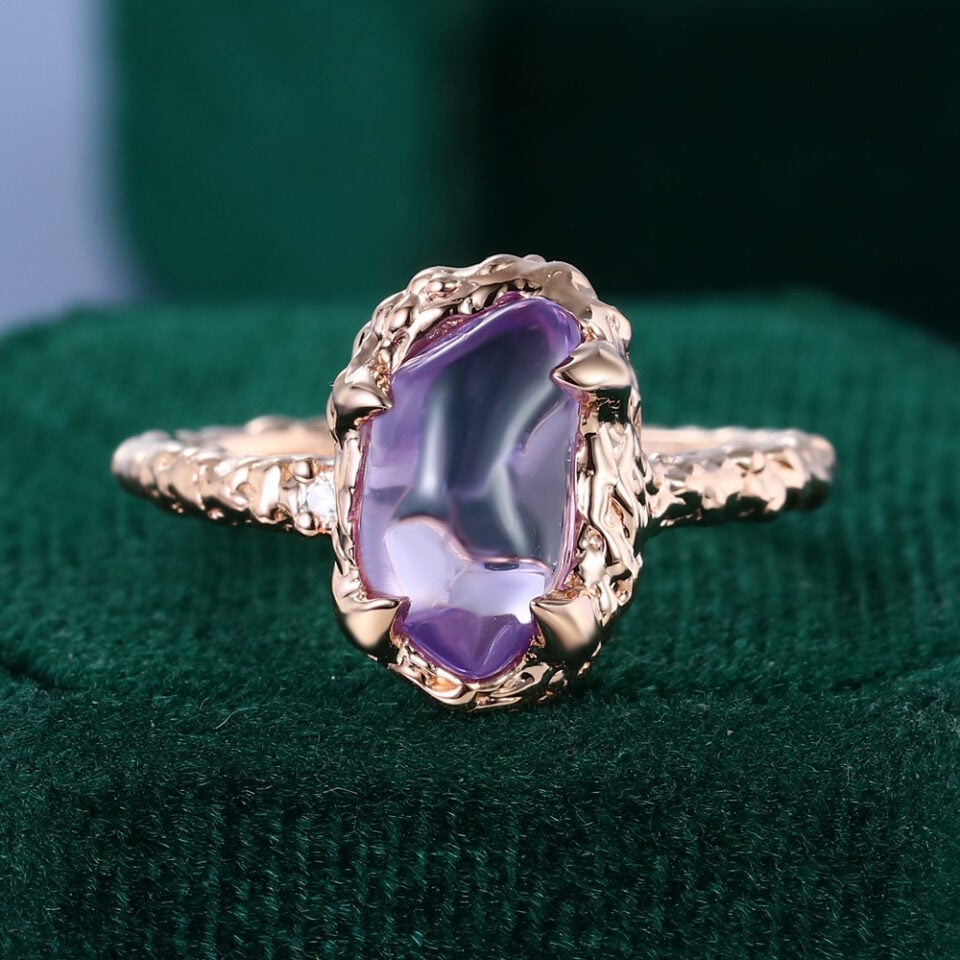
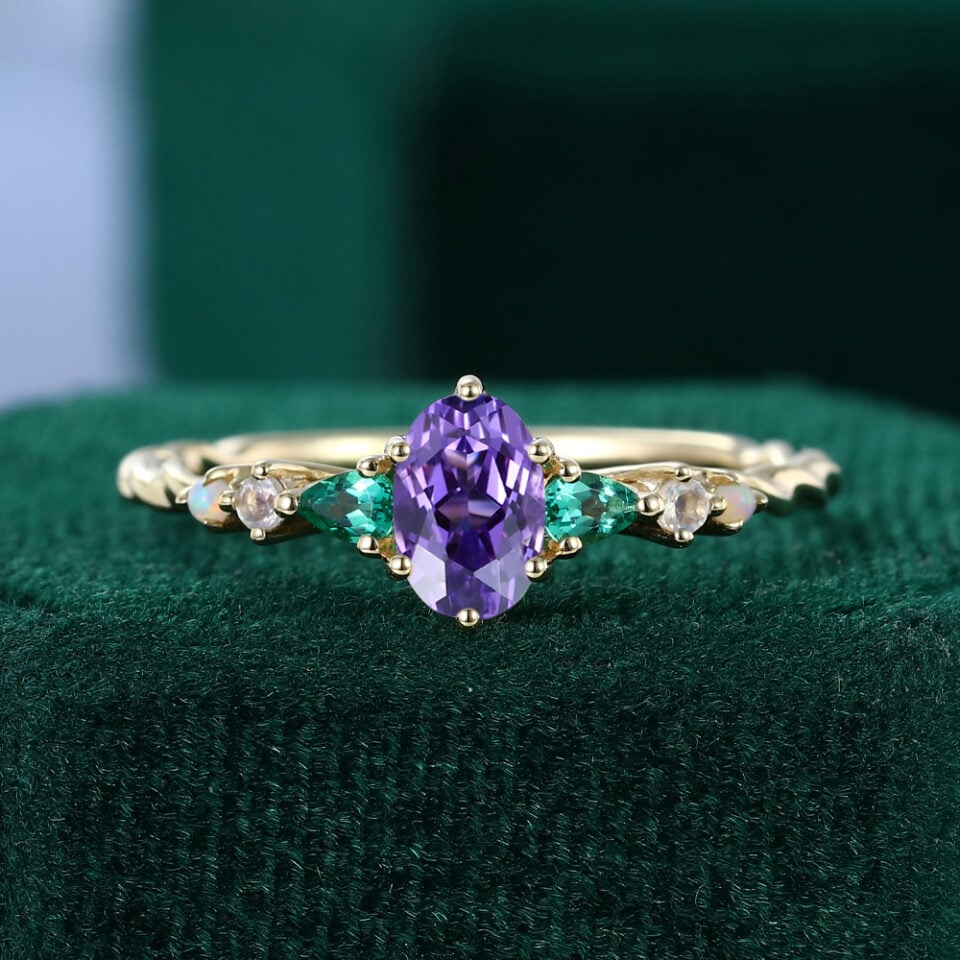
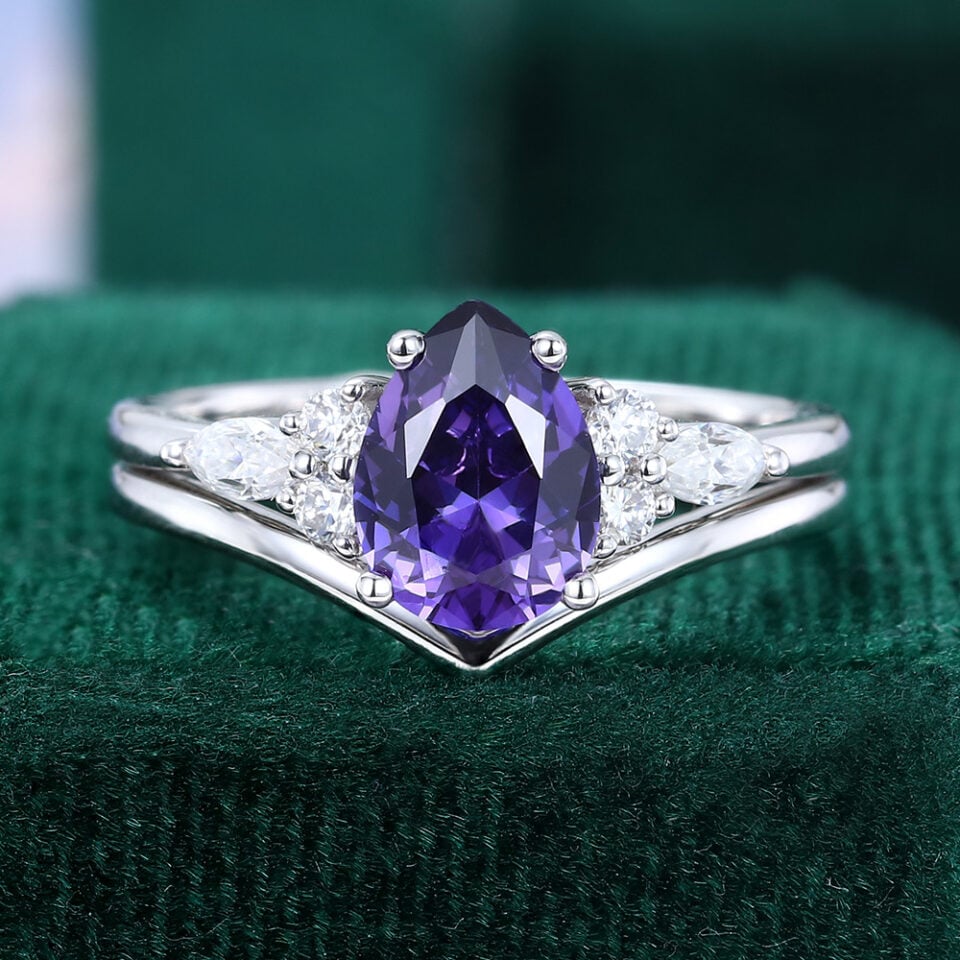
Purple sapphire performs best when the design doesn’t overpower the color.
1. Solitaire Settings
1. Solitaire Settings
- Clean, minimal
- Lets the color stand on its own
2. Vintage / Art Deco
2. Vintage / Art Deco
- Enhances depth and character
- Works well with deeper violet tones
3. Halo (subtle, not heavy)
3. Halo (subtle, not heavy)
- Adds brightness without overpowering
- Best with lighter purple stones
Metal Pairing Insight:
Metal Pairing Insight:
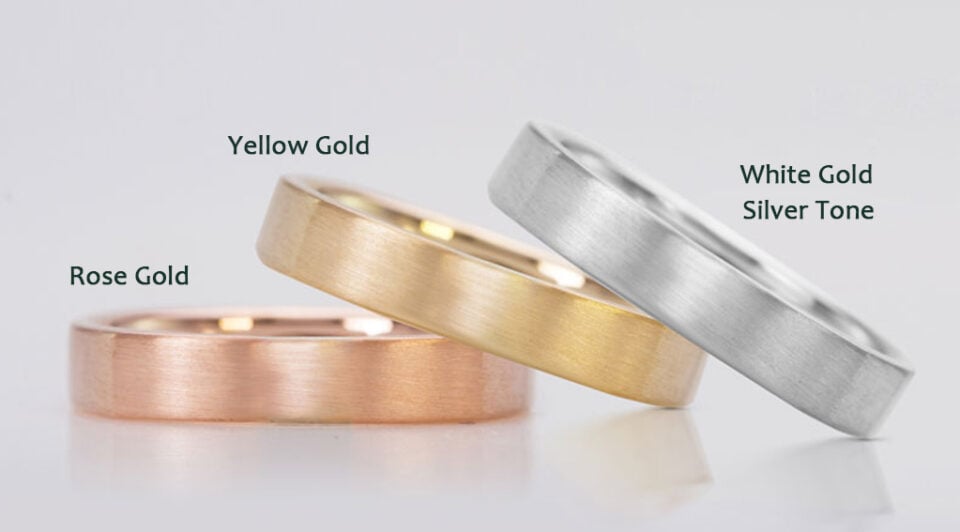
- White gold / platinum → modern contrast
- Yellow gold → richer, warmer purple
- Rose gold → blends (less contrast, softer look)

Is Purple Sapphire Good for Everyday Wear?
Is Purple Sapphire Good for Everyday Wear?
Yes—very.
- Hardness: 9 (second only to diamond)
- Scratch resistance: excellent
- Suitable for daily rings
If durability is a concern, you can also read:
👉sapphire durability guide
Important tip:
Use protective settings (especially for pointed cuts like pear or marquise).
Who Should Choose a Purple Sapphire Ring
Who Should Choose a Purple Sapphire Ring
Purple sapphire isn’t for everyone—and that’s the point.
It fits you if:
It fits you if:
- You don’t want a “default” engagement ring
- You value individuality over trend
- You prefer subtle uniqueness over obvious statement
It may NOT fit if:
It may NOT fit if:
- You want maximum brilliance like diamonds
- You prefer traditional symbolism
- You want a widely recognized “classic” look
Final Thought
Final Thought
Purple sapphire doesn’t try to compete with more popular gemstones—and that’s exactly why it works.
It offers something most engagement rings don’t:
a sense of choice, not default.
If you’re drawn to it, it’s usually not accidental.
It means you’re looking for something that reflects who you are, not just what’s expected.
And that’s where purple sapphire quietly stands out the most.
Related FAQs
Related FAQs
Is purple sapphire rare?
Yes—but not in the way people expect.
It’s less common than blue sapphire in the market, mainly because demand is lower, not because supply is extremely limited.
Does purple sapphire look more blue or pink?
It depends on lighting and composition.
High-quality stones show a balanced violet tone, not strongly leaning either way.
Is purple sapphire a good alternative to diamond?
Is purple sapphire a good alternative to diamond?
Can purple sapphire fade over time?
No. Like other sapphires, the color is stable and does not fade under normal conditions.
What shapes work best for purple sapphire rings?
Oval, cushion, and round cuts work best because they enhance color depth and light distribution.