- by MollyJewelryUS
- May 6, 2026
- Gemstone Education
But what actually makes a sapphire look cornflower blue? And is the color worth choosing for an engagement ring? Here’s what to look for, how it compares with other blue sapphires, and what matters when shopping.
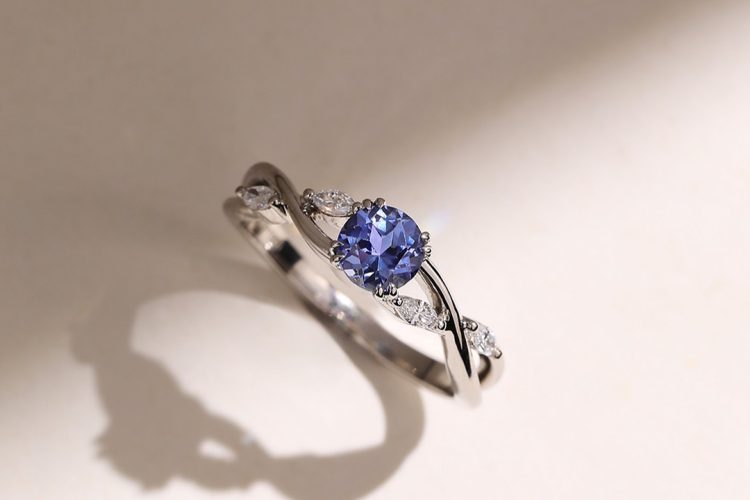
Table Of Contents:
Table Of Contents:
- What Is Cornflower Blue Sapphire?
- Why This Specific Blue Is So Highly Valued
- How to Identify a True Cornflower Blue Sapphire
- Cornflower vs Royal Blue vs Light Blue
- Why Cornflower Sapphire Rings Are Trending Now
- Is It Worth Choosing for an Engagement Ring?
- How to Choose the Right Cornflower Blue Sapphire Ring
- Final Thought
- Related FAQs
What Is Cornflower Blue Sapphire?
What Is Cornflower Blue Sapphire?
Cornflower blue sapphire is a blue sapphire with a soft, balanced appearance, typically falling between pale blue and deeper royal blue.
The appeal comes from the balance of color, tone, and saturation. It should look blue and lively without appearing overly dark, gray, or washed out.
The term is strongly associated with the famous blue sapphires of Kashmir, whose velvety appearance helped establish the color as a desirable sapphire reference.
In simple terms: cornflower blue is about a beautiful middle ground—bright enough to stay lively, but deep enough to retain color.
👉 If you want a broader understanding of how sapphire colors vary, this guide explains it well: sapphire color guide
In short:
Cornflower blue isn’t just “another blue sapphire”—it’s one of the most balanced and visually pleasing tones available.
Why This Specific Blue Is So Highly Valued
Why This Specific Blue Is So Highly Valued
Not all blue sapphires are equal—and cornflower blue sits in a very specific sweet spot.
Conclusion first:
It’s valuable because it solves the most common problems people have with sapphires.
Its appeal comes from balance.
- Medium blue: avoids an overly dark, inky appearance.
- Strong color: looks more distinctive than a very pale sapphire.
- Velvety appearance: can give the stone a softer, more refined look.
- Easy to style: works with both classic and modern engagement ring designs.
Compared to other blues, cornflower feels more wearable long-term. It doesn’t rely on intensity—it relies on balance.
How to Identify a True Cornflower Blue Sapphire
How to Identify a True Cornflower Blue Sapphire
Look at the color first, then check how the stone performs in different lighting.
Look for a balanced blue
Look for a balanced blue
A good cornflower-inspired color should feel blue rather than gray or green, while avoiding an overly dark appearance.
Check the stone in different lighting
Check the stone in different lighting
A sapphire can look different under daylight, indoor lighting, and jewelry-store lighting. Compare it from several angles rather than judging the color from one photograph.
Don’t judge by the name alone
Don’t judge by the name alone
“Cornflower blue” is a descriptive trade term, so the label itself does not guarantee a particular quality or value. The actual stone still needs to be judged by its color, cut, clarity, treatment, and overall appearance.
👉 You can reference: sapphire quality guide
Cornflower vs Royal Blue vs Light Blue
Cornflower vs Royal Blue vs Light Blue
Most buyers hesitate here—because visually, the difference isn’t always obvious at first glance.
Here’s a clearer breakdown:
| Sapphire color | Overall look | Best for |
|---|---|---|
| Cornflower Blue | Soft, balanced blue | Elegant, refined rings |
| Royal Blue | Deeper, richer blue | A bold, dramatic look |
| Light Blue | Pale and airy | A delicate, understated style |
The best choice is not necessarily the darkest or most vivid blue. The right shade depends on how much color and visual presence you want from the ring..
Why Cornflower Blue Works Well for Engagement Rings
Why Cornflower Blue Works Well for Engagement Rings
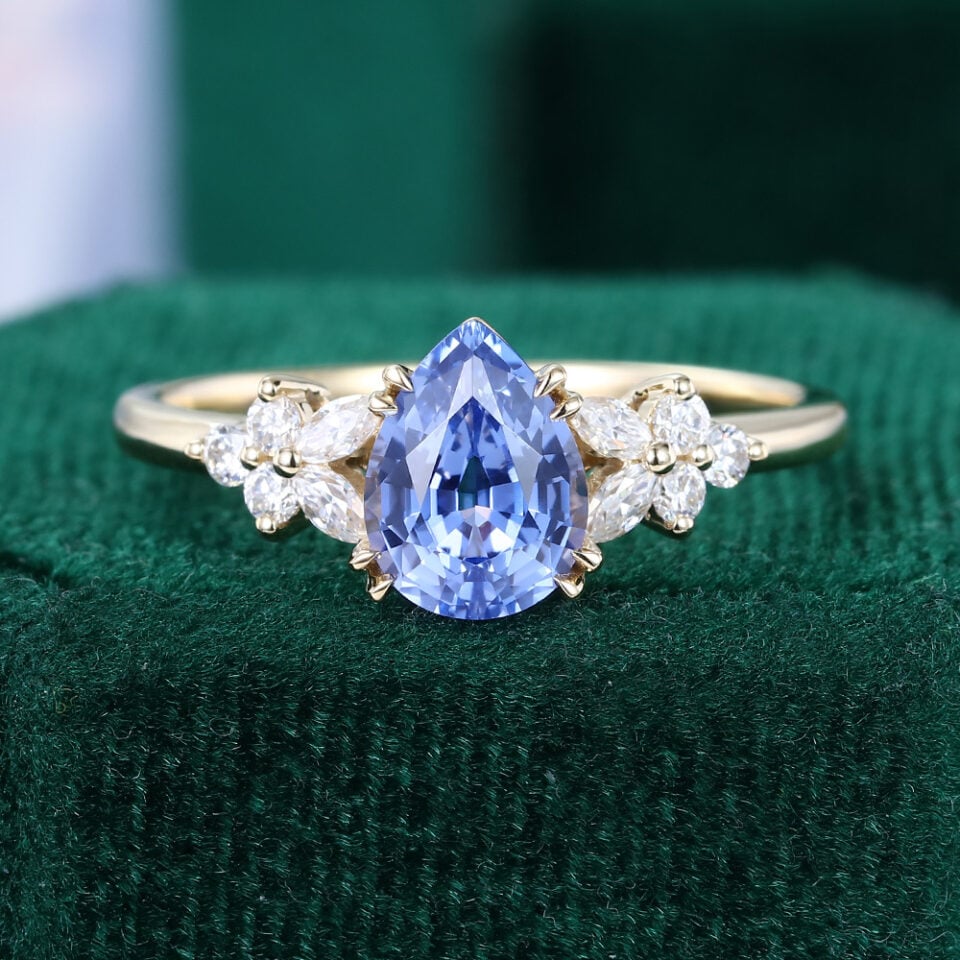
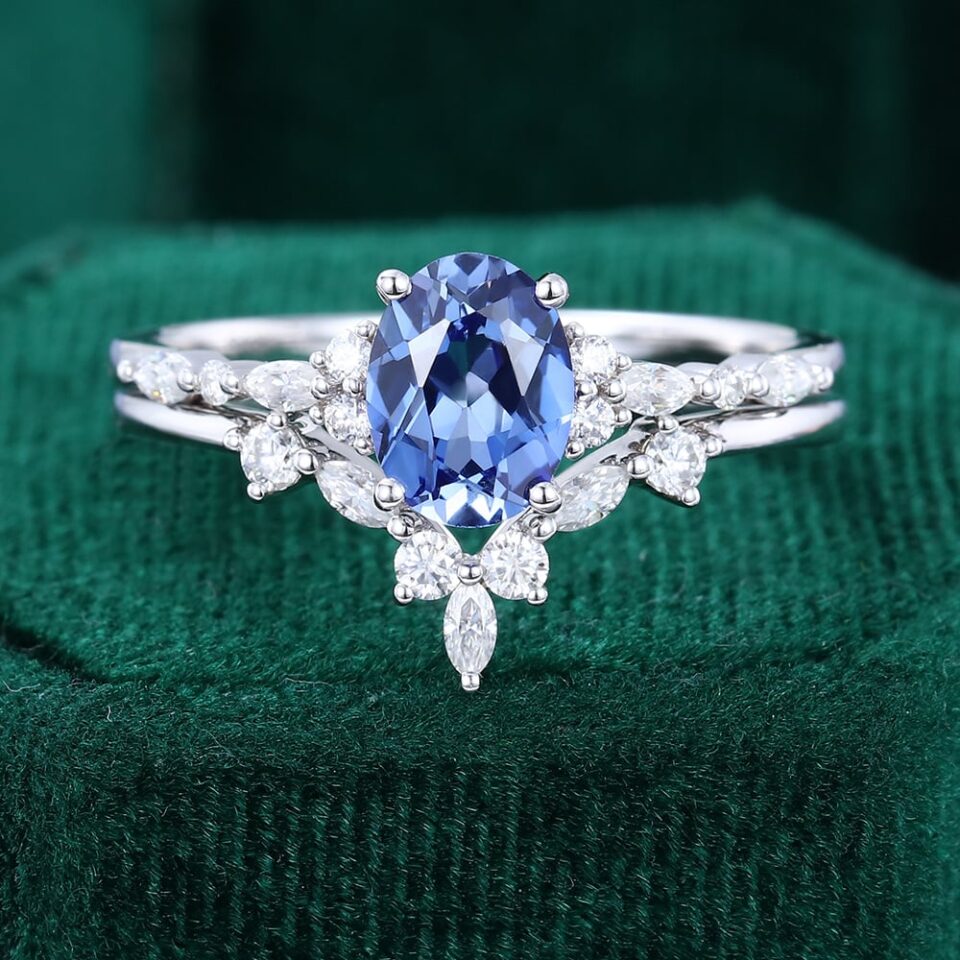
Cornflower blue has enough color to stand out without overpowering the ring.
That makes it especially versatile for engagement rings:
- White gold or platinum: creates a crisp, elegant contrast.
- Yellow gold: gives the blue a warmer, more traditional feel.
- Vintage-inspired settings: complement the soft, romantic character of the stone.
- Simple settings: let the sapphire remain the main focus.
For an engagement ring, the most important question is how the sapphire looks in the complete setting—not simply whether its color has the “cornflower” label.
Why Cornflower Sapphire Rings Are Trending Now
Why Cornflower Sapphire Rings Are Trending Now
This isn’t random—there are clear reasons behind the recent rise:
1. Shift Away from “Too Traditional”
1. Shift Away from “Too Traditional”
Many buyers still want blue sapphire—but not the heavy, formal look of deep royal tones.
Cornflower offers:
- Softer visual impact
- More everyday wearability
- Less “royal/ceremonial” feel
2. Works Better With Modern Ring Design
2. Works Better With Modern Ring Design
This color pairs especially well with:
- Thin bands
- Minimalist solitaires
- Vintage-inspired settings
👉 If you’re exploring different styles: sapphire engagement ring styles
3. Strong Alternative to Diamond (But Not Trying to Be One)
3. Strong Alternative to Diamond (But Not Trying to Be One)
Unlike white sapphire or moissanite, cornflower blue doesn’t imitate diamond—it creates a distinct identity.
👉 Related comparison: sapphire as a diamond alternative
Is Cornflower Blue Sapphire Worth Choosing?
Is Cornflower Blue Sapphire Worth Choosing?
Cornflower blue is worth considering if you want a sapphire that feels distinctive without looking overly dark or dramatic.
It can be a strong choice for someone who wants:
- a colored center stone with a refined look
- more color than a pale blue sapphire
- a softer alternative to deep royal blue
- a gemstone that works with both vintage and modern settings
But color alone should not determine the purchase. Cut, treatment, clarity, size, and the overall appearance of the stone all matter.


How to Choose the Right Cornflower Blue Sapphire Ring
How to Choose the Right Cornflower Blue Sapphire Ring
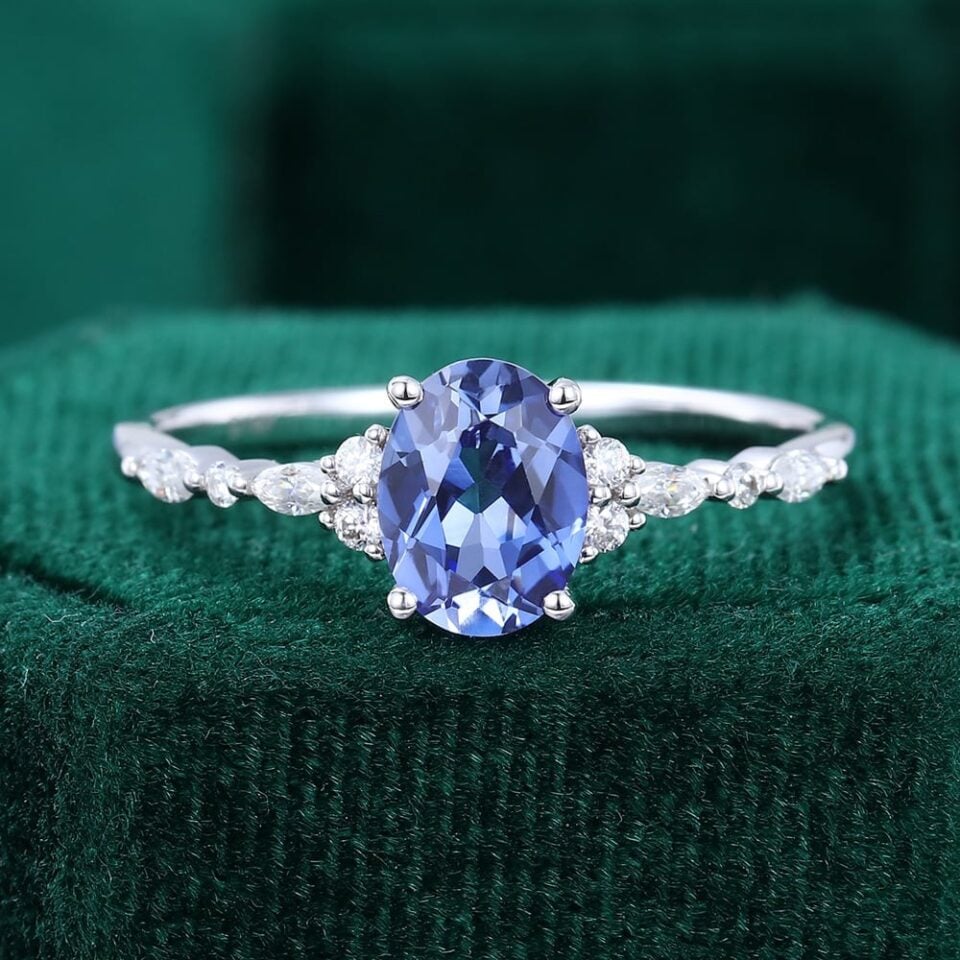
Start with the ring, not just the gemstone.
Look at three things:
1. Color
1. Color
Make sure the blue looks balanced in the lighting where you normally wear jewelry.
2. Cut
2. Cut
A well-cut sapphire should return light evenly and look lively rather than dull.
3. Setting
3. Setting
The metal and design can change how the blue appears. A delicate setting can make the color feel softer, while a halo or more detailed design can give it greater visual presence.
If you’re drawn to the color but want a different sapphire style, comparing several blue sapphire designs side by side can make the difference much easier to see.
👉 Daily wear tips: sapphire jewelry daily wear
Final Thought
Final Thought
Cornflower blue sapphire stands out because of its balance: blue enough to make a statement, but soft enough to remain elegant.
When choosing one, don’t focus only on the name. Look at the actual color, cut, treatment, size, and how the sapphire works with the ring setting.
For an engagement ring, that combination matters more than chasing a particular shade on paper.
Related FAQs
Related FAQs
Is cornflower blue sapphire a rare color?
Cornflower blue is considered a desirable sapphire color, but the term is used somewhat broadly in the market. Rarity and value depend on the stone’s actual color quality, origin, treatment, size, and other factors.
What color is a cornflower blue sapphire?
It is generally associated with a soft, balanced blue, often described as having a slightly velvety appearance. It sits visually between very pale blue and deeper blue shades.
Is cornflower blue better than royal blue sapphire?
Not necessarily. Cornflower blue offers a softer and brighter appearance, while royal blue creates a deeper and more dramatic look. The better choice depends on your preferred style.
Is cornflower blue sapphire good for an engagement ring?
Yes. Sapphire is durable enough for everyday jewelry, and cornflower blue can work well in both classic and contemporary engagement ring settings.
Does cornflower blue sapphire fade over time?
No. Sapphire is highly stable and does not fade under normal wear conditions.