- by MollyJewelryUS
- March 16, 2026
- Gemstone Education
Color is one of the most important factors when choosing a diamond, whether it is natural or laboratory-created. As more couples turn to lab grown diamonds for their ethical sourcing and excellent value, understanding how diamond color works becomes an essential part of the buying process. A diamond’s color affects how bright, white, and visually striking it appears once set in an engagement ring.
In simple terms, diamond color refers to the presence or absence of subtle yellow or brown tones within the stone. The less visible color a diamond has, the higher it ranks on the traditional grading scale. While completely colorless diamonds are rare and valuable, many near-colorless diamonds appear just as beautiful in everyday jewelry, especially when paired with the right metal setting.
This guide explains how lab grown diamond color is graded, how to read a diamond color chart, and how to choose the best color for your engagement ring based on style, budget, and personal preference.
Table of Contents
Table of Contents
What's Lab Diamond Color?
What's Lab Diamond Color?
Lab grown diamond color is graded using the same system applied to natural diamonds. The most widely accepted standard comes from the Gemological Institute of America (GIA), which grades diamonds from D to Z. The scale measures the amount of color present within the stone, starting with completely colorless diamonds and gradually moving toward stones that show visible yellow or brown tint.
A D-color diamond is considered perfectly colorless. These diamonds show no visible tint even under professional grading conditions. Moving down the scale to E and F, the diamonds remain colorless to the naked eye, though experts may detect tiny traces of color under magnification.
Diamonds graded G through J fall into the near-colorless category. Most buyers choose diamonds within this range because they appear bright and white in typical lighting while offering significantly better value than higher grades.
Lower grades, such as K through Z, display increasingly noticeable color tones. While these stones are less commonly used for traditional engagement rings, they can sometimes create warm vintage looks when paired with yellow or rose gold settings.
Why Color Matters in Lab Diamonds
Why Color Matters in Lab Diamonds
Color influences both the appearance and price of a diamond. Even subtle differences in tint can affect how much light a stone reflects and how bright it looks when worn.
Diamonds with minimal color tend to reflect light more cleanly, creating a crisp white sparkle that many people associate with classic engagement rings. However, the difference between certain grades may be difficult to notice without side-by-side comparison.
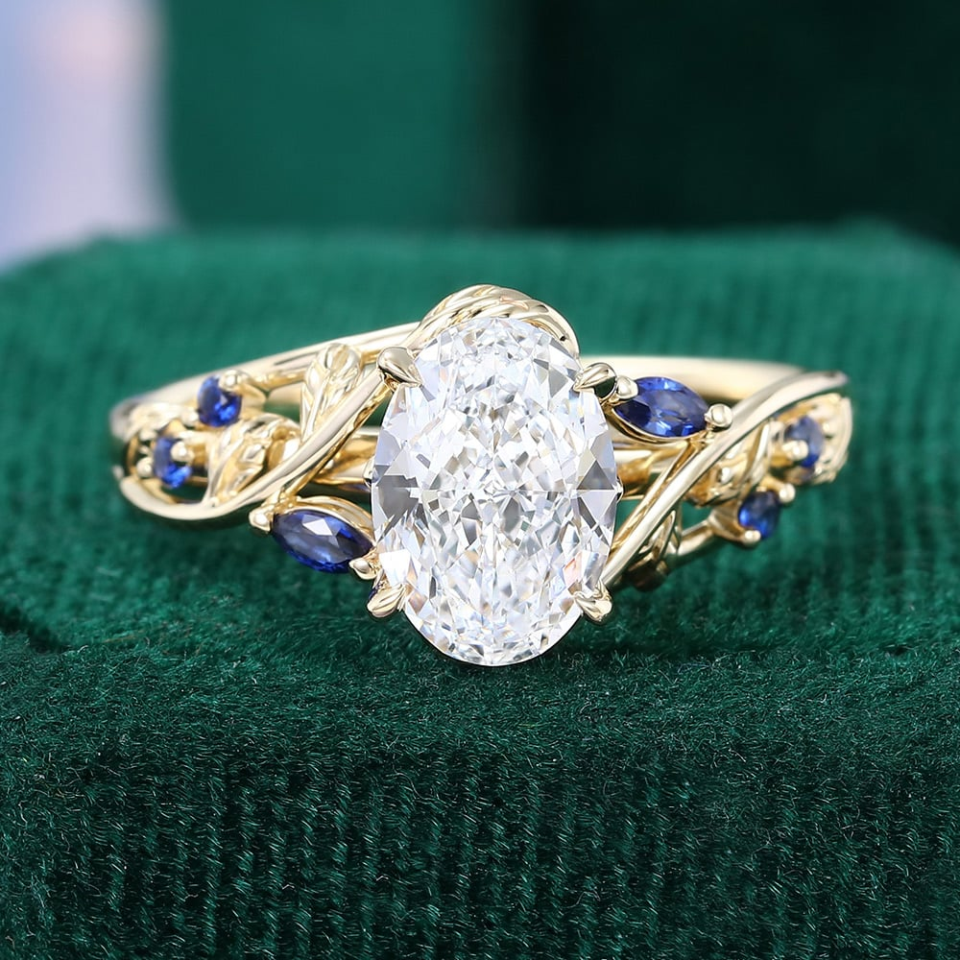
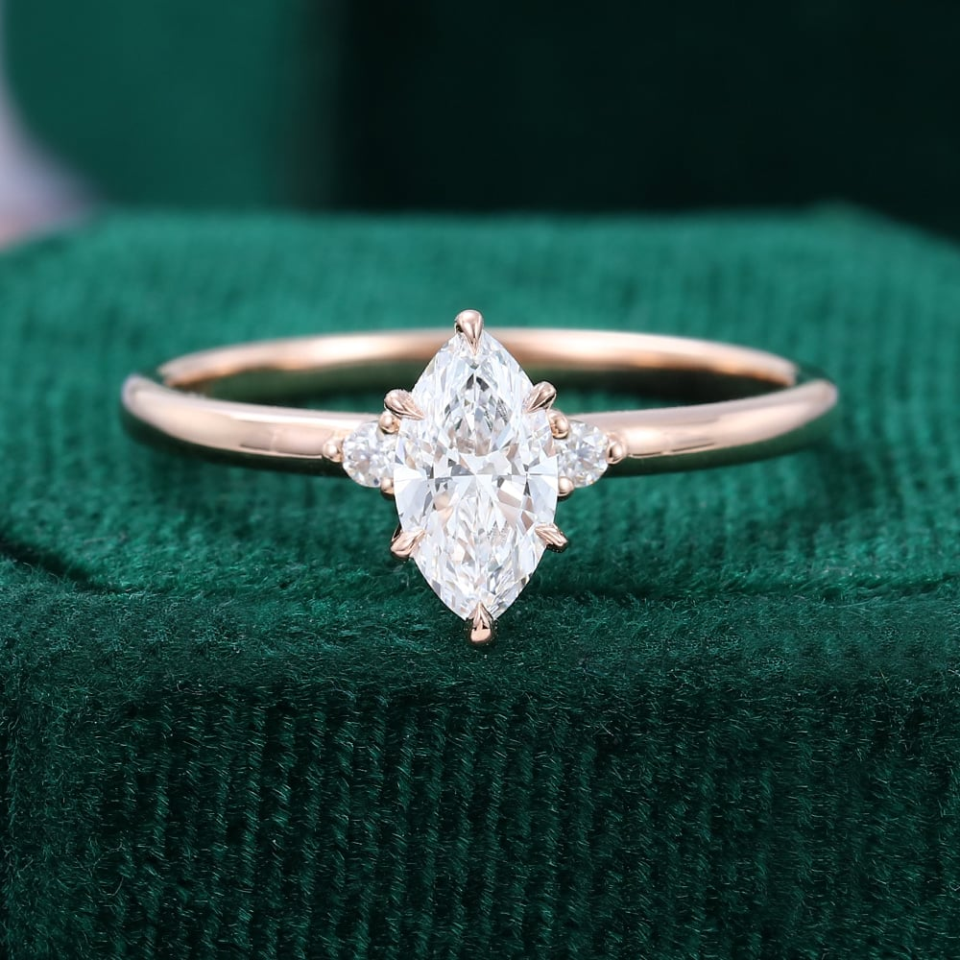
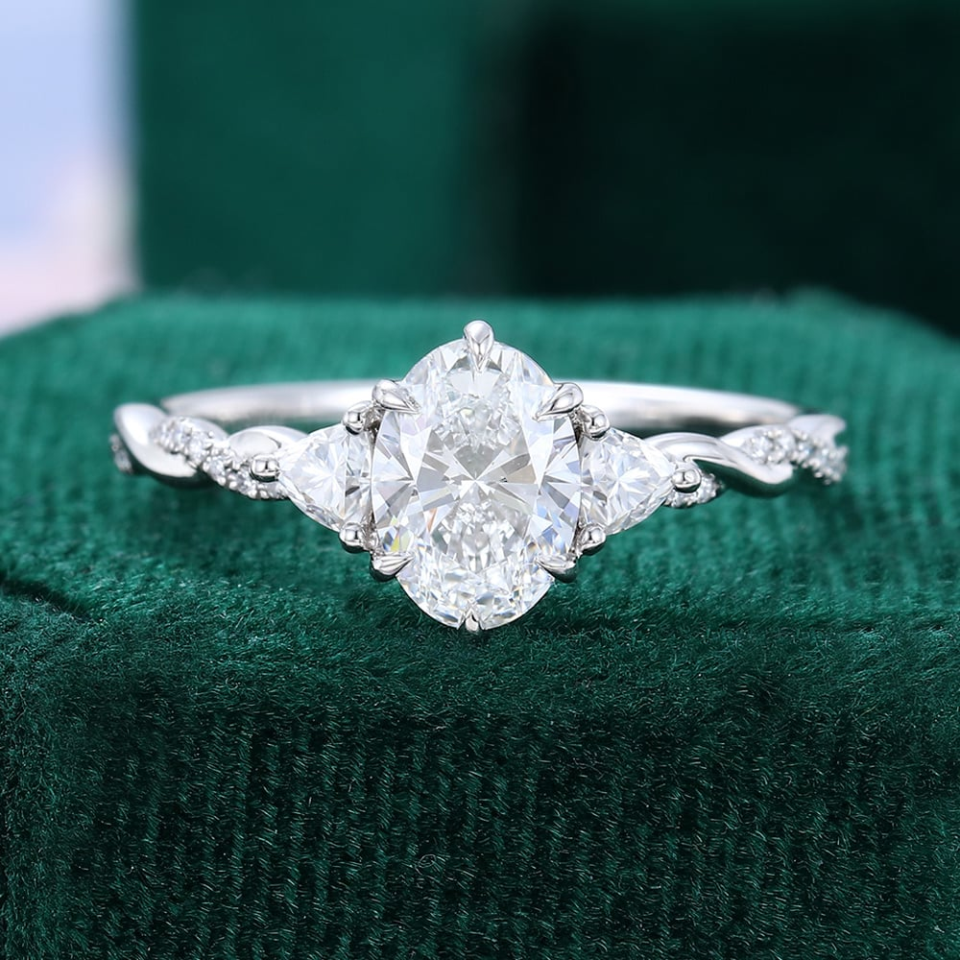
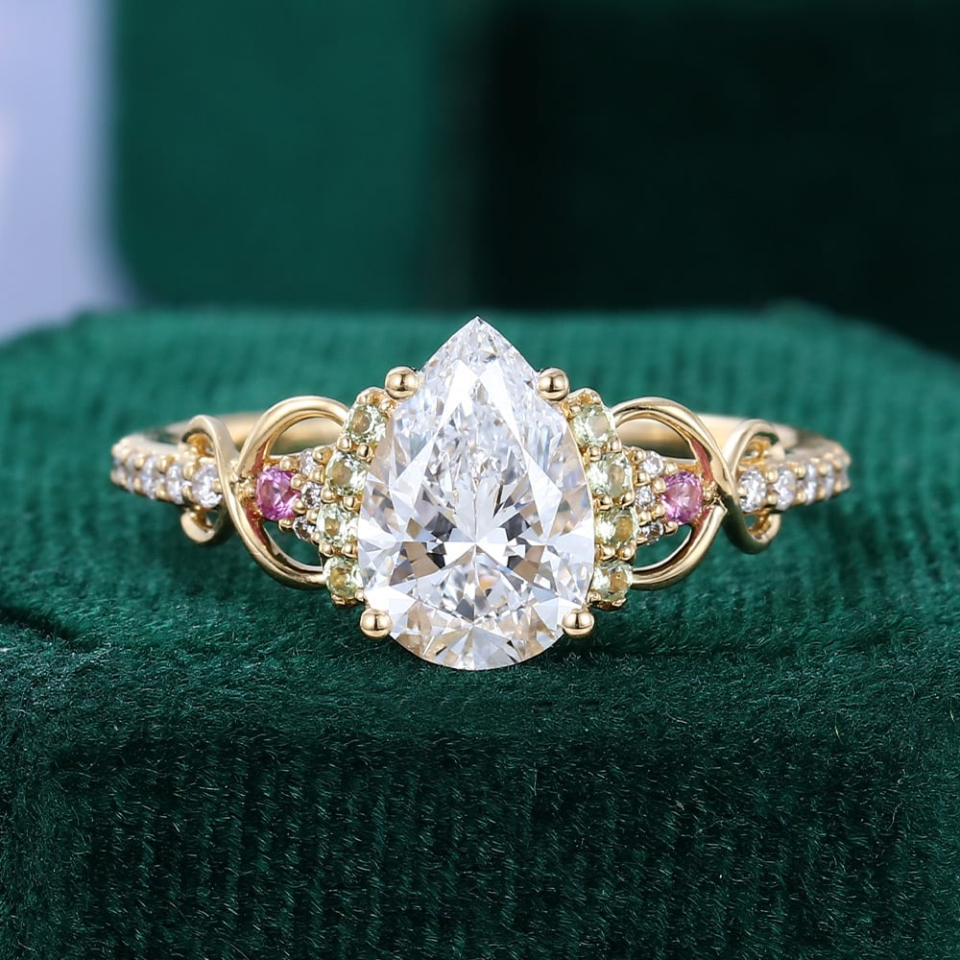
Another important factor is the setting metal. A platinum or white gold ring reflects cooler tones, which can make slight color more visible in lower-grade diamonds. In contrast, yellow or rose gold settings naturally mask faint color, allowing near-colorless diamonds to appear brighter.
Because lab grown diamonds cost less than natural diamonds of similar quality, buyers often have more flexibility to choose higher color grades without dramatically increasing the budget.
Lab Diamond Color Chart
Lab Diamond Color Chart
Understanding the diamond color chart helps simplify the selection process. The chart groups diamonds into several categories based on visible color characteristics.
D–F: Colorless
D–F: Colorless
These diamonds contain virtually no color. They appear extremely bright and icy white, even under magnification. Colorless diamonds are the most rare and therefore command the highest prices.
G–J: Near Colorless
G–J: Near Colorless
Near-colorless diamonds look white in most lighting conditions. Only trained professionals may detect slight color traces when examining them closely. This category is the most popular for engagement rings because it balances beauty and value.
K–M: Faint Color
K–M: Faint Color
Diamonds in this range begin to show subtle warmth. The tint may be slightly noticeable when viewed from the side or under strong lighting.
N–R: Very Light Yellow Color
N–R: Very Light Yellow Color
Stones within this range display visible yellow or brown tones. While less common in classic engagement rings, they can work well for vintage-inspired designs.
How Lighting and Cut Affect Color Appearance
How Lighting and Cut Affect Color Appearance
Diamond color does not exist in isolation. The way a diamond is cut can dramatically influence how color appears to the eye.
A well-cut diamond reflects light efficiently, which helps mask small traces of color. Strong brilliance and sparkle can make a near-colorless diamond appear almost identical to a higher-grade stone.
Lighting conditions also play a role. Under bright white lighting, faint color may be easier to detect. In softer indoor lighting, the same diamond may appear completely colorless.
Because of these factors, many jewelers recommend focusing on the overall balance of cut, color, and clarity, rather than selecting the highest color grade alone.
Choosing the Right Color Tips
Choosing the Right Color Tips
Selecting the right lab diamond color depends on several practical considerations. These tips can help narrow down the best option.
Consider the ring metal
Consider the ring metal
White gold and platinum tend to highlight diamond color, making higher grades like D–H a good match. Yellow and rose gold settings can comfortably pair with slightly lower grades, such as G–J.
Balance color with carat size
Balance color with carat size
Larger diamonds make color more visible. If you are choosing a stone above one carat, selecting a slightly higher color grade may improve overall appearance.
Think about budget
Think about budget
Because lab diamonds offer better value, many buyers choose color grades around F–H to achieve a bright white look without paying the premium for a D-color stone.
Focus on appearance rather than numbers
Focus on appearance rather than numbers
Two diamonds with different color grades can look nearly identical once set in a ring. Viewing the stone in realistic lighting conditions often provides the best guidance.
Lab Diamond Color vs Natural Diamond Color
Lab Diamond Color vs Natural Diamond Color
One common question is whether lab grown diamonds have different color characteristics compared to mined diamonds.
In reality, the grading system and appearance are essentially the same. Lab diamonds are made of pure crystallized carbon, just like natural diamonds, and they are graded by the same professional standards.
The primary difference lies in how the diamonds are created. Lab grown diamonds form under controlled conditions using advanced technology such as CVD or HPHT processes. Because of this controlled environment, manufacturers can sometimes produce diamonds with very consistent color quality.
As a result, buyers often find a wider selection of high-color grades available in lab grown diamonds compared to natural stones within the same price range.
Final Thoughts
Final Thoughts
Choosing the best lab grown diamond color does not require selecting the highest grade available. The key is understanding how color interacts with cut, setting metal, and overall ring design.
For many engagement rings, diamonds within the G–H range offer the ideal combination of brightness, beauty, and value. These stones appear white in everyday wear while allowing buyers to invest more in carat size or setting design.
By learning how the diamond color scale works and viewing stones in realistic lighting, you can confidently select a lab grown diamond that looks stunning for years to come.
FAQs About Lab Diamond Color
FAQs About Lab Diamond Color
What is the best color for a lab grown diamond?
The best color for a lab grown diamond usually falls between D and H. Diamonds in this range appear bright and white, with minimal visible tint. Many buyers prefer G or H because they offer excellent visual quality at a more affordable price.
Can you see color in lab diamonds?
Most people cannot easily see color in diamonds graded G or higher, especially once the stone is set in a ring. Slight color becomes more noticeable only in lower grades such as K or beyond.
Are colorless lab diamonds worth the price?
Colorless diamonds (D–F) offer exceptional brightness and rarity, but they also cost more. For many engagement rings, near-colorless diamonds provide a very similar appearance at a lower price.
Is diamond color more important than cut?
Cut is usually considered more important than color because it determines how much light the diamond reflects. A well-cut near-colorless diamond often looks more brilliant than a poorly cut colorless stone.