- by MollyJewelryUS
- February 19, 2026
- Gemstone Education
If you’ve ever researched lab diamond vs natural diamond , you may have wondered how these stones are actually created. Lab-grown diamonds look identical to mined diamonds and share the same chemical composition—pure carbon arranged in a crystal structure. The key difference lies in their origin. Instead of forming deep underground over millions of years, lab diamonds are produced in controlled laboratory environments using advanced technology.
This guide explains how lab-grown diamonds are made, what production methods exist today, and how they are used in modern jewelry.
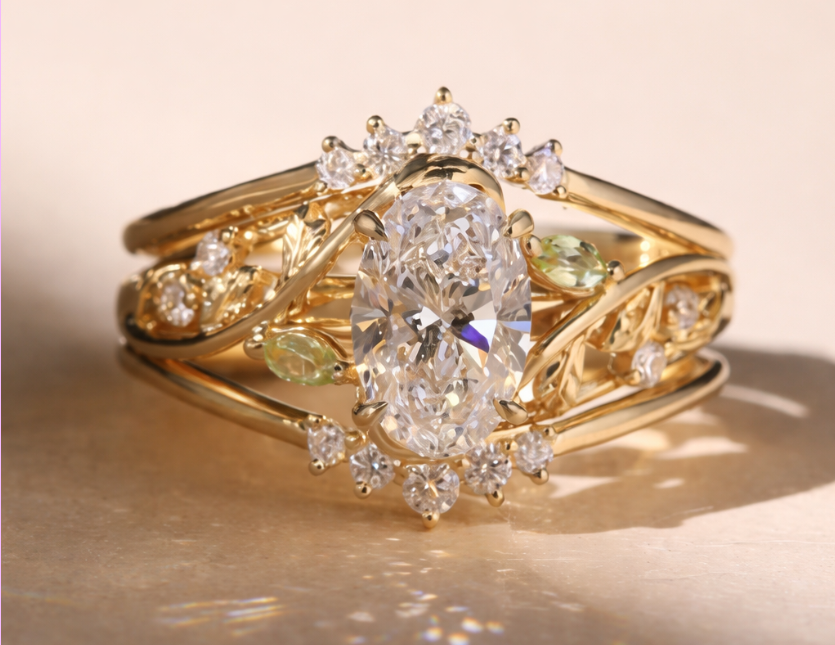
Table of Contents
Table of Contents
- What Exactly Is a Lab-Grown Diamond
- Main and Emerging Methods Used to Make Lab Diamonds
- How Long Does It Take to Grow a Lab Diamond
- What Are Lab Diamonds Used for in Jewelry
- Are Lab Diamonds Durable Enough for Everyday Wear
- Why Lab Diamonds Continue to Grow in Popularity
- Where to Buy Reliable Lab Diamond Jewelry
- Conclusion
- Lab Diamond FAQs
What Exactly Is a Lab-Grown Diamond
What Exactly Is a Lab-Grown Diamond
A lab-grown diamond is a real diamond created in a laboratory rather than mined from the earth. It has the same hardness, brilliance, and durability as a natural diamond. Even trained gemologists need specialized equipment to distinguish between the two.
The creation process replicates the natural conditions that allow diamonds to form—but it does so in weeks or months instead of geological time.
Main and Emerging Methods Used to Make Lab Diamonds
Main and Emerging Methods Used to Make Lab Diamonds
While two production methods dominate the jewelry market, there are actually several techniques that have been developed over time.
1.HPHT (High Pressure High Temperature) Growth - Tradiation Growth Method
1.HPHT (High Pressure High Temperature) Growth - Tradiation Growth Method
HPHT was one of the earliest successful methods for growing diamonds.
How it works:
A small diamond seed is placed in a press.
Carbon material is added.
Extreme pressure (about 5–6 GPa) and temperatures above 1300°C are applied.
Carbon atoms bond to the seed and grow into a diamond crystal.
HPHT closely mimics natural diamond formation inside the Earth. Today it is used for both industrial and jewelry-grade diamonds.
2. CVD (Chemical Vapor Deposition) Growth - Modern Growth Method
2. CVD (Chemical Vapor Deposition) Growth - Modern Growth Method
CVD is now the most common method for gem-quality lab diamonds.
How it works:
A thin diamond seed plate is placed inside a vacuum chamber.
Carbon-rich gases such as methane are introduced.
The gases are energized into plasma.
Carbon atoms attach to the seed layer by layer.
This method allows better control over purity and color, which is why many high-quality jewelry stones are produced this way.
3.MPCVD (Microwave Plasma Chemical Vapor Deposition) - High-Precision Growth Solution
3.MPCVD (Microwave Plasma Chemical Vapor Deposition) - High-Precision Growth Solution
Microwave Plasma-Assisted CVD is an advanced variation of the traditional CVD method.
In a standard CVD system, gases are heated to break down carbon molecules. In microwave plasma systems, high-frequency microwave energy is used to energize the gas mixture. This creates a plasma cloud inside the vacuum chamber.
Here’s what makes it different:
The plasma is more stable and evenly distributed
Carbon atoms are deposited more uniformly
Crystal growth can be more precisely controlled
This method allows manufacturers to grow diamonds with fewer structural defects and improved clarity. Because of the stable plasma field, the carbon atoms bond in a more orderly way, leading to better crystal integrity.
4. HPHT Post-Growth Treatment - Color Enhancement / Refinement
4. HPHT Post-Growth Treatment - Color Enhancement / Refinement
While HPHT is widely used as a primary growth method, it is primarily used to optimize and enhance the color of diamonds produced by CVD methods.
During CVD growth, some diamonds may develop slight brown or yellow undertones due to trace elements or crystal growth irregularities. To improve color quality, the diamond is placed back into an HPHT press under carefully controlled pressure and temperature conditions.
Under these extreme conditions:
Internal crystal distortions can reorganize
Nitrogen-related color centers may be altered
Brown hues can be reduced or eliminated
This process does not change the diamond’s fundamental structure. Instead, it refines the color by stabilizing the atomic arrangement. The result is a whiter, more colorless appearance suitable for high-end jewelry use.
How Long Does It Take to Grow a Lab Diamond
How Long Does It Take to Grow a Lab Diamond
Growth time depends on the size and method used. Smaller stones may take just a few weeks. Larger diamonds can take several months. After growth, the rough diamond is cut, polished, and graded just like a mined diamond.
What Are Lab Diamonds Used for in Jewelry
What Are Lab Diamonds Used for in Jewelry
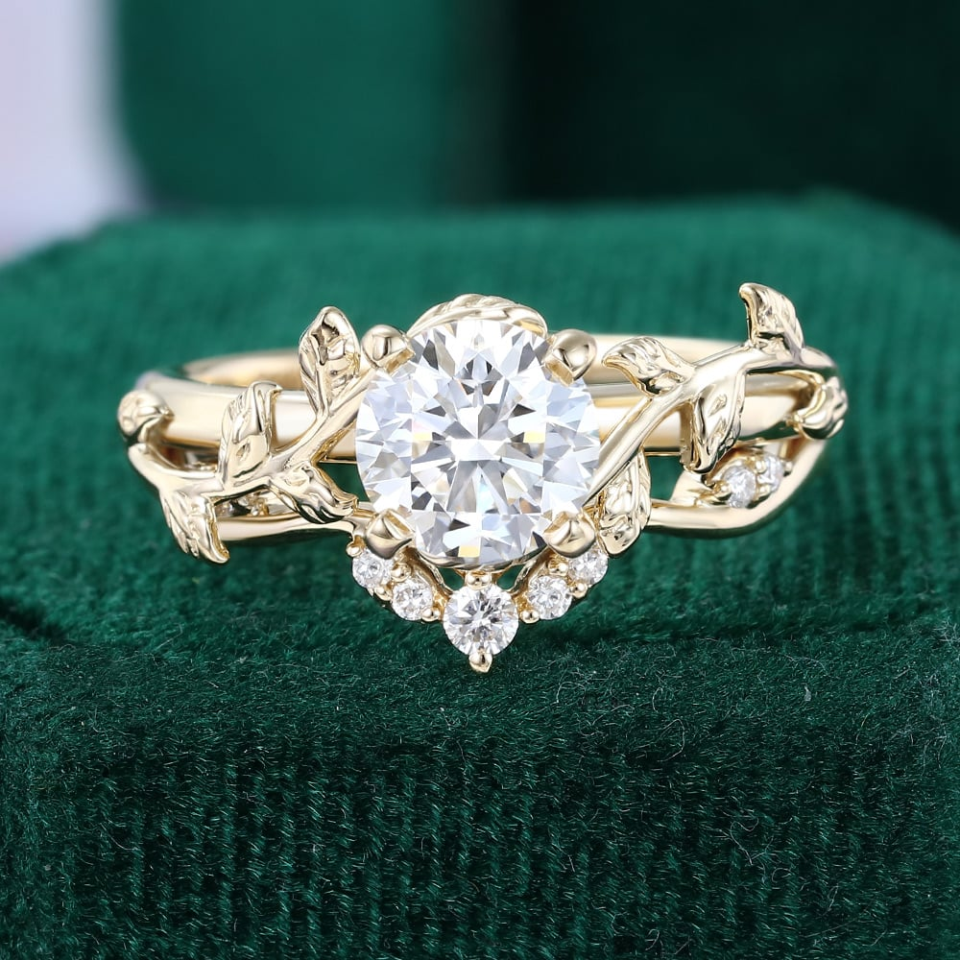
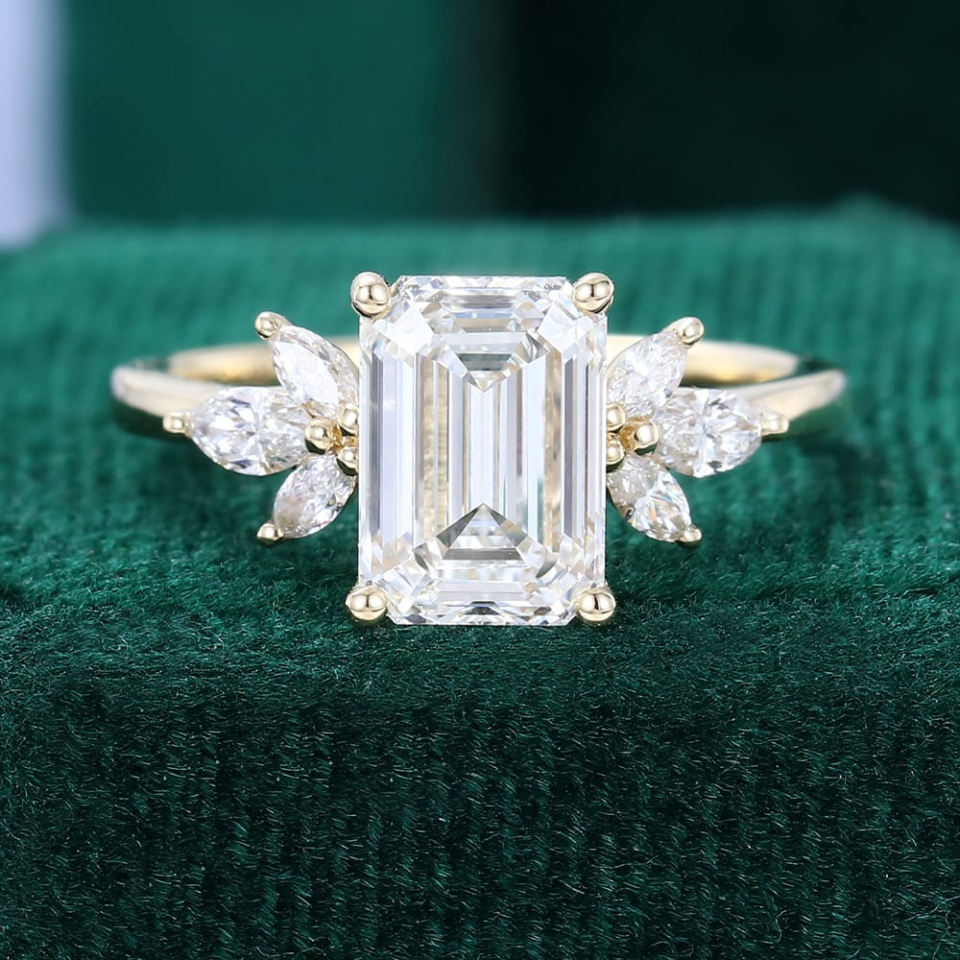
Lab diamonds are widely used in modern fine jewelry. Their identical properties to mined diamonds make them suitable for nearly every setting style.
Common jewelry uses include:
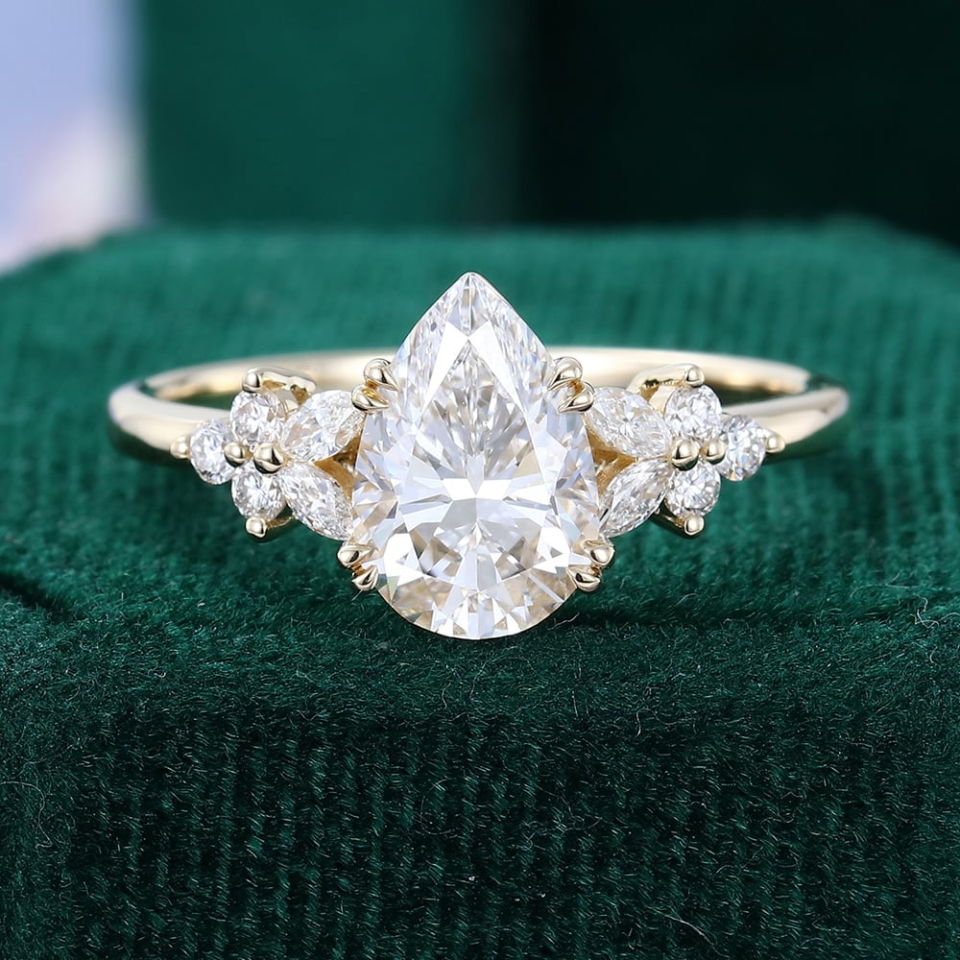
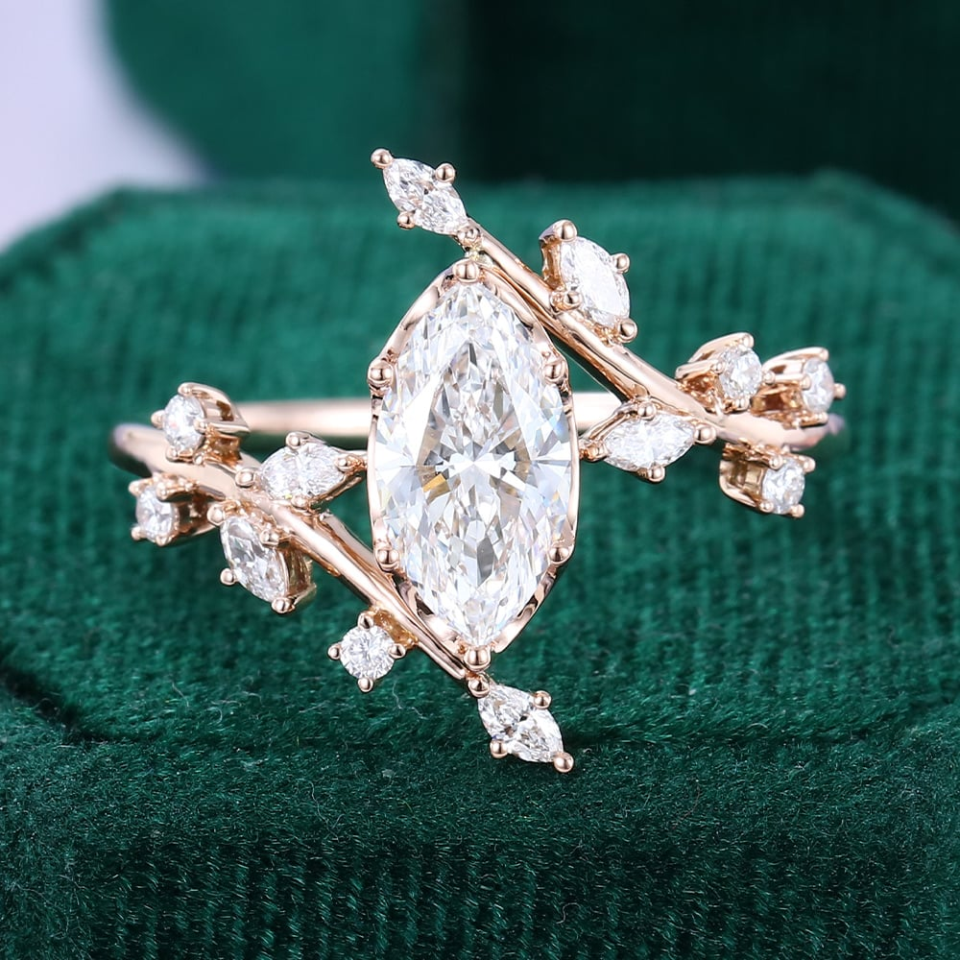
Lab diamond engagement rings
Halo settings
Solitaire rings
Wedding bands
Tennis bracelets
Pendant necklaces
Stud earrings
A lab diamond engagement ring has become especially popular among couples who want the brilliance of a traditional diamond with a more accessible price point and controlled origin. Because lab diamonds are available in consistent quality and larger sizes at lower cost, designers have more flexibility in creating modern and custom pieces.
Are Lab Diamonds Durable Enough for Everyday Wear?
Are Lab Diamonds Durable Enough for Everyday Wear?
Yes. Lab-grown diamonds rank 10 on the Mohs hardness scale—the same as natural diamonds. This makes them extremely resistant to scratching and ideal for daily-wear jewelry like a lab diamond engagement ring.
They also maintain clarity and brilliance over time. Proper cleaning and occasional professional inspection will keep them looking their best.
Why Lab Diamonds Continue to Grow in Popularity
Why Lab Diamonds Continue to Grow in Popularity
There are several reasons consumers are increasingly choosing lab-grown diamonds:
Lower price compared to mined diamonds
Ethical sourcing advantages
Environmental considerations
Access to larger carat sizes within budget
Identical physical and optical properties
As awareness increases, lab diamonds are no longer seen as alternatives—they are becoming a mainstream choice in fine jewelry.
Where to Buy Reliable Lab Diamond Jewelry
Where to Buy Reliable Lab Diamond Jewelry
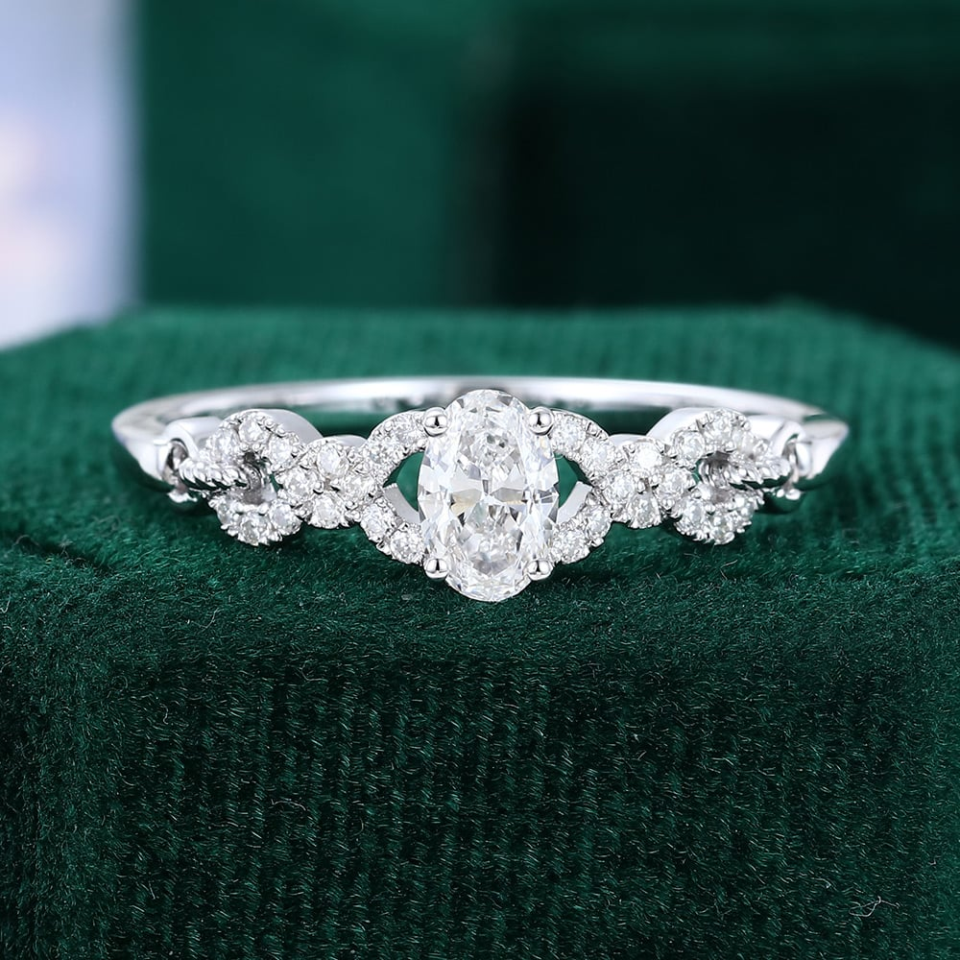
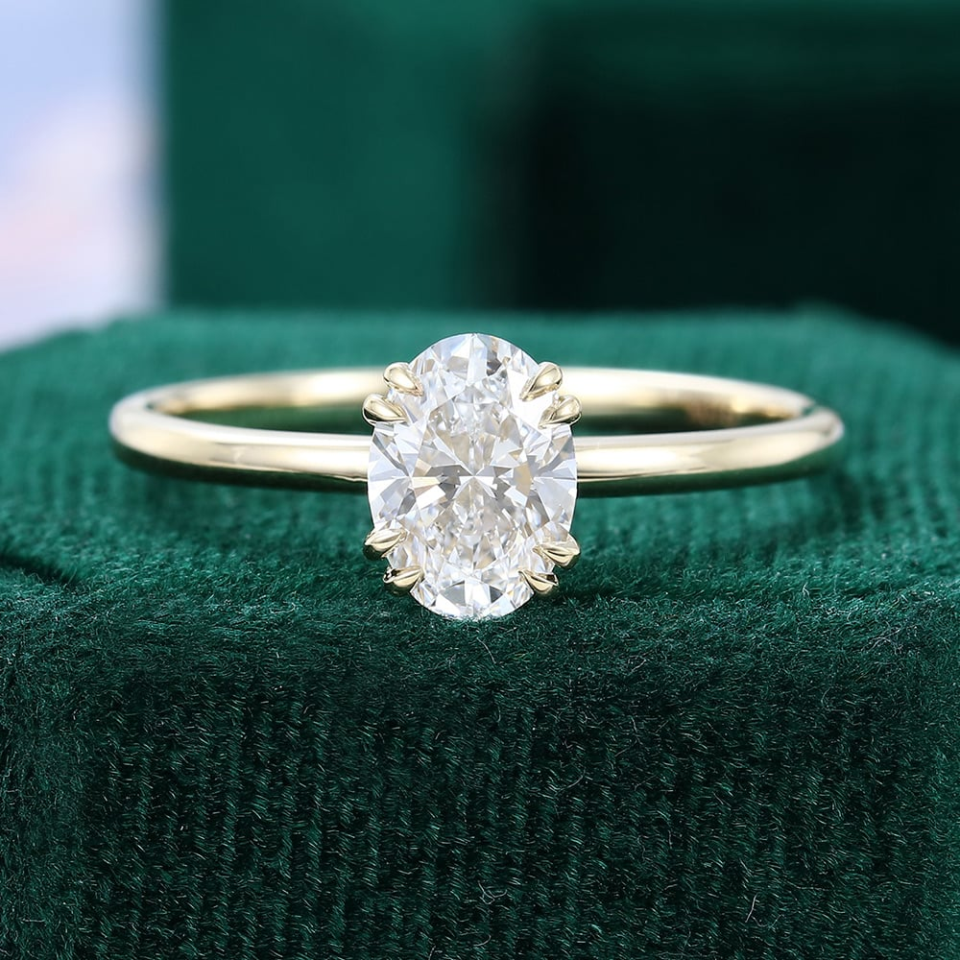
When shopping for lab-grown diamond jewelry, quality standards matter. Buyers should look for certified stones graded by reputable laboratories. Transparency about cut, color, clarity, and carat weight is essential.
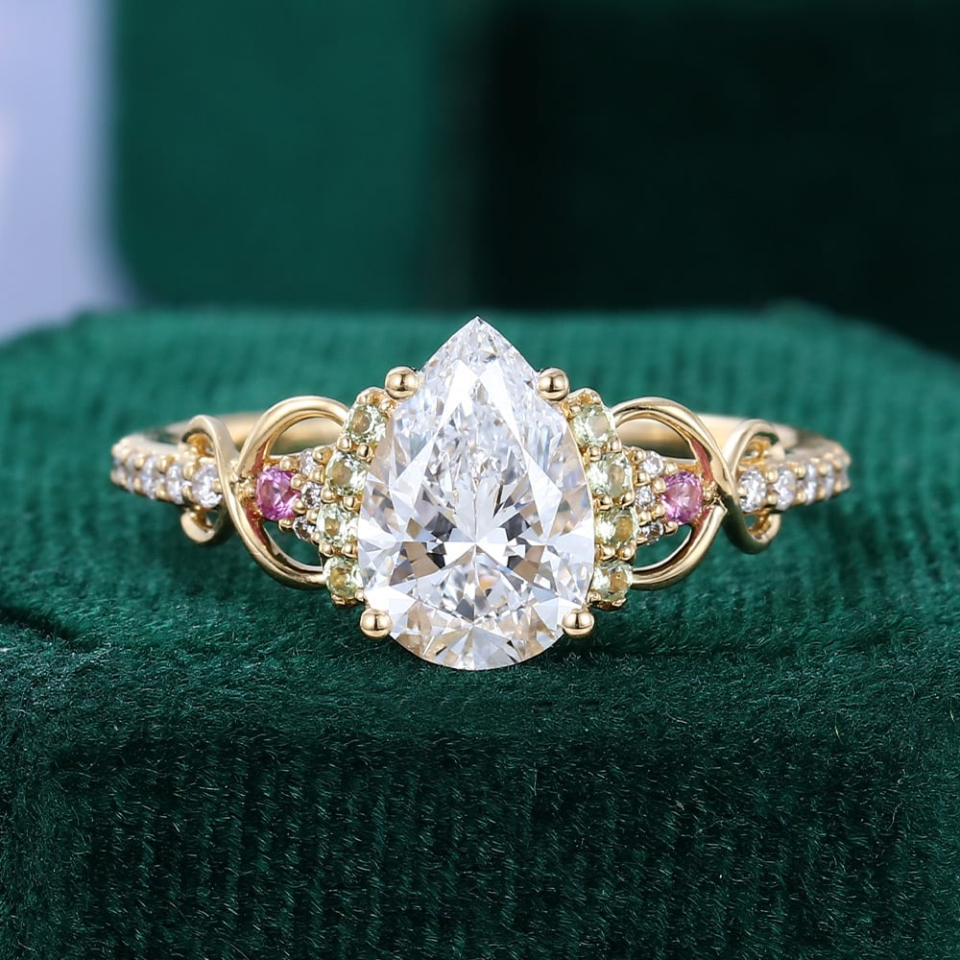
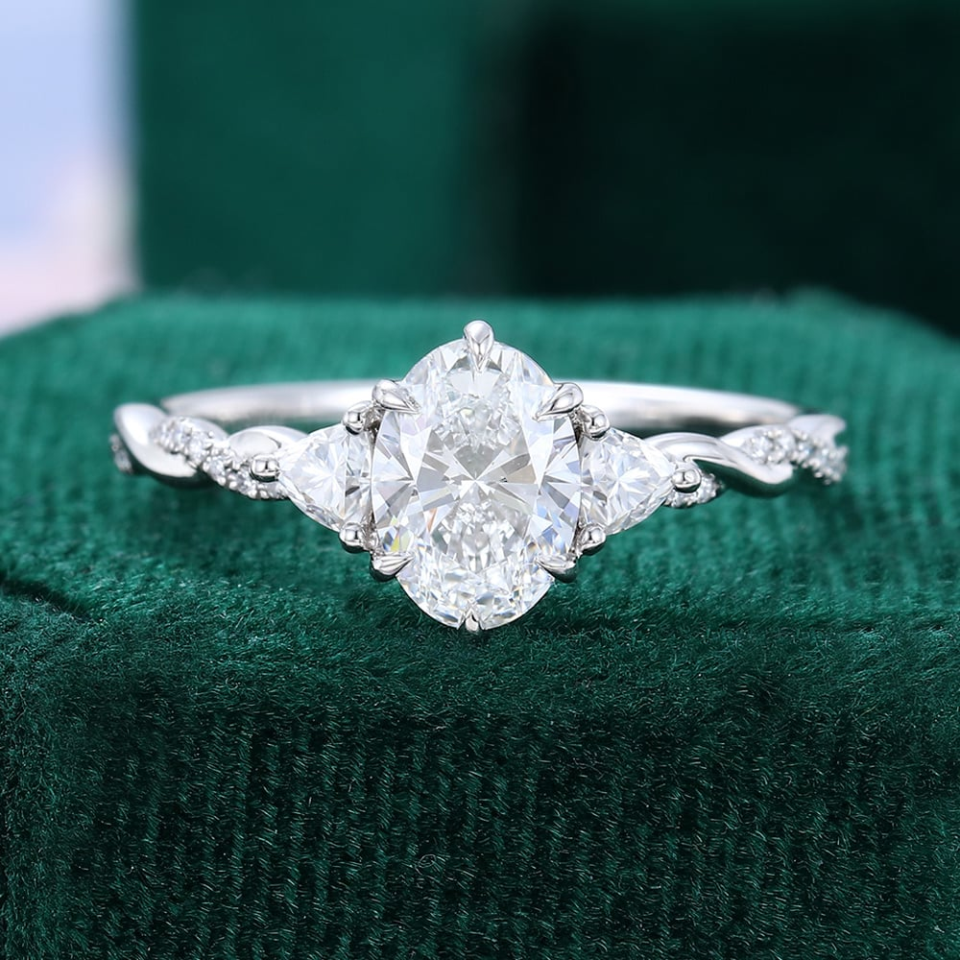
MollyJeweryUS offers carefully selected lab diamond rings and engagement styles designed to balance craftsmanship, durability, and modern aesthetics. Choosing a reliable brand ensures both quality assurance and long-term satisfaction.
What’s More , we also provides customize diamond ring service, tell your idea to the us.
Conclusion
Conclusion
Understanding how lab-grown diamonds are made helps buyers make informed decisions when comparing options like lab diamond vs natural diamond. From HPHT and CVD to newer experimental techniques, modern technology has made it possible to create real diamonds in a controlled environment.
Lab Diamond FAQs
Lab Diamond FAQs
Are lab-grown diamonds real diamonds?
Yes. They are chemically and physically identical to natural diamonds.
What is the main difference between lab and natural diamonds?
The difference is origin. Lab diamonds are created in controlled environments, while natural diamonds form underground.
Which method produces better diamonds, HPHT or CVD?
Both can produce high-quality stones. CVD is currently more common for jewelry-grade diamonds.
Do lab diamonds last as long as natural diamonds?
Yes. They have the same hardness and durability.