- by MollyJewelryUS
- February 13, 2026
- Gemstone Education
Lab-created diamonds have transformed modern fine jewelry, offering the same brilliance and durability as mined stones with a more transparent origin. Among the main methods of producing lab diamonds, HPHT and CVD stand out as the two dominant technologies. If you’re considering lab diamond rings, understanding how these two processes differ will help you make a confident, informed choice.
Table Of Contents:
Table Of Contents:
- What Is HPHT Diamond Growth (Tradiational Growth Method)
- What Is CVD Diamond Growth (Modern Growth Method)
- HPHT vs CVD Diamonds: How They Are Formed
- HPHT vs CVD Diamonds: Differences in Crystal Structure
- Color and Clarity Comparison
- Price Differences Between HPHT and CVD
- Durability and Hardness
- Identification and Certification
- The Overview of the Differences Between HPHT vs CVD
- Which Is Better: HPHT or CVD
- Why Choose MollyJewelryUS for Lab Diamond Jewelry
- Final Thoughts on HPHT vs CVD Diamonds
- FAQ: HPHT vs CVD Diamonds
What Is HPHT Diamond Growth (Tradiational Growth Method)
What Is HPHT Diamond Growth (Tradiational Growth Method)
HPHT stands for High Pressure High Temperature. This method replicates the natural conditions deep within the earth where diamonds form.
In the HPHT process, a small diamond seed is placed in carbon and subjected to extremely high pressure (about 5–6 GPa) and temperatures above 1,300°C. Under these conditions, carbon melts and begins crystallizing onto the seed, gradually forming a larger diamond crystal.
There are three main press types used in HPHT growth:
Belt press
Cubic press
Split-sphere (BARS) press
HPHT was the first commercially successful method for creating gem-quality diamonds and is still widely used today.
What Is CVD Diamond Growth (Modern Growth Method)
What Is CVD Diamond Growth (Modern Growth Method)
CVD stands for Chemical Vapor Deposition. Unlike HPHT, CVD does not rely on extreme pressure. Instead, it uses a controlled vacuum chamber environment.
In this process, a thin diamond seed plate is placed inside a chamber filled with carbon-rich gas, usually methane mixed with hydrogen. The gas is heated to create plasma, which breaks down carbon molecules. Carbon atoms then deposit layer by layer onto the seed, forming a diamond crystal.
CVD technology allows for greater control over growth conditions and crystal structure. It has become increasingly popular for producing high-clarity diamonds, especially in colorless grades.
HPHT vs CVD Diamonds: How They Are Formed
HPHT vs CVD Diamonds: How They Are Formed
The fundamental difference lies in the growth environment.
HPHT mimics natural geological formation through intense pressure and heat. CVD grows diamonds in a low-pressure vacuum using plasma technology.
HPHT growth conditions are more similar to how natural diamonds form in the mantle. CVD, by contrast, is a more engineered and precisely controlled process.
Both methods produce real diamonds composed of pure carbon in a cubic crystal structure. Chemically and physically, they are identical to mined diamonds.
HPHT vs CVD Diamonds: Differences in Crystal Structure
HPHT vs CVD Diamonds: Differences in Crystal Structure
Although both types are real diamonds, their internal growth patterns differ slightly.
HPHT diamonds often display cuboctahedral growth patterns. They may also contain metallic inclusions from the catalyst used during growth, though advanced refinement techniques reduce this significantly.
CVD diamonds typically grow in flat, layered formations. Early CVD stones sometimes showed brownish tints due to structural strain, but modern post-growth treatments, including HPHT annealing, correct this issue.
With today’s technology, both HPHT and CVD diamonds can achieve excellent clarity and color grades.
Color and Clarity Comparison
Color and Clarity Comparison
In the past, HPHT diamonds were more common in smaller sizes and sometimes exhibited yellowish tones due to nitrogen content.
CVD diamonds initially faced challenges with brown undertones but have improved significantly with technological advancements.
Currently:
Both methods can produce D–F colorless diamonds
Both can achieve VVS and even IF clarity grades
Larger carat sizes are more accessible with CVD technology
In practical terms, a certified HPHT or CVD diamond of the same grade will look indistinguishable to the naked eye.
Price Differences Between HPHT and CVD
Price Differences Between HPHT and CVD
Generally, CVD diamonds tend to be slightly more affordable than HPHT diamonds, especially in larger sizes. However, price differences are narrowing as technology advances.
Factors that influence pricing include:
Carat weight
Color grade
Clarity grade
Cut quality
Market supply
From a buyer’s perspective, both options offer substantial savings compared to mined diamonds while maintaining identical optical performance.
Durability and Hardness
Durability and Hardness
Both HPHT and CVD diamonds score 10 on the Mohs hardness scale. They are equally durable for everyday wear.
For engagement rings, wedding bands, and heirloom pieces, there is no structural disadvantage to choosing one method over the other. Properly cut and set, both are ideal for daily use.
Identification and Certification
Identification and Certification
Reputable gemological laboratories such as GIA and IGI clearly state whether a diamond is lab-grown and identify the growth method.
Advanced spectroscopy can distinguish between HPHT and CVD diamonds by analyzing trace elements and growth patterns. However, this distinction has no impact on wearability or longevity.
When purchasing lab diamond rings, always look for third-party certification to ensure transparency and grading accuracy.
The Overview of the Differences Between HPHT vs CVD
The Overview of the Differences Between HPHT vs CVD
| Category | HPHT (High Pressure High Temperature) | CVD (Chemical Vapor Deposition) |
|---|---|---|
| Growth Environment | Extreme pressure (5–6 GPa) and temperatures above 1,300°C | Low-pressure vacuum chamber with carbon-rich gas |
| Formation Principle | Mimics natural diamond formation in the Earth's mantle | Carbon atoms deposited layer by layer from plasma |
| Equipment Used | Belt press, Cubic press, or BARS press | Plasma reactor chamber |
| Crystal Growth Pattern | Cuboctahedral crystal structure | Layered, plate-like crystal growth |
| Typical Inclusions | Possible metallic inclusions from catalysts | Possible growth lines or strain patterns |
| Early Color Tendencies | Sometimes yellowish due to nitrogen | Possible growth lines or strain patterns |
| Post-Growth Treatment | May require refinement for clarity or color | Often treated with HPHT annealing to improve color |
| Large Carat Availability | Available, historically more common in smaller sizes | More scalable for larger carat sizes |
| Price Trend | Slightly higher in some categories | Often slightly more affordable |
| Durability | Mohs hardness 10 (same as natural diamond) | Mohs hardness 10 (same as natural diamond) |
| Visual Appearance | Visually identical to natural diamonds | Visually identical to natural diamonds |
| Certification | Certified as lab-grown; growth method disclosed | Certified as lab-grown; growth method disclosed |
Which Is Better: HPHT or CVD
Which Is Better: HPHT or CVD
In fact, both of these are common and well-established methods for manufacturing diamonds. The answer depends on what matters most to you.
Choose HPHT if:
You prefer a method closely resembling natural formation
You are selecting fancy colored lab diamonds
Choose CVD if:
You want larger carat sizes at competitive pricing
You prioritize ultra-high clarity and colorless grades
In most jewelry applications, the visual difference is negligible. Quality grading matters far more than the growth method.
Why Choose MollyJewelryUS for Lab Diamond Jewelry
Why Choose MollyJewelryUS for Lab Diamond Jewelry
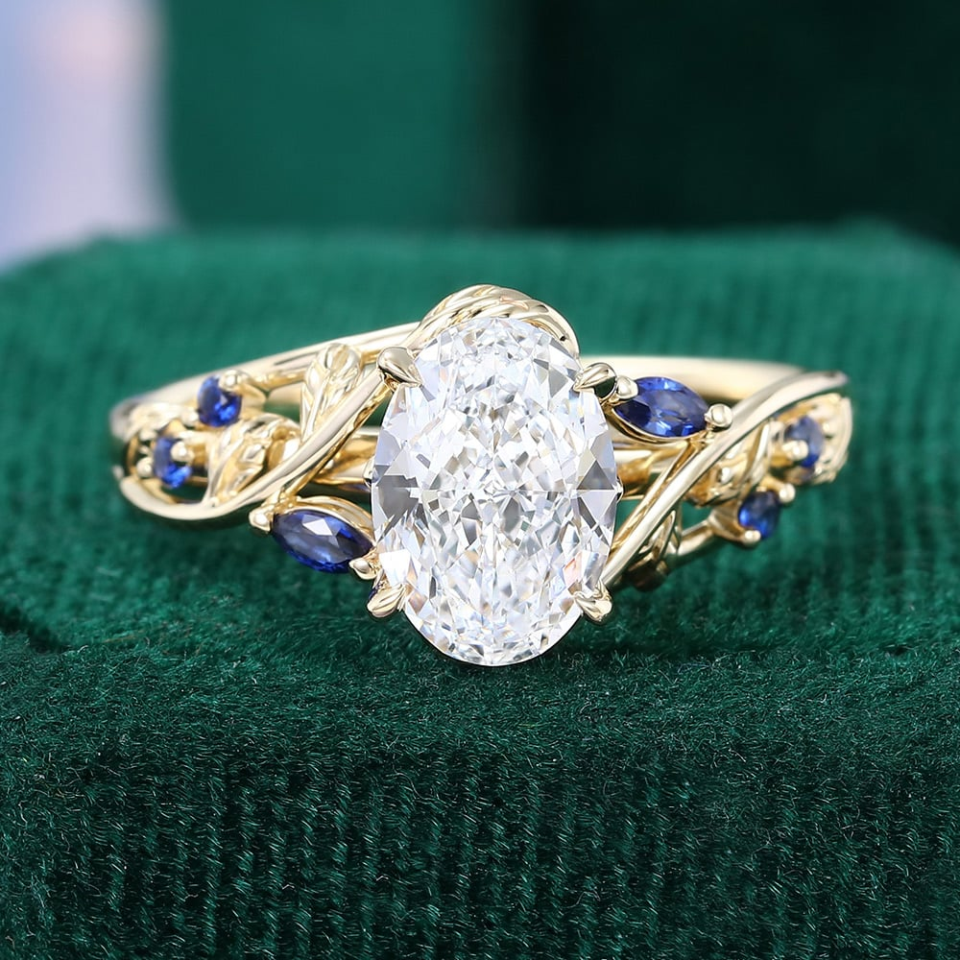
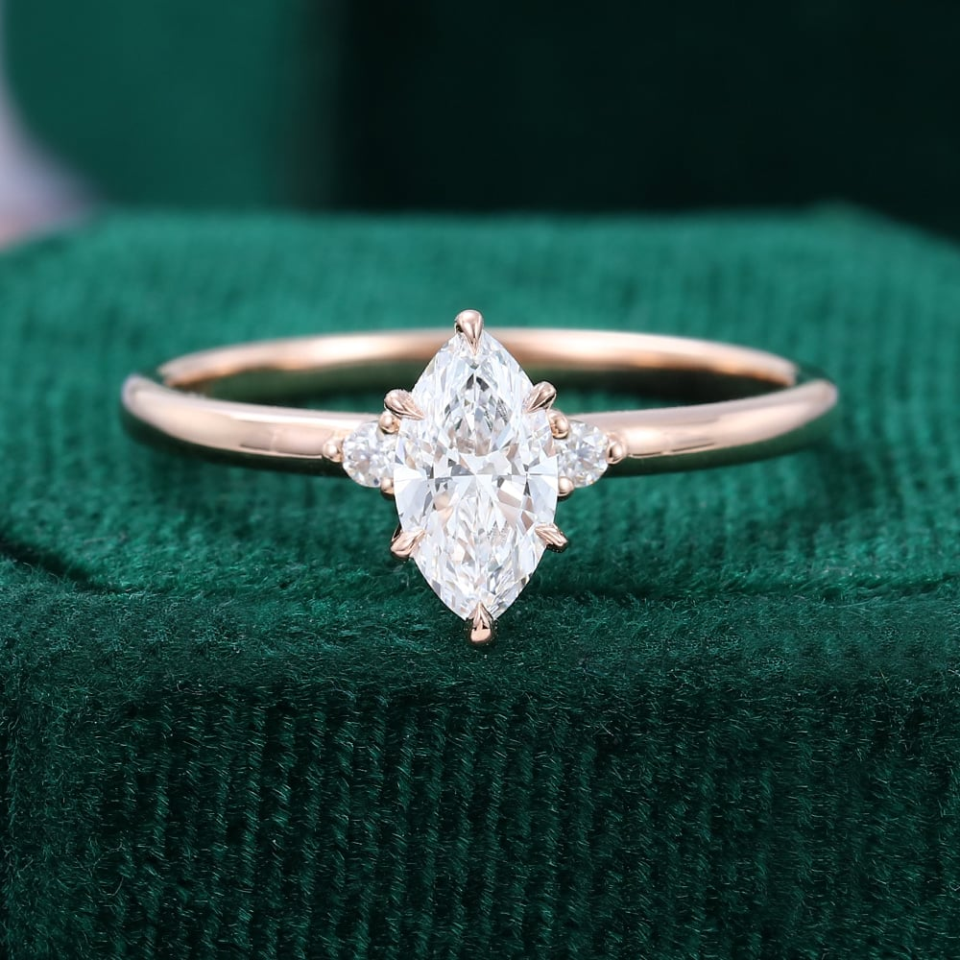
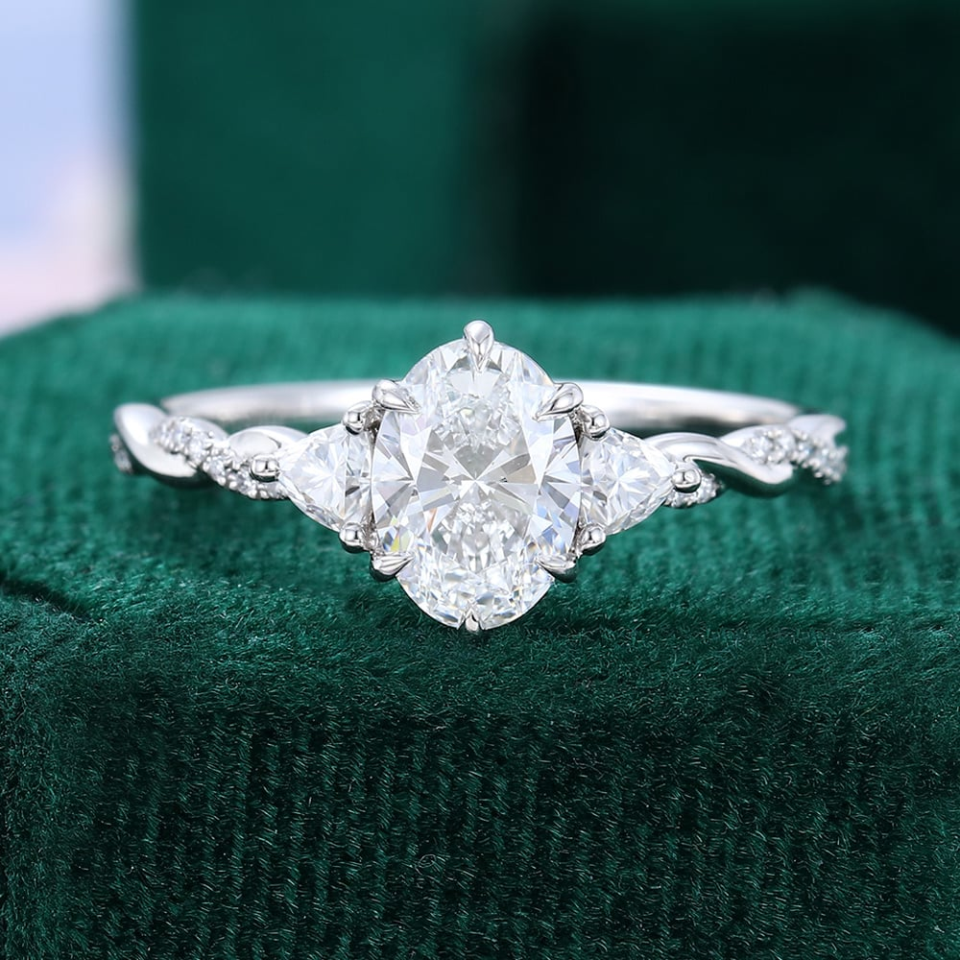
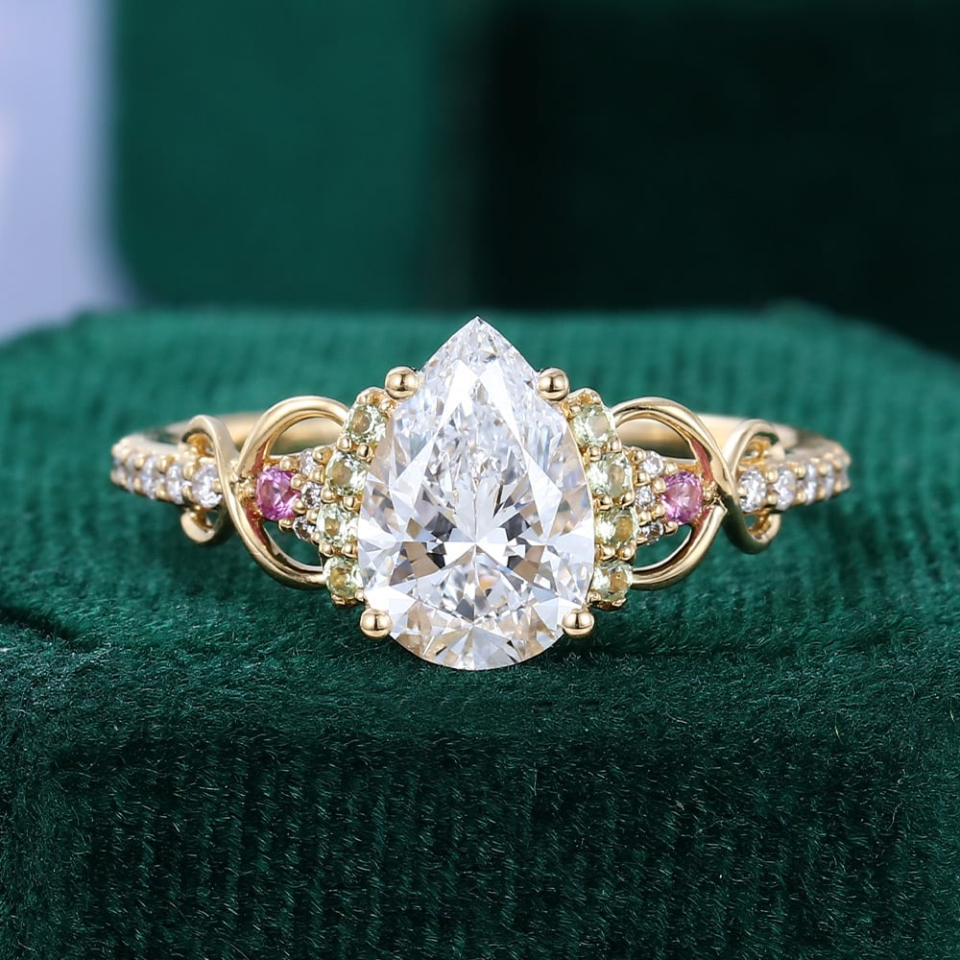
At MollyJewelryUS, each diamond is certified and set in thoughtfully designed settings. We focus on craftsmanship, transparency, and responsible sourcing. Our lab diamond collections are carefully selected for brilliance, fire, and long-term durability. Whether you are shopping for lab diamond engagement rings or other lab diamond jewelry, we ensure:
Ethical sourcing and full disclosure
Competitive pricing without compromising quality
Custom design services tailored to your vision
Secure, insured shipping
And we also offers customization to allow you to create your unique lab diamond jewelry. Click to contact us to build your unique lab diamond jewelry here.
Final Thoughts on HPHT vs CVD Diamonds
Final Thoughts on HPHT vs CVD Diamonds
Both HPHT and CVD are advanced technologies capable of producing exceptional diamonds. The key differences lie in growth conditions and subtle structural characteristics, not in beauty or durability.
When properly graded and expertly set, both HPHT and CVD diamonds deliver the brilliance and longevity expected from fine jewelry.
FAQ: HPHT vs CVD Diamonds
FAQ: HPHT vs CVD Diamonds
Are HPHT and CVD diamonds real diamonds?
Yes. Both HPHT and CVD diamonds are real diamonds composed of carbon atoms arranged in a crystal lattice. They have the same physical, chemical, and optical properties as mined diamonds.
Can you tell the difference between HPHT and CVD diamonds?
Not with the naked eye. Only specialized gemological equipment can identify the growth method through analysis of internal patterns and trace elements.
Is one more durable than the other?
No. Both types rank 10 on the Mohs hardness scale and are equally durable for everyday jewelry.
Are HPHT diamonds more expensive than CVD?
In some cases, yes, especially in specific size or color categories. However, pricing varies depending on market conditions and individual diamond grading.
Which is better for engagement rings?
Both HPHT and CVD diamonds are excellent for engagement rings. The decision should be based on certification, cut quality, and personal preference rather than production method alone.