- by MollyJewelryUS
- August 24, 2026
- Buying Guides
The round shape has long been associated with timeless elegance, yet its visual appeal goes far beyond the outline of the stone. The cut is what allows a well-proportioned gemstone to interact with light beautifully, shaping its brilliance, fire, and overall presence.
Whether you’re considering a diamond, moissanite, or colored gemstone, learning how to assess round engagement ring cut quality can help you invest in visual performance rather than size alone.
Table of Contents
What Does Cut Quality Mean to a Round Stone?
What Does Cut Quality Mean to a Round Stone?
Cut quality describes how well a gemstone’s proportions, facets, symmetry, and polish work together to create its visual appearance. Rather than referring to the shape itself, it reflects how the stone has been built, cut, and finished to handle light.
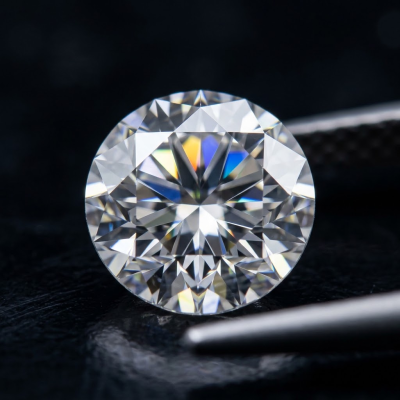
The traditional round brilliant cut is one of the most precise engagement ring cuts. It typically has 57 or 58 precisely arranged facets, with their angles and placement designed to enhance brilliance, fire, and scintillation.
Why Does Cut Quality Matter for a Round Gemstone?
Why Does Cut Quality Matter for a Round Gemstone?
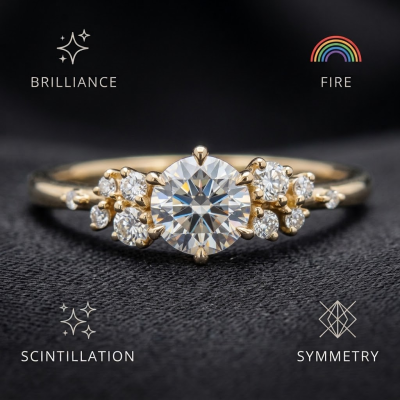
A round gemstone’s cut quality can have a noticeable effect on how it looks in an engagement ring. The main visual differences often come down to:
- Brilliance: The amount of light returned to your eyes.
- Scintillation: The flashes you see as the stone catches light during movement.
- Fire: Colorful flashes created when light separates into spectral colors.
- Symmetry: How evenly the facets are positioned and aligned across the stone.
Round Engagement Ring Cut Quality Ratings (Diamonds & Gems)
Round Engagement Ring Cut Quality Ratings (Diamonds & Gems)
Diamonds and colored gemstones are not graded for round engagement ring cut quality in the same way. Understanding these differences can help you set realistic expectations when shopping.
Round Diamond: The GIA Standard
Round Diamond: The GIA Standard
For natural diamonds often seen in celebrity engagement rings, the Gemological Institute of America (GIA) uses its established five-grade cut scale for standard round brilliant diamonds.
*Since October 1, 2025, GIA has used a separate Premium or Standard quality assessment system for D-to-Z laboratory-grown diamonds.
The assessment considers brightness, fire, scintillation, weight ratio, durability, polish, and symmetry, resulting in five cut grades:
| GIA Grade | General Appearance |
|---|---|
| Excellent | Strong light return, lively sparkle, and well-balanced appearance |
| Very Good | Attractive brightness and sparkle with some proportion compromises. |
| Good | Noticeable reduction in light performance compared with higher grades. |
| Fair | Greater compromises in brilliance, proportions, or craftsmanship. |
| Poor | More significant light leakage or visual imbalance. |
📖 Excellent and Very Good can both represent attractive round diamond cut quality, but the individual stone’s proportions and visual performance still matter.
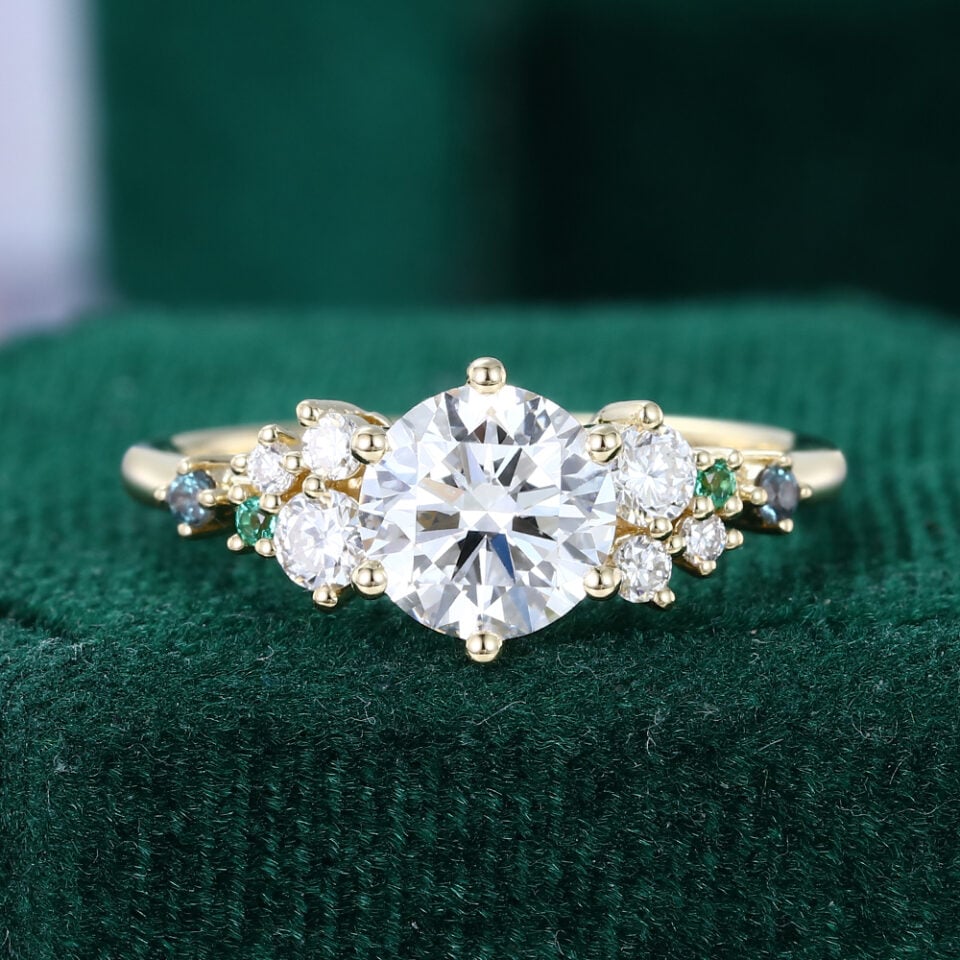
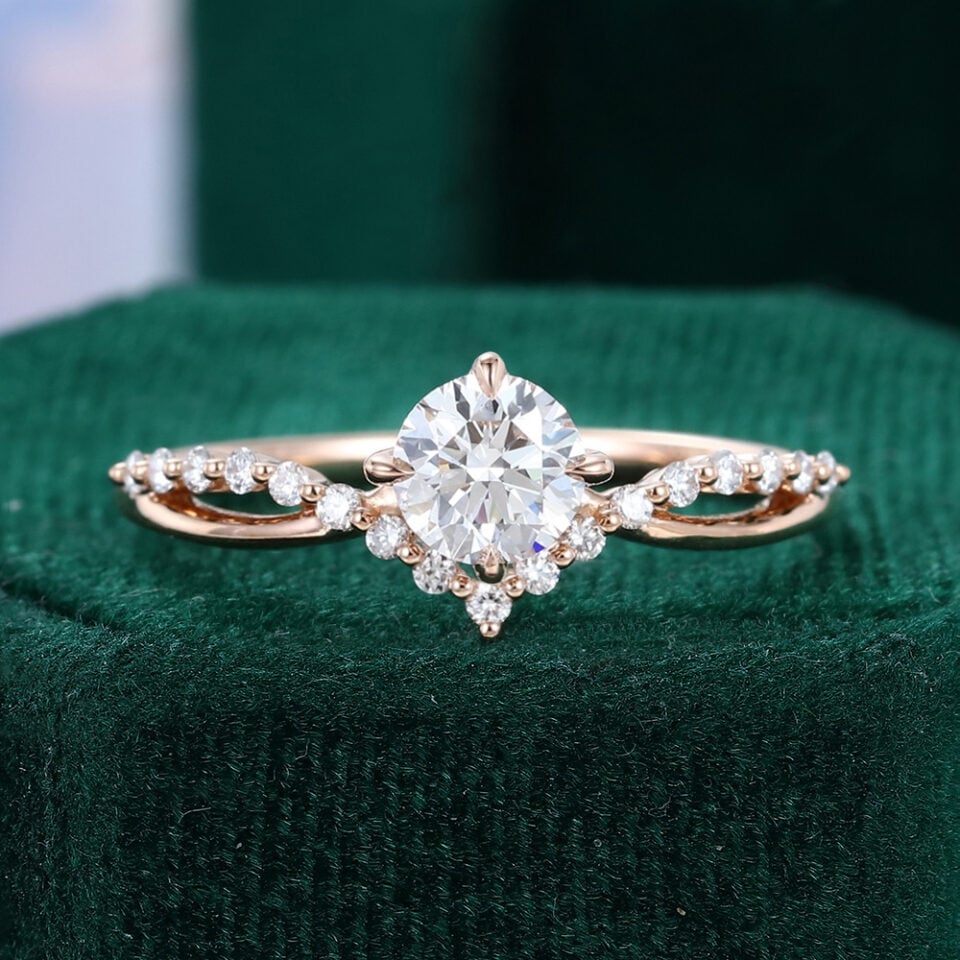
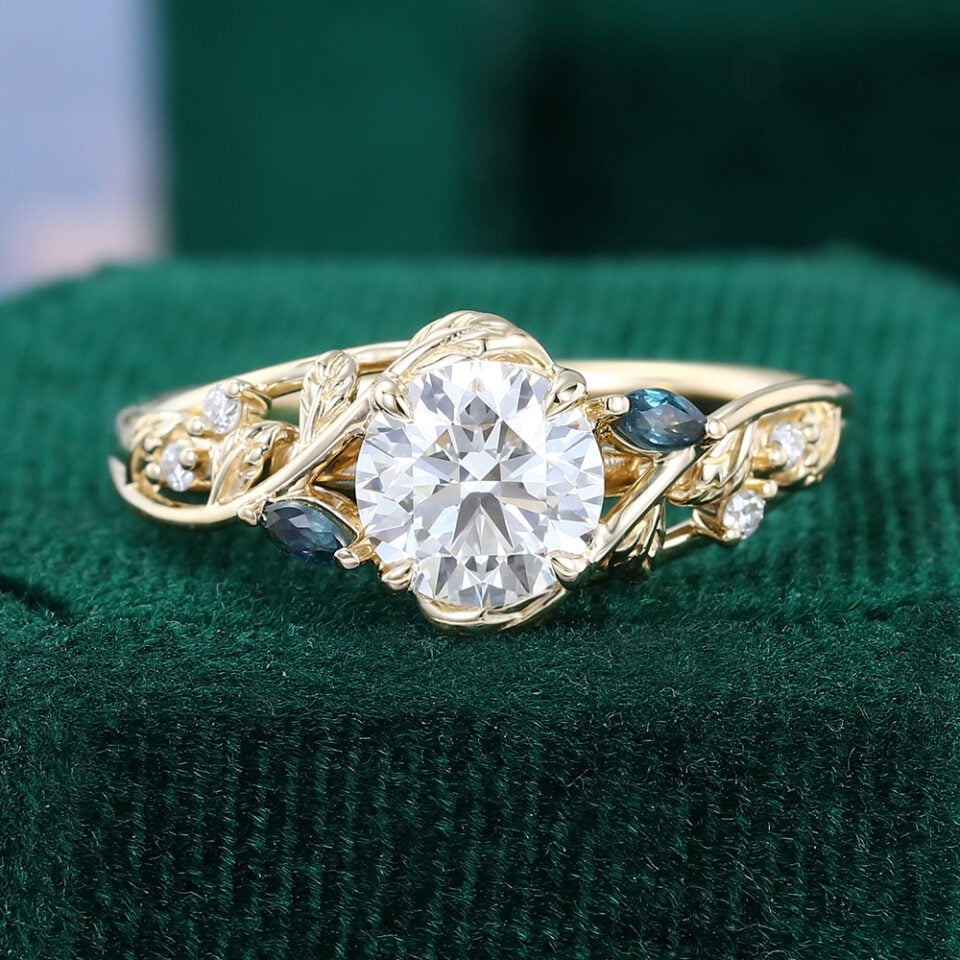
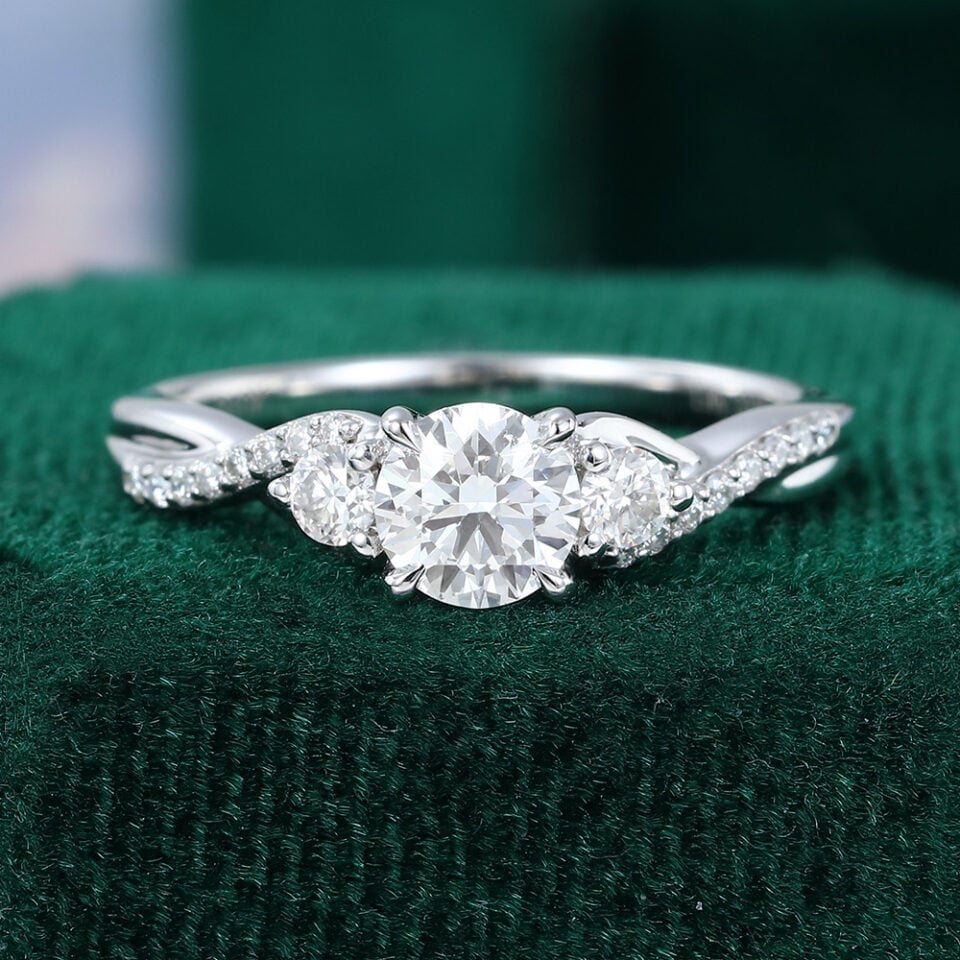
Round Gemstone: No Universal Cut Grade
Round Gemstone: No Universal Cut Grade
A diamond’s cut grading system cannot simply be applied to every gemstone like Moissanite, sapphire, ruby, or other colored stones.
Commercial labels such as AAA, AA, A, and B may appear in the marketplace, but these terms are not standardized across the industry and can vary significantly between sellers.
For that reason, a round colored gem engagement ring is best evaluated by looking at the stone itself, including its transparency, color distribution, facet pattern, and overall visual balance, rather than treating a proportion chart as a definitive measure of quality.
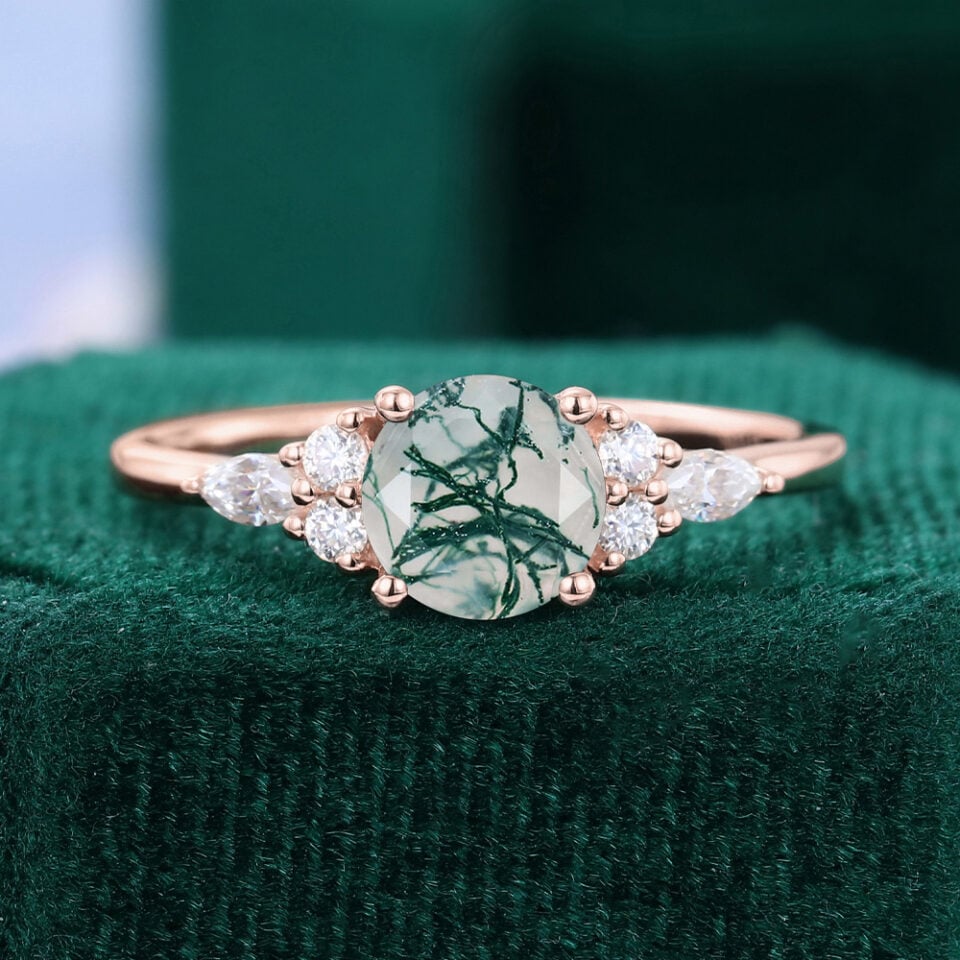
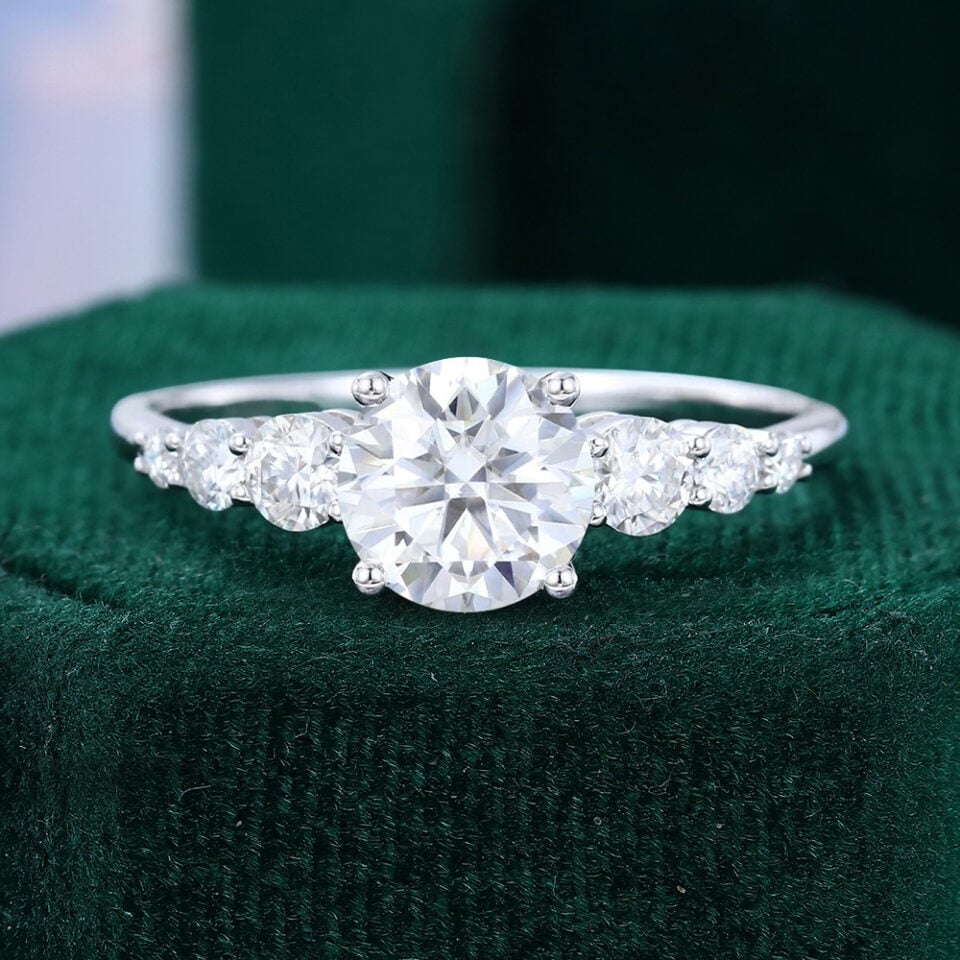

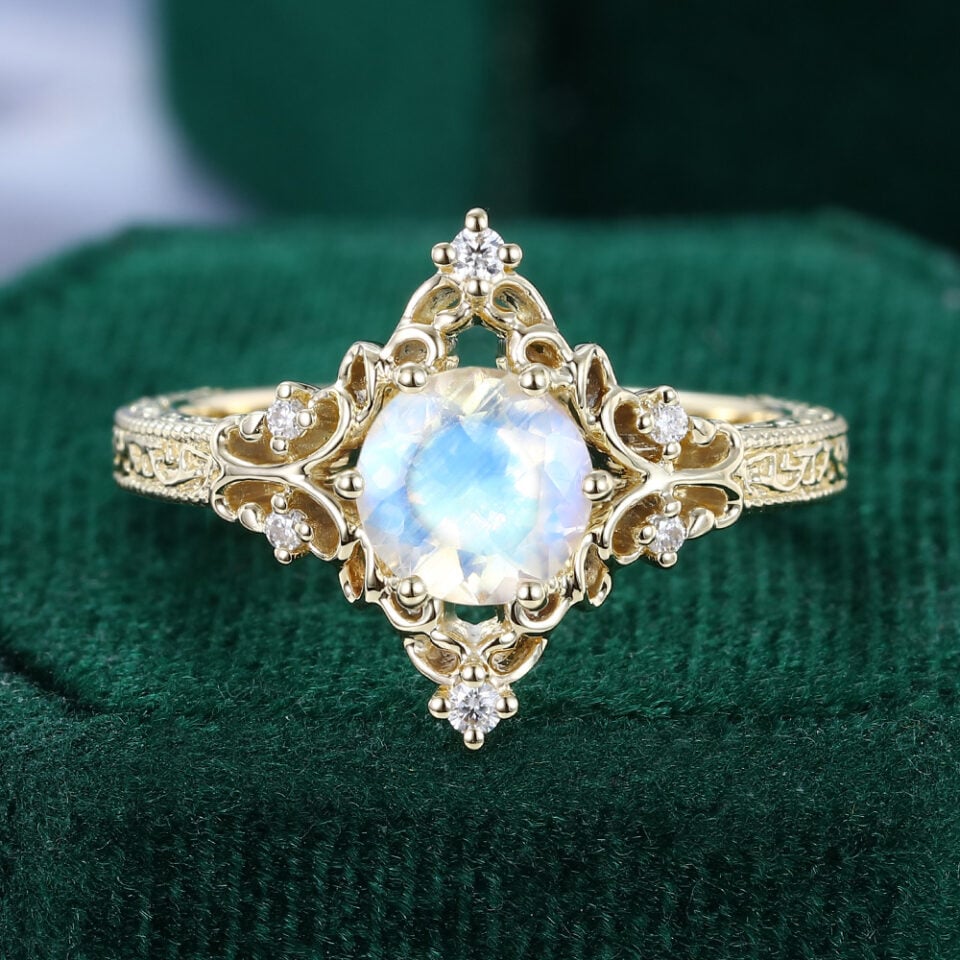
Round Diamond vs Gemstone: Why Cut Quality Is Judged Differently?
Round Diamond vs Gemstone: Why Cut Quality Is Judged Differently?
A round shape does not mean every gemstone should be cut the same way. Diamonds are typically optimized around highly standardized brilliant-cut proportions, while colored gemstones can require different approaches depending on their refractive index, crystal structure, color, and optical behavior.
👉🏻 For example:
- A sapphire may be given a deeper pavilion to help intensify its body color.
- For a diamond, excessive depth can interfere with light return and create noticeable dark areas.
As a result, there is no universal definition of round engagement ring cut quality that applies equally to every gemstone. The stone’s individual characteristics and actual appearance should always be considered.
Essential Characteristics of a High-Quality Round Cut Ring
Essential Characteristics of a High-Quality Round Cut Ring
Identifying a superior round shaped stone cut quality comes down to three key factors, as we also discussed in our engagement ring buying guide.
Balanced Table-to-Depth Proportions
Balanced Table-to-Depth Proportions
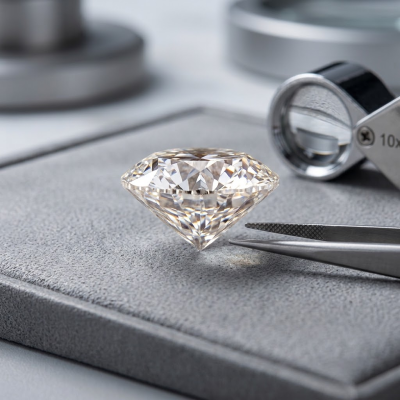
The table and total depth should work together to create a well-cut round gemstone. When these proportions are matched, the stone can maintain a harmonious profile while directing light efficiently back toward the viewer.
- Ideal Specifications: For round diamond cuts ring, a table of 54%–60% and total depth of 59%–62.5% can serve as a general screening reference.
- Why It Matters: These proportions can enhance brilliance and help avoid visual issues such as “fish-eye” and “nailhead” effects.
Precise Facet Symmetry
Precise Facet Symmetry
Great round engagement ring cut quality is also reflected in the stone’s symmetry, which refers to how precisely corresponding facets and elements mirror each other around the gem’s central axis.
- Ideal Specifications: The outline should be centered and the facet pattern evenly aligned, creating a visually harmonious appearance from above.
- Why It Matters: Accurate symmetry alignment creates a more consistent light pattern, contributing to balanced contrast and lively flashes as the stone moves.
Good Polish for a Crisp and Refined Finish
Good Polish for a Crisp and Refined Finish
Think of polish as the final finishing touch that refines a round gemstone’s surface after cutting. It is the refinement that gives each facet a clean, reflective finish.
- Ideal Specifications: A high-quality round cut stone should show no obvious polishing lines, burn marks, or abrasion.
- Why It Matters: Smooth facets help maintain a crisp, clean appearance and support efficient interaction between light and the gemstone.
Strategy for Balancing Round Cut, Color, Clarity, and Size
Strategy for Balancing Round Cut, Color, Clarity, and Size
If you’re unsure whether to prioritize round stone size, cut quality, or other 4Cs elements, start with the factors that have the greatest impact on what you actually see.
- Prioritize the cut first. Look for a stone with attractive proportions, symmetry, and light performance.
- Evaluate brightness and scintillation. Your piece should appear bright and lively when viewed from different angles.
- Optimize color based on the gem. Diamond and colored gemstones should not be judged by the same color expectations.
- Focus on eye-clean clarity. With round diamonds, VS2 or SI1 can often offer a practical balance, but always check the stone itself.
- Use size to refine the final choice. Once the stone performs well, decide how much carat weight fits your style and budget.
How to Choose Round Cut Quality for Different Budgets?
How to Choose Round Cut Quality for Different Budgets?
The key to securing an ideal round engagement ring cut quality is knowing where to compromise and which features are worth prioritizing, based on your budget.
When You Have a Flexible Budget
When You Have a Flexible Budget
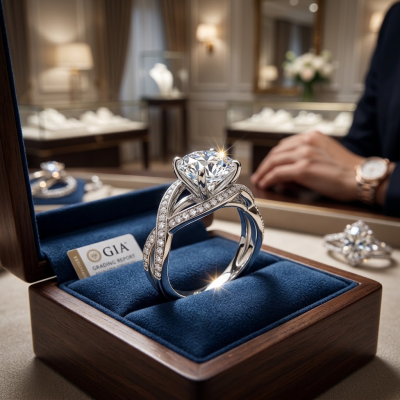
If budget is less of a concern, consider investing in exceptional cut quality. For a diamond, a GIA Excellent cut with precise symmetry can provide impressive brilliance and scintillation.
Combine it with a distinctive round engagement ring setting design, and the result can feel polished, sophisticated, and effortlessly luxurious.
For Those Who Have a Mid-Range Budget
For Those Who Have a Mid-Range Budget
For a more moderate budget, keep round cut quality high and make practical compromises in other areas. For example:
- Choose a GIA Excellent or Very Good round diamond while accepting a slightly lower color grade.
- Select eye-clean clarity rather than paying for premium clarity grades.
- Consider lab diamond, moissanite or other colored gemstones if you want more size or sparkle within the same budget.
💡 Pro Tips: Your goal is to create an exceptional overall ring, not to achieve the highest possible specification in every single category.
If You Have a Tight Budget
If You Have a Tight Budget
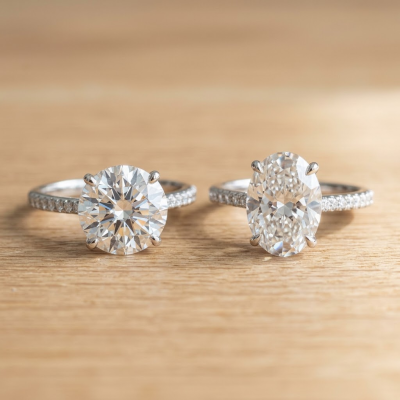
A limited budget doesn’t mean you have to settle for a less impressive ring. Instead of maximizing carat weight, focus on how the stone actually looks. A smaller, well-cut round gemstone can appear livelier and more refined than a larger stone with mediocre cutting.
Want more size without spending more? You can also compare oval vs. round engagement rings to see which shape gives you more visual presence for your budget.
Final Checklist Before Buying Your Dream Piece
Final Checklist Before Buying Your Dream Piece
- Review the grading report. For diamonds, verify the GIA or IGI report and pay attention to the stone’s cut-related details.
- Inspect symmetry and polish. A balanced round outline, precise facet alignment, and clean surface all contribute to a refined appearance.
- Watch the gem in different light. Natural daylight, soft indoor lighting, and focused light can reveal different aspects of its brilliance and scintillation.
- The unwanted light leakage. For colored gemstones, watch for windowing or overly transparent areas; for diamonds, look for distracting areas of darkness or reduced light return.
- Think beyond the center stone. If you plan to wear a wedding band alongside your round engagement ring, consider how the setting and stone profile will work together.
Ultimately, round engagement ring cut quality is one of the key factors behind a stone’s brilliance and sparkle. A well-cut gemstone can continue to look beautiful long after the initial excitement of the proposal.
When you’re ready to find your own dream piece, explore the round shaped ring collection at MollyJewelryUS for designs that balance timeless elegance with distinctive details.
Round Engagement Ring Cut Quality FAQs
Round Engagement Ring Cut Quality FAQs
What is the best cut for a round diamond?
Among GIA-graded round brilliant diamonds, Excellent is the highest cut grade, although individual proportions and visual performance still matter.
Does cut quality matter for round moissanite?
Yes. Proportions, facet design, symmetry, and polish all influence moissanite’s brilliance and fire, even without a universal cut-grade system.
Is cut quality as important for colored gems as it is for diamonds?
Of course. In colored gemstones, cutting must balance light performance with color, transparency, and the characteristics of the rough material.
Can a great round cut mask lower color or clarity grades?
To some extent. Strong light performance can draw attention to sparkle rather than minor color or inclusions, but it cannot compensate for clearly visible clarity or color issues.
Does cut quality affect how large a round stone looks?
Yes. An exceptional cut reflects light edge-to-edge to maximize visual diameter, whereas a poorly cut stone leaks light and creates dark, shrinking borders.
What is the difference between shallow, ideal, and deep round cuts?
A well-proportioned round cut can return light effectively through the crown. Very shallow proportions may increase light leakage, while excessive depth can reduce face-up spread and may create areas of darkness.