- by MollyJewelryUS
- March 9, 2026
- Gemstone Education
Lab grown diamonds have become increasingly popular in modern jewelry thanks to their beauty, affordability, and sustainability. Unlike diamond simulants such as cubic zirconia or moissanite, lab diamonds are real diamonds created in controlled laboratory environments. They are produced using advanced technologies such as High Pressure High Temperature (HPHT) or Chemical Vapor Deposition (CVD), which replicate the natural conditions that form diamonds deep within the Earth. Because of this identical crystal structure, lab grown diamonds share the same hardness, brilliance, and durability as natural diamonds. However, many buyers still wonder: can lab diamonds be scratched?
Understanding the hardness and durability of lab diamonds can help you care for your jewelry properly and feel confident wearing it every day.
Table of Contents
Table of Contents
- Understanding Diamond Hardness
- Can Lab Diamonds Actually Be Scratched
- Scratch Resistance vs. Toughness
- Why Lab Diamonds Are Ideal for Everyday Jewelry
- How Scratches Might Occur
- Tips to Protect Your Lab Diamond Jewelry
- Lab Diamonds vs Other Gemstones in Scratch Resistance
- Are Lab Diamonds as Durable as Natural Diamonds
- Why Choose Lab Diamond Jewelry from MollyJewelryUS
- Final Thoughts
- FAQs About Lab Diamond
Understanding Diamond Hardness
Understanding Diamond Hardness
To answer whether lab diamonds can be scratched, it is helpful to first understand how gemstone hardness works.
Hardness refers to a material’s ability to resist scratches. Gemologists typically measure hardness using the Mohs scale, which ranks minerals from 1 to 10 based on their scratch resistance. Diamond sits at the very top of this scale with a rating of 10, making it the hardest naturally occurring material.
Because lab grown diamonds have the same crystal structure as mined diamonds, they also rank 10 on the Mohs scale. This means they are extremely resistant to scratches from most other materials commonly encountered in daily life.
Can Lab Diamonds Actually Be Scratched
Can Lab Diamonds Actually Be Scratched
In everyday conditions, lab diamonds are extremely difficult to scratch. Materials such as glass, steel, quartz, or sand simply cannot scratch a diamond. This is why diamonds are often used in industrial cutting and drilling tools.
However, while diamonds are the hardest material on the Mohs scale, they are not completely indestructible. A diamond can technically be scratched by another diamond because both materials share the same hardness.
This means that if two diamonds rub against each other with enough force, tiny scratches or abrasions could occur. Fortunately, this situation is uncommon in regular jewelry wear.
Scratch Resistance vs. Toughness
Scratch Resistance vs. Toughness
Many people confuse hardness with toughness, but these properties describe different characteristics.
Hardness measures resistance to scratching.
Toughness refers to resistance to chipping or breaking.
Diamonds are extremely hard but only moderately tough. This means they resist scratches very well but can still chip if struck at the right angle with strong force. This applies equally to both natural and lab grown diamonds.
For example, a sharp impact against a hard surface could potentially damage the edge of a diamond. Fortunately, such situations are rare with properly set jewelry.
Why Lab Diamonds Are Ideal for Everyday Jewelry
Why Lab Diamonds Are Ideal for Everyday Jewelry
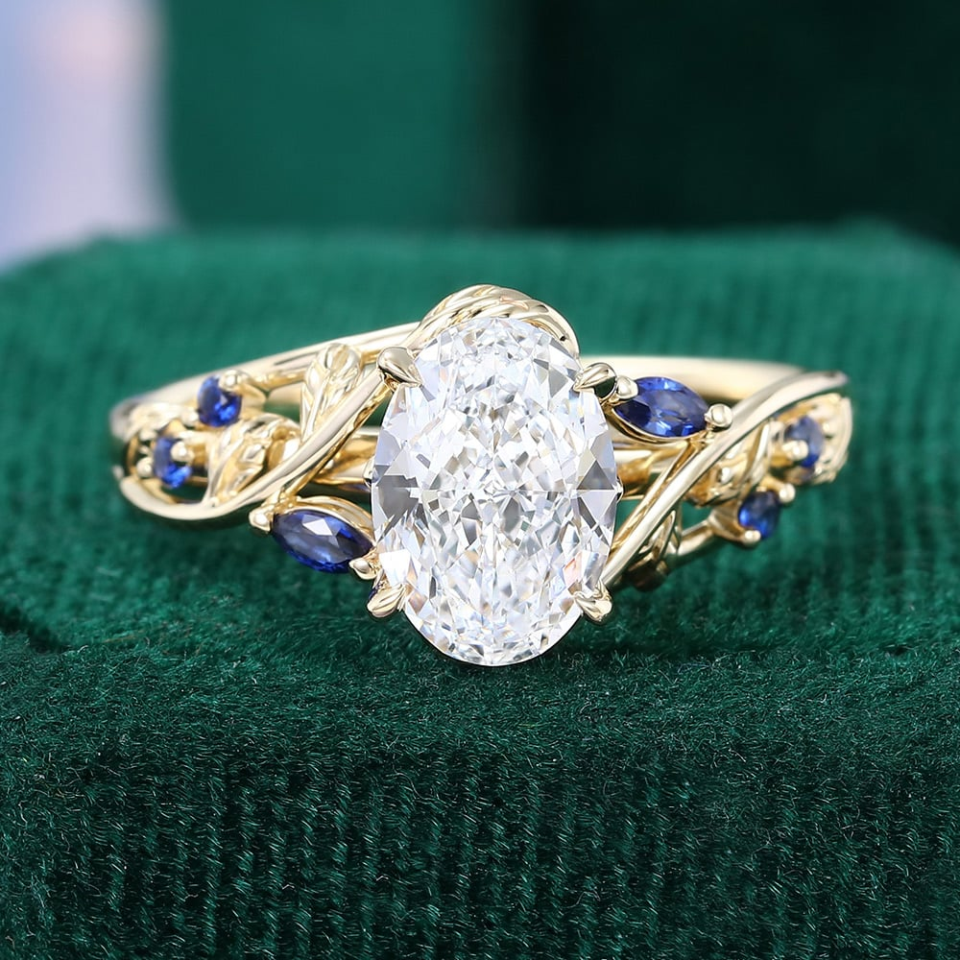
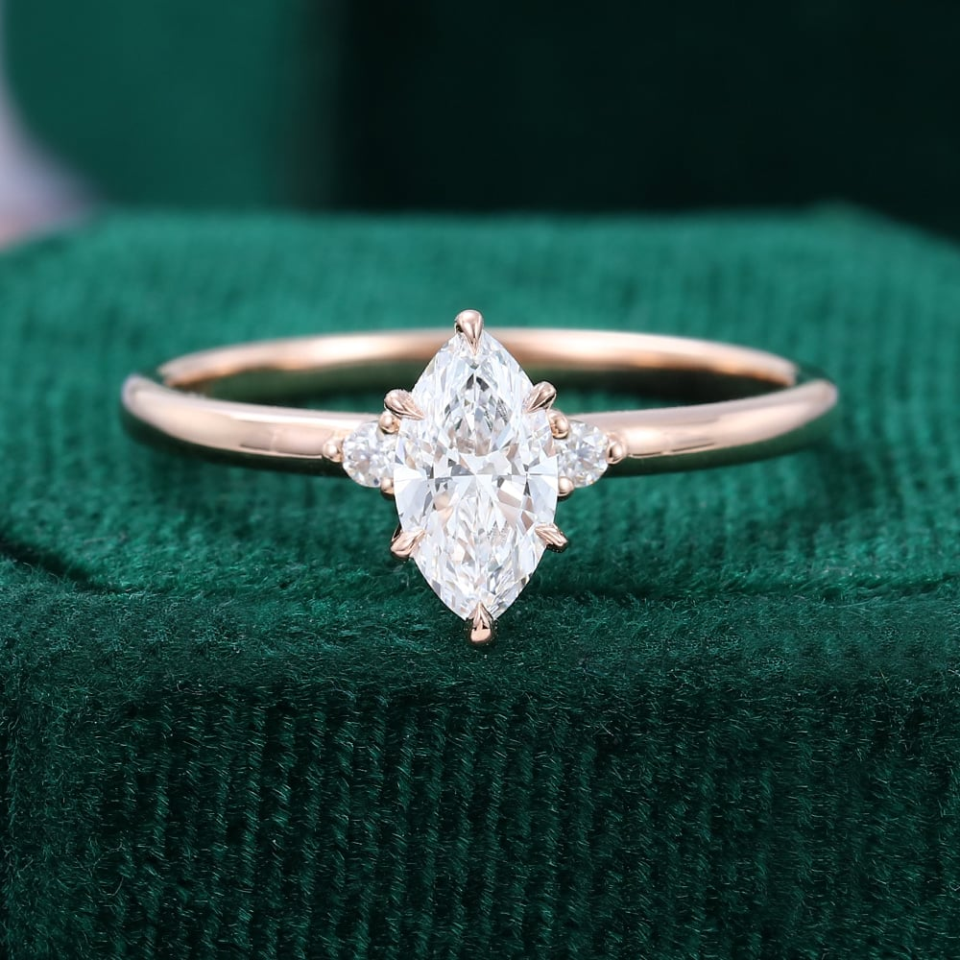
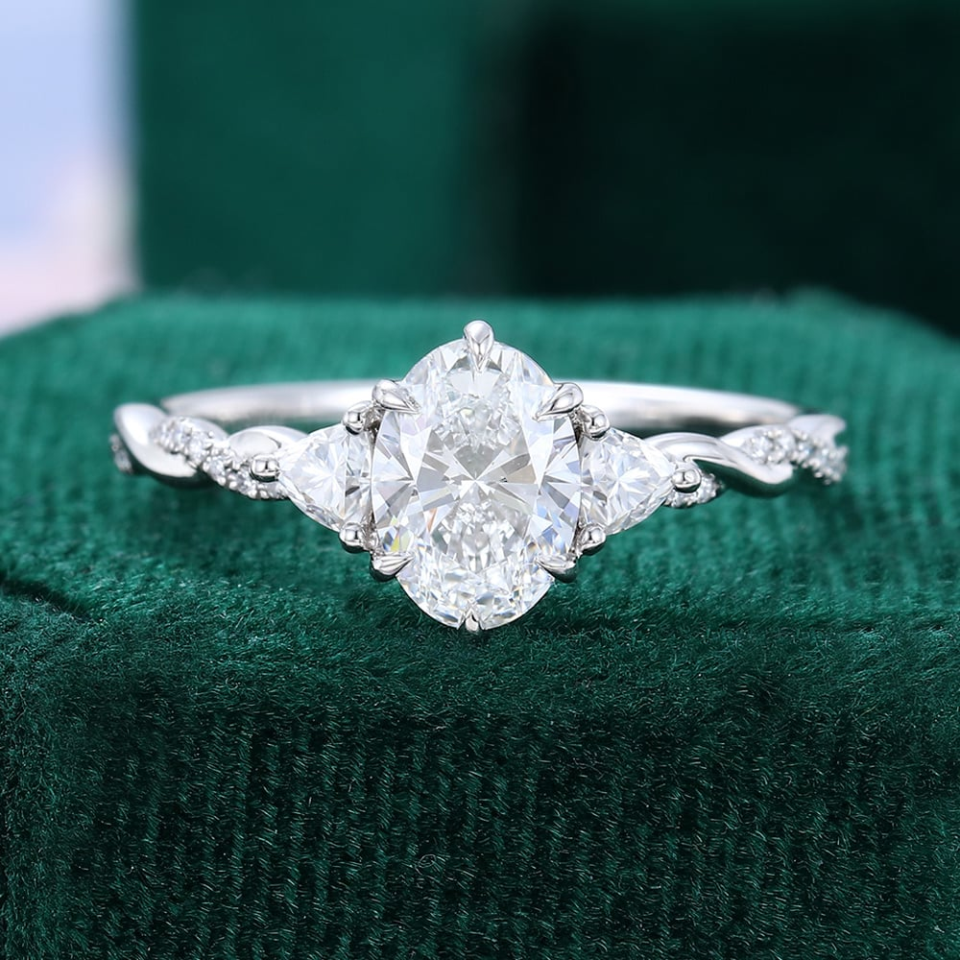
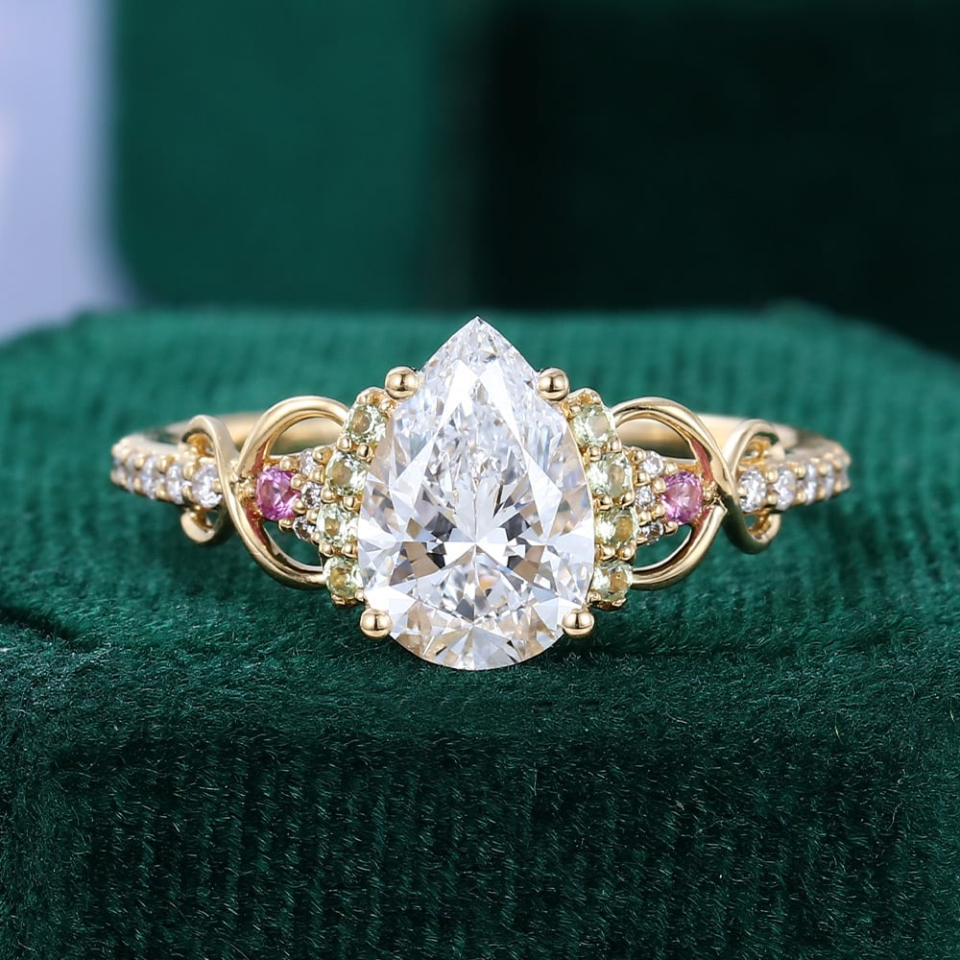
Because of their exceptional hardness, lab diamonds are perfectly suited for daily wear. Jewelry pieces such as engagement rings, wedding bands, and bracelets benefit from the durability diamonds provide.
A well-designed lab diamond ring can maintain its brilliance for decades with minimal signs of wear. Unlike softer gemstones that may show scratches over time, diamonds retain their polished surfaces and crisp facets for many years.
This durability is one reason diamonds have remained the most popular gemstone for engagement rings around the world.
How Scratches Might Occur
How Scratches Might Occur
Even though lab diamonds are extremely scratch-resistant, certain situations could increase the risk of surface damage.
Contact with Other Diamonds
Contact with Other Diamonds
As mentioned earlier, the only material capable of scratching a diamond is another diamond. Storing multiple diamond pieces together without protection could allow them to rub against each other.
Rough Handling
Rough Handling
Dropping jewelry onto hard surfaces or hitting it against metal objects may not scratch the diamond itself, but it could damage the setting holding the stone.
Dust Containing Diamond Particles
Dust Containing Diamond Particles
In industrial environments where diamond dust is present, small particles could theoretically scratch a diamond surface. However, this scenario rarely occurs in everyday life.
Tips to Protect Your Lab Diamond Jewelry
Tips to Protect Your Lab Diamond Jewelry
Although lab diamonds are highly durable, proper care will help preserve the beauty of your jewelry.
Store jewelry separately.
Keep diamond pieces in individual pouches or compartments to prevent them from rubbing against other diamonds.
Remove jewelry during heavy activities.
Taking off rings during activities such as gardening, sports, or heavy lifting can reduce the risk of accidental impact.
Clean diamonds regularly.
Use warm water, mild soap, and a soft brush to remove oils and dirt that may accumulate on the surface.
Check the setting periodically.
A secure setting protects the diamond from potential damage caused by movement or impact.
These simple habits help ensure your lab diamond jewelry remains brilliant for many years.
Lab Diamonds vs Other Gemstones in Scratch Resistance
Lab Diamonds vs Other Gemstones in Scratch Resistance
Compared with other popular gemstones, diamonds remain unmatched in scratch resistance.
For example:
Sapphire and ruby rank 9 on the Mohs scale and are considered very durable.
Topaz ranks 8.
Quartz, used in many gemstones, ranks 7.
Although these stones are durable, they can still be scratched by harder materials. Diamonds, including lab grown diamonds, remain the most resistant to scratches.
This superior hardness explains why diamonds maintain their sparkle even after decades of wear.
Are Lab Diamonds as Durable as Natural Diamonds
Are Lab Diamonds as Durable as Natural Diamonds
Yes. Lab diamonds and natural diamonds share identical physical and chemical properties. Both consist of carbon atoms arranged in the same crystal lattice structure.
Because of this, they have the same:
Hardness
Thermal conductivity
Optical brilliance
Durability
From a scientific perspective, there is no difference in scratch resistance between a lab diamond and a mined diamond.
Why Choose Lab Diamond Jewelry from MollyJewelryUS
Why Choose Lab Diamond Jewelry from MollyJewelryUS
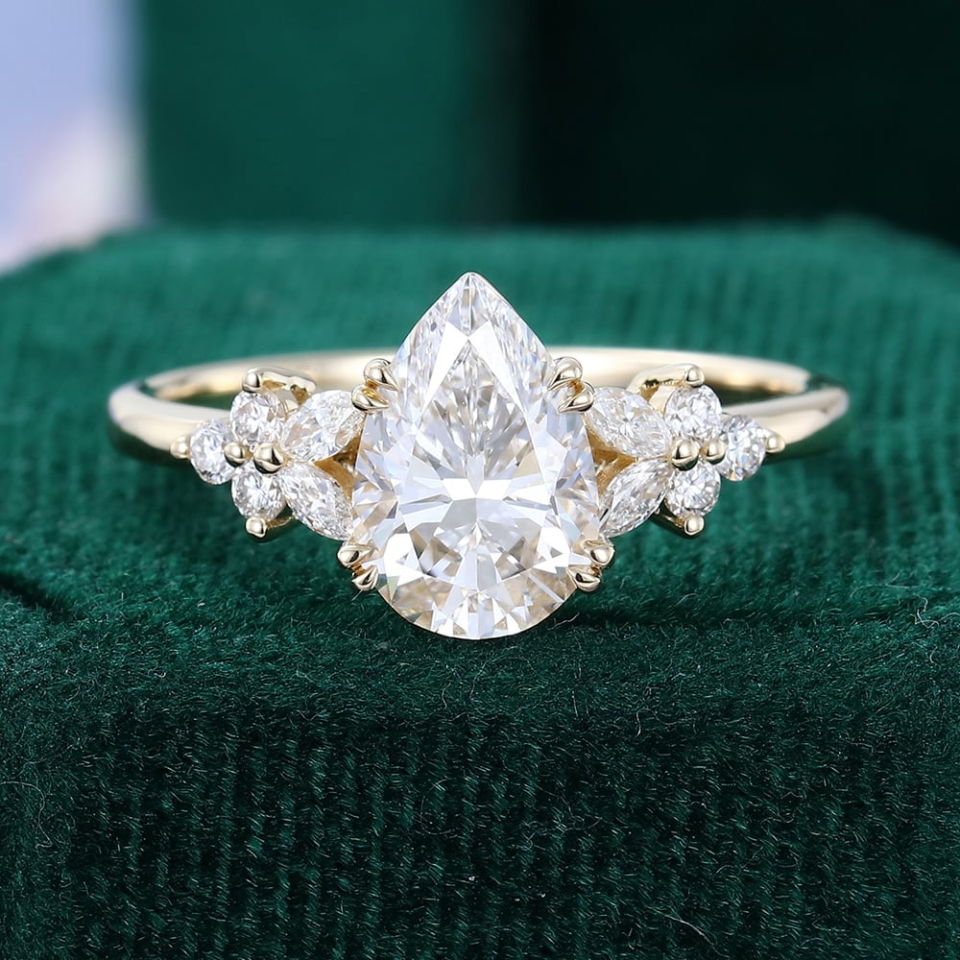
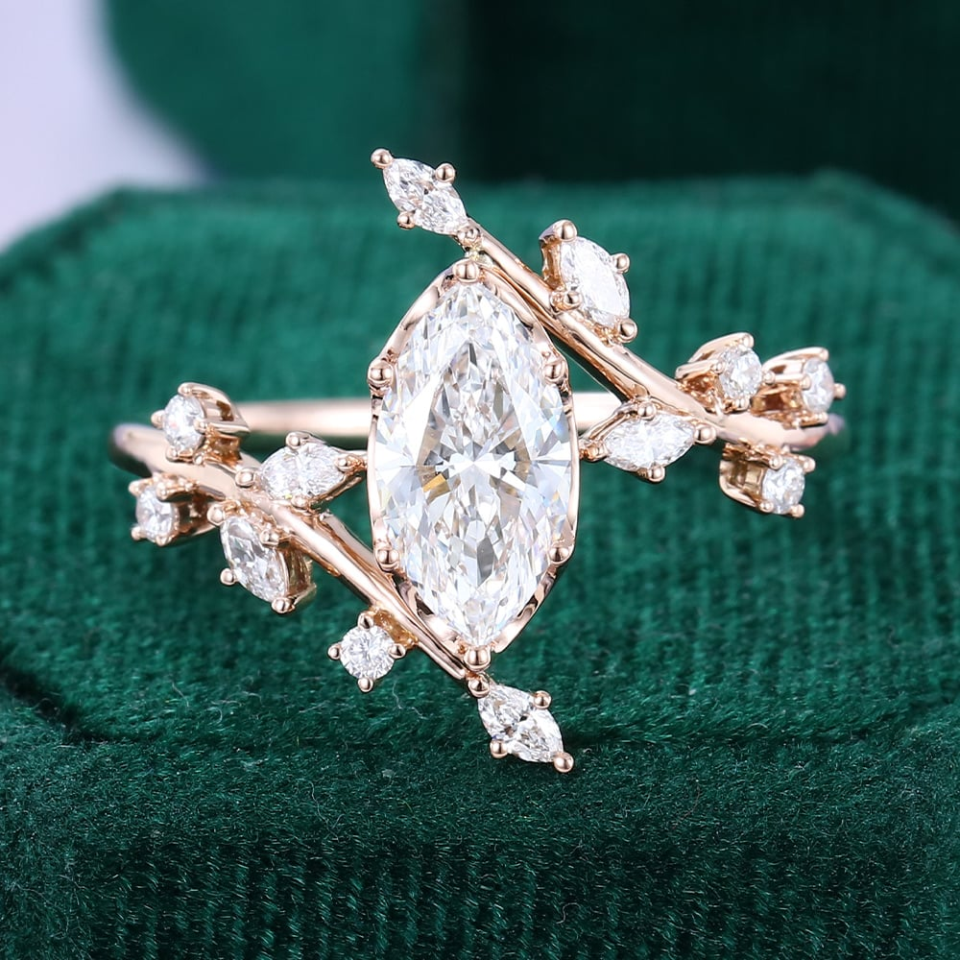
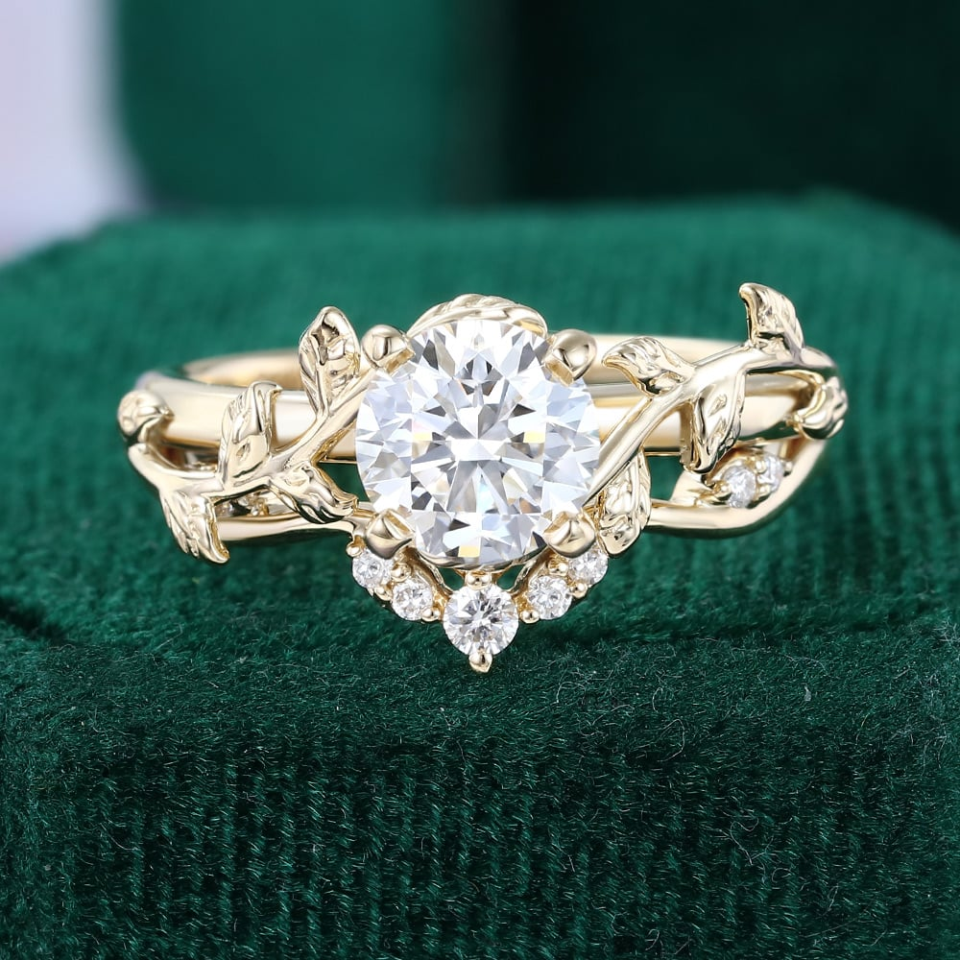
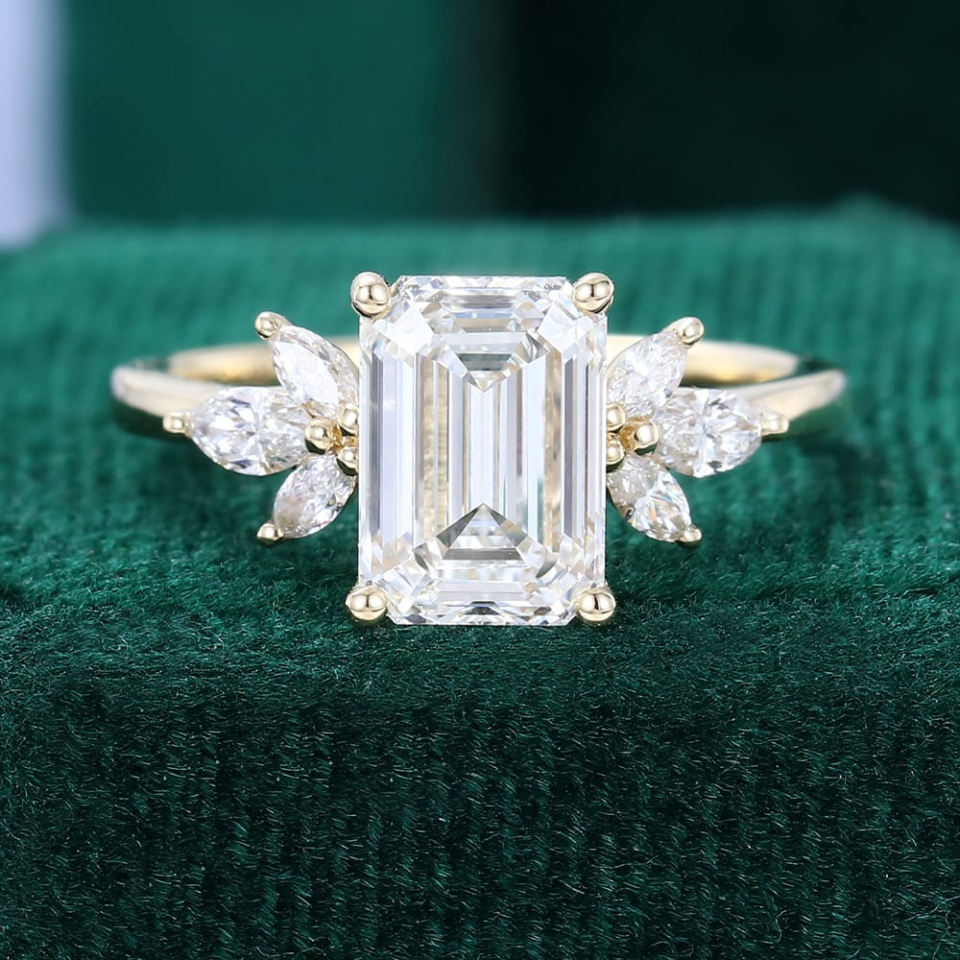
When selecting lab diamond jewelry, craftsmanship and design are just as important as the quality of the diamond itself. At MollyJewelryUS, every piece is designed with careful attention to detail to highlight the brilliance and durability of lab grown diamonds.
The brand offers a wide range of elegant rings, necklaces, and earrings that combine modern design with timeless appeal. Each diamond is carefully selected and set to ensure maximum sparkle and long-lasting wear.
One of the key advantages of shopping at MollyJewelryUS is the custom jewelry service. Customers can create personalized lab diamond pieces by choosing their preferred diamond shape, carat weight, setting style, and metal type. This allows you to design jewelry that perfectly reflects your personal taste and meaningful moments.
Whether you are searching for an engagement ring or a special gift, MollyJewelryUS provides beautifully crafted lab diamond jewelry that balances quality, style, and value.
Final Thoughts
Final Thoughts
So, can lab diamonds be scratched?
Technically, yes—but only by another diamond. In everyday conditions, lab grown diamonds are extraordinarily resistant to scratches and remain one of the most durable gemstones available. Their hardness, combined with proper care and a secure setting, makes them ideal for jewelry designed to last a lifetime.
For buyers seeking beauty, durability, and modern value, lab diamonds offer an exceptional option that rivals traditional diamonds in every meaningful way.
FAQs Abput Lab Diamond
FAQs Abput Lab Diamond
Are lab diamonds scratch-proof?
Lab diamonds are not completely scratch-proof, but they are extremely resistant to scratches. Only another diamond can scratch them.
Do lab diamonds scratch more easily than natural diamonds?
No. Lab grown diamonds have the same hardness as natural diamonds, meaning they are equally resistant to scratches.
Can everyday objects scratch a lab diamond?
No. Materials such as metal, glass, sand, or ceramic cannot scratch a diamond because they are softer on the Mohs hardness scale.
How should I store my lab diamond jewelry?
Store each piece in a separate jewelry pouch or compartment to prevent diamonds from touching and scratching each other.