- by MollyJewelryUS
- May 19, 2026
- Gemstone Education
At first glance, blue sapphire and cornflower blue sapphire may seem almost identical. Both belong to the same gemstone family, both are associated with timeless engagement rings, and both create that unmistakable sapphire elegance people love.
Traditional blue sapphire usually feels deeper, bolder, and more dramatic. Cornflower blue sapphire feels lighter, softer, and more luminous — especially in natural light.
That’s why choosing between them is rarely just about color — it’s about the overall mood, personality, and style the ring creates once worn every day.
If the difference has only looked “slight” online so far, seeing how these sapphires actually behave in jewelry usually changes everything.
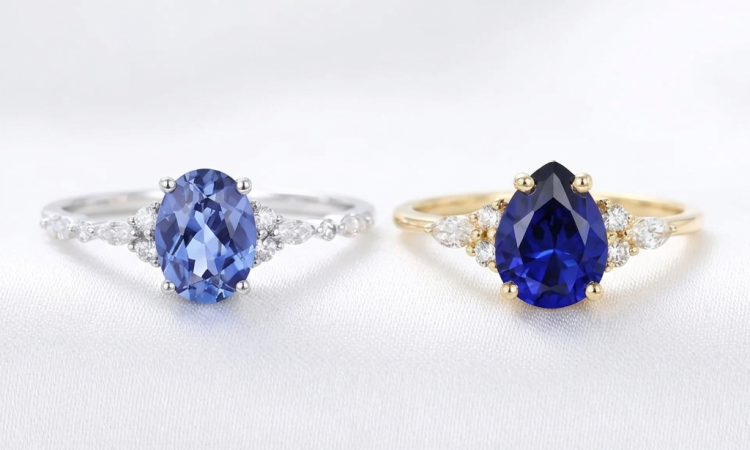
Table of Contents
What’s the Difference Between Blue Sapphire and Cornflower Blue Sapphire?
What’s the Difference Between Blue Sapphire and Cornflower Blue Sapphire?
Cornflower blue sapphire is not a separate gemstone.
It’s actually a highly specific color category within blue sapphires — known for its soft medium-blue tone and slightly velvety appearance.
Traditional blue sapphire covers a much broader color range, including:
- deep royal blue
- vivid cobalt blue
- navy blue
- darker midnight-blue tones
Cornflower blue sapphire sits in a lighter and softer part of that spectrum.
Compared to deeper blue sapphires, it usually appears:
- brighter in daylight
- softer in saturation
- more airy visually
- less dense in overall tone
That difference may sound minor in theory, but once worn on the hand, it creates a very different jewelry aesthetic.
For a broader understanding of sapphire color grading, our Sapphire Color Guide explains how tone and saturation affect the overall appearance of sapphire jewelry.
Blue Sapphire vs Cornflower Blue Sapphire: Quick Visual Comparison
Blue Sapphire vs Cornflower Blue Sapphire: Quick Visual Comparison
| Feature | Traditional Blue Sapphire | Cornflower Blue Sapphire |
|---|---|---|
| Overall Tone | Deep vivid blue | Soft medium blue |
| Visual Mood | Bold & dramatic | Light & refined |
| Indoor Appearance | Rich contrast | Brighter appearance |
| Daylight Effect | Dense saturation | Luminous glow |
| Jewelry Style | Classic luxury | Vintage-inspired elegance |
| Ring Presence | Strong focal point | Softer visual balance |
| Popular Aesthetic | Royal & timeless | Romantic & airy |
| Best For | Statement rings | Elegant everyday wear |
One creates stronger visual impact. The other creates softer visual depth.
It’s the atmosphere each sapphire creates once worn.
How These Sapphire Colors Actually Look in Rings
How These Sapphire Colors Actually Look in Rings
This is usually the moment when preferences become much clearer.
Even though both stones are technically blue sapphires, they behave very differently once set into jewelry.
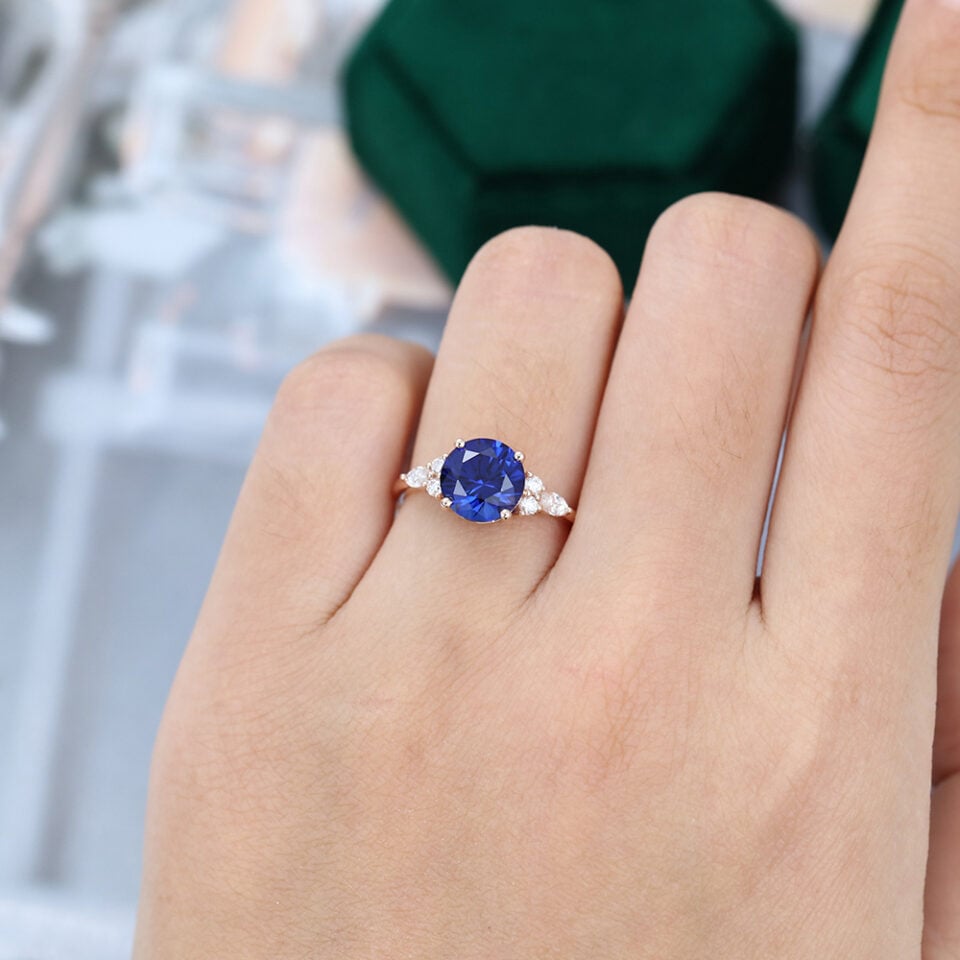
Traditional Blue Sapphire
Traditional Blue Sapphire
Traditional blue sapphire naturally creates stronger contrast against the skin.
The deeper saturation immediately draws attention to the center stone, especially in:
- white gold
- platinum
- halo settings
- larger solitaire rings
The overall appearance tends to feel:
- more formal
- more structured
- more luxurious
- more traditionally “engagement ring”

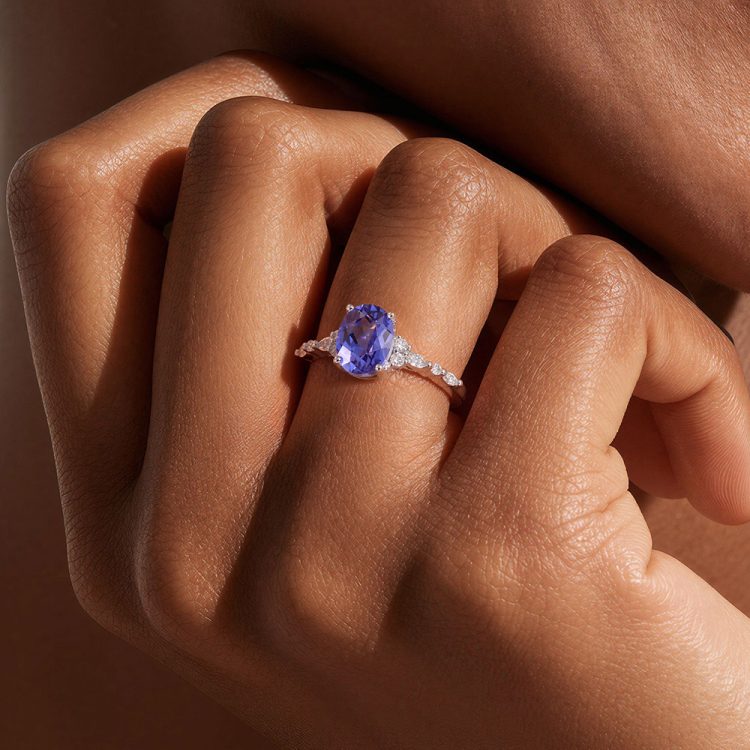
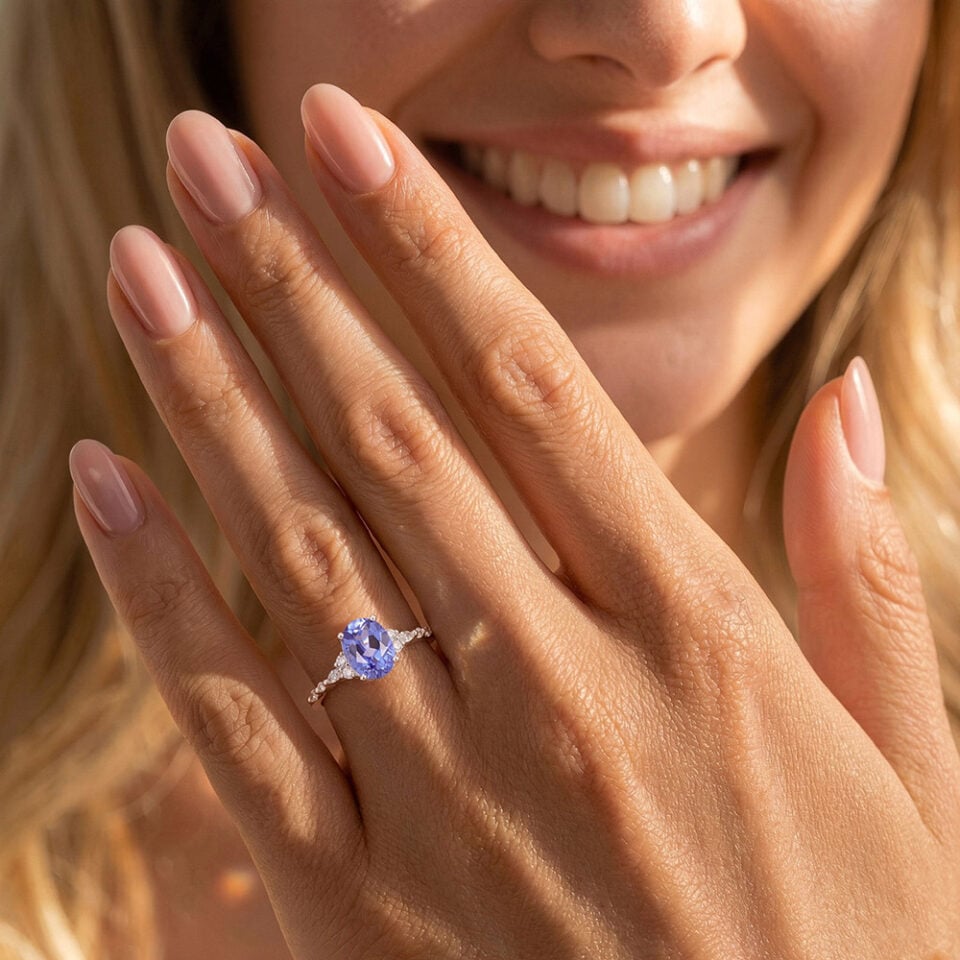
Cornflower Blue Sapphire
Cornflower Blue Sapphire
Cornflower blue sapphire creates a softer visual effect.
Instead of dominating the ring, it blends more naturally into the overall design, creating a lighter and more romantic appearance.
Many people are drawn to cornflower sapphire because it feels:
- less visually heavy
- brighter in daylight
- softer for everyday wear
- more delicate overall
Lighting also changes the experience significantly.
Traditional blue sapphire usually maintains a rich consistent appearance across environments, while cornflower blue sapphire often appears more luminous outdoors.
If skin tone and metal color are part of the decision, our guide on choosing the right sapphire color for your skin tone can help narrow down which shade feels most flattering in daily wear.
Why Deep Blue Sapphire Still Feels So Iconic
Why Deep Blue Sapphire Still Feels So Iconic
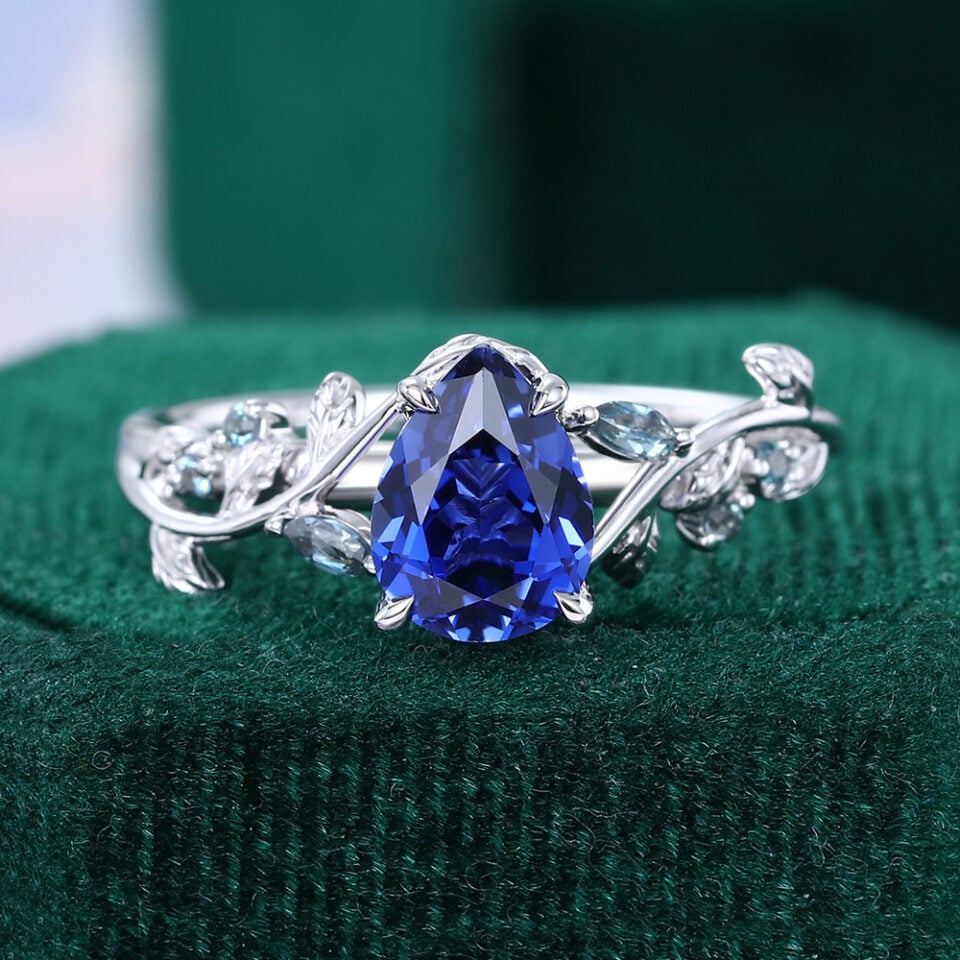
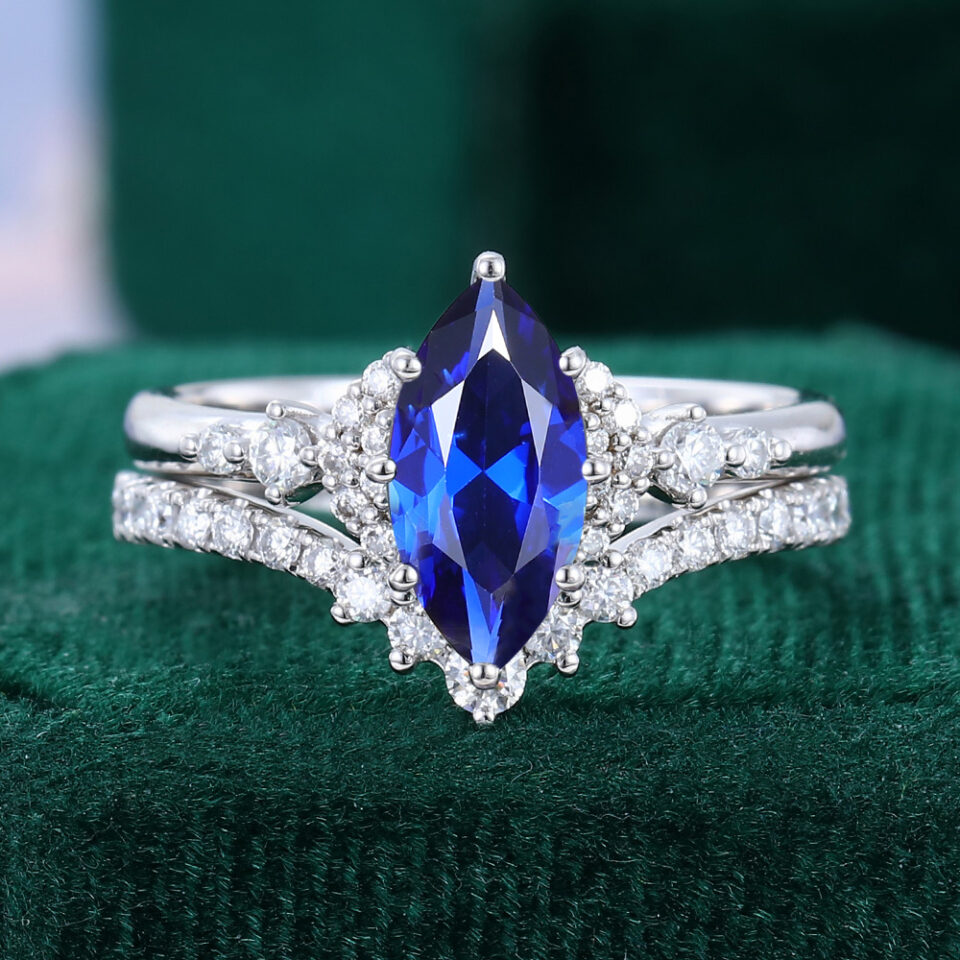
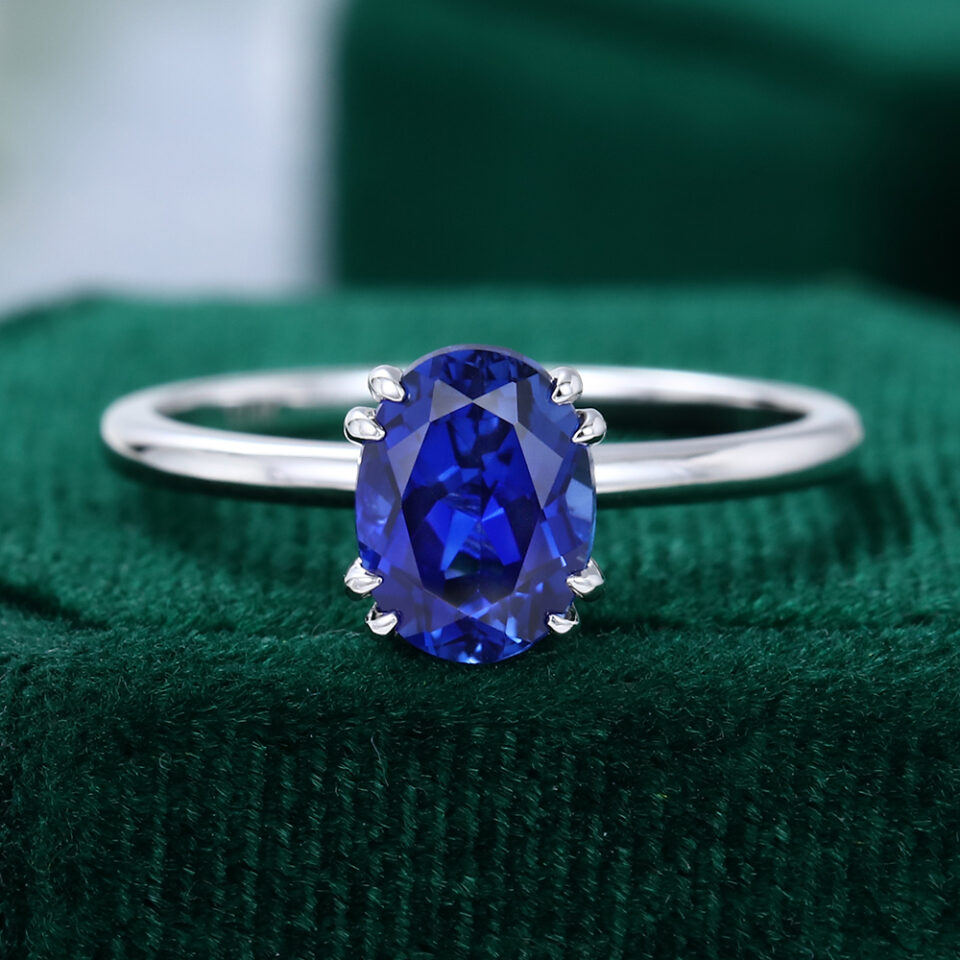
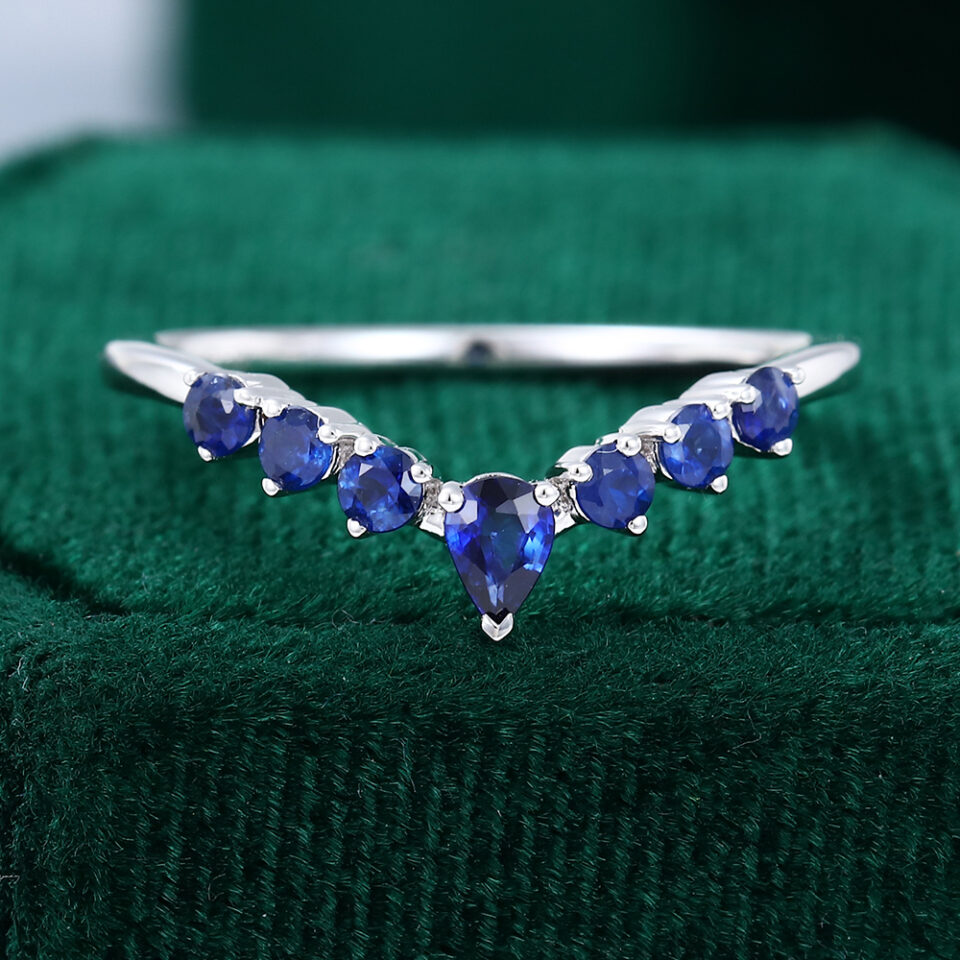
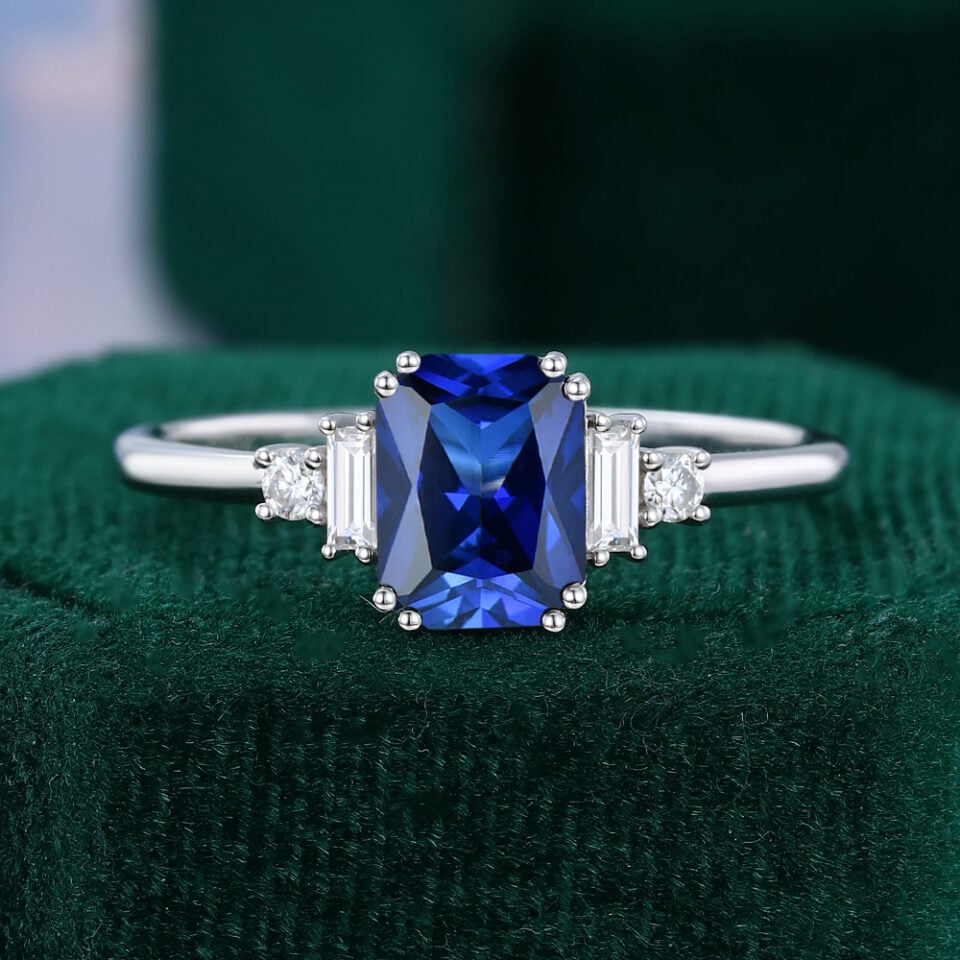
Classic blue sapphire remains the most recognizable sapphire color in fine jewelry for a reason. The deeper saturation creates stronger contrast, sharper visual definition, and a more traditionally luxurious appearance on the hand.
In engagement rings, deep blue sapphire is often chosen for:
- Timeless and elegant styling
- Strong center-stone presence
- High contrast with white gold or platinum
- More formal or heirloom-inspired designs
Because the color stays visually consistent in most lighting, blue sapphire tends to feel “safe” in the best possible way — refined, dependable, and always recognizable as a classic sapphire ring.
For readers comparing different sapphire tones, our guide to blue sapphire vs green sapphire also explores how saturation and undertones completely change the final look of a ring.
Why Cornflower Blue Sapphire Feels Lighter and More Airy
Why Cornflower Blue Sapphire Feels Lighter and More Airy
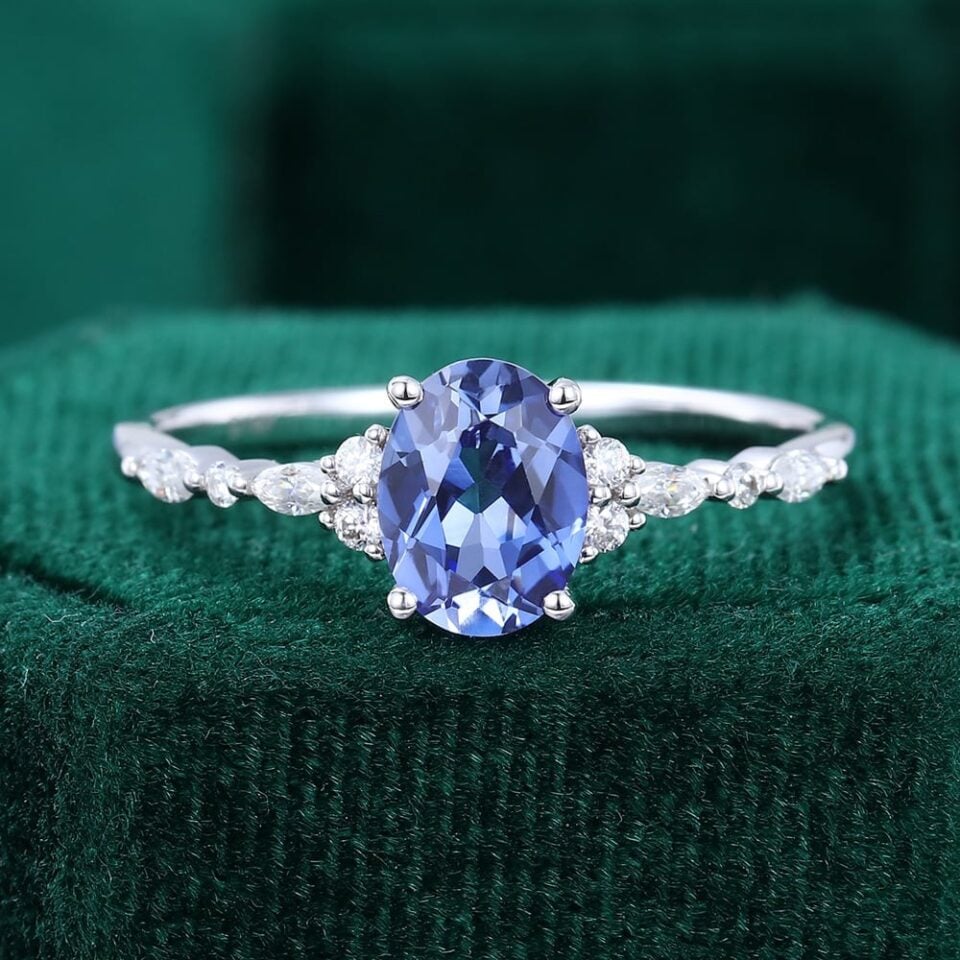
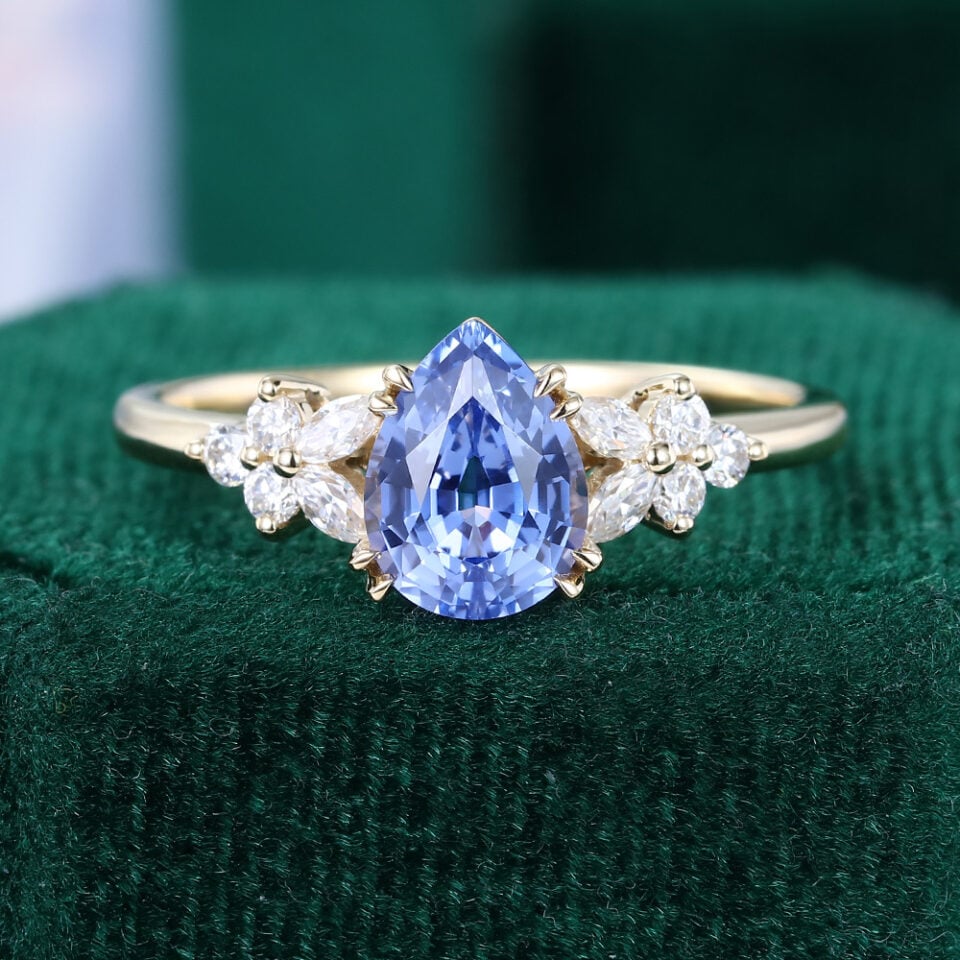
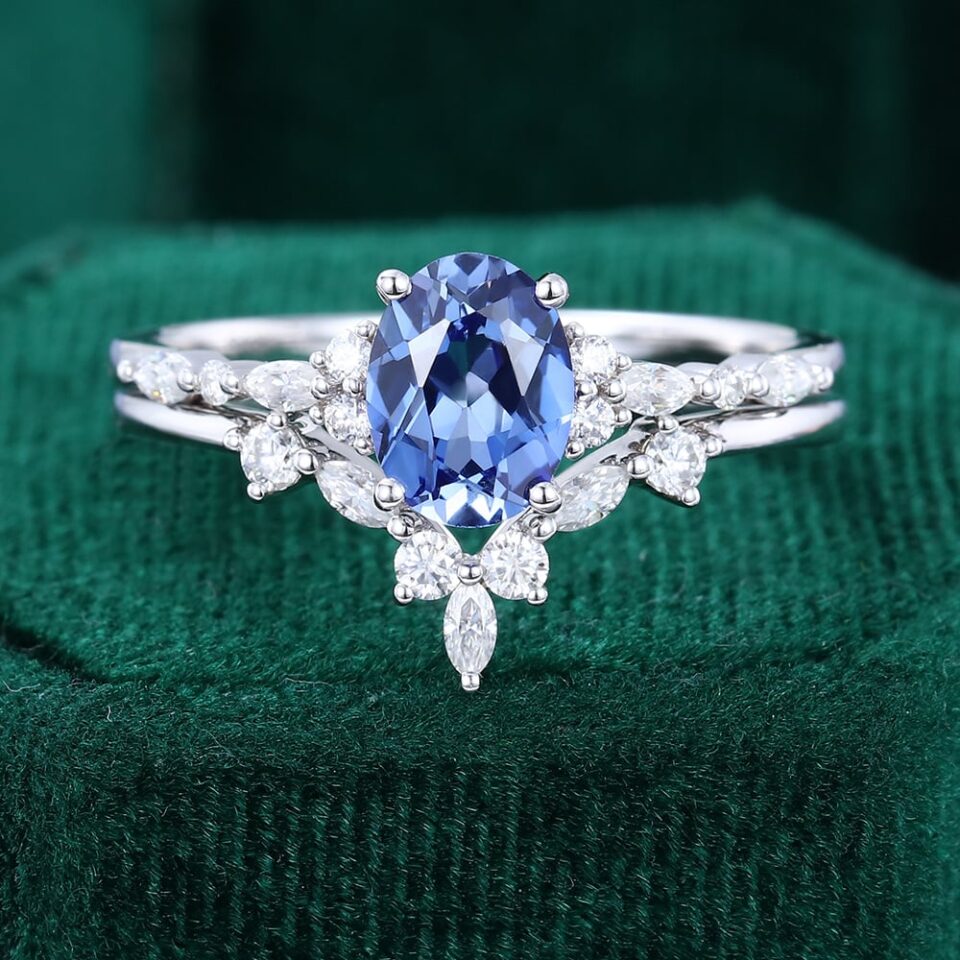
Cornflower blue sapphire creates a very different emotional effect from traditional deep blue sapphire. Instead of dramatic depth, the appeal comes from softness, brightness, and an almost glowing pastel-blue appearance.
Rather than dominating the ring visually, cornflower blue sapphire often feels:
- More delicate and romantic
- Softer in natural daylight
- Easier to pair with feminine or vintage-inspired settings
- Less intense for everyday wear
This lighter tone has become especially popular in modern lab sapphire engagement rings because it offers color without feeling too dark or heavy.
Many buyers who feel traditional royal blue sapphire looks “too formal” are naturally drawn toward cornflower tones instead.

Blue Sapphire vs Cornflower Blue Sapphire Price: What Should You Actually Expect?
Blue Sapphire vs Cornflower Blue Sapphire Price: What Should You Actually Expect?
Pricing depends heavily on whether the sapphire is lab-created or natural, along with factors like color saturation, carat size, clarity, and ring setting complexity.
For most modern engagement ring shoppers, lab sapphire rings offer the best balance between visual beauty, durability, and budget flexibility.
| Sapphire Type | Lab Sapphire Ring Price | Natural Sapphire Ring Price | Typical Look |
|---|---|---|---|
| Deep Blue Sapphire | ~$300–$1,200+ | ~$800–$8,000+ | Rich, dramatic, classic royal blue appearance |
| Cornflower Blue Sapphire | ~$350–$1,500+ | ~$2,000–$15,000+ | Softer pastel-blue tone with airy brightness |
Natural cornflower blue sapphire is usually more expensive because fine cornflower coloring is relatively rare in the natural gemstone market.
Lab-created versions make both sapphire colors far more accessible while still offering the same durability and everyday wearability sapphire is known for.
Best Ring Styles for Each Sapphire Color
Best Ring Styles for Each Sapphire Color
Different sapphire tones naturally complement different ring styles.
Blue Sapphire Often Looks Best In:
Blue Sapphire Often Looks Best In:
- solitaire engagement rings
- halo settings
- platinum or white gold
- oval and cushion cuts
- larger statement center stones
Its deeper saturation creates stronger contrast and visual focus.
Cornflower Blue Sapphire Often Pairs Beautifully With:
Cornflower Blue Sapphire Often Pairs Beautifully With:
- vintage-inspired settings
- yellow gold bands
- floral halos
- elongated cuts
- delicate bridal sets
Its softer tone allows the overall ring design to feel lighter and more balanced.
For more inspiration, our Sapphire Engagement Ring Styles Guide explores how different settings influence the final look of sapphire jewelry.
Which Sapphire Color Fits Your Style More Naturally?
Which Sapphire Color Fits Your Style More Naturally?
The difference between these sapphires is not simply brightness or rarity — it’s the type of presence they create once worn.
Traditional Blue Sapphire Often Feels:
Traditional Blue Sapphire Often Feels:
- iconic
- structured
- formal
- visually powerful
It naturally suits:
- classic engagement ring aesthetics
- luxury-inspired styling
- high-contrast jewelry designs
- statement center stones
Cornflower Blue Sapphire Usually Feels:
Cornflower Blue Sapphire Usually Feels:
- softer
- lighter
- more romantic
- more understated
It often works beautifully with:
- vintage-inspired settings
- delicate everyday jewelry
- airy bridal aesthetics
- softer gold tones
Final Thoughts: Which Sapphire Color Should You Choose?
Final Thoughts: Which Sapphire Color Should You Choose?
Blue sapphire and cornflower blue sapphire are not competing versions of the same stone — they create completely different moods once worn.
Deep blue sapphire feels bold, timeless, and unmistakably classic.
Cornflower blue sapphire feels lighter, softer, and more romantic.
The better choice usually becomes obvious after seeing how each color interacts with:
- Skin tone
- Metal color
- Daily styling preferences
- Desired ring aesthetic
For a richer and more dramatic look, explore our blue sapphire rings collection.
For softer pastel-blue tones with a more airy appearance, browse our cornflower sapphire rings collection.
Related FAQs
Related FAQs
Is cornflower blue sapphire more expensive than blue sapphire?
Not always. High-quality cornflower blue sapphires are rare and valuable, but exceptional royal blue sapphires can reach similar or even higher prices depending on clarity, origin, and treatment.
Which sapphire color looks brighter?
Cornflower blue sapphire usually appears brighter and more luminous in daylight, while traditional blue sapphire tends to look richer and deeper overall.
Which sapphire is better for engagement rings?
Both work beautifully for engagement rings. Traditional blue sapphire creates a more classic luxury appearance, while cornflower blue sapphire feels softer and more vintage-inspired.
Does cornflower blue sapphire look lighter indoors?
Compared to deep blue sapphire, cornflower blue sapphire usually maintains more visible brightness indoors because of its lighter tone.
Is lab cornflower sapphire durable enough for daily wear?
Yes. Lab-created cornflower sapphires have the same hardness and durability as other sapphires, making them suitable for everyday rings.
Which sapphire color looks more timeless?
Deep blue sapphire is generally considered the more classic and timeless choice because of its rich saturation and historical popularity.
Which metal works best with cornflower blue sapphire?
White gold and platinum usually enhance the airy blue tone most effectively, while yellow gold can create a warmer vintage-inspired contrast.