- by MollyJewelryUS
- May 18, 2026
- Gemstone Education
Choosing a sapphire ring used to be simple — most people automatically imagined deep royal blue. But today, more couples are exploring alternative sapphire colors that feel more personal, modern, and expressive.
That’s why the debate around blue sapphire vs green sapphire has become increasingly popular.
While both gemstones belong to the same sapphire family, they create completely different moods once set into a ring. Blue sapphire feels timeless and iconic. Green sapphire feels earthy, artistic, and less expected.
If you’re deciding between the two, this guide breaks down the real differences in color, symbolism, pricing, styling, and everyday wear — helping you choose the sapphire that truly fits your personality and ring aesthetic.
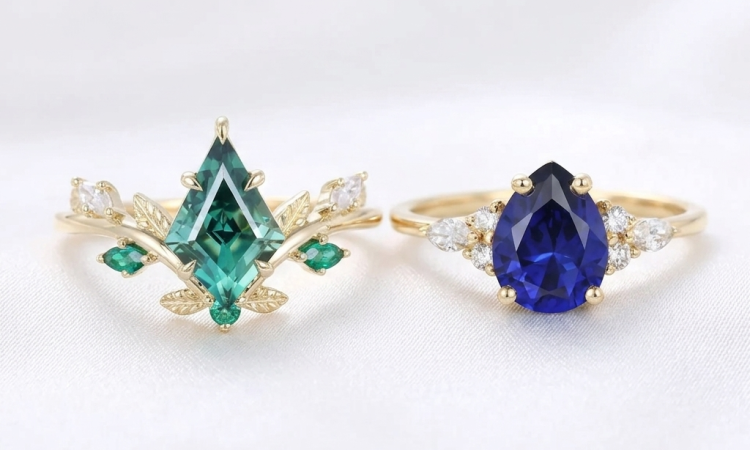
Table of Contents
What Makes Blue Sapphire So Timeless?
What Makes Blue Sapphire So Timeless?
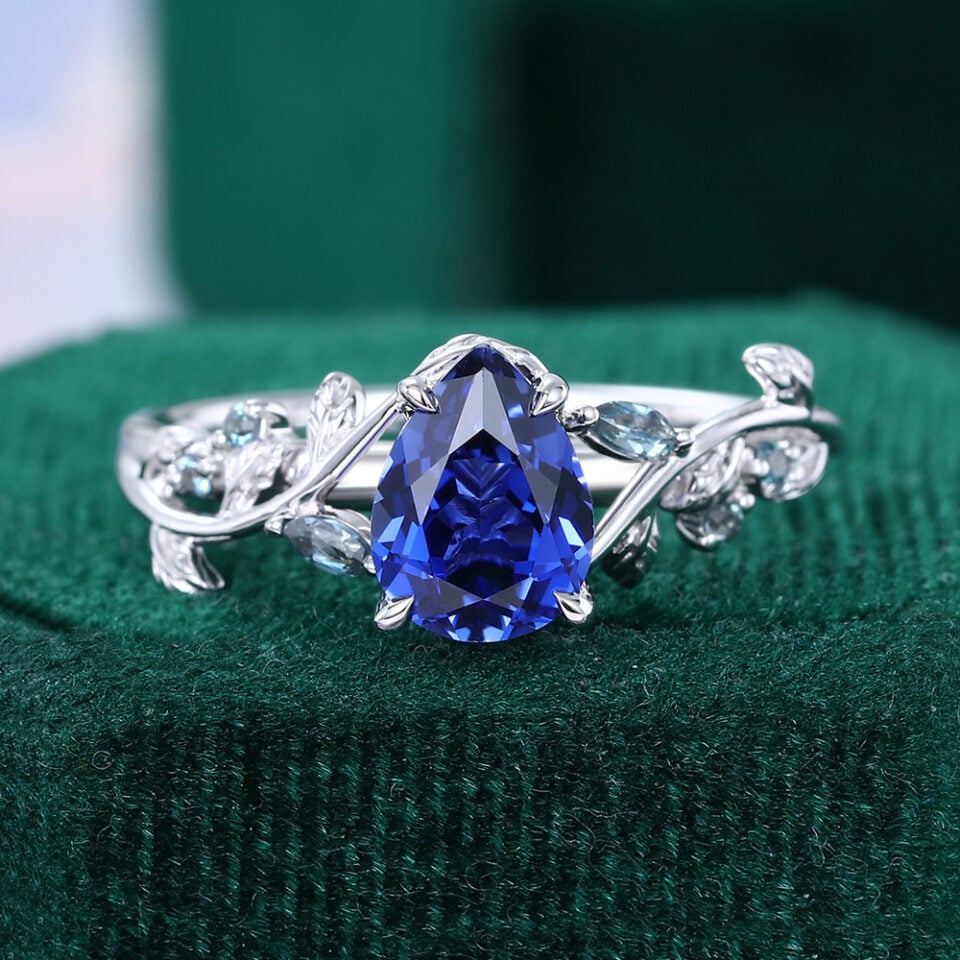
There’s a reason blue sapphire has remained one of the most recognizable gemstones in fine jewelry for generations.
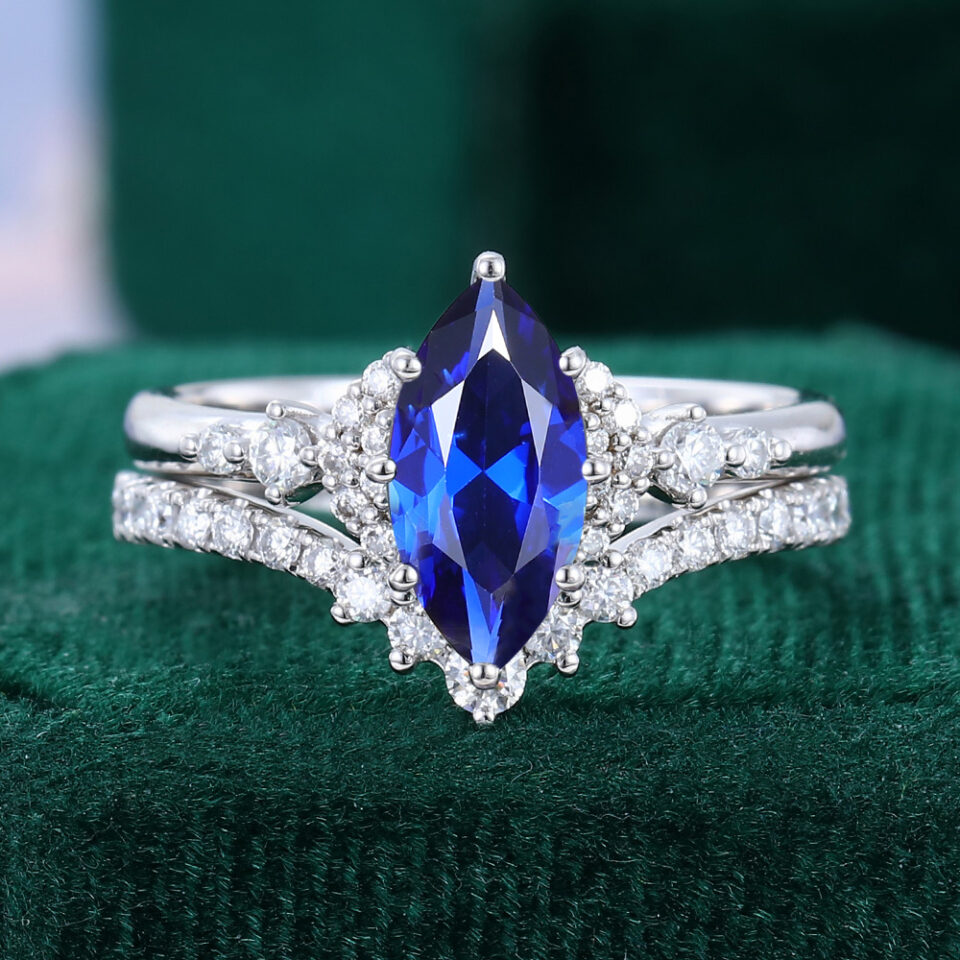
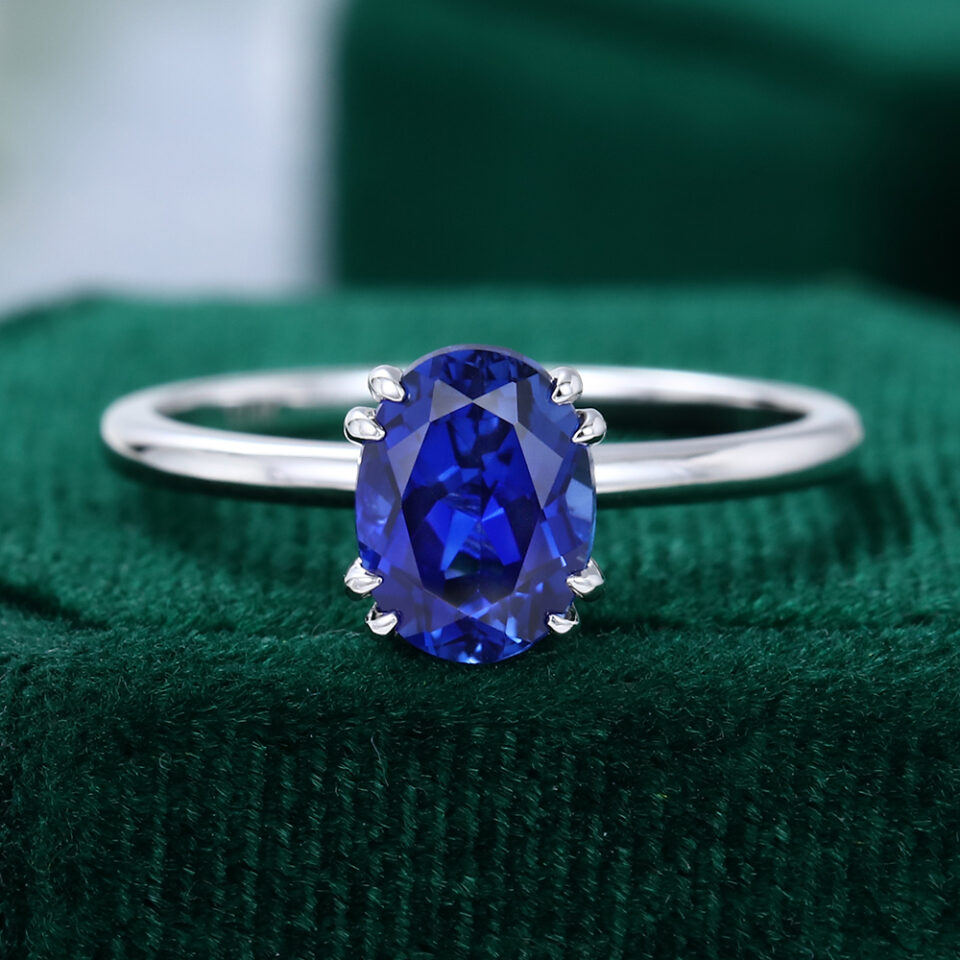
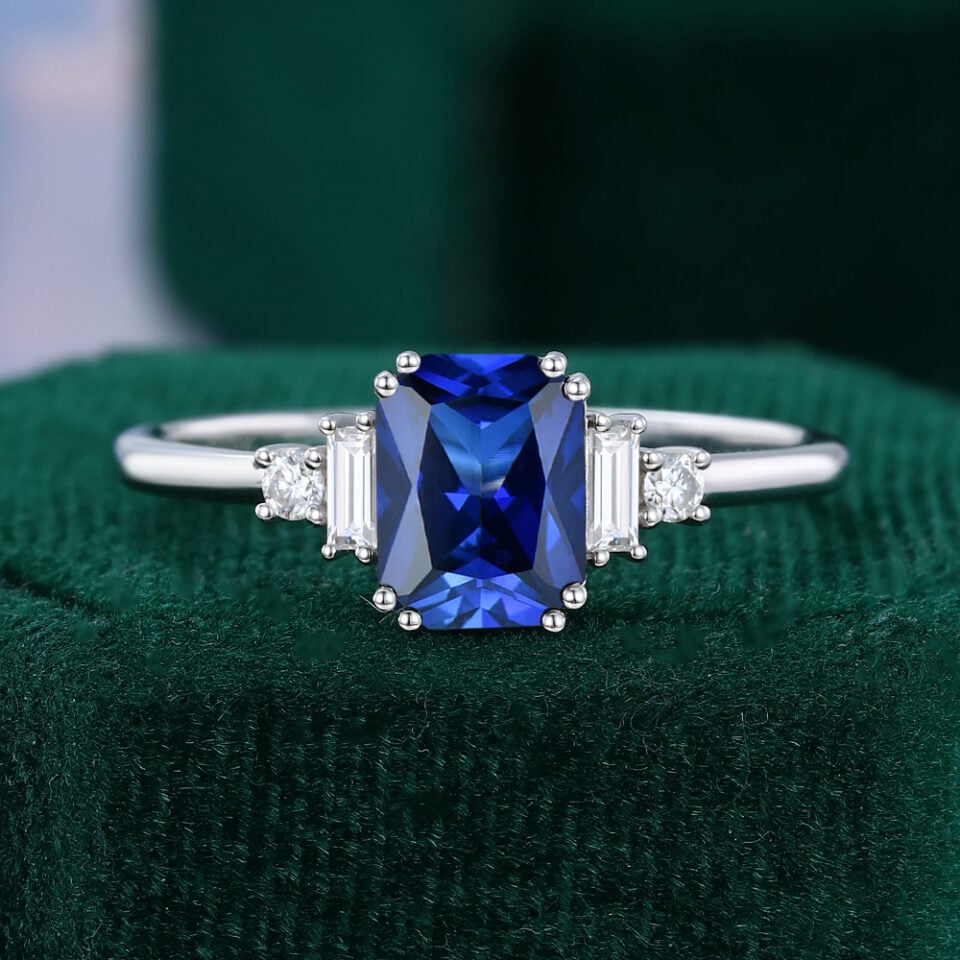
Its deep royal color naturally feels luxurious, elegant, and formal without appearing overly flashy. In engagement rings, blue sapphire creates strong contrast against white gold or platinum, helping the center stone stand out immediately.
Many people are drawn to blue sapphire because it feels:
- Classic without feeling boring
- Luxurious without looking excessive
- Traditional while still unique compared to diamonds
- Easy to style for everyday wear
Unlike trend-based gemstones, blue sapphire rarely feels dated. That timelessness is a major reason why blue sapphire rings continue to remain one of the most requested non-diamond engagement ring styles.
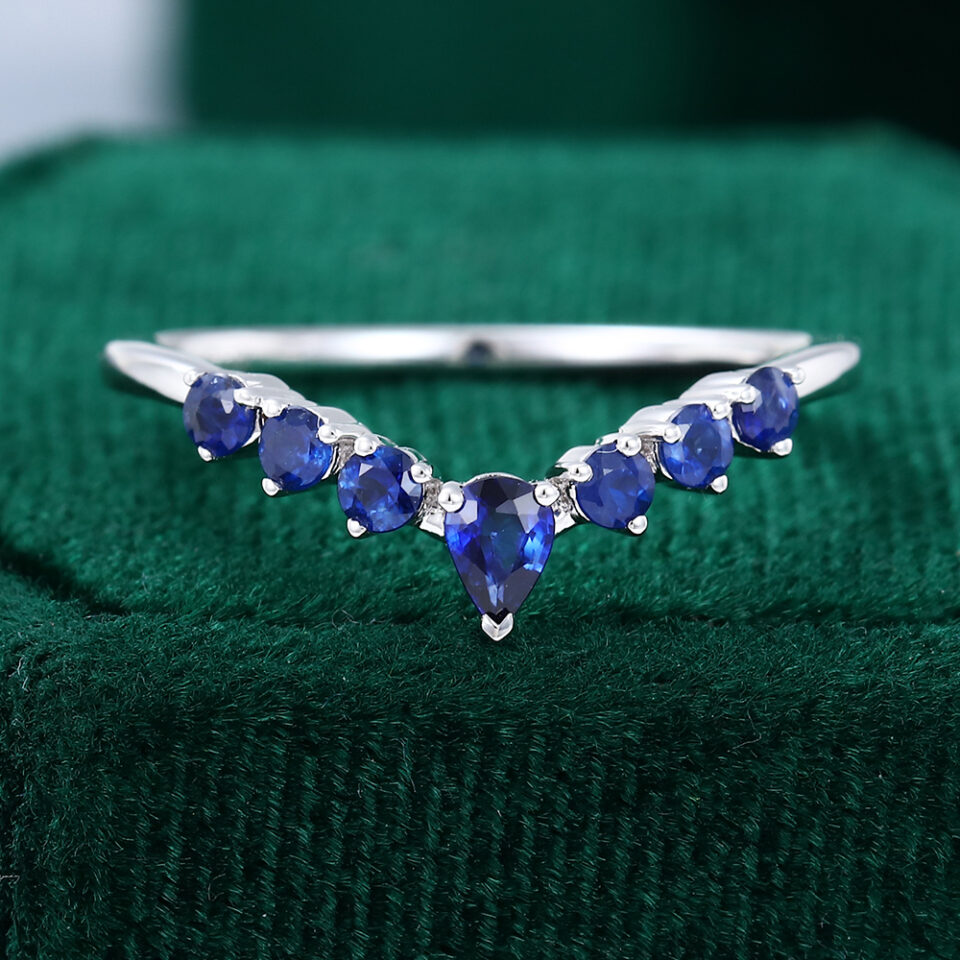
Popular shades range from rich royal blue to softer cornflower tones, with lab-created sapphires offering a more accessible way to achieve larger, vivid center stones without extremely high natural sapphire pricing.
Why Green Sapphire Rings Feel More Unique
Why Green Sapphire Rings Feel More Unique
Green sapphire creates a completely different emotional effect.
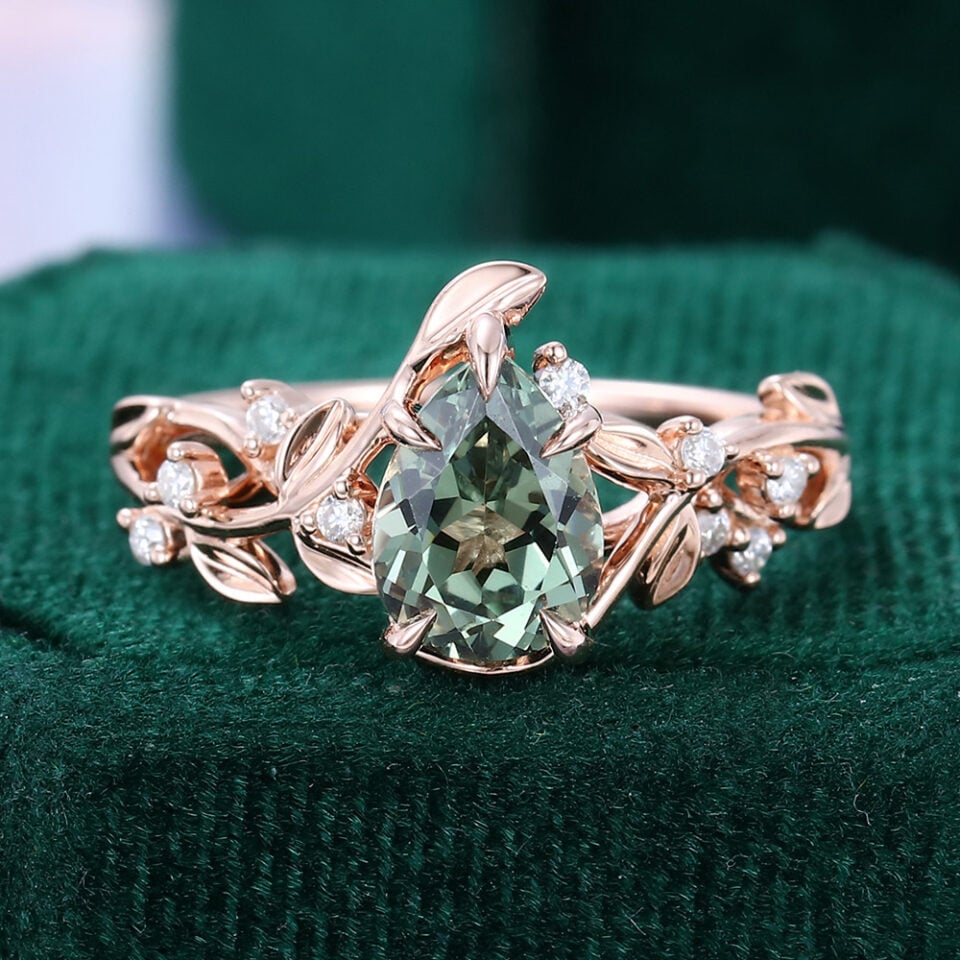
Instead of high contrast and formal elegance, green sapphire tends to feel softer, moodier, and more organic. Many stones shift subtly between olive, moss, teal-green, or forest tones depending on lighting, making them feel more personal and less “mass-produced.”
That natural variation is a huge part of the appeal.
Compared to blue sapphire, green sapphire rings often attract people who want:
- Less traditional engagement jewelry
- Nature-inspired aesthetics
- Softer everyday styling
- Unique gemstone color without excessive brightness
- A more artistic or earthy feel
Green sapphire has also become increasingly popular among modern brides who want something distinctive but still durable enough for daily wear.
Rose gold and yellow gold settings especially enhance the earthy warmth found in many green sapphires, creating a softer and more romantic overall look.
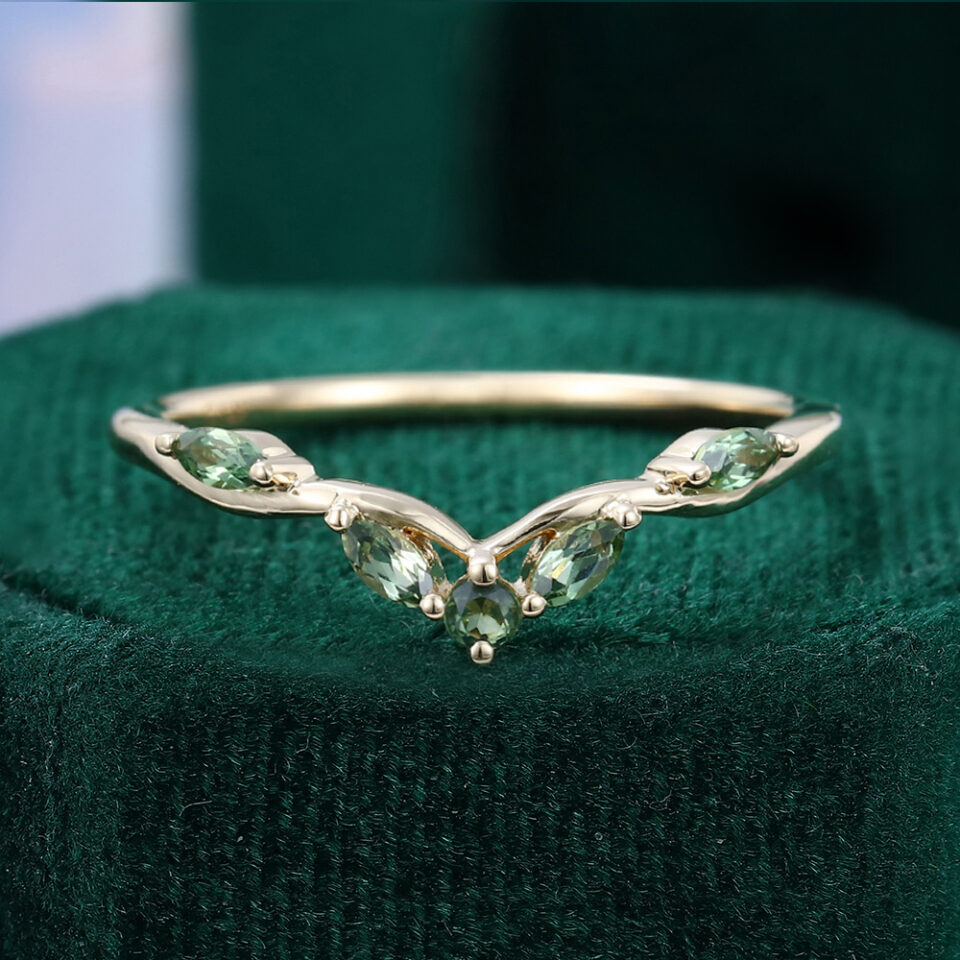
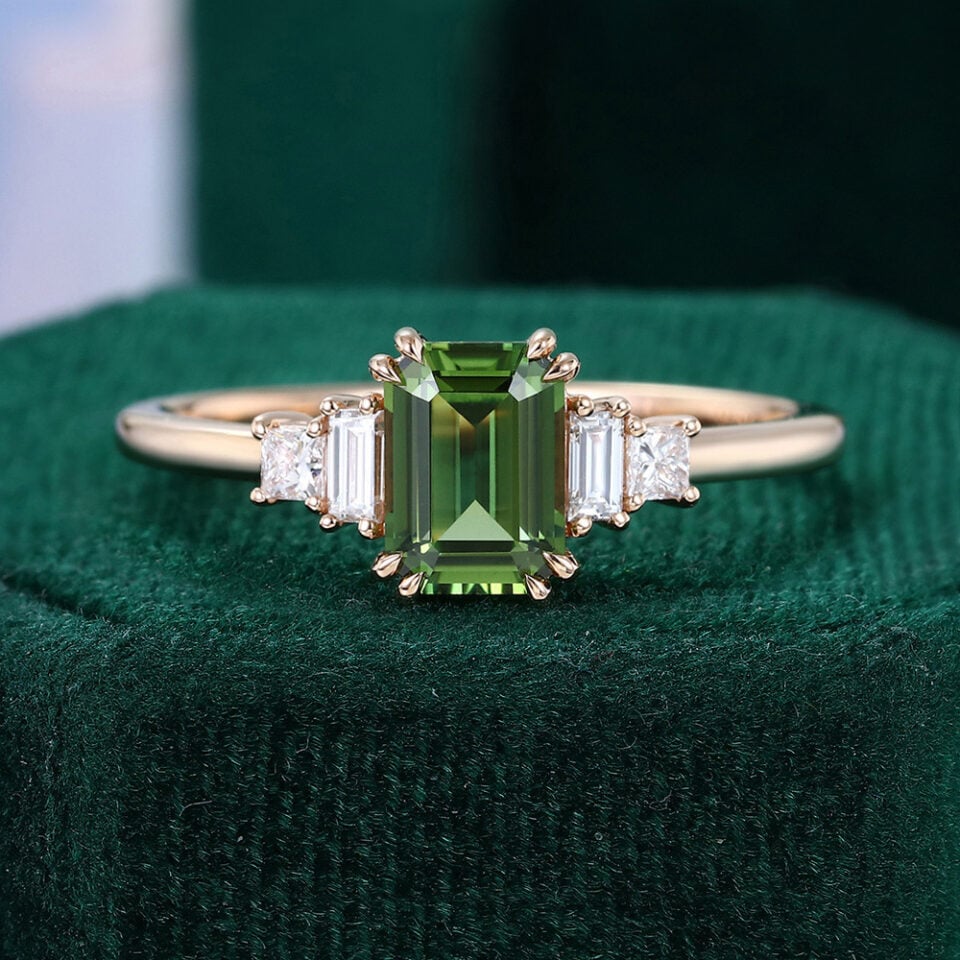

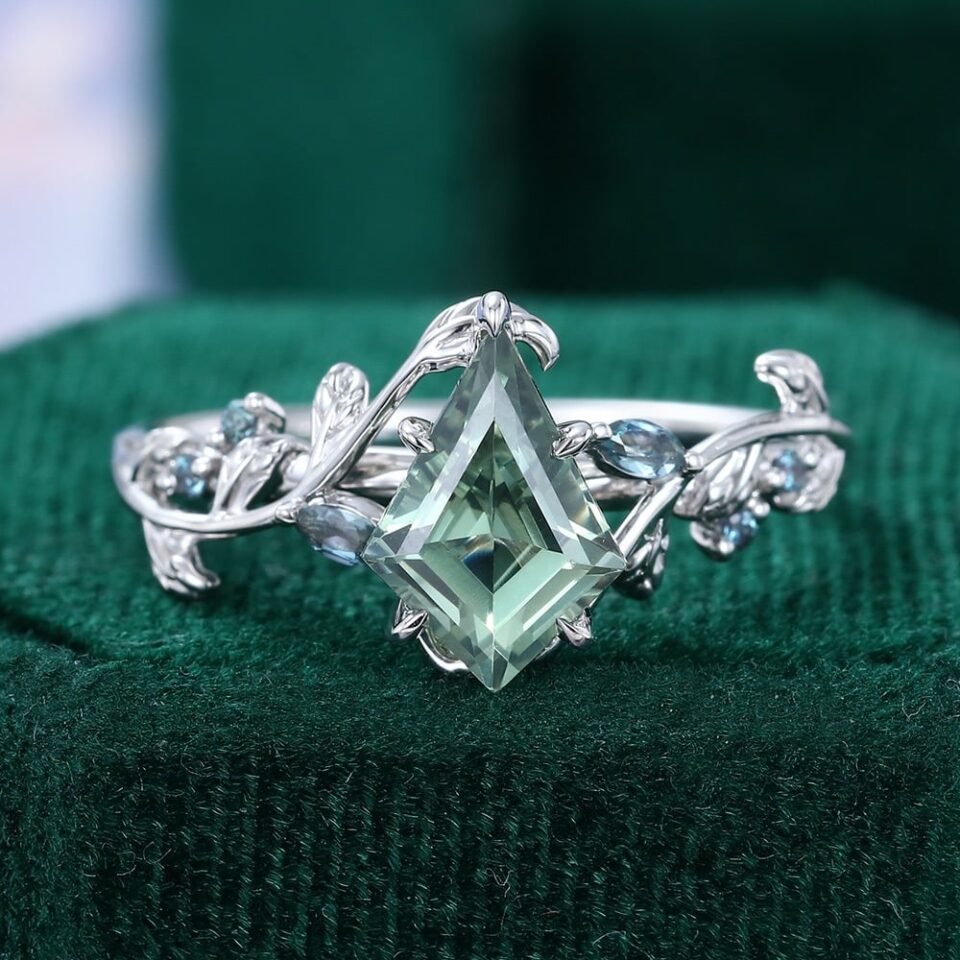
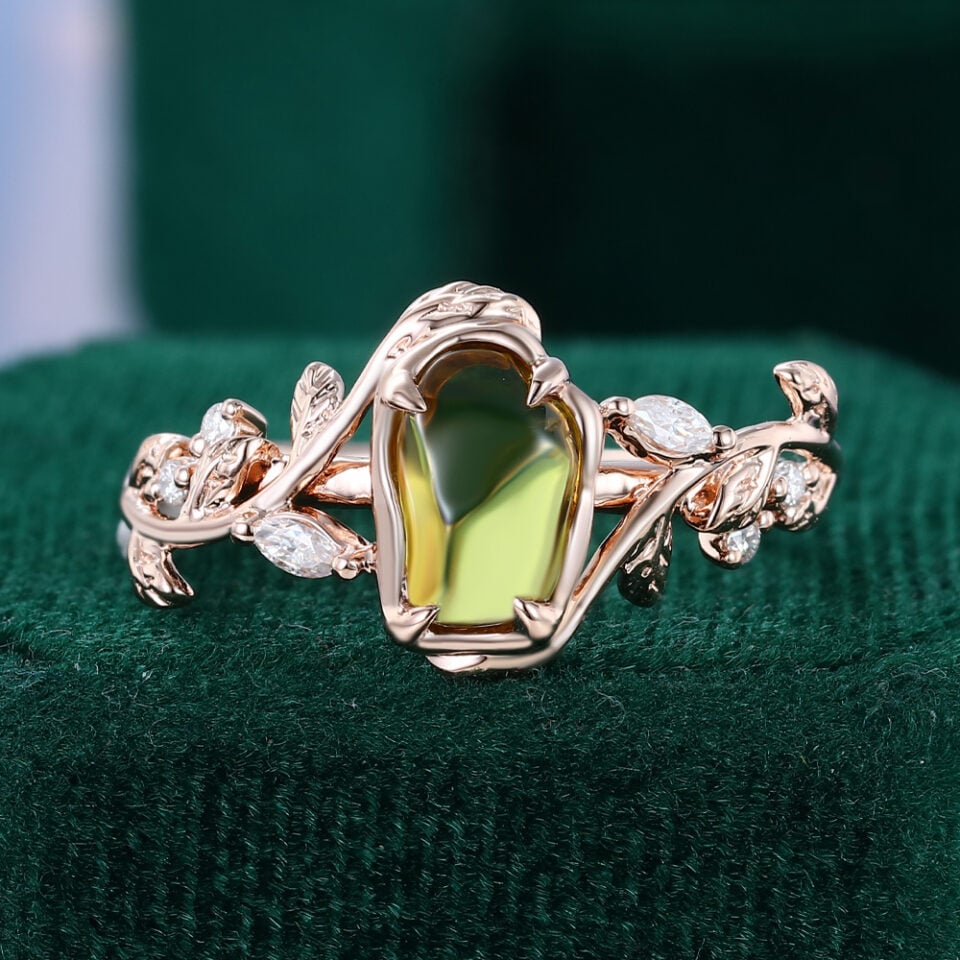
Blue Sapphire vs Green Sapphire: The Biggest Visual Differences
Blue Sapphire vs Green Sapphire: The Biggest Visual Differences
| Feature | Blue Sapphire | Green Sapphire |
|---|---|---|
| Overall Mood | Classic & luxurious | Organic & artistic |
| Color Appearance | Bold royal tones | Earthy, muted, shifting tones |
| Visual Impact | High contrast | Softer elegance |
| Lighting Changes | More consistent color | Changes noticeably in warm/cool light |
| Styling Feel | Formal & timeless | Relaxed & modern |
| Popular Metal Pairing | White gold & platinum | Yellow gold & rose gold |
| Attention Level | Instantly noticeable | More subtle and personal |
| Overall Aesthetic | Iconic engagement ring look | Alternative luxury feel |
The biggest difference is not durability or quality — it’s emotional atmosphere.
Blue sapphire usually feels polished and iconic. Green sapphire tends to feel more expressive and individual.
If you’re unfamiliar with how sapphire colors naturally vary, this sapphire color guide explains why sapphire can appear in far more shades than most people expect.
Which Sapphire Color Looks Better on the Hand?
Which Sapphire Color Looks Better on the Hand?
This is where many buyers finally realize which sapphire they truly prefer.
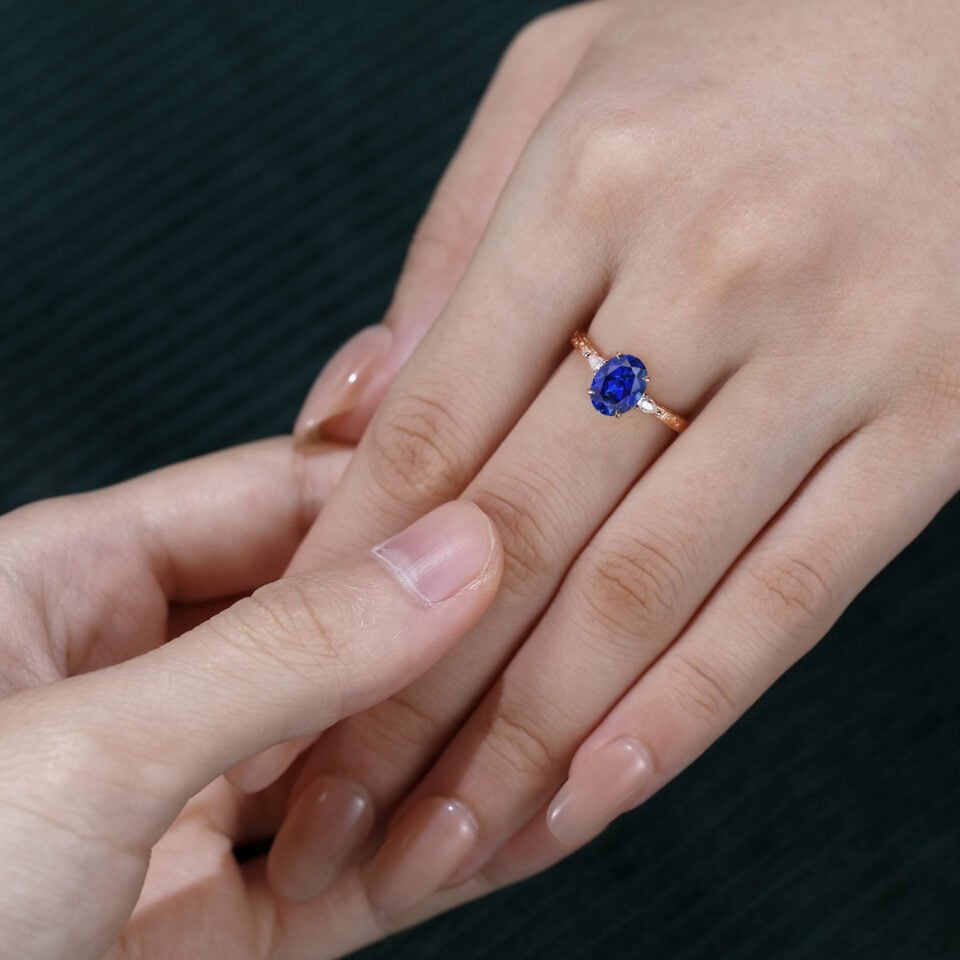
- Blue sapphire usually stands out more immediately. Its stronger saturation and contrast create a cleaner, more classic luxury look — especially in white gold or platinum settings.
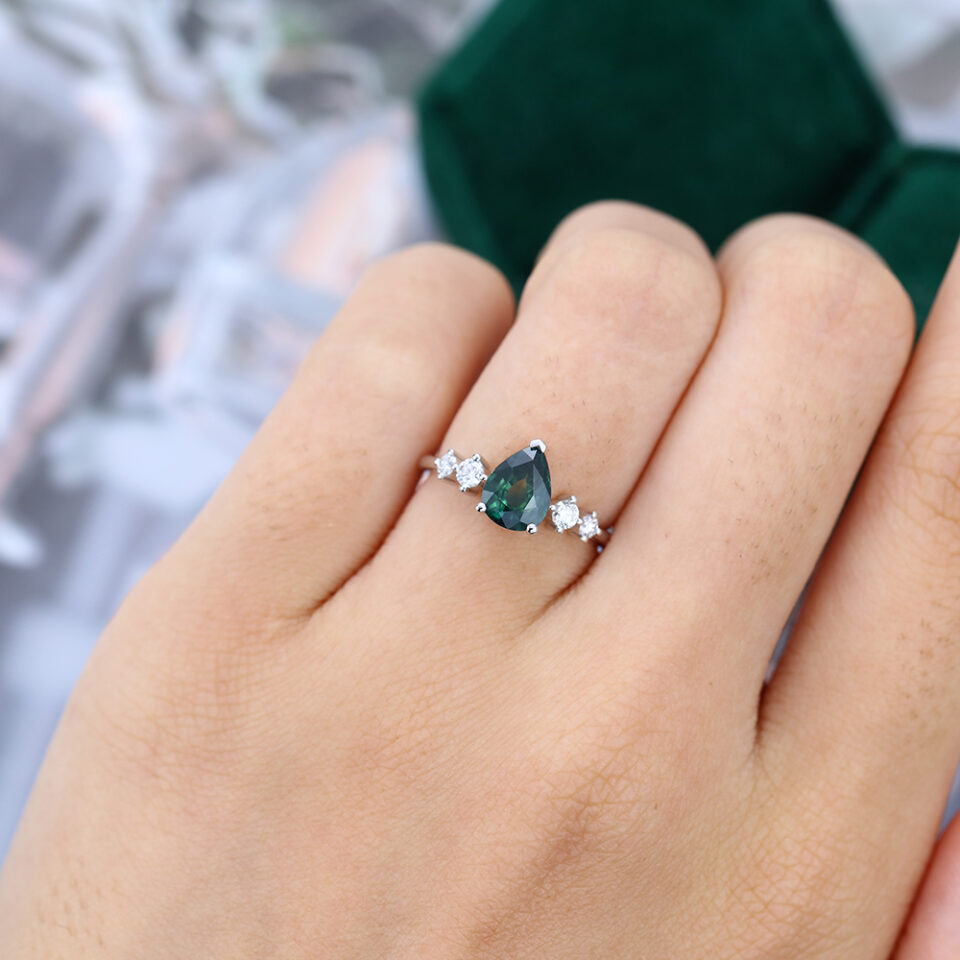
- Green sapphire feels softer and more organic. Instead of dominating the ring, it blends naturally into the overall design, creating a more subtle and wearable everyday aesthetic.
Blue sapphire often looks best for:
Blue sapphire often looks best for:
- Clean, polished aesthetics
- High-contrast ring designs
- Timeless engagement styles
- Formal or luxury-inspired jewelry looks

Green sapphire often looks best for:
Green sapphire often looks best for:
- Nature-inspired styling
- Softer, earthy color palettes
- Vintage or organic settings
- Less traditional engagement ring aesthetics
Lighting also changes the experience significantly.
Blue sapphires usually remain visually consistent across environments, while green sapphires can shift between olive, teal, moss, or gray-green undertones depending on sunlight and indoor lighting.
If you’re still unsure which tone complements you better, this guide on choosing the right sapphire ring for your skin tone can make the decision much easier.

The Meaning Behind Blue and Green Sapphire
The Meaning Behind Blue and Green Sapphire
Gemstone meaning plays a bigger role in engagement ring choices than many people expect.
Blue Sapphire Meaning
Blue Sapphire Meaning
- Loyalty
- Wisdom
- Trust
- Stability
- Long-term commitment
Its royal history and association with timeless love make it one of the strongest symbolic alternatives to traditional diamonds.
You can explore more symbolism in this guide about blue sapphire meaning.
Green Sapphire Meaning
Green Sapphire Meaning
- Growth
- Renewal
- Emotional balance
- Nature
- Harmony
- New beginnings
Green sapphires often appeal to buyers who want something less formal and more personal. The softer tones create a calmer, more understated energy compared to the stronger presence of blue sapphire.
Because green sapphires are less common in mainstream jewelry, many people also associate them with individuality and creativity.
Blue Sapphire vs Green Sapphire: Which One Fits You Better?
Blue Sapphire vs Green Sapphire: Which One Fits You Better?
| Choose Blue Sapphire If You Want… | Choose Green Sapphire If You Want… |
|---|---|
| A timeless engagement ring look | A more unique, nature-inspired style |
| Strong contrast and rich color | Softer, earthy tones |
| Classic luxury aesthetics | Artistic or alternative styling |
| A gemstone that feels iconic | A gemstone that feels personal |
| White gold or platinum settings | Yellow gold or rose gold settings |
Blue sapphire usually feels more polished and formal. Green sapphire tends to feel softer, moodier, and less traditional.
Neither is better — they simply create different emotional and visual experiences.
For buyers exploring more modern sapphire aesthetics, these sapphire ring trends showcase how different sapphire colors are being styled right now.
Blue Sapphire vs Green Sapphire Price: Real Price Differences Explained
Blue Sapphire vs Green Sapphire Price: Real Price Differences Explained
| Sapphire Type | Typical Natural Price Range | Typical Lab Sapphire Ring Price |
|---|---|---|
| Blue Sapphire | $800–$15,000+ per carat | ~$300–$1,200+ |
| Green Sapphire | $300–$1,500+ per carat | ~$300–$1,000+ |
Natural blue sapphires are usually more expensive because demand is significantly higher worldwide — especially for untreated royal blue stones.
Green sapphires remain more niche, which often makes them more affordable despite being equally durable.
Lab-created sapphires have also changed the market dramatically. Since many sapphire engagement rings today use lab sapphires, couples can choose larger center stones and custom settings without luxury-level pricing.
If budget is part of your decision, this guide on sapphire engagement ring cost explains what truly affects sapphire pricing beyond carat size alone.
Natural vs Lab Sapphire: Does Color Change the Decision?
Natural vs Lab Sapphire: Does Color Change the Decision?
For many buyers today, the decision isn’t only blue vs green — it’s also natural vs lab-created sapphire.
Here’s where things become interesting:
| Category | Natural Sapphire | Lab Sapphire |
|---|---|---|
| Price | Higher, especially vivid blue | More affordable |
| Color Consistency | Naturally varied | Highly consistent |
| Rarity | More collectible | Easier to customize |
| Larger Stone Sizes | Expensive quickly | Much more accessible |
| Best For | Traditional collectors | Modern customization |
Because MollyJewelryUS specializes heavily in lab sapphire jewelry, many customers choose larger center stones, vintage-inspired settings, and more personalized designs without entering extremely high natural sapphire pricing ranges.
This is especially helpful for green sapphire, where unique color tones can be explored more freely in custom ring designs.
Which Sapphire Color Is More Practical for Everyday Wear?
Which Sapphire Color Is More Practical for Everyday Wear?
Both blue sapphire and green sapphire rank 9 on the Mohs hardness scale, making them excellent gemstones for daily wear.
However, practical appearance can differ slightly over time.
- Blue sapphire hides small visual inconsistencies better because of its deeper saturation.
- Green sapphire may show lighting changes more dramatically, which some people love and others may not.
Protective settings like bezels, halos, and low-profile prongs can improve durability for either color.
Final Thoughts: Which Sapphire Color Should You Choose?
Final Thoughts: Which Sapphire Color Should You Choose?
If you want a ring that feels timeless, elegant, and instantly recognizable, blue sapphire is usually the stronger choice.
If you prefer something softer, more personal, and less traditional, green sapphire often feels more distinctive and modern.
The best way to decide is to compare actual ring styles side by side. Browsing both blue sapphire rings and green sapphire rings can quickly reveal which color feels more natural for your style, metal preference, and overall engagement ring vision.
Related FAQs
Related FAQs
Is green sapphire rarer than blue sapphire?
Some natural green sapphires are relatively uncommon, but blue sapphire remains more valuable overall because global demand is much higher.
Does green sapphire change color in different lighting?
Yes. Many green sapphires shift between green, teal, olive, or blue-green tones depending on lighting conditions.
Which sapphire color is more timeless?
Blue sapphire is generally considered the more timeless and traditional engagement ring choice.
Are blue sapphire and green sapphire equally durable?
Yes. Both rank 9 on the Mohs hardness scale and are suitable for everyday wear.
Is lab sapphire real sapphire?
Yes. Lab-created sapphire has the same chemical composition and hardness as natural sapphire.
Which metal looks best with green sapphire?
Yellow gold and rose gold usually complement green sapphire particularly well because they enhance its earthy tones.
Which sapphire color works better for vintage rings?
Blue sapphire is more commonly associated with vintage-inspired engagement ring styles, especially halo and Art Deco settings.