- by MollyJewelryUS
- April 21, 2026
- Gemstone Education
Choosing the right wedding ring is an important part of selecting meaningful wedding jewelry. While both men’s and women’s wedding bands symbolize commitment, their designs, fit, and style often differ in ways that affect comfort, appearance, and daily wear. Understanding these differences helps you choose a ring that not only looks right but also feels right over time.
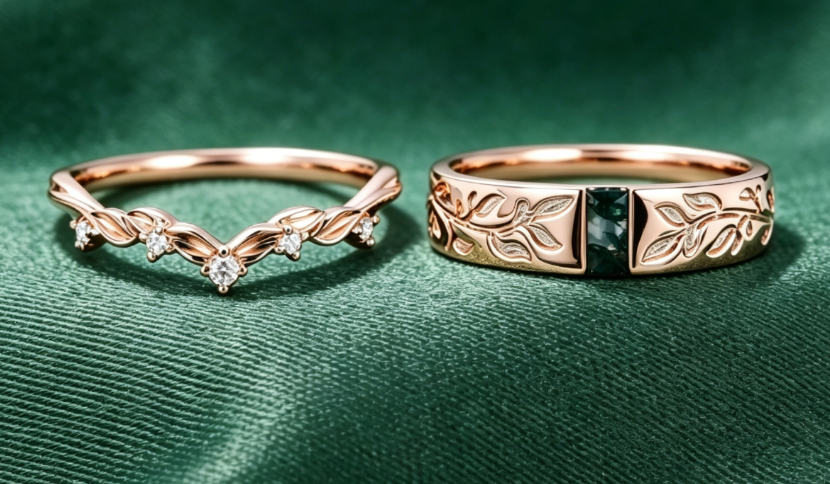
Table Of Contents:
Table Of Contents:
- Why Men’s and Women’s Wedding Bands Are Designed Differently
- Design Differences: Detail vs Simplicity
- Fit and Comfort: What Matters for Daily Wear
- Band Width and Proportions
- Metal Choices and Finish
- Gemstones vs Plain Bands
- Style Preferences: Matching vs Individual Expression
- Lifestyle Considerations
- Where to Buy Men’s and Women’s Wedding Bands
- Final Thoughts
- FAQs
Why Men’s and Women’s Wedding Bands Are Designed Differently
Why Men’s and Women’s Wedding Bands Are Designed Differently
Wedding bands are shaped by both tradition and practical needs. Historically, women’s bands were designed to complement engagement rings, while men’s bands focused on durability and simplicity. Today, those boundaries are more flexible, but design differences still reflect lifestyle preferences and wearing habits.
Men’s rings tend to emphasize strength and structure, while women’s rings often highlight detail and visual harmony. These differences are not rules, but they provide a helpful starting point when comparing styles.
Design Differences: Detail vs Simplicity
Design Differences: Detail vs Simplicity
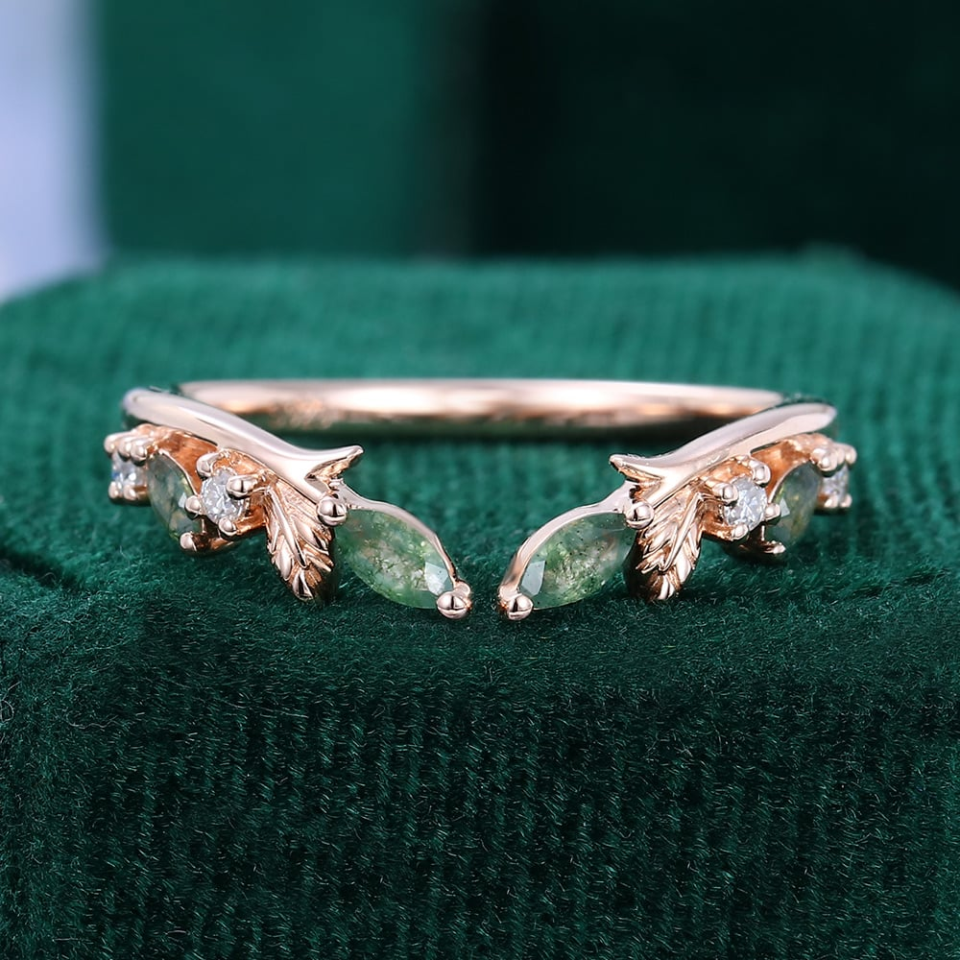
One of the most noticeable distinctions lies in design complexity. Women’s wedding bands are often more intricate, featuring curves, gemstones, or decorative elements. Many are designed to pair seamlessly with engagement rings, creating a cohesive look.
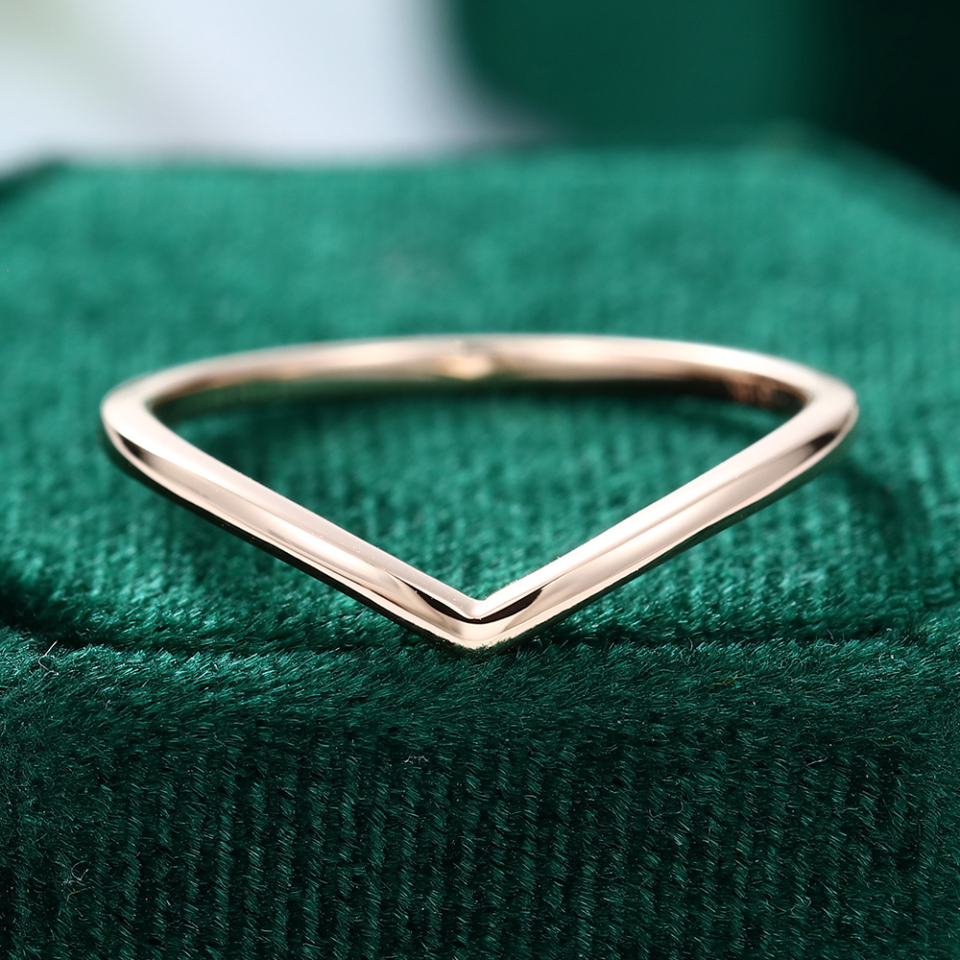
Men’s wedding bands, in contrast, typically favor clean lines and minimal detailing. A smooth or brushed finish is common, with less emphasis on gemstones. This simplicity makes them versatile and easy to wear in a variety of settings.
However, modern trends are shifting. Some men now choose bands with subtle stones or textured patterns, while some women prefer minimalist designs. The key is choosing what aligns with your personal style rather than strictly following tradition.
Fit and Comfort: What Matters for Daily Wear
Fit and Comfort: What Matters for Daily Wear
Comfort is one of the most critical factors when selecting a wedding band. Since the ring is worn every day, even small differences in fit can have a big impact.
Women’s bands are often narrower and lighter, which can feel more delicate on the finger. Men’s bands are usually wider and thicker, offering a more substantial feel. This difference is not just aesthetic—it also affects how the ring sits and moves during daily activities.
Comfort Considerations
Comfort Considerations
- Narrow bands feel lighter but may spin more on the finger
- Wider bands offer stability but may feel tighter
- Comfort-fit interiors (rounded edges) improve wearability for both styles
Trying different widths and profiles helps determine what feels natural for your hand.
Band Width and Proportions
Band Width and Proportions
Width plays a major role in how a wedding band looks and feels. Women’s wedding bands typically range from 1.5mm to 3mm, especially when paired with engagement rings. This allows the band to sit neatly without overpowering the main ring.
Men’s wedding bands usually range from 4mm to 7mm. The wider surface creates a bold and balanced look on larger hands. It also provides more space for finishes or subtle detailing.
That said, these ranges are not fixed. Many couples now choose widths based on finger size and personal preference rather than gender expectations.
Metal Choices and Finish
Metal Choices and Finish
Both men’s and women’s wedding bands are available in a variety of metals, but the way they are used can differ.
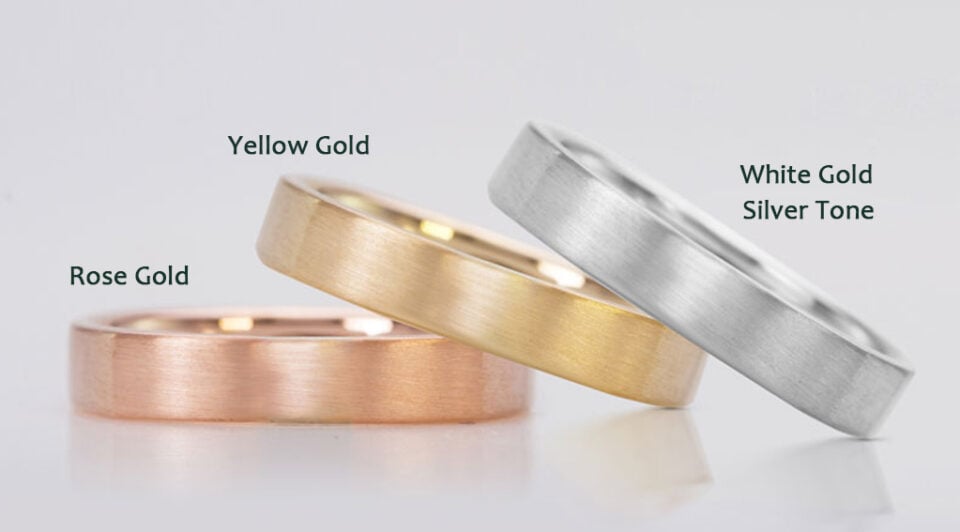
Women’s bands often prioritize appearance, with polished finishes and brighter tones like white gold or rose gold. Men’s bands frequently use finishes that reduce visible wear, such as brushed or matte surfaces.
Common Metal Options
Common Metal Options
- Platinum: Durable, hypoallergenic, and ideal for long-term wear
- White Gold: Bright and modern, requires occasional maintenance
- Yellow Gold: Classic and warm, suitable for traditional styles
- Rose Gold: Soft and romantic, increasingly popular for both men and women
Choosing the right metal depends on lifestyle, maintenance preferences, and overall aesthetic.
Gemstones vs Plain Bands
Gemstones vs Plain Bands
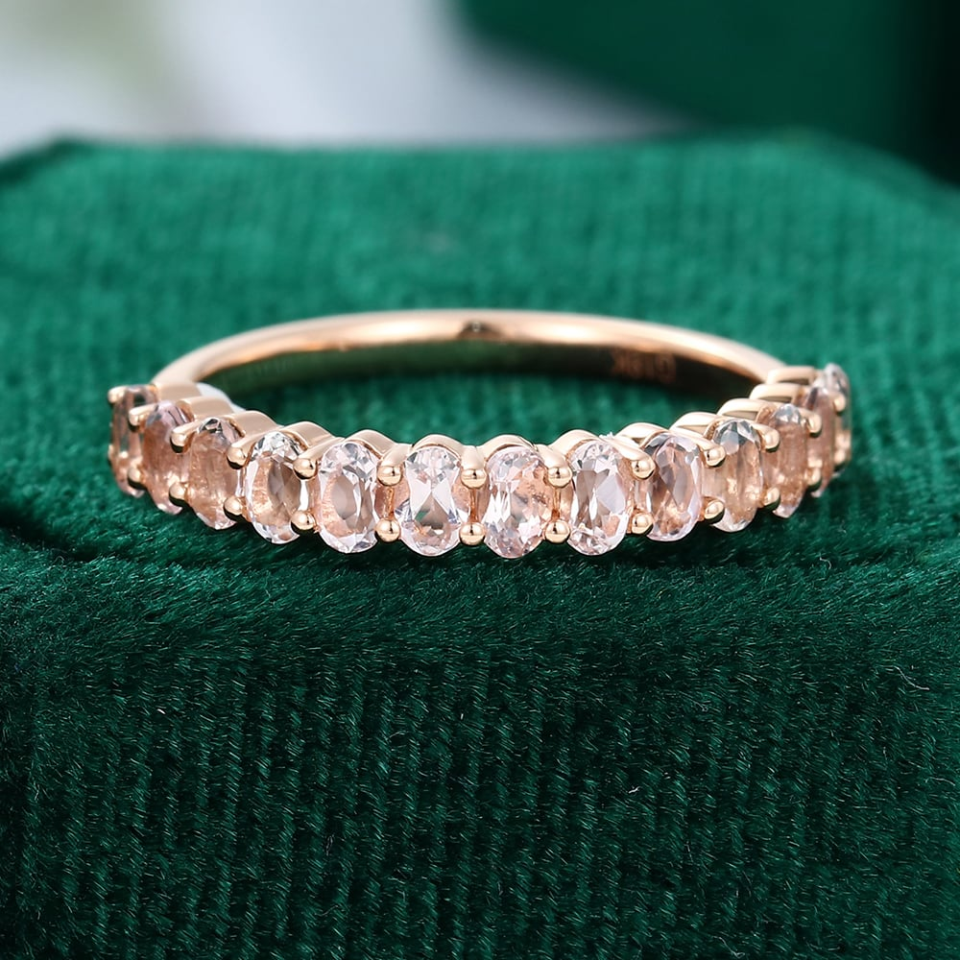
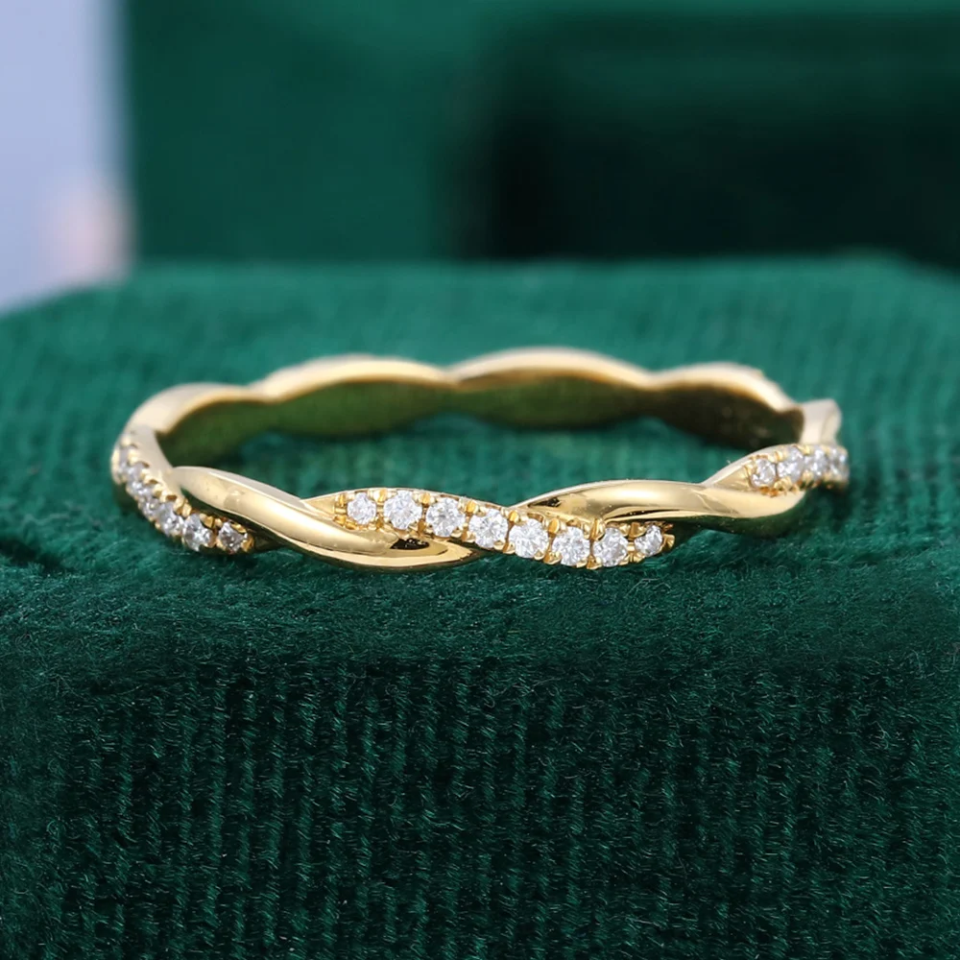
Another key difference is the use of gemstones. Women’s wedding bands often include diamonds or other stones, either as accents or full eternity styles. These add brilliance and enhance the overall design.
Men’s bands are more commonly plain, focusing on metal texture and finish. However, modern designs are increasingly incorporating small diamonds or subtle gemstone details for a more personalized look.
The choice comes down to whether you prefer a ring that stands out visually or one that remains understated and practical.

Style Preferences: Matching vs Individual Expression
Style Preferences: Matching vs Individual Expression
Couples often wonder whether their wedding bands should match. Traditionally, matching sets were common, but today, individual expression is more important.
Some couples prefer coordinated elements, such as the same metal or finish, while others choose completely different styles that reflect their personalities. A delicate, stone-set band can pair beautifully with a bold, minimal band without needing to match exactly.
What matters most is that each ring feels right for the person wearing it.
Lifestyle Considerations
Lifestyle Considerations
Lifestyle plays a major role in determining the best wedding band. A design that looks beautiful may not always be practical for daily wear.
For example, hands-on work, sports, or frequent exposure to water and chemicals may require a simpler, more durable band. Low-profile designs are less likely to snag, while sturdier metals resist wear over time.
Balancing style with practicality ensures your ring remains comfortable and intact through everyday activities.
Where to Buy Men’s and Women’s Wedding Bands
Where to Buy Men’s and Women’s Wedding Bands
Choosing where to buy your wedding bands is just as important as choosing the design itself. At MollyJewelryUS, we focus on creating wedding bands that balance style, comfort, and long-term wearability.
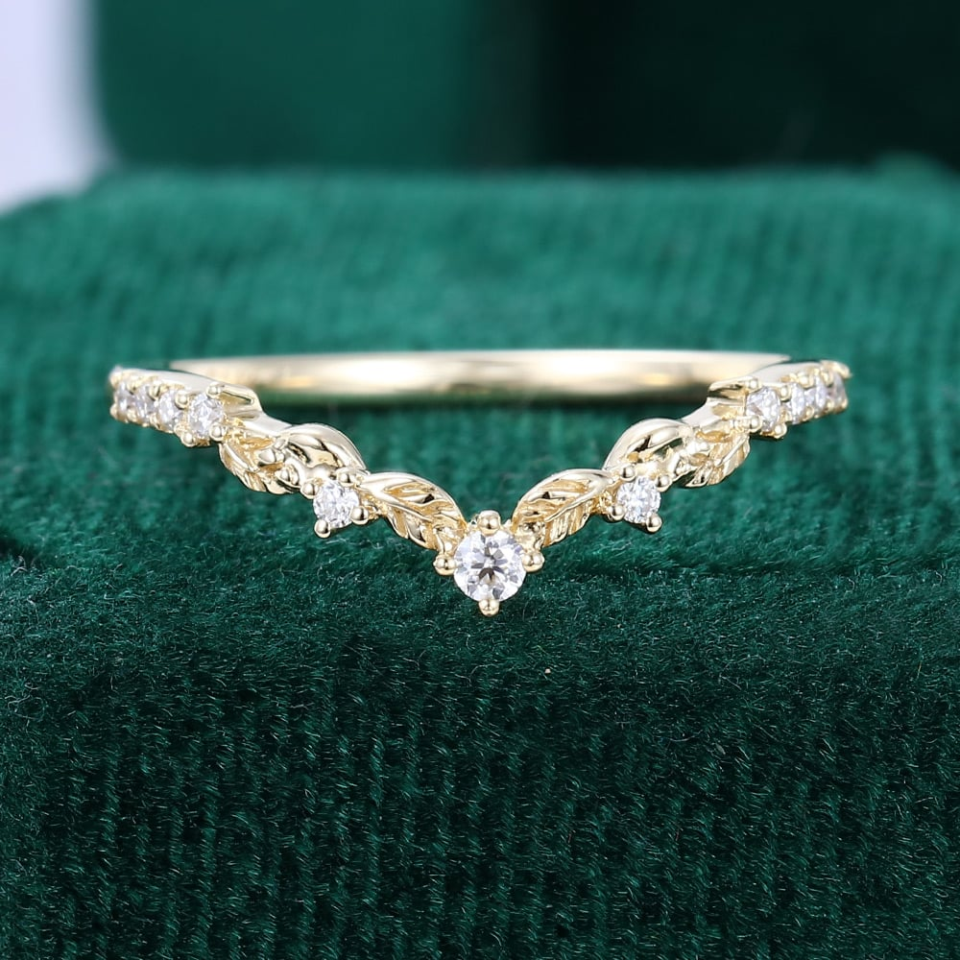
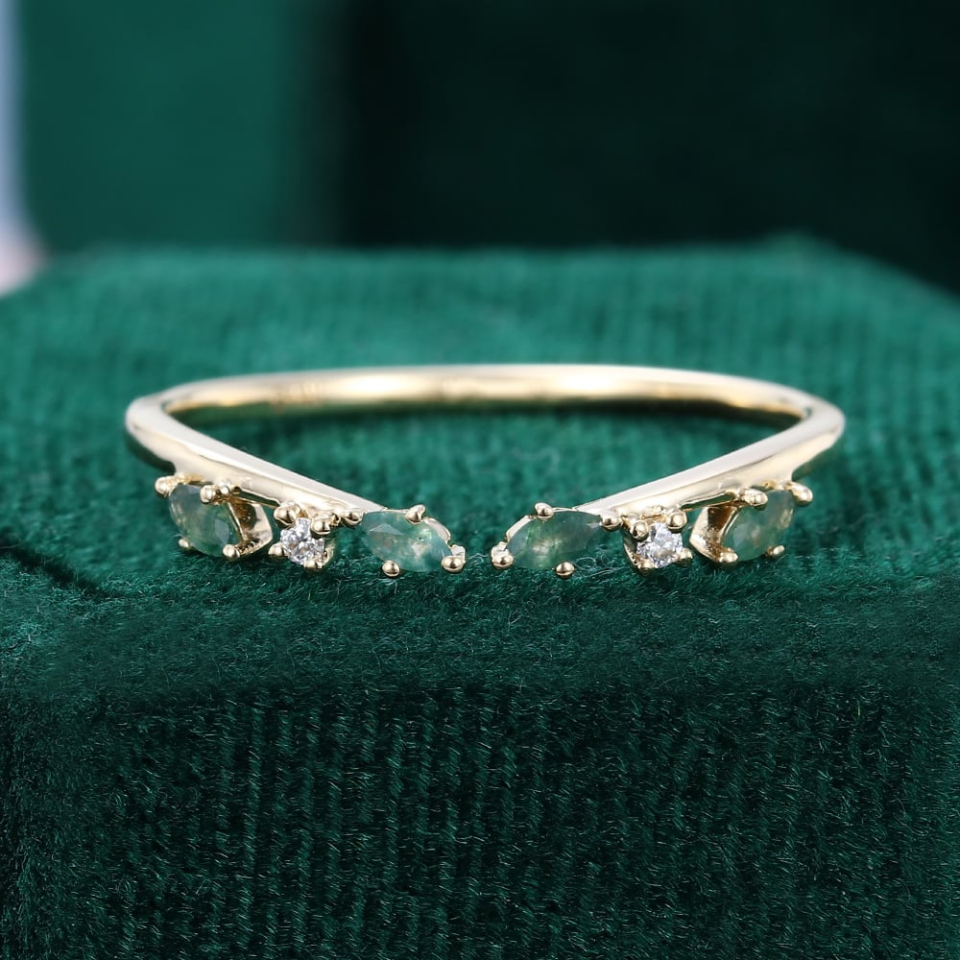
Our collections include both men’s and women’s designs, ranging from minimalist bands to more detailed, gemstone-accented styles. Each ring is handcrafted with attention to proportion and fit, ensuring it feels as good as it looks.
We also offer custom wedding band services, allowing you to adjust width, metal type, curvature, and design details. Whether you want a band that perfectly matches your engagement ring or a unique piece that reflects your personal style, customization gives you full control over the final result.

Final Thoughts
Final Thoughts
Women’s and men’s wedding bands differ in design, fit, and style, but those differences are becoming more flexible over time. Rather than following strict categories, focus on what suits your lifestyle, comfort, and aesthetic preferences.
A well-chosen wedding band should feel natural to wear every day while reflecting your personal style. Taking the time to understand these differences helps you make a decision that you’ll be happy with for years to come.
FAQs
FAQs
What is the main difference between women’s and men’s wedding bands?
Can men wear gemstone wedding bands?
Yes, many modern men’s wedding bands include subtle gemstones or diamonds, depending on personal style preferences.
Do wedding bands for couples have to match?
No, matching is optional. Many couples choose different styles that reflect their individual tastes while sharing a common element like metal type.
Which wedding band is more comfortable for daily wear?
Comfort depends on fit and design rather than gender. Comfort-fit bands with rounded interiors are ideal for everyday wear.