- by MollyJewelryUS
- February 26, 2026
- About Moissanite
Moissanite has become one of the most popular alternatives to diamonds, especially for moissanite engagement rings and everyday jewelry. Many shoppers love its exceptional sparkle and durability, but they often wonder where do moissanites come from and how are they made.
Moissanite has both a cosmic origin and a high-tech laboratory story. While the gemstone was first discovered in meteorites, nearly all moissanite used in modern jewelry is carefully cultivated in advanced laboratories.
This guide explains moissanite’s origin, composition, and creation process, as well as the differences between natural and lab-grown stones, so you can make an informed decision.
The Discovery of Moissanite — A Rare Gemstone
The Discovery of Moissanite — A Rare Gemstone
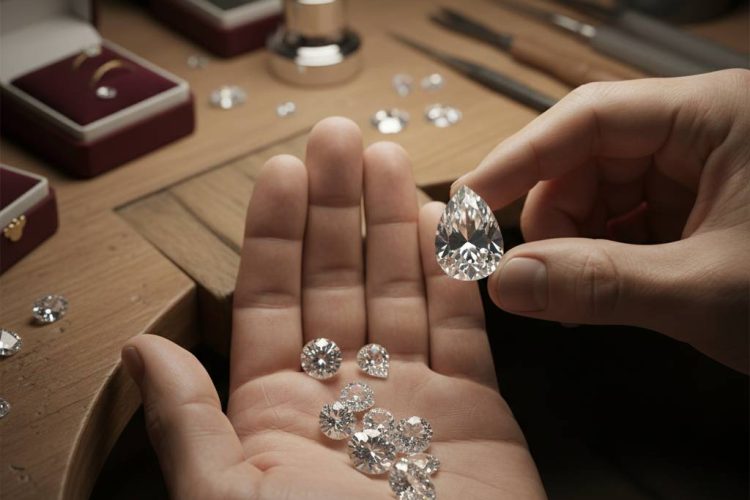
In 1893, French chemist Henri Moissan discovered moissanite. He later won the Nobel Prize in Chemistry. While studying rock samples from a meteor crater in Arizona, Moissan found tiny crystals that resembled diamonds.
These crystals were identified as silicon carbide, a naturally occurring mineral that was named moissanite in his honor.
This explains where moissanite comes from. Many natural moissanite crystals formed under extreme heat and pressure in space and arrived on Earth through meteorites.
However, natural moissanite is extraordinarily rare. Most naturally occurring crystals are microscopic and unsuitable for jewelry, so natural gem-quality moissanite is nearly impossible to find.
Due to this rarity, scientists developed methods to grow moissanite in laboratories, enabling jewelers to offer this remarkable gemstone at affordable prices.
Why Most Moissanite in Jewelry Is Lab-Grown
Why Most Moissanite in Jewelry Is Lab-Grown
If you see a stunning Moissanite ring today, it is almost certainly lab-grown. This isn’t a “fake” stone; it is a real gemstone with the same chemical composition and physical properties.
Because natural moissanite crystals are usually microscopic, scientists developed laboratory methods to produce larger crystals suitable for gemstones. Without laboratory growth, moissanite would remain a scientific curiosity rather than a practical gemstone for jewelry.
Advantages of Lab-Grown Moissanite
Advantages of Lab-Grown Moissanite
1. Affordable Luxury
1. Affordable Luxury
Lab-created moissanite is usually much less expensive than diamonds of a similar size. This allows you to choose larger stones or more detailed settings without exceeding your budget.
2. Ethical and Conflict-Free
2. Ethical and Conflict-Free
Lab-grown moissanite is 100% conflict-free. Since there is no mining involved, concerns about labor practices or supply-chain transparency are eliminated.
3. Environmentally Responsible
3. Environmentally Responsible
Growing moissanite in controlled laboratories avoids large-scale mining operations and reduces environmental disruption.
4. Reliable Quality
4. Reliable Quality
Lab-grown stones are carefully controlled during production, resulting in:
- Excellent clarity
- Consistent color
- Precise cutting potential
- High brilliance
At MollyJewelryUS, we carefully select premium lab-grown moissanite stones that meet strict standards for brilliance and durability. This ensures that every piece is designed for long-term wear.
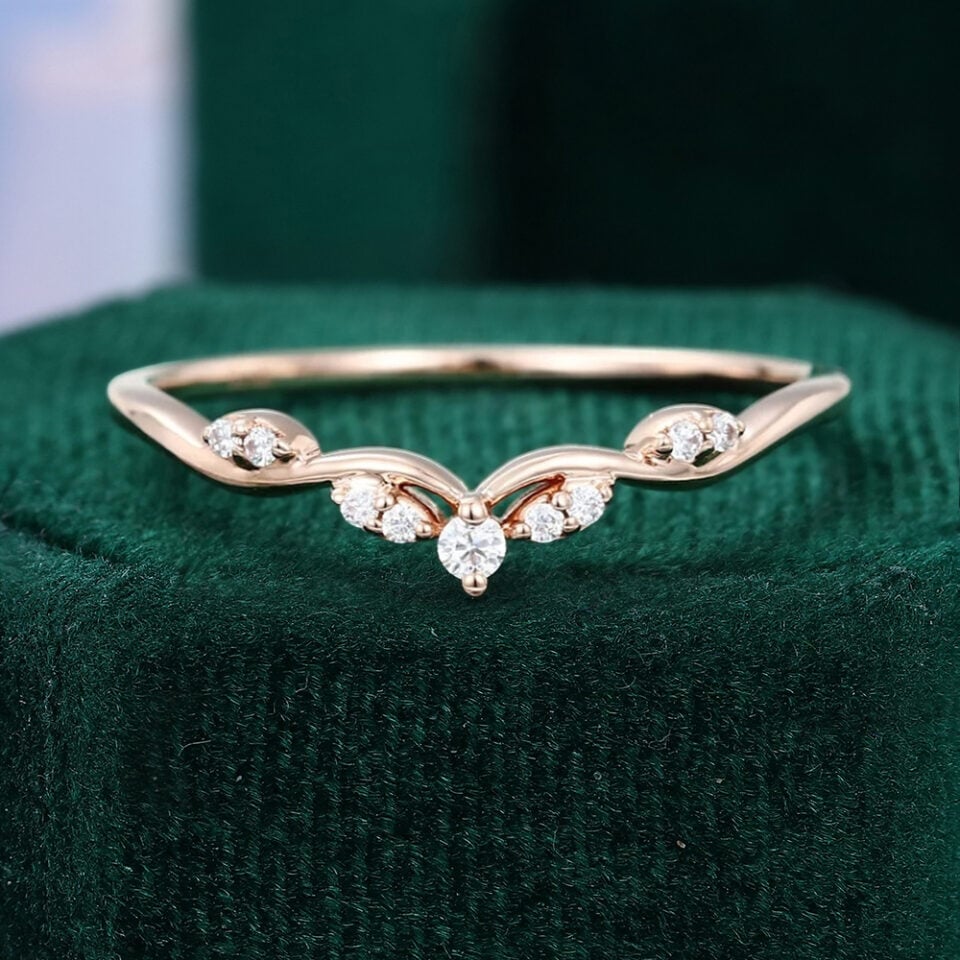
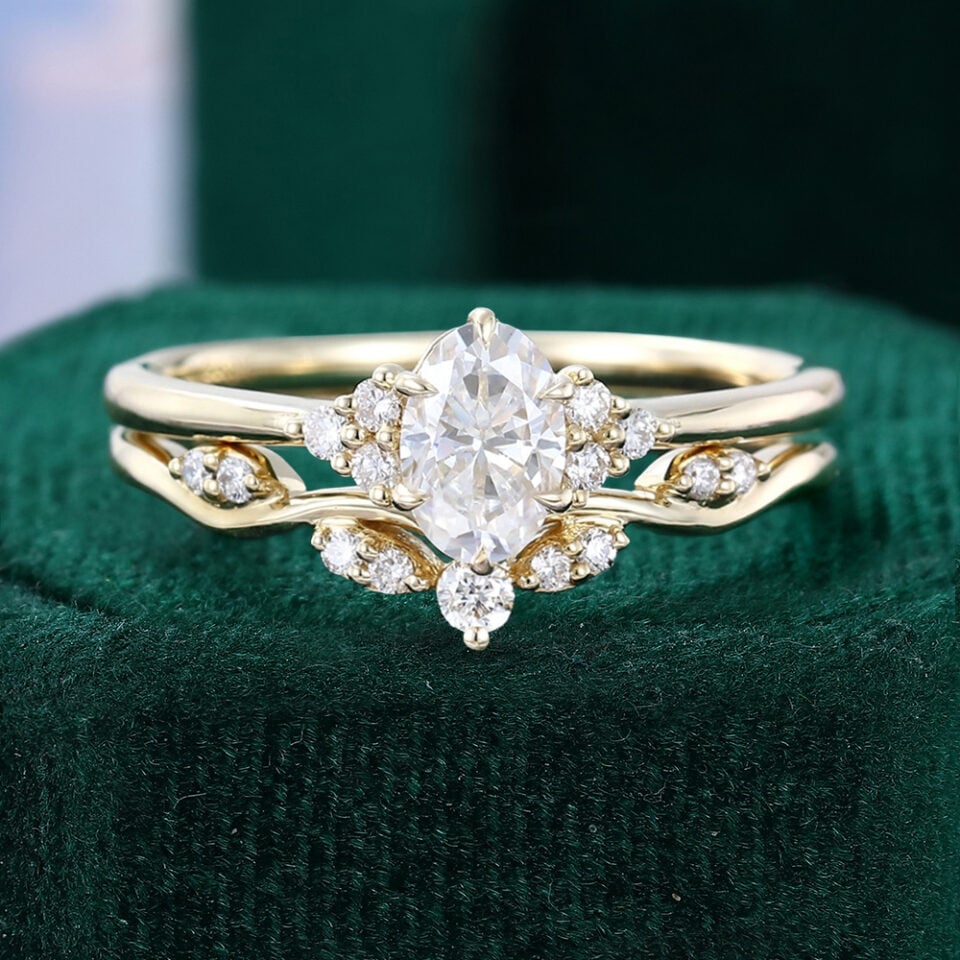
What is Moissanite Made Of?
What is Moissanite Made Of?
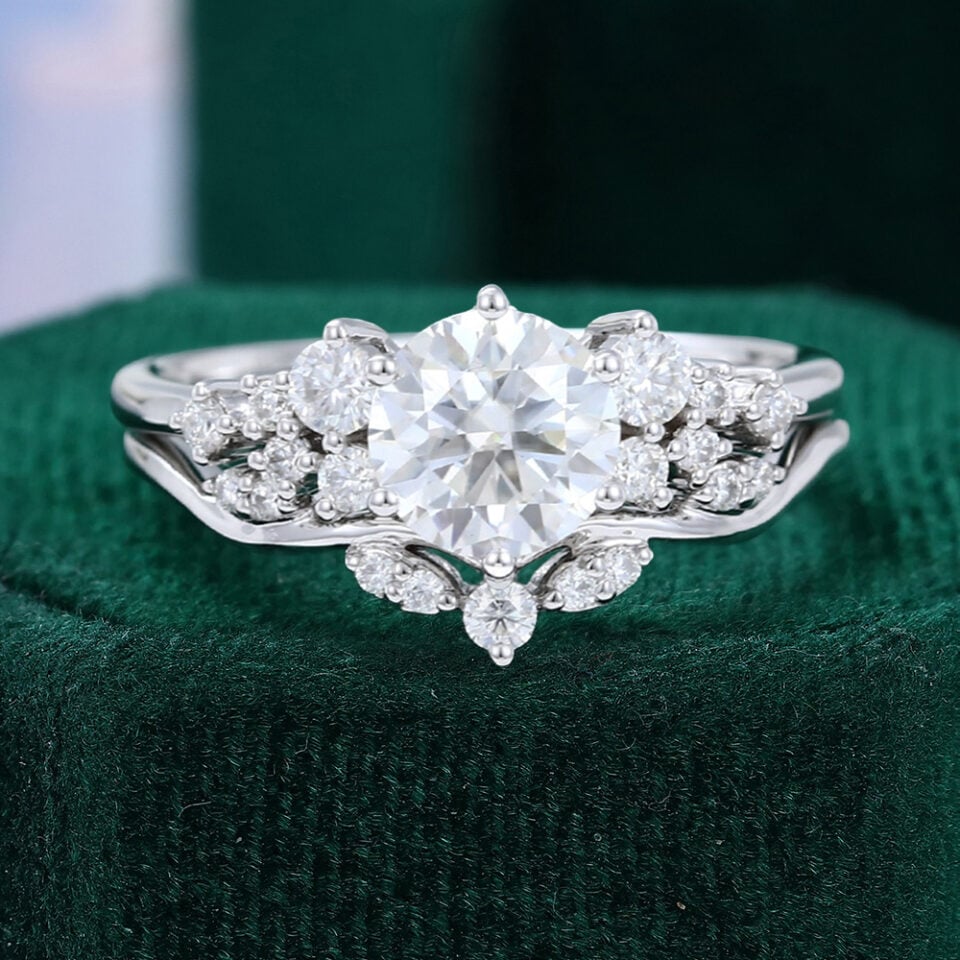
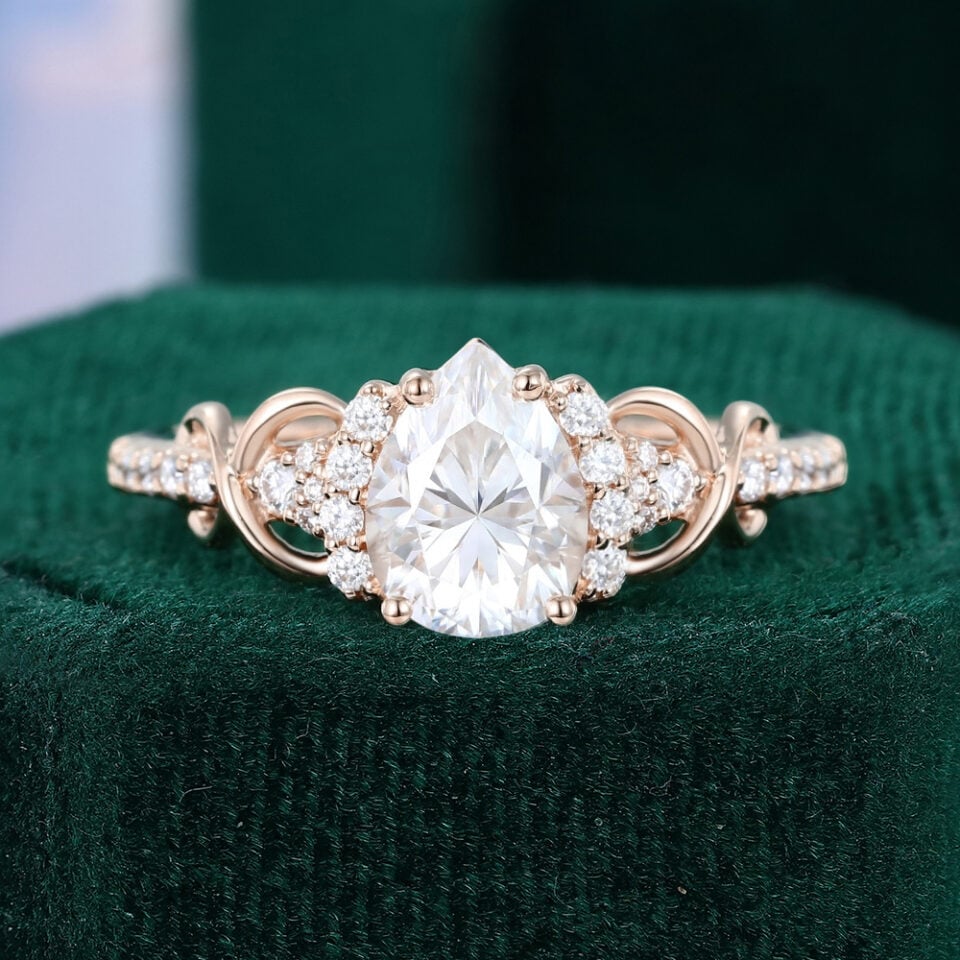
In simple terms, it is a gemstone made of silicon carbide, which gives it its exceptional hardness and brilliance.
This structure gives moissanite its exceptional physical properties.
- Hardness: Moissanite ranks 9.25 on the Mohs scale, making it one of the hardest gemstones used in jewelry. Only diamonds rank higher.
- Brilliance and Fire: Moissanite has a higher refractive index than diamonds, producing an intense sparkle and rainbow flashes.
- Durability: Moissanite resists scratching and chipping, making it ideal for engagement rings and daily wear.
- Heat Resistance: Silicon carbide’s excellent thermal stability helps moissanite withstand normal jewelry repair and cleaning processes.
These qualities make moissanite especially suitable for engagement rings and everyday jewelry.
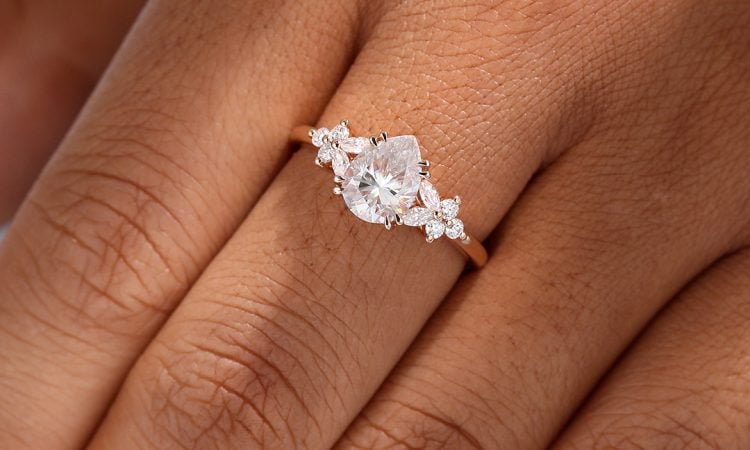
How Is Moissanite Made?
How Is Moissanite Made?
Most moissanite used in jewelry today is lab-grown, and many shoppers ask how it is made and if it is always lab-created.
The process begins with purified silicon and carbon, which are heated to extremely high temperatures inside specialized furnaces. Under carefully controlled conditions, these elements slowly form silicon carbide crystals, which become moissanite.
Crystal growth typically takes several weeks. Once the crystals are large enough, they are cut and polished into gemstone shapes, such as rounds, ovals, and cushions. Each stone is then inspected for clarity, color, and brilliance before being set in jewelry.
Despite its complex manufacturing process, the finished gemstone behaves exactly like natural moissanite.
Lab Moissanite vs. Natural Moissanite
Lab Moissanite vs. Natural Moissanite
Although moissanite exists in nature, nearly all moissanite used in jewelry today is lab-grown. The table below outlines the key differences between the two.
| Feature | Natural Moissanite | Lab-Grown Moissanite |
|---|---|---|
| Origin | Formed naturally in meteorites or rare geological environments | Created in controlled laboratory conditions |
| Availability | Extremely rare and usually microscopic | Widely available in jewelry-quality sizes |
| Use in Jewelry | Rarely used due to scarcity | Used in nearly all modern moissanite jewelry |
| Chemical Composition | Silicon carbide (SiC) | Silicon carbide (SiC) |
| Appearance | Identical to lab-grown stones | Identical to natural stones |
| Durability | Very durable (Mohs 9.25) | Very durable (Mohs 9.25) |
| Price | Extremely expensive and difficult to source | Affordable and consistent in quality |
| Ethical Impact | Requires mining when available | Conflict-free and no mining required |
Lab-grown moissanite is superior for consumers because it offers the clarity and size required for high-end jewelry.
Final Thoughts
Final Thoughts
Understanding where and how moissanite is made helps explain why this gemstone has become such a popular choice for modern jewelry.
At MollyJewelryUS, we specialize in thoughtfully designed moissanite jewelry that combines craftsmanship with carefully selected stones. If you’re looking for a ring that reflects your values and style, explore our affordable moissanite rings, which are designed for everyday wear and lasting brilliance. A moissanite ring isn’t just a purchase—it’s a piece of cosmic history reimagined for the modern world.
FAQs - Moissanite Origin & Making
FAQs - Moissanite Origin & Making
How Long Does it Take to Make a Lab-Grown Moissanite?
It typically takes 2-3 months to grow a single batch of high-quality moissanite crystals. The process cannot be rushed. If the temperature fluctuates even slightly, the crystal will develop cloudy inclusions.
Can You Tell the Difference Between Real and Lab-Grown Moissanite?
Chemically and optically, they are identical. However, because natural moissanite only exists as tiny grains, any moissanite large enough to be set in a ring is definitely lab-grown.
Is Lab-Created Moissanite Good?
Absolutely. On the Mohs scale of hardness, moissanite scores a 9.25. This makes it one of the hardest substances on Earth and perfect for daily wear in an engagement ring. It will never scratch or become cloudy over time.
Are All Moissanites in Jewelry Lab-Grown?
Almost all moissanite used in modern jewelry is lab-grown. If a jeweler claims to sell “natural mined moissanite” for an engagement ring, proceed with caution. Authentic natural moissanite is a museum-grade rarity, not a commercial gemstone.