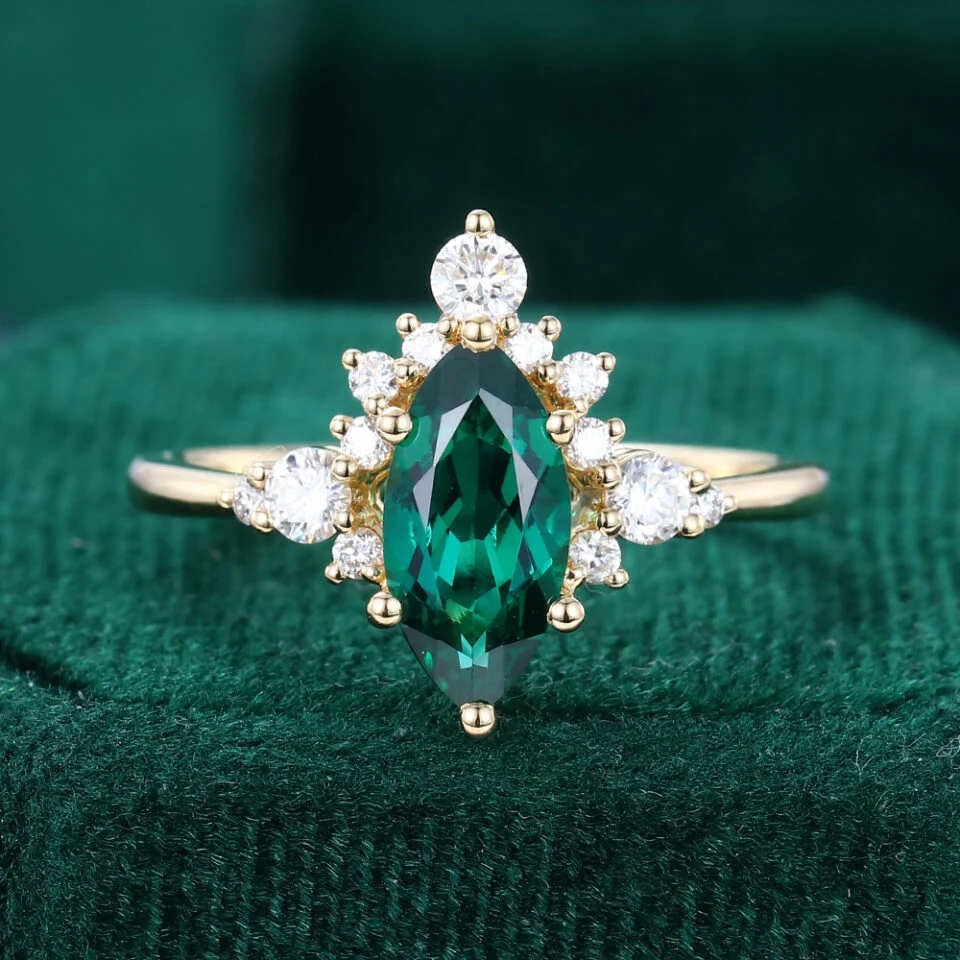
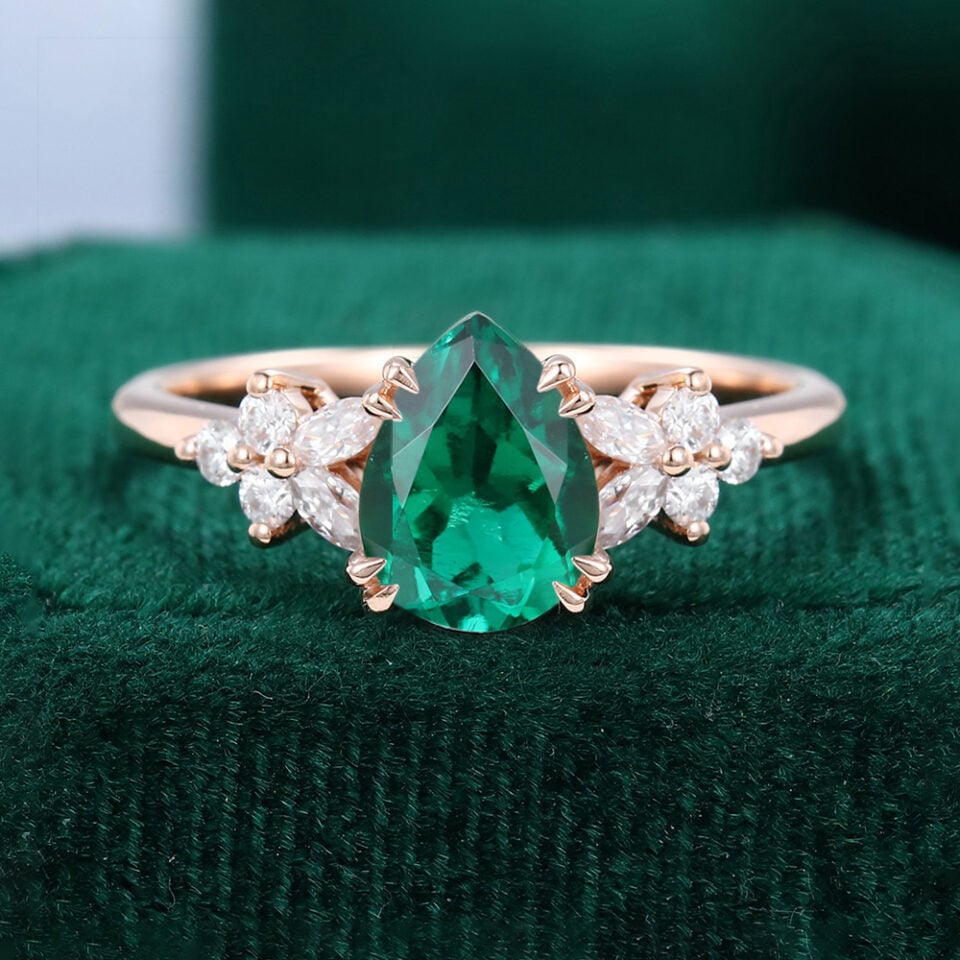
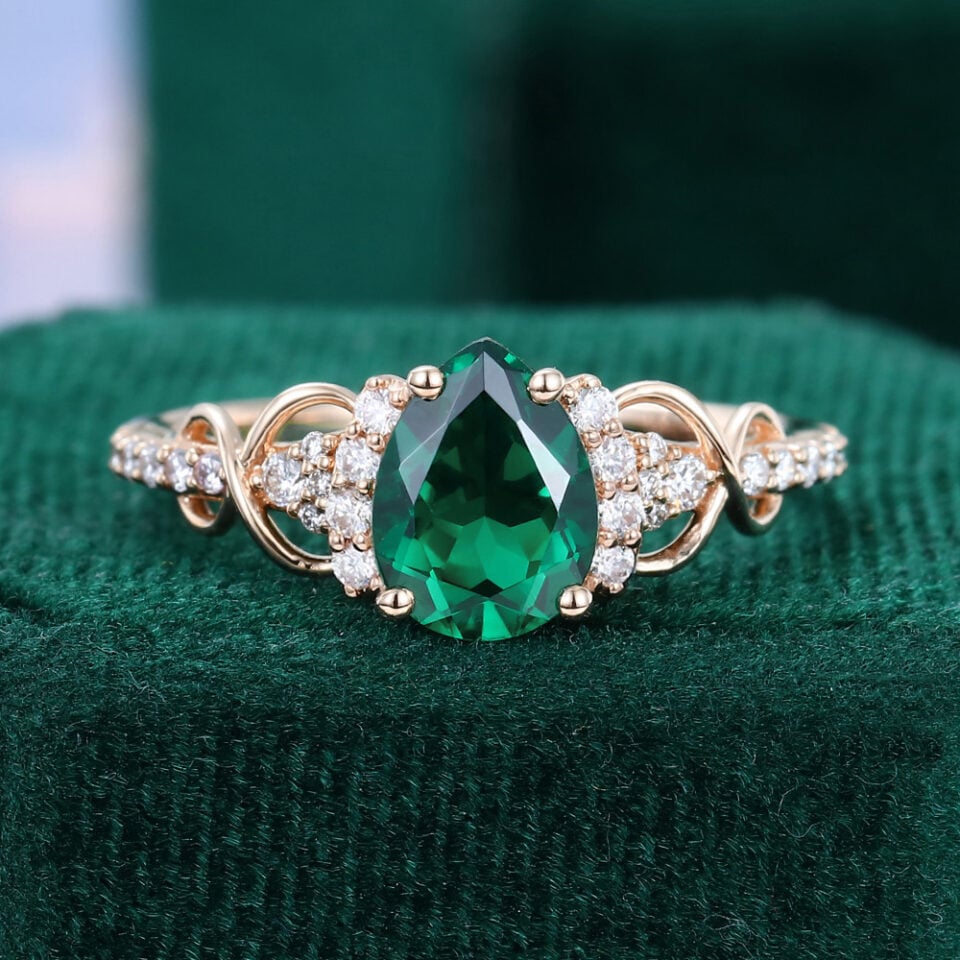
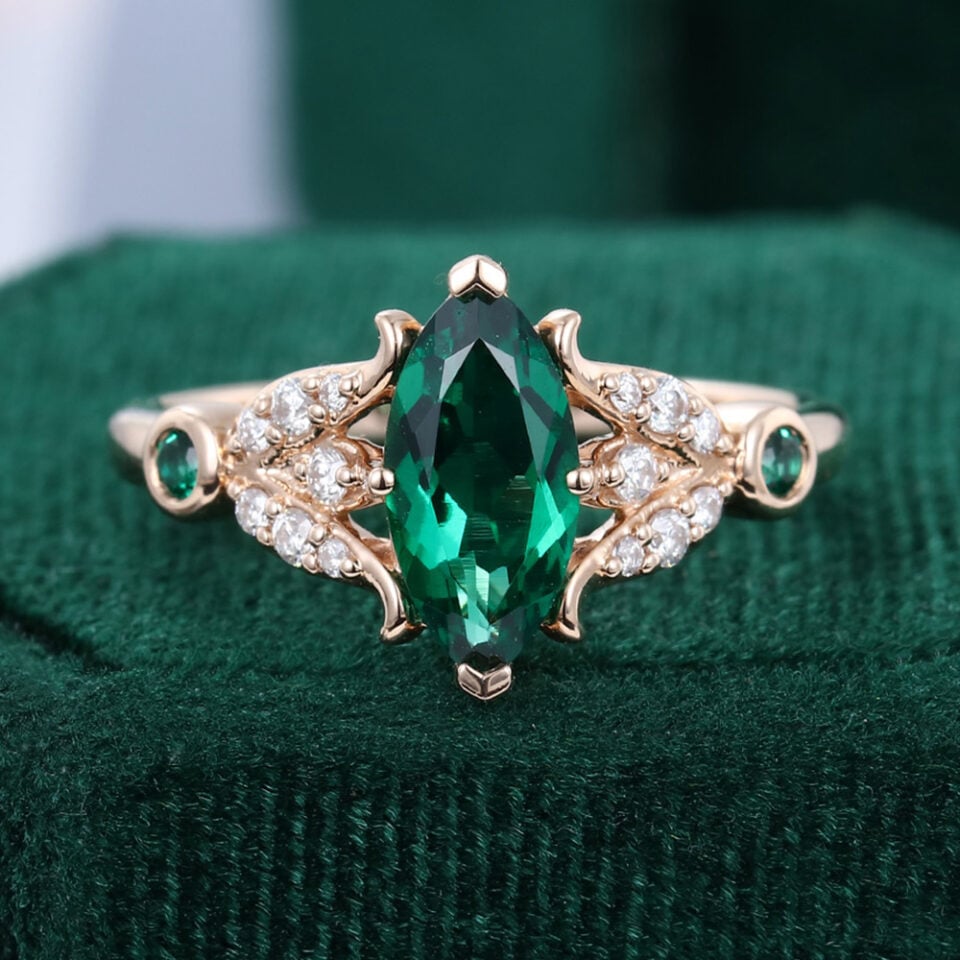
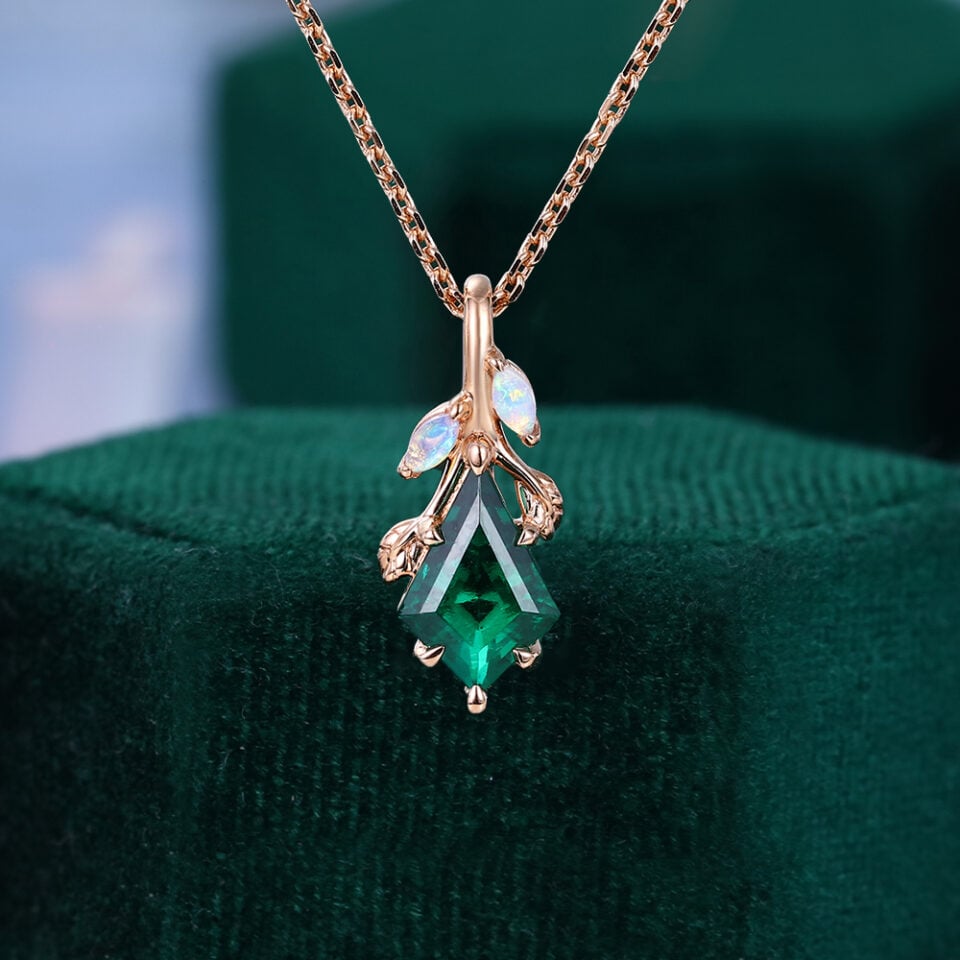
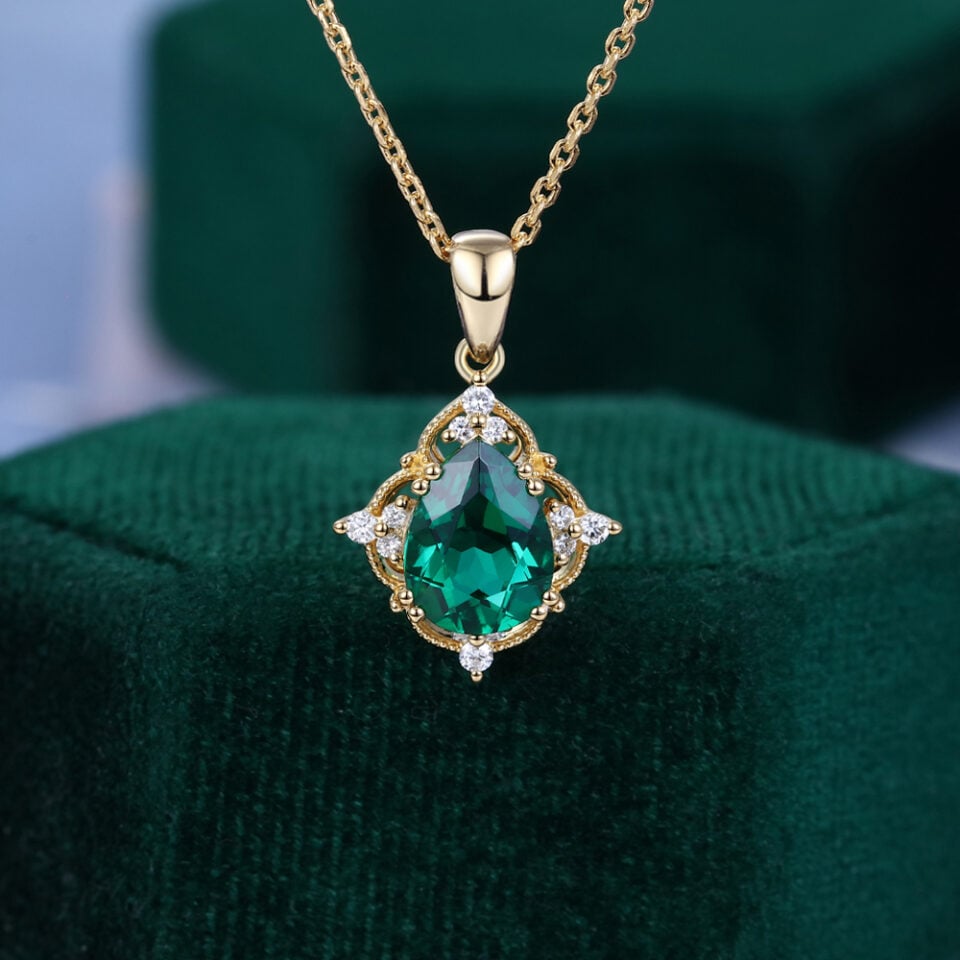
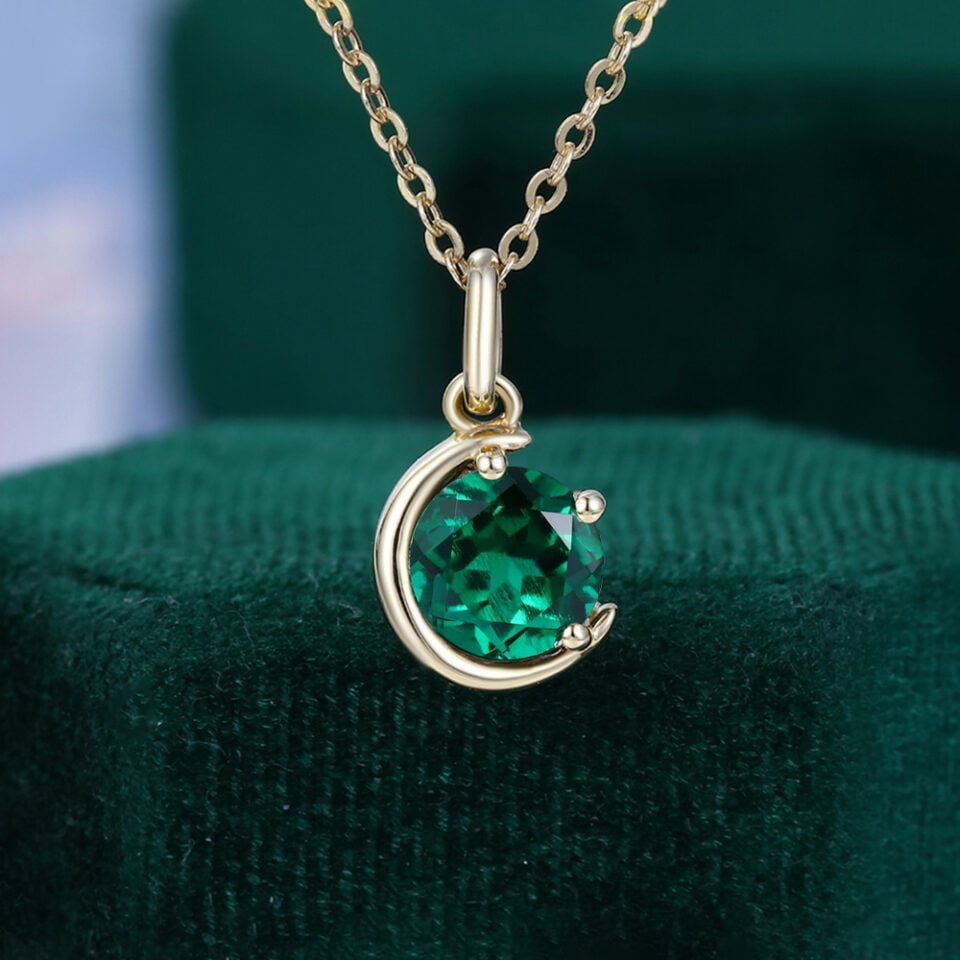
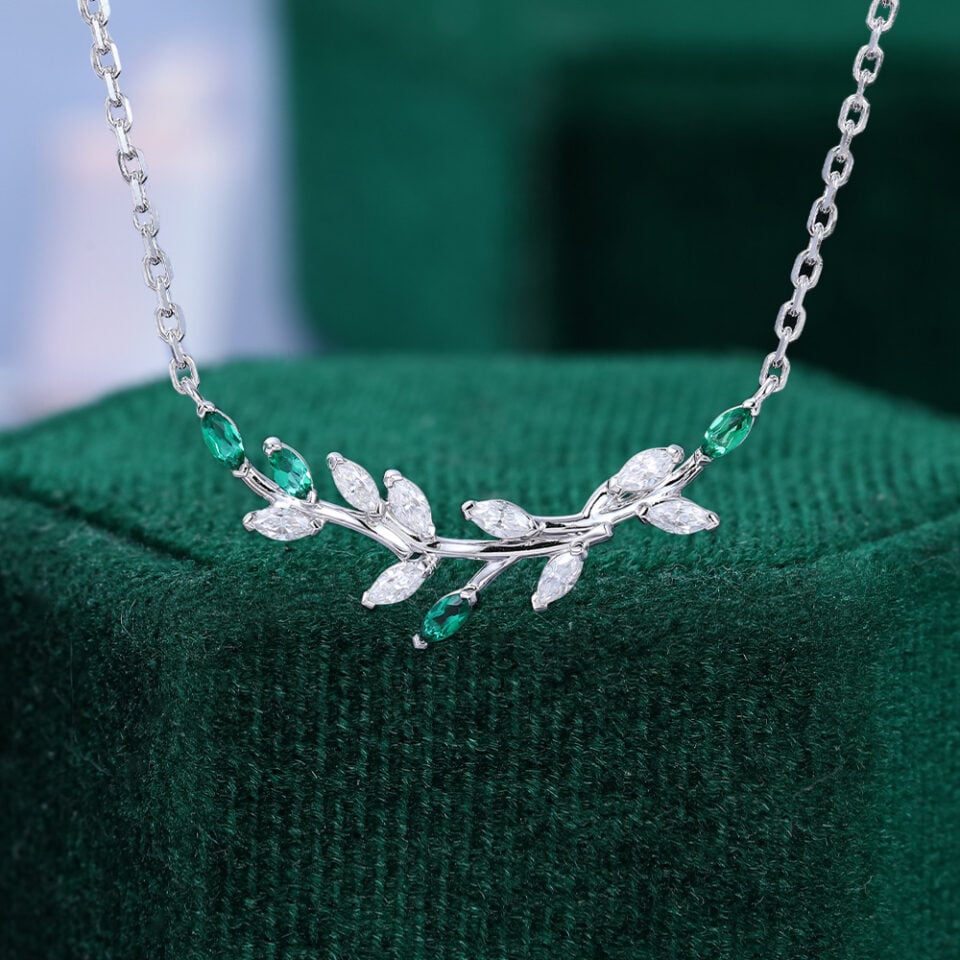
Emeralds are often described as one of the most valuable colored gemstones—but not all emeralds are valued the same. Two stones of similar size can differ dramatically in price, beauty, and long-term wearability. So what actually makes an emerald valuable?
For jewelry buyers, emerald value goes beyond rarity or carat weight. It’s about color presence, visual balance, durability, and how the stone performs once it’s set and worn. This guide breaks down the key factors that influence emerald value—and how to choose an emerald that truly feels worth it.
What Does “Valuable” Mean When It Comes to Emeralds?
When people ask whether emeralds are valuable, they’re often mixing up different types of value. In fine jewelry, emerald value typically falls into three categories:
Market value – how rarity and demand affect price
Visual value – how rich, vibrant, and dimensional the emerald appears
Wearable value – how well the emerald holds up in everyday jewelry
A truly valuable emerald balances all three. This perspective is especially important when choosing emerald jewelry rather than loose stones. If you’re new to emeralds, our emerald jewelry guide offers a helpful foundation.
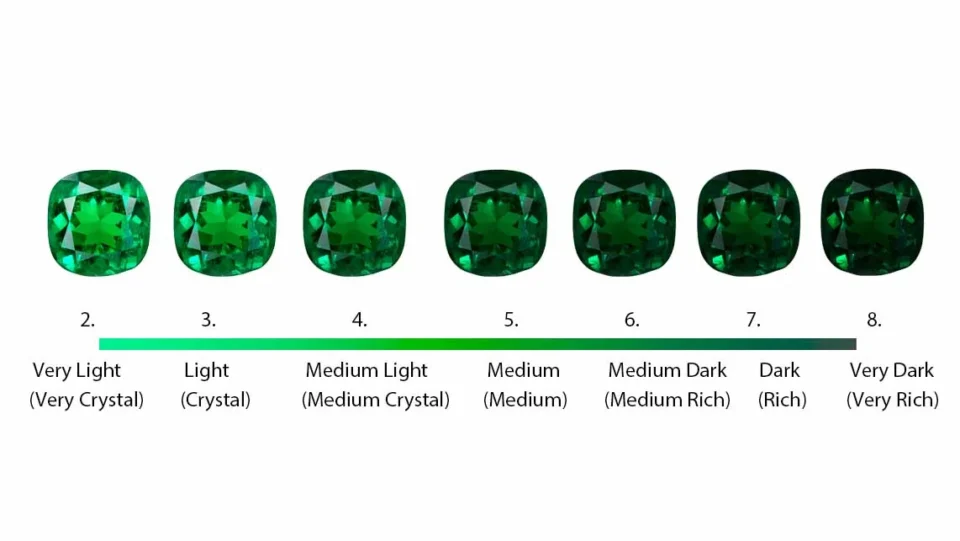
Color is the single most important factor in determining emerald value. The most valuable emeralds display a rich, saturated green with strong presence—but without looking overly dark or neon-bright.
Highly valued emeralds strike a balance:
Hue: Pure green, sometimes with a subtle bluish undertone
Tone: Medium to medium-dark, not inky or dull
Saturation: Vivid and lively, rather than flat
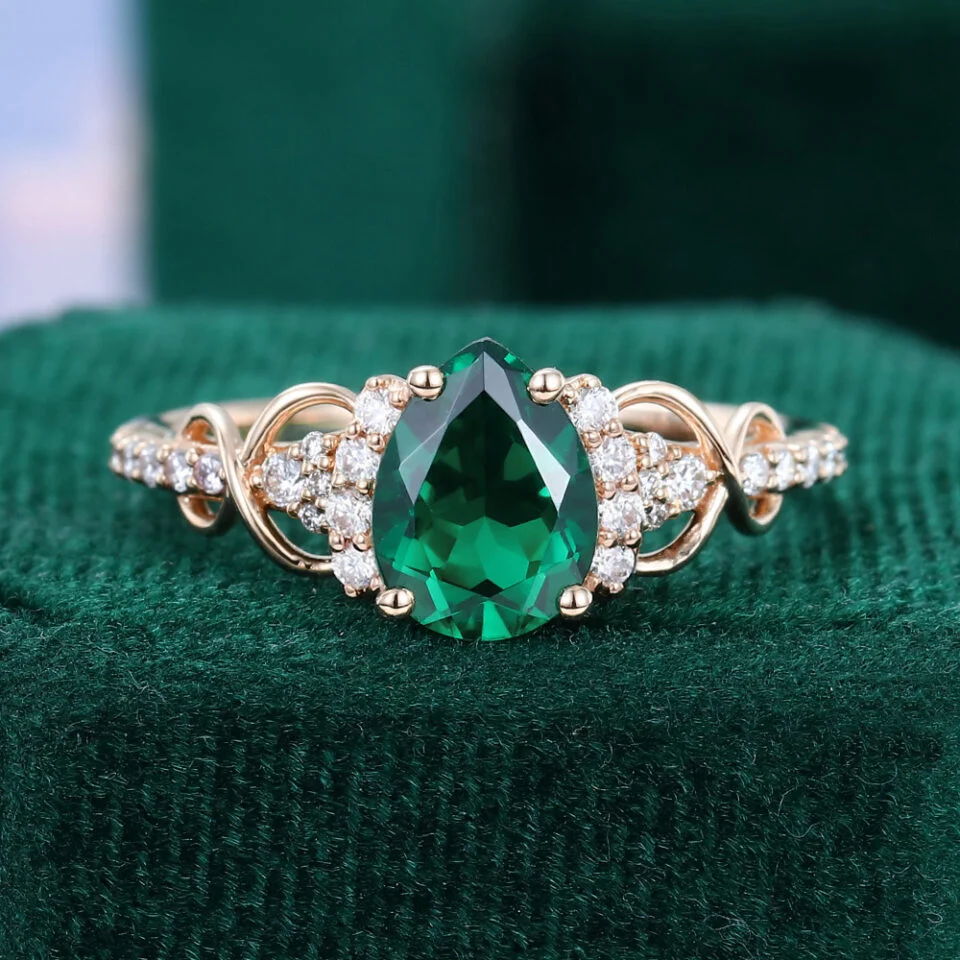
In jewelry, the right color doesn’t just look beautiful—it enhances the entire design. This is why emerald engagement rings often prioritize color harmony over sheer size.
Clarity: Why Emeralds Are Valued Differently from Other Gems
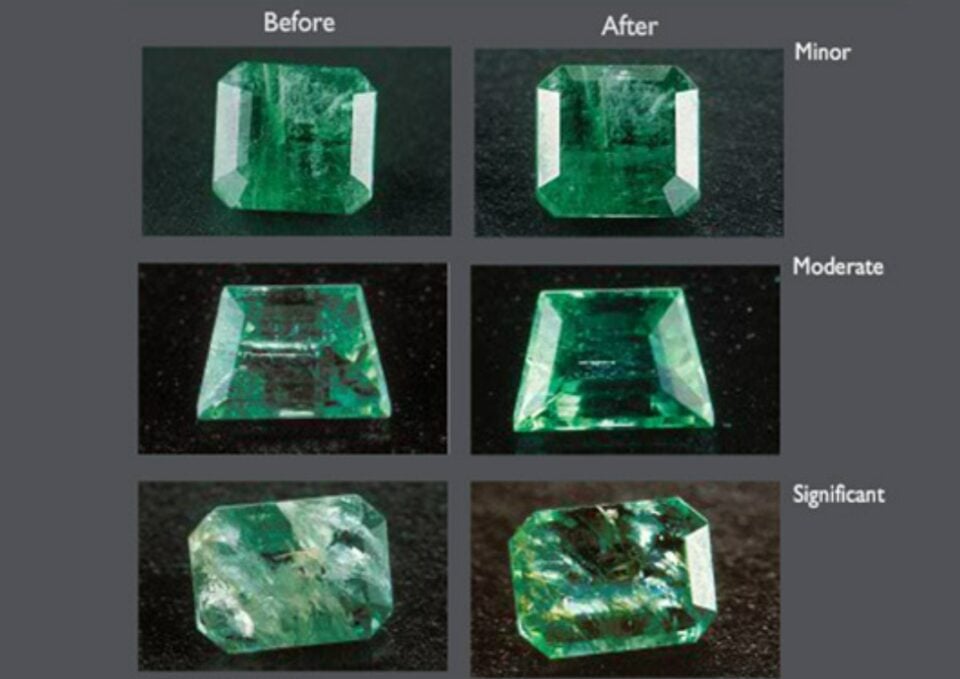
Unlike diamonds or sapphires, emeralds are expected to have inclusions. These natural internal features—often called jardin—are part of what defines a real emerald.
What matters for value is how those inclusions affect appearance and durability, not whether they exist at all. An emerald with visible inclusions can still be highly valuable if it maintains strong color, transparency, and structural integrity.
This clarity standard is one reason emeralds feel more organic and individual than many other gemstones. If you’re curious how this compares across stones, our sapphire quality guide offers an interesting contrast.
Cut: How Cut Shapes Beauty, Durability, and Value
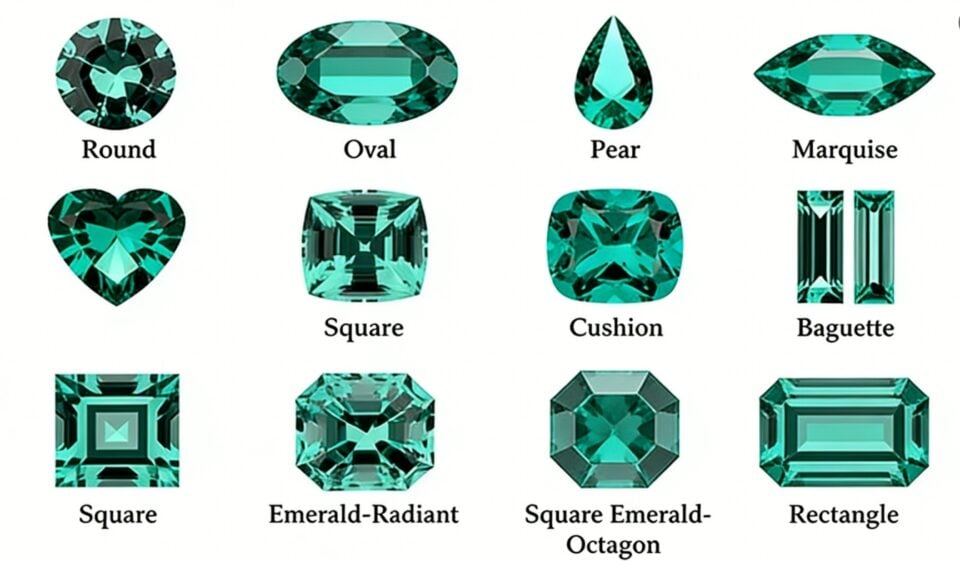
Cut has a direct impact on emerald value—not just visually, but structurally. A well-executed cut enhances color depth, minimizes the appearance of inclusions, and protects the stone from unnecessary stress.
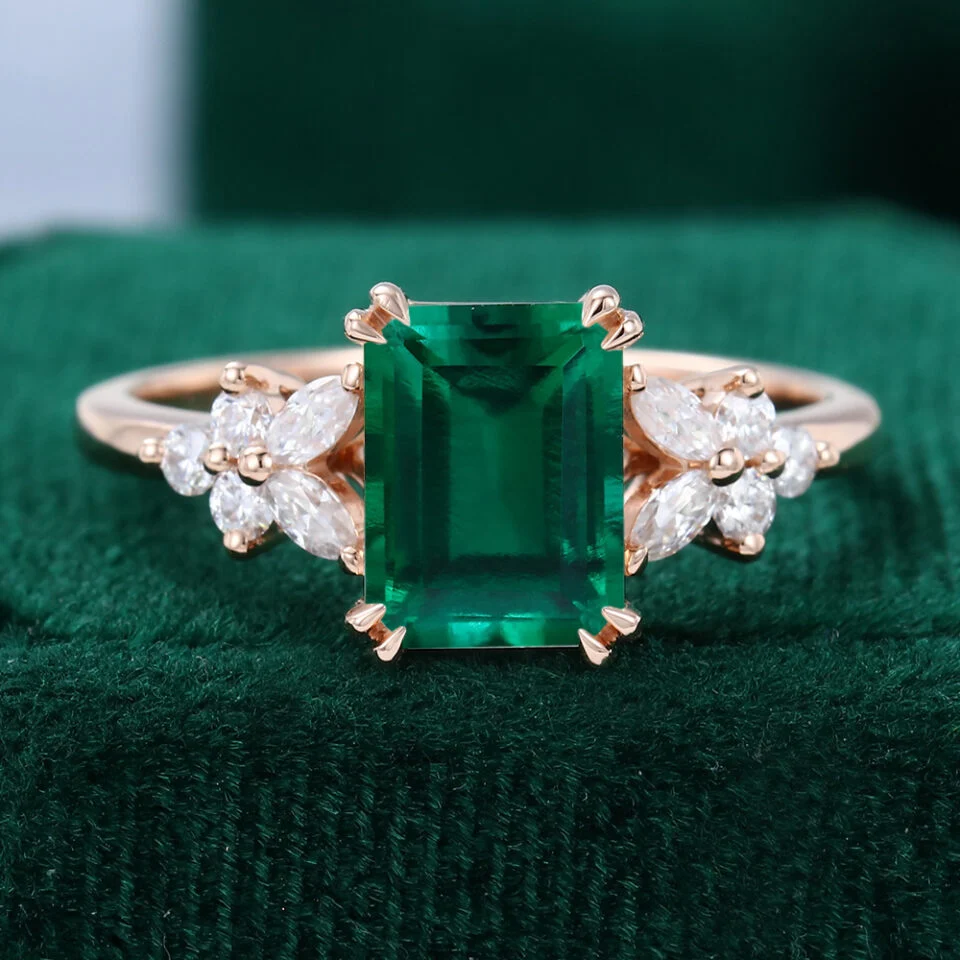
That’s why the classic emerald cut remains one of the most valuable choices. Its step-cut facets showcase color evenly while reducing pressure on the stone’s corners. In fine jewelry, this balance of beauty and durability makes it especially desirable. You can see how this translates into design in our emerald cut emerald engagement rings collection.
Carat Weight: Why Bigger Isn’t Always More Valuable
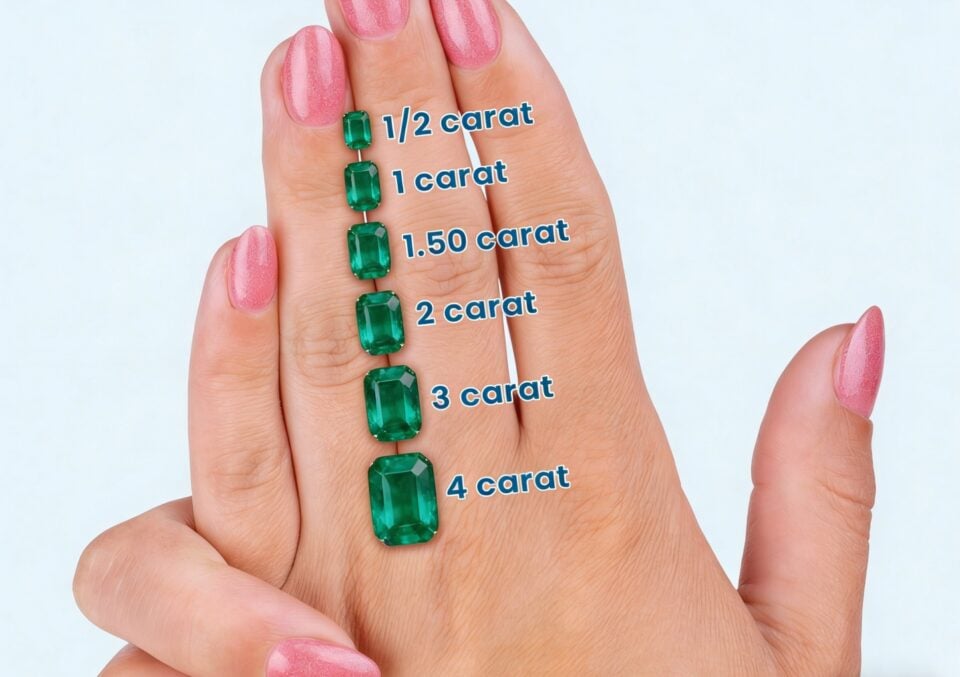
Carat weight influences emerald price, but size alone does not guarantee value. Two emeralds of the same carat weight can vary widely in worth depending on color intensity, cut quality, and overall balance.
In jewelry, a slightly smaller emerald with superior color and cut often appears more striking—and feels more valuable—than a larger stone with weak saturation or poor proportions. This is why experienced buyers focus on visual impact rather than numbers alone.
Natural vs Lab-Grown Emeralds: How Value Is Viewed Today
Both natural and lab-grown emeralds can be real and valuable—but in different ways.
Natural emeralds are valued for rarity, individuality, and long-term prestige.
Lab-grown emeralds are valued for consistency, clarity, and accessibility, making them especially appealing for everyday fine jewelry.
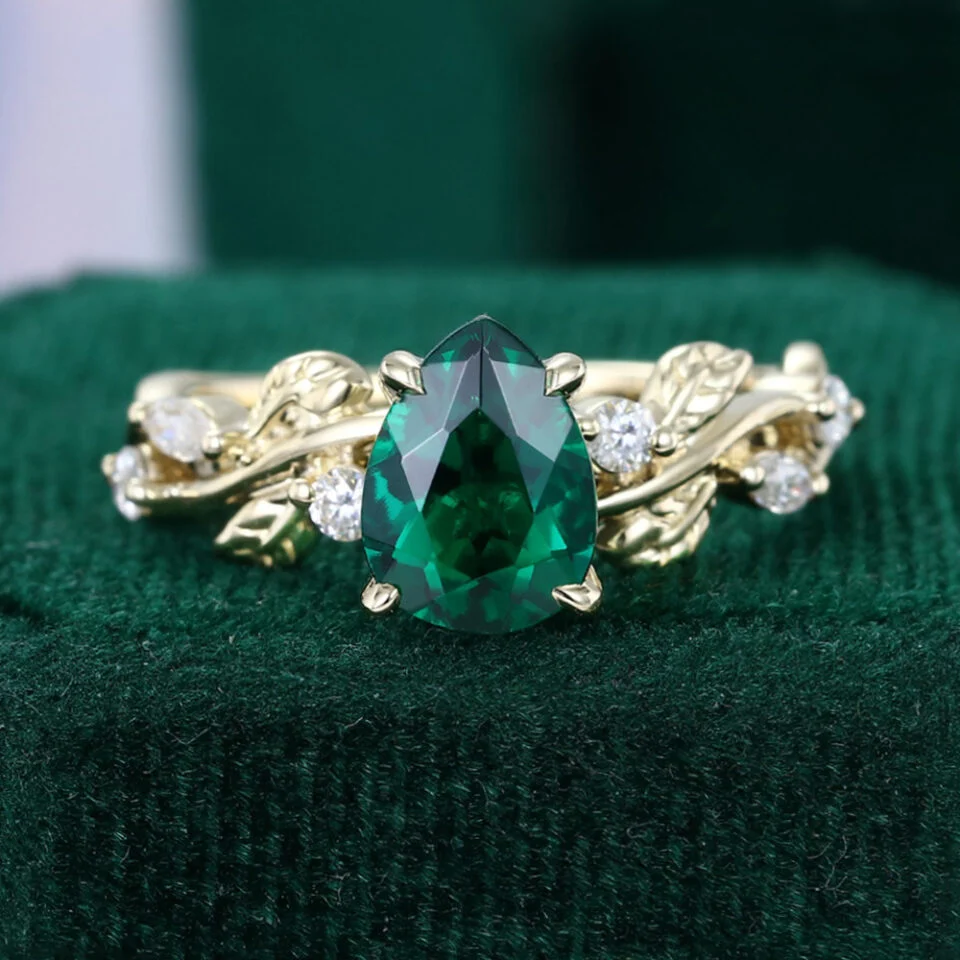
In engagement rings and modern designs, lab-grown emeralds are increasingly chosen for their visual strength and practical value. Natural emeralds, on the other hand, often appeal to those who prioritize rarity and heritage. Neither is inherently “better”—value depends on what you want from your jewelry.
The most valuable emerald isn’t necessarily the most expensive one—it’s the one that aligns with how you’ll wear it.
When choosing emerald jewelry, consider:
How often the piece will be worn
Whether the cut supports durability
How the color performs in natural light
Whether natural or lab-grown best suits your lifestyle
Thoughtfully designed collections like emerald engagement rings and emerald rings are a great place to start.
Final Thoughts: Choosing an Emerald That’s Truly Valuable
Emerald value isn’t defined by one factor—it’s shaped by how color, clarity, cut, and purpose come together. Whether you’re drawn to the rarity of natural emeralds or the refined beauty of lab-grown stones, the most valuable emerald is the one that balances beauty, durability, and meaning.
Explore emerald jewelry with confidence, and choose a piece that feels as valuable as it looks.