
- by MollyJewelryUS
- January 20, 2026
- Buying Guides, Gemstone Education
Sapphire is one of the world’s most treasured gemstones, known for its remarkable durability, rich symbolism, and captivating colors. Yet beyond its famous blue hue, many people still ask a fundamental question: what is sapphire, and why has it remained so valuable throughout history?
Sapphire belongs to the corundum family of gemstones and has been worn by royalty, admired across cultures, and increasingly chosen for engagement rings and fine jewelry. In this comprehensive guide, we’ll explore what sapphire truly is, its meaning and history, how to evaluate its quality and value, and how to choose the right sapphire for jewelry with confidence.
Table Of Contents:
- What Is Sapphire?
- The Meaning and Symbolism of Sapphire
- The History of Sapphire Through the Ages
- Sapphire Colors Explained
- Where Do Sapphires Come From?
- Natural vs Lab-Grown Sapphire
- How Sapphire Quality Is Evaluated (The 4Cs)
- How Much Is Sapphire Worth?
- Sapphire in Jewelry
- How to Care for Sapphire Jewelry
- Final Thoughts
- Related FAQs
What Is Sapphire?
A natural sapphire is formed deep within the earth under intense heat and pressure over millions of years.
These gemstones are mined from regions such as:
Sri Lanka
Madagascar
Montana
Every natural sapphire is unique, often featuring subtle inclusions or tonal variations. These characteristics are not flaws — they are natural fingerprints that make each stone one-of-a-kind.
✨ For many couples, natural sapphires symbolize tradition, rarity, and timeless romance.
The Meaning and Symbolism of Sapphire
Throughout history, sapphire has symbolized wisdom, loyalty, truth, and protection. Ancient civilizations believed sapphires could guard against harm and bring clarity of mind. In medieval times, clergy and royalty wore sapphires to represent divine favor and moral integrity.
Today, sapphire’s symbolism makes it especially meaningful in engagement rings. It represents:
Faithfulness and trust
Emotional depth and commitment
A love built to endure
These qualities explain why sapphire engagement rings continue to grow in popularity among modern couples.
The History of Sapphire Through the Ages
Sapphire’s history spans thousands of years. Ancient Persians believed the sky was painted blue by reflections from sapphire stones. In ancient Greece and Rome, sapphires were worn for protection and spiritual insight.
During the Middle Ages, sapphires became a symbol of royalty and the church. Many crowns, rings, and religious artifacts were adorned with sapphires. In more recent history, sapphire gained renewed attention when royal engagement rings — including Princess Diana’s iconic sapphire ring — brought the gemstone back into the global spotlight.
Sapphire Colors Explained
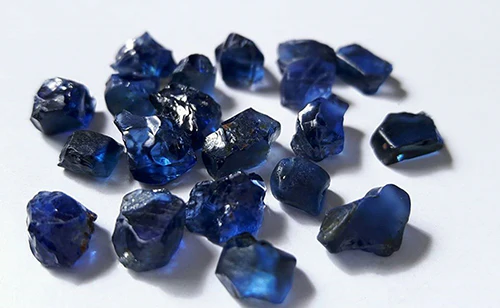
While blue sapphire is the most well-known, sapphire occurs in a stunning range of colors. These are often referred to as “fancy sapphires.”
Common sapphire colors include:
Each color carries its own personality and appeal. Color is also the most important factor in determining sapphire value. For a deeper breakdown of hues and undertones, explore our sapphire color guide.

Where Do Sapphires Come From?
Sapphires are mined in several regions around the world, each producing stones with unique characteristics. Major sapphire sources include:
Sri Lanka – Known for bright, lively colors
Madagascar – Wide color range with excellent saturation
Montana (USA) – Earthy blues and greens
While origin can influence style and market perception, beauty and quality always matter more than geography alone.
Natural vs Lab-Grown Sapphire
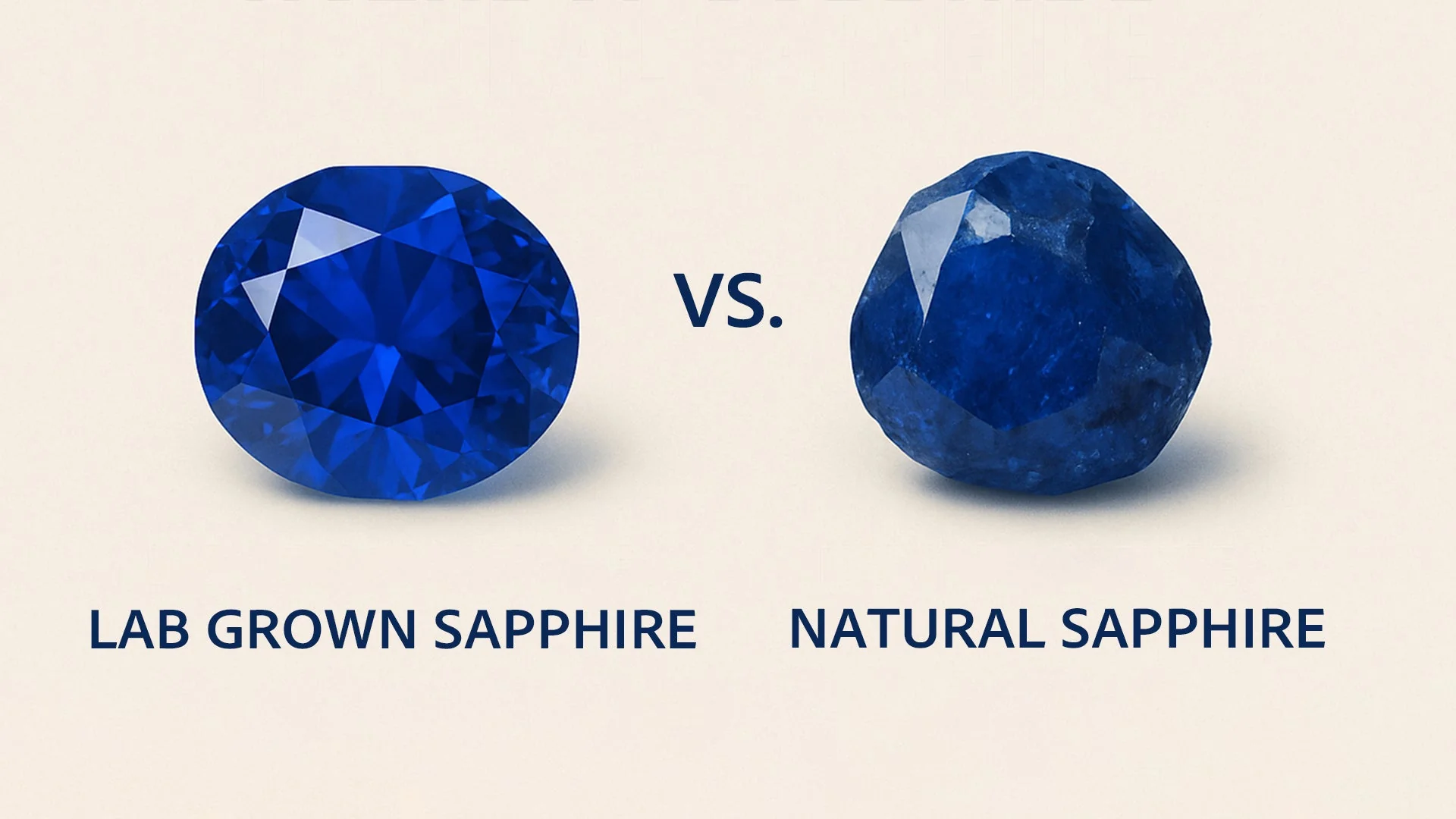
Sapphires can be either natural or lab-grown, and both are genuine gemstones.
Natural sapphires are formed over millions of years beneath the earth’s surface.
Lab-grown sapphires are created in controlled environments that replicate natural conditions.
Chemically and physically, both are real sapphire. The main differences lie in rarity, price, and environmental impact. We explore this topic in depth in our upcoming guide on natural sapphire vs lab grown sapphire, where we compare value, ethics, and suitability for engagement rings.
How Sapphire Quality Is Evaluated (The 4Cs)
Like diamonds, sapphire quality is evaluated using the 4Cs: Color, Clarity, Cut, and Carat. Understanding these factors helps you compare sapphires objectively and choose a stone that offers the best balance of beauty and value.
| The 4Cs | What It Means | What to Look For |
|---|---|---|
| Color | The hue, tone, and saturation of the sapphire | Rich, vibrant color with good saturation; not overly dark or gray |
| Clarity | Natural inclusions inside the stone | Eye-clean appearance; minor inclusions are normal and acceptable |
| Cut | How well the sapphire is shaped and faceted | Even color distribution, good brilliance, no dark areas |
| Carat | The weight and size of the sapphire | Larger sapphires are rarer and increase significantly in price |
For a clear and simple breakdown, see our sapphire quality guide.
How Much Is Sapphire Worth?
Sapphire prices vary widely depending on color, quality, size, and origin. Some sapphires are surprisingly affordable, while rare, fine-quality stones can be extremely valuable.
Key factors that influence sapphire value include:
Color intensity and uniformity
Clarity and transparency
Carat weight
Natural vs lab-grown origin
Rather than focusing on price alone, it’s best to choose a sapphire that balances beauty, durability, and personal meaning.
Sapphire in Jewelry
Thanks to its hardness and versatility, sapphire is an exceptional choice for fine jewelry. It is especially popular in:
Engagement rings
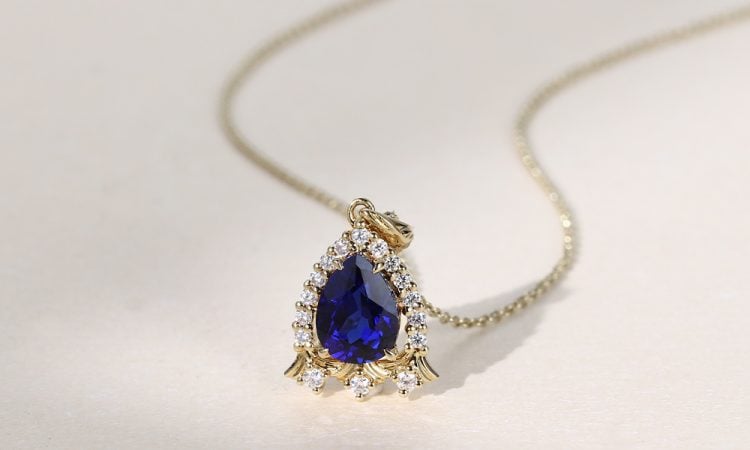
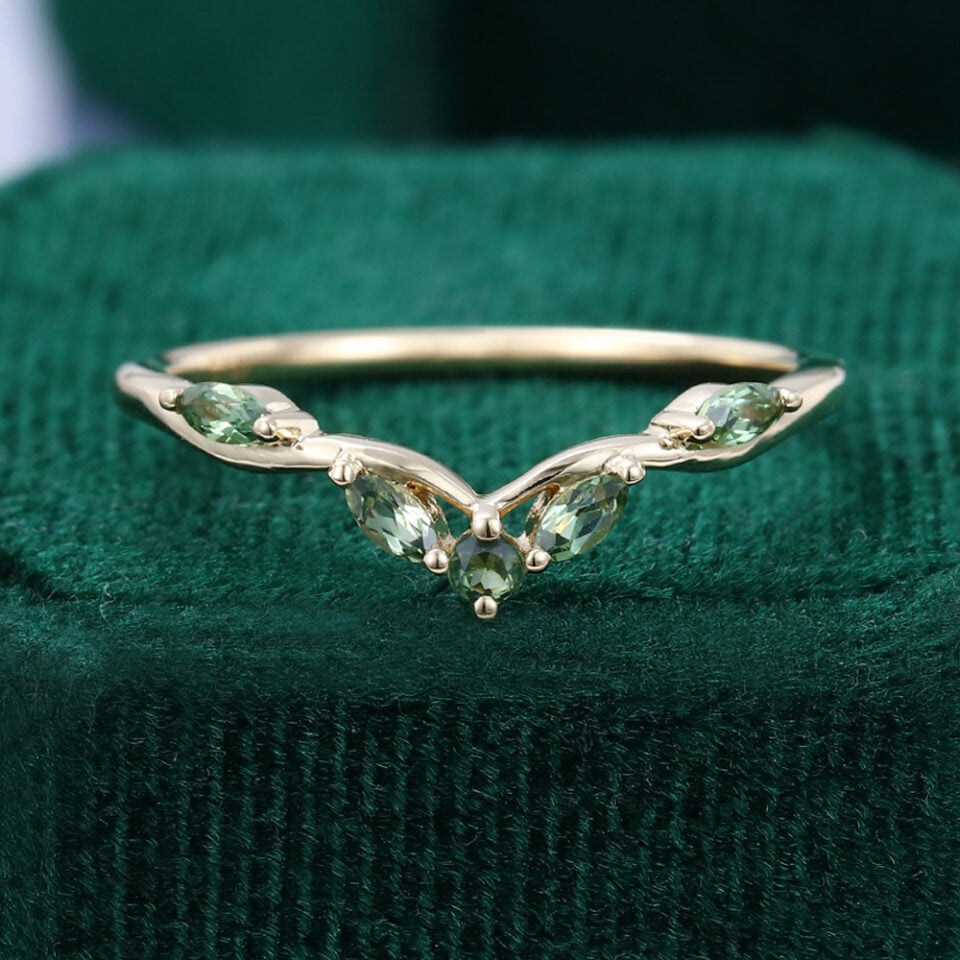
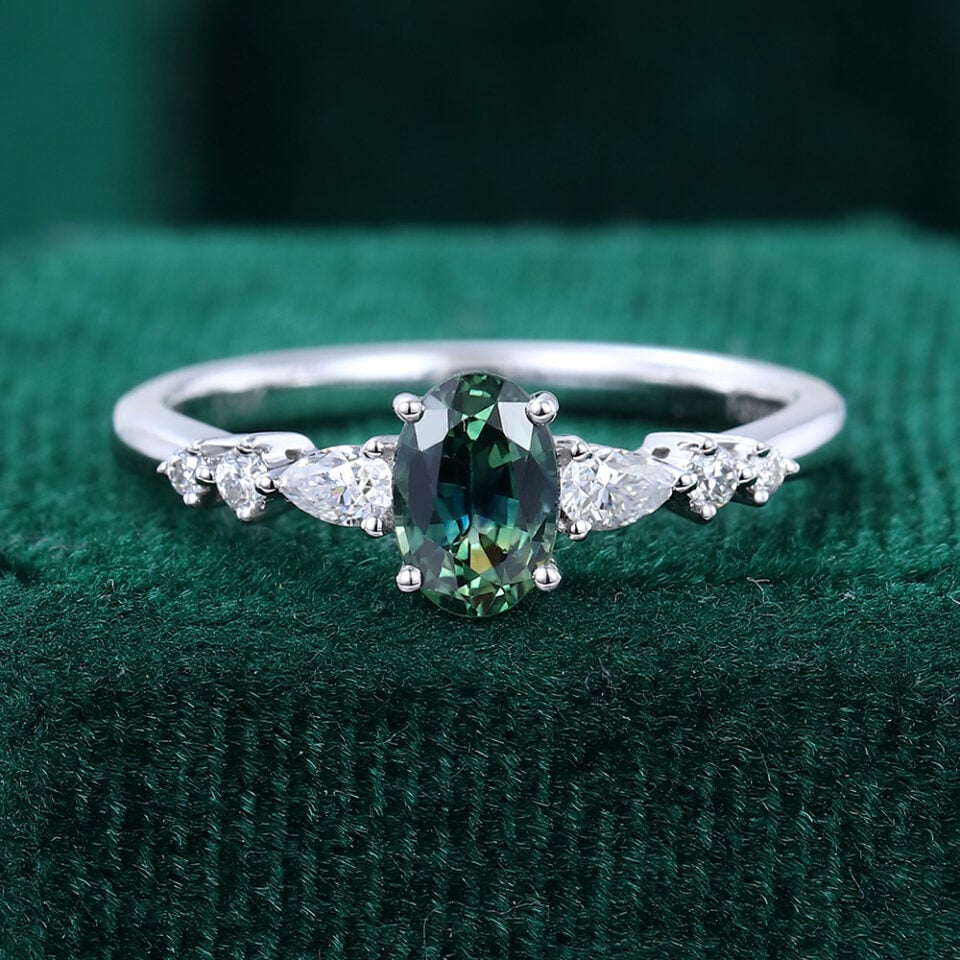
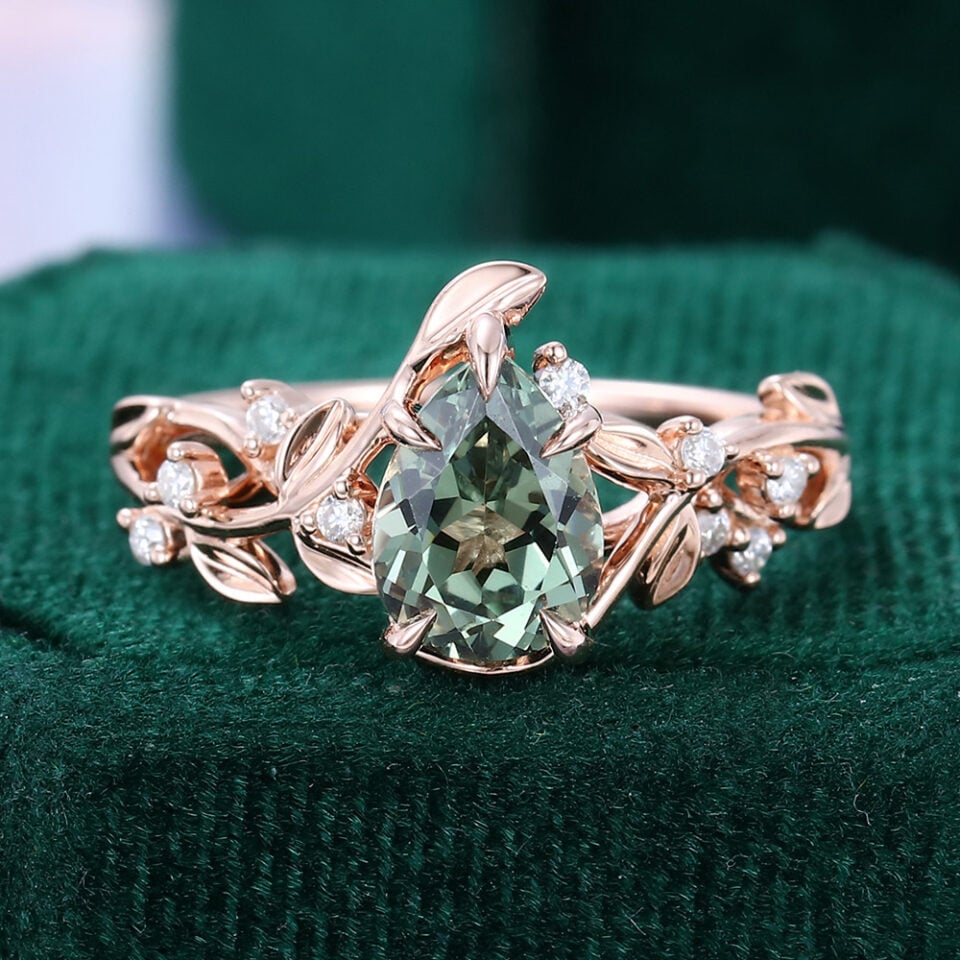
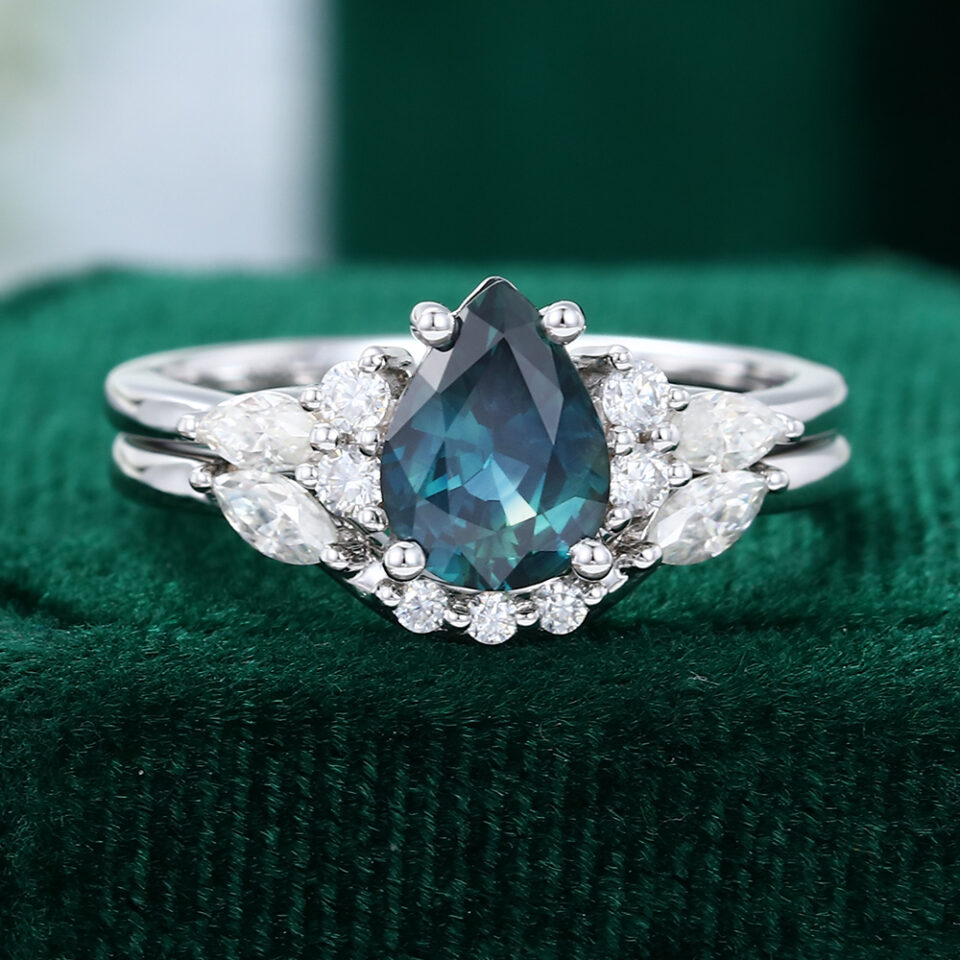
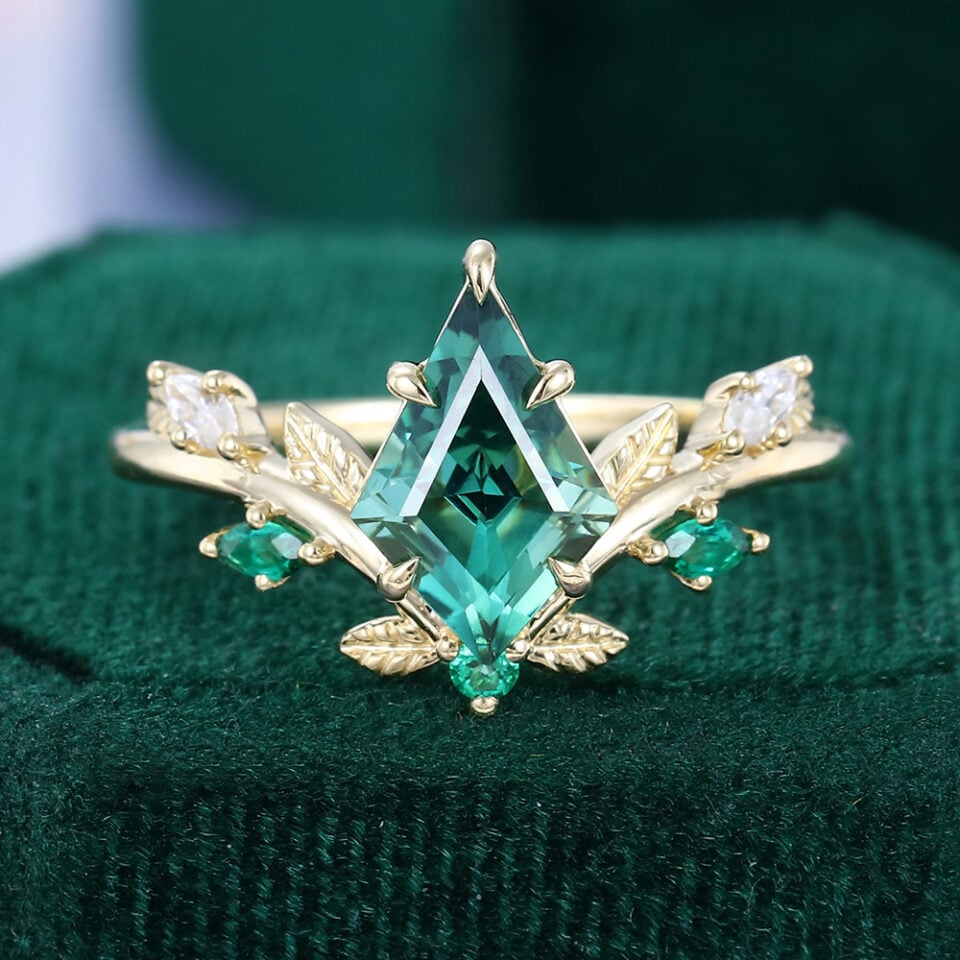
Sapphire engagement rings are prized for their durability and distinctive beauty, offering a meaningful alternative to traditional diamonds. Explore our curated collection of sapphire jewelry guide to see how sapphire can be styled in timeless and modern designs.
How to Care for Sapphire Jewelry
Sapphire is durable, but proper care helps maintain its beauty over time.
Care tips:
Avoid harsh chemicals
Store separately to prevent scratches
Clean gently with warm water and mild soap
For a step-by-step cleaning guide, see How to Clean a Sapphire Jewelry at Home.
Final Thoughts
Sapphire is far more than a beautiful gemstone. Its durability, symbolism, and color diversity make it one of the most meaningful choices in fine jewelry. Whether you’re exploring sapphire for the first time or considering it for an engagement ring, understanding its qualities empowers you to make a confident, informed decision.
If you’re ready to explore sapphire jewelry or create something custom, Molly Jewelry offers thoughtfully crafted designs that celebrate both beauty and individuality.



Related FAQs :
What Is the Meaning and Symbolism of a Sapphire?
Sapphire has long symbolized wisdom, loyalty, truth, and protection. Across cultures, it is associated with mental clarity, sincerity, and emotional depth. Because of these meanings, sapphire is often chosen for jewelry that represents lasting commitment and trust.
What Is the Meaning and Power of the Blue Sapphire Stone?
Blue sapphire is the most iconic sapphire color and is traditionally linked to faithfulness, calmness, and inner strength. Historically worn by royalty and spiritual leaders, blue sapphire is believed to represent stability, confidence, and a clear mind — qualities that make it especially meaningful in engagement rings.
What Does a Sapphire Engagement Ring Symbolize?
A sapphire engagement ring symbolizes lasting love, loyalty, and commitment. Unlike trends that fade, sapphire represents a relationship built on trust and endurance. Its exceptional durability also reflects the idea of a bond designed to last a lifetime.
Are Lab-Grown Sapphires Ethical and Sustainable?
Yes. Lab-grown sapphires are widely considered an ethical and sustainable choice. Because they are created in controlled environments, they avoid many environmental and social concerns associated with mining. Lab-grown sapphires are also conflict-free and offer greater transparency in sourcing.
Do Lab-Grown Sapphires Fade or Change Color Over Time?
No. Lab-grown sapphires do not fade or change color over time. They share the same chemical structure and durability as natural sapphires, meaning their color stability is permanent under normal wear conditions.
Are Inclusions Normal in Sapphire? What Should You Expect?
Yes, inclusions are completely normal in sapphire — especially natural sapphires. These internal characteristics form during the gemstone’s natural growth process and are not defects. Many sapphires are considered high quality even with minor inclusions, as long as they are not easily visible to the naked eye.
Is a Sapphire Ring Strong Enough for Daily Wear?
Absolutely. Sapphire ranks 9 on the Mohs hardness scale, making it one of the hardest gemstones used in fine jewelry. This makes sapphire rings well-suited for everyday wear, including engagement rings and wedding bands.