- by MollyJewelryUS
- December 15, 2025
- About Moissanite
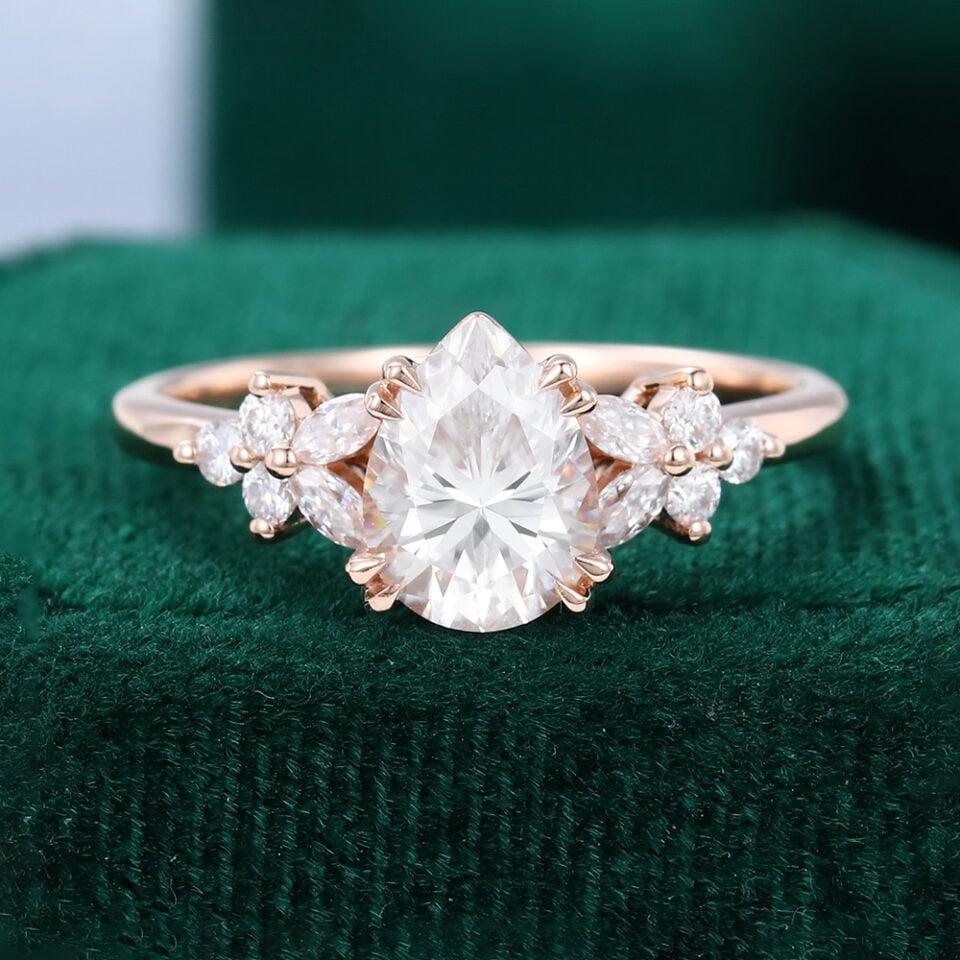
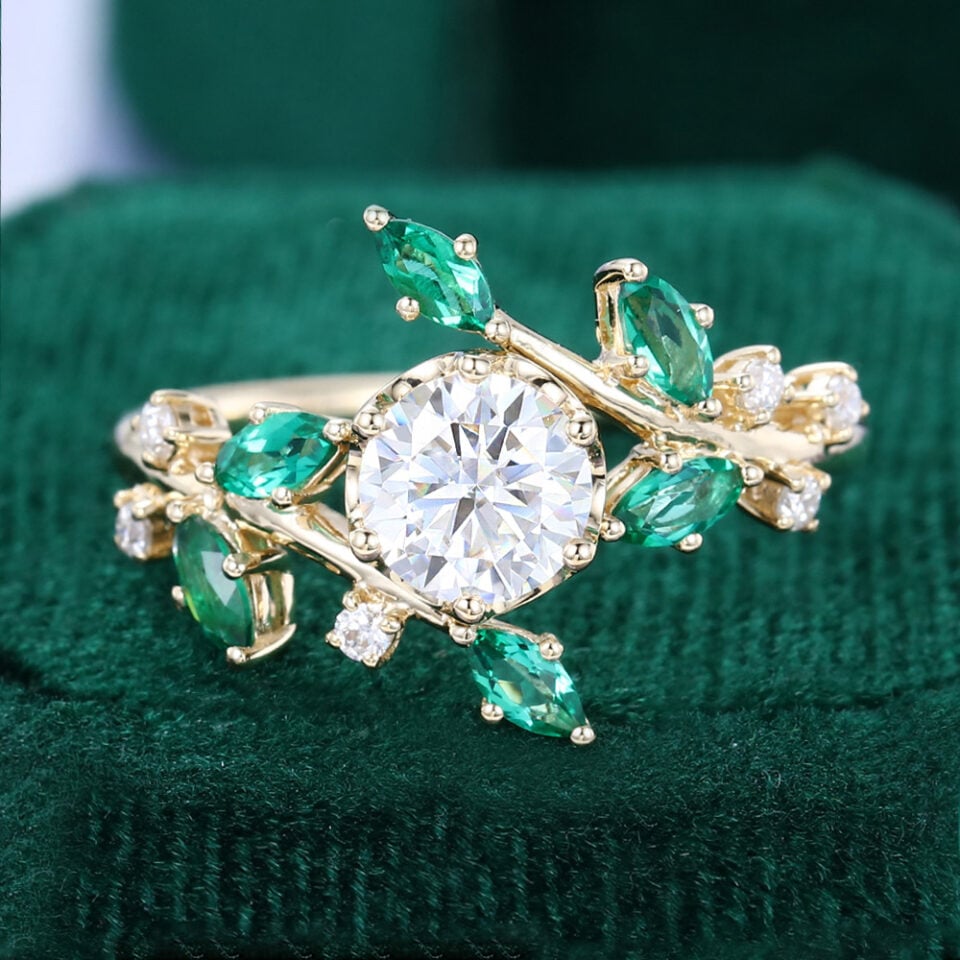
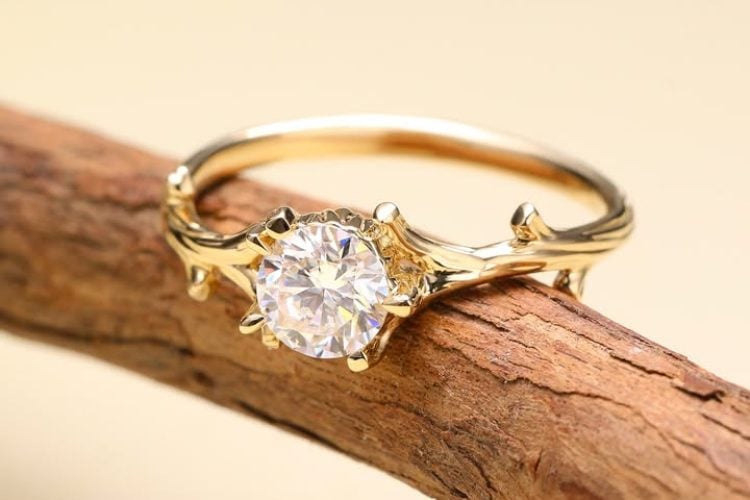
If you’ve come across the term “moissanite diamond”, you’re not alone. It’s a phrase widely used online, in casual conversation, and even by some sellers.
But here’s the clear, honest answer:
Moissanite is not a diamond.
“Moissanite diamond” is not a gemological category—it’s simply a popular, informal way of describing a stone that looks similar to a diamond.
Understanding this difference matters, especially if you’re shopping for an engagement ring or comparing alternatives. Let’s break it down clearly—without hype, confusion, or misleading claims.
Table Of Contents:
Why Do So Many People Call Moissanite a “Diamond”?
This misunderstanding didn’t happen because people are careless—it happened because moissanite truly does challenge what we think a diamond should look like.
Here’s why the name stuck.
It visually competes with diamonds
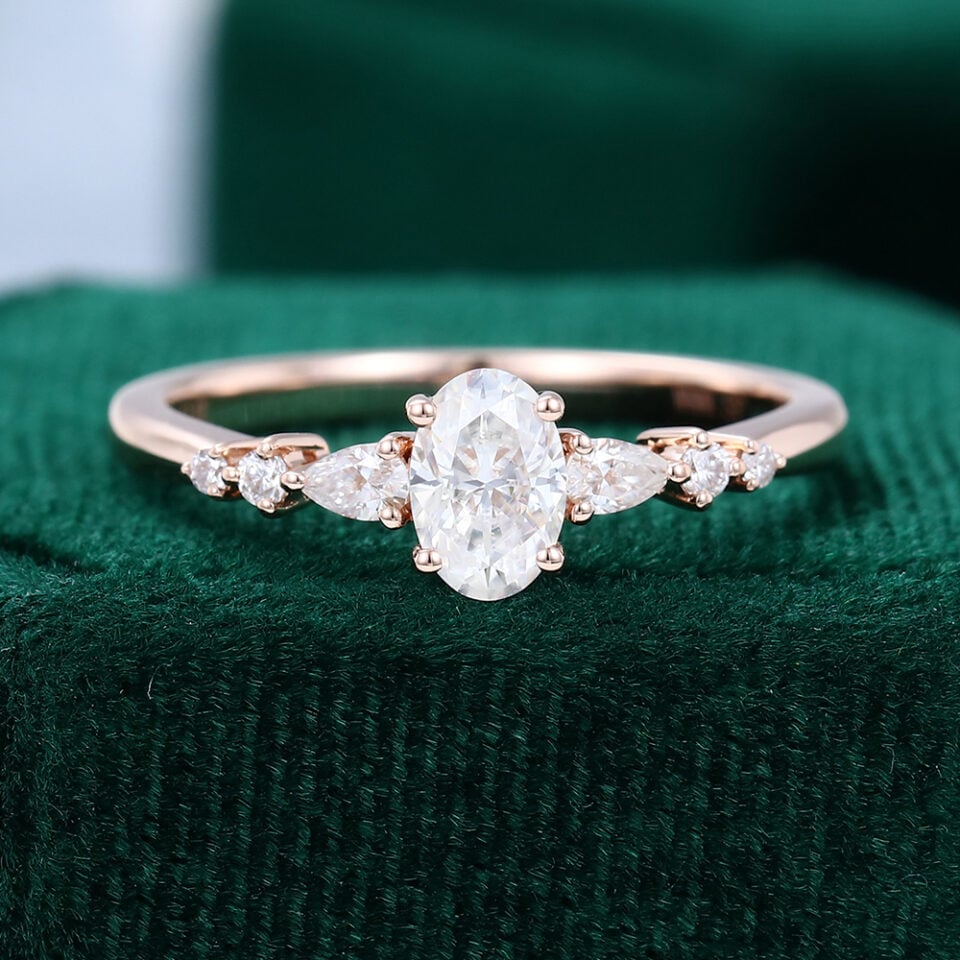
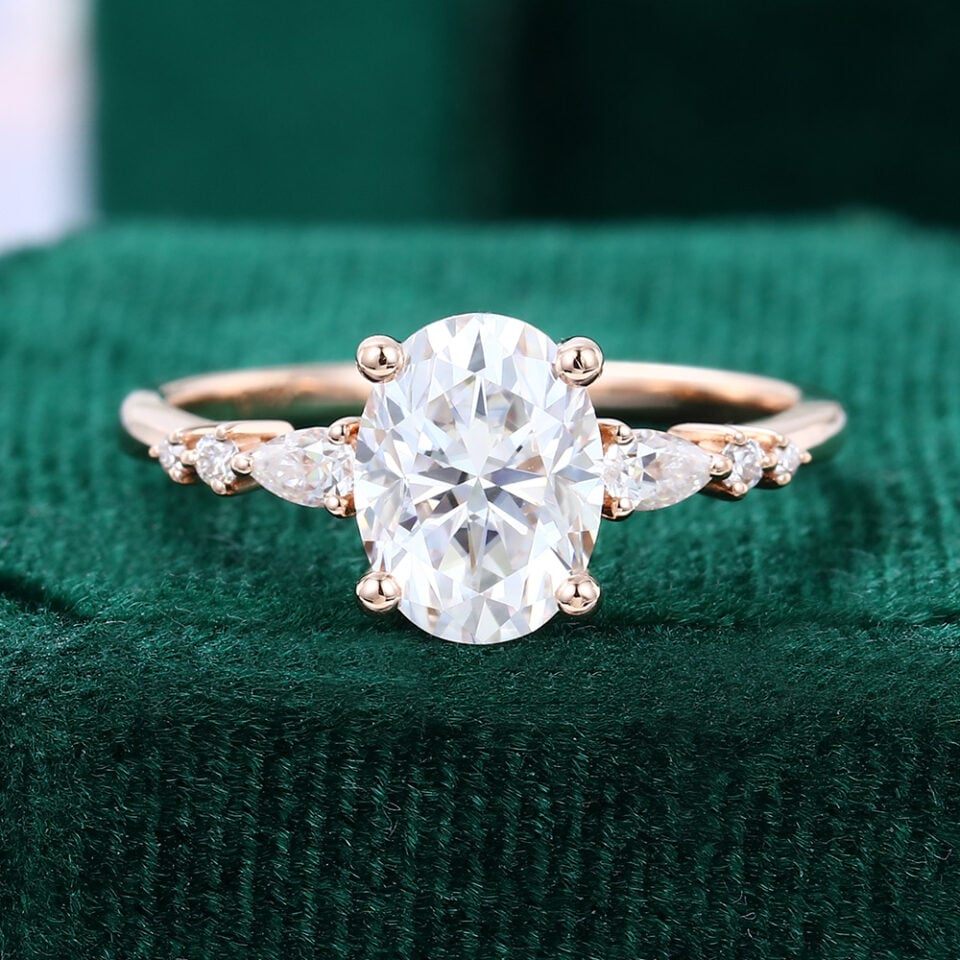
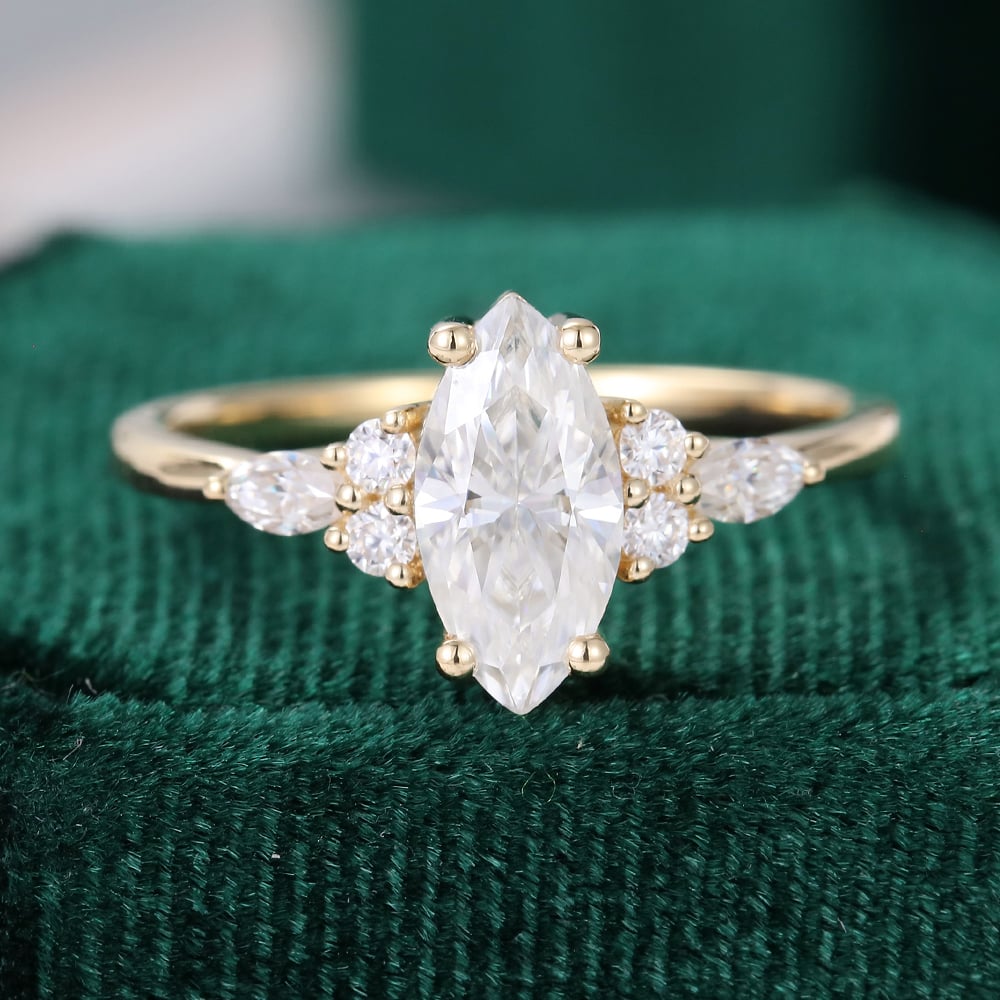
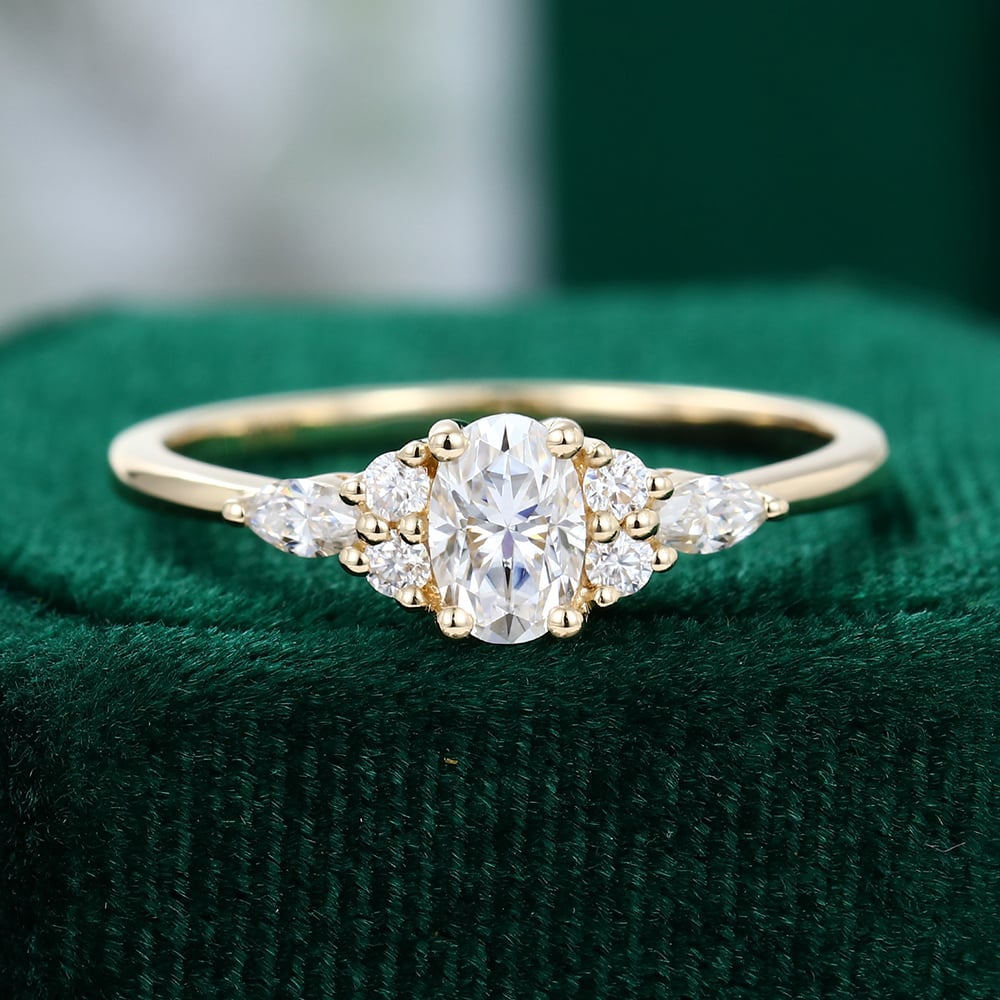
Moissanite is bright. Very bright.
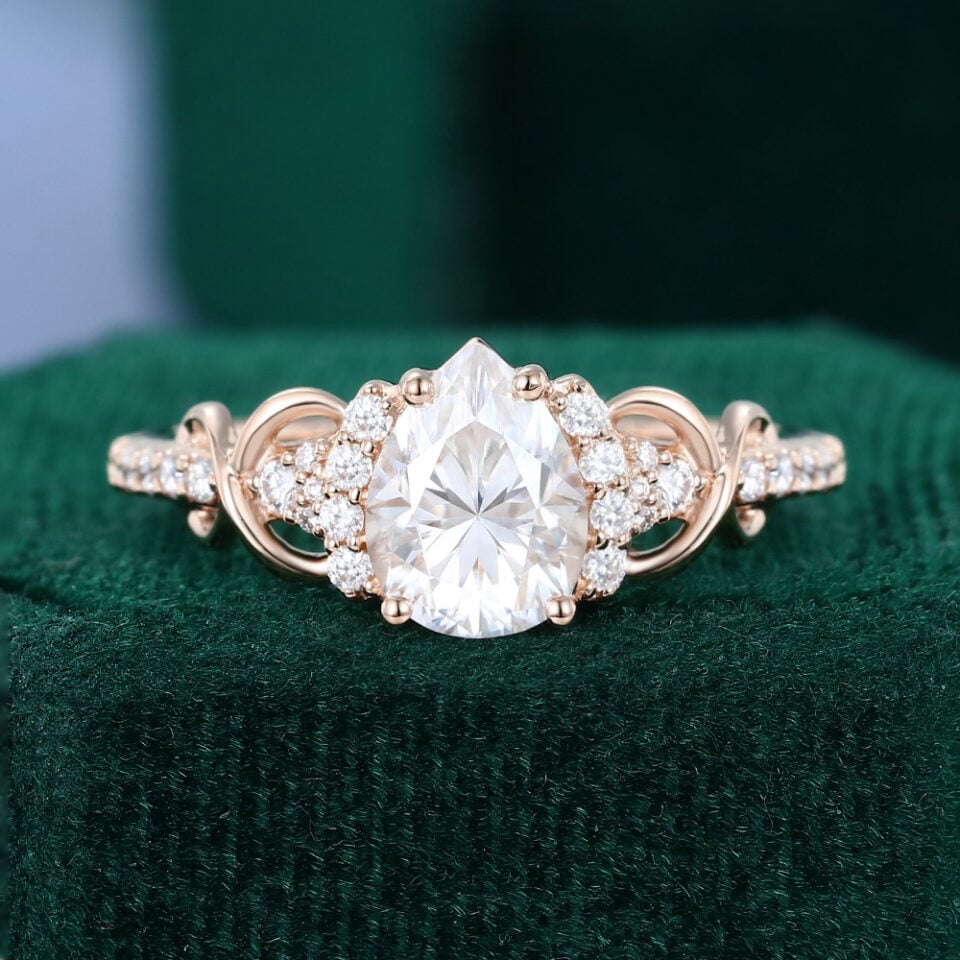
In many lighting conditions, it sparkles just as much—or even more—than a diamond. For most people, “diamond” simply means a clear, brilliant stone, not a chemical definition.
It has stronger fire
Moissanite reflects more rainbow flashes than a diamond. That dramatic sparkle makes people instinctively associate it with diamonds.
Everyday language simplifies things
People say “diamond ring” when they mean engagement ring.
Over time, “moissanite diamond” became a casual shortcut—not a technical truth.
Online shopping accelerated the confusion
Search listings, comparisons, and social media posts often blur the lines, especially when buyers are trying to understand alternatives quickly.
👉 Important clarity:
Calling moissanite a “diamond” is understandable—but it’s not accurate.
What Is Moissanite, Really?
Moissanite is a standalone gemstone, not a diamond variant.
Composition: Silicon carbide (SiC)
Origin: Originally discovered in meteorite fragments
Modern use: Lab-created for jewelry (for clarity, ethics, and consistency)
It has its own optical personality, durability, and appeal.
If you want a deeper dive into moissanite’s properties, origins, and why it’s become so popular in engagement rings, that’s already covered in
👉 Moissanite Rings: Things You Need To Know
This article focuses on something different: clearing the “diamond” misconception.
Moissanite vs. Diamond: The Differences That Actually Matter
Instead of overwhelming you with lab data, here’s a real-world comparison—the kind that helps people make decisions.
| Feature | Moissanite | Diamond |
|---|---|---|
| What it is | A unique gemstone (silicon carbide) | A gemstone made of carbon |
| Is it a diamond? | ❌ No | ✅ Yes |
| Brilliance & fire | Extremely bright with strong rainbow sparkle | Bright with more subtle white brilliance |
| Durability | Very durable, suitable for daily wear | The hardest natural gemstone |
| Price | Significantly more affordable | Much higher, especially at larger sizes |
| Ethics | Lab-created by default | Natural or lab-grown options |
| Why people choose it | Value, sparkle, ethics, individuality | Tradition, symbolism, prestige |
Neither stone is “better.”
They simply serve different priorities.
Related:Moissanite vs Diamond Guide
Does Moissanite Pass a Diamond Tester?
This is one of the biggest reasons people think moissanite must be a diamond.
Yes—moissanite can pass certain diamond testers.
Why?
Many basic testers measure heat conductivity, not chemical makeup. Moissanite conducts heat similarly to diamond, which can confuse simple devices.
If you’re curious how this works (and why professional jewelers use more advanced tools), it’s explained clearly in
👉 Does Moissanite Pass a Diamond Tester?
But here’s the key takeaway:
Passing a tester doesn’t make moissanite a diamond—it only shows how advanced it is as a gemstone.
Is Moissanite a “Fake” Diamond?
No—and this matters emotionally as much as technically.
A fake diamond is usually:
Glass
Cubic zirconia
Low-grade simulants
Moissanite is none of these.
It’s a real gemstone, intentionally chosen by people who value:
Smart budgeting
Ethical sourcing
Strong sparkle
Freedom from outdated expectations
Choosing moissanite isn’t about pretending—it’s about deciding what matters to you.
Why More Couples Are Choosing Moissanite Today
Search trends show a clear shift:
“Moissanite vs diamond” searches keep rising
Budget-conscious but design-focused buyers are growing
Younger couples prioritize value, ethics, and meaning over tradition alone
For many, moissanite represents something refreshing:
Love that isn’t measured by price, but by intention.
Conclusion
A moissanite diamond isn’t a diamond—and that’s perfectly okay.
Once you understand the difference, the anxiety disappears.
What’s left is a choice based on your values, your lifestyle, and your story.
And that’s exactly how engagement rings should be chosen.
Related FAQs :
Is a moissanite diamond legally considered a diamond?
No. By gemological and legal definitions, only stones made of carbon can be called diamonds. Moissanite must always be sold and labeled as moissanite, not diamond.
Can jewelers tell the difference between moissanite and diamond instantly?
Experienced jewelers usually can, especially under magnification. While moissanite can pass basic diamond testers, professionals rely on advanced tools and visual indicators.
Why does moissanite sometimes look “too sparkly” compared to diamonds?
Moissanite has higher fire than diamond, meaning it reflects more rainbow light. Some people love this dramatic sparkle, while others prefer the subtler brilliance of diamonds.
Is moissanite a good choice if I want a timeless look?
Will moissanite lose value or discolor over time?
No. Moissanite is stable and does not yellow or cloud with normal wear. Like diamonds, its value is in its beauty rather than resale potential.
Does choosing moissanite mean compromising on quality?
Not at all. It means prioritizing different qualities—such as sparkle, ethics, and value—over rarity alone.