- by MollyJewelryUS
- March 3, 2026
- Buying Guides
Choosing a wedding band can be overwhelming, but it doesn’t have to be. It comes down to five key decisions: lifestyle, metal, style, width, and long-term comfort. Understanding these factors will ensure that your ring is a practical and meaningful piece that you’ll wear every day for decades.
For most couples, this is their first time buying fine jewelry designed to last a lifetime. Many fall in love with a design online, only to realize later that it scratches easily, doesn’t sit flush, or feels bulky after wearing it all day. A wedding band is not just symbolic—it’s meant to be worn daily. This wedding band buying guide will walk you through the process, helping you choose a wedding band that suits your life, style, and budget with confidence.
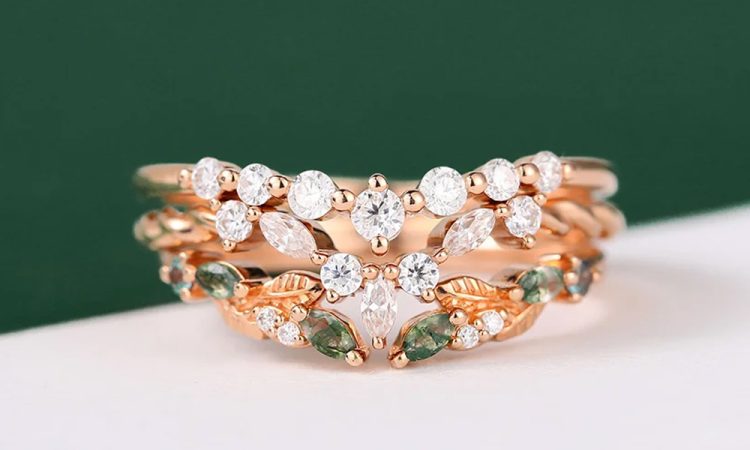
Table of Contents
Table of Contents
- Wedding Band vs. Wedding Ring: Is There a Difference?
- Step 1: Consider Your Lifestyle First
- Step 2: Choose the Right Metal
- Step 3: Choose the Right Wedding Band Style
- Step 4: Select the Right Width for Proportion and Comfort
- Step 5: Consider Fit & Comfort
- Step 6: Set a Realistic Budget Range
- Extra Tips for a Stress-Free Purchase
- Before You Buy: Final Decision Checklist
- Conclusion
- FAQ: Common Wedding Band Questions
Wedding Band vs. Wedding Ring: Is There a Difference?
Wedding Band vs. Wedding Ring: Is There a Difference?
In modern jewelry, the terms “wedding band” and “wedding ring” are used interchangeably. Traditionally, a wedding band referred to a plain metal ring, while a wedding ring implied a ring with decorative details, such as diamonds or engravings.
Today, however, these distinctions have become blurred. Regardless of what you call it, the intent remains the same: to serve as a visible symbol of your marriage. When shopping, don’t overthink the terminology. What matters most are durability, proportion, and how the ring looks with your engagement ring.
Step 1: Consider Your Lifestyle First
Step 1: Consider Your Lifestyle First
The best wedding band for daily wear fits your routine before it fits your aesthetic preferences.
Your daily habits determine what will work long term.
- Office vs. Hands-On Work: If your job involves frequent typing or manual labor, choose a low-profile, durable band.
- Gym/Sports: For active lifestyles, metals that are resistant to scratches and dents are essential.
- Travel Frequency: Frequent travelers may prefer simpler designs that are easy to wear and maintain.
Step 2: Choose the Right Metal Based on Durability, Maintenance, and Resizing
Step 2: Choose the Right Metal Based on Durability, Maintenance, and Resizing
The metal you choose will affect how your ring ages, how often it needs maintenance, and whether it can be resized in the future.
- Gold (14k vs. 18k): For most couples, 14k gold is the “magic spot.” It contains a higher percentage of alloy metals, making it harder and more scratch-resistant than 18k gold—perfect for an active lifestyle.
- Platinum: It is naturally white, hypoallergenic, and incredibly dense. Although it develops a “patina” of tiny scratches over time, it never actually loses metal.
- Skin Sensitivity & Allergies: If you have sensitive skin, choose hypoallergenic options, such as platinum or higher-karat gold, to avoid long-term irritation.
- The Maintenance Factor: Remember that white gold requires rhodium plating every one to two years to maintain its brilliance. If you want a low-maintenance white look, choose platinum.
- Resizing Reality: Precious metals like gold and platinum can be resized as your life changes. However, alternative metals like tungsten or titanium generally cannot be resized.
For a more in-depth comparison, see our detailed guide on Best Metal for a Wedding Band.
Step 3: Choose the Right Wedding Band Style
Step 3: Choose the Right Wedding Band Style
The right style balances personal taste with long-term versatility.
Types of Wedding Bands
Types of Wedding Bands
- Straight Wedding Band: The timeless classic. It sits flush against most engagement rings.
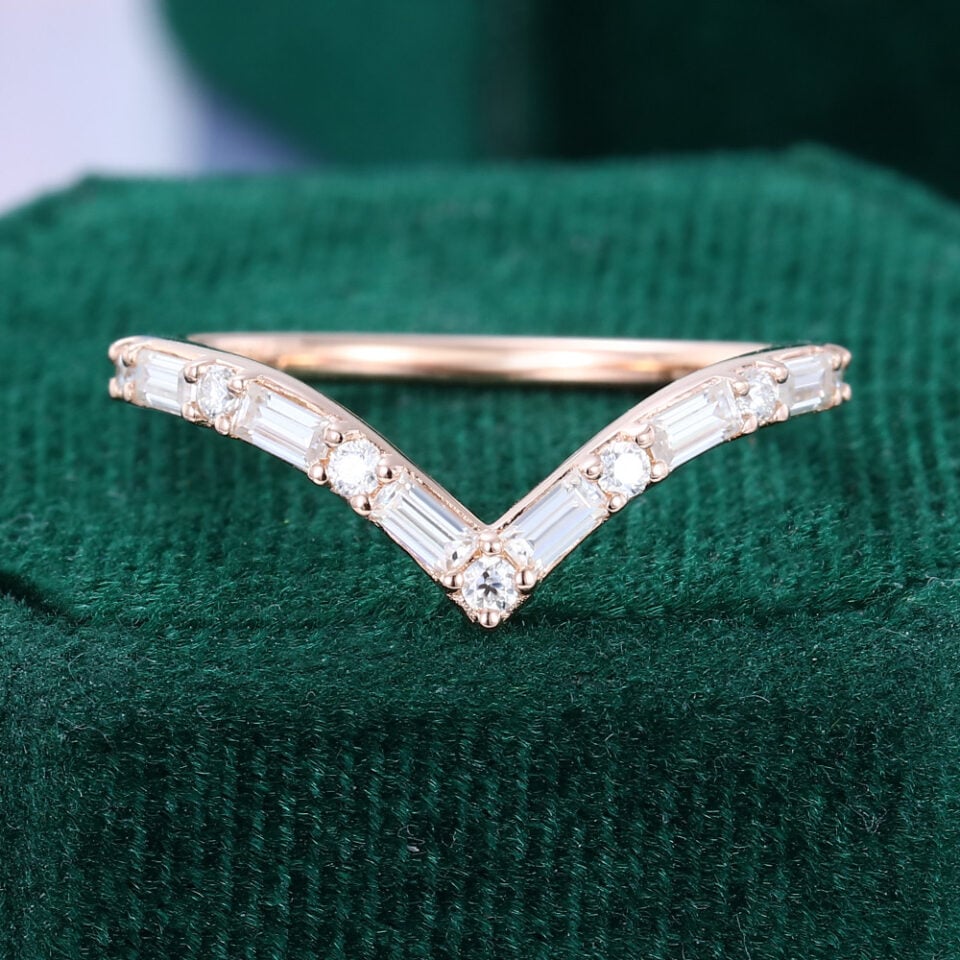
- Curved (Contoured) Band: Designed with a slight arch to hug the center stone of your engagement ring and eliminate the “gap.”
- Open Band: A modern “gap” design with two ends that don’t meet. It’s perfect for showcasing large or unique center stones.
- Nature-Inspired: Features leaf motifs, vines, or organic textures for a romantic, whimsical feel.
- Enhancer (Guard): Two bands that join together to “sandwich” your engagement ring, creating a high-impact, symmetrical look.
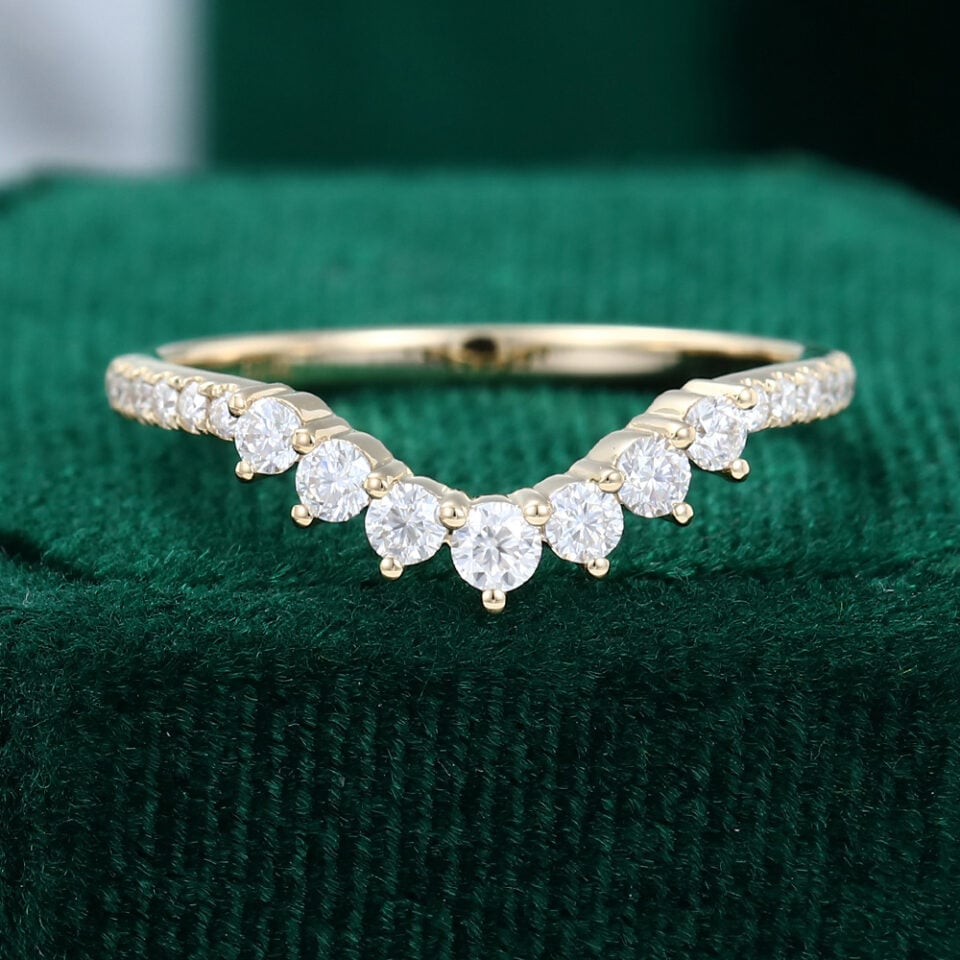
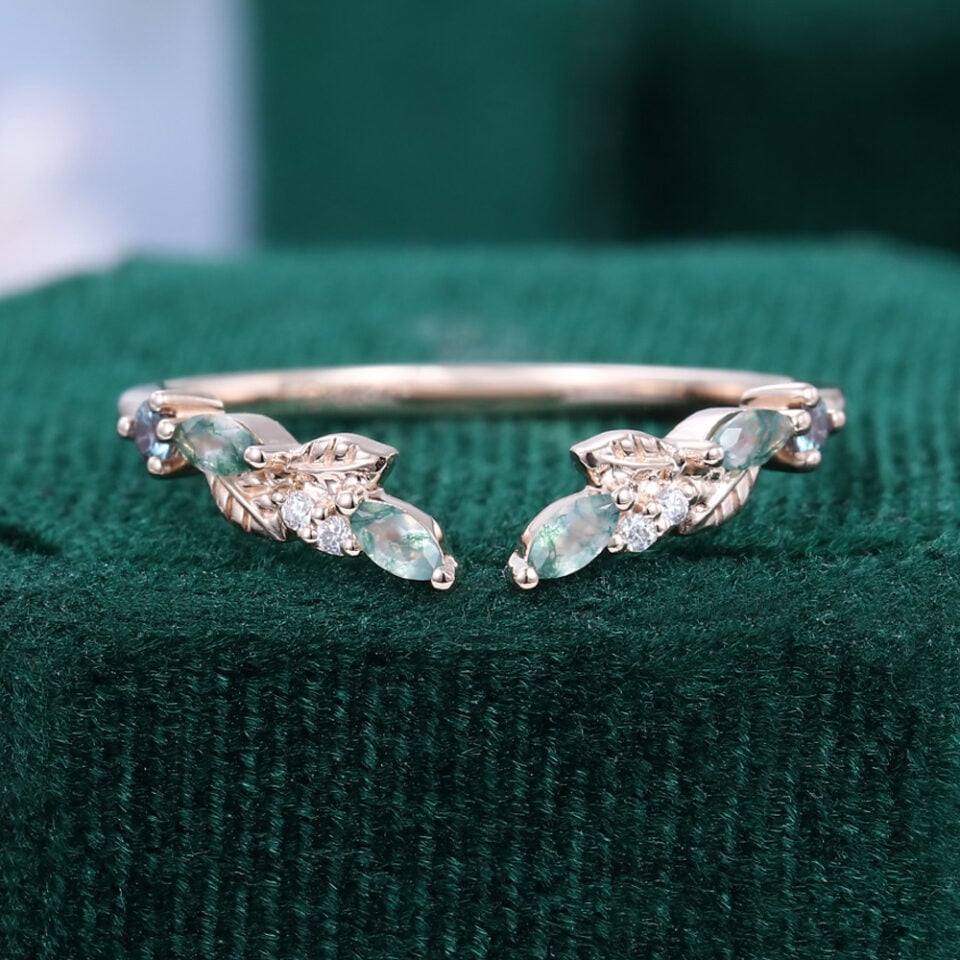


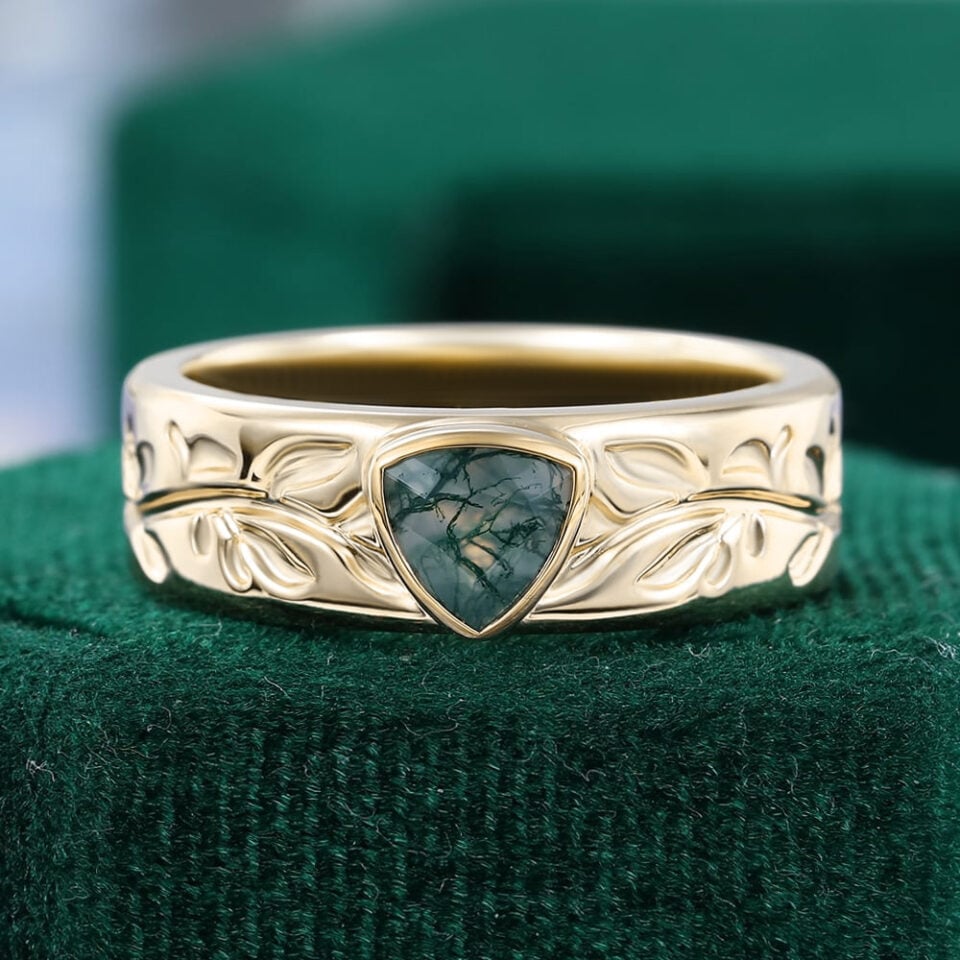
Matching with an Engagement Ring
Matching with an Engagement Ring
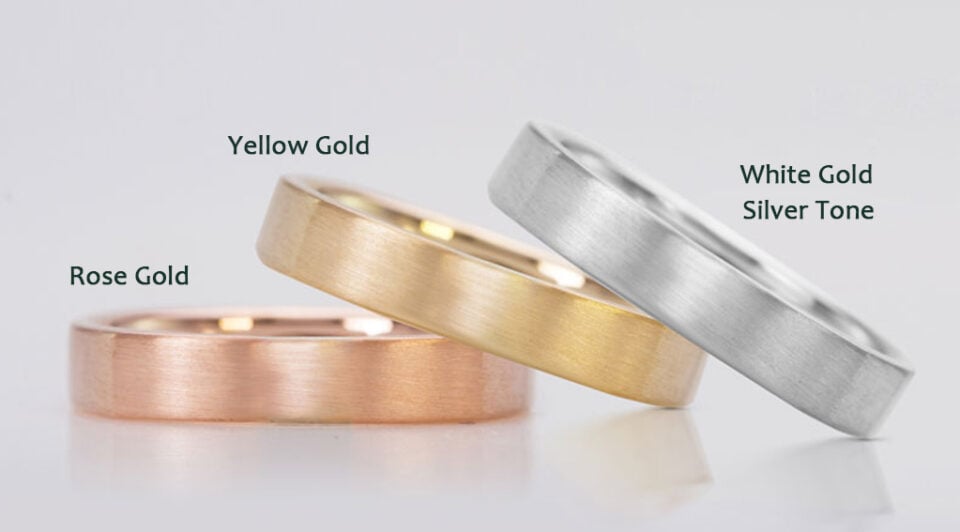
A wedding band does not have to match perfectly, but it should feel intentional. You can mix metals, such as a rose gold band with a white gold engagement ring, for a modern “mixed-metal” stack.
For couples who want a seamless solution, a bridal ring set removes uncertainty. At MollyJewelryUS, every bridal set is designed as a matched pair from the beginning rather than pairing separate rings later. This eliminates height mismatch, metal tone variation, and stone alignment issues.
The Art of the Stack
The Art of the Stack
A wedding band is often just the beginning of your jewelry collection. Many modern brides now plan to build a “ring stack,” adding anniversary bands or birthstone rings over the years.
- For a Seamless Stack: Choose a straight, low-profile band that sits flush.
- For a Statement Stack: Mix textures! Pair a nature-inspired twig band with a classic pavé diamond band to create a curated, high-fashion look.
Molly’s Tip: If your engagement ring has a low setting, embrace the gap with an open band. This creates a stylish “frame” for your stack without adding bulk.
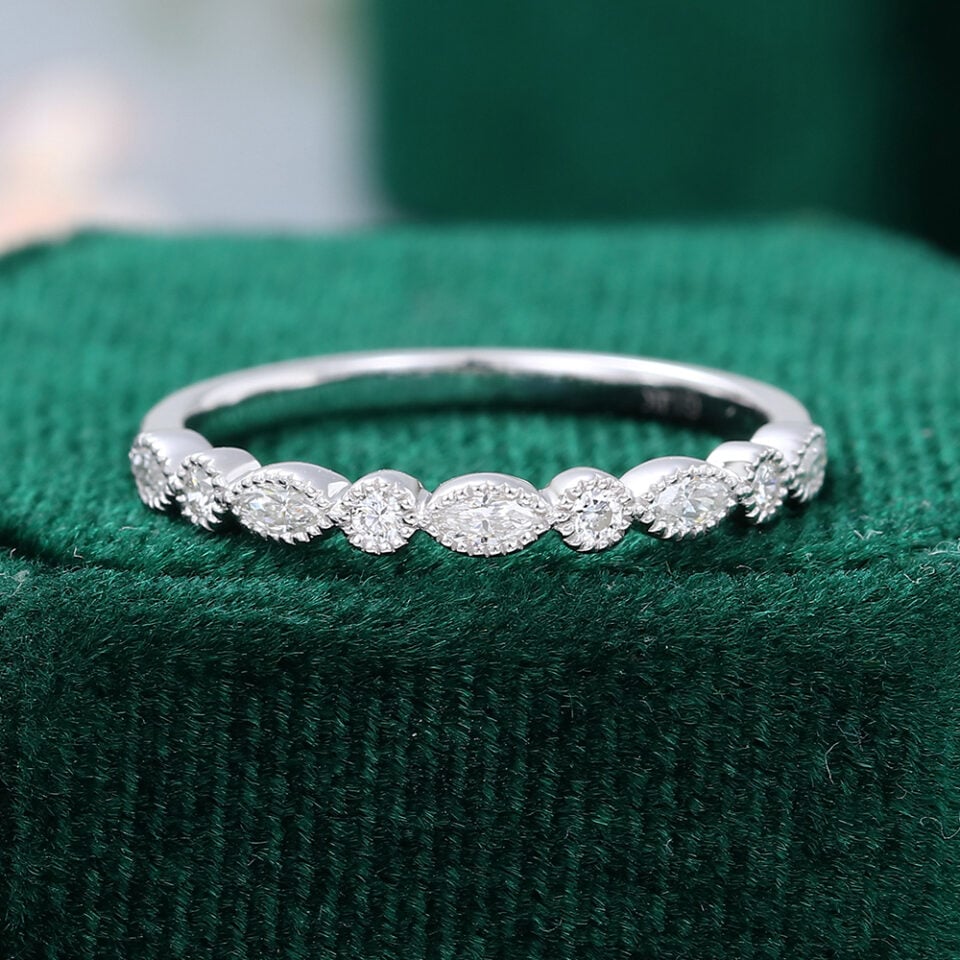


Step 4: Select the Right Width for Proportion and Comfort
Step 4: Select the Right Width for Proportion and Comfort
The width of a wedding band affects how a ring feels more than most people expect. The “right” width balances your finger length with the width of your engagement ring.
- Hand Size & Finger Length: Generally, wider bands (4 mm and up) look proportional on larger hands or longer fingers. Thinner bands (1.5-5 mm) often make fingers appear slimmer.
- Stacking Compatibility: If you plan on adding anniversary bands later, a thinner wedding band leaves more “real estate” on your finger for a beautiful stack.
- Visual Balance: Pairing a 1.8 mm engagement ring with a 5 mm wedding band can shift the balance of your hand. Try stacking similar widths first before committing.
Check out our wedding band width guide to see how different millimeters look in real life and find your perfect fit.
Step 5: Consider Fit & Comfort
Step 5: Consider Fit & Comfort
Since you will be wearing this ring daily, comfort is essential.
Comfort Fit vs. Standard Fit: Comfort-fit bands have a rounded interior edge that reduces pressure over time. This is especially noticeable with wider bands.
Thickness & Edge Style: Flat edges have a more architectural feel, but they may press into adjacent fingers. Rounded edges feel softer and more comfortable during long wear.
At MollyJewelryUS, we often recommend comfort-fit interiors for clients who work with their hands or prefer a barely-there feel.
Step 6: Set a Realistic Budget Range
Step 6: Set a Realistic Budget Range
Some people use the 15-30% rule as a general idea. But it’s better to think about how long something will last and if it will satisfy you in the long term.
Wedding bands typically range from $300 to over $2,000, depending on:
- Metal weight: Platinum is denser and more expensive than gold.
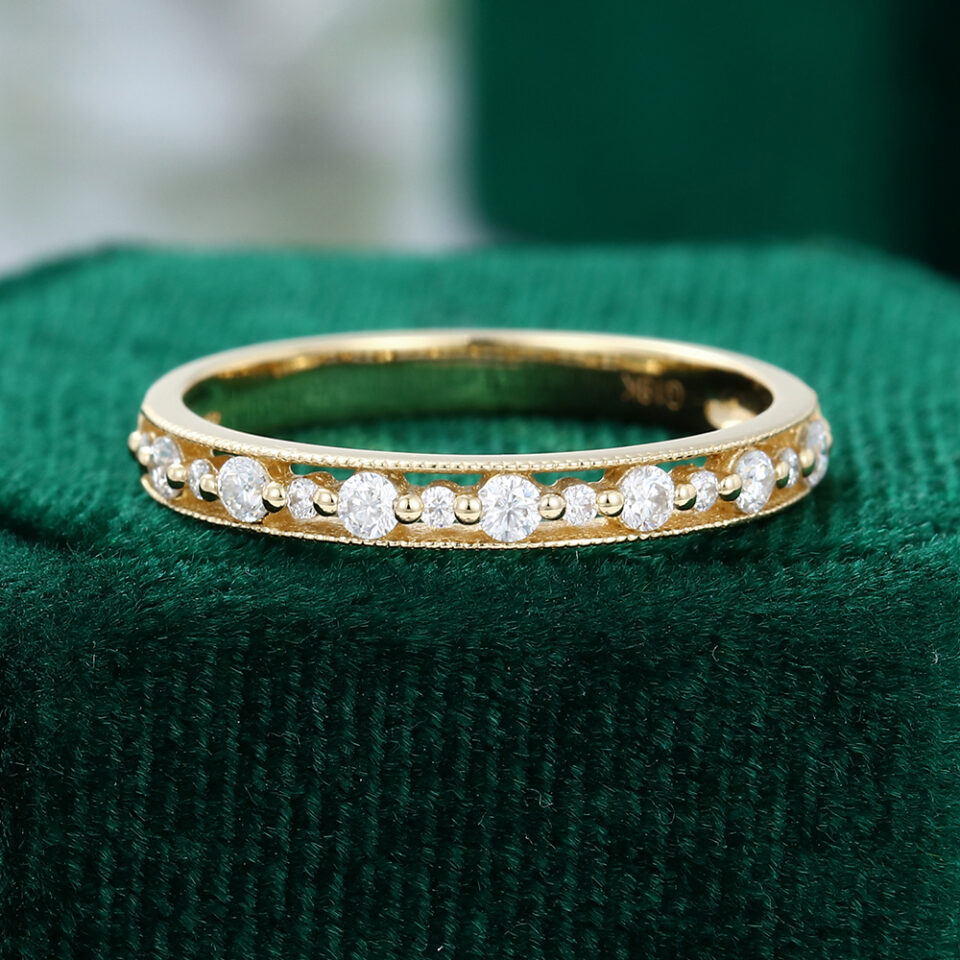
- Diamond weight (CTW): An eternity band with diamonds all the way around will cost more than a half-eternity band or a plain band.
- Craftsmanship: Custom, hand-carved details add value and uniqueness.
Extra Tips for a Stress-Free Purchase
Extra Tips for a Stress-Free Purchase
- The 3-Month Rule: Order your rings at least two to three months before the wedding. This allows time for custom sizing, engraving, and last-minute adjustments.
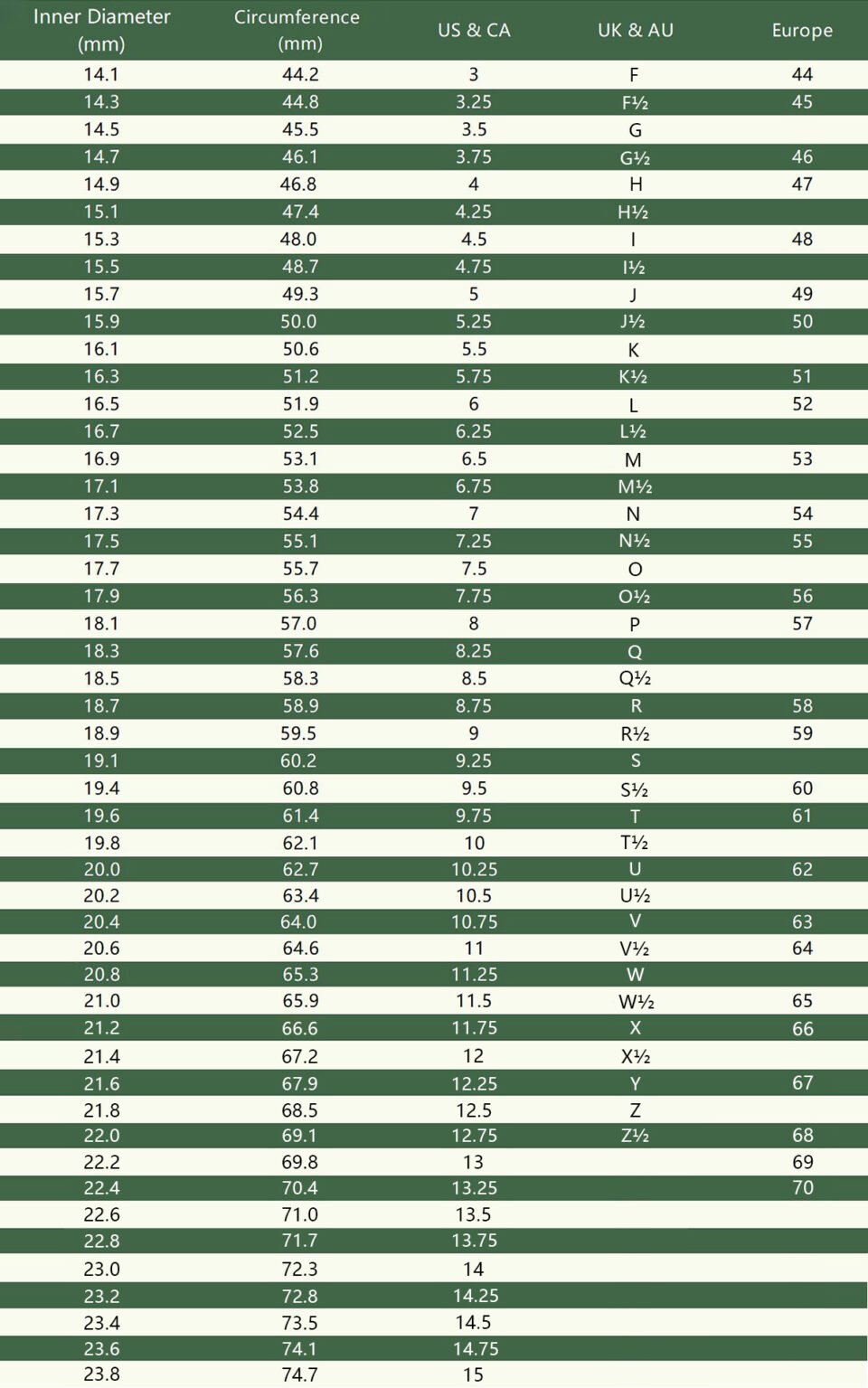
- The Swelling Factor: Your fingers change size with the seasons. Never measure your finger when it is very cold or immediately after working out. Measure at the end of the day, when your hands are at a normal temperature.
- Think Long-Term: Trends fade, but your ring is forever. If you’re torn between a “trendy” style and a “classic” one, ask yourself: “Will I still love this on our 20th anniversary?”
Before You Buy: Final Decision Checklist
Before You Buy: Final Decision Checklist
Before clicking “Purchase” or leaving the jewelry store, run through this quick checklist:
- Does this fit my daily lifestyle?
- Can it be resized later?
- Is it comfortable after several hours?
- Does it complement my engagement ring?
- Am I leaving enough time for adjustments?
Conclusion
Conclusion
Selecting a wedding band involves both practical and emotional considerations. Prioritizing durability, proportion, and comfort while staying true to your personal style will result in a ring that feels effortless to wear for decades.
Whether you prefer a minimalist gold band or coordinated engagement rings from MollyJewelryUS, the perfect wedding band feels natural on your hand and is meaningful in your life.
Browse our Handcrafted Wedding Band Collection, or consult our design team to create a custom ring.
FAQ: Common Wedding Band Questions
FAQ: Common Wedding Band Questions
How Do I Choose the Best Wedding Band?
Start with your lifestyle. First, choose a durable metal and an appropriate width. Then, focus on a comfortable fit.
Can Wedding Bands Be Resized?
Most gold and platinum bands can be resized. However, eternity bands and alternative metals, such as tungsten, are difficult or impossible to resize.
Should a Wedding Band Match an Engagement Ring?
They don’t need to match exactly. Proportion and intentional coordination matter more than an identical design.
What Does a Wedding Ring Symbolize?
Its circular shape represents eternity—a love that has no beginning and no end. The durability of the metal symbolizes the strength of the marital bond.
How Much Should a Wedding Band Cost?
Costs vary based on the type of metal, the width, and whether it has stones. Focus on quality and long-term wearability rather than arbitrary budget constraints.