
- by MollyJewelryUS
- December 22, 2025
- Buying Guides, Style Inspiration
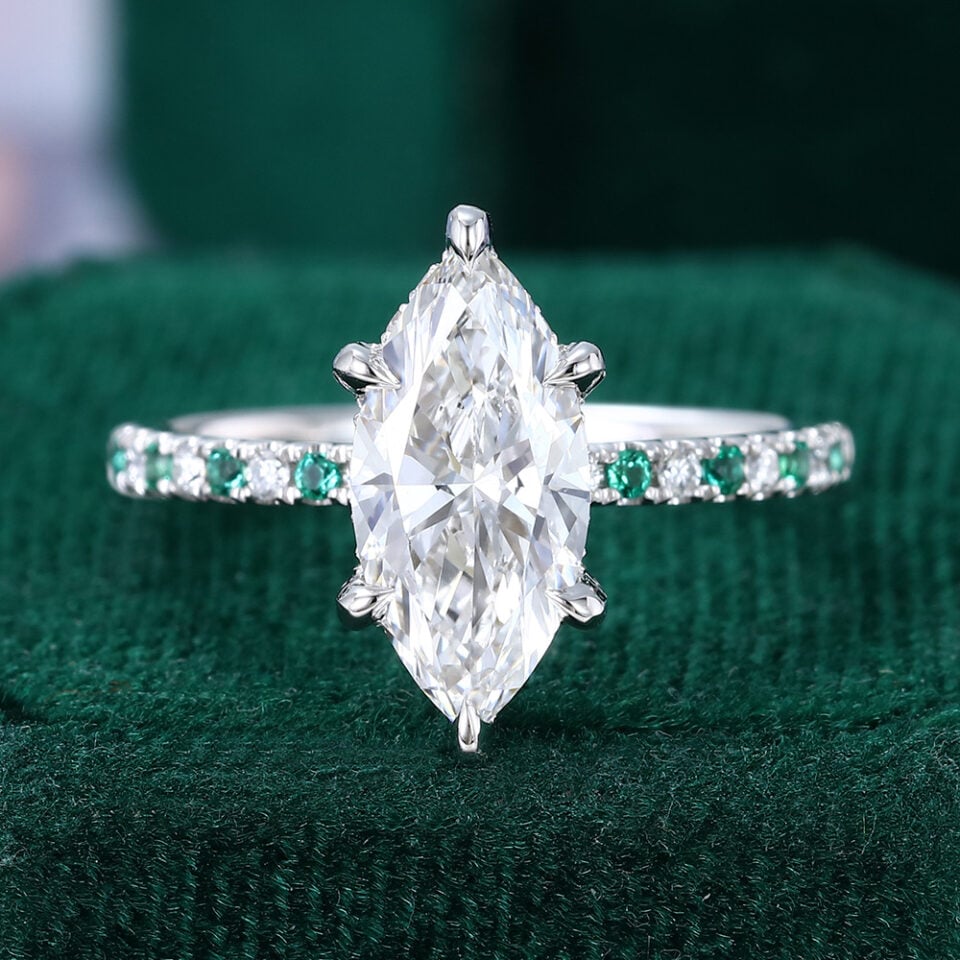
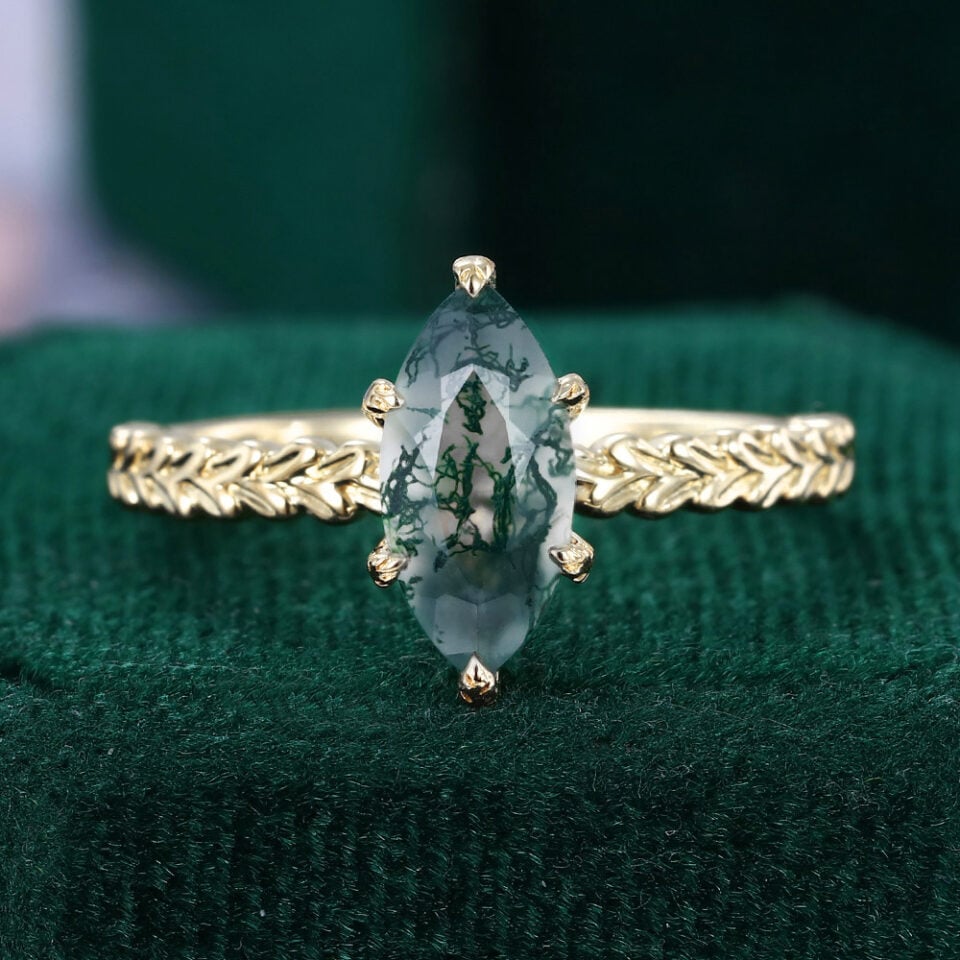
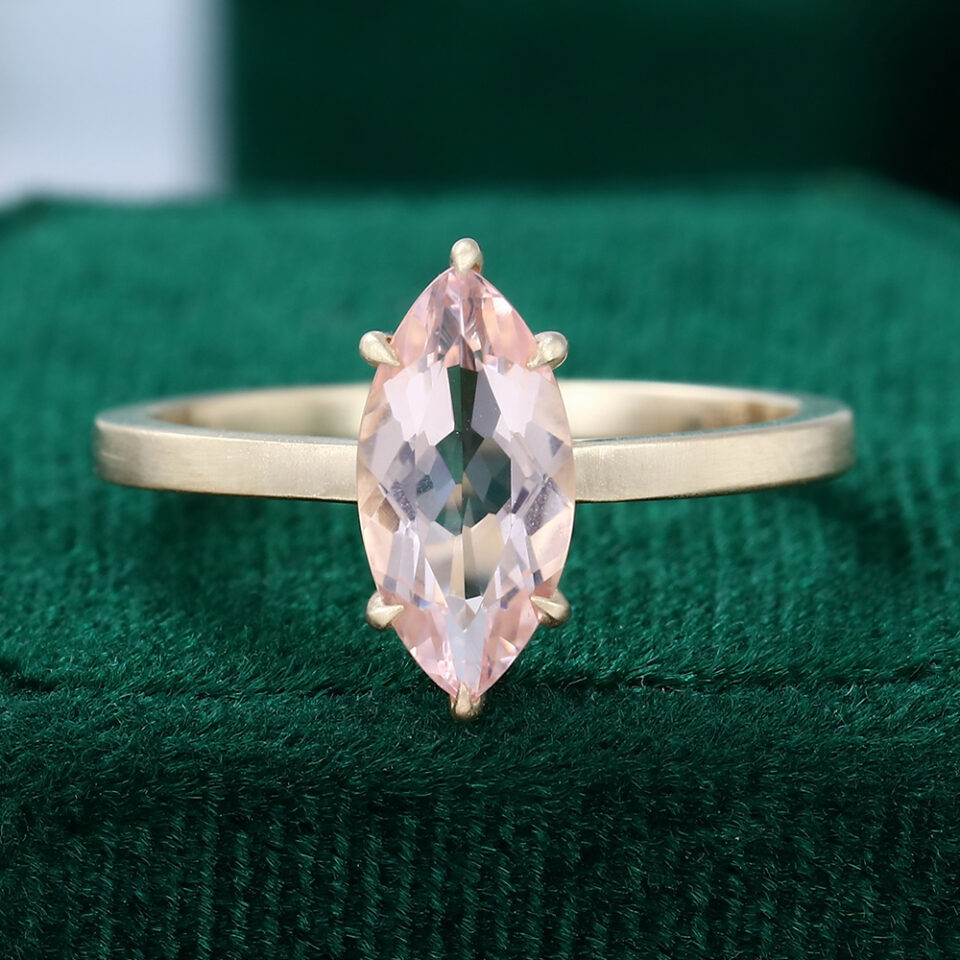
Marquise engagement rings are instantly recognizable.
Their elongated silhouette, pointed ends, and dramatic presence make them one of the most expressive diamond shapes—but also one of the trickiest when it comes to pairing with a wedding band.
Unlike round or cushion rings, marquise cuts demand intentional pairing. The wrong band can crowd the points, leave awkward gaps, or disrupt the ring’s elegant flow. This guide walks you through how to pair wedding bands with marquise engagement rings—clearly, practically, and without guesswork.
Table Of Contents:
Design Challenges of Pairing Marquise Engagement Rings
Marquise rings stretch visually along the finger, creating a slimming and dramatic effect. But that same length and pointed structure means:
The tips can collide with straight bands
Gaps are more likely at the base
Band width and curvature matter more than usual
If you’re still choosing a ring or want to understand marquise proportions better, this guide on different engagement ring styles offers helpful context:
👉 Picking the Perfect Wedding Band for Different Styles of Engagement Rings
Best Affordable Rose Gold Engagement Rings
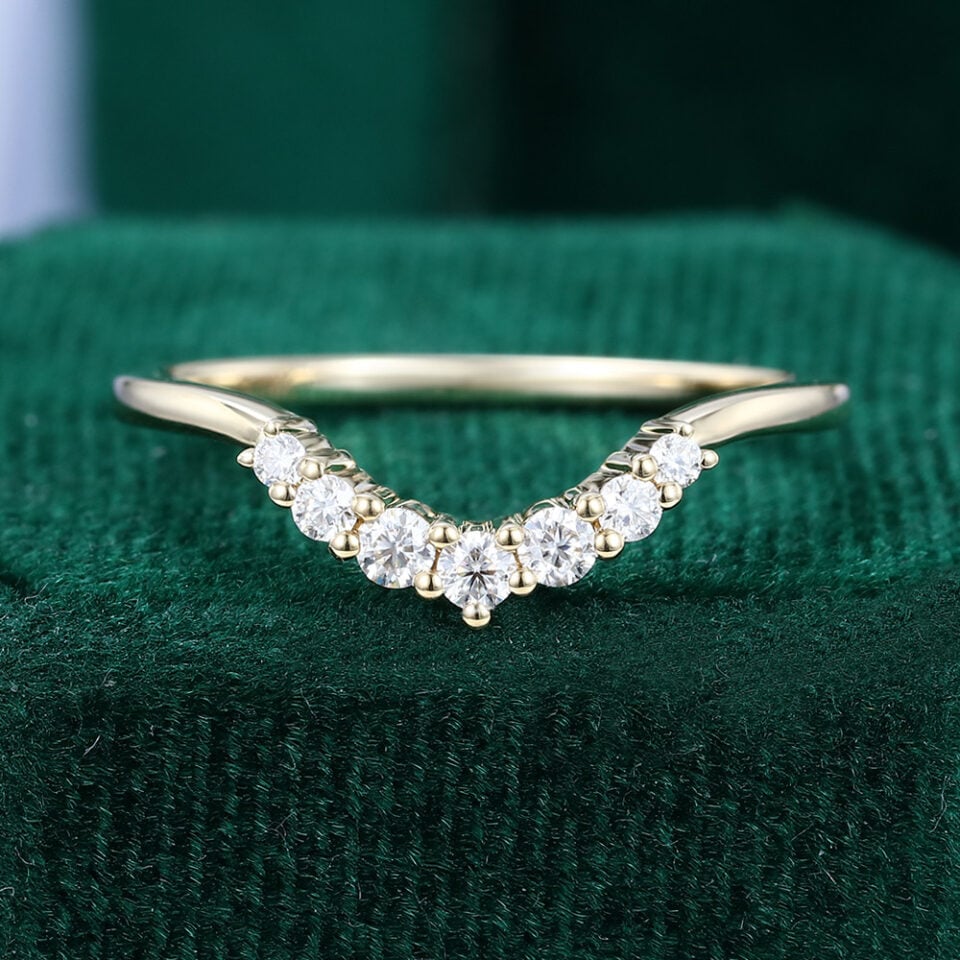
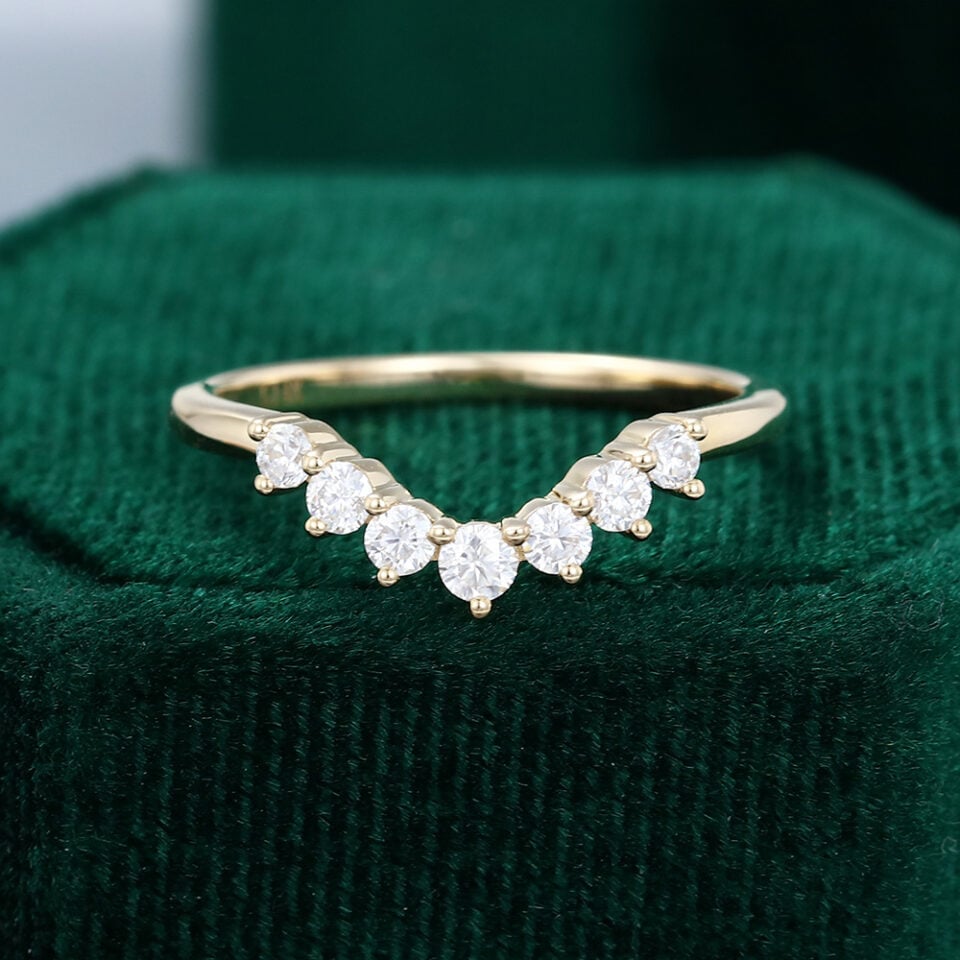
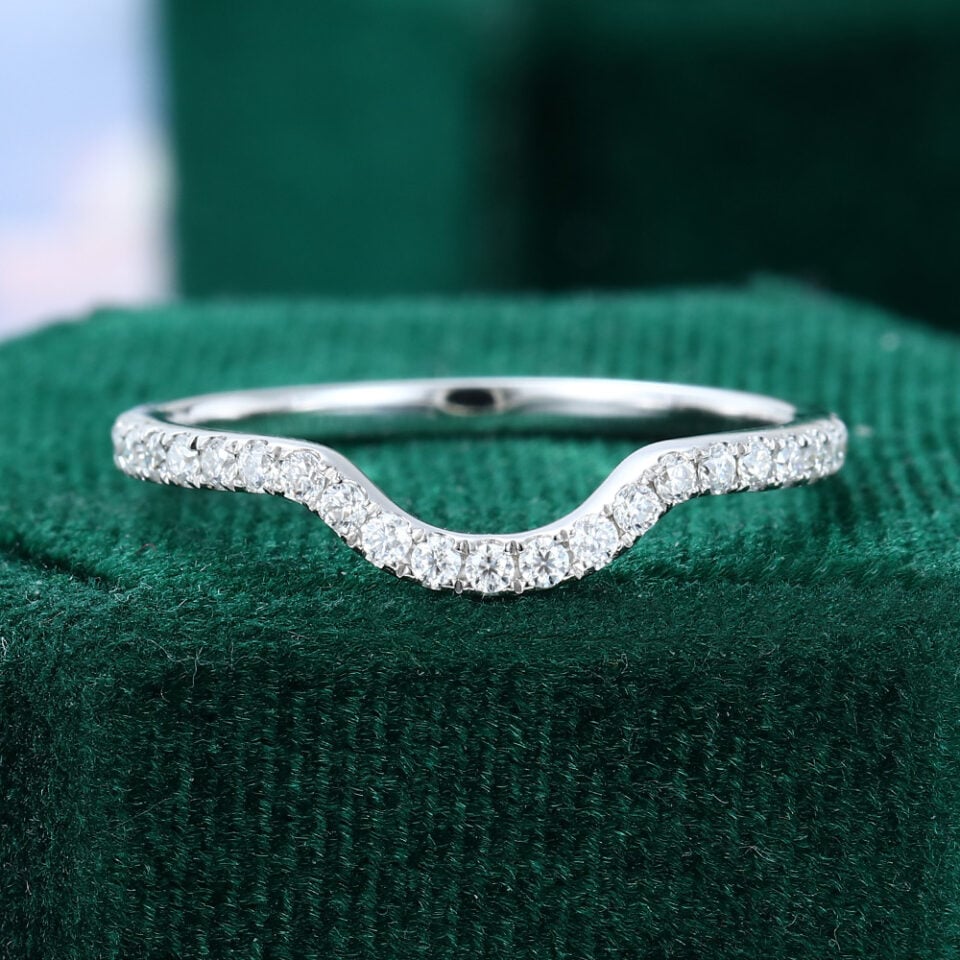
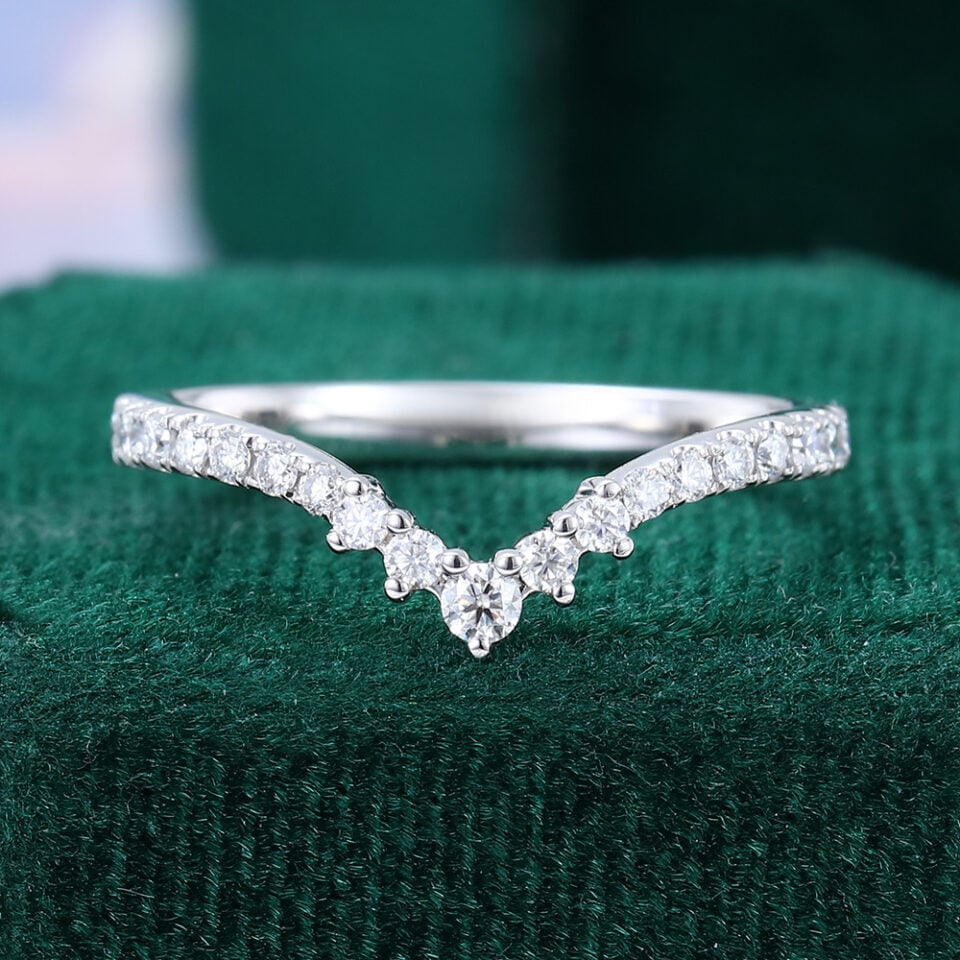
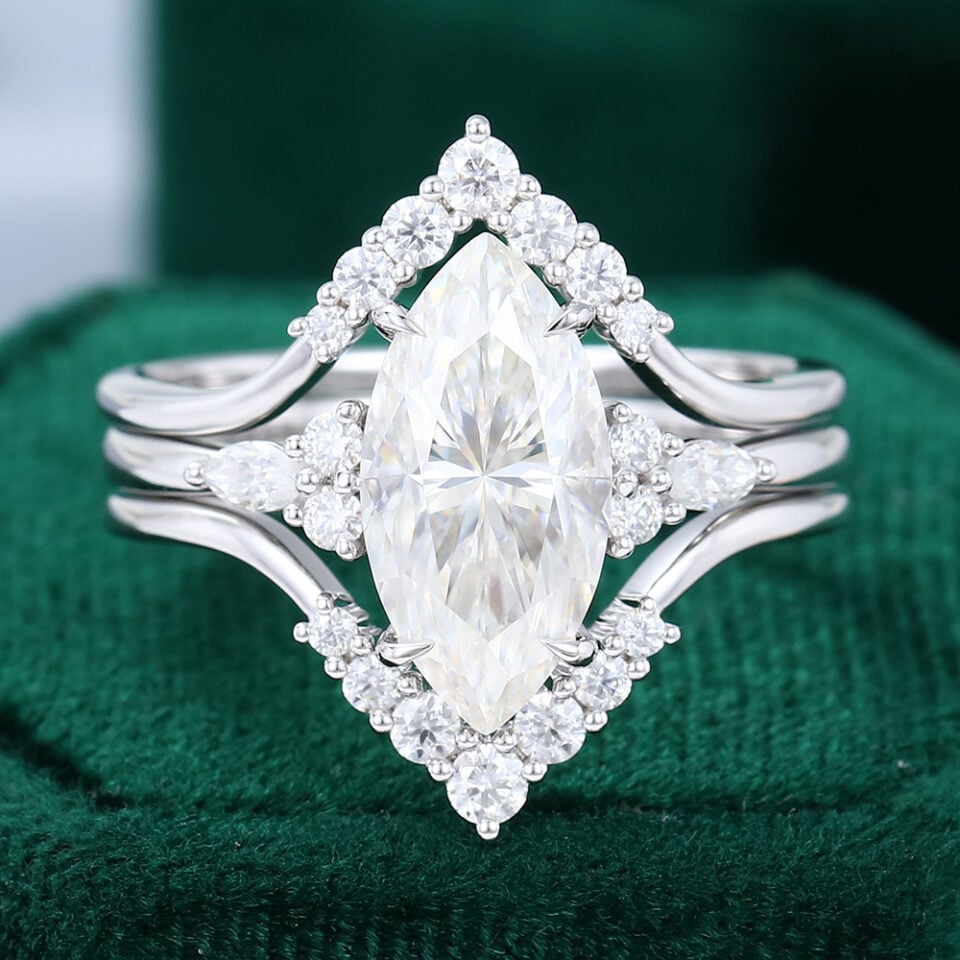
Curved & Contoured Wedding Bands
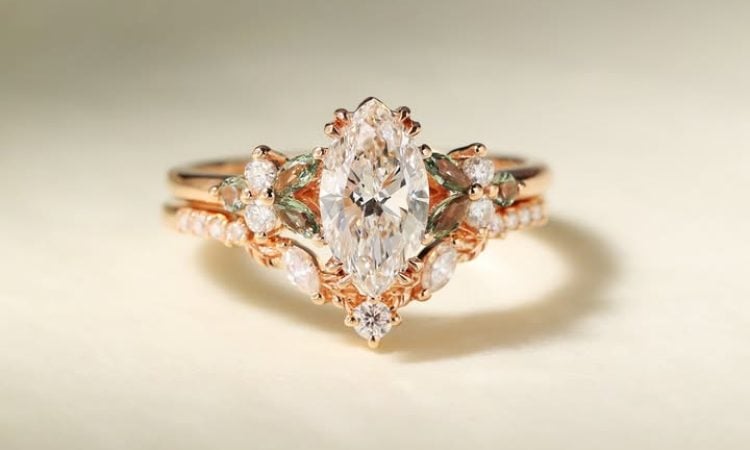
Curved bands are one of the most reliable choices for marquise rings. They follow the outline of the center stone, reducing gaps and protecting the pointed tips.
Best for:
Raised solitaire settings
Wearers who want a flush or near-flush look
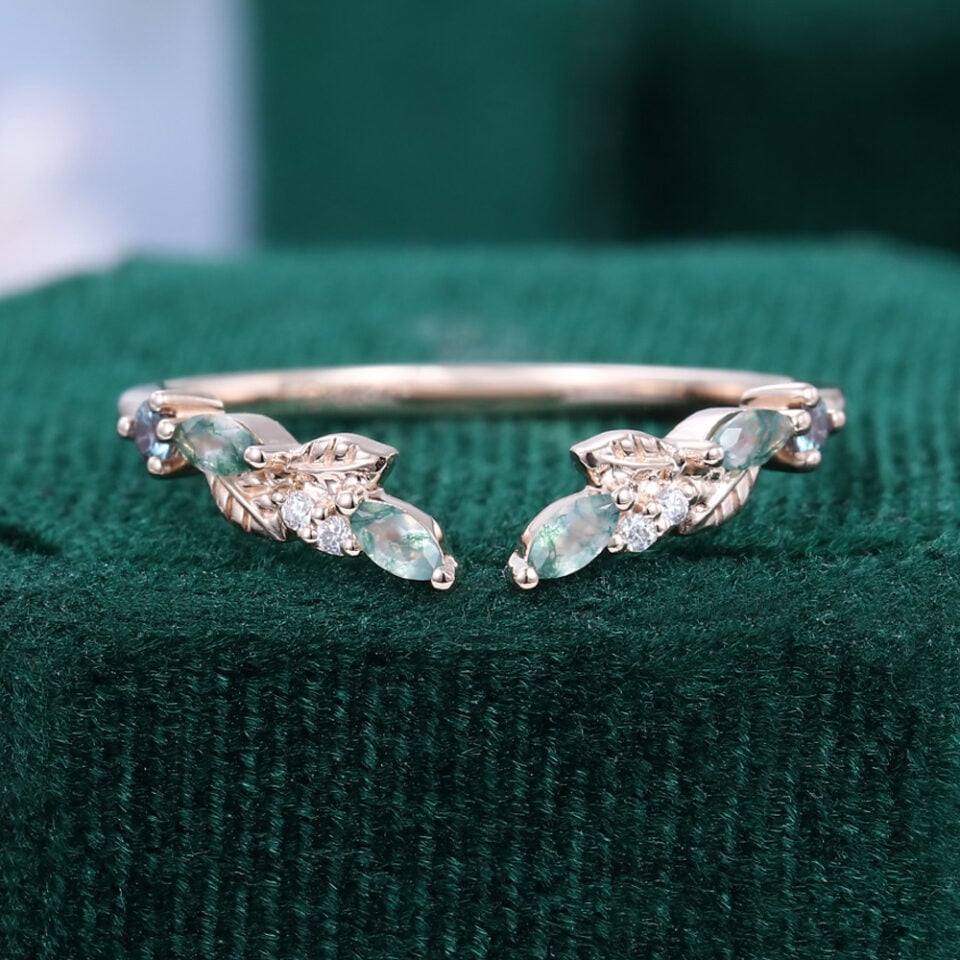
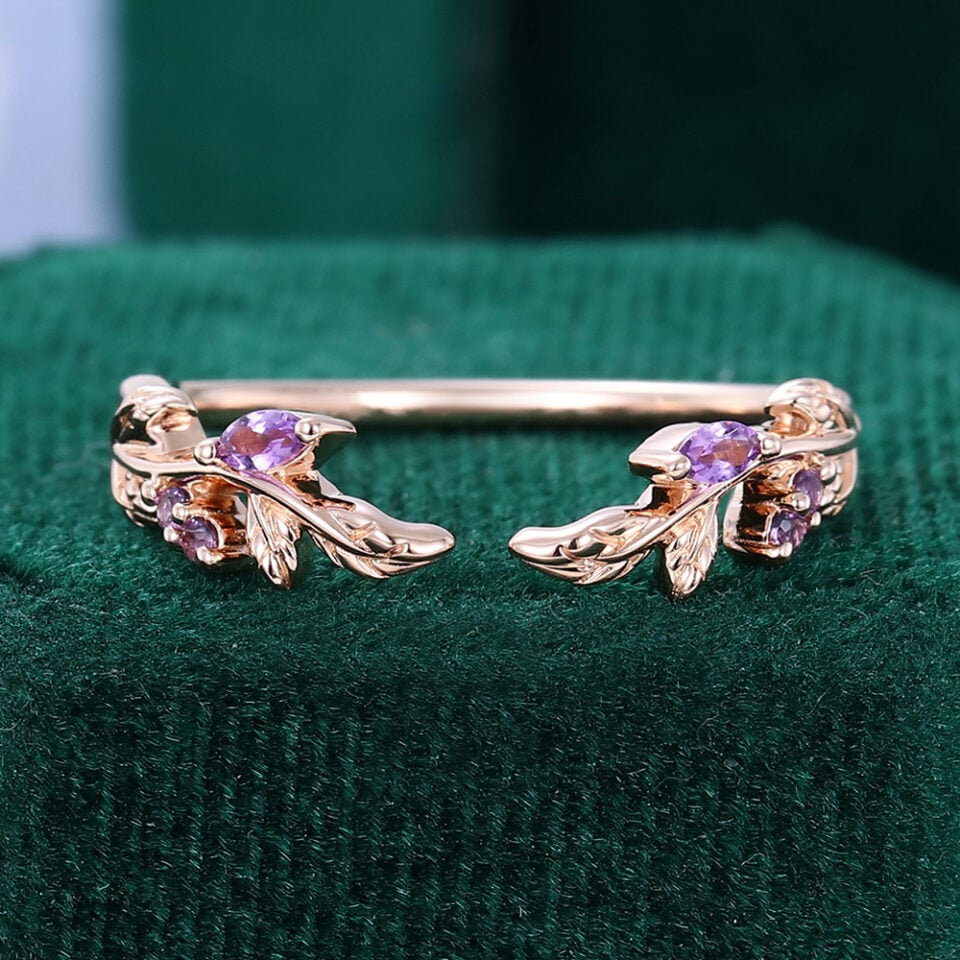
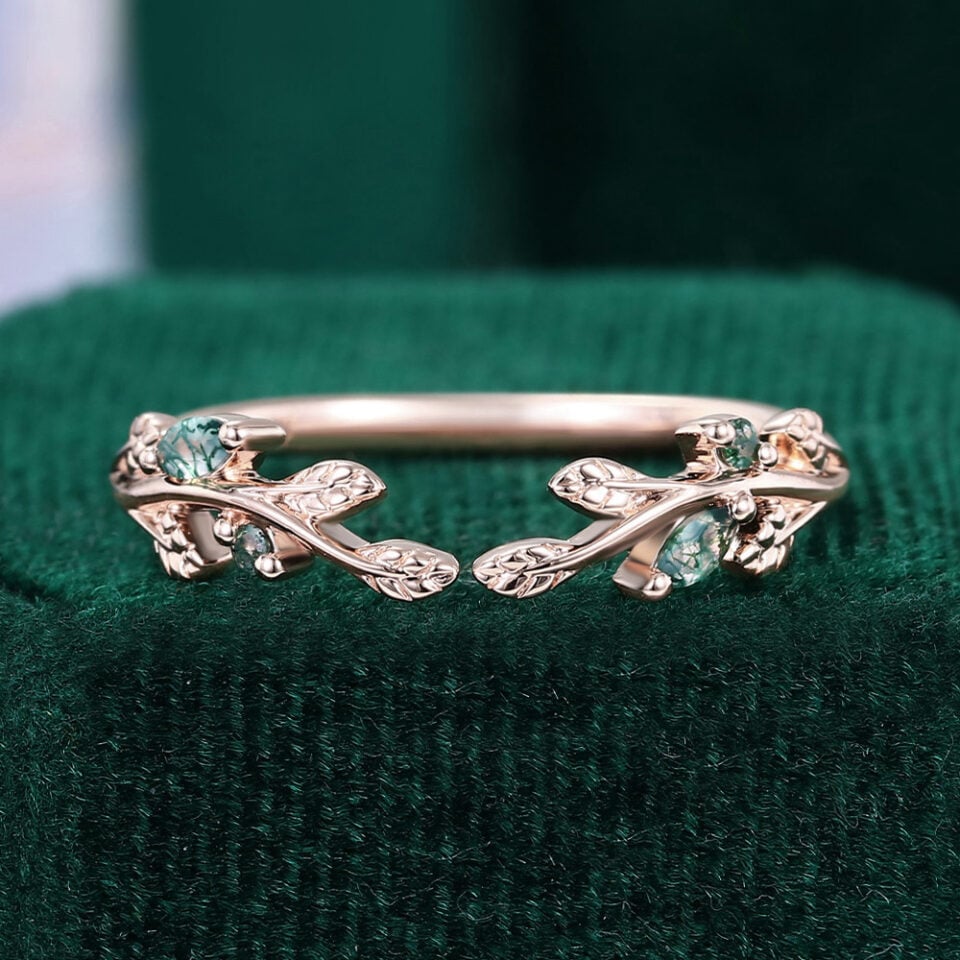
Open & Gap Wedding Bands
Open bands leave intentional space at the center, avoiding pressure on the marquise tips. They’re ideal for dramatic or sculptural engagement rings.
Best for:
High-set marquise rings
Artistic or non-traditional stacks
Straight Wedding Bands
Straight bands can work—but only in specific situations:
Low-profile marquise settings
Minimal or thin bands
When a visible gap is acceptable
If you prefer symmetry over flush stacking, straight bands can still look intentional.
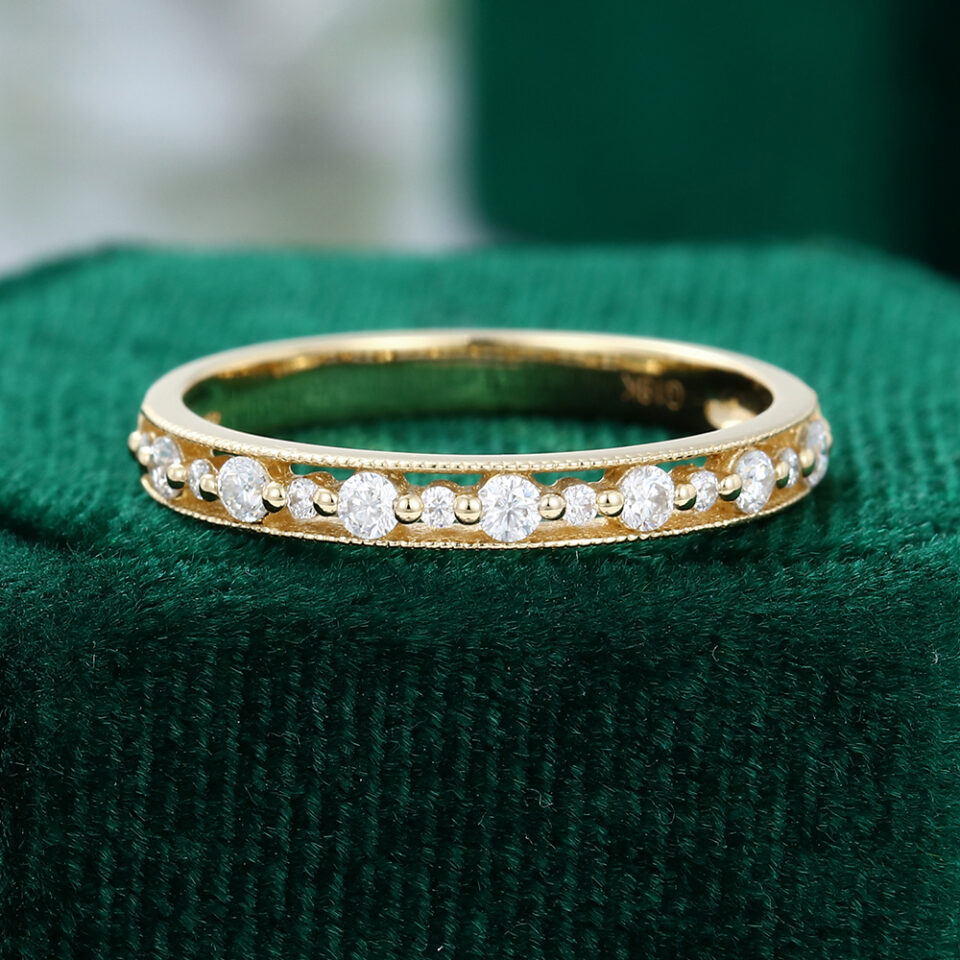
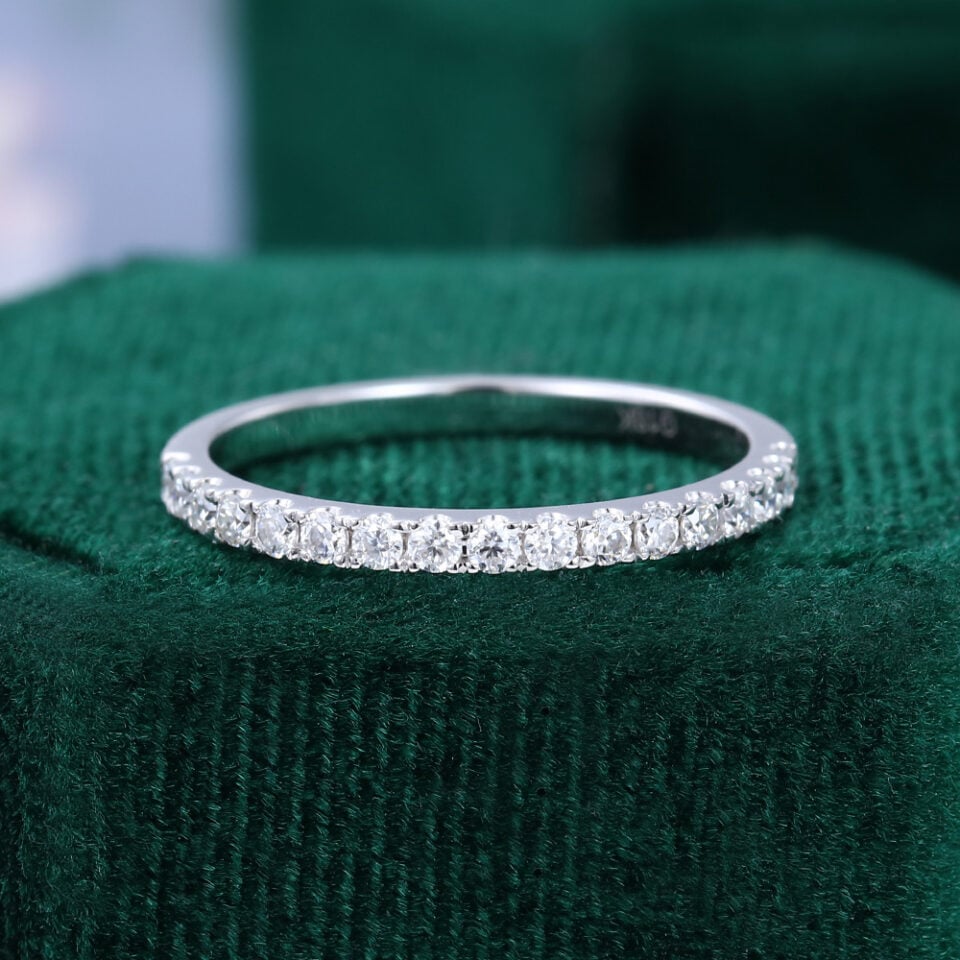
Pavé & Diamond Wedding Bands
Pavé bands add sparkle without overpowering the marquise—when balanced correctly.
Best for:
Solitaire marquise rings
Medium-width bands with fine pavé
Avoid overly thick pavé bands that compete visually with the center stone.
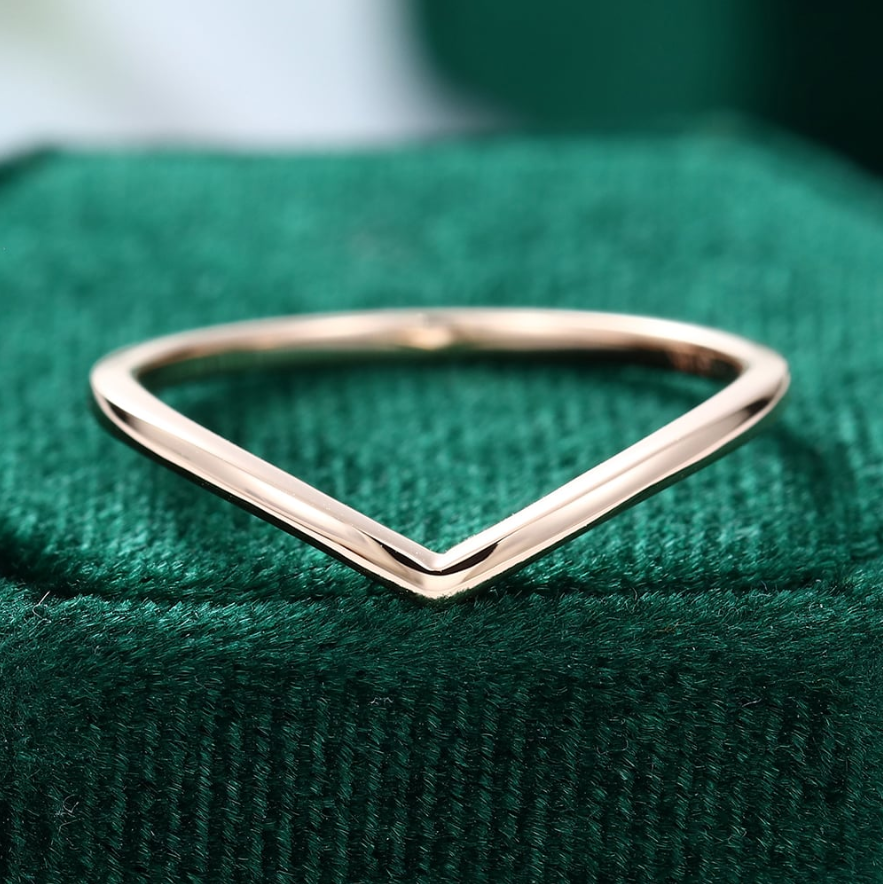
Solid & Minimal Wedding Bands
For a clean, timeless stack, solid metal bands pair beautifully with marquise rings—especially for couples seeking gender-neutral or understated designs.
Best for:
Everyday comfort
Modern, minimal aesthetics
Long-term wear without maintenance concerns
Matching by Marquise Engagement Ring Style
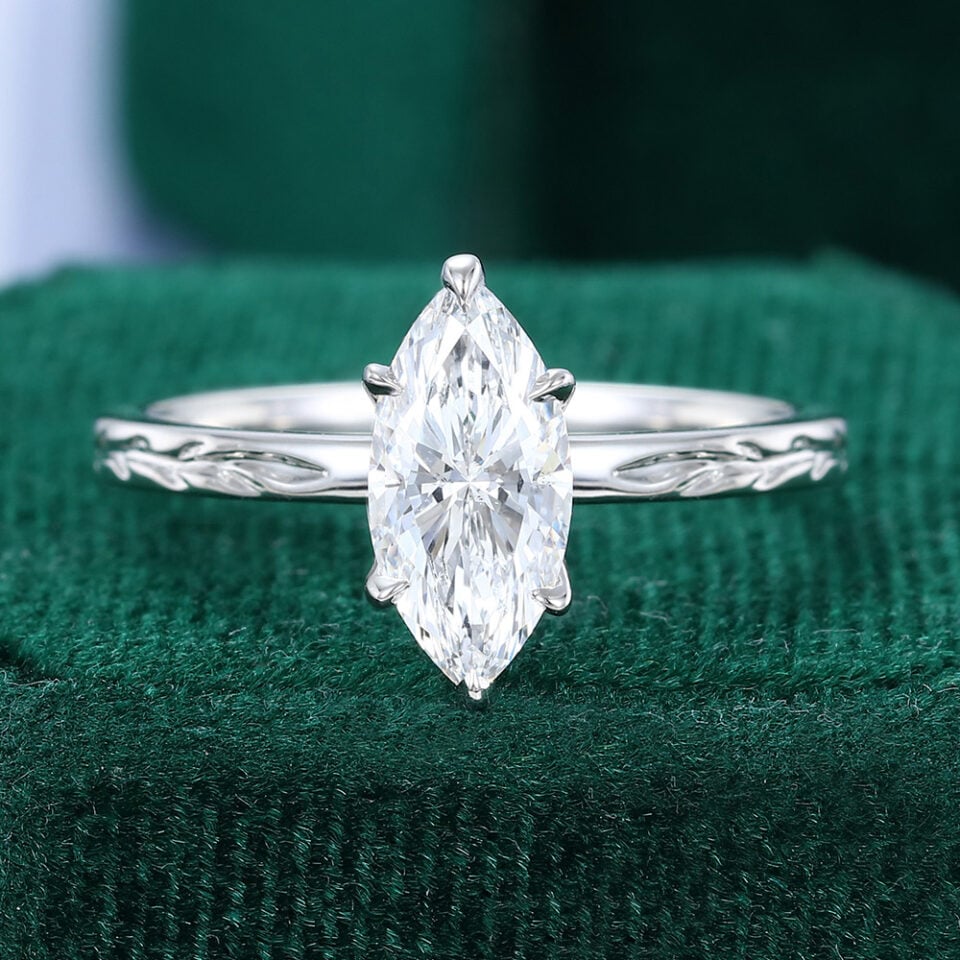
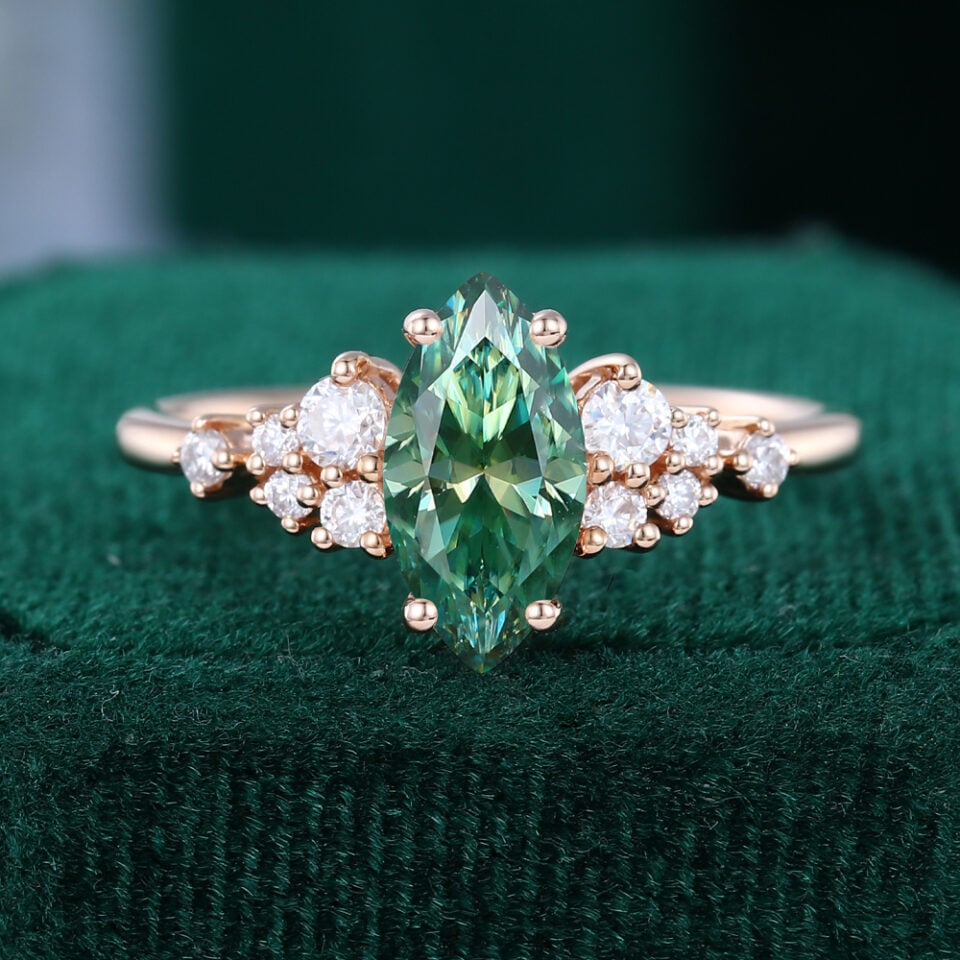
Solitaire Marquise Engagement Rings
Solitaire marquise rings offer flexibility. Curved, pavé, or minimal bands all work well—depending on whether you want softness or contrast.
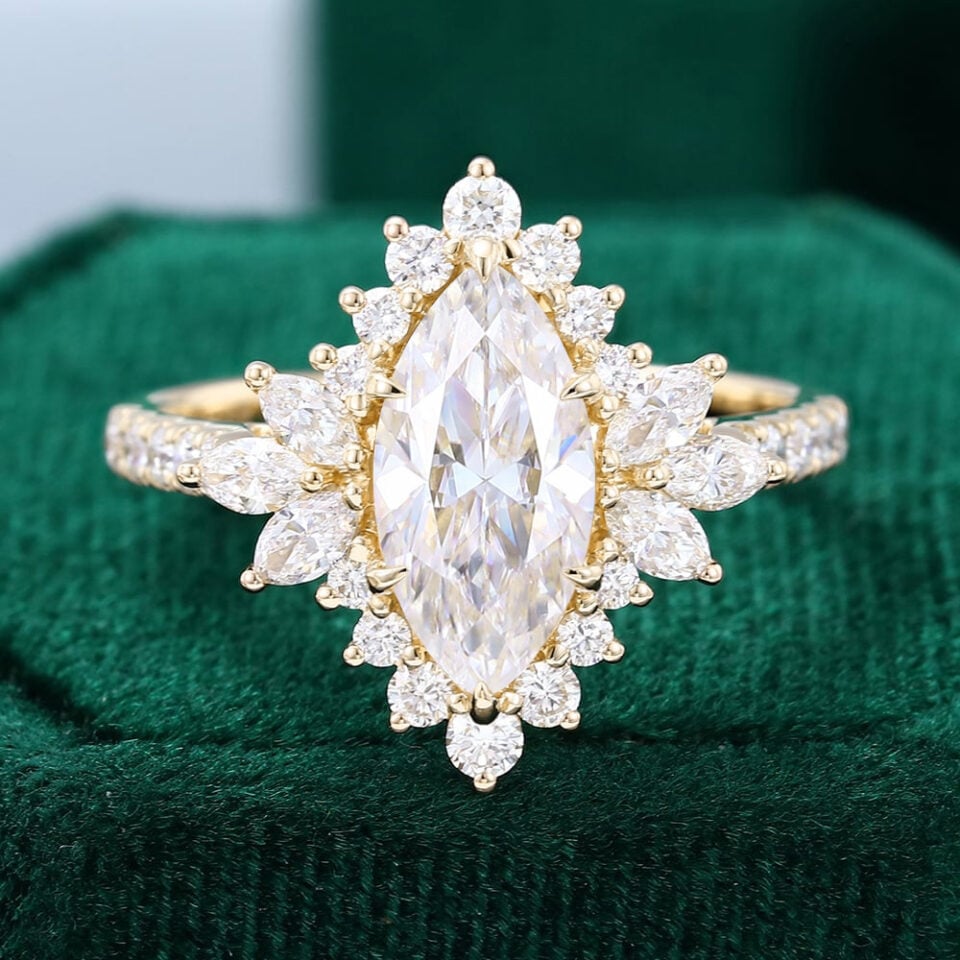
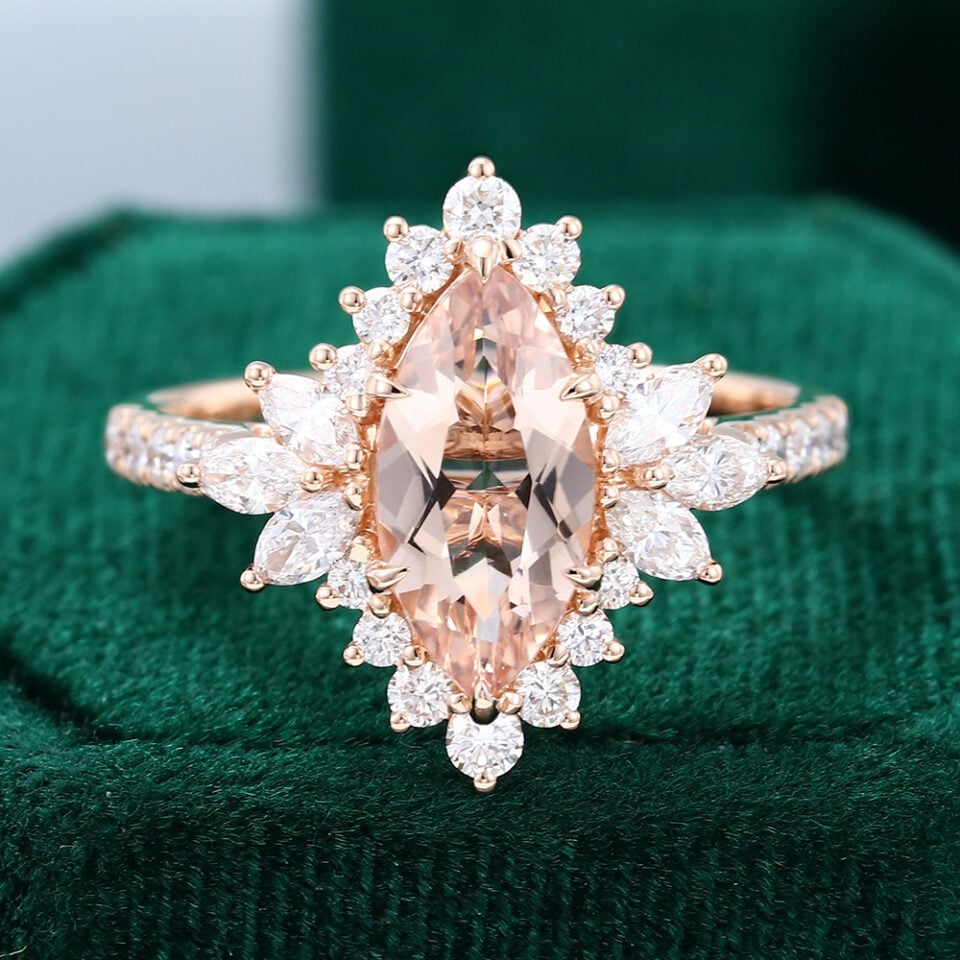
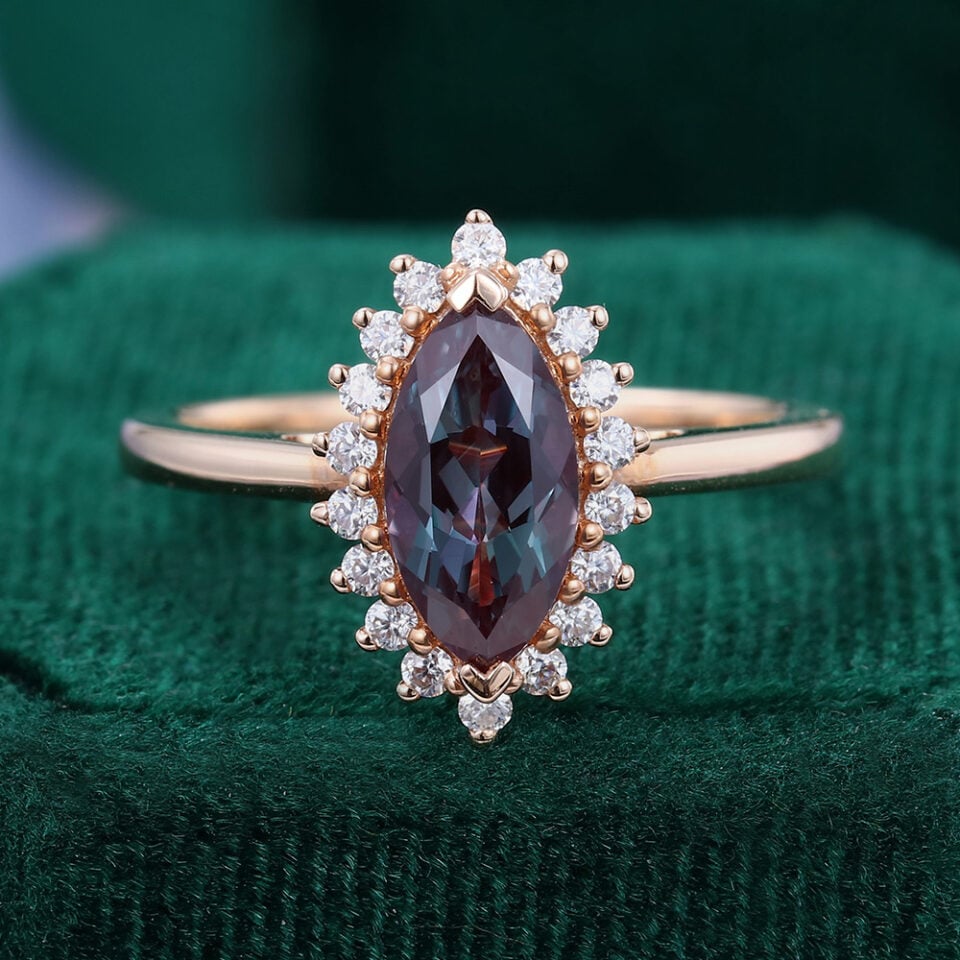
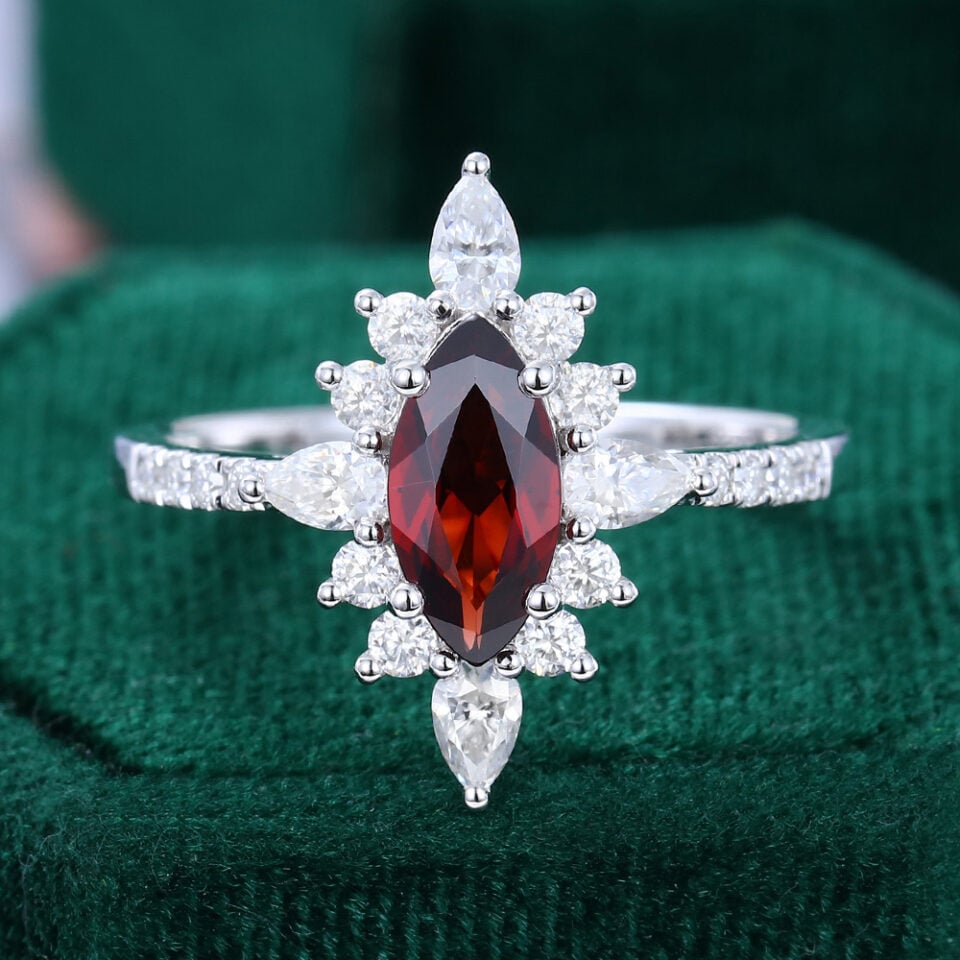
Halo Marquise Engagement Rings
Halo settings add width, making curved or contoured bands the most harmonious option. They prevent visual crowding and maintain symmetry.
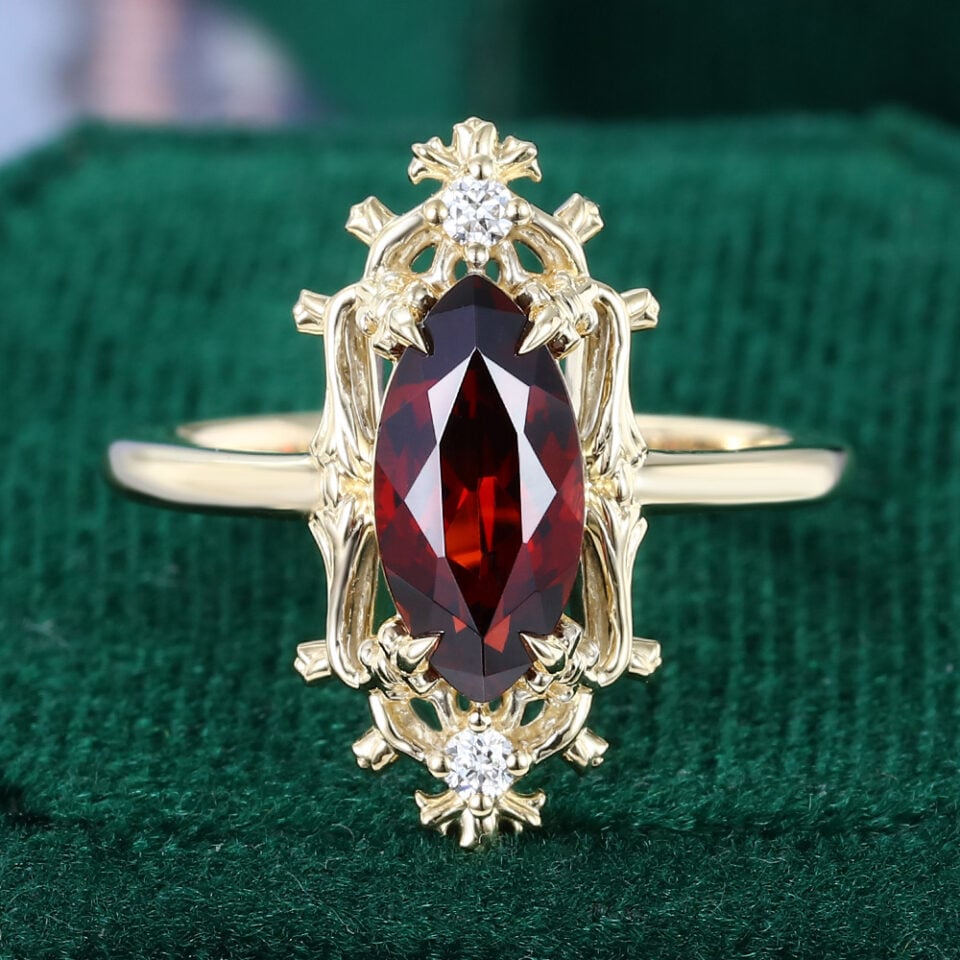
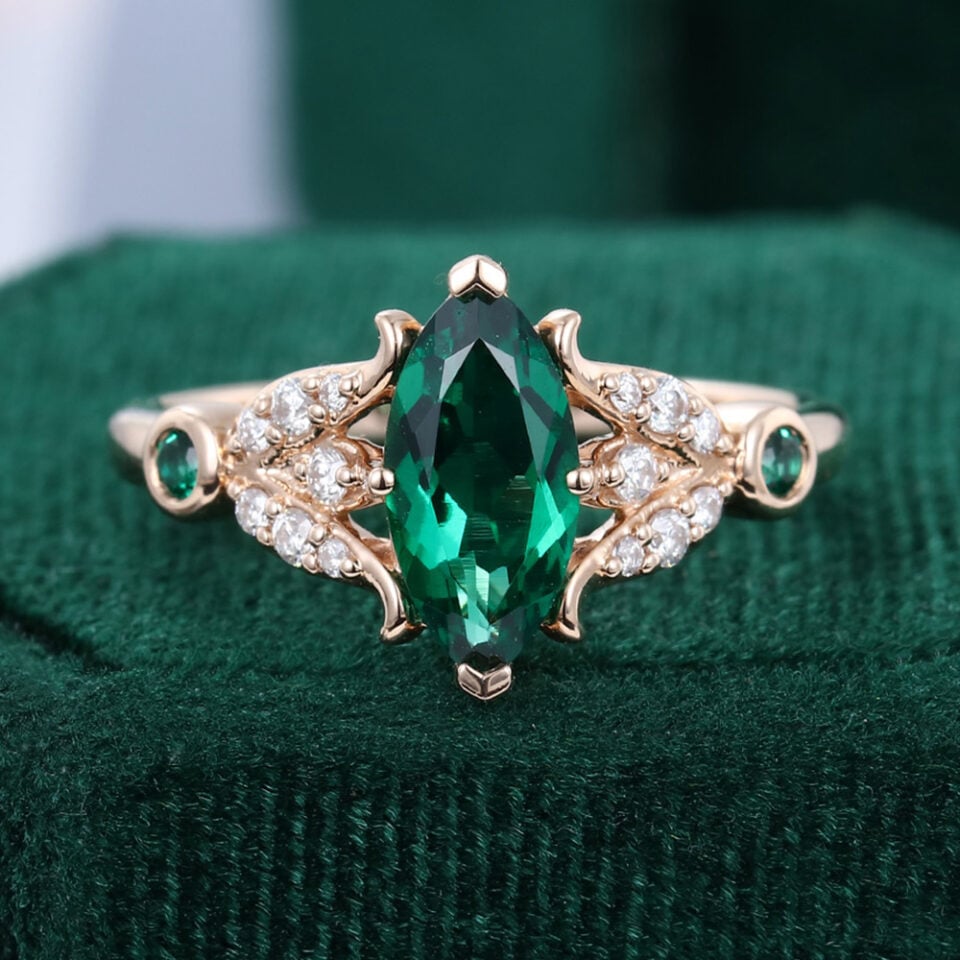
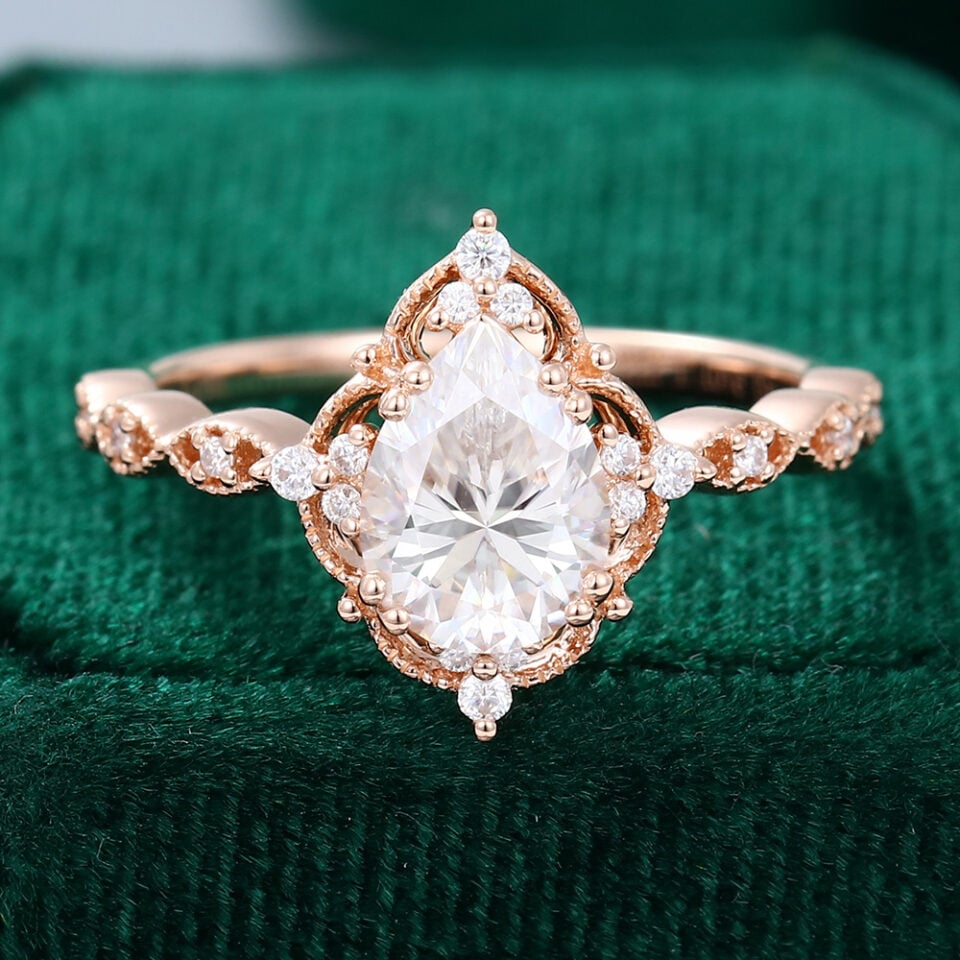
Vintage or Detailed Marquise Rings
Ornate marquise rings pair best with simpler bands. Let one piece carry the detail to avoid visual overload.
Basic Pairing Rules for Marquise Engagement Rings
While marquise rings allow for creative pairings, a few foundational rules help guide better choices:
Curved or contoured bands often provide the most natural fit
Open bands reduce pressure at the marquise points
Slim to medium widths maintain visual balance
Matching metal tone creates cohesion, especially in elongated designs
These principles act as guidelines—not restrictions—allowing flexibility without sacrificing harmony.
Comfort & Wearability Tip
Choose low-profile bands whenever possible
Lower-set bands reduce snagging on clothing and prevent pressure at the marquise points.Match band width to the engagement ring’s proportions
Slim to medium-width bands usually feel more balanced. Overly wide bands can feel bulky and visually overpower the center stone.Test the stack together, not separately
A band that feels comfortable on its own may press awkwardly against the marquise setting when worn together.Smooth inner edges matter
Comfort-fit or softly rounded interiors make a noticeable difference for daily wear.
For guidance on how engagement and wedding rings are traditionally worn and stacked, this article adds helpful clarity:
👉 Guide to Wearing Your Engagement and Wedding Ring
Common Mistakes to Avoid
Even a beautiful pairing can fail if these issues are overlooked:
❌ Choosing a band that crowds the marquise tips
❌ Forcing a flush fit when the engagement ring isn’t designed for it
❌ Ignoring finger comfort in favor of aesthetics
❌ Selecting a band that competes visually instead of complementing
Final Thoughts: Creating a Balanced Marquise Ring Stack
Marquise engagement rings reward thoughtful pairing. With the right wedding band, their dramatic shape feels intentional, elegant, and effortless—not complicated.
Whether you prefer a seamless curve, a modern gap, or a clean solid band, the key is respecting the marquise’s proportions and letting the design breathe.
Related FAQs :
Can any wedding band work with a marquise engagement ring?
Technically yes—but bands that accommodate the pointed ends and elongated shape will look and feel better long-term.
Do marquise rings need curved wedding bands?
Not always. Curved bands offer the easiest fit, but open or straight bands can work depending on the setting height.
Will a marquise engagement ring sit flush with a wedding band?
Many marquise rings leave a small gap unless paired with a contoured or open band.
Are pavé wedding bands too much with marquise rings?
Not if balanced carefully. Fine pavé enhances sparkle without overwhelming the center stone.
What’s the most comfortable wedding band for marquise rings?
Low-profile, narrow bands—especially solid or gently curved styles—tend to be the most comfortable for daily wear.