Choosing a sapphire ring isn’t just about picking a color you love. Sapphire quality is determined by a combination of factors that affect beauty, durability, and long-term value. Whether you’re shopping for an engagement ring, a meaningful gift, or a timeless heirloom, understanding sapphire quality helps you make a confident, informed decision.
This guide breaks down the four key elements of sapphire quality — color, clarity, cut, and carat — and explains how they work together in real-world jewelry, not just gem lab reports.
Sapphire quality is evaluated holistically. No single factor defines whether a sapphire is “high quality.” Instead, professionals look at how multiple characteristics interact when the stone is viewed face-up and worn daily.
High-quality sapphires typically offer:
Balanced, vibrant color
Natural clarity that doesn’t weaken the stone
Precision cutting that enhances brilliance
Proportions that maximize visual presence
Understanding these fundamentals allows buyers to move beyond marketing language and focus on what truly matters.
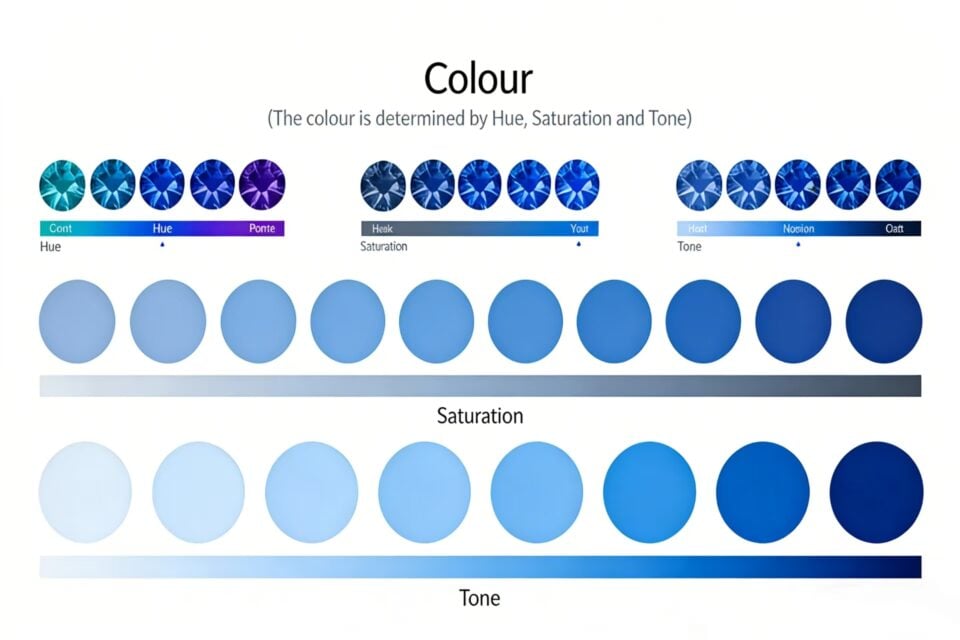
Color is the most influential factor in sapphire quality — but not simply which color you choose.
When evaluating sapphire color quality, experts focus on:
Saturation: Rich, vivid color without looking dull or gray
Tone: Neither too dark nor too pale
Evenness: Minimal color zoning across the stone
Face-up appearance: How the color looks when set and worn
A sapphire with excellent saturation and balance can appear more valuable than a larger stone with uneven or overly dark color.
If you’re exploring how different sapphire colors express style and meaning, you may find our Colored Sapphire Engagement Ring Guide helpful for deeper inspiration.
Sapphire Clarity: What Inclusions Are Acceptable?
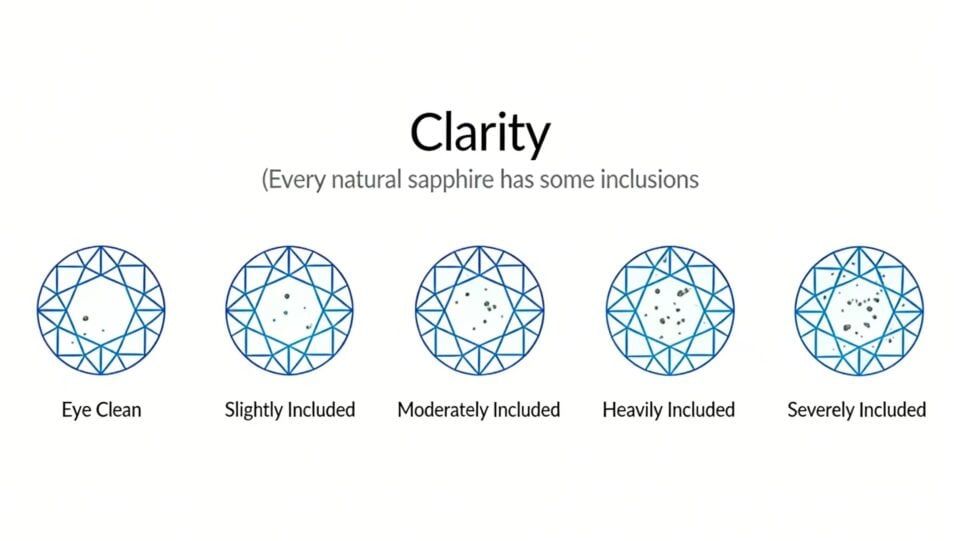
Unlike diamonds, sapphires naturally contain inclusions — and this is completely normal. In fact, some inclusions help gemologists distinguish natural sapphires from synthetics.
When assessing sapphire clarity, quality depends on:
Visibility: Are inclusions noticeable to the naked eye?
Location: Surface-reaching fractures affect durability more than internal inclusions
Impact on brilliance: Heavy inclusions can reduce sparkle and transparency
For engagement rings and everyday wear, eye-clean sapphires with stable internal characteristics offer the best balance of beauty and longevity.
Sapphire Cut: Why Quality Matters More Than Shape
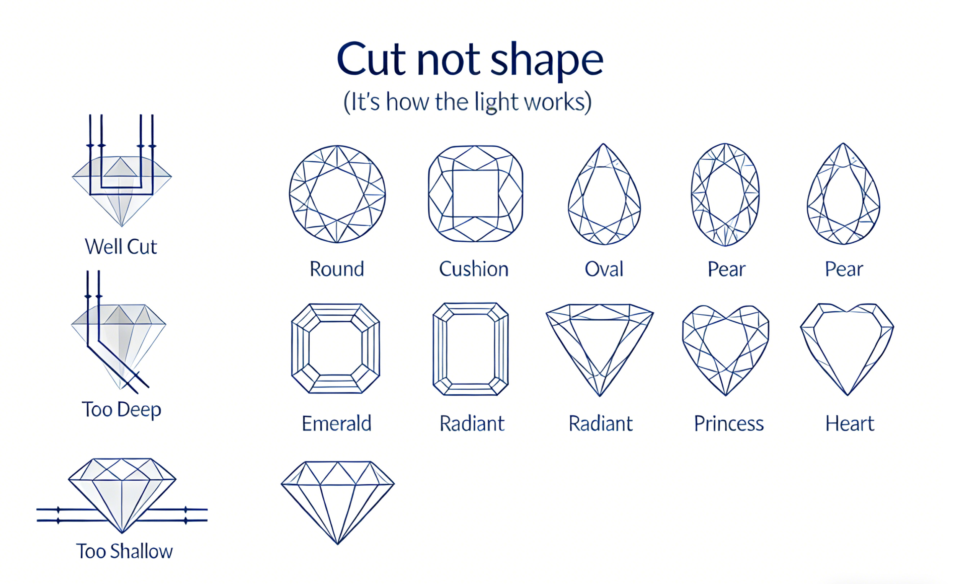
Cut quality is often misunderstood. Sapphire cut does not refer to shape (oval, round, emerald) — it refers to how well the stone is proportioned and faceted.
A high-quality sapphire cut:
Enhances color depth
Prevents windowing (see-through areas)
Maximizes brilliance and light return
Even a richly colored sapphire can appear lifeless if poorly cut. Precision cutting is especially important for sapphires, as it determines how the color performs when worn in natural light.
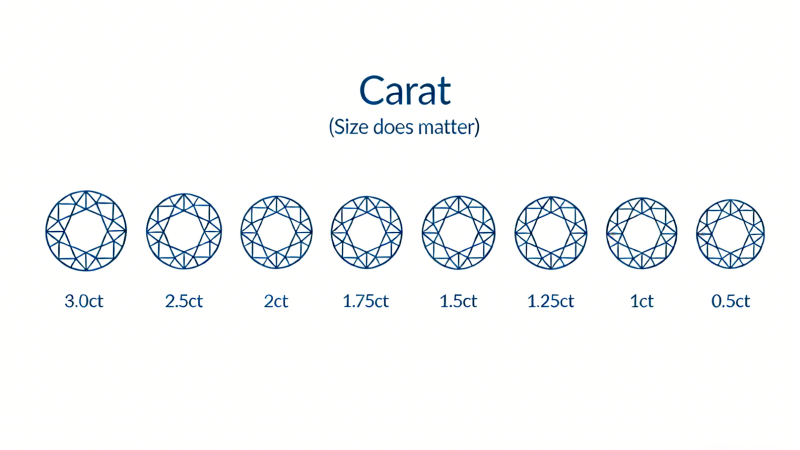
Sapphire Carat: Size vs. Visual Impact
Carat weight alone does not define sapphire quality or beauty.
Because sapphires vary in density and cut proportions:
Two sapphires of the same carat weight may look very different in size
Face-up spread often matters more than numeric carat weight
Well-cut sapphires can appear larger without sacrificing quality
Buyers seeking visual impact should prioritize proportions and cut rather than chasing carat weight alone.
How to Choose a High-Quality Sapphire for Your Ring
Different jewelry purposes call for different quality priorities.
For engagement rings: Focus on color balance, durability, and a secure cut suitable for daily wear.
For statement or heirloom pieces: Prioritize exceptional color and cutting craftsmanship.
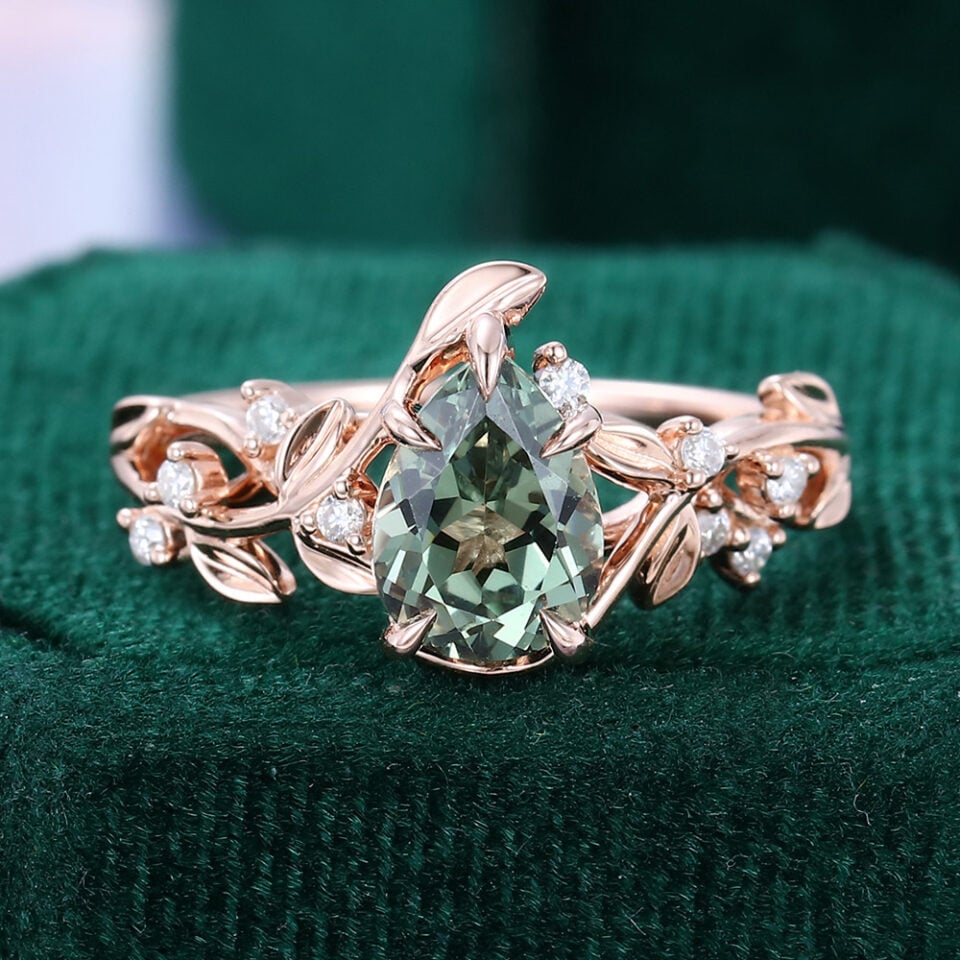
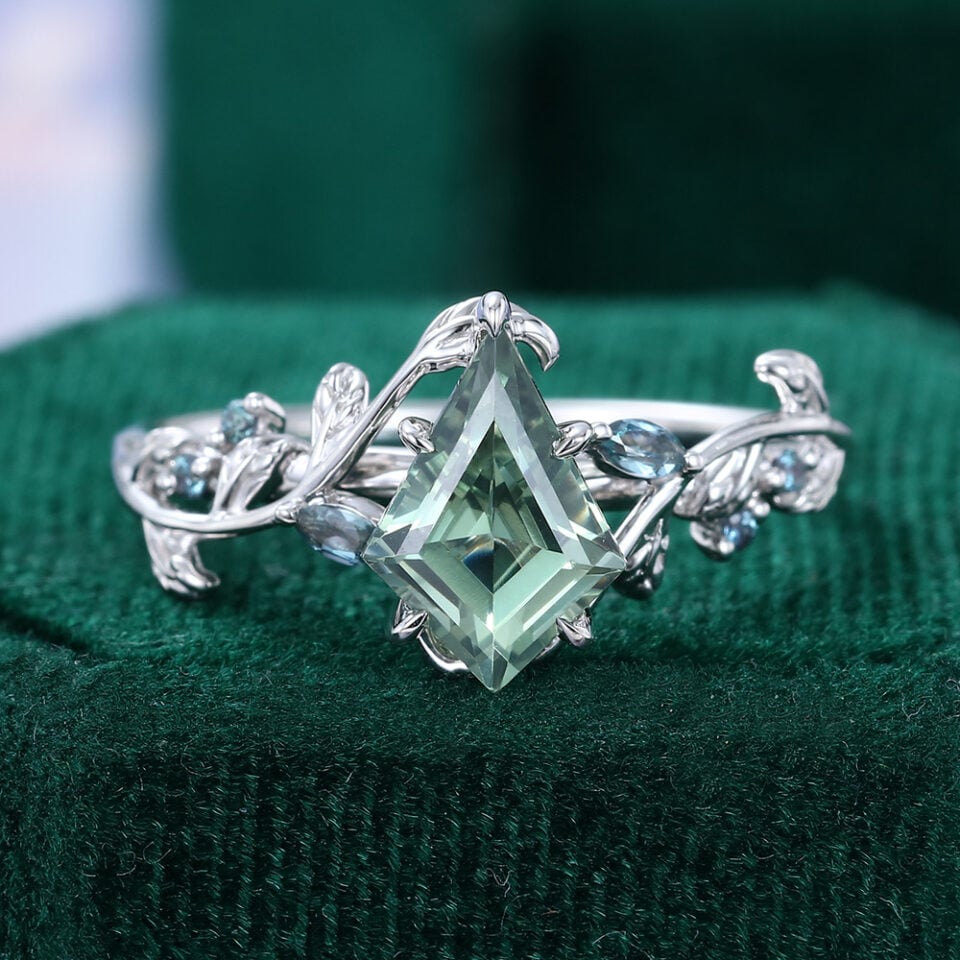
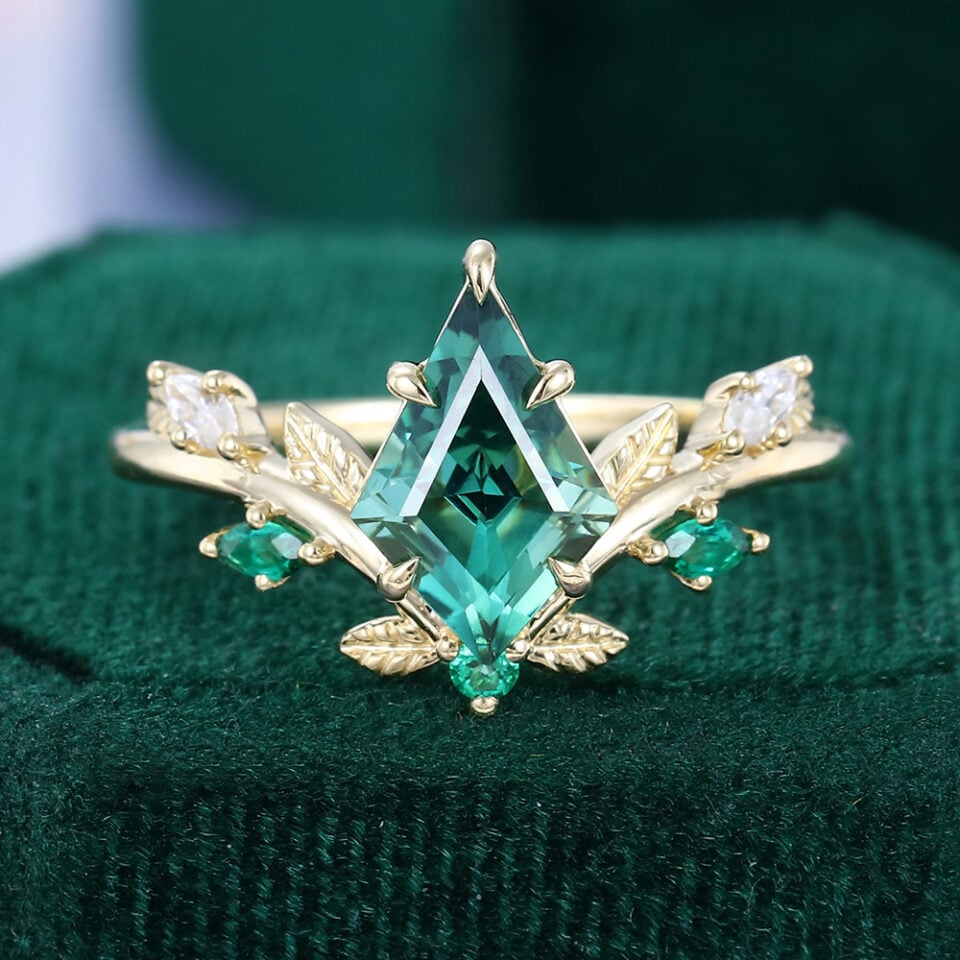
For modern or nature-inspired designs: Unique hues like teal or green sapphires offer individuality without compromising quality.
If you’re comparing specific color families, our guide on Teal Sapphire vs. Green Sapphire explores how tone and undertone influence both beauty and value.
Sapphire Quality vs. Price: What’s Worth Paying For?
Higher sapphire prices usually reflect:
Superior color saturation and balance
Precision cutting
Reliable durability for long-term wear
However, not every price increase means better value. Factors like oversized carat weight or overly rare color labels don’t always improve everyday beauty or wearability.
Smart buyers invest in visible quality — the features that enhance how the sapphire looks and performs over time.
Expert Tips for Buying Quality Sapphire Jewelry Online
When shopping online, evaluating sapphire quality requires transparency and craftsmanship.
Look for:
Clear descriptions of color, clarity, and cut
Real photography showing face-up appearance
Jewelry designed for durability, not just aesthetics
Educational resources like our September Birthstone: Sapphire Guide can also help you understand symbolism and long-term significance before purchasing.
Final Thoughts: Understanding Sapphire Quality with Confidence
Sapphire quality isn’t about finding a “perfect” stone — it’s about choosing the right balance for your lifestyle, taste, and values. By understanding how color, clarity, cut, and carat work together, you can select a sapphire that feels meaningful, beautiful, and lasting.
A well-chosen sapphire doesn’t just sparkle — it tells a story that endures.
What is the most important factor in sapphire quality?
Color is generally the most important factor in determining sapphire quality, but it must be evaluated together with clarity, cut, and carat. A sapphire with vibrant, well-balanced color and good cutting often appears more beautiful than a larger stone with poor color or proportions.
Are inclusions normal in high-quality sapphires?
Yes. Natural sapphires almost always contain inclusions. High-quality sapphires typically have inclusions that are not easily visible to the naked eye and do not affect durability. Unlike diamonds, a completely inclusion-free sapphire can actually raise questions about whether it is natural.
Does a higher carat sapphire always mean better quality?
No. Carat weight only measures size, not beauty or quality. A well-cut sapphire with excellent color can appear larger and more brilliant than a heavier stone with poor proportions or dark tone. Visual presence is often more important than carat number alone.
How does cut affect sapphire quality?
Cut directly impacts how light travels through the sapphire. A high-quality cut enhances color depth, brilliance, and sparkle, while a poor cut can cause windowing or dullness. Cut quality is especially critical for sapphires because their beauty relies heavily on how color is displayed face-up.
Are darker sapphires higher quality than lighter ones?
Not necessarily. While rich tones are desirable, sapphires that are too dark may appear black in low light, reducing brilliance. High-quality sapphires have balanced tone — vivid without losing transparency or sparkle.
Is sapphire quality the same for all colors?
he same quality principles apply to all sapphire colors, but visual preferences and value factors vary by color family. For example, teal and green sapphires are often evaluated for color balance and undertone, while blue sapphires are judged more strictly on saturation and tone consistency.
Can sapphire quality affect durability for everyday wear?
Yes. While sapphires are durable gemstones, poor cutting, surface-reaching inclusions, or overly thin girdles can weaken the stone over time. High-quality sapphires are cut and selected to withstand daily wear, especially in engagement rings.