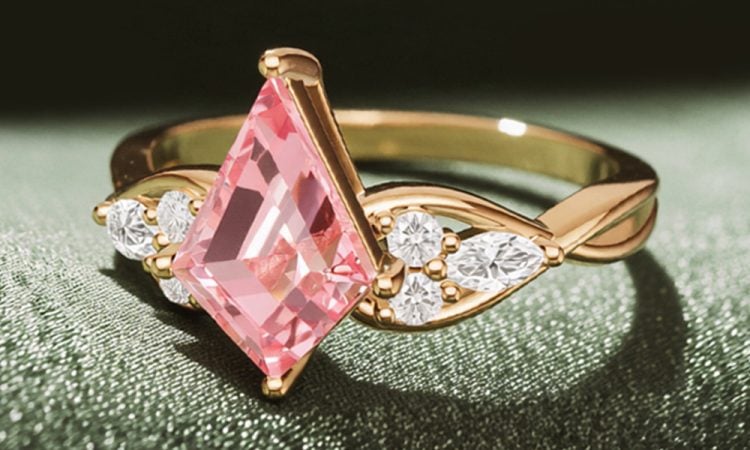
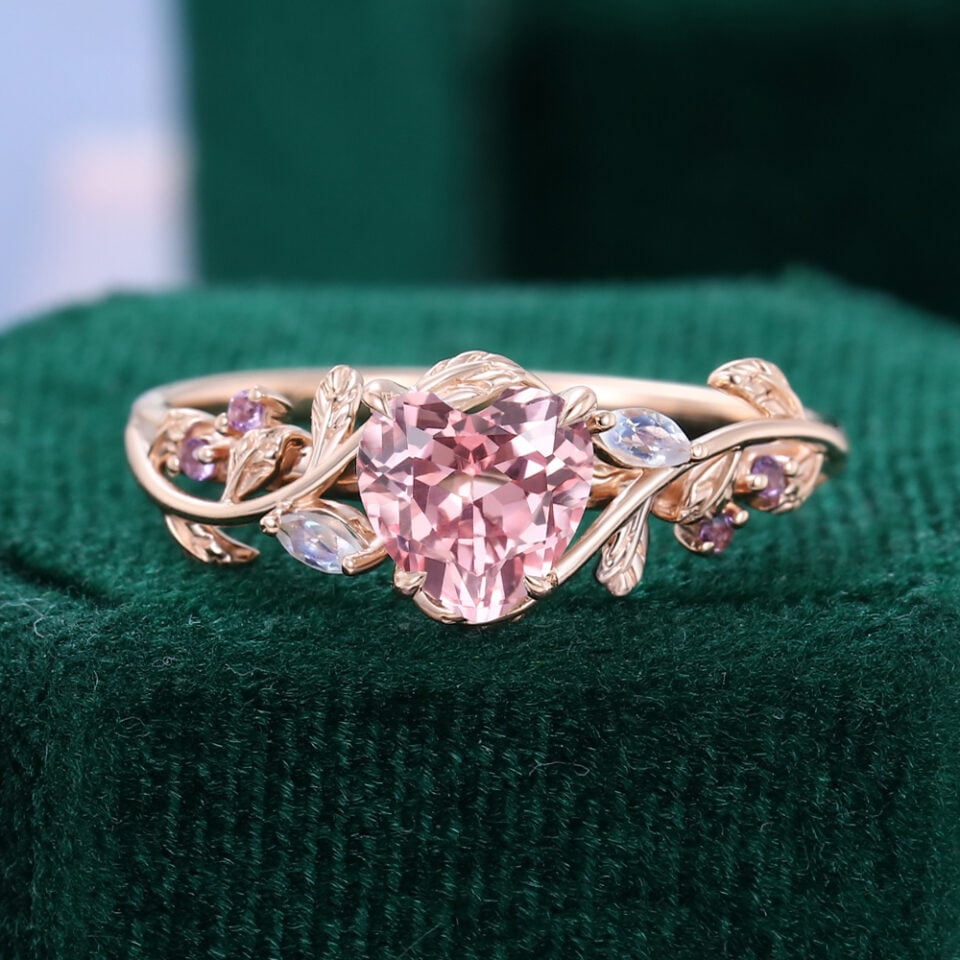
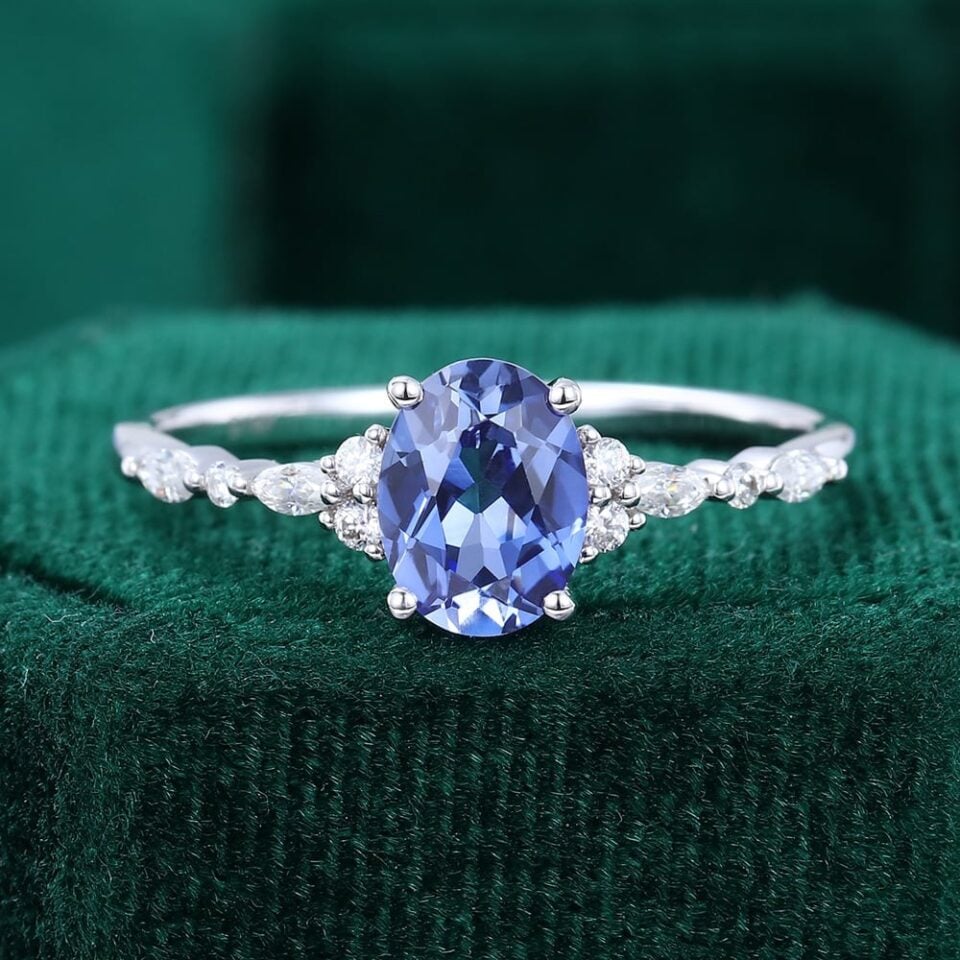
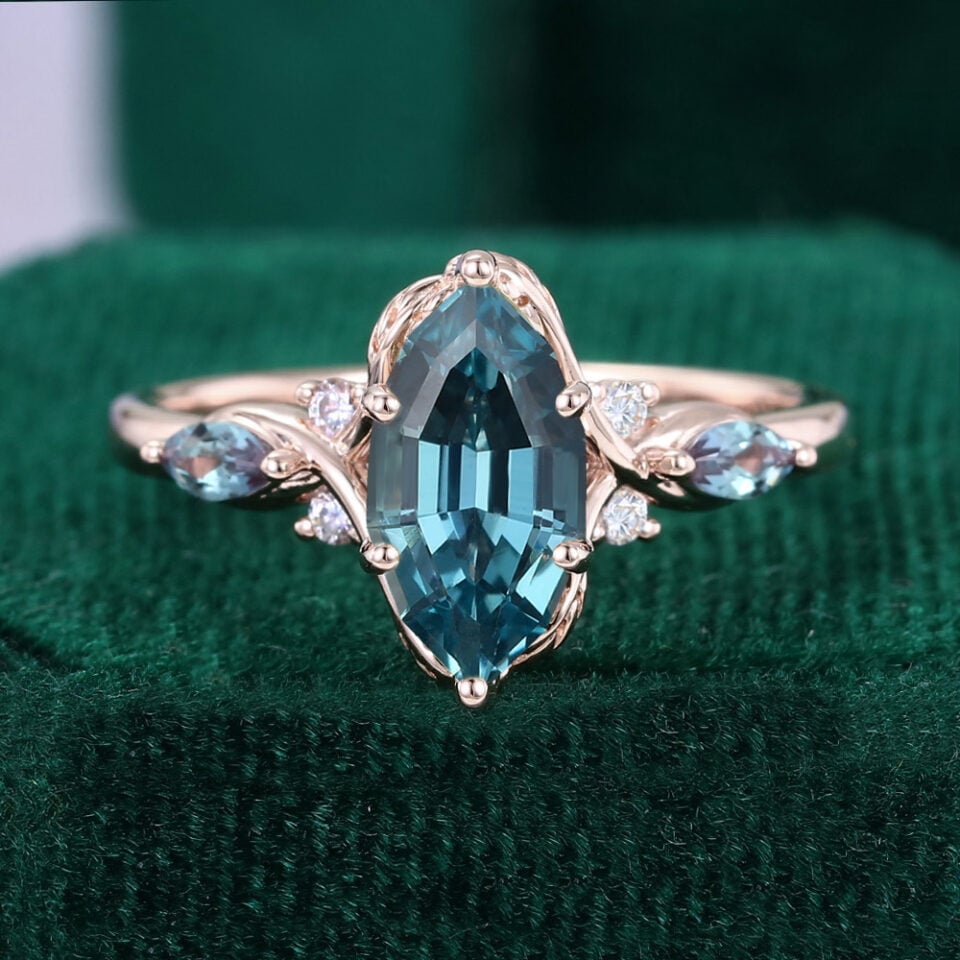
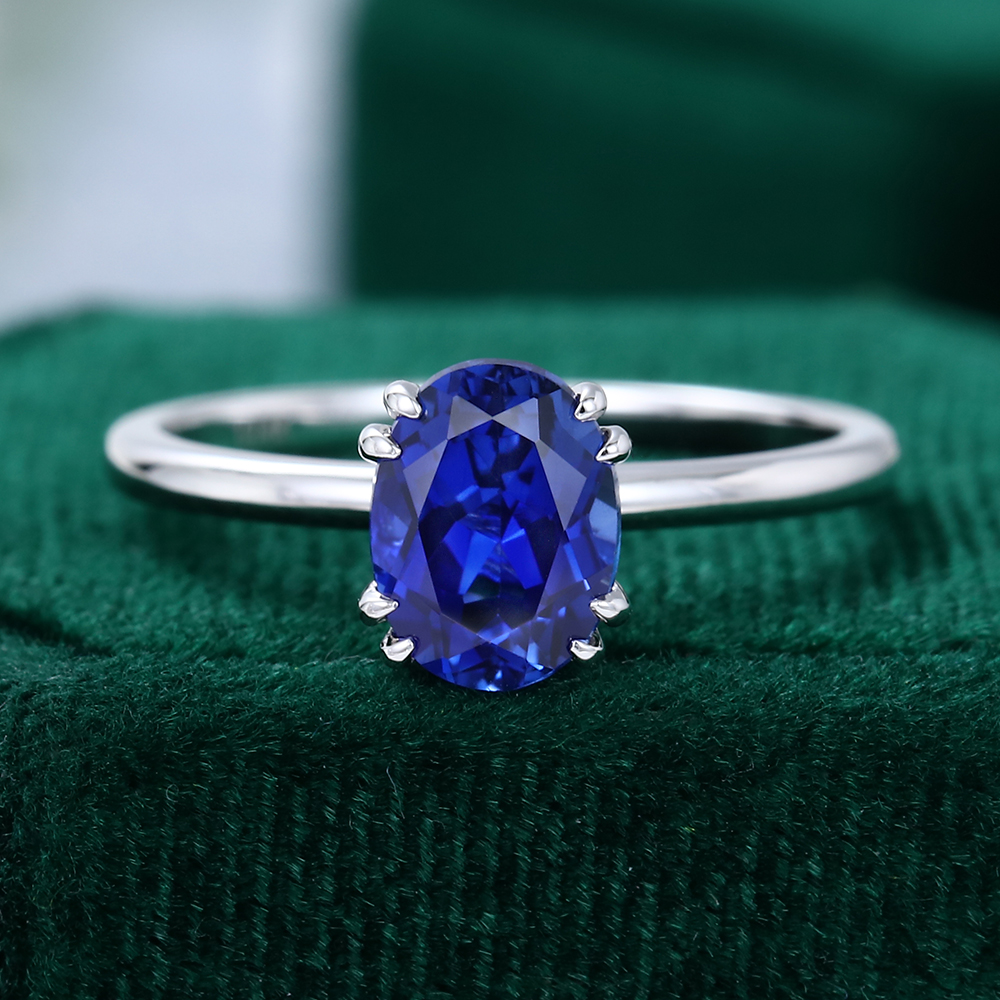
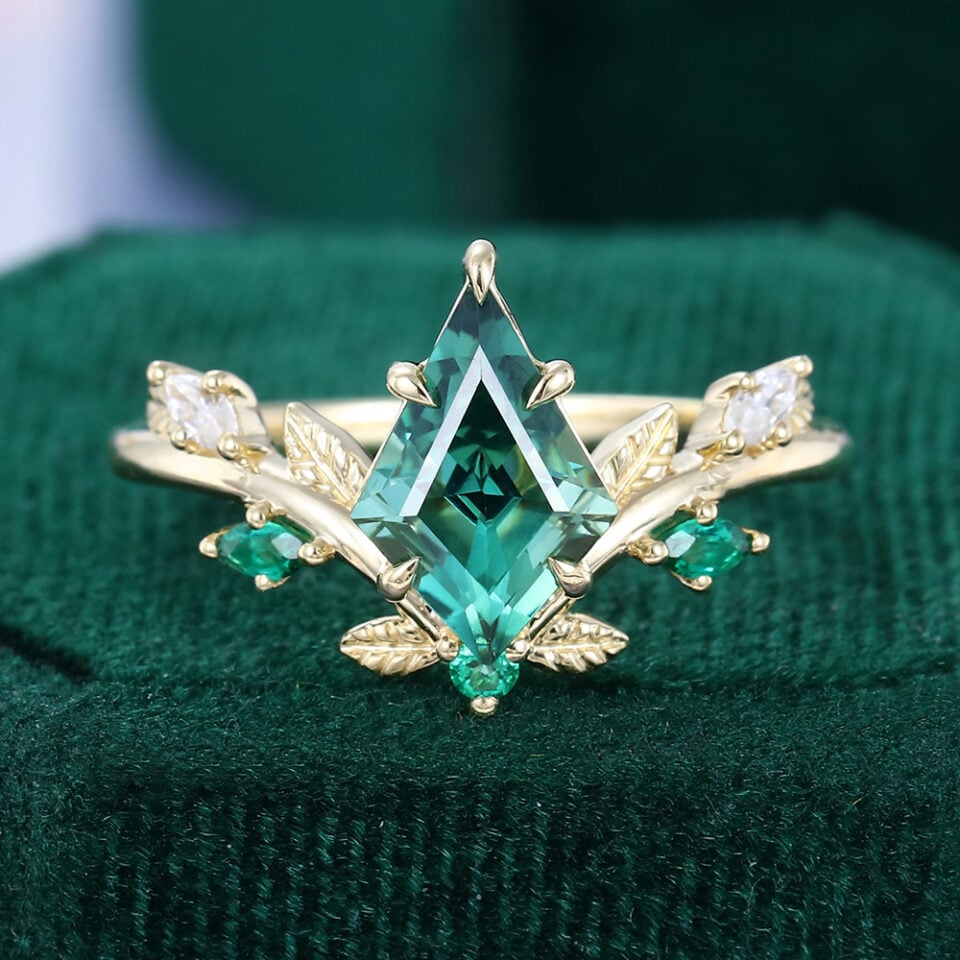
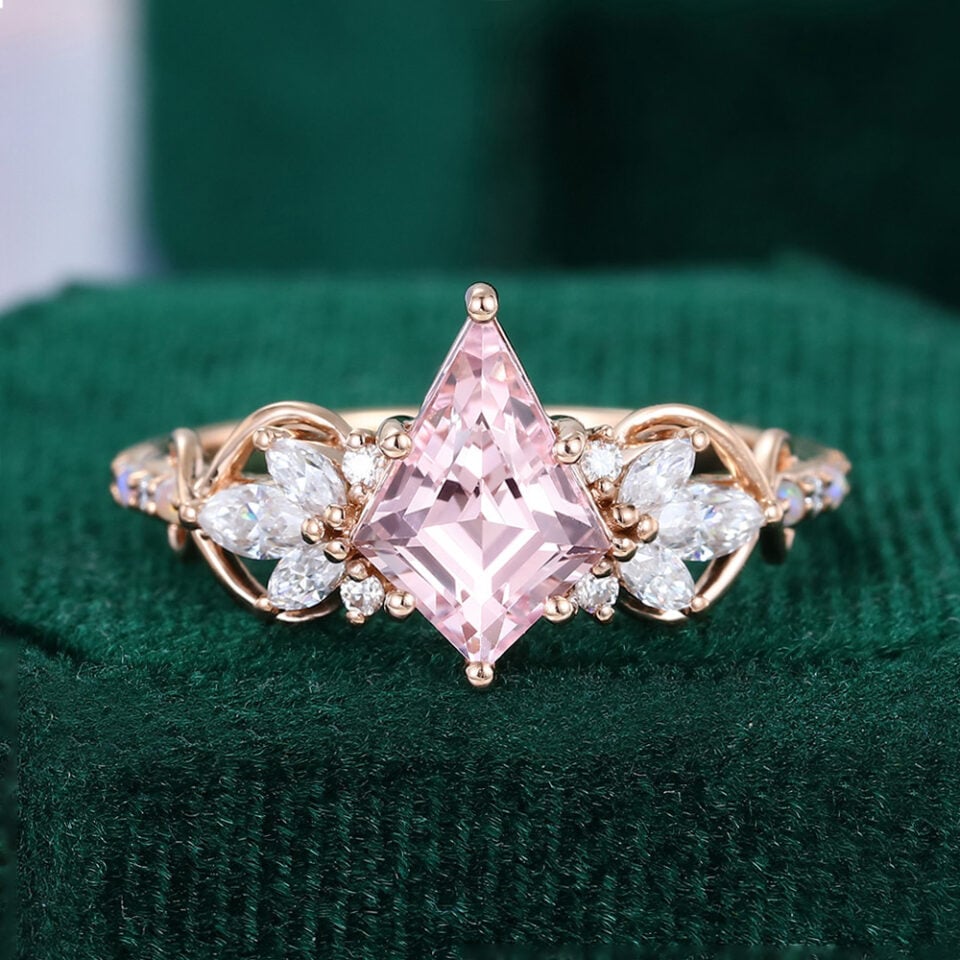
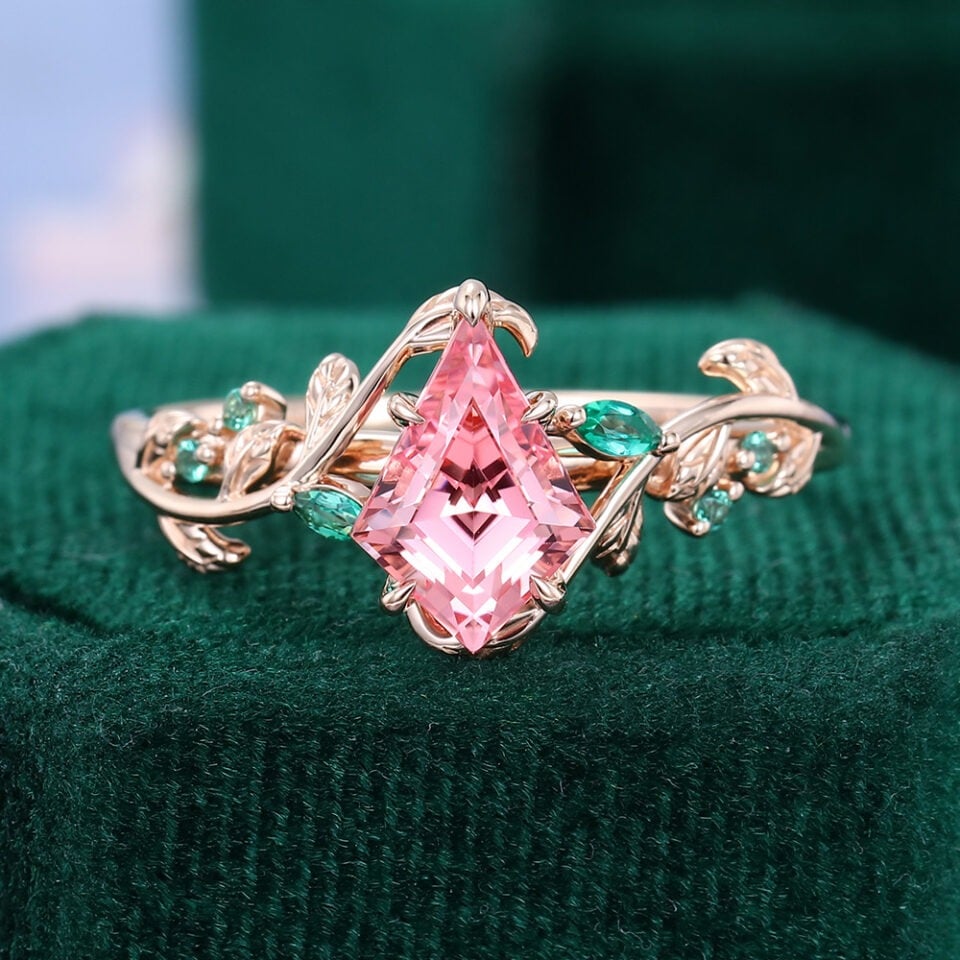
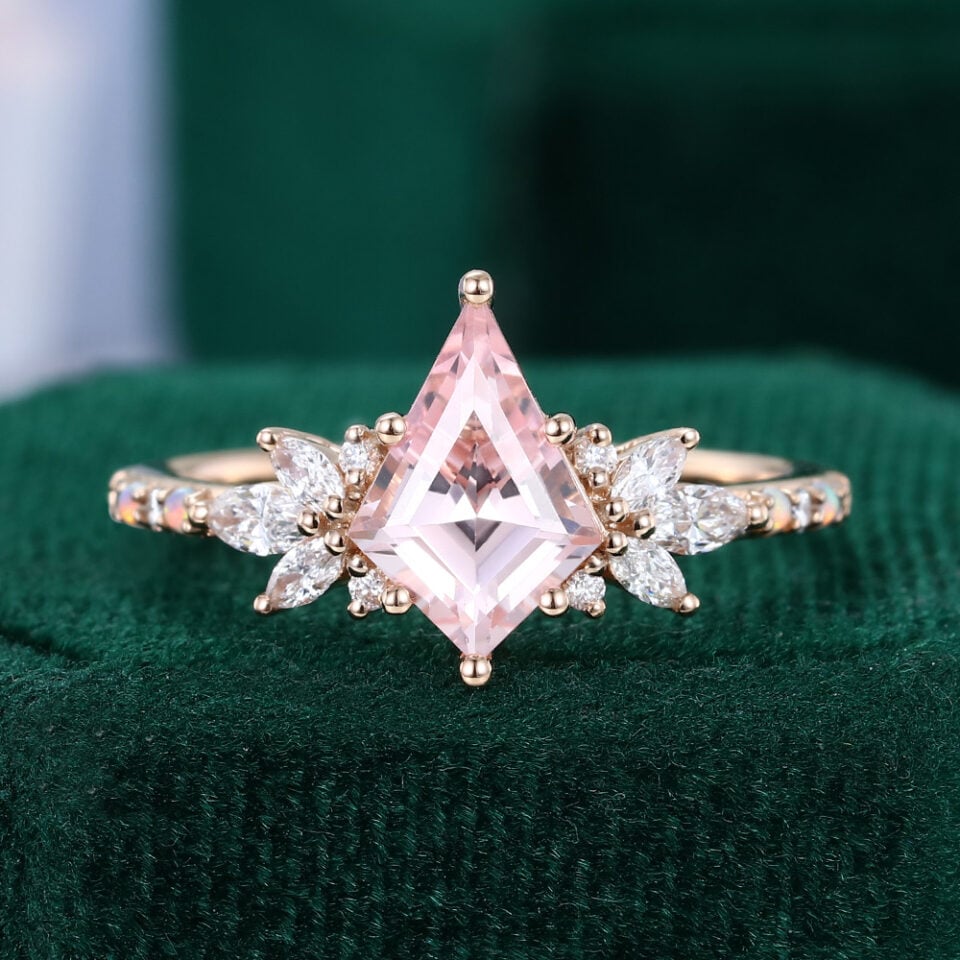
A ring worn every day doesn’t live in a jewelry box — it lives in real life. It hits keyboards, door handles, countertops, and the occasional careless knock. That’s why, for many buyers, the real question isn’t “Is sapphire beautiful?” but “Will it actually hold up?”
Sapphire has a long reputation as a durable gemstone, but what does that really mean in everyday wear? How hard is sapphire compared to diamond? Does lab-grown sapphire perform differently? And is it truly a safe choice for an engagement ring meant to be worn daily?
This guide breaks down sapphire hardness and durability in practical, real-world terms, so you can decide with confidence.
When people search for sapphire hardness, they’re usually not asking for gemology trivia.
They want to know:
Will it scratch?
Will it chip?
Can I wear it every day without worrying?
Hardness specifically measures scratch resistance, not how “tough” or “indestructible” a gemstone is. That distinction matters—especially for rings worn daily.
How Hard Is Sapphire on the Mohs Scale?
Sapphire ranks 9 on the Mohs hardness scale, placing it just below diamond (10) and above nearly all commonly used colored gemstones.
This is why sapphire has been used for centuries in rings, watches, and even industrial applications — it resists wear exceptionally well.
If you’re exploring modern designs, many of our sapphire engagement rings are chosen specifically because this level of hardness supports long-term daily wear without constant maintenance:
Diamond is harder, but sapphire is often more forgiving in real daily wear — which is why sapphire engagement rings are widely chosen for long-term, everyday use.
No — sapphire hardness stays the same across all colors.
Blue, teal, pink, yellow, green, or white sapphires all belong to the corundum family, meaning durability does not change with color choice.
Color impacts:
Appearance
Rarity
Price
But not strength.
If you’re choosing based on color preference and want to understand how different hues compare visually and in value, this guide is helpful: 👉 Sapphire Color Guide
Natural vs Lab-Grown Sapphire: Any Difference in Hardness?
This is a common concern — and the answer is reassuring.
Lab-grown sapphires are just as hard and durable as natural sapphires. They share the same chemical composition and crystal structure.
The real differences are:
Origin (earth-grown vs lab-created)
Price (lab sapphires are generally more affordable)
Color consistency
For buyers focused on durability and everyday wear, lab sapphire rings often provide excellent value. If you’re weighing this decision, this comparison explains it clearly: 👉Natural Sapphire vs Lab Grown Sapphire Guide
Choosing a Sapphire Ring That Lasts
Hardness helps — but design still matters.
For everyday wear, look for:
Secure prong or bezel settings
Well-proportioned cuts
Protective designs for exposed edges
Many of our sapphire rings are designed with daily life in mind, balancing beauty with structural security. Whether you prefer classic solitaires or modern colored gemstone styles, durability is always part of the design consideration:
Final Thoughts
Sapphire isn’t just beautiful — it’s practical.
With a hardness rating just below diamond, strong resistance to everyday wear, and options ranging from natural to lab-grown, sapphire offers a rare balance of durability, individuality, and long-term value.
For anyone choosing a ring meant to be worn every day — not just admired — sapphire remains one of the smartest gemstone choices available.
👉 Explore Sapphire Rings Designed for Everyday Life
Is sapphire hard enough for an engagement ring worn every day?
Yes. With a Mohs hardness of 9, sapphire is one of the hardest gemstones used in fine jewelry. It resists scratches from daily contact far better than most colored stones, making it a reliable choice for everyday engagement rings.
Can sapphire crack or chip even though it’s hard?
Hardness refers to scratch resistance, not impact resistance. While sapphire is very durable, extreme impact can still cause damage. Choosing a secure setting and a well-proportioned cut significantly reduces this risk.
Is sapphire more durable than diamond for daily wear?
Diamond is harder (Mohs 10), but sapphire is often considered more forgiving in everyday wear because it’s slightly less brittle. In real-life use, both perform exceptionally well when properly set.
Does sapphire hardness differ by color (blue, teal, pink, etc.)?
No. Sapphire hardness remains the same across all colors, as they all belong to the corundum family. Color affects appearance and value—not durability.
Are lab-grown sapphires as hard as natural sapphires?
Yes. Lab-grown sapphires have the same chemical structure and hardness as natural sapphires. The difference lies in origin and price, not durability.
Will sapphire lose its shine over time?
Sapphire retains polish extremely well. With basic cleaning, most sapphire rings maintain their original luster for many years—even with daily wear.