- by MollyJewelryUS
- January 29, 2026
- Gemstone Education
Most people choose a sapphire ring by color first.
That’s understandable — sapphire color is striking. But what determines how that color actually looks on your hand every day is the sapphire cut.
A well-chosen sapphire cut can make a stone look richer, brighter, and more dimensional. The wrong cut can make even a high-quality sapphire feel flat or dark.
This guide focuses on how different sapphire cuts actually perform — in color return, face-up size, and everyday wear — with real examples drawn from our sapphire ring collection.
Table Of Contents:
Why Sapphire Cut Is Different From Diamond Cut
Diamonds are cut for sparkle.
Sapphires are cut for color control.
Because sapphire is a colored gemstone, the cutter’s goal is to:
maximize color saturation
avoid windowing (see-through areas)
balance depth so the stone doesn’t appear too dark
That’s why the “best” sapphire cut isn’t universal — it depends on what you value most: color depth, shape presence, or uniqueness.
If you want a deeper breakdown of how cut interacts with color and clarity, this guide explains it simply:
👉 Sapphire Quality Guide: Color, Clarity, Cut & Carat Explained Simply
The Most Popular Sapphire Cuts — And What They’re Best At
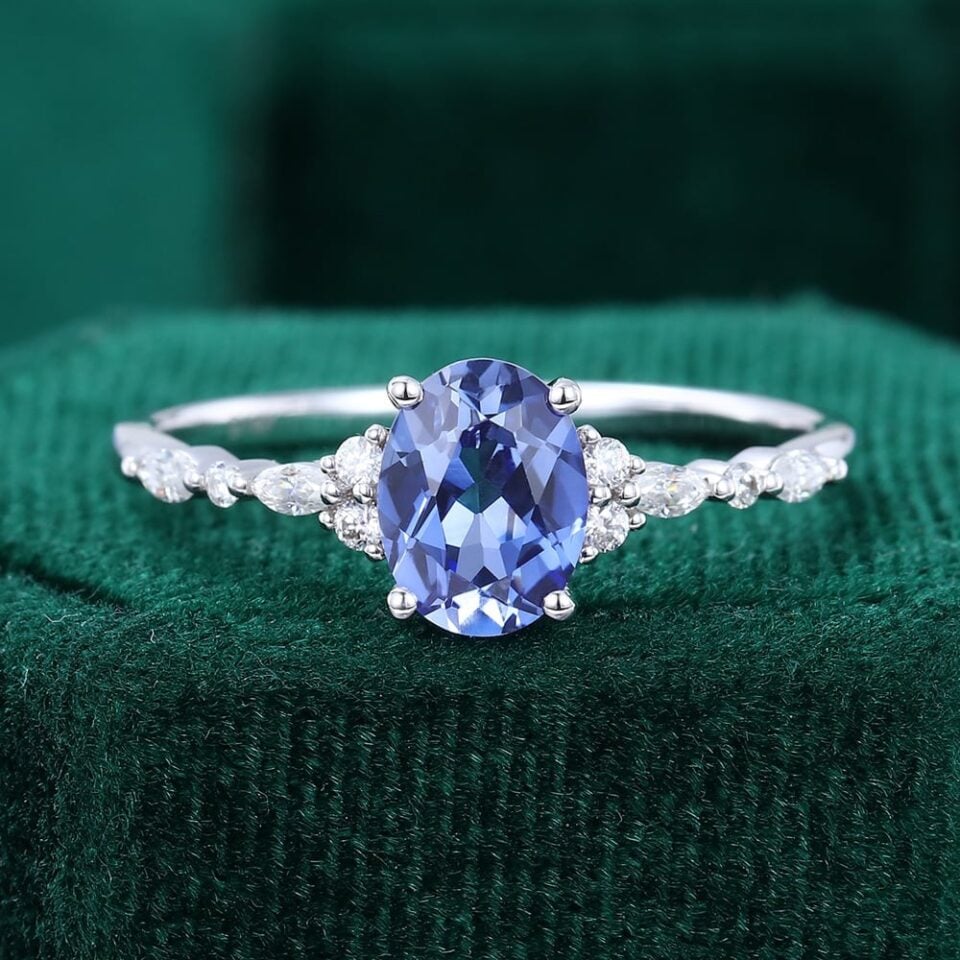
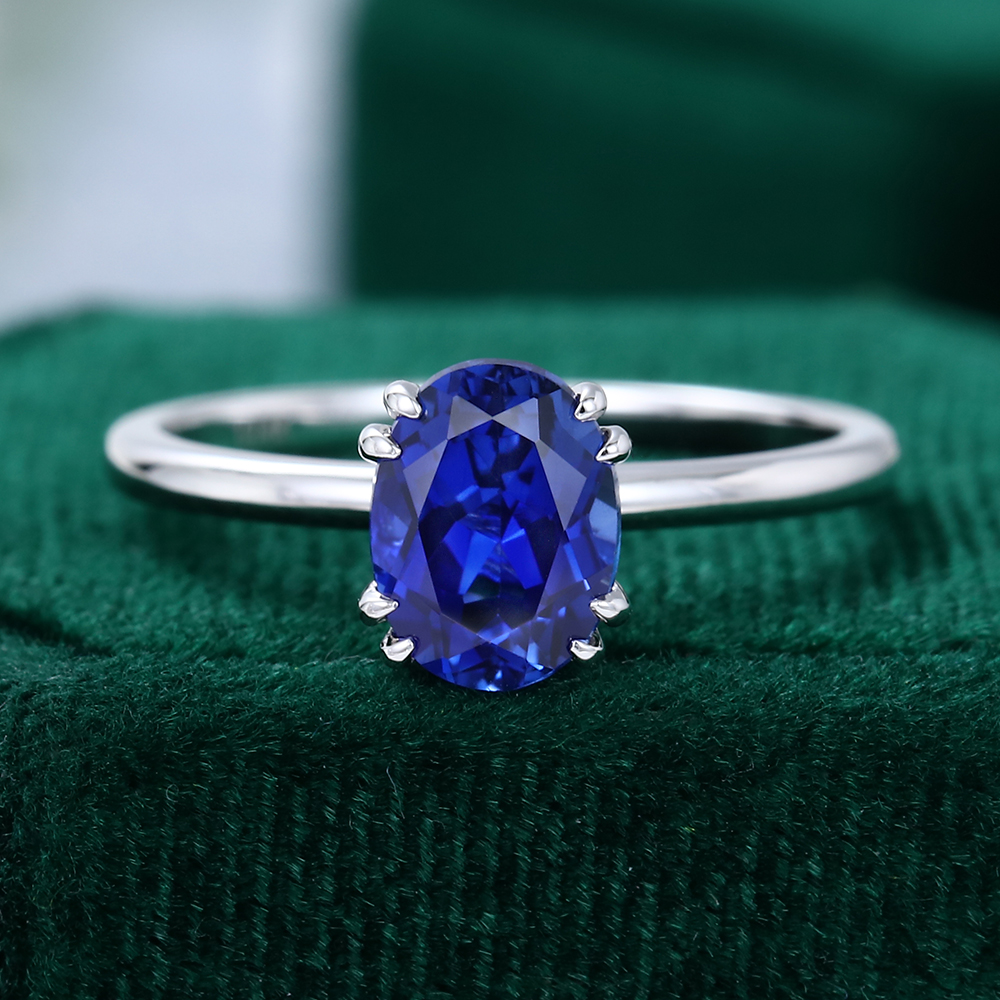
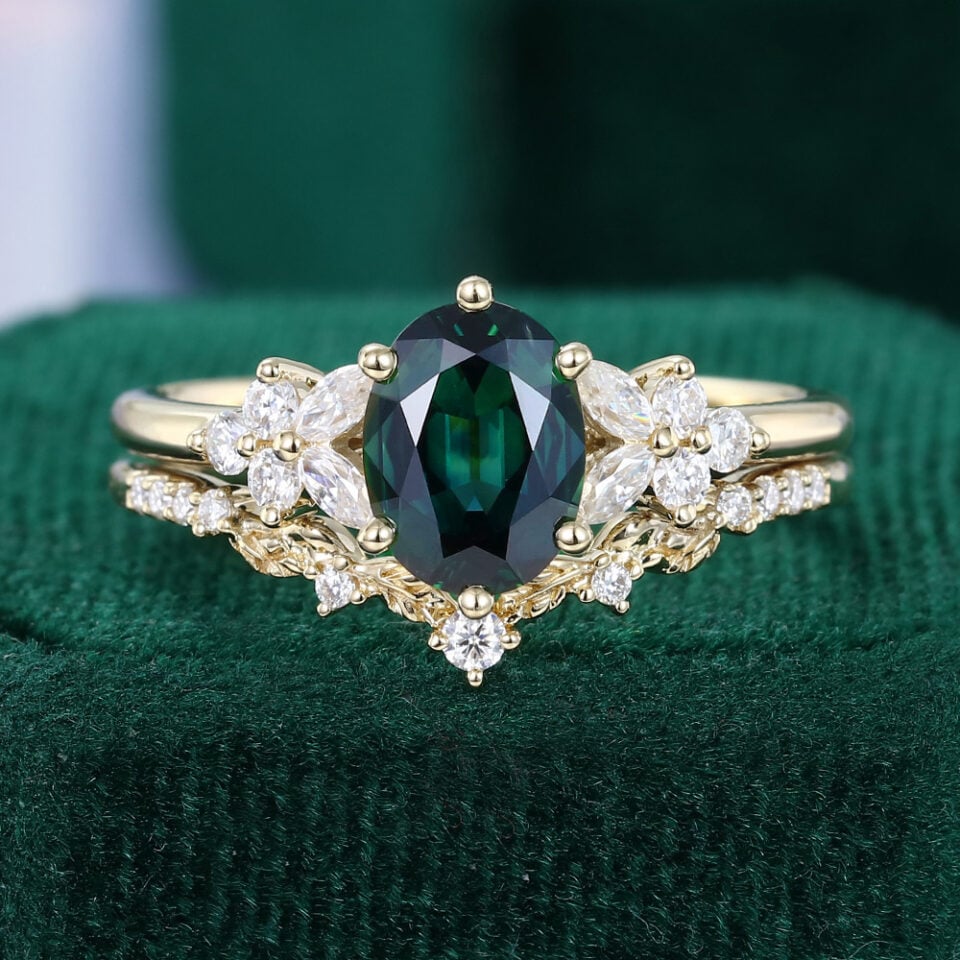
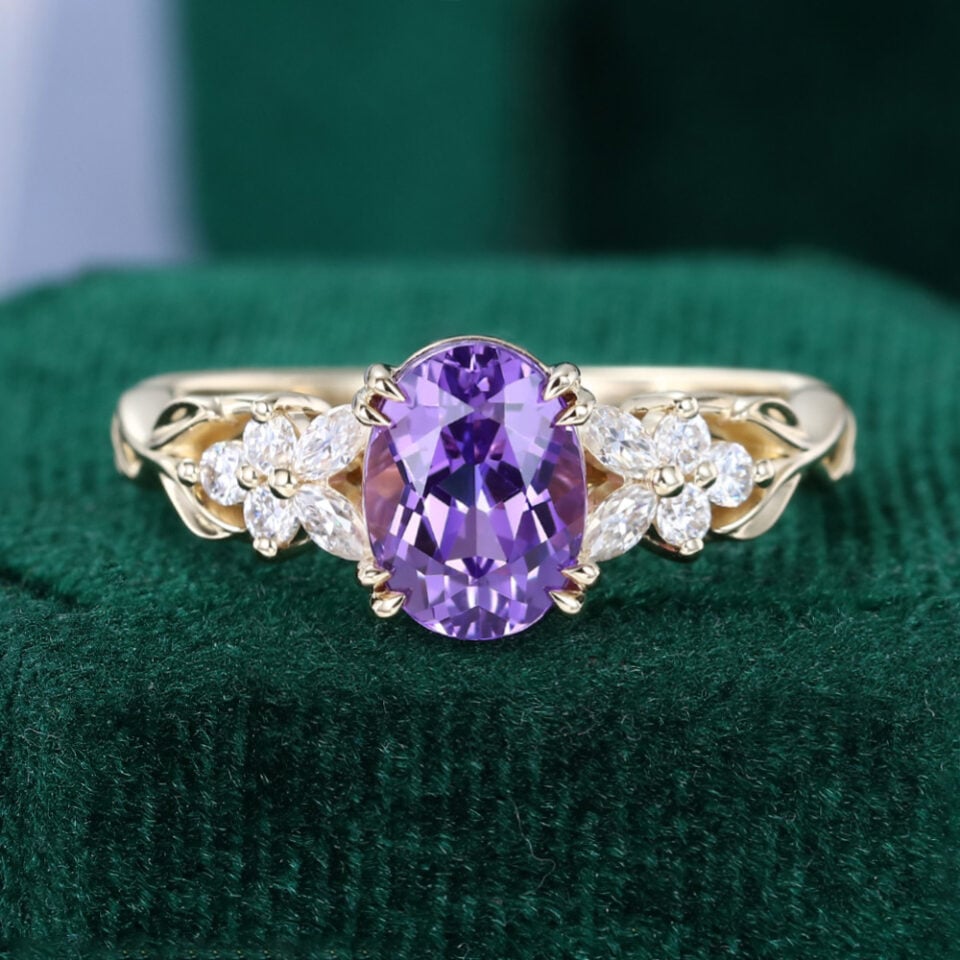
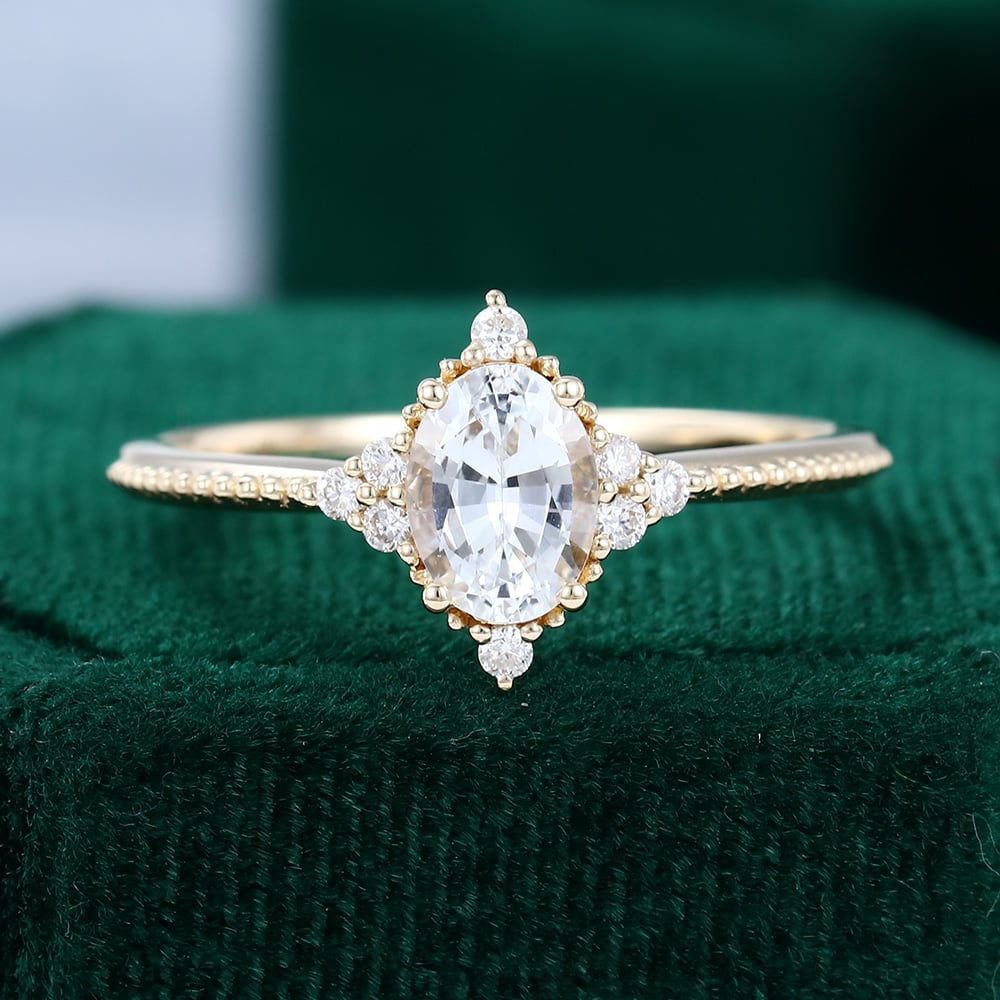
Oval Cut Sapphire: Best Balance of Color & Size
Oval cut is the most versatile sapphire cut — and for good reason.
Why it works so well for sapphire:
Elongated shape helps color distribute evenly
Faces up larger than round at the same carat weight
Soft curves enhance sapphire’s natural depth
Oval sapphires perform beautifully across blue, teal, green, and pastel tones, which is why they dominate engagement ring designs.
Best for:
Best for:
Buyers who want strong color, elegant proportions, and timeless appeal.
👉 Explore oval styles in our sapphire engagement rings collection
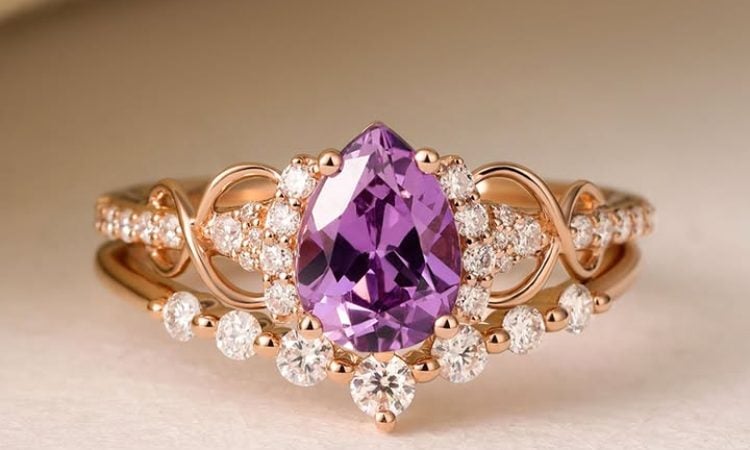
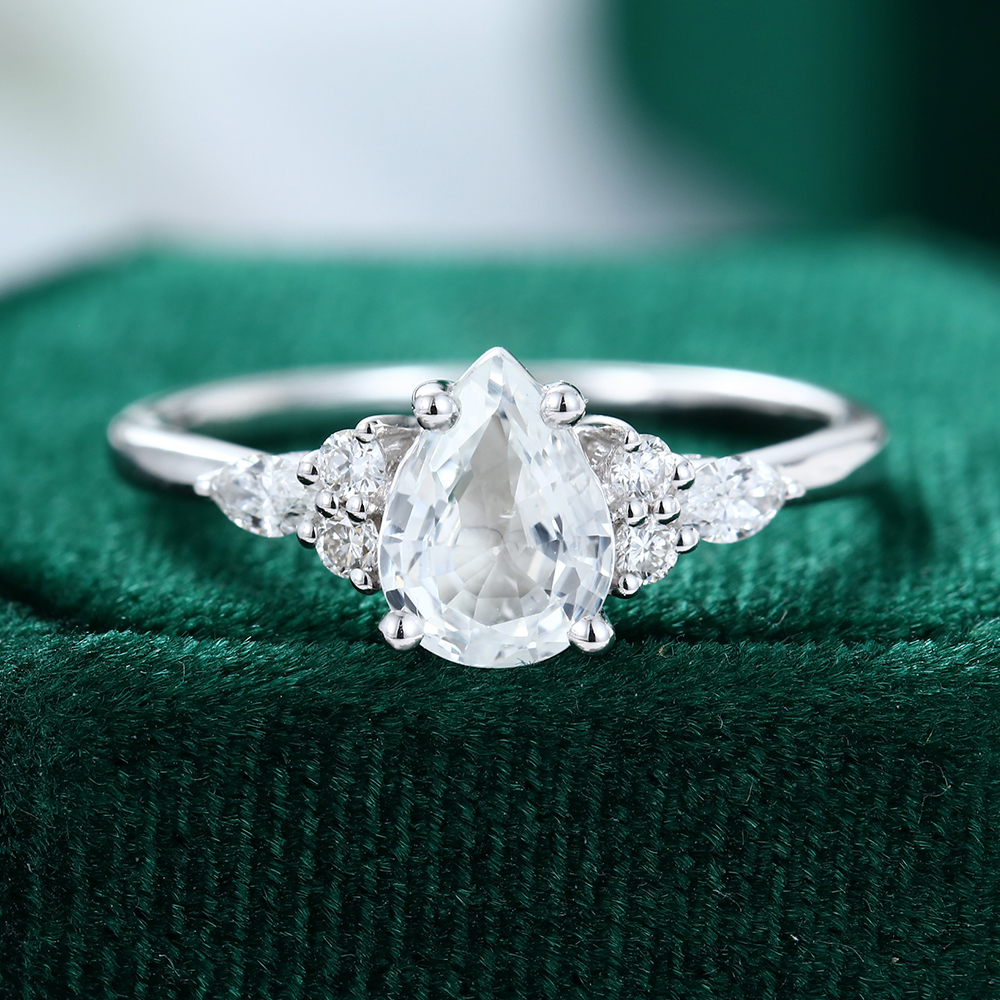
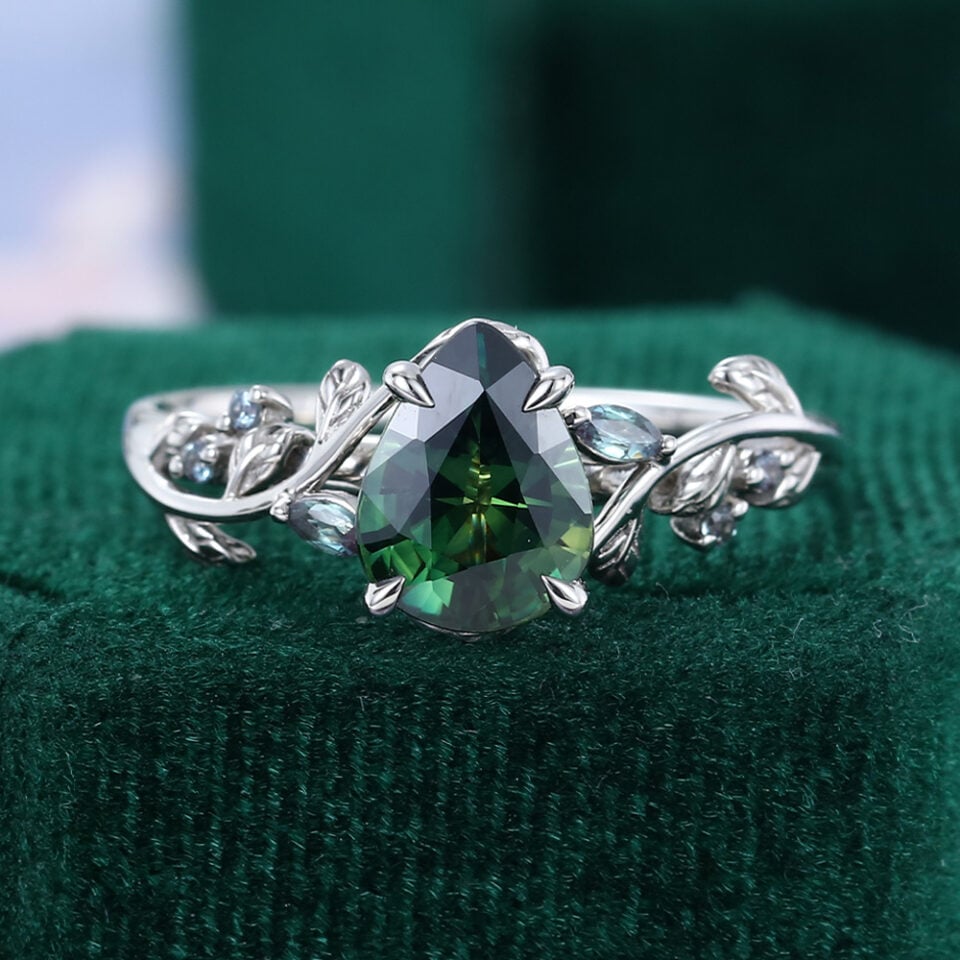
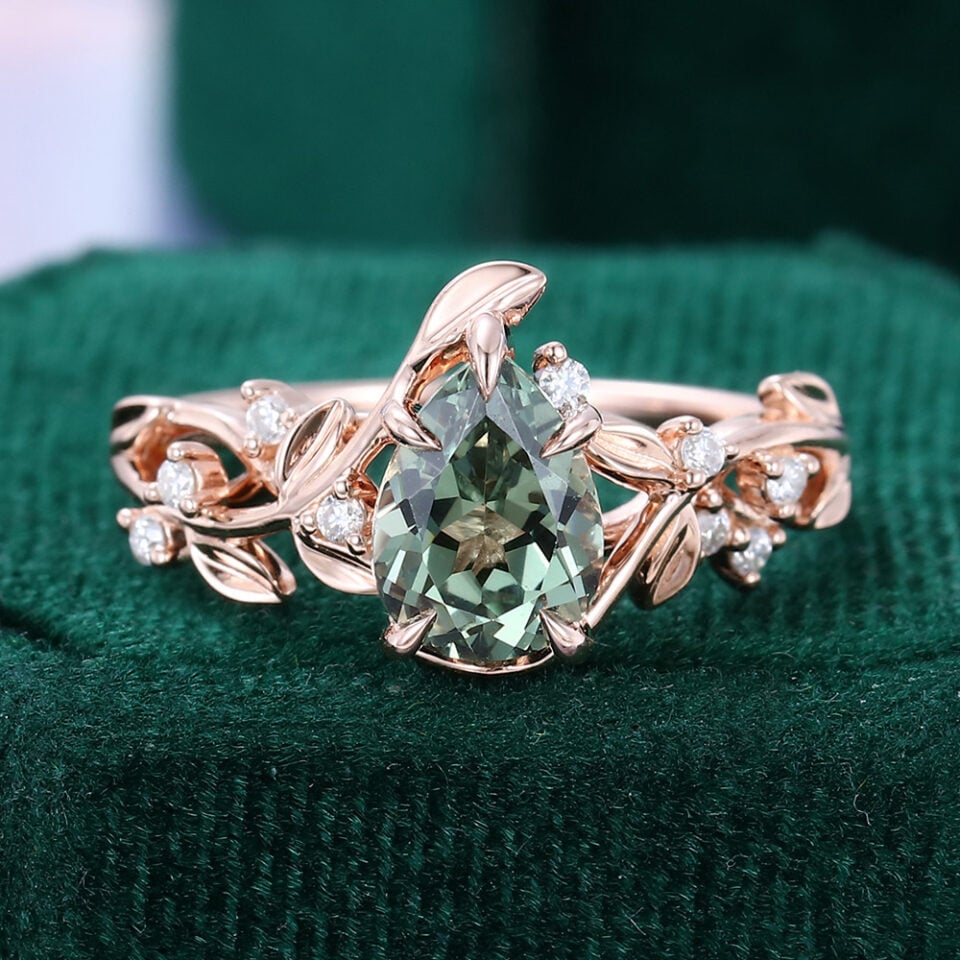
Pear Cut Sapphire: Expressive Color With Direction
Pear cut sapphires are all about movement and emotion.
What makes pear cuts special:
The pointed end intensifies color concentration
The rounded end keeps the stone visually soft
Slight asymmetry gives character without looking irregular
Pear sapphires often show subtle color gradients — something many couples find more expressive than uniform stones.
Best for:
Best for:
Romantic designs, statement settings, and buyers who like visual flow.
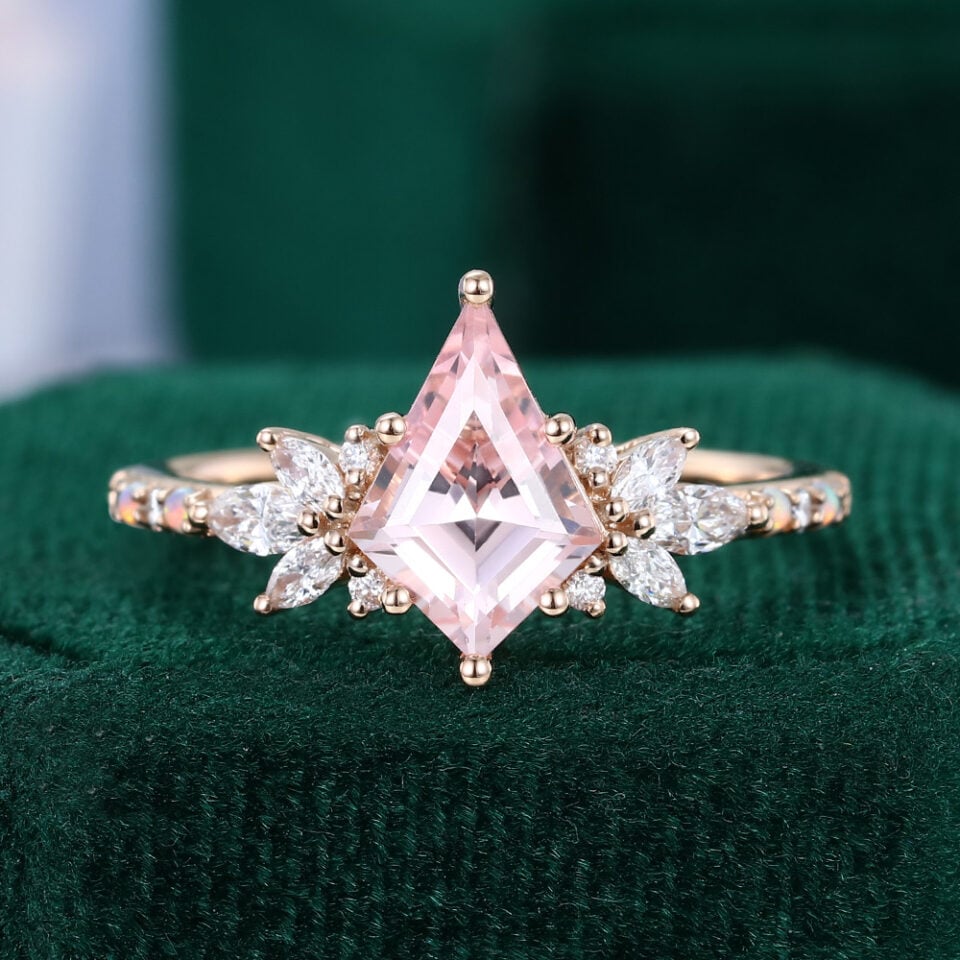
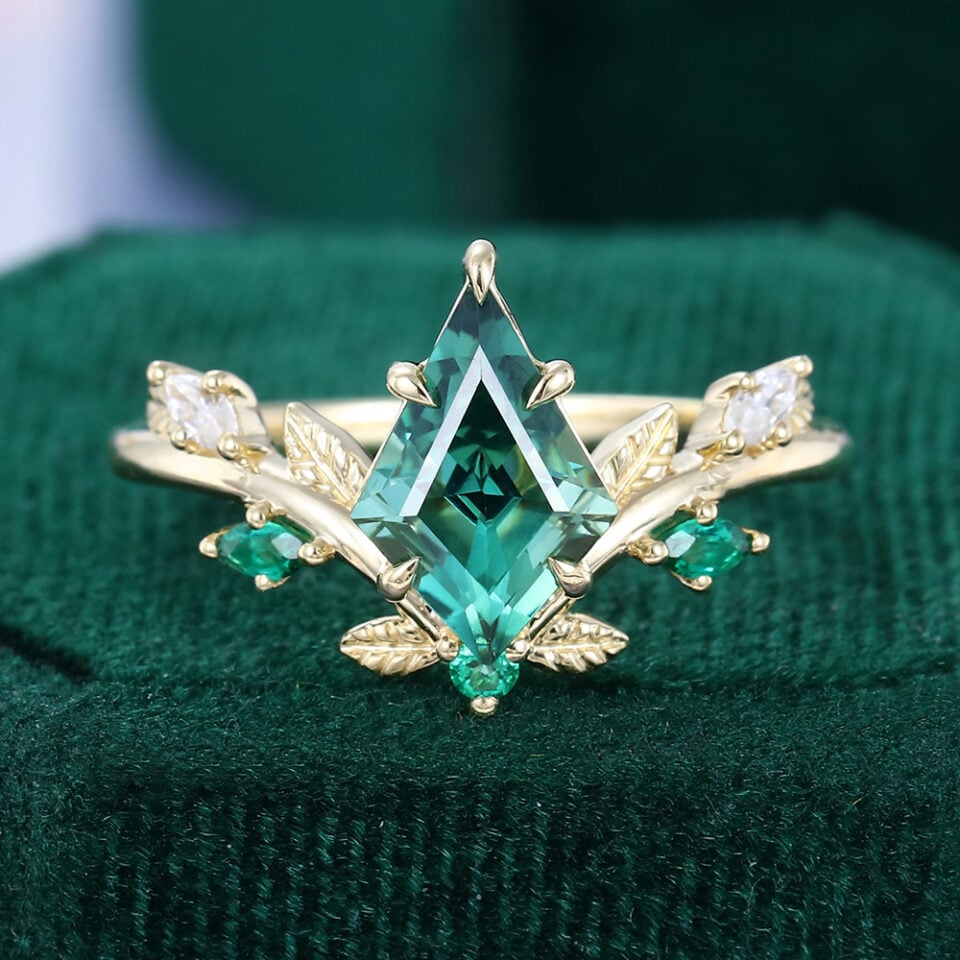
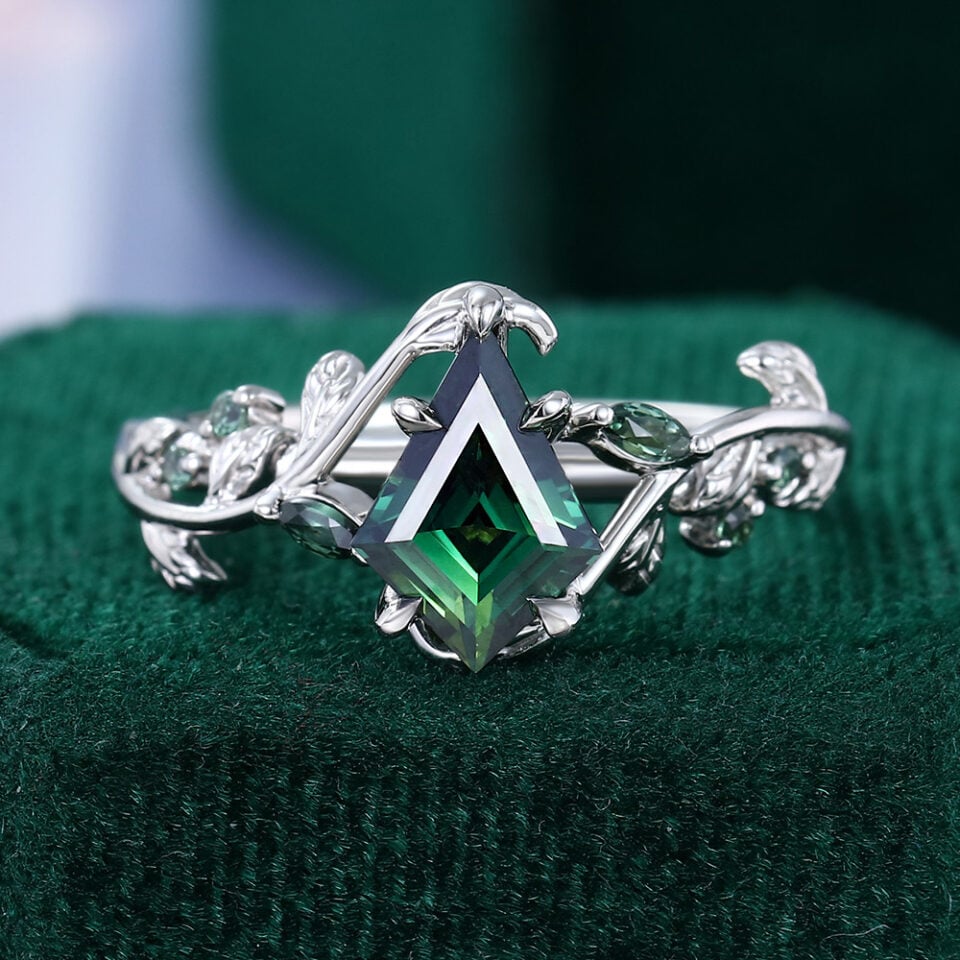
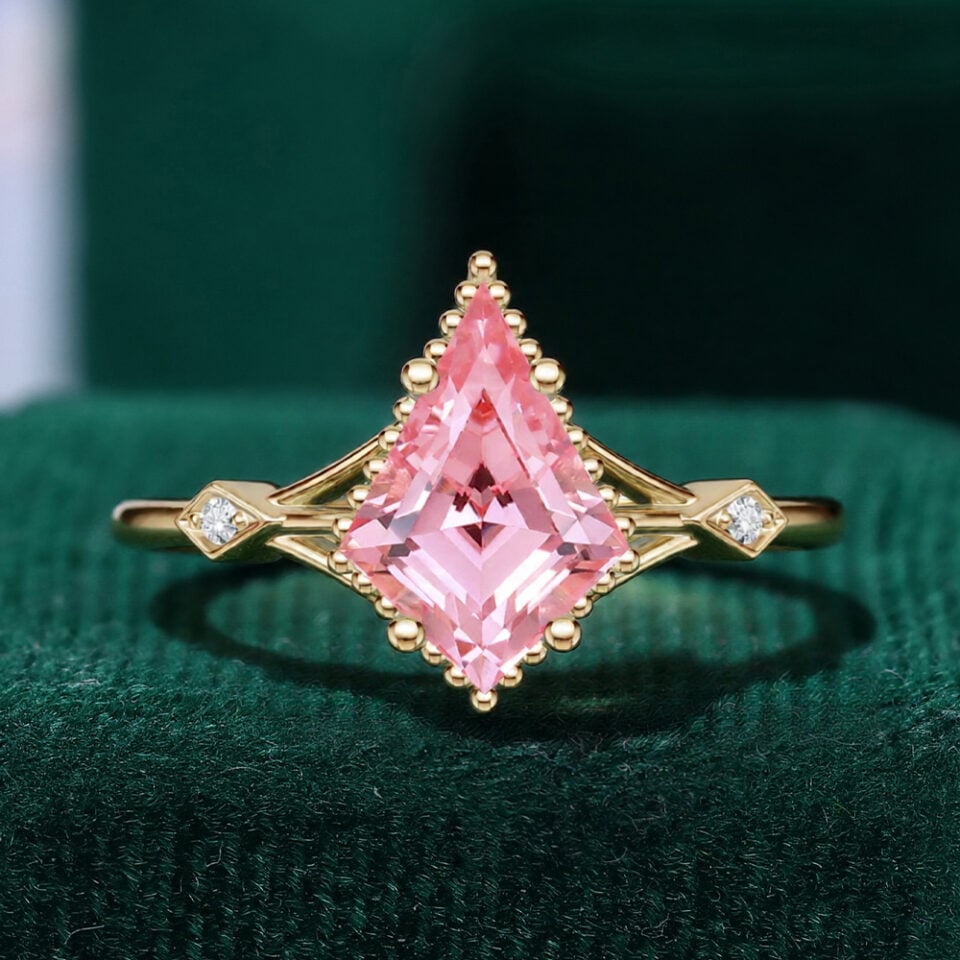
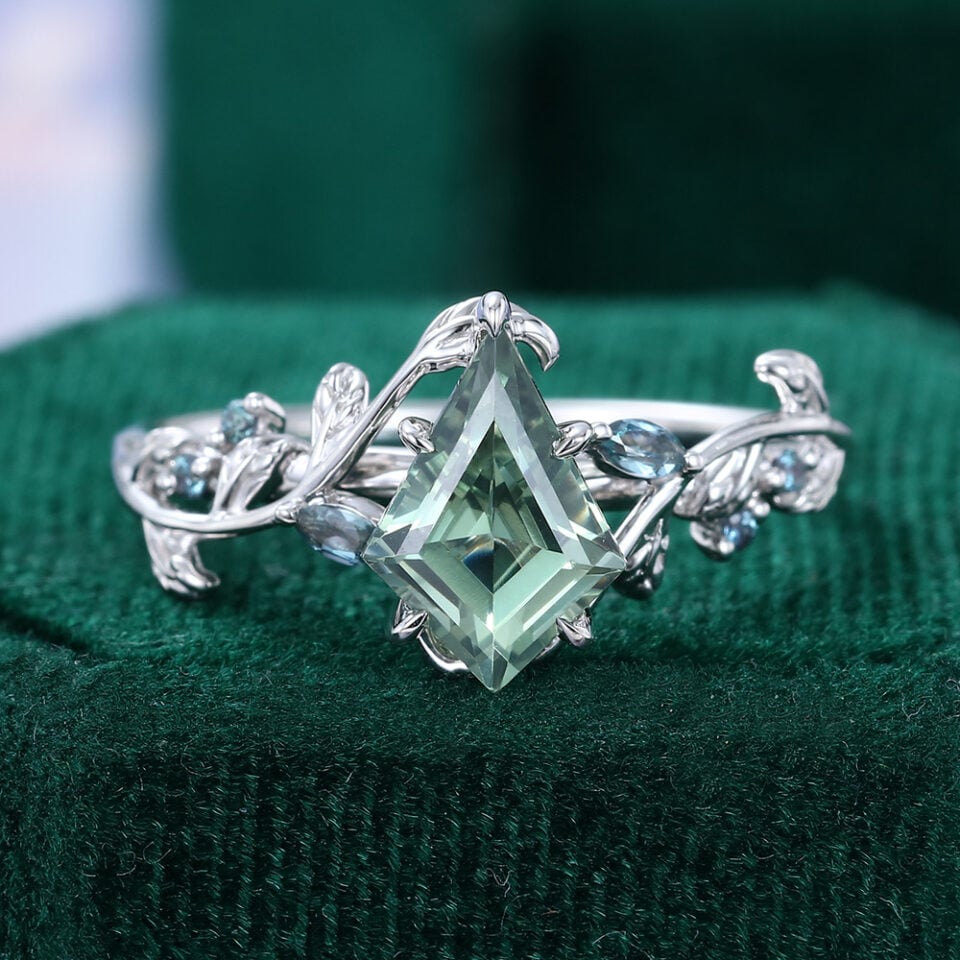
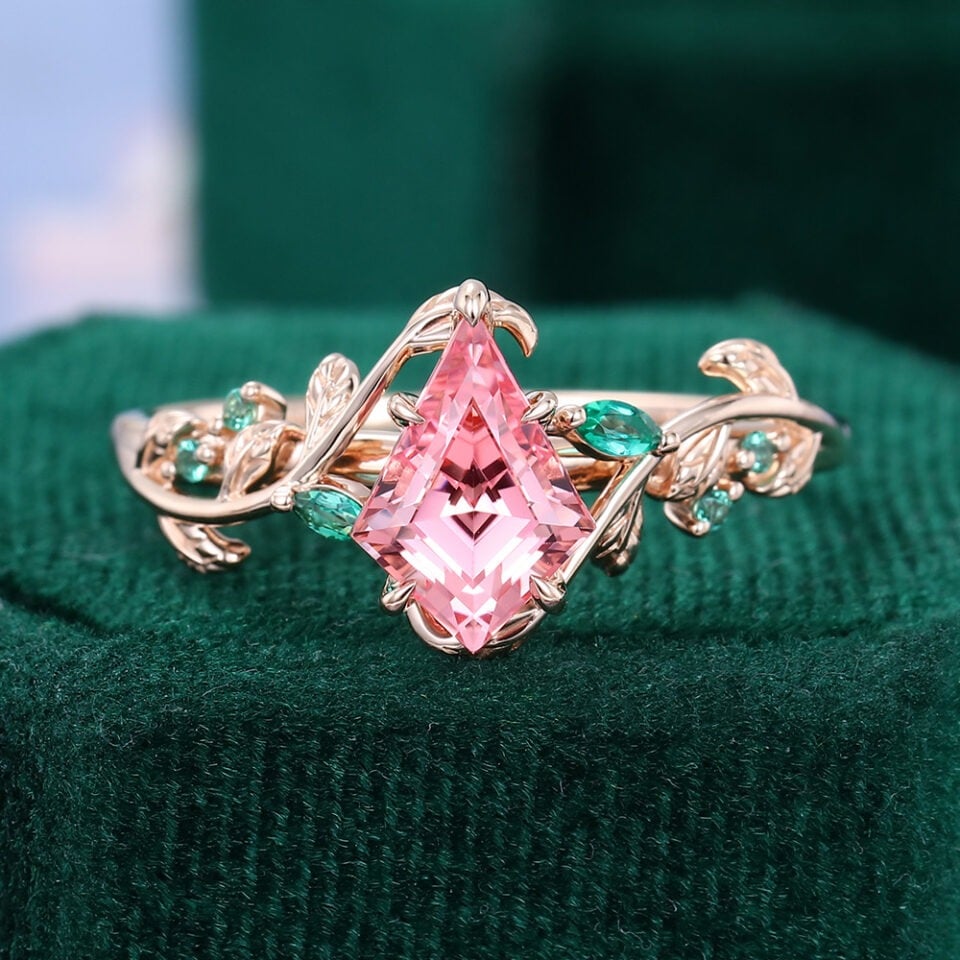
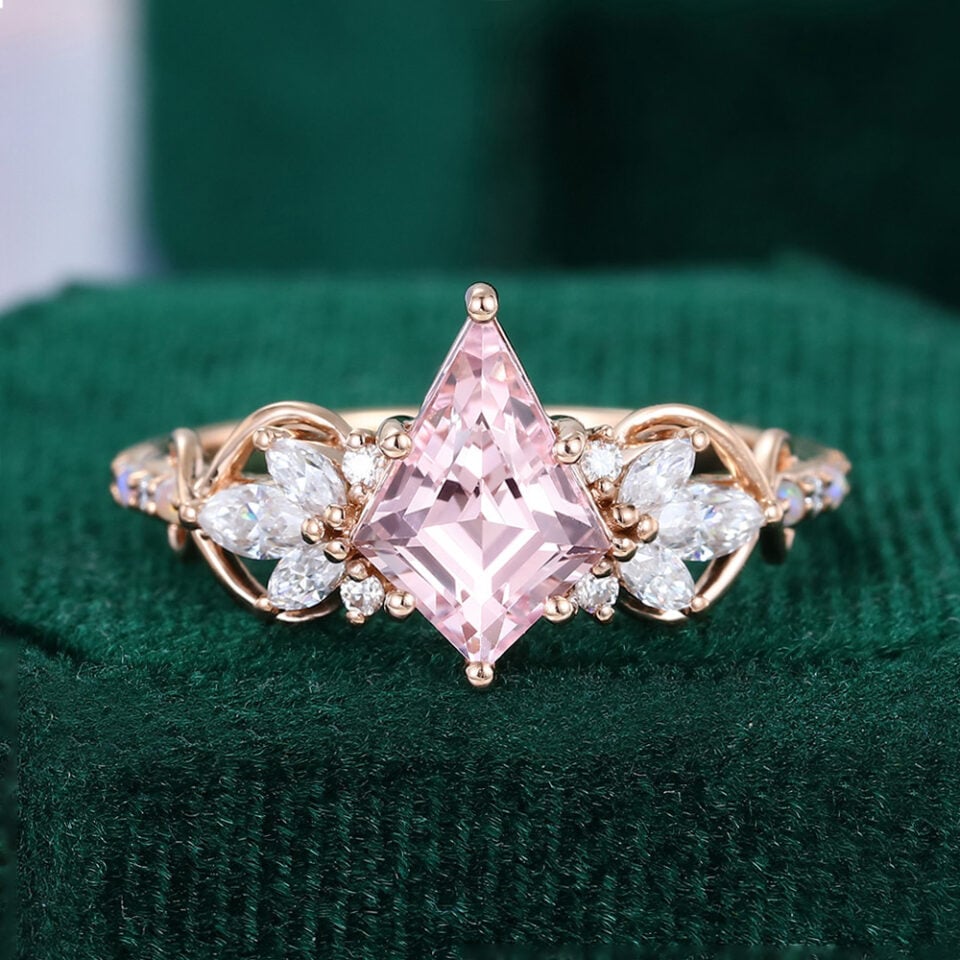
Kite Cut Sapphire: Modern Geometry, Bold Personality
Kite cut sapphires are intentionally unconventional — and that’s the appeal.
Why kite cuts stand out:
Angular facets emphasize sapphire’s natural zoning
Works especially well with teal and parti sapphires
Looks architectural rather than sparkly
This cut doesn’t try to hide sapphire’s personality — it highlights it.
What makes pear cuts special:
Modern, non-traditional rings and buyers who want something unmistakably unique.
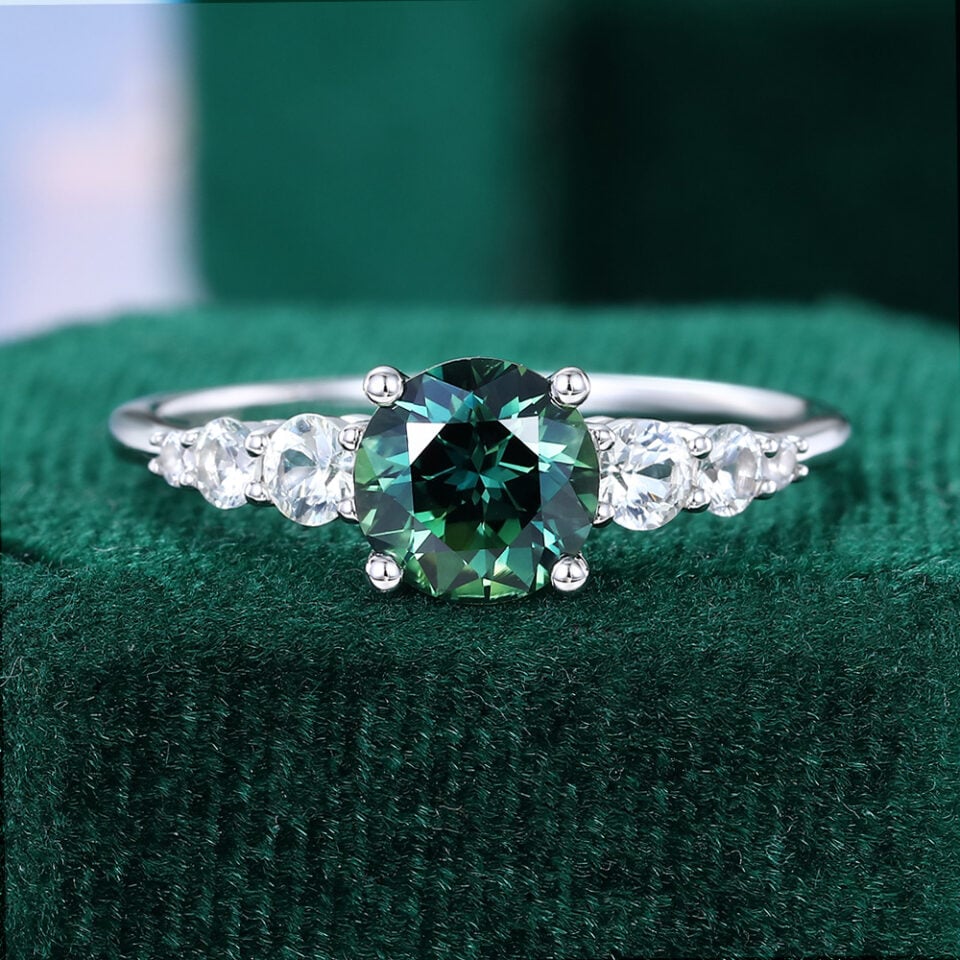
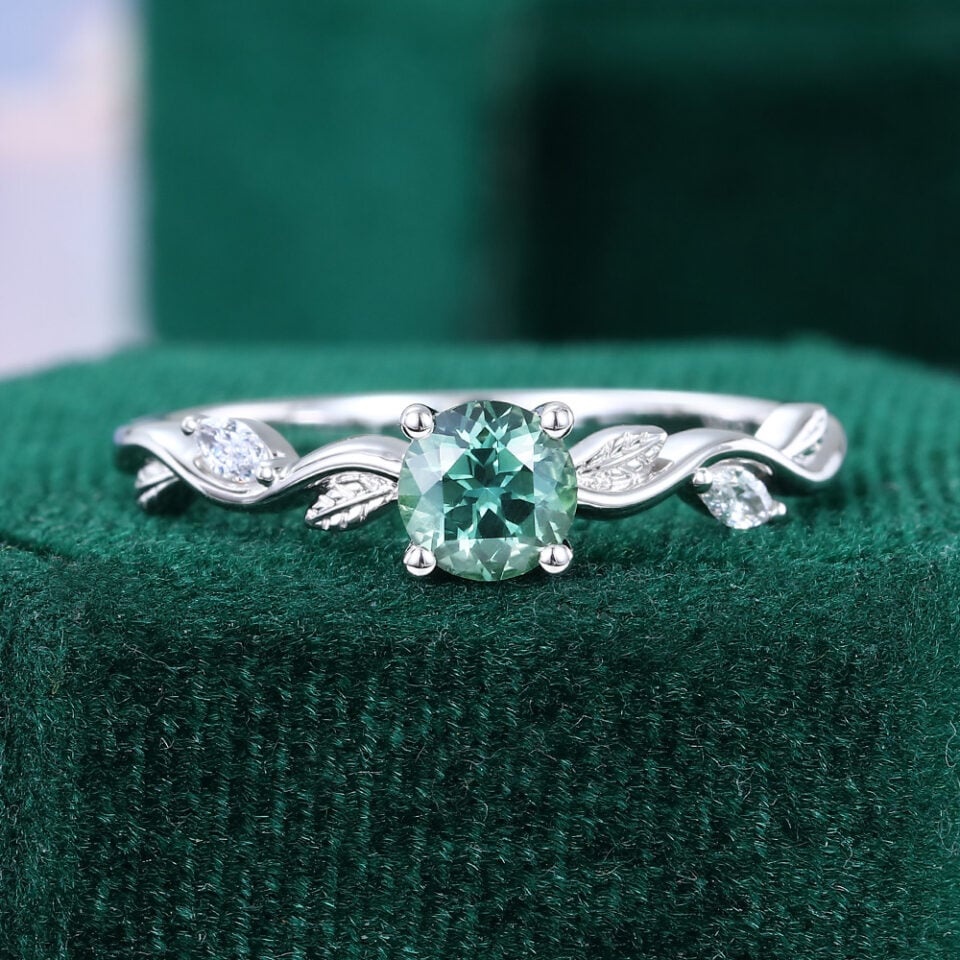
Round Cut Sapphire: Even Color, Classic Presence
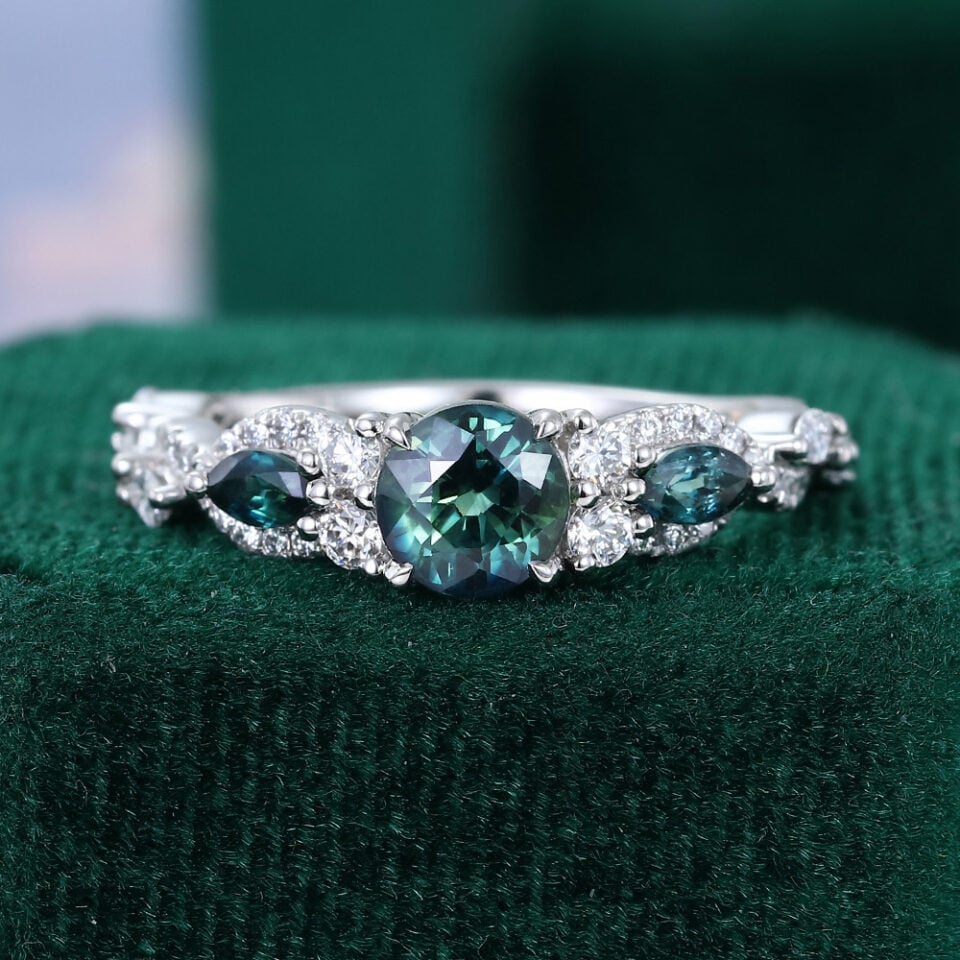
Round cut sapphires are less common than round diamonds, but when done well, they offer excellent symmetry.
Strengths of round sapphire cuts:
Even color distribution
Balanced proportions
Works well in solitaire and halo settings
Because rounds retain more rough loss, they’re often priced slightly higher per carat.
Why kite cuts stand out:
Classic aesthetics with consistent color performance.
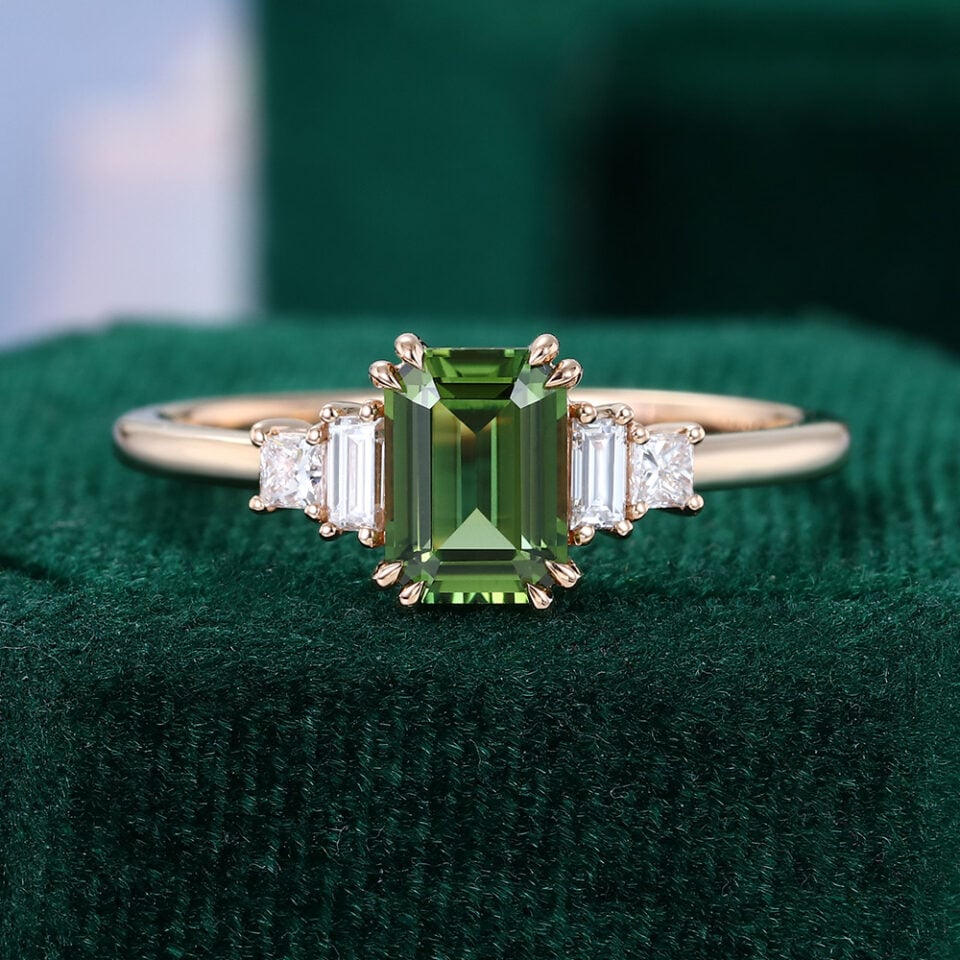
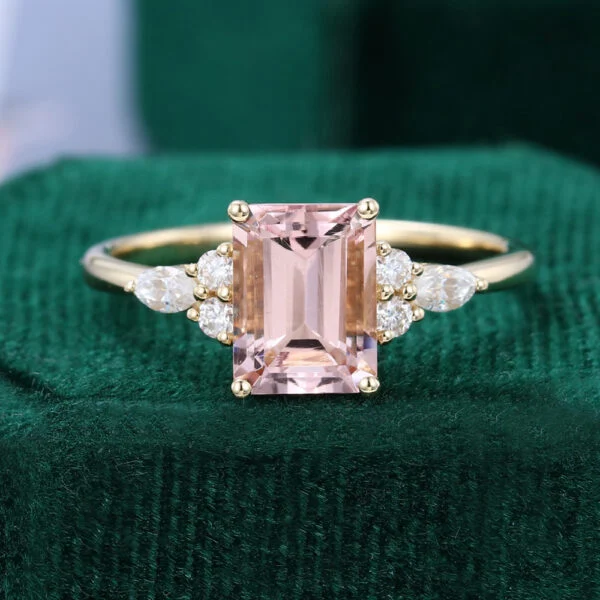
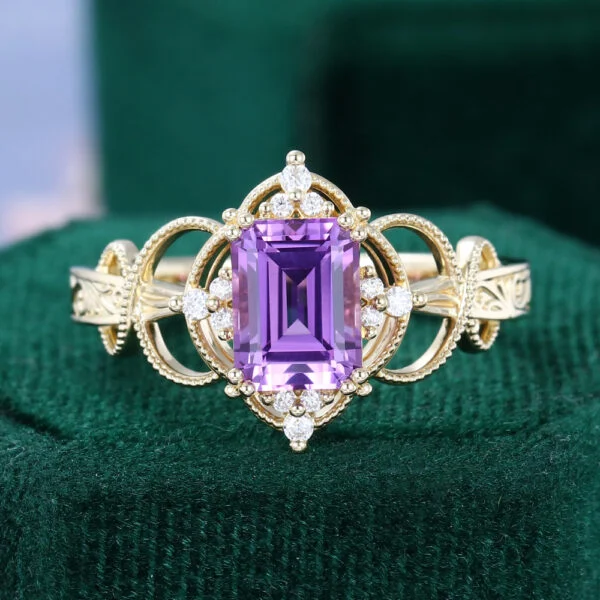
Emerald Cut Sapphire: Calm, Clear Color Windows
Emerald cut sapphires are about clarity and tone, not sparkle.
What to expect:
What to expect:
Step cuts show color in broad flashes
Inclusions are more visible, so stone selection matters
Looks best with medium to light saturation sapphires
This cut feels refined, restrained, and intentional.
Best for:
Best for:
Minimalist designs and buyers who prefer clean geometry.
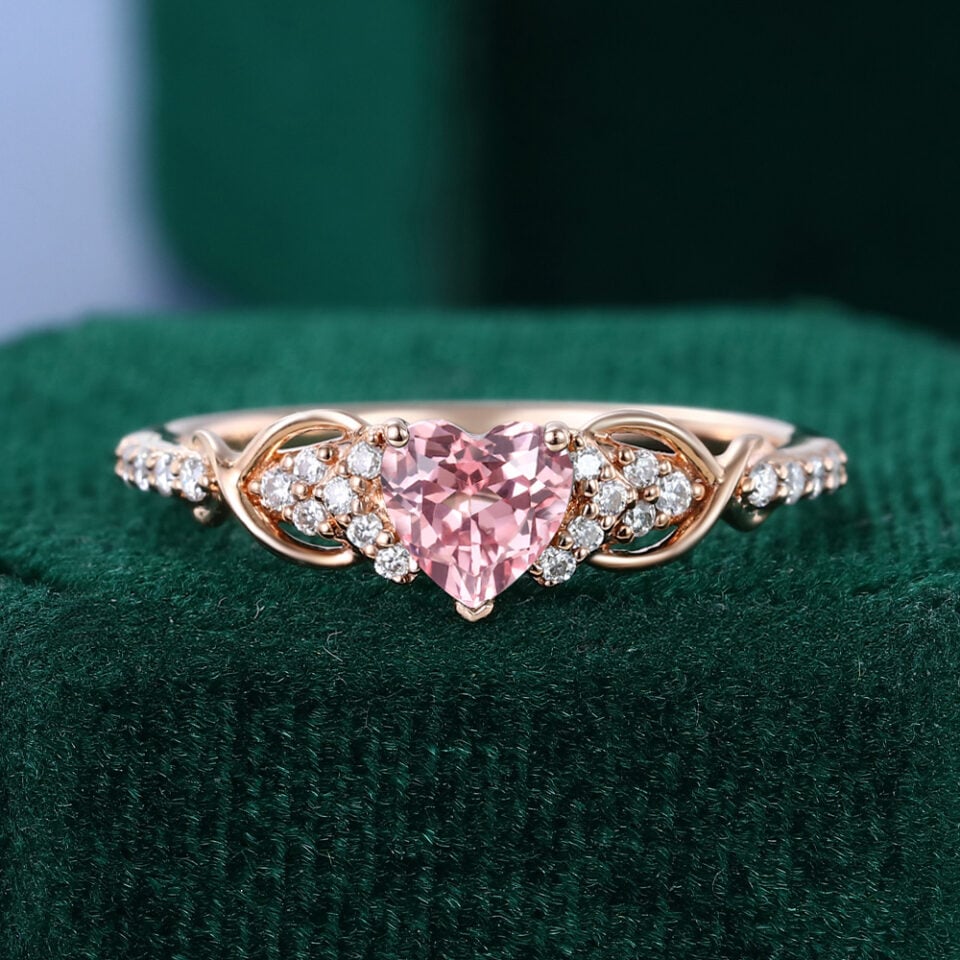
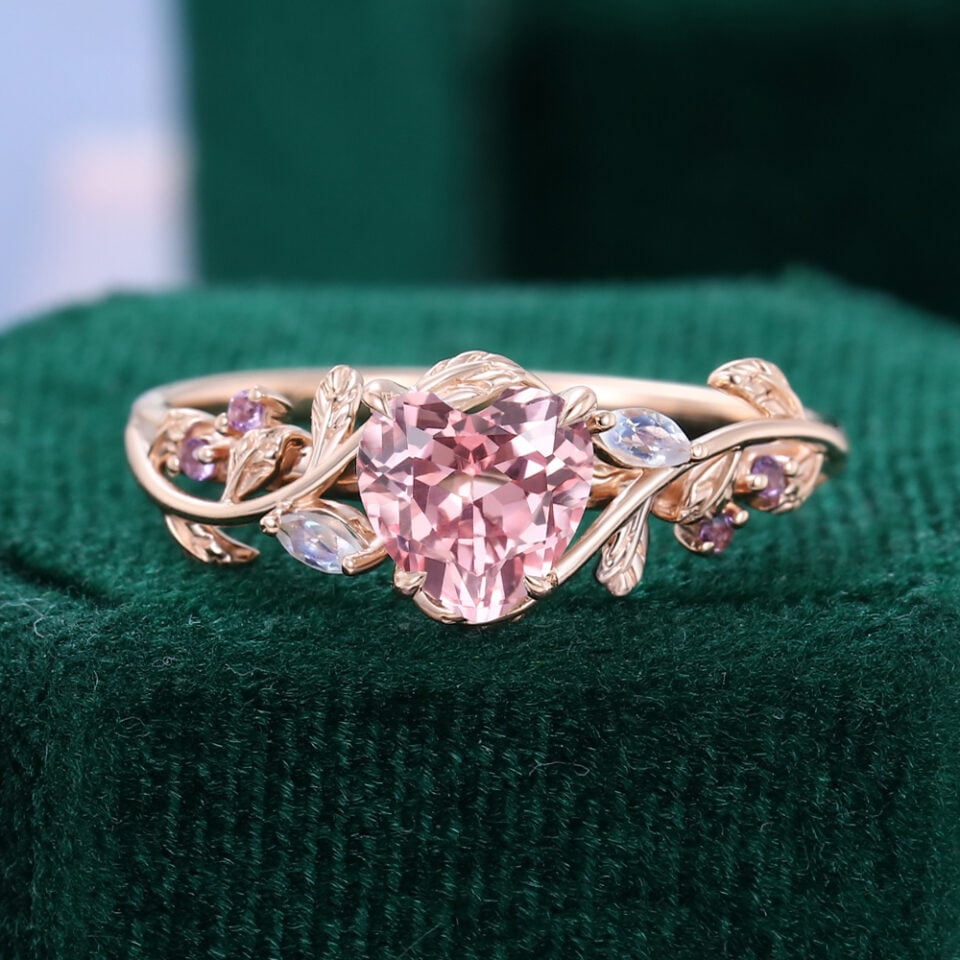
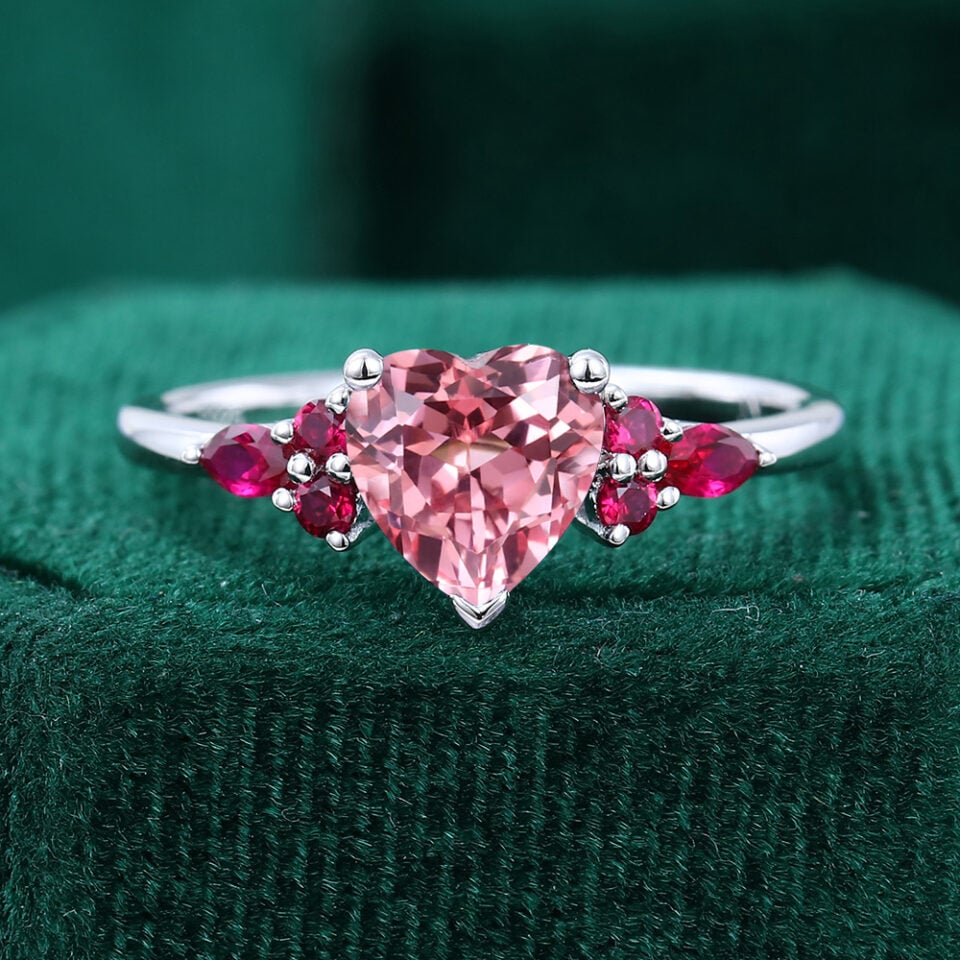
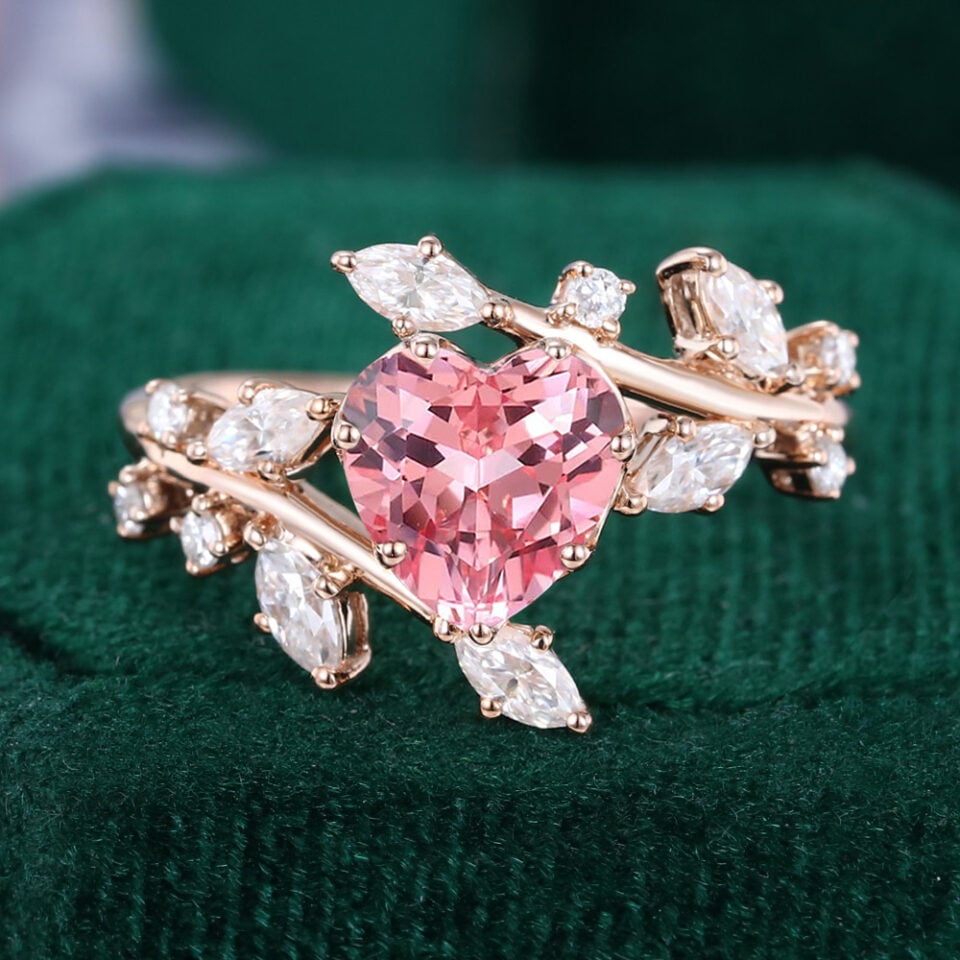
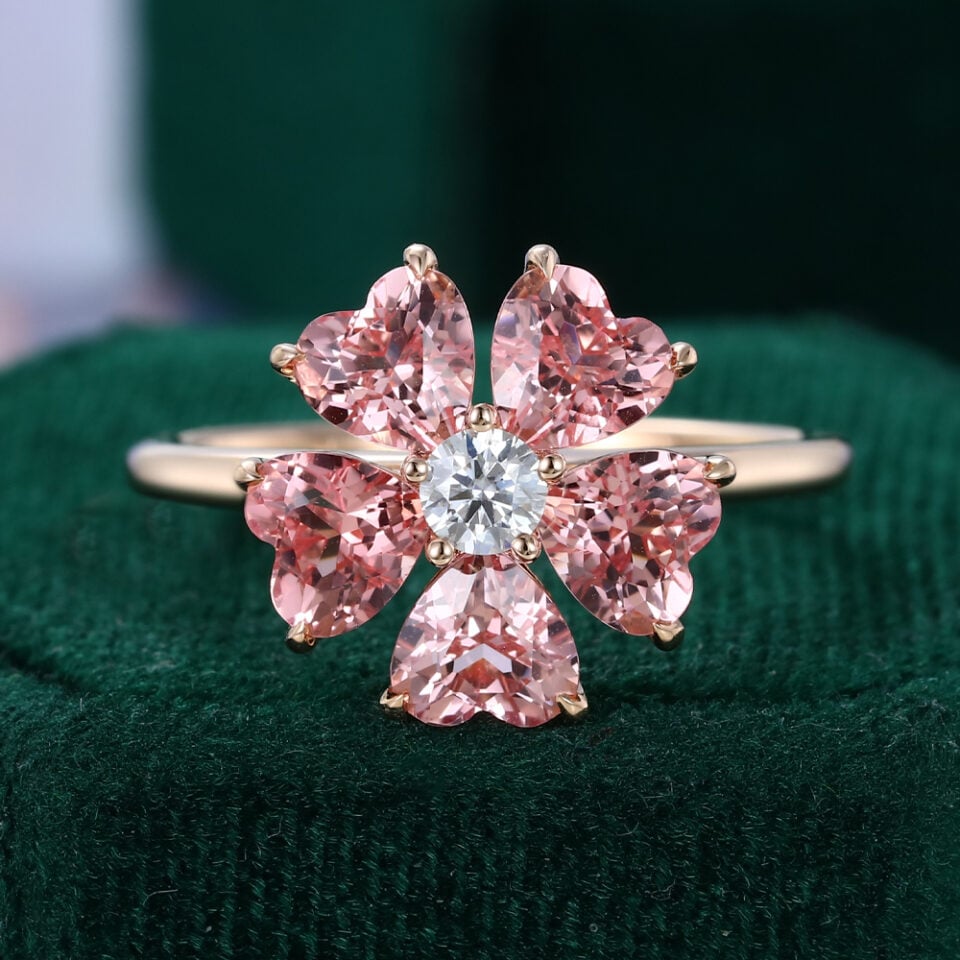
Heart Cut Sapphire: A Valentine’s Day Statement of Meaning
Heart cut sapphire is never about following trends — it’s about intention.
And that’s exactly why Valentine’s Day is one of the rare moments when this cut truly makes sense.
Important to know:
Important to know:
Requires precise symmetry to avoid looking uneven
Color can pool in the center if cut too deep
Best in smaller sizes or high-quality rough
What to expect:
What to expect:
Valentine’s Day proposals, anniversary gifts, or couples who want their ring to communicate feeling before fashion.
Which Sapphire Cut Shows the Best Color?
There’s no single winner — but patterns do emerge:
| Priority | Best Sapphire Cuts |
|---|---|
| Rich, even color | Oval, Round |
| Visual size | Oval, Pear |
| Artistic character | Kite, Pear |
| Clean, modern look | Emerald |
| Symbolic design | Heart |
For a deeper look at how sapphire color behaves across shapes, see:
👉 What Is Sapphire? Meaning, Colors, Value & Buying Tips
Final Thoughts
The right sapphire cut doesn’t just shape the stone — it shapes how the color lives, how the ring feels, and how personal it becomes over time.
Whether you’re drawn to the balance of an oval, the bold lines of a kite cut, or the romance of a pear shape, choosing the right cut is what turns a sapphire into your sapphire.
👉 Browse our sapphire ring collection to compare cuts side by side and discover which shape truly speaks to you.
Related FAQs :
What is the best sapphire cut for showing color?
Oval and round cuts are generally the best at displaying even color, as their facet patterns help distribute saturation across the stone. They’re especially effective for blue, teal, and green sapphires.
Does sapphire cut affect how large the stone looks?
Yes. Elongated cuts like oval and pear sapphires typically face up larger than round or square cuts of the same carat weight, making them popular for engagement rings.
Is emerald cut a good choice for sapphire?
Emerald cut sapphires work best with high-clarity stones and medium color saturation. Because step cuts show broad flashes of color, inclusions and zoning are more visible than in brilliant-style cuts.
Are unconventional cuts like kite or heart suitable for everyday wear?
Yes. Sapphire ranks 9 on the Mohs scale, making it durable for daily wear across all cuts. The key difference is visual style, not strength.
Which sapphire cut is best for engagement rings?
There’s no single answer. Oval and pear cuts are the most popular for engagement rings due to their balance of color, size, and elegance, while kite and heart cuts appeal to couples seeking something more personal or symbolic.
Does sapphire cut affect price?
It can. Cuts that retain more rough (like emerald or round) may cost slightly more per carat, while elongated cuts often offer better visual size for the price.