- by MollyJewelryUS
- November 4, 2024
- Gemstone Education
Last updated on October, 29 2026
Ruby, sapphire, and emerald are three of the world’s most treasured precious gemstones. Each has a unique color, symbolism, durability level, and price range, making them popular choices for engagement ring, anniversary gifts, and heirloom jewelry.
When comparing ruby vs sapphire vs emerald, there is no single “best” gemstone. The right choice depends on what matters most to you: bold romantic color, everyday durability, timeless green elegance, or overall value.
This guide compares the three gemstones side by side, helping you quickly understand the differences in color, hardness, symbolism, price, and wearability so you can choose the gemstone that best fits your lifestyle and personal style.

Table of Contents
Ruby vs Sapphire vs Emerald at a Glance
Ruby vs Sapphire vs Emerald at a Glance
When comparing ruby vs sapphire vs emerald, most buyers aren’t simply asking which gemstone is “better.” Instead, they’re trying to understand which one best matches their lifestyle, budget, durability needs, and personal style.
Before diving deeper, here’s a quick comparison of the three gemstones.
| Feature | Ruby | Sapphire | Emerald |
|---|---|---|---|
| Mineral Family | Corundum | Corundum | Beryl |
| Color | Red | Blue, Pink, Yellow, Green & More | Green |
| Mohs Hardness | 9 | 9 | 7.5–8 |
| Durability | Excellent | Excellent | Good |
| Everyday Wear | Excellent | Excellent | Requires More Care |
| Symbolism | Passion & Love | Wisdom & Loyalty | Growth & Renewal |
| Birthstone | July | September | May |
| Typical Price | $$$$ | $$$ | $$$$ (Fine Quality) |
| Best For | Romantic styles | Everyday wear | Vintage & statement jewelry |
At a glance:
- Choose ruby if you love bold color and romantic symbolism.
- Choose sapphire if durability and versatility are your top priorities.
- Choose emerald if you’re drawn to timeless elegance and distinctive green beauty.
Each gemstone offers something unique, and there’s no universally “better” option—only the one that best reflects your style and the story you want your jewelry to tell.
Ruby vs Sapphire vs Emerald: Color
Ruby vs Sapphire vs Emerald: Color
Color is often the biggest factor when choosing a gemstone. While all three are precious gemstones, they create completely different styles.
| Ruby | Sapphire | Emerald |
|---|---|---|
| Rich red | Blue, pink, teal, yellow and more | Vibrant green |
| Bold & romantic | Classic & versatile | Elegant & vintage |
- Choose ruby if you love bold, romantic jewelry.
- Choose sapphire if you want the widest range of colors.
- Choose emerald if you prefer timeless green elegance.


Ruby vs Sapphire vs Emerald: Hardness
Ruby vs Sapphire vs Emerald: Hardness
If you’re buying an engagement ring, daily wearability matters just as much as appearance. While the Mohs scale measures scratch resistance, overall durability also depends on a gemstone’s toughness—its resistance to chipping, cracking, or fracturing.
| Gemstone | Mohs Hardness | Everyday Wear |
|---|---|---|
| Ruby | 9 | ⭐⭐⭐⭐⭐ |
| Sapphire | 9 | ⭐⭐⭐⭐⭐ |
| Emerald | 7.5–8 | ⭐⭐⭐⭐ |
Ruby and sapphire are exceptionally durable because both belong to the corundum family. Emerald is slightly softer and naturally features internal fractures and organic inclusions (often called jardin), making its toughness slightly lower and benefiting from extra protection during daily wear.
Winner for overall durability: Sapphire and Ruby.
Smart Settings for Everyday Wear
Smart Settings for Everyday Wear
Choose Ruby or Sapphire if you want maximum durability for an active lifestyle.
Choose Emerald if you love its distinct green beauty. For optimal protection, consider a protective bezel setting or a lower-profile ring design to shield its edges against accidental bumps.
Pro Tip: If you work frequently with your hands, an emerald pendant or earrings offers a stylish way to enjoy the gemstone with far less risk of impact.
Ruby vs Sapphire vs Emerald: Price Comparison
Ruby vs Sapphire vs Emerald: Price Comparison
The price of ruby, sapphire, and emerald depends on several factors, including color, clarity, cut, carat weight, origin, and treatments. Fine natural rubies can command exceptional prices, particularly vivid red stones historically termed “pigeon’s blood”—a highly sought-after trade designation for intense red saturation with subtle fluorescence.
Beyond individual quality, origin also introduces significant market premiums:
-
Ruby: Historic Burmese gems and top-quality Mozambique rubies drive top market values.
-
Sapphire: Renowned origins like Ceylon (Sri Lanka) and Kashmir command strong collector interest.
-
Emerald: Rich green stones from Colombia represent the historic gold standard for fine emeralds.
Ultimately, the value of an individual gemstone depends on its specific characteristics and documentation rather than gemstone type alone.
| Gemstone | Natural Stone | Lab-Created Stone |
|---|---|---|
| Ruby | $$$$ | $$ |
| Sapphire | $$$ | $$ |
| Emerald | $$$$ | $$ |
Which offers the best value?
Which offers the best value?
Ruby — Best if you want rare, intense color (like fine Mozambique stones) and strong heirloom appeal.
Sapphire — Best overall value and versatility for everyday jewelry.
Emerald — Best for buyers seeking classic, vibrant green beauty (such as coveted Colombian greens).
Lab-created gemstones — Best for achieving larger center stones with brilliant color at a fraction of the cost.
Winner for value: Sapphire.
Natural vs Lab-Created Gemstones
Natural vs Lab-Created Gemstones
Natural and lab-created gemstones share the exact same chemical composition, physical hardness, and optical properties. The primary differences lie in their origin, rarity, and price point.
| Feature | Natural | Lab-Created |
|---|---|---|
| Appearance | Unique natural inclusions (jardin, needles) | Exceptional clarity & vibrant color |
| Durability | Excellent (varies by mineral & inclusions) | Excellent (same structure as natural) |
| Price | Higher (premium for origin & rarity) | More budget-friendly |
| Best For | Collectors & traditional heirlooms | Modern jewelry & larger center stones |
For most engagement rings, lab-created rubies, sapphires, and emeralds offer outstanding color and brilliant clarity, making larger center stones far more accessible within budget.
Which offers the best value?
Which offers the best value?
Durability is identical to natural: Lab-created sapphires and rubies remain exceptionally scratch-resistant (Mohs 9).
Mind the crystal structure: While lab emeralds often feature fewer internal fractures than natural ones, they are still beryl (Mohs 7.5–8) and can still chip under heavy impact.
Everyday care tips: Always follow gentle cleaning practices. While untreated natural or lab rubies and sapphires can handle standard warm soapy water, stones with surface-reaching treatments or natural emeralds should avoid harsh chemicals, steam, and ultrasonic cleaners.
Ruby vs Sapphire vs Emerald: Which Is Best for an Engagement Ring?
Ruby vs Sapphire vs Emerald: Which Is Best for an Engagement Ring?
All three gemstones can make beautiful engagement rings, but the best choice depends on your priorities.
| If you want… | Best Choice |
|---|---|
| Everyday durability | Sapphire |
| Romantic symbolism | Ruby |
| Vintage elegance | Emerald |
| Best overall value | Sapphire |
| Largest stone within budget | Lab Sapphire or Lab Emerald |
Quick recommendation:
- Choose Ruby if you want a bold and meaningful engagement ring.
- Choose Sapphire if durability and everyday wear are your priorities.
- Choose Emerald if you love timeless green beauty and don’t mind a little extra care.
Ruby vs Sapphire vs Emerald: Which One Is Right for You?
Ruby vs Sapphire vs Emerald: Which One Is Right for You?
Choosing the right gemstone isn’t about finding the most expensive or the rarest option. Instead, think about how you’ll wear it and what matters most to you.
Ruby
Ruby
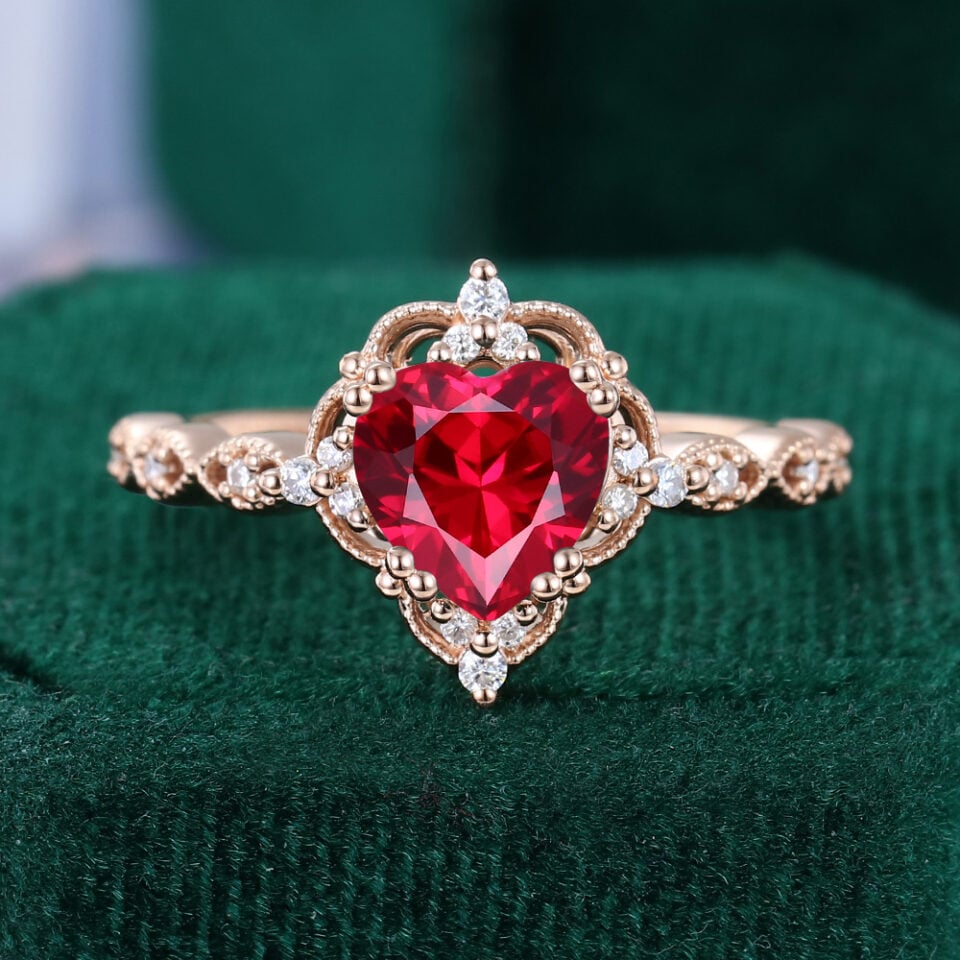
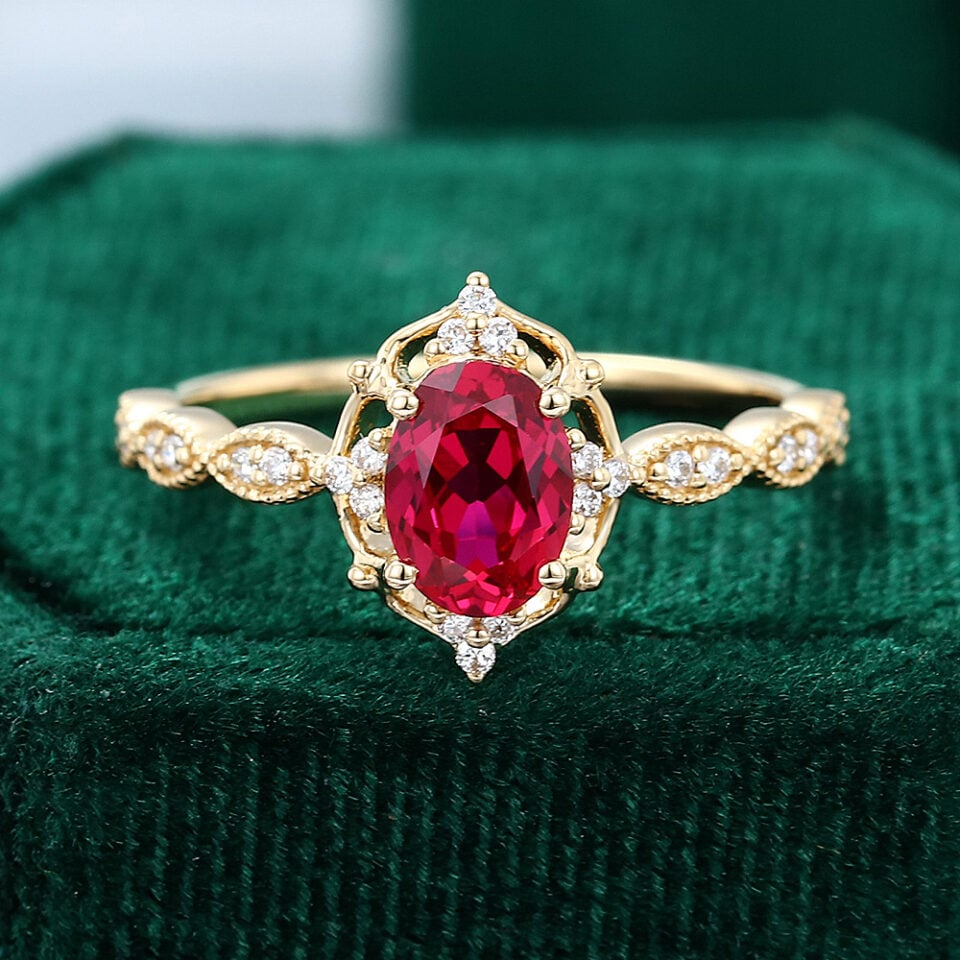
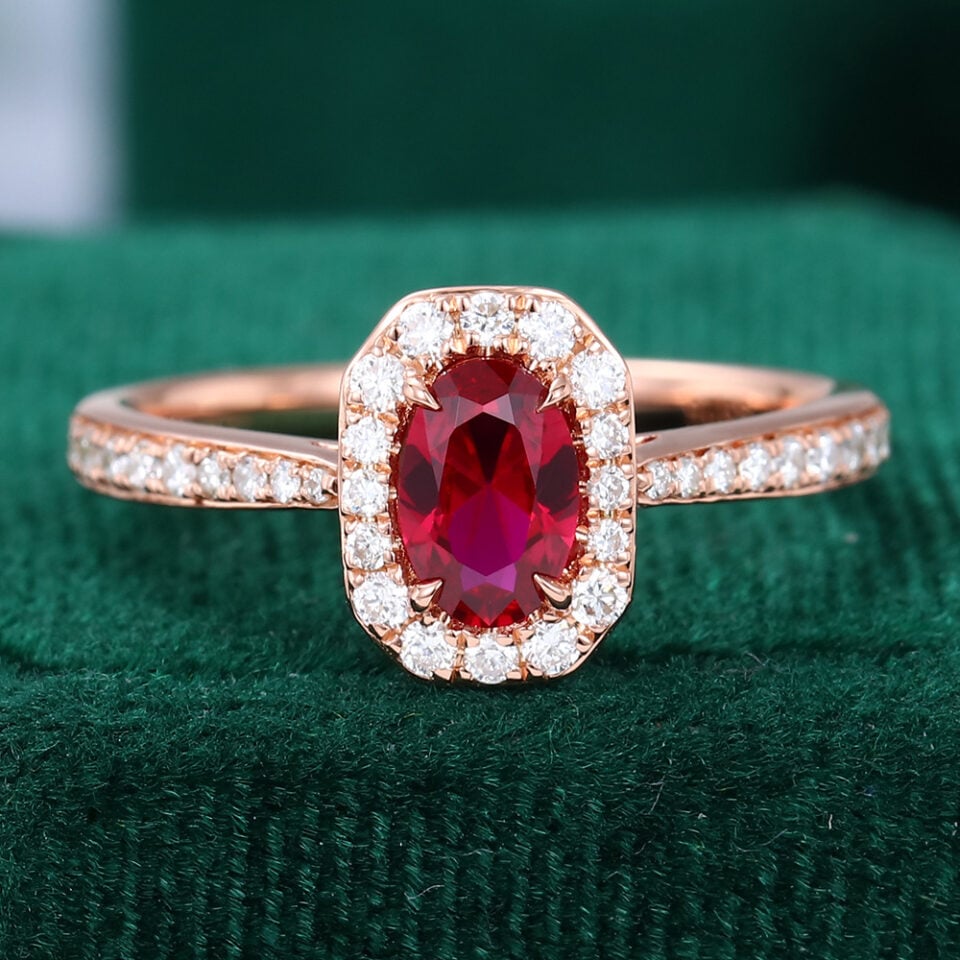
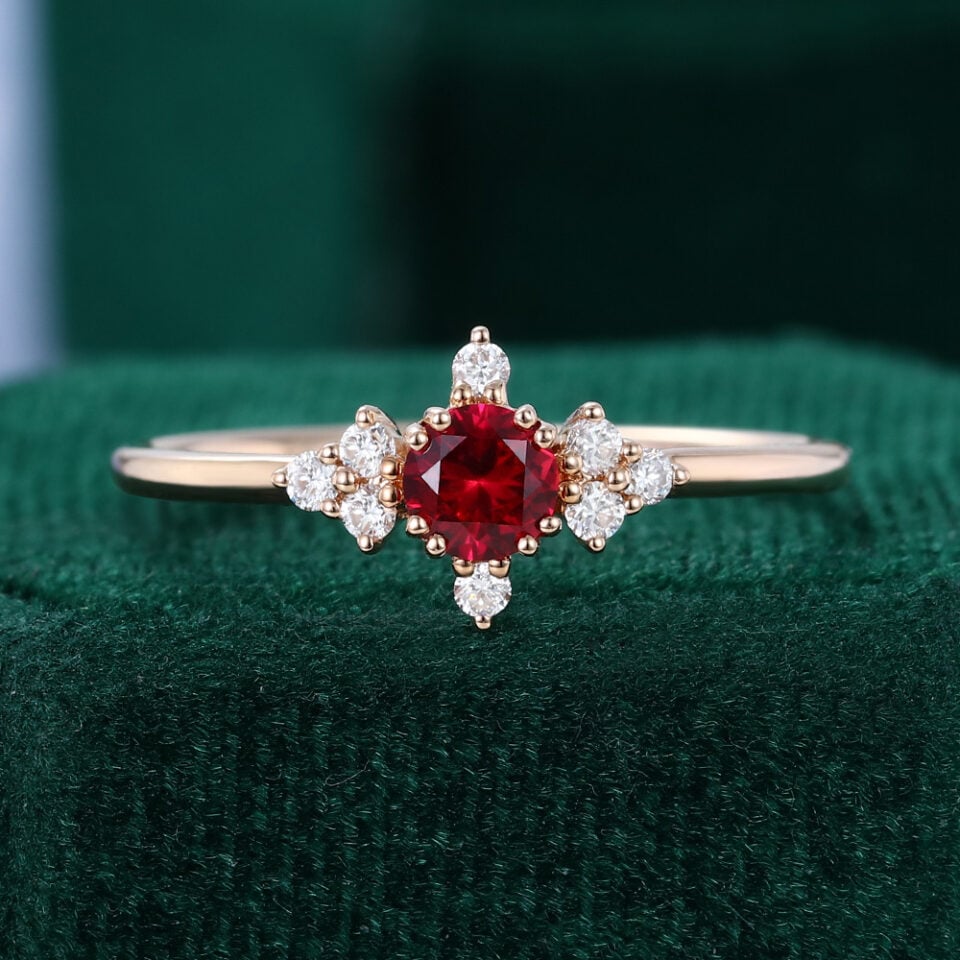
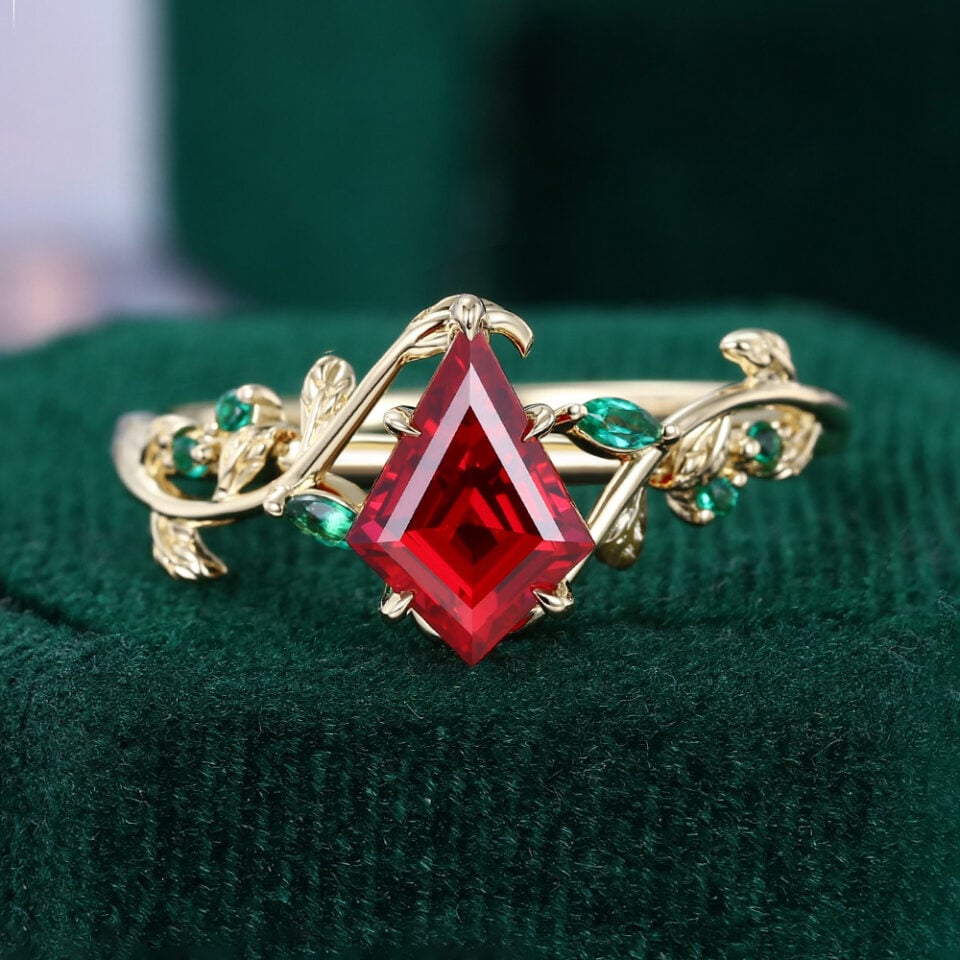
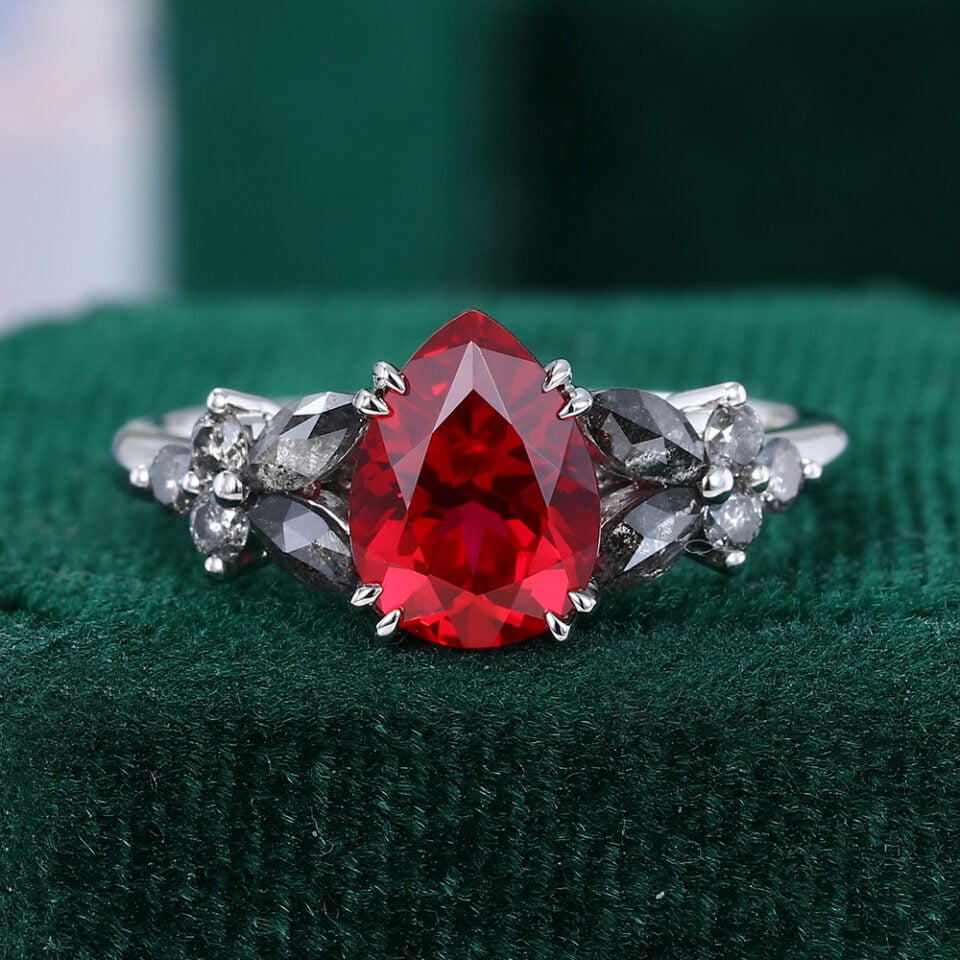
Ruby is ideal for those who love bold color and timeless romance. Its vibrant red hue symbolizes passion, courage, and lifelong love, making it one of the most meaningful choices for engagement rings and anniversary gifts.
A ruby ring may be the perfect choice if you:
- Prefer rich, eye-catching colors.
- Love vintage or classic jewelry styles.
- Want a gemstone with strong romantic symbolism.
- Are celebrating a July birthday or milestone anniversary.
Interested in learning more about ruby’s origins, quality factors, and symbolism? Explore our complete Ruby Gemstone Guide for a deeper look.
Sapphire
Sapphire
Sapphire is one of the most practical gemstones for everyday jewelry. With excellent durability, remarkable versatility, and an impressive range of colors, it’s a favorite among couples looking for an engagement ring they’ll wear every day.
Choose sapphire if you:
- Prioritize durability for daily wear.
- Love classic blue or unique colors like pink, teal, or green.
- Want a gemstone that complements both modern and traditional designs.
- Prefer a timeless look that never goes out of style.
As the September birthstone, sapphire is also associated with wisdom, loyalty, and protection, making it a meaningful choice for personalized jewelry. Learn more in our September Birthstone Guide.


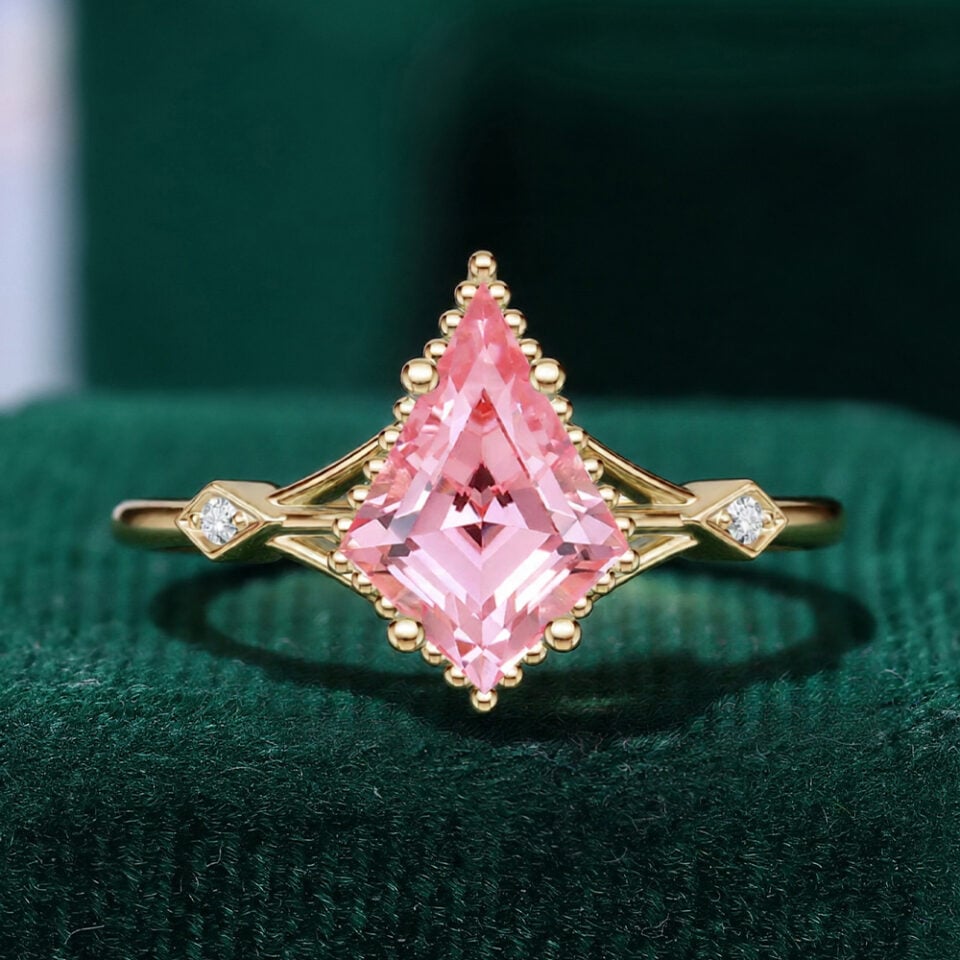


Emerald
Emerald
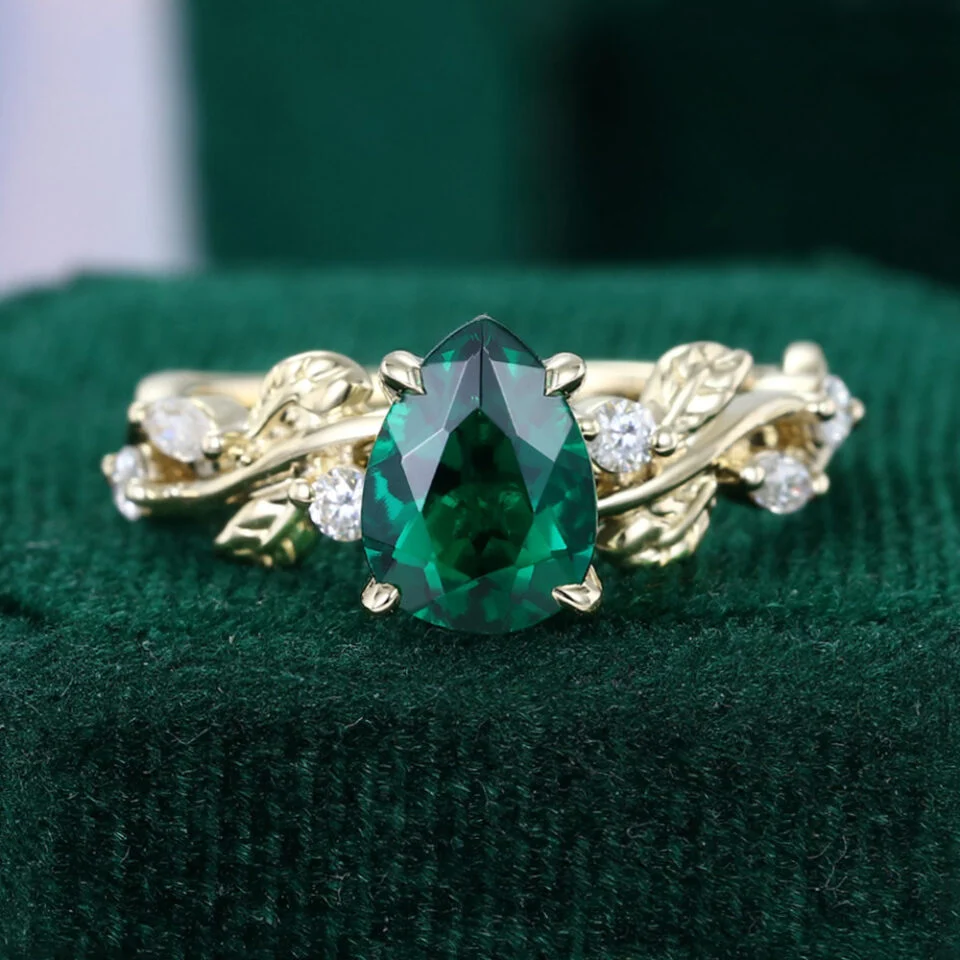
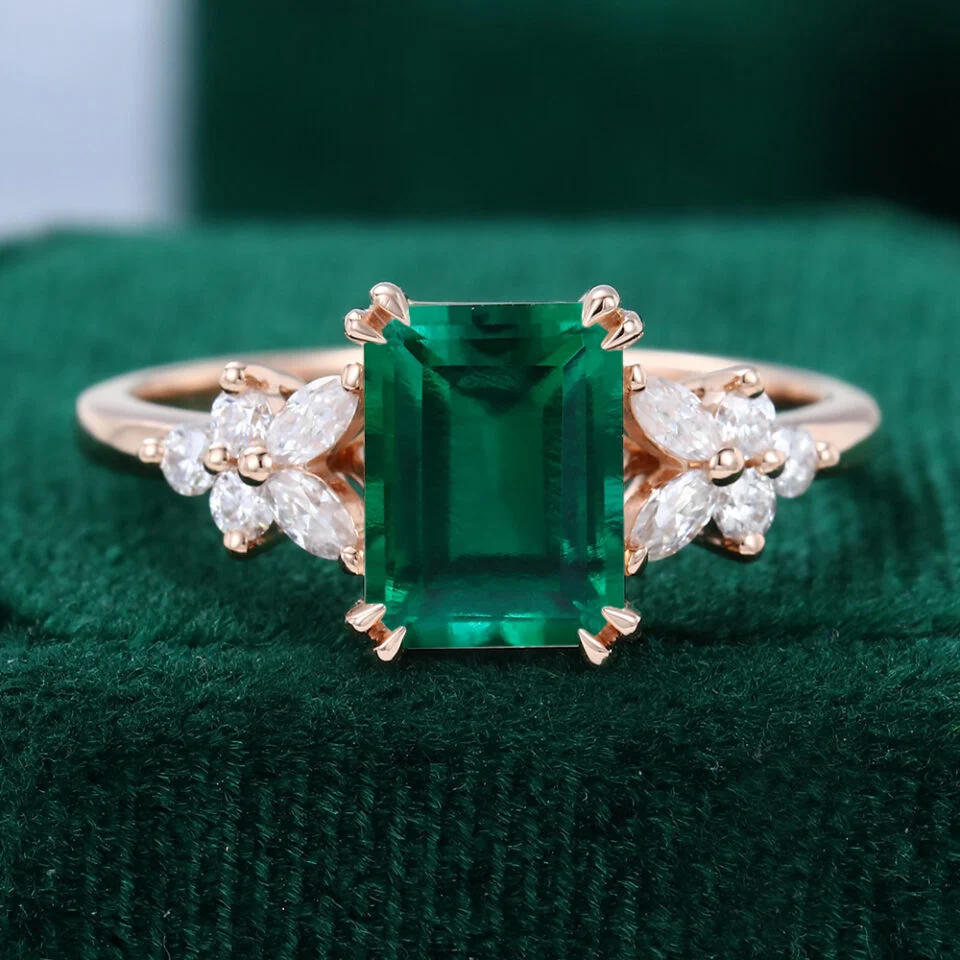
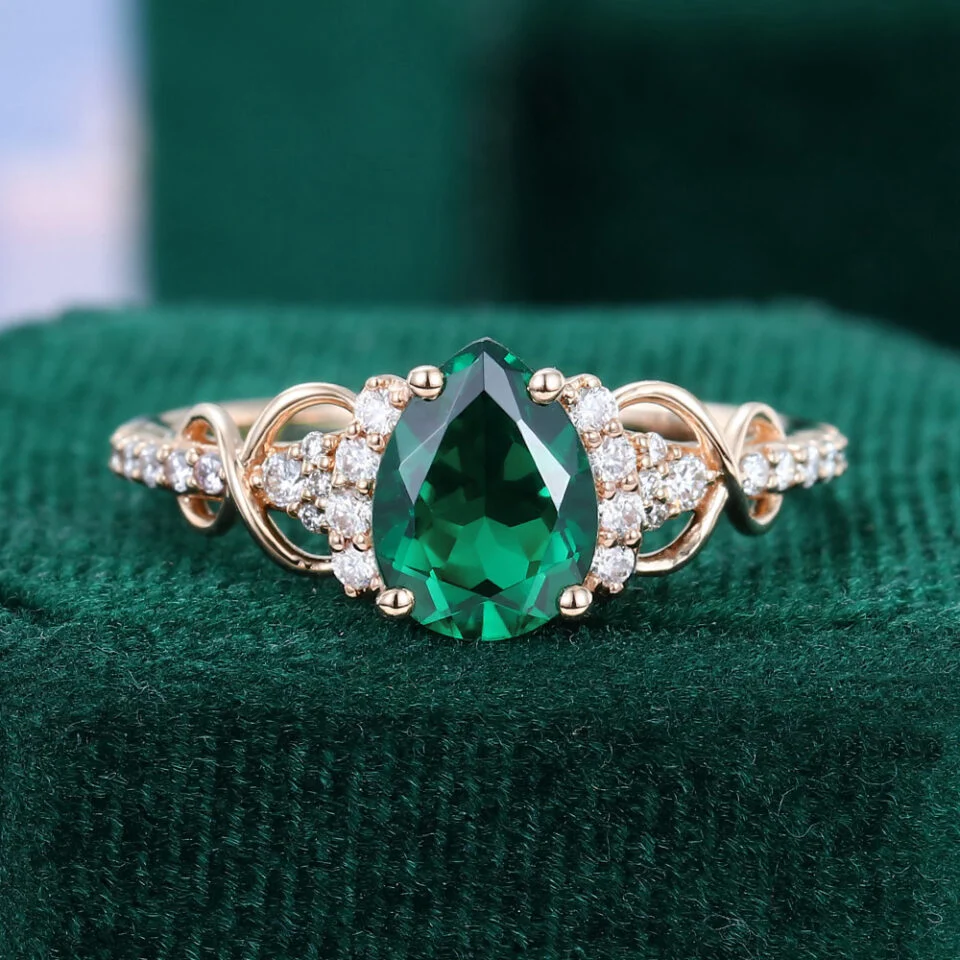
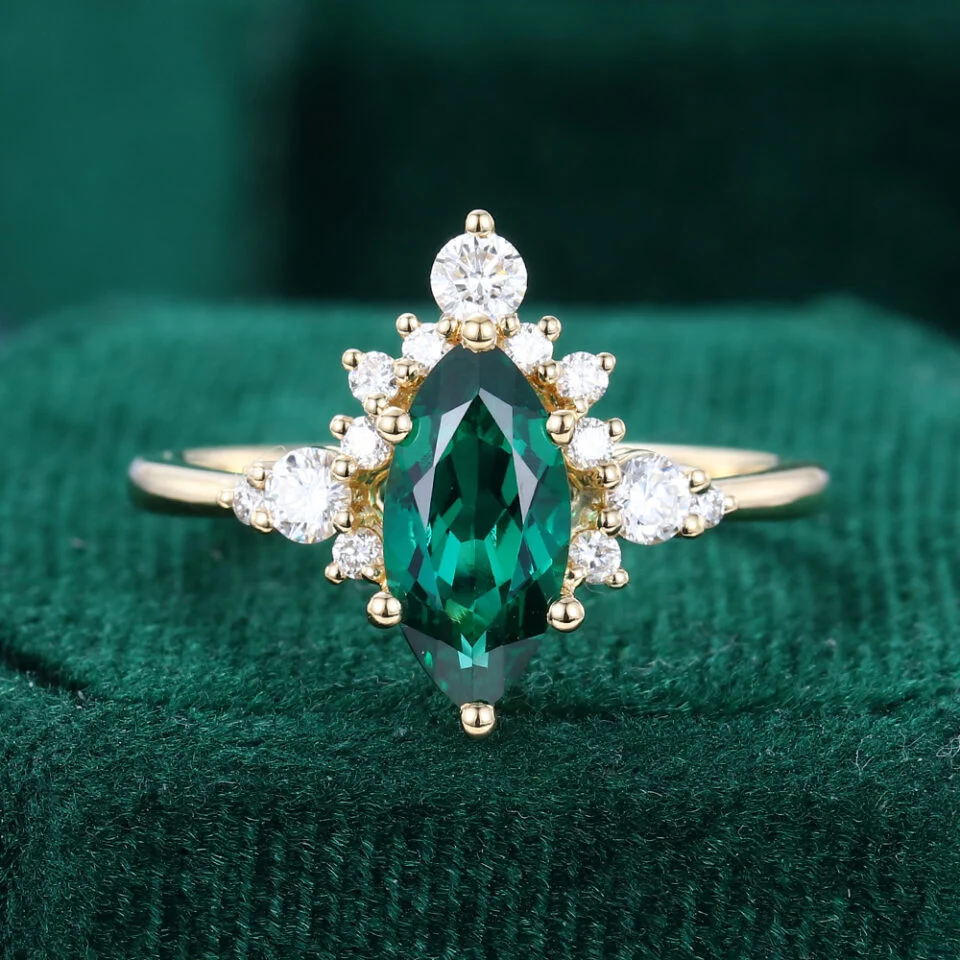
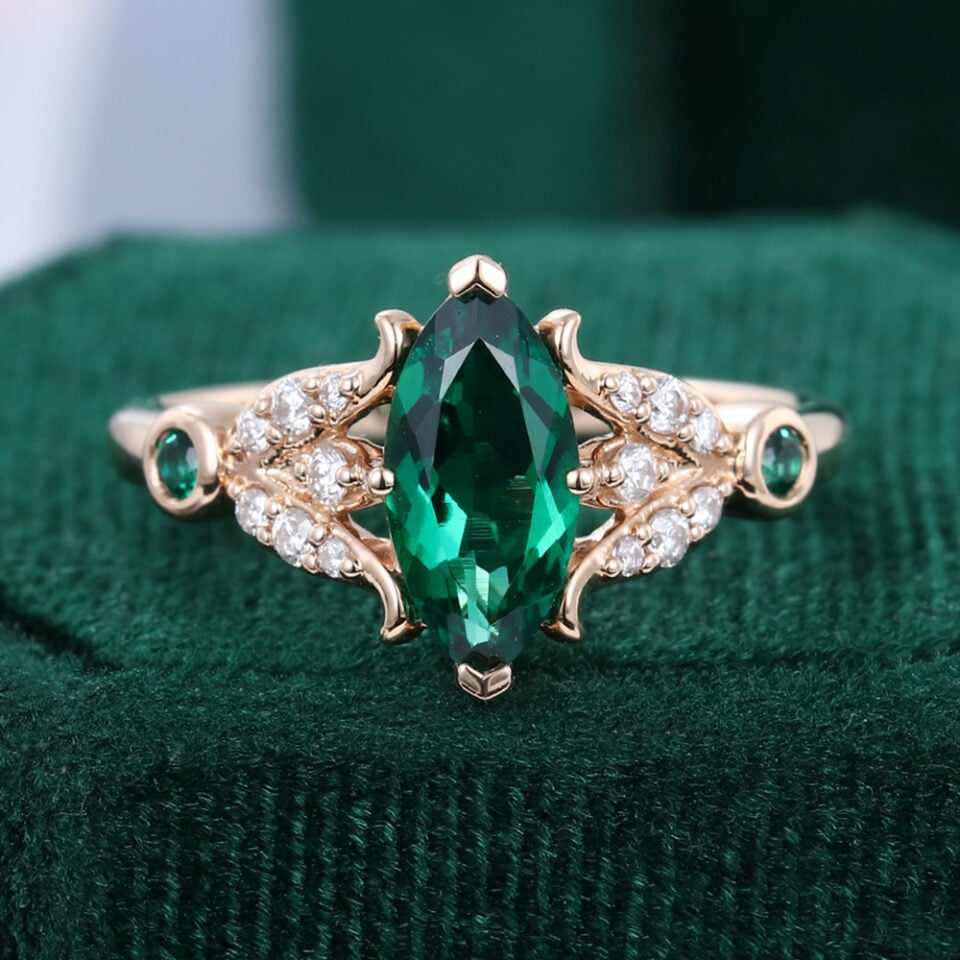
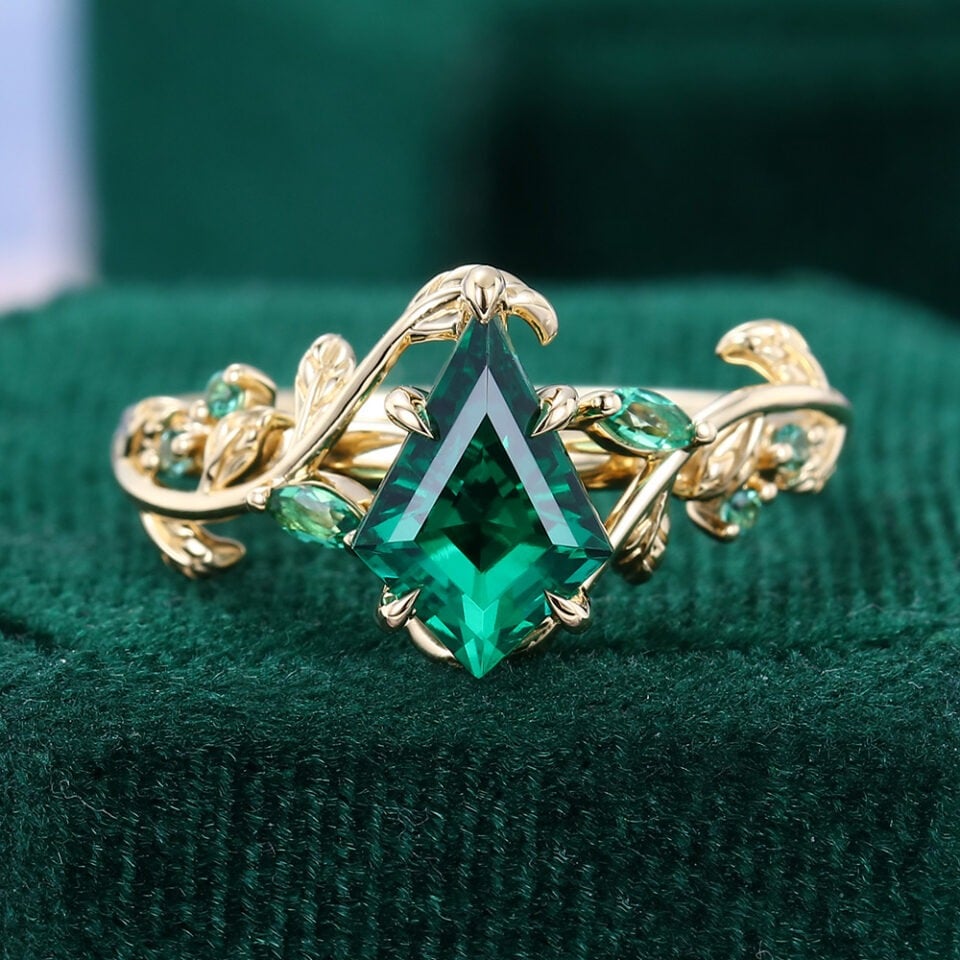
Emerald offers a completely different kind of beauty. Its lush green color and naturally unique inclusions create a sophisticated, organic look that has been admired for centuries.
An emerald ring is an excellent choice if you:
- Love elegant green gemstones.
- Appreciate vintage-inspired or nature-inspired jewelry.
- Want a meaningful gemstone symbolizing growth, hope, and renewal.
- Prefer a distinctive alternative to traditional engagement rings.
Emerald is also celebrated as the May birthstone, symbolizing growth, renewal, and prosperity. Discover more in our May Birthstone Emerald Guide.
Final Thoughts
Final Thoughts
When comparing ruby vs sapphire vs emerald, there isn’t one gemstone that’s better than the others—only the one that’s right for you.
- Choose ruby for passion and timeless romance.
- Choose sapphire for durability and everyday wear.
- Choose emerald for elegant green beauty and vintage charm.
At MollyJewelryUS, every ring is handcrafted and fully customizable, making it easy to create a piece that reflects your personal style and story.
Explore our collections to find the gemstone that’s perfect for your next engagement ring or meaningful gift.
FAQs
FAQs
Which is more expensive: ruby, sapphire, or emerald?
The answer depends on quality, origin, and rarity. Exceptional natural rubies (especially top-tier Burmese or Mozambique stones) are often the most expensive per carat, followed by fine Colombian emeralds and vivid Kashmir or Ceylon sapphires. However, lab-created ruby, sapphire, and emerald gemstones offer identical chemical brilliance at a much more accessible price point.
Which gemstone is the most durable?
Ruby and sapphire both rank 9 on the Mohs hardness scale, making them excellent choices for everyday wear. Emerald ranks 7.5–8, making it slightly softer and more likely to require extra care because of its natural inclusions.
Which gemstone is best for an engagement ring?
All three make beautiful engagement rings. Sapphire is often recommended for couples prioritizing durability, ruby is ideal for those who love bold romantic symbolism, and emerald appeals to anyone seeking timeless green elegance with a vintage-inspired feel.
Which gemstone is the rarest?
High-quality natural ruby is generally considered the rarest of the three, particularly stones with vivid “pigeon’s blood” red color. Fine emeralds and Kashmir sapphires are also exceptionally rare and highly valued by collectors.
Can ruby, sapphire, and emerald be worn every day?
Yes, although their durability differs. Ruby and sapphire are excellent for daily wear, while emeralds should be worn with a little more care to protect their natural inclusions and preserve their beauty.
Are lab-created ruby, sapphire, and emerald real?
Yes. Lab-created gemstones share the same chemical and optical properties as their natural counterparts but are grown under controlled conditions. They offer vibrant color, excellent durability, and exceptional value, making them an increasingly popular choice for modern jewelry.
Which gemstone has the best resale value?
Exceptional natural rubies, emeralds, and sapphires can retain significant value due to their rarity. Lab-created gemstones are typically purchased for their beauty, affordability, and craftsmanship rather than long-term investment potential.
Which gemstone should I choose?
If you want maximum durability, choose sapphire. If you love bold romance, choose ruby. If you’re drawn to elegant green tones and vintage charm, emerald is an excellent choice. The best gemstone is ultimately the one that reflects your personality and tells your unique story.
What does "Pigeon's Blood" mean when buying a ruby?
“Pigeon’s Blood” is a traditional trade description reserved for rubies with a vivid, highly saturated red color and soft fluorescent glow. While it indicates premium color quality (historically linked to fine Burmese gems), smart buyers should always rely on lab certification and independent documentation rather than verbal marketing terms.
How do gemstone treatments like heat or oiling affect ring value and care?
Heat treatment in rubies and sapphires is a widely accepted industry practice that permanently enhances color and clarity. Emeralds, however, are commonly treated with natural oils or resins to fill surface fractures. Always request full treatment disclosure: oiled emeralds should only be cleaned with gentle, lukewarm soapy water—never steam or ultrasonic cleaners.