- by MollyJewelryUS
- March 26, 2026
- Gemstone Education
Last updated on August 5, 2026
When choosing a ruby, color is the single most important factor affecting both beauty and value. The finest rubies display a vivid, saturated red—often called pigeon blood red—but stunning rubies also appear in shades ranging from pinkish red to purplish red. Understanding how hue, tone, and saturation influence a ruby’s appearance makes it much easier to compare stones and choose the one that best matches your style and budget.
In this guide, you’ll learn how ruby color is graded, what the most desirable shades look like, why rubies vary in color, and which ruby colors are best suited for different jewelry styles.

Table of Contents
Ruby Color at a Glance
Ruby Color at a Glance
| Ruby Color | Appearance | Value | Best For |
|---|---|---|---|
| Pigeon Blood Red | Vivid, highly saturated red | ★★★★★ | Collectors & luxury jewelry |
| Vivid Red | Bright pure red | ★★★★★ | Engagement rings |
| Purplish Red | Red with subtle purple tones | ★★★★☆ | Everyday wear |
| Pinkish Red | Softer romantic red | ★★★☆☆ | Vintage-inspired jewelry |
| Dark Red | Deep wine-like red | ★★★☆☆ | Bold statement pieces |
What Is Ruby Color? (And Why It Matters So Much)
What Is Ruby Color? (And Why It Matters So Much)
Ruby is part of the corundum family, and its red color comes from trace amounts of chromium. However, not all rubies display the same shade of red.
Gemologists evaluate ruby color based on three key factors:
- Hue (the base color)
- Tone (how light or dark the color appears)
- Saturation (the intensity or purity of the color)
In practical terms, color determines how noticeable, vibrant, and luxurious a ruby appears. A stone with strong saturation and balanced tone will always look more impressive than one that is too dark or washed out, regardless of size.
The Most Valuable Ruby Color: “Pigeon Blood Red”
The Most Valuable Ruby Color: “Pigeon Blood Red”
“Pigeon blood” is the term used to describe the most desirable ruby color—a vivid, pure red with strong saturation and a balanced tone that is neither too dark nor too light. This type of ruby maintains its brightness under different lighting conditions, which is why it is often associated with top-quality gemstones.
That said, top-grade natural pigeon blood rubies are extremely rare and command very high prices. For most buyers—especially when choosing lab-grown ruby jewelry—the goal is not to chase a label, but to find a ruby that looks bright, balanced, and visually appealing in everyday settings.
Why Do Rubies Have Different Colors?
Why Do Rubies Have Different Colors?
Every ruby is red, but not every ruby looks the same. Some appear bright and vibrant, while others have deeper or slightly purplish tones.
Several factors influence a ruby’s color:
- Natural trace elements – Chromium gives ruby its signature red color, while other elements can subtly affect its tone.
- Origin – Rubies from different regions may display slightly different shades of red due to their unique geological conditions.
- Heat treatment – Many rubies are heat treated to improve color and clarity, a common and widely accepted practice in the jewelry industry.
- Lighting – Daylight, indoor lighting, and warm evening light can all make the same ruby appear slightly different.
Rather than looking for a single “perfect” shade, focus on a ruby with rich, even color that looks beautiful in the lighting conditions where you’ll wear it most.
Ruby Color Variations: What You’ll Actually See
Ruby Color Variations: What You’ll Actually See
Not all rubies are the same shade of red. Here are the most common variations:
Pure Red Ruby
Pure Red Ruby
- Most classic and desirable
- Balanced tone and saturation
- Works well in all metal settings
Best for: Classic engagement rings and timeless fine jewelry.
Pinkish Red Ruby
Pinkish Red Ruby
- Slight pink undertone
- Brighter and softer appearance
- Often more affordable
Best for: Romantic, feminine designs and vintage-inspired jewelry.
Purplish Red Ruby
Purplish Red Ruby
- Slight violet undertone
- Deeper, cooler tone
- Can appear darker in low light
Best for: Everyday wear with a rich, elegant appearance.
Dark Red Ruby
Dark Red Ruby
- Higher tone (darker)
- Can look less vibrant
- Sometimes appears brownish
Best for: Those who prefer bold, dramatic gemstone colors.
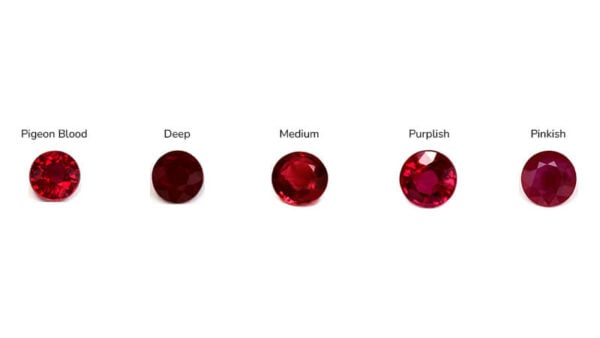
While these are the most commonly seen ruby color types, natural and lab-grown rubies can display a much wider spectrum of shades. In fact, ruby colors can range across multiple subtle variations—from light pinkish red to deep vivid crimson—depending on tone and saturation, which is why visual color charts are often used to help compare them more accurately.

How Ruby Color Affects Value
How Ruby Color Affects Value
Color is the most important factor when evaluating a ruby’s quality and value. In general, the richer and more evenly distributed the color, the more desirable the gemstone.
Here’s a simple guideline:
| Color Quality | Value |
|---|---|
| Vivid, highly saturated red | Highest |
| Bright, evenly distributed red | Very High |
| Slightly purplish or pinkish red | High |
| Very dark or very light red | Moderate |
While famous “pigeon blood” rubies are among the rarest and most valuable, they’re not the only beautiful option. Many people choose slightly softer shades because they suit their personal style and often offer better value for everyday jewelry.
How to Choose the Best Ruby Color for You
How to Choose the Best Ruby Color for You
To choose the right ruby color, focus on how it looks in real-life conditions rather than just labels or photos:
- Check it in normal lighting: a ruby that looks bright indoors will perform better than one that only looks good under strong light
- Avoid overly dark tones: if the stone looks dull or brownish, it will lack vibrancy in daily wear
- Choose the intensity you prefer: vivid red for bold impact, slightly pinkish red for a softer and more wearable look
- Trust visual impression over grading terms: what looks lively and clear to your eye matters more than technical names
👉 If you’re unsure, go with a ruby that appears bright and vivid at first glance—it’s usually the most reliable choice.
Ruby Color vs Price: What You’re Actually Paying For
Ruby Color vs Price: What You’re Actually Paying For
Color is the primary driver of ruby pricing, but its impact differs significantly between natural and lab-grown stones.
| Ruby Type | Color Quality | Price Range | What You Get |
|---|---|---|---|
| Natural Ruby | Top vivid red (pigeon blood) | $5,000 – $50,000+/ct | Rare, investment-grade stones |
| Natural Ruby | Medium-quality red | $1,000 – $5,000/ct | Good color, less intensity |
| Lab Ruby | High-quality vivid red | $200 – $1,500 (jewelry) | Strong visual impact, best value |
| Lab Ruby | Pinkish or lighter red | $100 – $500 | Softer appearance, budget-friendly |
For most modern buyers, especially those choosing lab ruby jewelry, price differences are more influenced by design and setting than extreme color grading. However, a ruby with more vivid and balanced color will still appear noticeably more refined, even within similar price ranges.
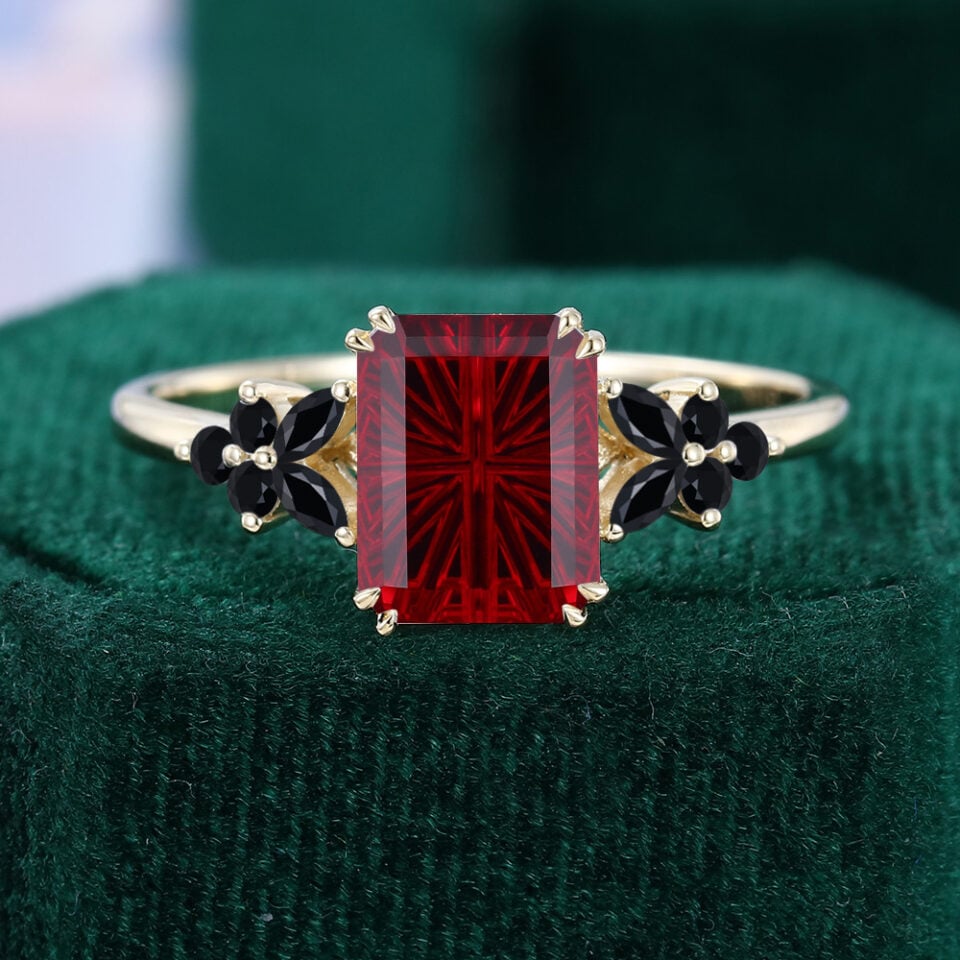
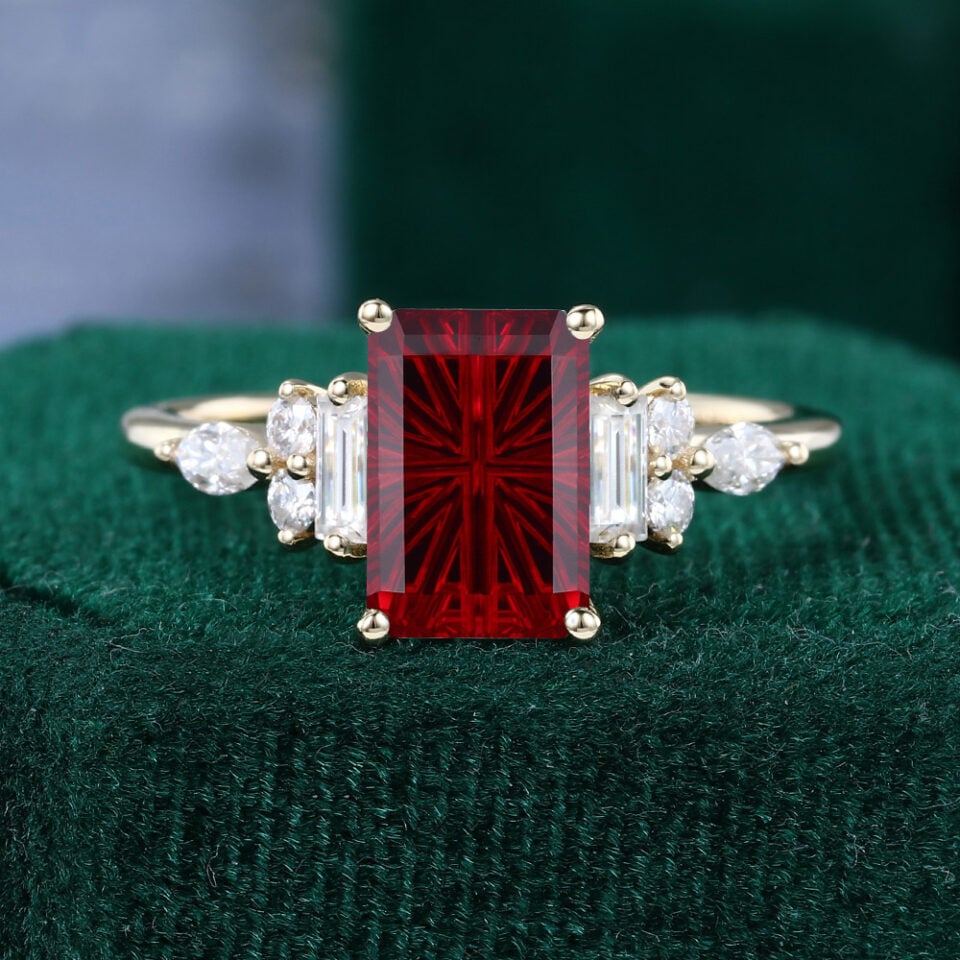
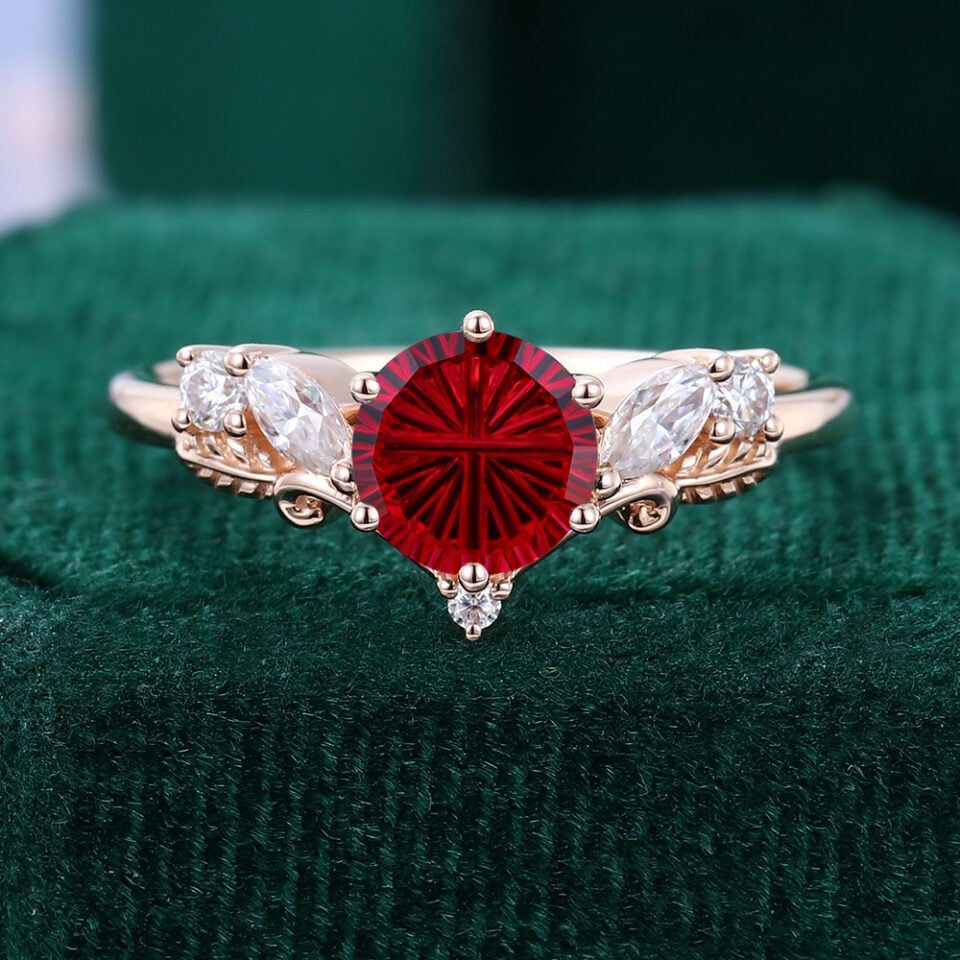
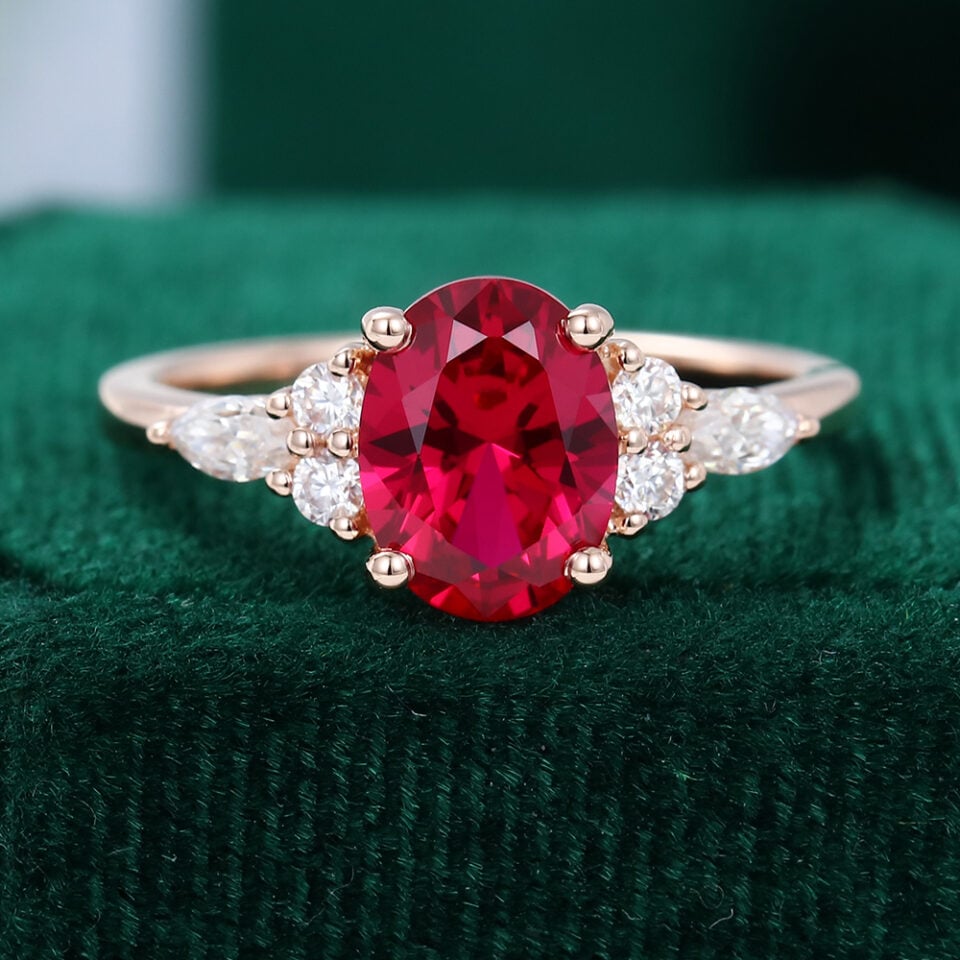
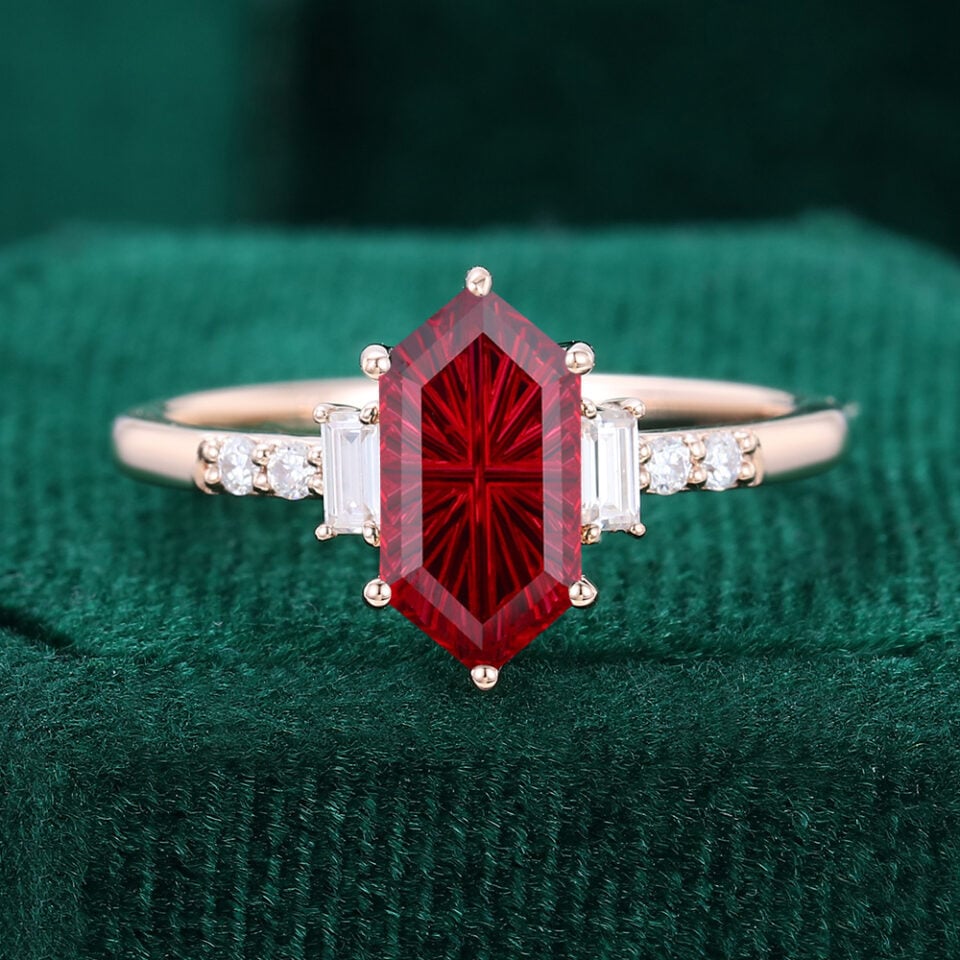
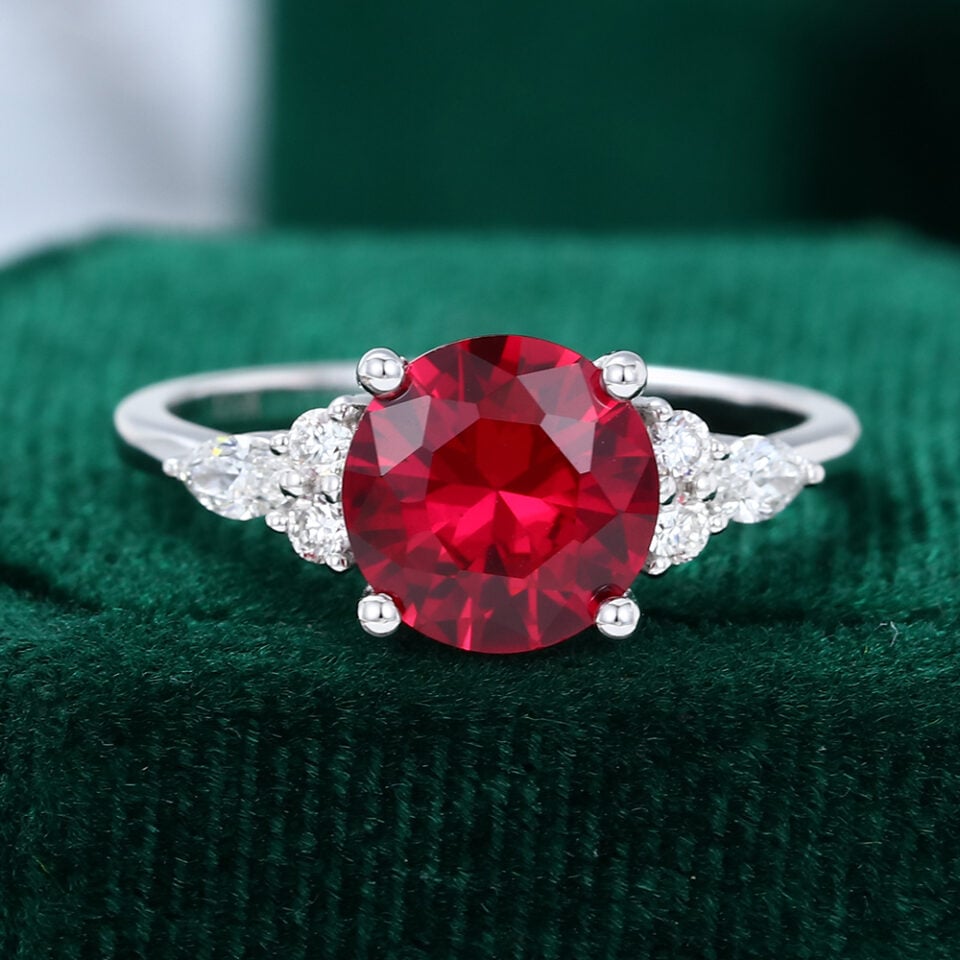
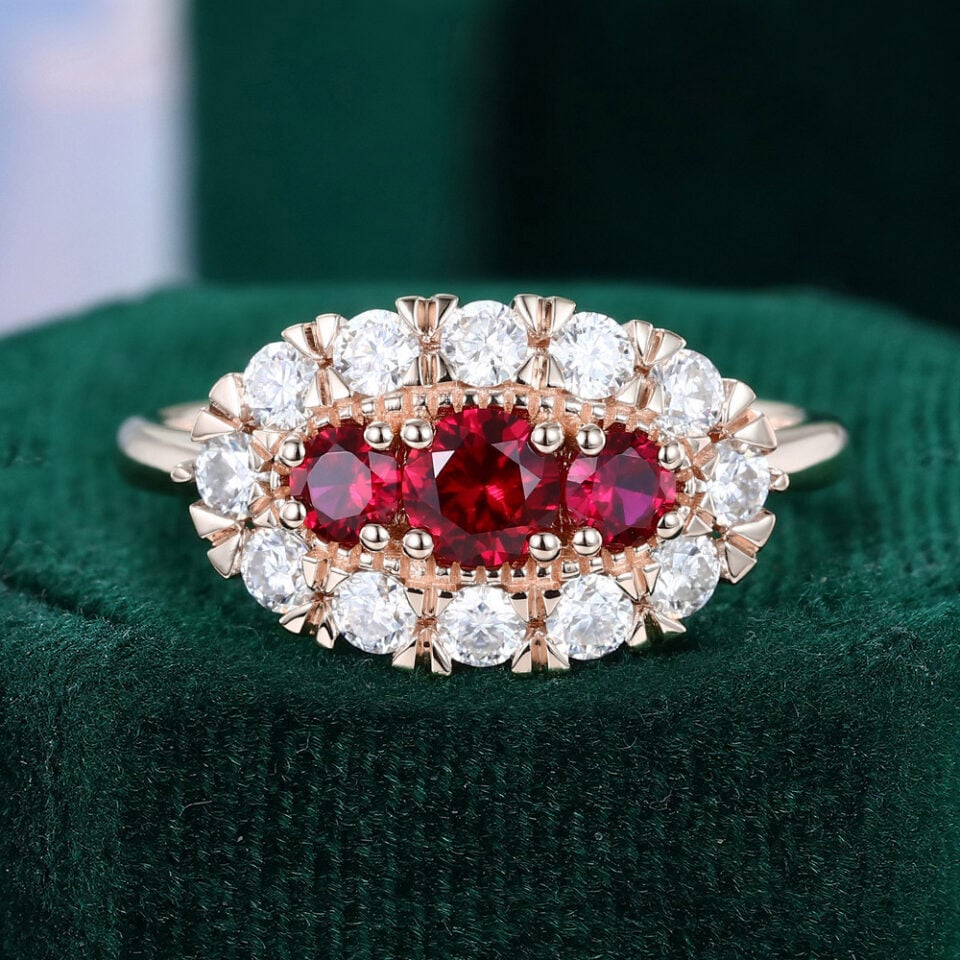
How to Make Ruby Color Look Its Best
How to Make Ruby Color Look Its Best
The appearance of a ruby doesn’t depend on color alone—how it’s set, worn, and maintained can significantly enhance or diminish its visual impact.
To make your ruby look its best, focus on a few key factors:
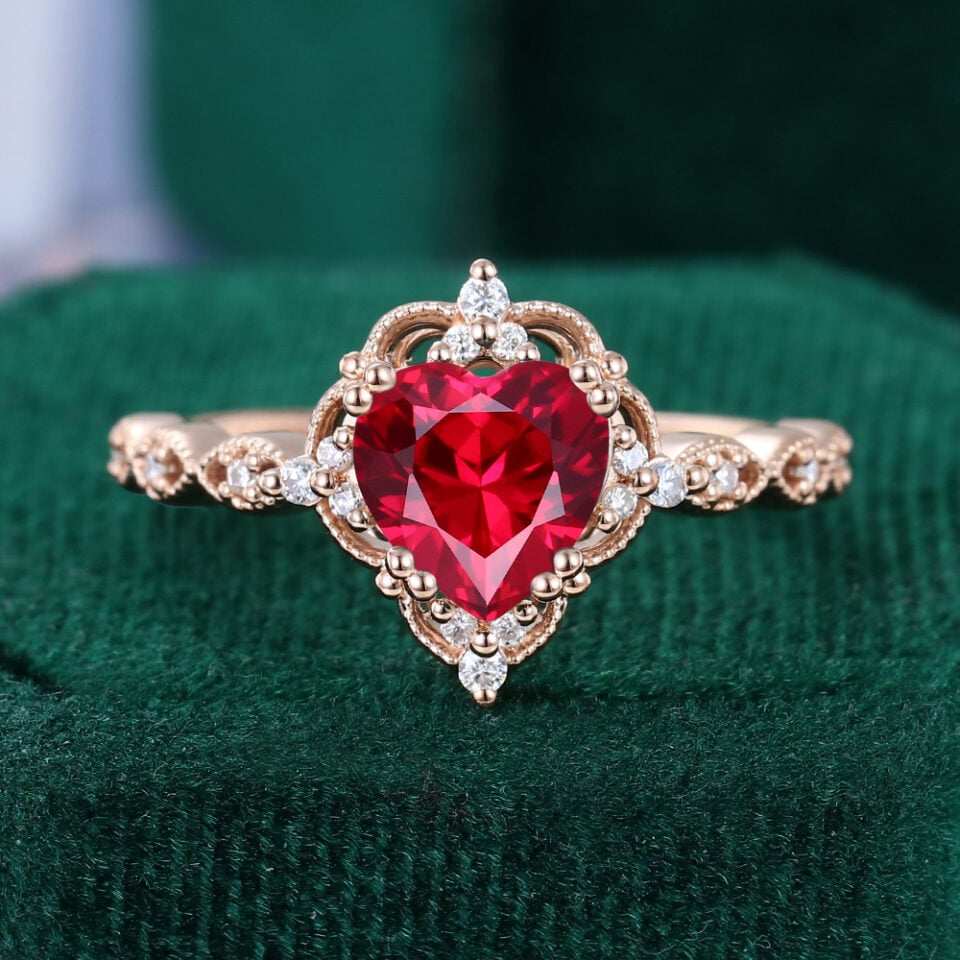
- Choose the right metal: white gold enhances brightness and contrast, while yellow gold deepens the richness of the red tone
- Keep the stone clean: everyday buildup can reduce brilliance and make the color appear dull over time
- Select a light-friendly setting: designs that allow more light to enter the stone will make the ruby look more vivid and lively
When these elements work together, even a moderately priced ruby can appear far more refined and visually striking.
Final Thoughts: What Ruby Color Should You Choose?
Final Thoughts: What Ruby Color Should You Choose?
The best ruby color is not necessarily the rarest, but the one that looks vibrant, balanced, and appealing in your daily life. While vivid, pure red is traditionally considered the highest quality, slightly brighter tones often perform better in real-world lighting and feel more versatile across different styles.
If you want a reliable choice, focus on a ruby that appears lively and clear rather than overly dark. When paired with the right metal and setting, even a moderately priced ruby can look refined, eye-catching, and effortlessly luxurious.
Related FAQs :
Related FAQs :
What is the best ruby color?
The most valuable ruby color is vivid red, often referred to as pigeon blood red. It combines a rich red hue with strong saturation and minimal secondary colors, making it the benchmark for premium-quality rubies.
What does "pigeon blood ruby" mean?
“Pigeon blood” describes a ruby with an exceptionally vivid, slightly glowing red color. It is a trade term rather than an official grading standard, but it is widely used to describe the finest ruby colors.
Are darker rubies always more valuable?
No. A ruby that’s too dark can appear less vibrant and hide its natural brilliance. The most desirable rubies balance rich color with excellent brightness and saturation.
What determines a ruby's color?
Ruby color is influenced by three main grading factors:
- Hue – the primary color
- Tone – how light or dark the stone appears
- Saturation – the intensity and purity of the color
These characteristics work together to determine a ruby’s overall appearance and value.
Does the origin of a ruby affect its color?
Yes. Rubies from different regions often display different color characteristics. For example, some Burmese rubies are known for their vivid red color, while stones from other origins may show slightly pinkish or purplish tones.
Which ruby color is best for an engagement ring?
There isn’t a single “best” choice. Bright, vivid red rubies offer a timeless look, while slightly purplish or pinkish reds provide a softer, more romantic appearance. The right color depends on your personal style and the overall ring design.