- by MollyJewelryUS
- March 19, 2026
- Buying Guides
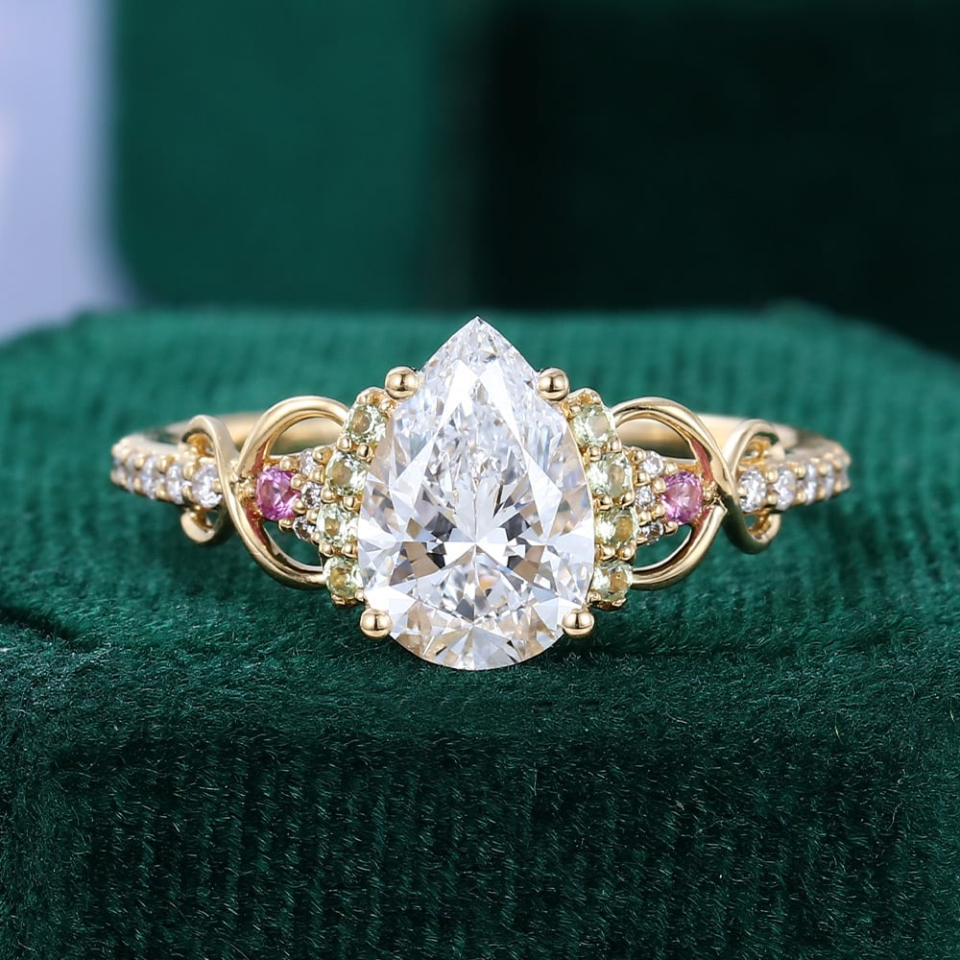
Pear shaped lab diamond engagement rings combine elegance with a distinctive silhouette that stands out from more traditional styles. For buyers exploring lab diamond engagement rings, this shape offers a unique balance between brilliance and elongation, making it both eye-catching and practical for everyday wear.

Table of Contents
Table of Contents
- What Is a Pear Shaped Lab Grown Diamond
- Why Pear Shaped Diamonds Stand Out
- Pros of Pear Shaped Lab Grown Diamond Engagement Rings
- Things to Consider Before Choosing a Pear Shaped Diamond
- Understanding the Bow-Tie Effect in Pear Diamonds
- Ideal Proportions for Pear Shaped Diamonds
- How to Choose the Right Pear Shaped Lab Diamond
- Styling Tips for Pear Shaped Engagement Rings
- Conclusion
- FAQs About Pear Shaped Lab Grown Diamond Engagement Rings
What Is a Pear Shaped Lab Grown Diamond
What Is a Pear Shaped Lab Grown Diamond
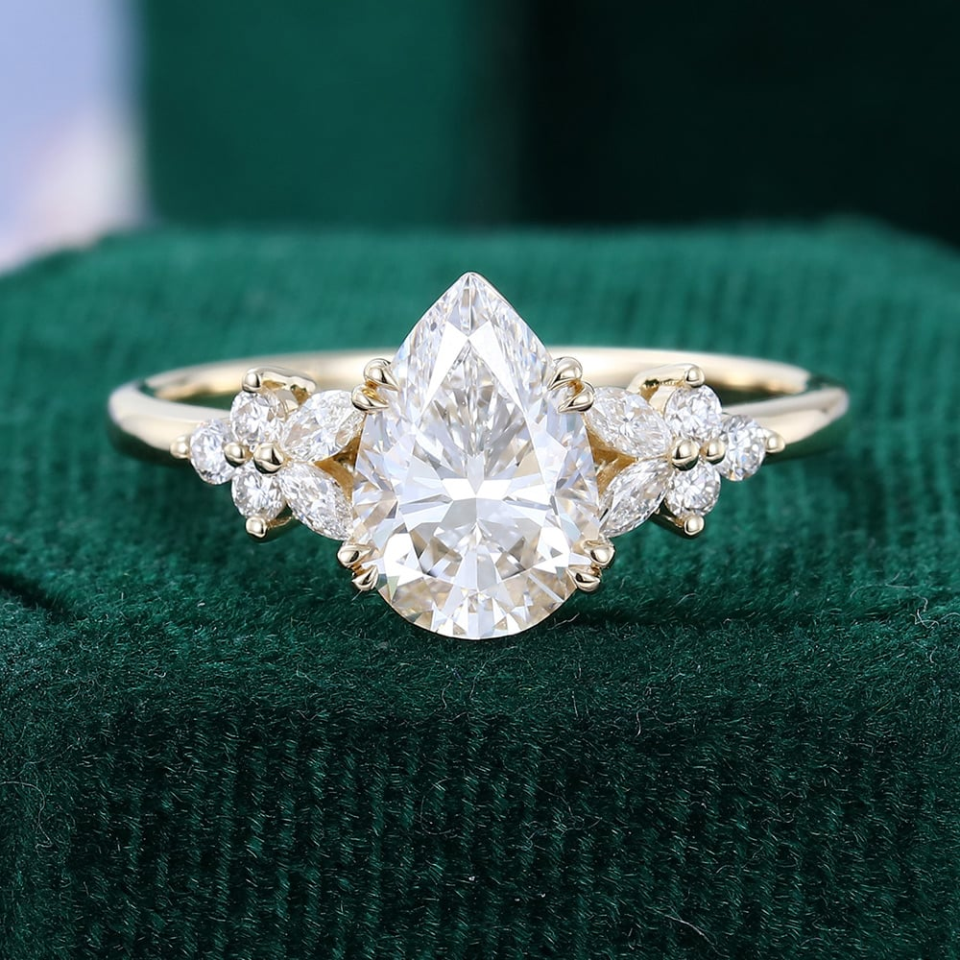
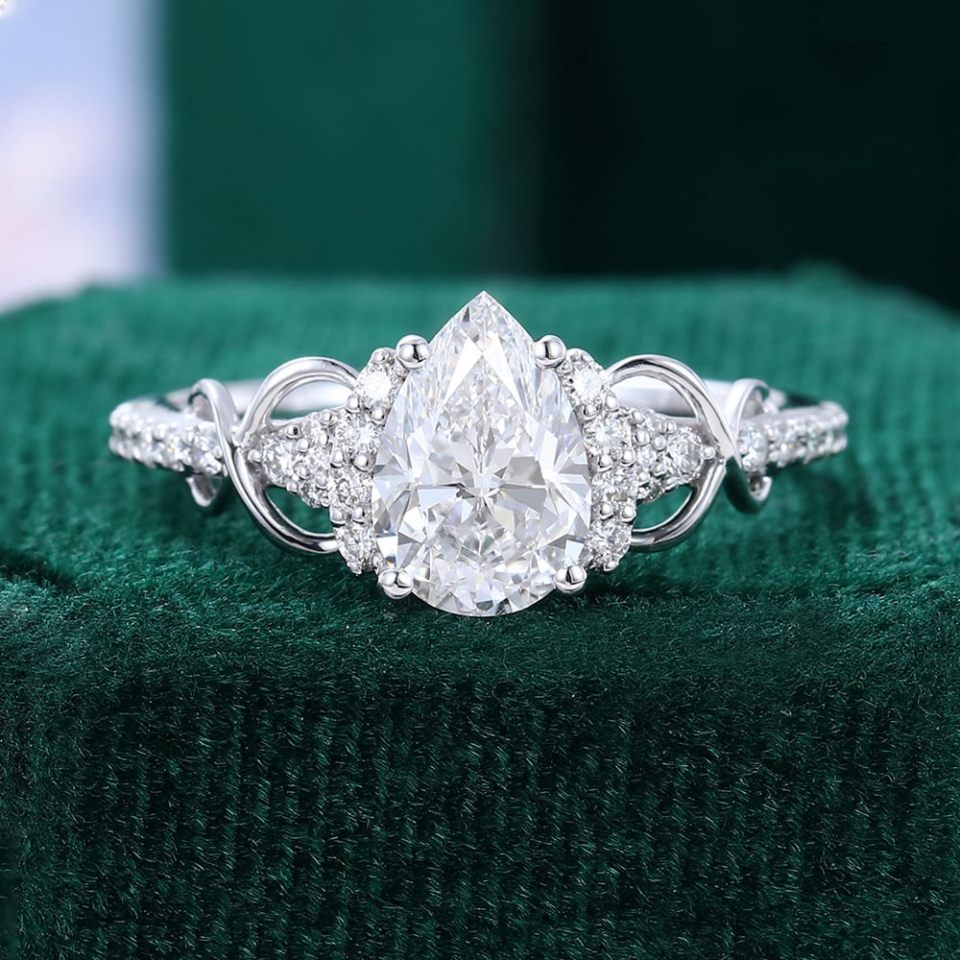
A pear shaped diamond, often called a teardrop diamond, blends the round brilliant cut with a marquise-like point. One end is rounded, while the other tapers to a single point, creating a shape that is both soft and dramatic.
In lab-grown form, these diamonds are created using advanced technology that replicates natural diamond formation. The result is a stone with the same physical and optical properties as mined diamonds, but with more consistent quality control.
This shape is designed to reflect light efficiently while offering a more elongated appearance compared to round cuts.
Why Pear Shaped Diamonds Stand Out
Why Pear Shaped Diamonds Stand Out
The asymmetrical design of pear shaped diamonds gives them a distinct visual identity. Unlike symmetrical cuts, the combination of a rounded edge and pointed tip creates movement and direction in the design.
This shape also tends to appear larger than its actual carat weight. The elongated form spreads the diamond across more surface area, increasing finger coverage and enhancing visual size.
Additionally, the pointed tip naturally draws attention, making the diamond appear more prominent when worn.
Pros of Pear Shaped Lab Grown Diamond Engagement Rings
Pros of Pear Shaped Lab Grown Diamond Engagement Rings
Larger appearance per carat
The elongated shape increases surface area, making the diamond look bigger than many traditional cuts of the same weight.
Flattering effect on the finger
The tapered design creates a lengthening effect, making fingers appear slimmer and more elegant.
Distinctive and less common
Pear shapes offer a unique alternative to round or oval diamonds, helping the ring stand out.
Strong brilliance
With a modified brilliant cut structure, pear diamonds reflect light effectively and maintain noticeable sparkle.
Versatile orientation
The diamond can be worn with the point facing up or down, allowing flexibility in styling and personal preference.

Things to Consider Before Choosing a Pear Shaped Diamond
Things to Consider Before Choosing a Pear Shaped Diamond
Bow-tie effect
Like oval diamonds, pear shapes can display a bow-tie shadow across the center. The intensity varies depending on cut quality.
Tip vulnerability
The pointed end is more prone to chipping if not properly protected by a setting such as a prong or bezel.
Symmetry matters
Because of the asymmetrical design, even slight inconsistencies in shape are easier to notice.
Length-to-width ratio
This ratio significantly affects the overall appearance, making proportion selection essential.
Setting compatibility
Not all settings highlight the pear shape equally, so careful selection is required to maximize its visual appeal.
Understanding the Bow-Tie Effect in Pear Diamonds
Understanding the Bow-Tie Effect in Pear Diamonds
The bow-tie effect appears as a dark area across the center of the diamond, caused by light leakage or obstruction. In pear shaped diamonds, this effect can be more noticeable due to the elongated structure.
A minimal bow-tie is generally acceptable and can even add contrast. However, a strong bow-tie may reduce brilliance and make the diamond appear dull in certain lighting conditions.
The best way to evaluate this is by viewing the diamond in motion under different lighting environments.
Ideal Proportions for Pear Shaped Diamonds
Ideal Proportions for Pear Shaped Diamonds
Choosing the right proportions ensures the diamond looks balanced and performs well visually.
Length-to-width ratio
A ratio between 1.45 and 1.75 is typically preferred. Lower ratios appear shorter and wider, while higher ratios create a more elongated look.
Depth percentage
A depth range of 58% to 64% usually provides a good balance between brilliance and size appearance.
Table percentage
A table between 53% and 63% helps maintain proper light reflection.
Symmetry and polish
High grades in these areas improve overall visual quality and refinement.
These factors work together to determine how attractive and well-proportioned the diamond appears.
How to Choose the Right Pear Shaped Lab Diamond
How to Choose the Right Pear Shaped Lab Diamond
Selecting a pear shaped diamond requires careful visual evaluation.
Check the outline
The curve should be smooth and symmetrical, with no flat or uneven areas.
Examine the tip alignment
The pointed end should align perfectly with the center of the rounded side.
Assess brilliance
Observe how the diamond reflects light in different conditions.
Balance size and quality
A well-cut smaller diamond often looks better than a larger one with poor proportions.
Choose a protective setting
Ensure the design includes adequate protection for the pointed tip.
Styling Tips for Pear Shaped Engagement Rings
Styling Tips for Pear Shaped Engagement Rings
Pear shaped diamonds offer flexibility in styling, making them suitable for different aesthetics.
Wearing orientation
Pointing the tip toward the fingertip creates a lengthening effect, while reversing it offers a more unconventional look.
Band pairing
Slim bands emphasize the diamond’s size, while thicker bands create a more balanced appearance.
Metal choice
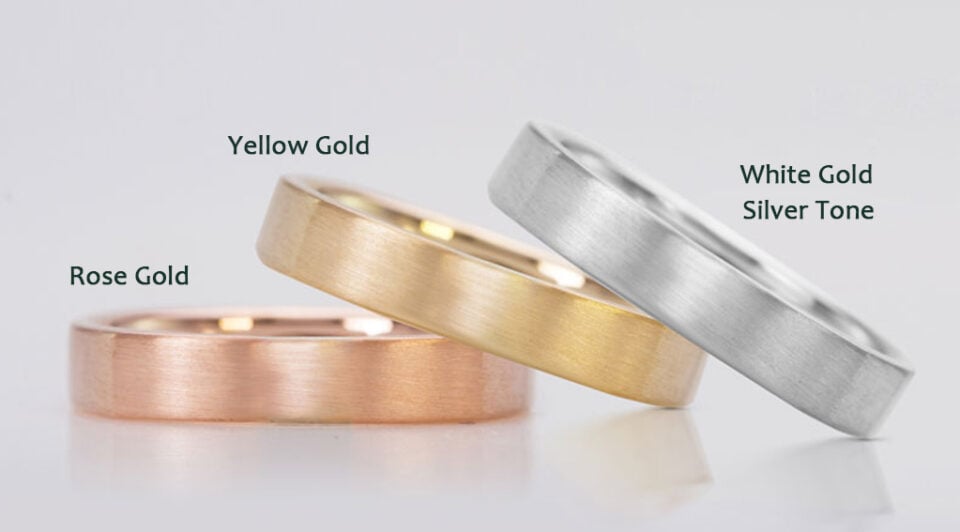
White metals highlight brilliance, while yellow or rose gold adds warmth and contrast.
Stacking options
Pear rings pair well with curved bands or contour bands that follow the shape of the diamond.
These styling choices can significantly influence the final look of the ring.
Conclusion
Conclusion
Pear shaped lab grown diamond engagement rings offer a combination of elegance, individuality, and visual impact. Their elongated silhouette enhances finger coverage, while their brilliance ensures lasting appeal.
By focusing on cut quality, symmetry, and proper setting selection, buyers can maximize both beauty and durability. For those seeking a distinctive yet practical engagement ring, the pear shape remains a compelling option.
FAQs About Pear Shaped Lab Grown Diamond Engagement Rings
FAQs About Pear Shaped Lab Grown Diamond Engagement Rings
Do pear shaped lab grown diamonds look bigger than other shapes
Pear shaped lab grown diamonds often appear larger because their elongated form spreads carat weight across a bigger surface area, increasing visual size.
What is the best length-to-width ratio for pear shaped engagement rings
A ratio between 1.45 and 1.75 is generally recommended, as it provides a balanced and visually appealing shape without appearing too wide or too narrow.
How can I reduce the bow-tie effect in a pear diamond
Choosing a well-cut diamond and viewing it under different lighting conditions helps ensure the bow-tie effect is minimal and does not impact overall brilliance.
Which direction should a pear shaped diamond face when worn
Most people prefer wearing the pointed end toward the fingertip for a lengthening effect, but orientation ultimately depends on personal style preference.