
- by MollyJewelryUS
- January 20, 2026
- Gemstone Education, Style Inspiration
Sapphire rings have become a meaningful alternative to traditional diamonds, loved for their durability, rich colors, and timeless elegance. As demand grows, many buyers find themselves asking the same question: natural sapphire vs lab-grown sapphire — what’s the real difference, and which one should you choose?
Both options are genuine sapphires, yet they differ in origin, pricing, rarity, and long-term value. In this guide, we break down everything you need to know — from beauty and durability to ethics and cost — so you can confidently choose the sapphire that best fits your values, budget, and engagement ring vision.
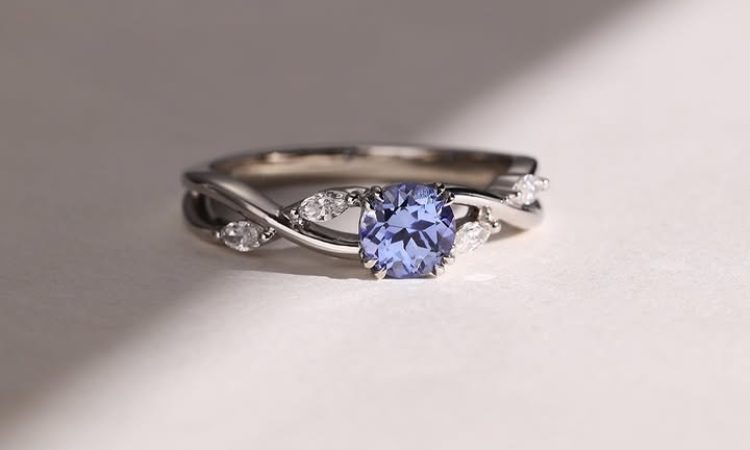
Table Of Contents:
- What Is a Natural Sapphire?
- What Is a Lab-Grown Sapphire?
- Natural Sapphire vs Lab-Grown Sapphire: A Side-by-Side Comparison
- Appearance & Color: Can You See the Difference?
- Price Differences: Why Are Lab-Grown Sapphires More Affordable?
- Value & Resale: Which Sapphire Holds Its Worth?
- Ethical & Environmental Considerations
- Which One Should You Choose?
- Sapphire Engagement Rings at MollyJewelryUs
- Related FAQs
How Sapphire Quality Is Evaluated (The 4Cs)
A sapphire is a precious gemstone made of corundum, a crystalline form of aluminum oxide. It ranks 9 on the Mohs hardness scale, making it one of the hardest natural gemstones — second only to diamond. This exceptional durability is a major reason sapphires are ideal for everyday jewelry.
Sapphire and ruby are closely related. In fact, they are mineral siblings:
Red corundum is classified as ruby
All other colors of corundum are classified as sapphire
You can learn more about this fascinating relationship in our guide on ruby and sapphire.
What Is a Lab-Grown Sapphire?
A lab-grown sapphire is created in a controlled laboratory environment that replicates the natural sapphire-forming process.
Important facts:
Chemically identical to natural sapphire
Not imitation or cubic zirconia
Recognized by gemological institutions
Available in highly consistent color and clarity
Because they are grown with precision, lab-grown sapphires often appear visually flawless — making them ideal for modern engagement ring designs.
Natural Sapphire vs Lab-Grown Sapphire: A Side-by-Side Comparison
| Feature | Natural Sapphire | Lab-Grown Sapphire |
|---|---|---|
| Origin | Naturally formed over millions of years | Created in a laboratory |
| Composition | Real sapphire (corundum) | Real sapphire (corundum) |
| Appearance | Unique inclusions & variation | Uniform clarity & color |
| Durability | Mohs hardness 9 | Mohs hardness 9 |
| Rarity | Rare | Readily available |
| Price | Higher | 40–70% more affordable |
| Environmental Impact | Depends on mining | Lower environmental footprint |
| Long-Term Value | Higher resale potential | Limited resale value |
💡 Key takeaway:
Performance is equal — the real difference is philosophy and budget.
Appearance & Color: Can You See the Difference?
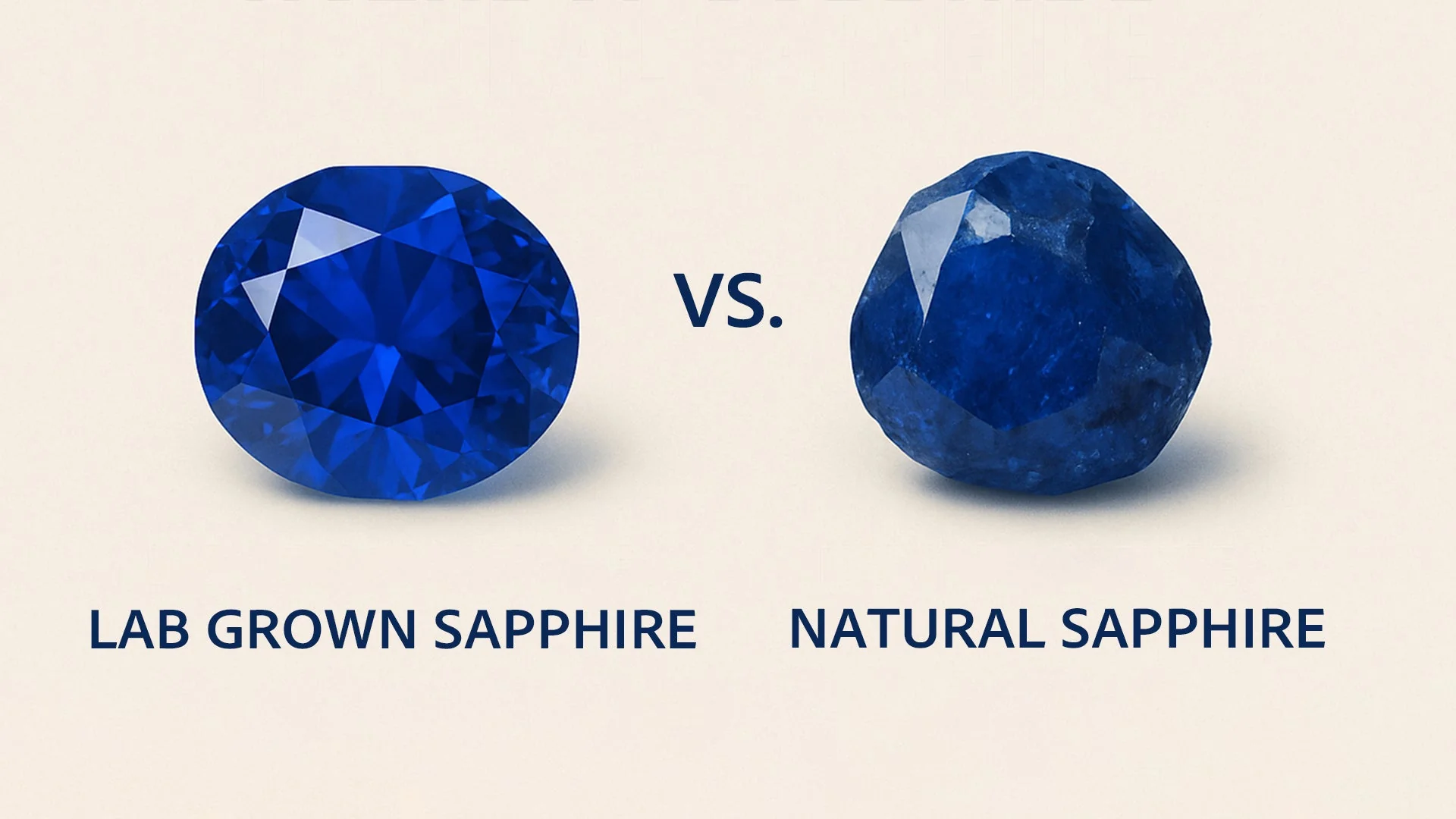
In most cases, the naked eye cannot distinguish between natural and lab-grown sapphires.
Natural sapphire:
Slight inclusions
Organic color variation
Unique personality
Lab-grown sapphire:
Exceptional clarity
Consistent color saturation
Modern perfection
✨ The choice often comes down to whether you prefer authenticity or visual precision.
Price Differences: Why Are Lab-Grown Sapphires More Affordable?
One of the most significant differences in the natural sapphire vs lab-grown sapphire debate is price. Lab-grown sapphires typically cost 40–70% less than comparable natural stones.
This price difference allows buyers to:
Choose a larger center stone
Invest in a more intricate setting
Allocate more budget toward custom design
For couples shopping for sapphire engagement rings, lab-grown stones can offer exceptional visual impact without exceeding budget.
Value & Resale: Which Sapphire Holds Its Worth?
In most cases, the naked eye cannot distinguish between natural and lab-grown sapphires.
Natural sapphire value
Rare and finite
May retain or appreciate in value
Ideal for heirloom jewelry
Lab-grown sapphire value
Designed for beauty, not investment
Lower resale potential
Higher design flexibility
💡 Simple rule:
Natural = legacy value
Lab-grown = lifestyle value
Ethical & Environmental Considerations
Ethical sourcing plays an increasingly important role in modern jewelry purchasing decisions.
Lab-grown sapphires are often chosen for their:
Conflict-free origin
Reduced environmental impact
Transparent production process
Responsibly sourced natural sapphires can also be an ethical option when obtained through trusted suppliers who prioritize fair labor and environmental standards.
Understanding the origin of your gemstone allows you to choose a ring that aligns with your values as well as your style.
Which One Should You Choose?
Choose a natural sapphire if you:
Value rarity and geological history
Want a gemstone with heirloom or resale potential
Appreciate subtle natural inclusions
Choose a lab-grown sapphire if you:
Prefer larger stones or higher clarity within a set budget
Prioritize sustainability and ethical sourcing
Want maximum visual impact for your engagement ring
There is no universally “better” option — only the one that best reflects your priorities and love story.
Sapphire Engagement Rings at MollyJewelryUs
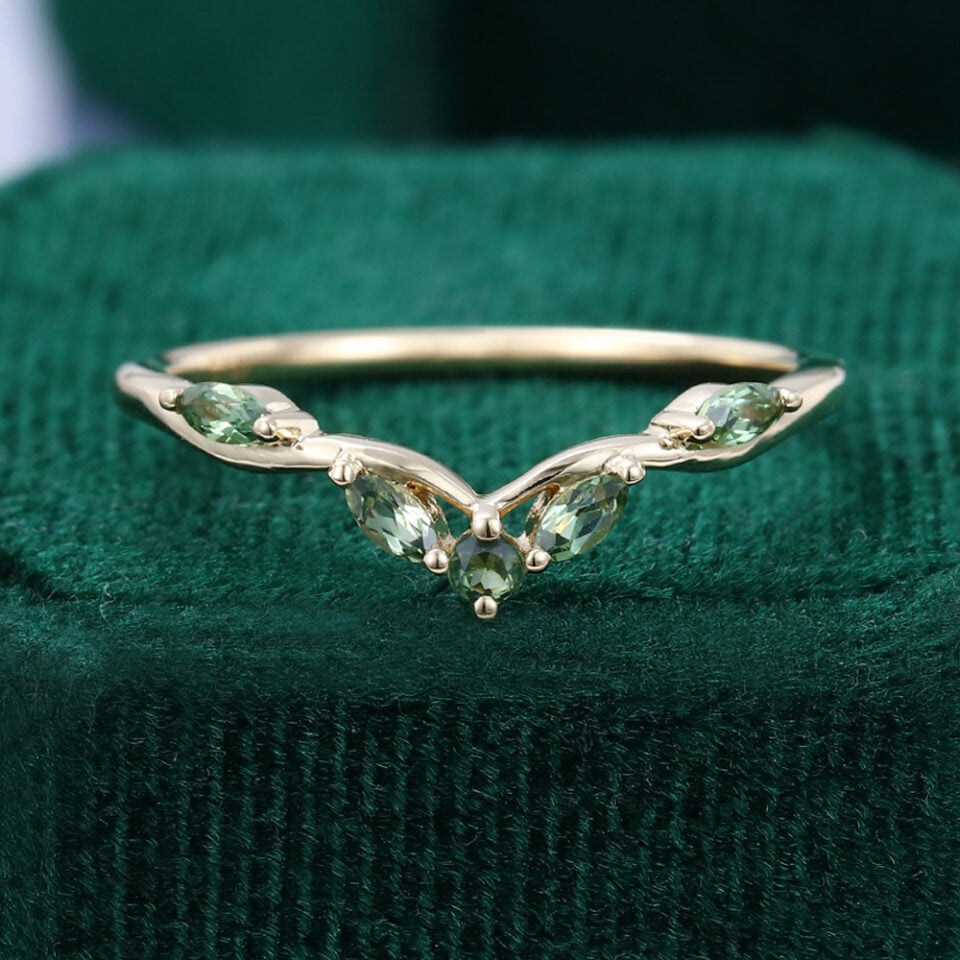
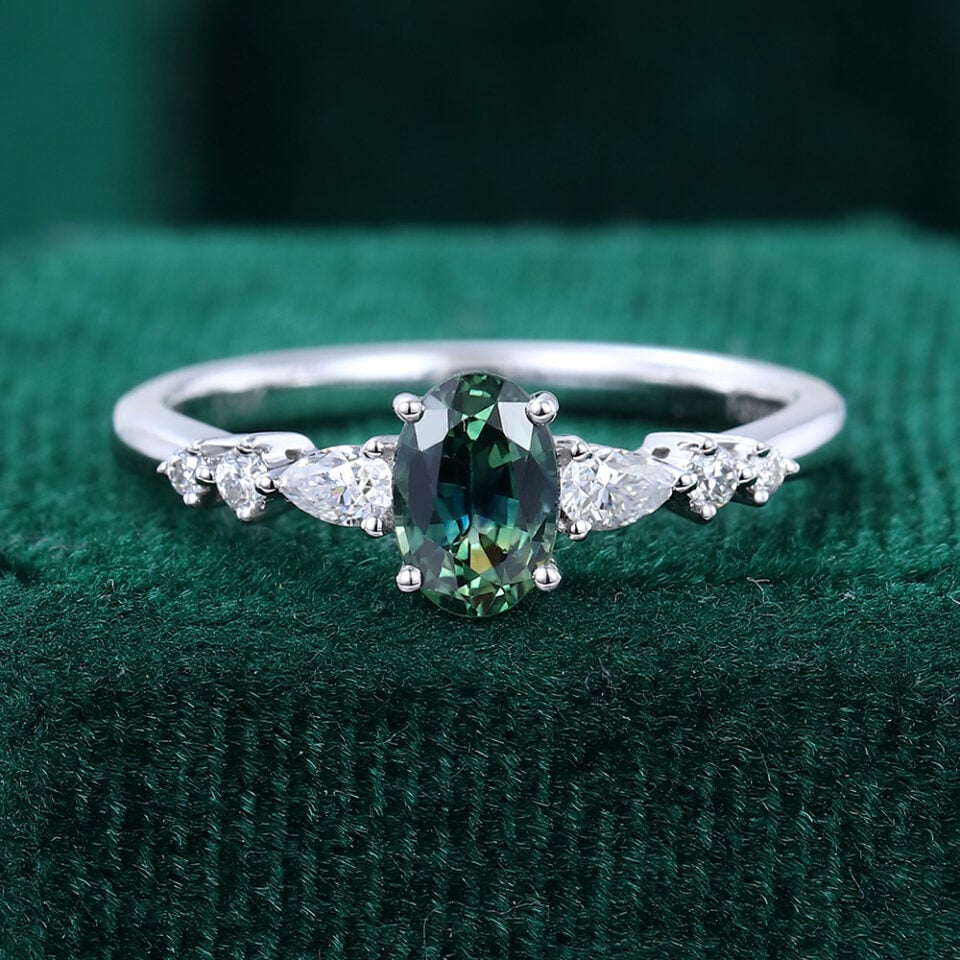
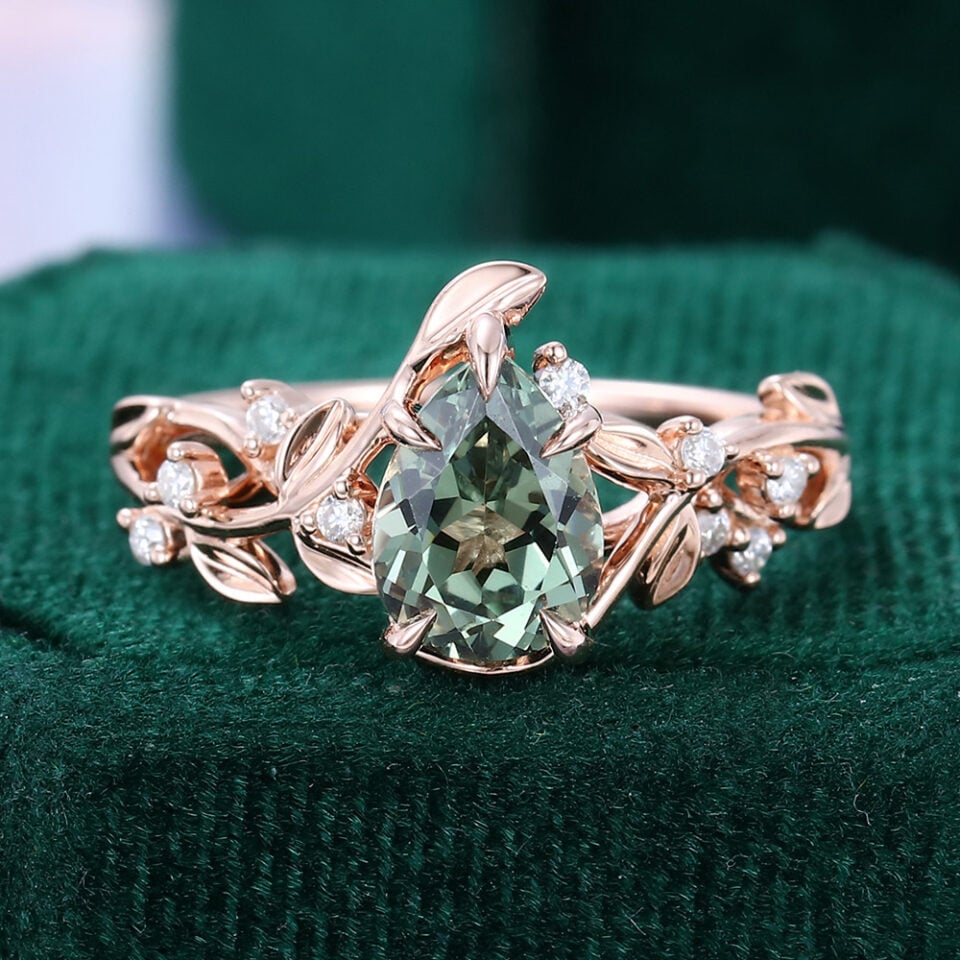
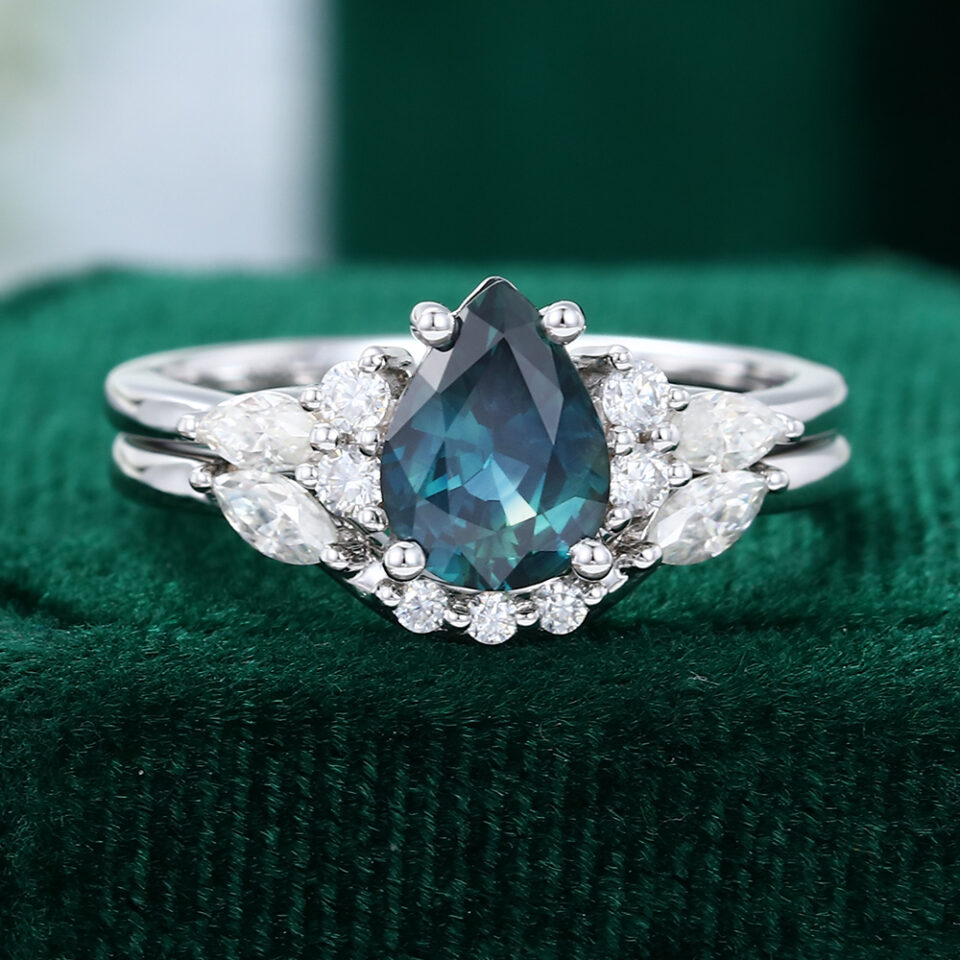
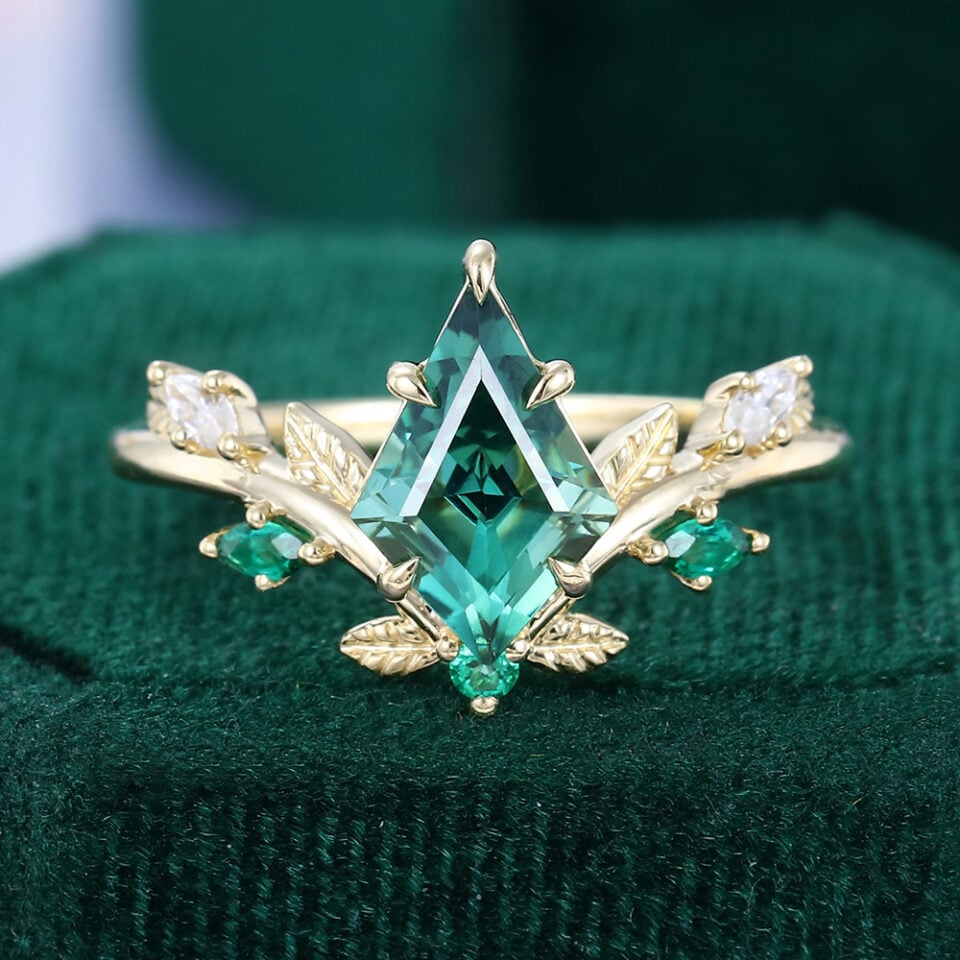
At MollyJewelryUs, we craft both natural sapphire engagement rings and lab-grown sapphire engagement rings, designed to highlight beauty, durability, and individuality.
Whether you prefer the romance of nature or the innovation of modern gemstones, our collections offer timeless styles tailored to your vision.
✨ Looking for something truly unique?
Explore our custom sapphire ring design service and collaborate with our designers to create a one-of-a-kind engagement ring.



Related FAQs :
Is lab-grown sapphire real?
Can jewelers tell the difference between natural and lab-grown sapphire?
Only with specialized gemological equipment. To the naked eye, they often appear identical.
Do lab-grown sapphires fade over time?
No. Lab-grown sapphires have the same durability and color stability as natural sapphires.
Are lab-grown sapphires suitable for engagement rings?
Absolutely. With a Mohs hardness of 9, they are ideal for everyday wear.
Which sapphire is better for daily wear?
Both natural and lab-grown sapphires are equally durable and suitable for daily use.