- by MollyJewelryUS
- March 4, 2026
- Buying Guides
For most men, a wedding band is more than just jewelry. It’s the only accessory they’ll wear daily for the next forty or fifty years. If it’s uncomfortable, scratches easily, or doesn’t reflect your identity, you’ll notice it every day.
If you’re searching for a practical men’s wedding band guide, you don’t need vague inspiration. You need real answers. The right choice comes down to the core decisions: lifestyle, metal, width, fit, style, budget, and sizing. This guide will walk you through each step so you can make a confident choice.
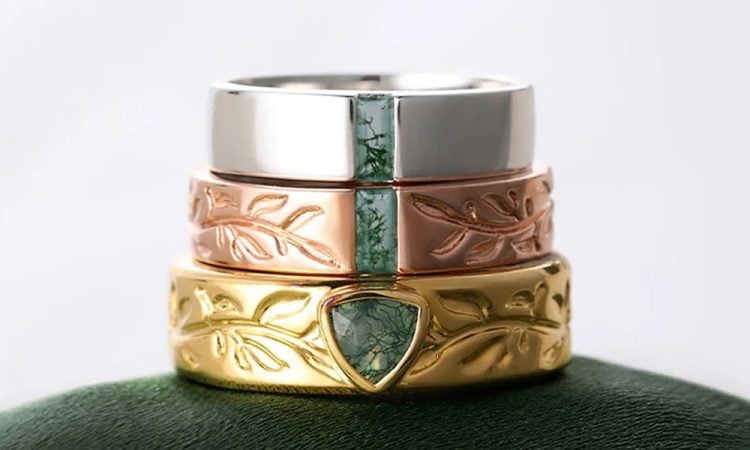
Table of Contents
Table of Contents
- Step 1: Lifestyle Considerations — How Do You Spend Your Day?
- Step 2: Choose the Right Metal
- Step 3: Pick the Right Width and Fit
- Step 4: Finding Your Style and Finish
- Step 5: Get the Right Size
- Step 6: Matching Her Band (or Not)
- How Much Should a Man Spend on a Wedding Band?
- Common Mistakes Men Make When Buying a Wedding Band
- Conclusion
- Men’s Wedding Bands FAQ
Step 1: Lifestyle Considerations — How Do You Spend Your Day?
Step 1: Lifestyle Considerations — How Do You Spend Your Day?
Your lifestyle dictates the durability and maintenance level that your ring requires.
- Hands-On or Manual Work: If you work with your hands often, whether in construction, healthcare, or mechanical fields, use scratch-resistant metals like tungsten or tantalum to keep your ring looking good over time.
- Athlete or Gym Regular: If you lift weights or regularly train, choose lightweight, durable metals like titanium to reduce finger fatigue and withstand frequent contact with equipment.
- Office & Formal Professionals: If your workday involves keyboards and meetings, you can safely choose softer, traditional metals, such as gold or platinum. In this case, finish becomes more aesthetic than functional.
- Low-Maintenance Seekers: If you want a ring that will look the same years from now as it does on day one, choose a matte, brushed, or hammered finish with metals like tungsten or tantalum, which require minimal upkeep.
Step 2: Choose the Right Metal
Step 2: Choose the Right Metal
When researching the best metal for a men’s wedding band, durability and long-term practicality are more important than trends.
| Metal | Durability | Scratch Resistance | Resizable | Best For |
|---|---|---|---|---|
| Gold (14k/18k) | Very Good | Moderate | Yes | Classic styles & flexibility |
| Platinum | Excellent | High | Yes | Long-term premium wear |
| Tungsten | Excellent | Very High | No | Maximum scratch resistance |
| Titanium | Excellent | High | Difficult | Lightweight comfort |
| Tantalum | Excellent | High | Limited | Modern matte aesthetic |
If you want a deeper breakdown of how gold, platinum, and alternative metals compare across hardness, weight, and long-term wear, you can explore our detailed guide: Best Metal for a Wedding Band: A Complete Metals Guide (Gold, Platinum & More)
How to Choose the Best Metal for Men’s Wedding Bands
How to Choose the Best Metal for Men’s Wedding Bands
Consider these four dimensions when choosing the best metal for your wedding band:
- Durability: Tungsten and tantalum are extremely hard and resist scratches the best. Gold is softer, but it can be refinished. Platinum develops a patina rather than wearing down.
- Price Range: Alternative metals, such as tungsten, titanium, and tantalum, are generally more budget-friendly. Gold and platinum fluctuate with market value.
- Resizing Flexibility: Gold and platinum are easy to resize. Titanium allows for limited resizing, and tungsten cannot be resized. If future adjustability is important to you, choose a traditional precious metal.
- Skin Sensitivity: Platinum and titanium are hypoallergenic. Lower-karat gold may contain alloys that irritate sensitive skin.
For maximum durability with minimal maintenance, consider tungsten or tantalum. For long-term resizing flexibility and classic elegance, gold or platinum is a safer investment.
Best Wedding Band by Lifestyle
Best Wedding Band by Lifestyle
This type of categorization helps you make a quick decision without overthinking.
- Best for hands-on work: Tungsten/tantalum
- Best for long-term resizing: Gold or platinum
- Best for lightweight comfort: Titanium
- Best for a modern matte look: Tantalum
Step 3: Pick the Right Width and Fit
Step 3: Pick the Right Width and Fit
The width of a ring affects its appearance and comfort more than most men expect.
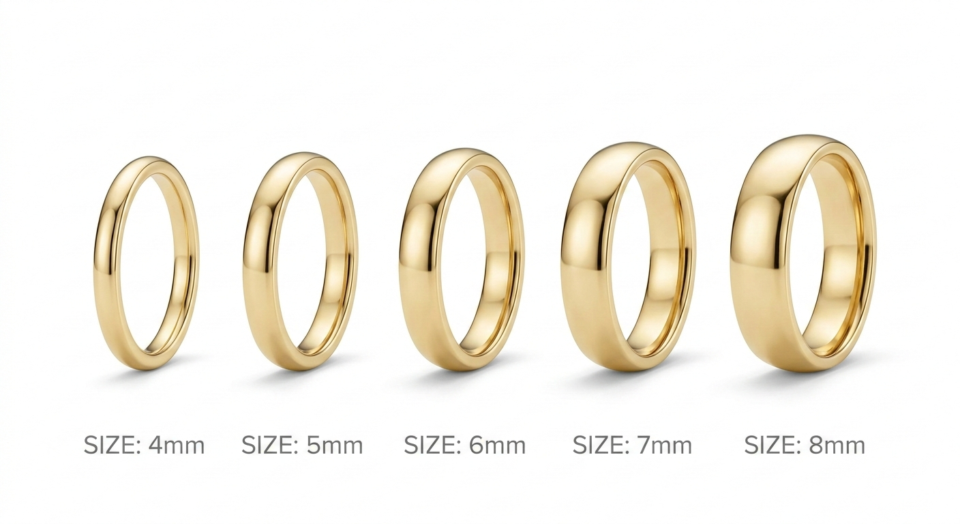
Common Width Options
Common Width Options
- 4mm: subtle and lightweight
- 6mm: balanced and the most popular
- 8mm: bold and statement-driven
Across the industry, 6mm remains the safest choice for first-time buyers because it strikes a balance between presence and bulk.
If you want a deeper breakdown of how widths from 1mm to 8mm look on different hand sizes and finger proportions, you can read our detailed guide: How Wide Should a Wedding Band Be? Complete Width Guide (1mm–8mm).
The Visual Proportion Principle
The Visual Proportion Principle
As a general rule, if your ring size is below a 9, stick to 4mm or 6mm. If your ring size is a 10 or larger, an 8mm band will look more proportional.
- Smaller hands: 4mm to 6mm.
- Larger hands: 6mm to 8mm.
Longer fingers carry wider bands better.
Comfort Fit vs. Standard Fit
Comfort Fit vs. Standard Fit
Comfort fit bands have a slightly domed interior. This curved interior reduces friction against your skin and makes the ring easier to slide over your knuckle.
This is especially important if:
- You choose a width of 6 mm or wider.
- You have pronounced knuckles.
- You plan to wear the ring daily for long hours.
Many men only realize the importance of a comfort fit after wearing a ring with a flat interior for a full day. If you’re investing in a lifelong piece, comfort matters.
Step 4: Finding Your Style and Finish
Step 4: Finding Your Style and Finish
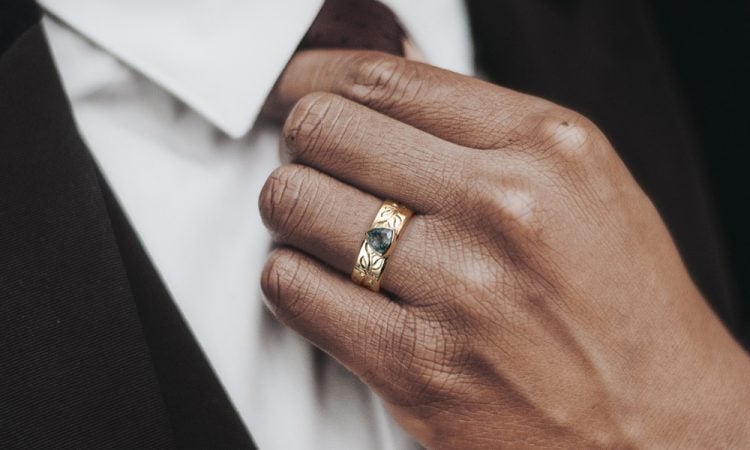
After deciding on durability and fit, it’s time to choose your style.
- High Polish: The classic mirror-like shine. It is very traditional, but shows scratches easily.
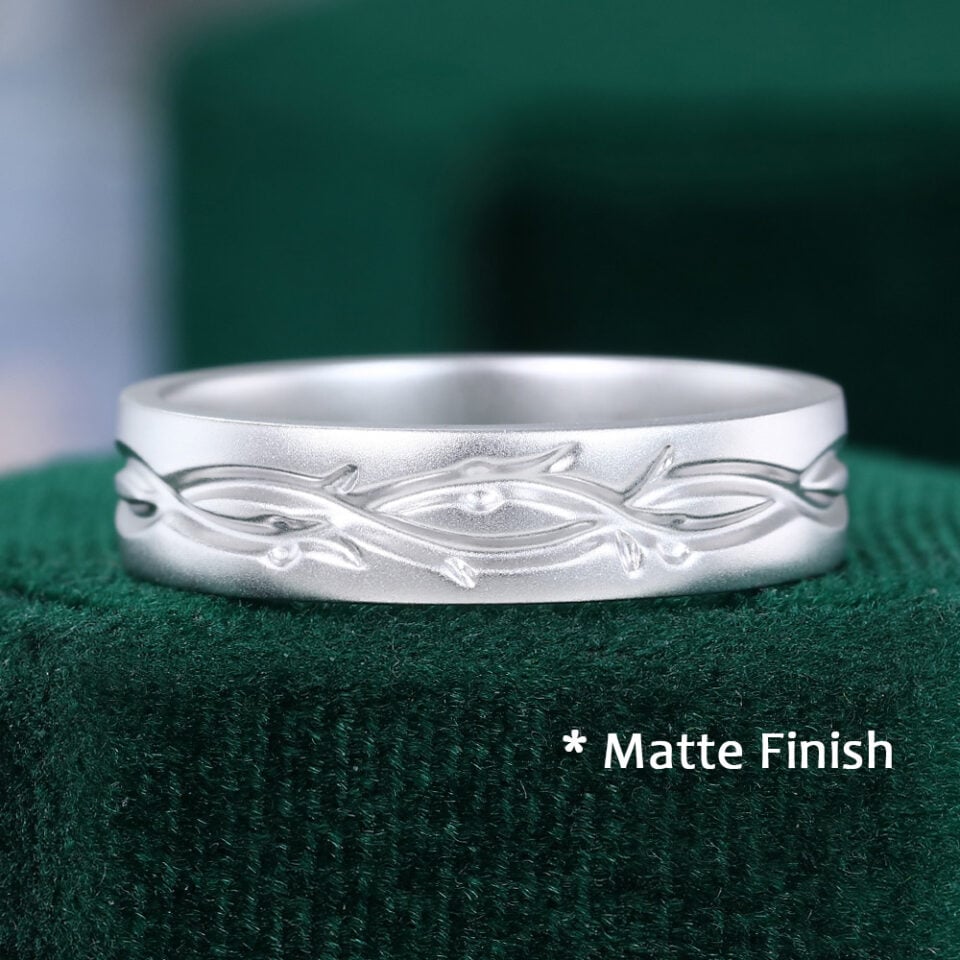
- Satin/Brushed: A matte look that hides daily wear and tear.
- Hammered: It provides an organic, rugged texture that is perfect for the outdoorsman.
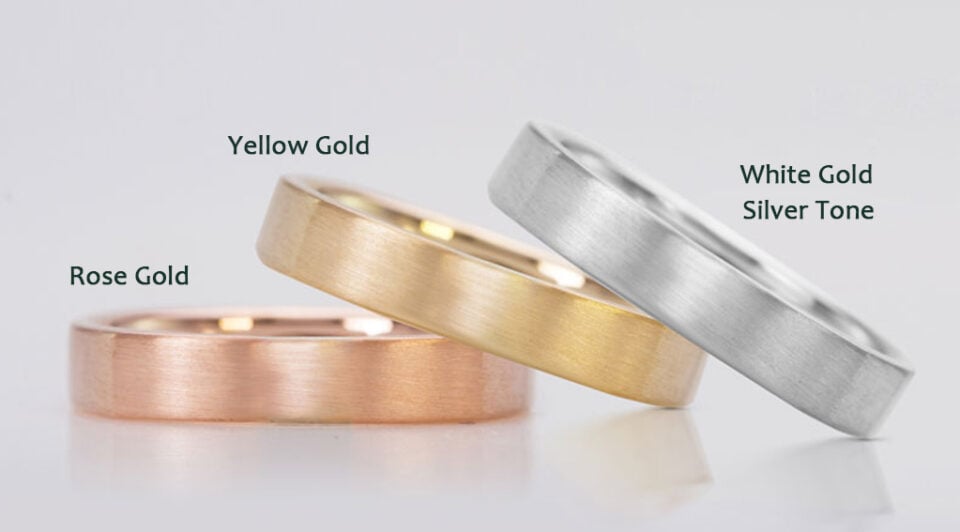
- Two-Tone: Combining metals (e.g., Rose Gold inlay in Tantalum) for a unique contrast.
The Modern Masculine Aesthetic
The Modern Masculine Aesthetic
Today’s men are showing a marked preference for:
- Texture over shine
- Earth-inspired materials
- Minimalism over ornamentation
- Personal symbolism over flash
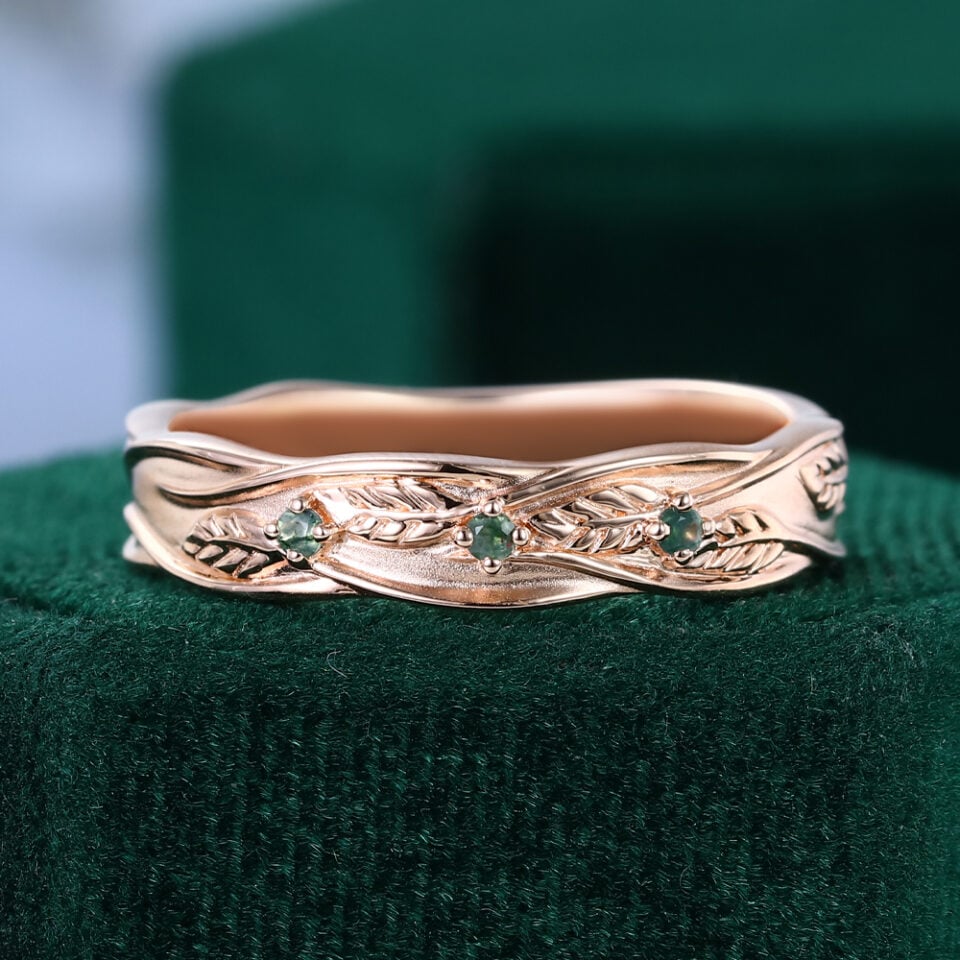
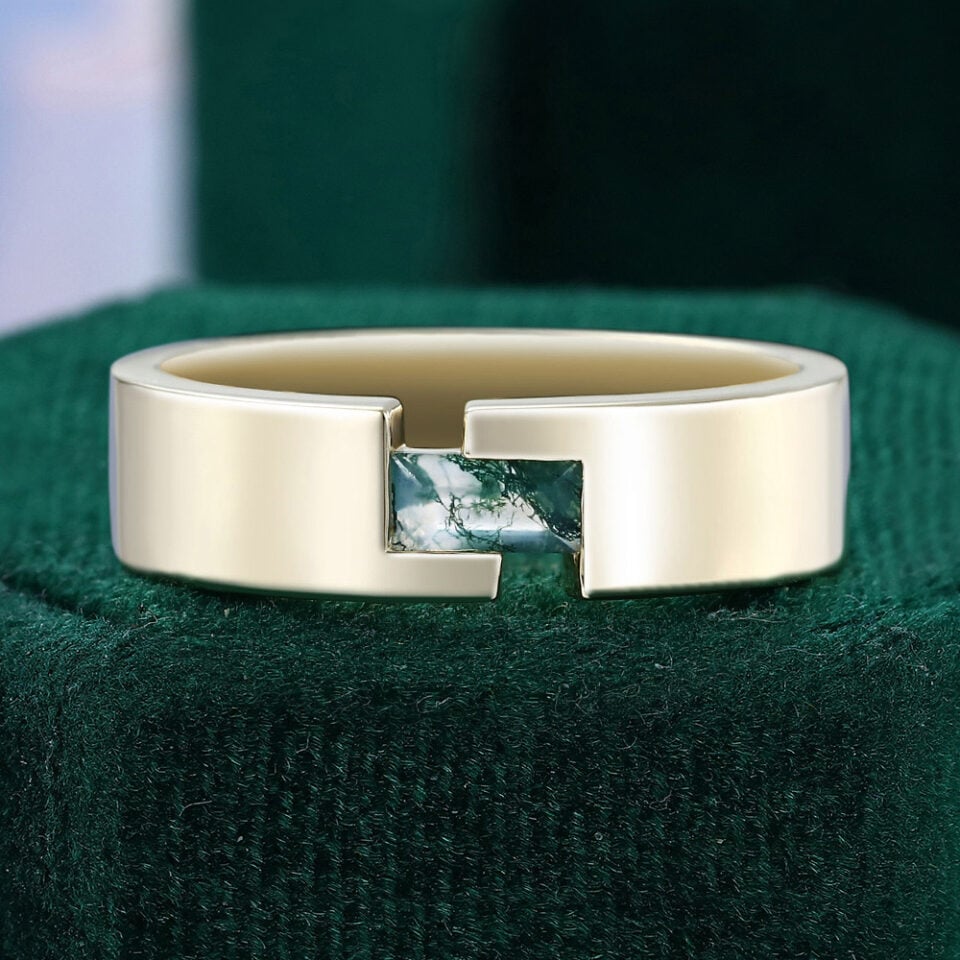
This is why gemstone wedding bands for men are growing in popularity, especially stones that feel grounded rather than flashy.
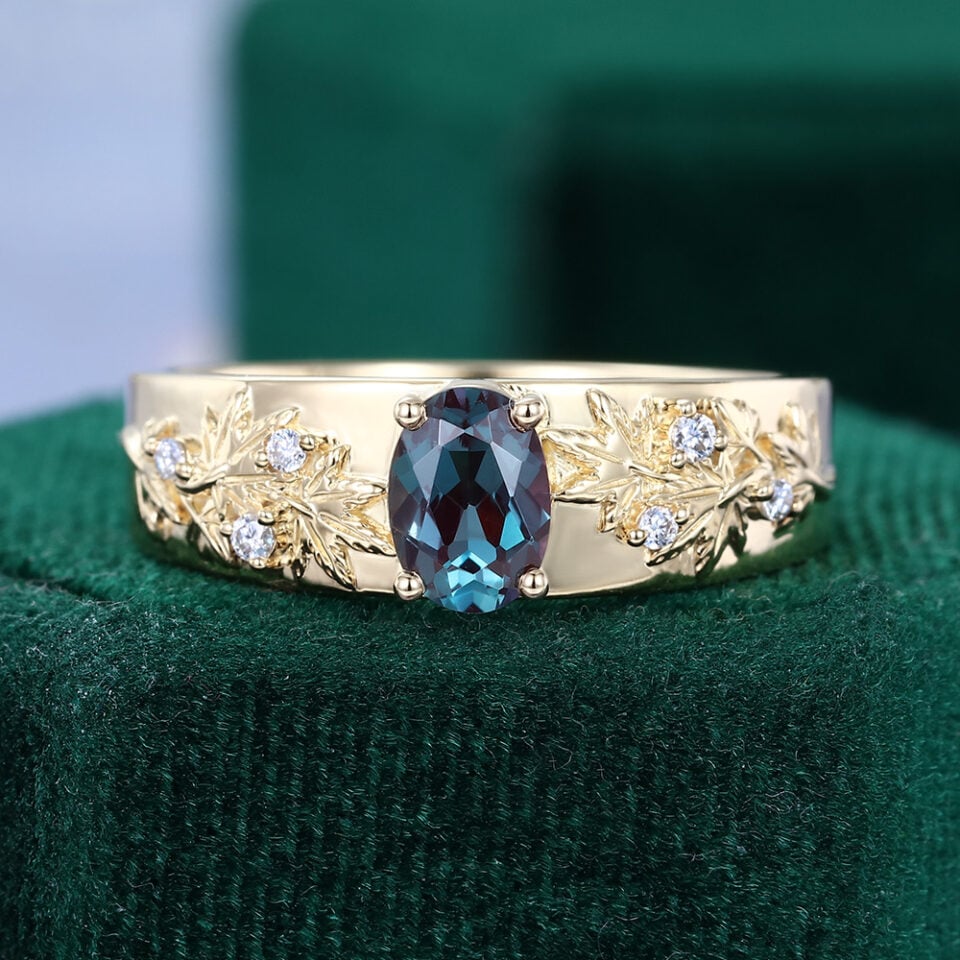
At MollyJewelryUS, we design men’s bands with texture, material integrity, and long-term wear in mind, not seasonal trends. Our nature-inspired bands and moissanite wedding bands appeal to men who want character without excess shine.
Step 5: Get the Right Size
Step 5: Get the Right Size
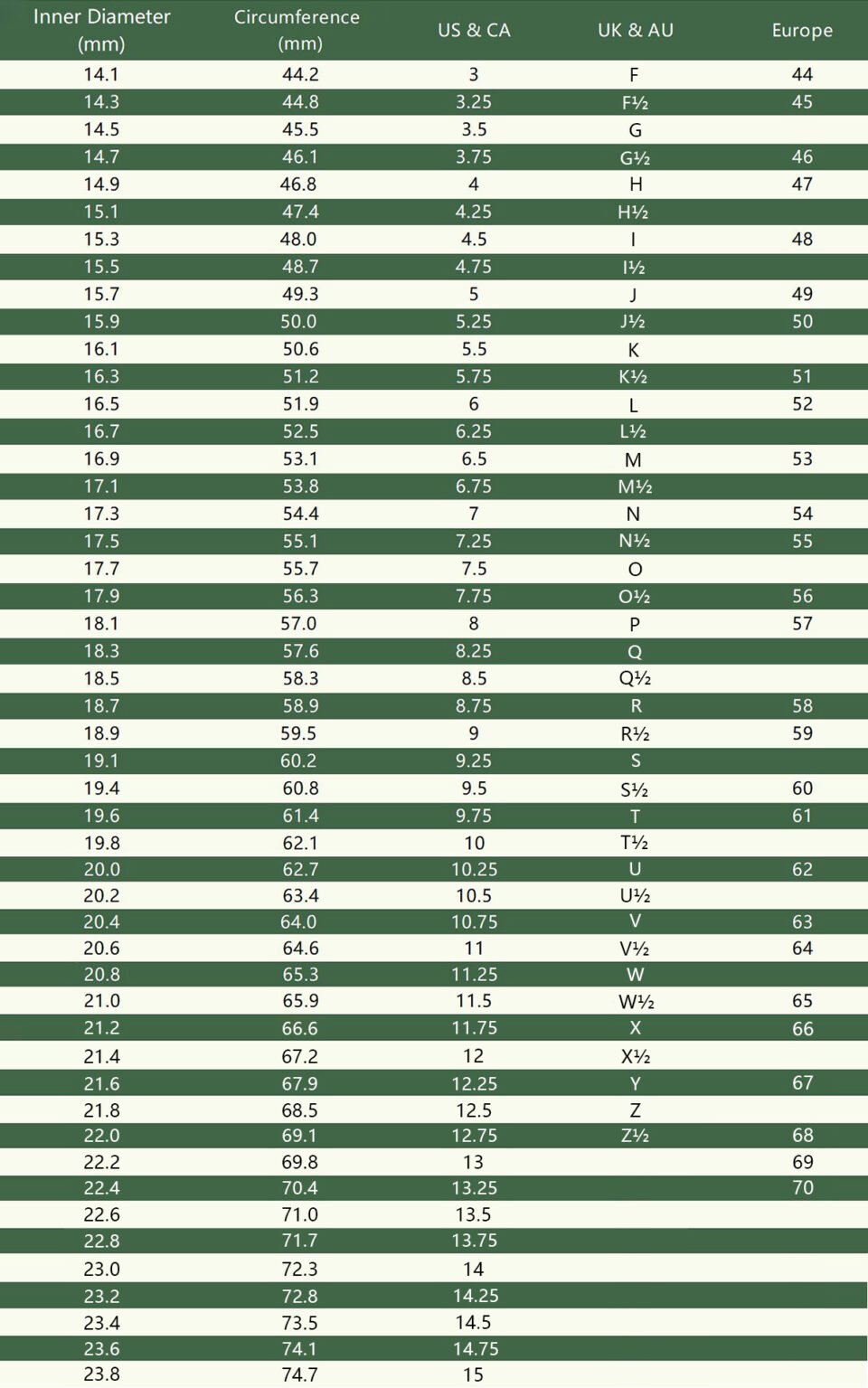
Size mistakes lead to returns and discomfort. Follow these practical rules:
- Measure at the end of the day because fingers expand.
- Avoid measuring when your hands are cold.
- Due to increased surface contact, wider bands may require slightly larger sizing.
- Consider using a professional sizing kit before ordering.
If you are between sizes, a comfort fit may allow for slightly tighter sizing without discomfort.
Step 6: Matching Her Band (or Not)
Step 6: Matching Her Band (or Not)
No rule says your rings must match.
- Matching Bands: This signifies a unified front. You could choose the same metal (e.g., 14k yellow gold) and the same symbolic meaning (e.g., nature-inspired textures).
- Non-Matching Bands: This acknowledges that you are two different people with different lifestyles. For example, a nurse may need a flat platinum band, while her husband, a web developer, may prefer a black tantalum ring.
Matching doesn’t mean identical; shared metal with different finishes often achieves balance. Two people can share a commitment without sharing aesthetics. For a truly personalized touch, MollyJewelryUS offers custom design services to help you create coordinated bands that reflect your individual styles and lifestyles.
How Much Should a Man Spend on a Wedding Band?
How Much Should a Man Spend on a Wedding Band?
Contrary to popular belief, there is no “three-month salary rule” for wedding bands. Your budget should reflect the ring’s durability and how often you’ll wear it, not social myths.
- $300-$500: High-quality alternative metals, such as tungsten, titanium, and tantalum.
- $500-$1,500: 14k gold, detailed finishes, and premium alternative designs.
- $1,500+: Platinum, 18k gold, and gemstone-accented bands.
Common Mistakes Men Make When Buying a Wedding Band
Common Mistakes Men Make When Buying a Wedding Band
- Choosing Style Before Lifestyle: Don’t buy a delicate, highly polished gold ring if you work in construction.
- Ignoring Comfort Fit: Saving a few dollars on a standard fit can result in an uncomfortable ring that ends up on your nightstand.
- Buying Too Wide: An 8mm ring on a small hand can make it difficult to bend your finger comfortably.
- Ignoring Resizing Limitations: If you buy tungsten, you must accept that if your weight changes, you will have to buy a new ring.
- Overpaying for Trends: Trends fade, so stick to a style you can see yourself wearing at age 70.
Conclusion
Conclusion
Selecting your wedding band is a special opportunity to combine form and function. Whether you prefer the timeless elegance of a gold band or the rugged, unique allure of a nature-inspired tantalum ring from MollyJewelryUS, make sure your choice reflects your daily life and personal story.
Ready to find the ring that fits your life? Browse our men’s wedding band collection to find a piece that balances tradition with modern craftsmanship.
Men’s Wedding Bands FAQ
Men’s Wedding Bands FAQ
What is the Most Durable Wedding Band for Men?
Tungsten and tantalum offer the greatest scratch resistance. Platinum provides strong, long-term structural durability.
What Width Looks Best on Men?
Six millimeters suits most men. Those with smaller hands may prefer 4 mm, while those with larger hands often carry 8 mm comfortably.
Are Wider Wedding Bands Less Comfortable?
They can feel tighter due to their surface area. Comfort fit is strongly recommended for wider bands.
Do Men Have to Match Their Partner’s Ring?
No, coordinated metals with different finishes often create a balanced, personalized look.