- by MollyJewelryUS
- March 17, 2026
- Gemstone Education
Clarity plays a critical role in how a diamond looks, but it is often misunderstood by first-time buyers. When shopping for lab grown diamonds, clarity refers to how clean the stone appears—both internally and on the surface. While flawless diamonds exist, most inclusions are microscopic and have little impact on what you actually see in daily wear.
For engagement rings, clarity is not about perfection but about balance. The goal is to choose a diamond that appears clean to the naked eye while staying within budget. This guide explains how lab diamond clarity works, how it is graded, and how to pick the right clarity without overpaying.
Table of Contents
Table of Contents
What Is Lab Diamond Clarity
What Is Lab Diamond Clarity
Lab diamond clarity measures the presence of internal inclusions and external blemishes formed during the diamond’s growth process. These features can include tiny crystals, feather-like fractures, or small surface marks.
Clarity is graded under 10× magnification, which means many imperfections are not visible without professional tools.
The fewer and smaller these inclusions are, the higher the clarity grade. However, in practical terms, most diamonds—even those with minor inclusions—still appear perfectly clear to the naked eye. This is why clarity is often more about technical grading than visual difference.
How Lab Diamond Clarity Is Graded
How Lab Diamond Clarity Is Graded
Clarity grading follows a standardized system developed by gemological laboratories such as GIA and IGI. Each diamond is evaluated based on five key factors:
Size of inclusions
Number of inclusions
Position within the diamond
Nature (type) of inclusion
Visibility (relief)
These factors determine how noticeable the imperfections are and how they affect light performance.
Because lab grown diamonds are created in controlled environments, they often show more consistent clarity patterns compared to natural diamonds, making it easier to find high-quality stones at accessible price points.
Lab Diamond Clarity Chart
Lab Diamond Clarity Chart
The clarity scale ranges from completely flawless to visibly included. Here’s a simplified breakdown:
FL (Flawless)
No inclusions or blemishes visible under 10× magnification. Extremely rare.
IF (Internally Flawless)
No internal inclusions, only minor surface marks.
VVS1–VVS2 (Very Very Slightly Included)
Minute inclusions that are extremely difficult to detect even under magnification.
VS1–VS2 (Very Slightly Included)
Minor inclusions visible under magnification but typically invisible to the naked eye.
SI1–SI2 (Slightly Included)
Noticeable inclusions under magnification; sometimes faintly visible without magnification.
I1–I3 (Included)
Obvious inclusions that can affect transparency and brilliance.
This scale helps buyers compare diamonds consistently, regardless of whether they are lab-grown or natural.
What Does “Eye-Clean” Mean
What Does “Eye-Clean” Mean
An “eye-clean” diamond has no visible inclusions when viewed without magnification under normal lighting conditions. This concept is more practical than focusing on technical grades.
Many diamonds in the VS and even SI1 range can appear eye-clean, especially when inclusions are positioned near the edges or hidden by the setting.
This is why experienced buyers often prioritize how the diamond looks in real life rather than chasing the highest clarity grade.
How Clarity Affects Appearance and Sparkle
How Clarity Affects Appearance and Sparkle
Clarity impacts how light travels through a diamond. Higher clarity stones allow light to pass with fewer interruptions, resulting in stronger brilliance.
However, the effect is often subtle. In most cases:
Cut quality has a greater impact on sparkle than clarity
Small inclusions rarely affect visible brilliance
Only lower clarity grades (I category) noticeably reduce performance
In other words, a well-cut VS or SI diamond can look just as brilliant as a flawless one in everyday wear.
Choosing the Right Clarity Tips
Choosing the Right Clarity Tips
Selecting the right clarity is about maximizing visual beauty while avoiding unnecessary cost.
Focus on VS1–SI1 for best value
These grades typically offer eye-clean appearance at a reasonable price.
Consider diamond size
Larger diamonds make inclusions easier to see. For stones above 1 carat, aim for SI1 or higher.
Check inclusion placement
Inclusions near the edge are less noticeable and can often be hidden by prongs.
Match clarity with cut
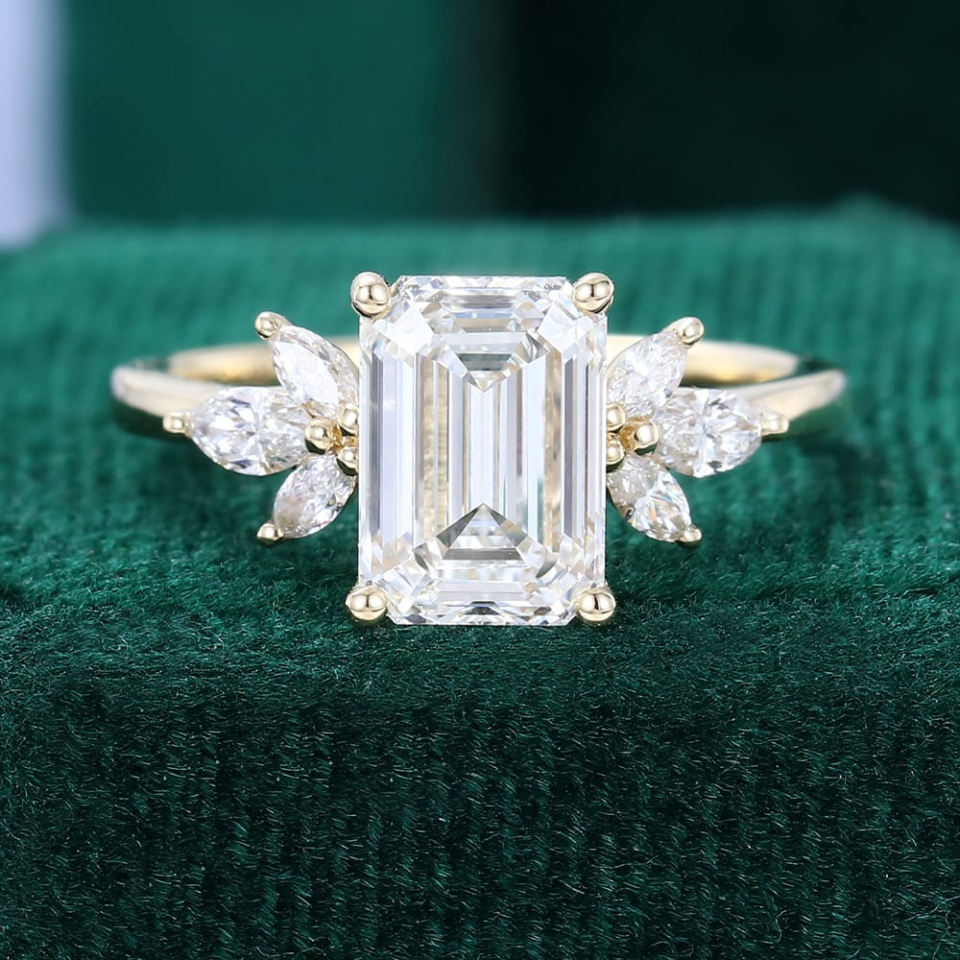
Brilliant cuts (round, oval, cushion) hide inclusions better than step cuts like emerald or Asscher.
Avoid overpaying for perfection
FL and IF diamonds offer minimal visible improvement but come with a significant price premium.
Lab Diamond Clarity vs Natural Diamond Clarity
Lab Diamond Clarity vs Natural Diamond Clarity
Lab grown diamonds and natural diamonds are graded using the same clarity standards. Both follow the identical FL–I scale and are evaluated under the same conditions.
The key difference lies in formation. Lab diamonds are created in controlled environments, which can lead to fewer unpredictable inclusions. As a result, high-clarity lab diamonds are often more accessible and affordable.
From a visual standpoint, there is no difference—clarity grades represent the same level of quality regardless of origin.
Final Thoughts
Final Thoughts
Clarity is an important part of diamond quality, but it should not be considered in isolation. Most inclusions are microscopic and do not affect how a diamond looks in daily wear.
For engagement rings, the best approach is to choose a diamond that appears eye-clean rather than technically flawless. In many cases, VS2 or SI1 clarity provides the ideal balance between beauty and value.
By understanding how clarity works and focusing on real-world appearance, you can confidently select a lab grown diamond that looks stunning without exceeding your budget.
FAQs About Lab Diamond Clarity
FAQs About Lab Diamond Clarity
What clarity is best for lab grown diamonds?
The best clarity for lab grown diamonds is typically VS1 to SI1. These grades often appear eye-clean while offering better value than higher clarity options.
Are lab diamonds flawless?
Not all lab diamonds are flawless. While some reach FL or IF grades, most diamonds contain minor inclusions that are only visible under magnification.
Can you see inclusions in lab diamonds?
Inclusions in VS and many SI1 diamonds are usually not visible to the naked eye. Only lower clarity grades tend to show noticeable imperfections.
Does clarity affect diamond durability?
In very low clarity grades (I1–I3), inclusions can affect durability. However, diamonds in VS and SI ranges are generally strong enough for everyday wear.