
Yes — sapphire is a genuinely good choice for an engagement ring, and not just as a “diamond alternative.”
For couples who value durability, individuality, and long-term wearability, sapphire often fits real life better than many people expect.
The key isn’t whether sapphire is “good enough,” but what kind of sapphire ring fits your priorities — design, budget, meaning, or all three.
Below is a practical breakdown, based on how sapphire engagement rings are actually worn, priced, and chosen today.
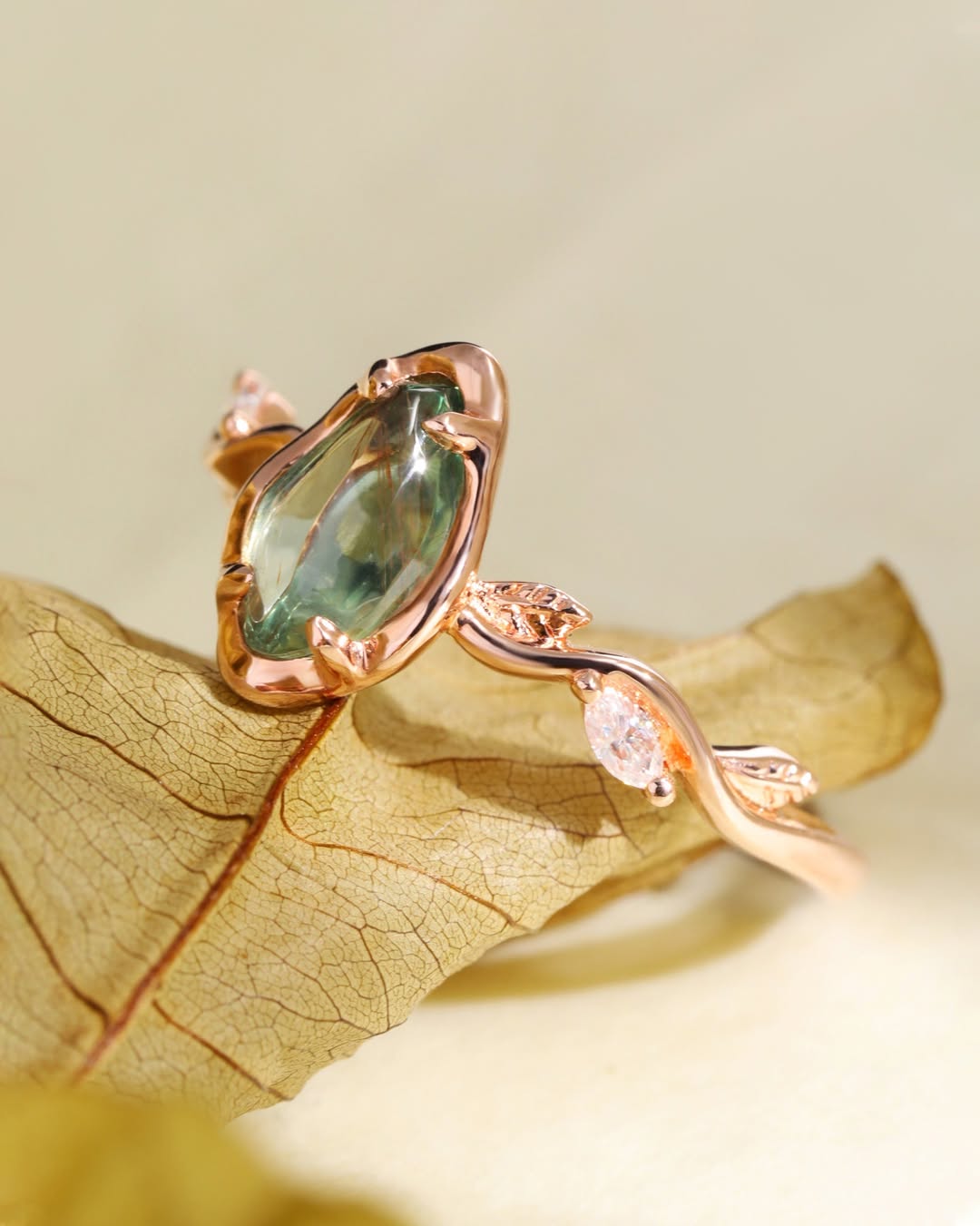
Table Of Contents:
- Sapphire Is Built for Everyday Engagement Ring Wear
- Sapphire vs Diamond: What Couples Actually Notice After the Proposal
- Color Is the Real Emotional Advantage of Sapphire
- Is Sapphire Too “Alternative” for an Engagement Ring?
- Price Reality: Sapphire Engagement Rings Are More Flexible Than Diamonds
- Who Is Sapphire Actually Best For?
- Final Thoughts
- FAQs
Sapphire Is Built for Everyday Engagement Ring Wear
One of the biggest concerns couples have is durability — especially for a ring meant to be worn every day.
Sapphire ranks 9 on the Mohs hardness scale, just one step below diamond. In real life, that means:
- Resistant to daily scratches
- Strong enough for long-term wear
- Stable for active lifestyles
This is why sapphire has been used for centuries in heirloom jewelry — not as a trend stone, but as a functional gemstone.
If you want to understand how sapphire quality affects daily wear, this guide explains it clearly:
👉 Sapphire Quality Guide
Sapphire vs Diamond: What Couples Actually Notice After the Proposal
On paper, diamond is about brilliance.
In real life, couples notice character.
Sapphire doesn’t try to outshine diamond — it offers something different:
- Rich color presence instead of sparkle-only appeal
- Visual depth that changes with lighting
- A softer, more personal aesthetic
Many couples who choose sapphire say the same thing later:
“It still feels special years after — it never feels generic.”
If you’re weighing sapphire against diamond for an engagement ring, this real-world comparison of sapphire vs diamond engagement rings breaks down the differences in price, look, and long-term satisfaction.
Color Is the Real Emotional Advantage of Sapphire
Unlike diamonds, sapphire isn’t limited to one look.
From classic deep blue to softer tones and alternative hues, sapphire allows couples to choose a ring that reflects personality, not just tradition.

Natural sapphires often show:
- Slight color variation
- Unique undertones
- Individual visual character
Lab grown sapphires typically offer:
- Clean, even color
- Strong visual consistency
- More flexibility for modern designs
Color isn’t just a visual choice — it’s part of what makes sapphire meaningful. To explore how sapphire color goes far beyond just blue, check out this sapphire color guide covering uncommon hues and what they represent.
Is Sapphire Too “Alternative” for an Engagement Ring?
This is one of the most common quiet worries — and the honest answer is no.
Sapphire engagement rings have been worn by:
- Royal families
- Designers and collectors
- Modern couples who value individuality
What makes sapphire feel “right” isn’t tradition — it’s confidence in the choice.
When paired with a thoughtful setting and quality craftsmanship, sapphire looks intentional, timeless, and emotionally grounded — not unconventional.
Price Reality: Sapphire Engagement Rings Are More Flexible Than Diamonds
Sapphire engagement rings span a much wider price range than most people expect — especially when comparing lab grown vs natural sapphires.
On MollyJewelryUS, you’ll find:
- Lab sapphire engagement rings at lower, more accessible price points
- Natural sapphire engagement rings for couples who value rarity and organic character
The important part:
Lower price doesn’t mean lower quality — it reflects origin choice, not durability or beauty.
Price differences between sapphires often depend on where and how they’re formed. For a deeper look at how natural and lab-grown sapphires differ — including value implications — see our natural sapphire vs lab-grown sapphire guide.
Who Is Sapphire Actually Best For?
Sapphire is a great engagement ring choice if you:
- Want something personal, not mass-standard
- Plan to wear your ring daily
- Care about color, meaning, and design harmony
- Want pricing flexibility without sacrificing quality
It may not be ideal if:
- You want maximum sparkle above all else
- You strongly prefer traditional diamond symbolism
Neither choice is wrong — sapphire simply attracts couples who want their ring to reflect who they are, not just what’s expected.
Final Thoughts
So — is sapphire good for an engagement ring?
Yes, especially for couples who care about durability, individuality, and long-term wear.
Sapphire isn’t about breaking tradition.
It’s about choosing a ring that feels right every single day — not just on proposal night.
👉 Browse Sapphire Engagement Rings →
-
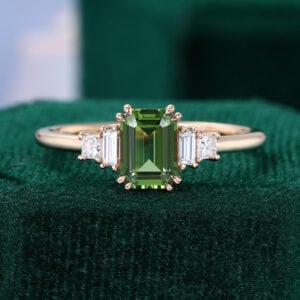
Art Deco Emerald Cut Green Sapphire Engagement Ring With Doule Claw Prong Setting
-
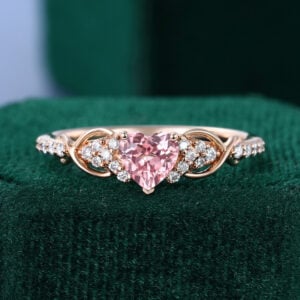
Heart Cut Pink Sapphire Infinity Pavé Promise Ring Dainty Engagement Ring
-
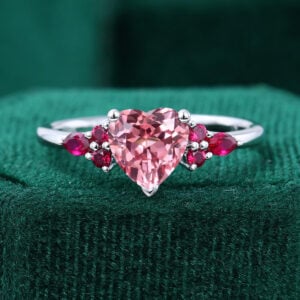
Heart Shaped Pink Sapphire Engagement Ring with Ruby Accents
-
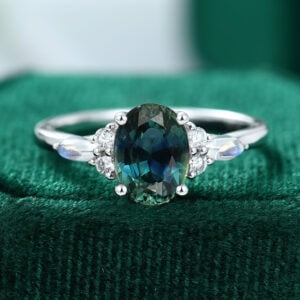
Green Blue Sapphire With Moonstone Sidestones Engagement Ring
-
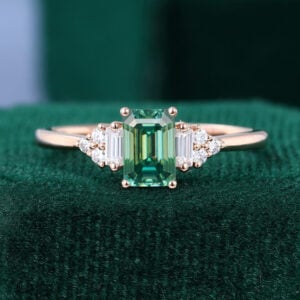
Art Deco Emerald Cut Green Moissanite Engagement Ring with Baguette & Cluster Accents
-
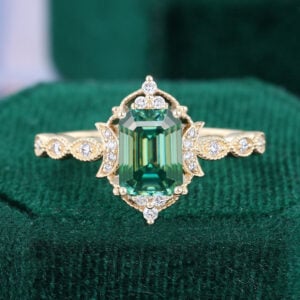
Emerald Cut Green Moissanite Milgrain Crescent Halo Engagement Ring
Related FAQs
Yes. Sapphire’s hardness makes it one of the best gemstones for everyday engagement rings.
No. Sapphire is considered timeless, especially when paired with thoughtful design
Not at all. Pricing differences are mainly about origin and rarity, not strength or beauty.
Many couples find them more meaningful because the choice feels personal and intentional.
Absolutely. Sapphire has long been associated with commitment, loyalty, and lasting love.