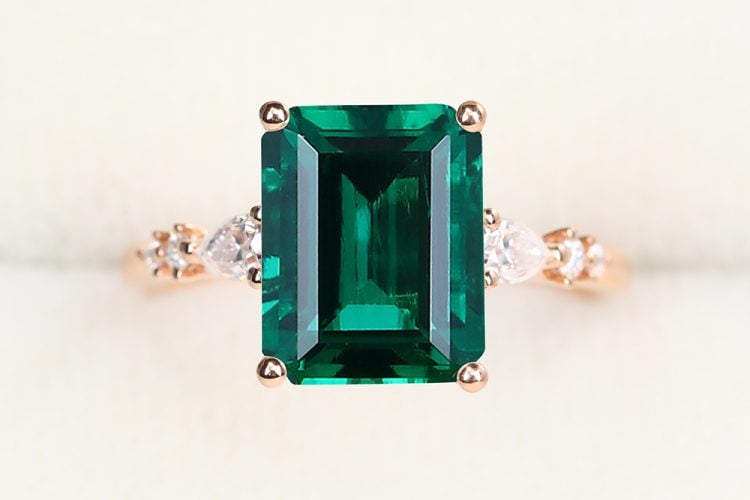
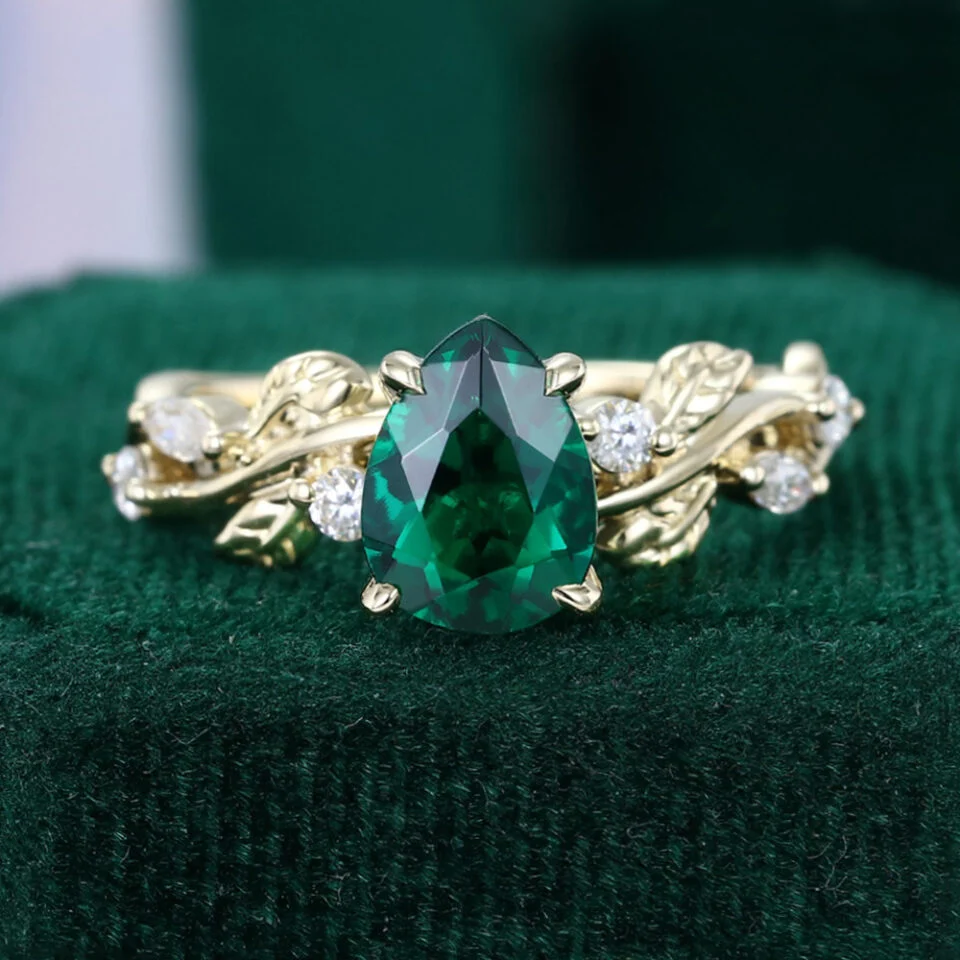
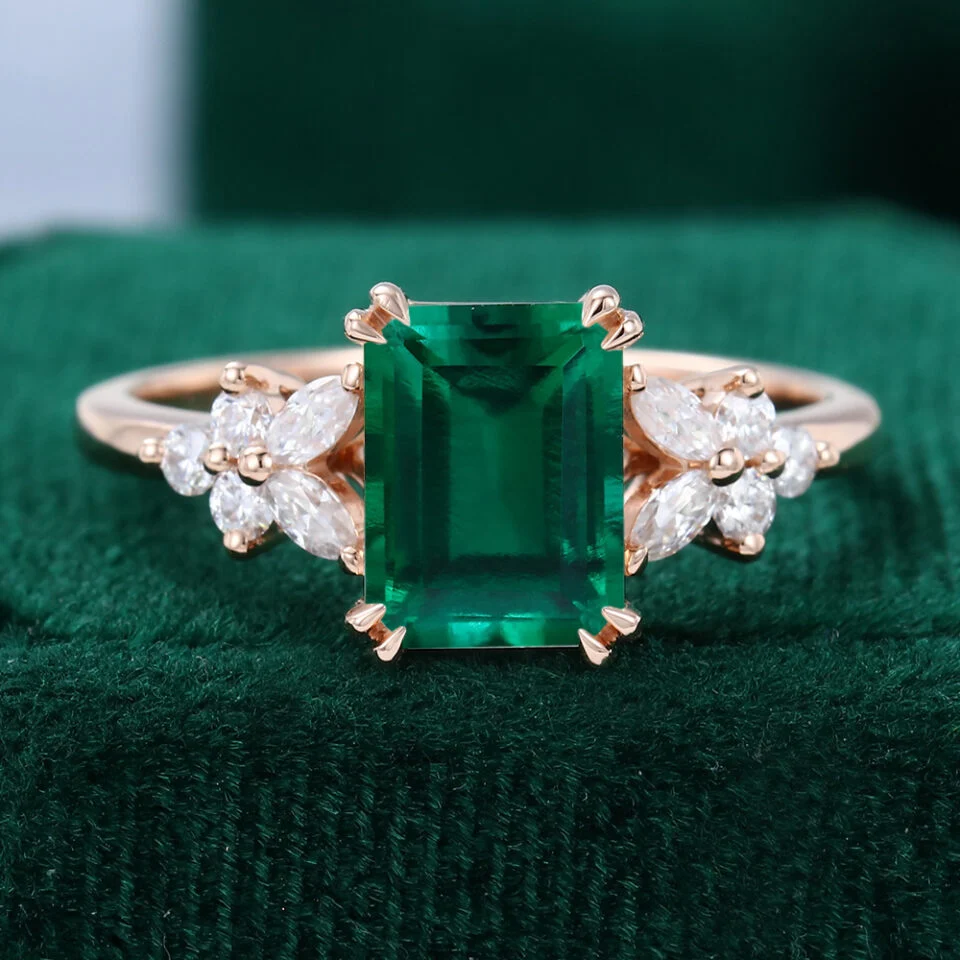
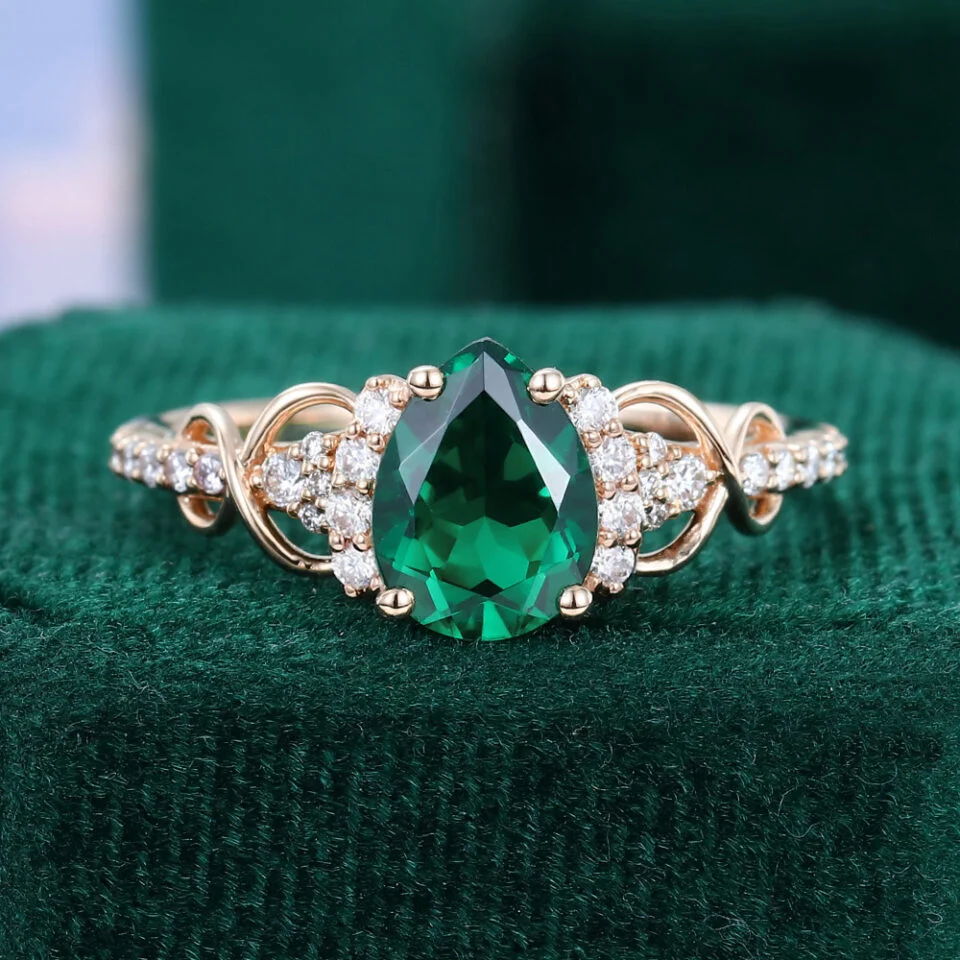
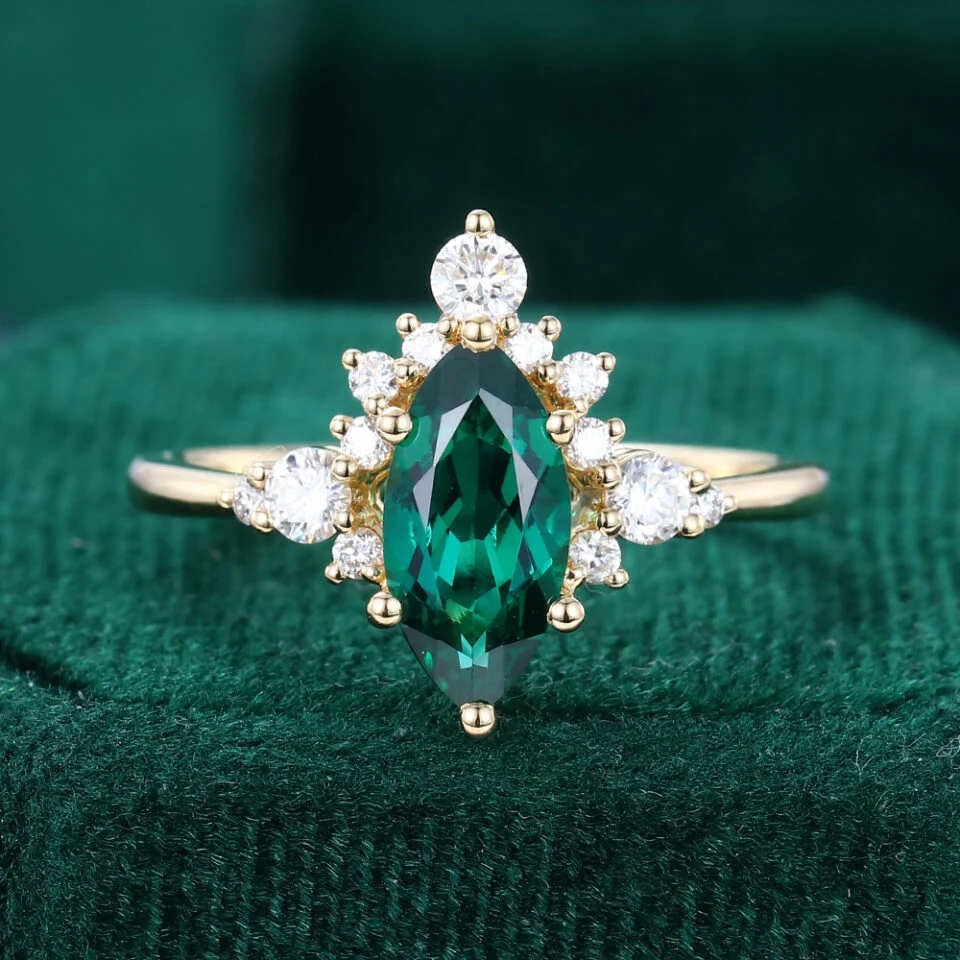
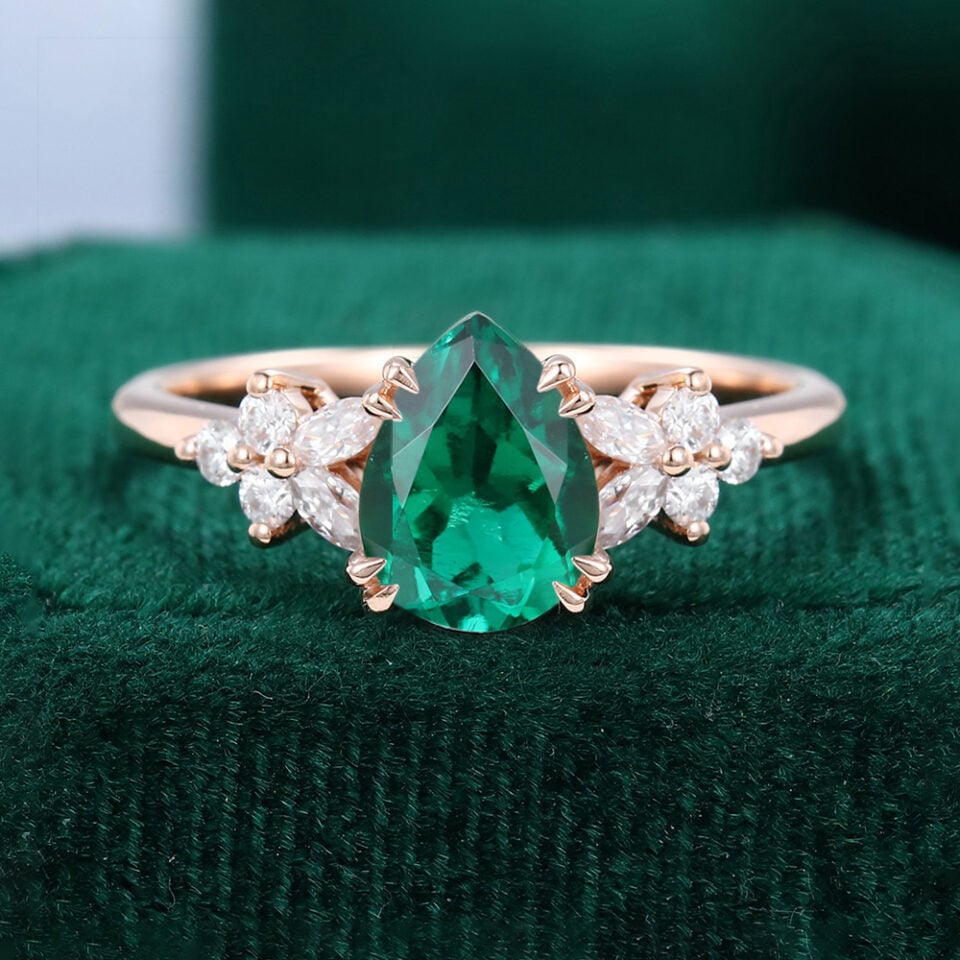
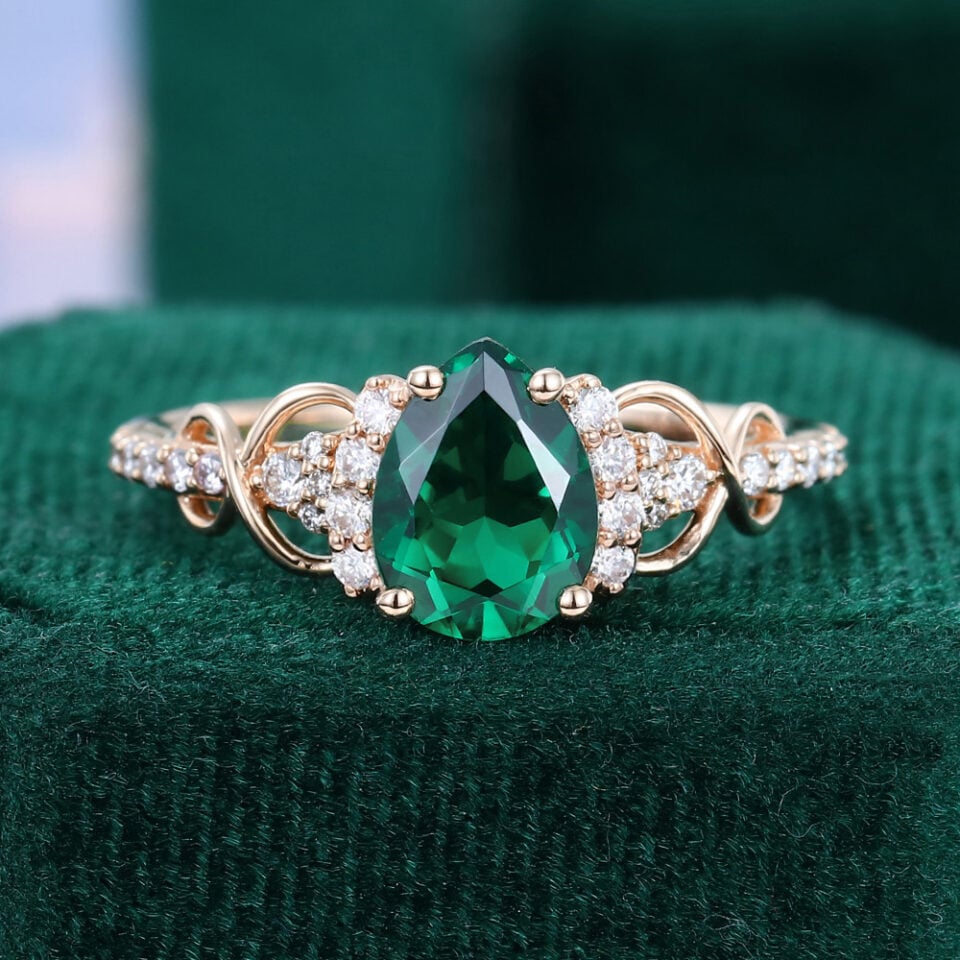
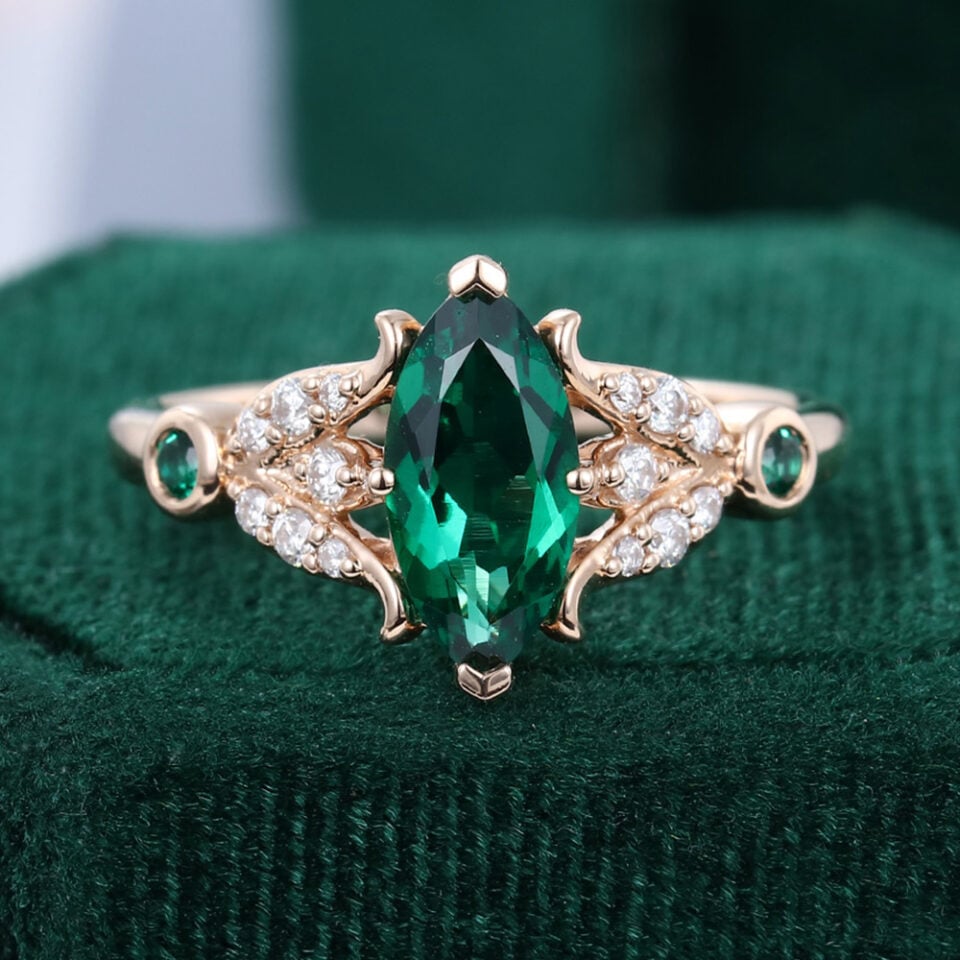
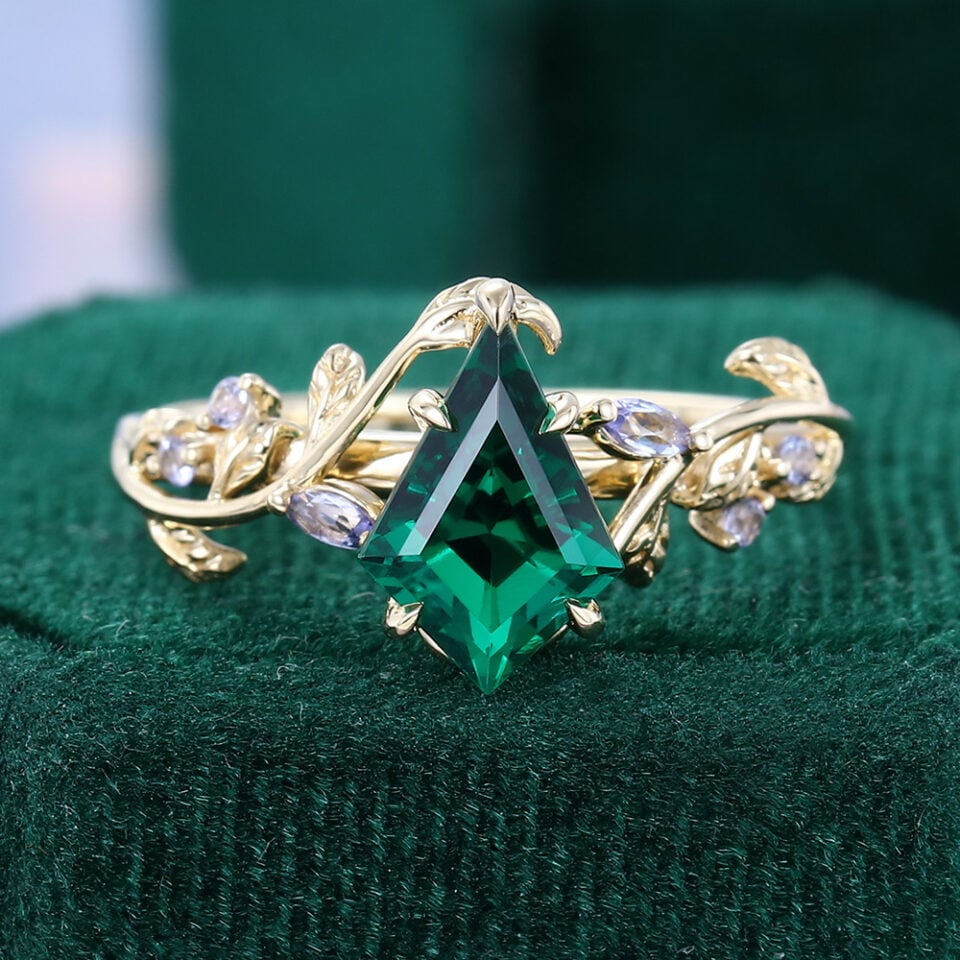
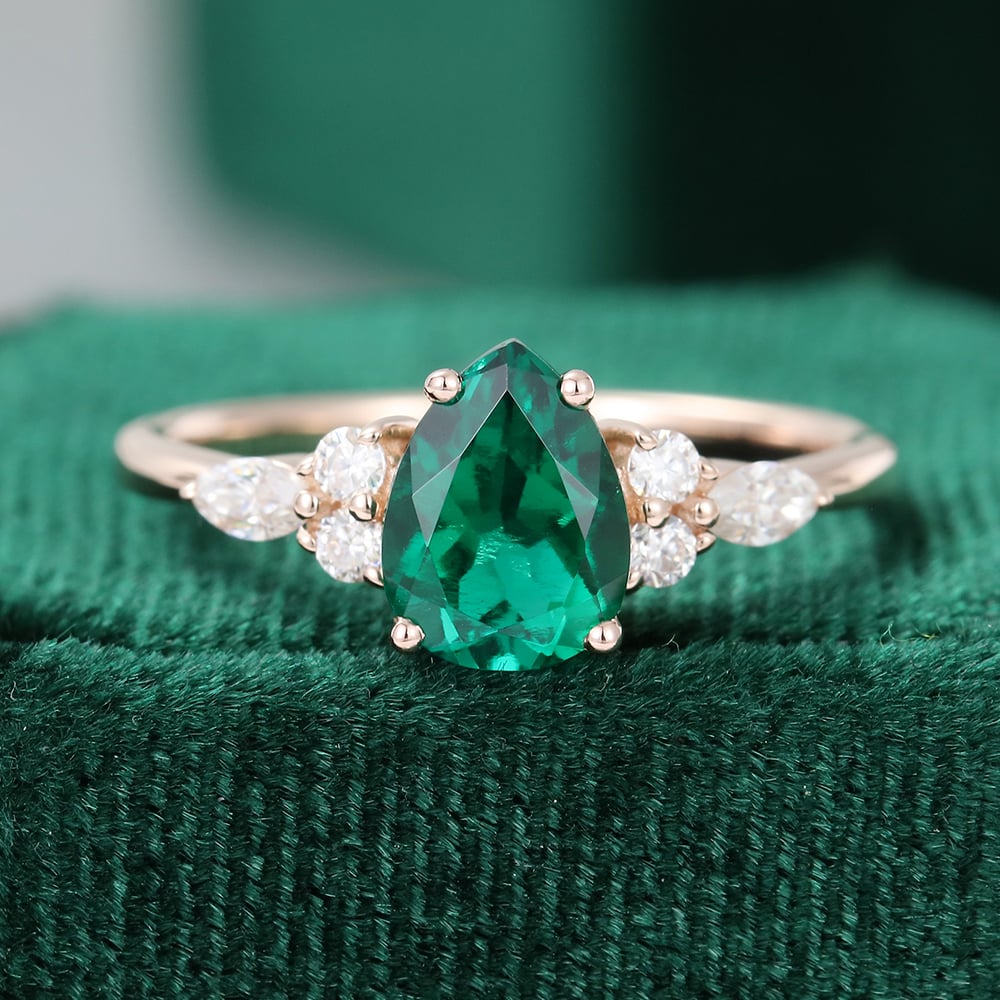
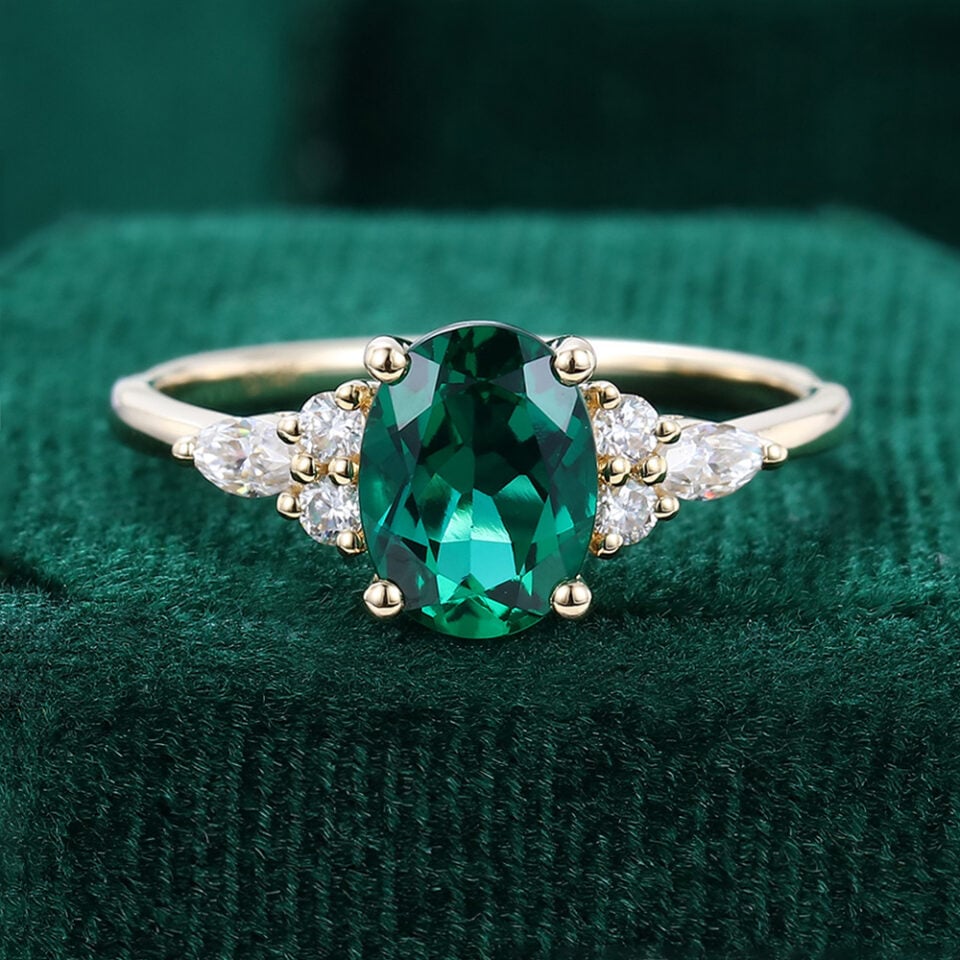
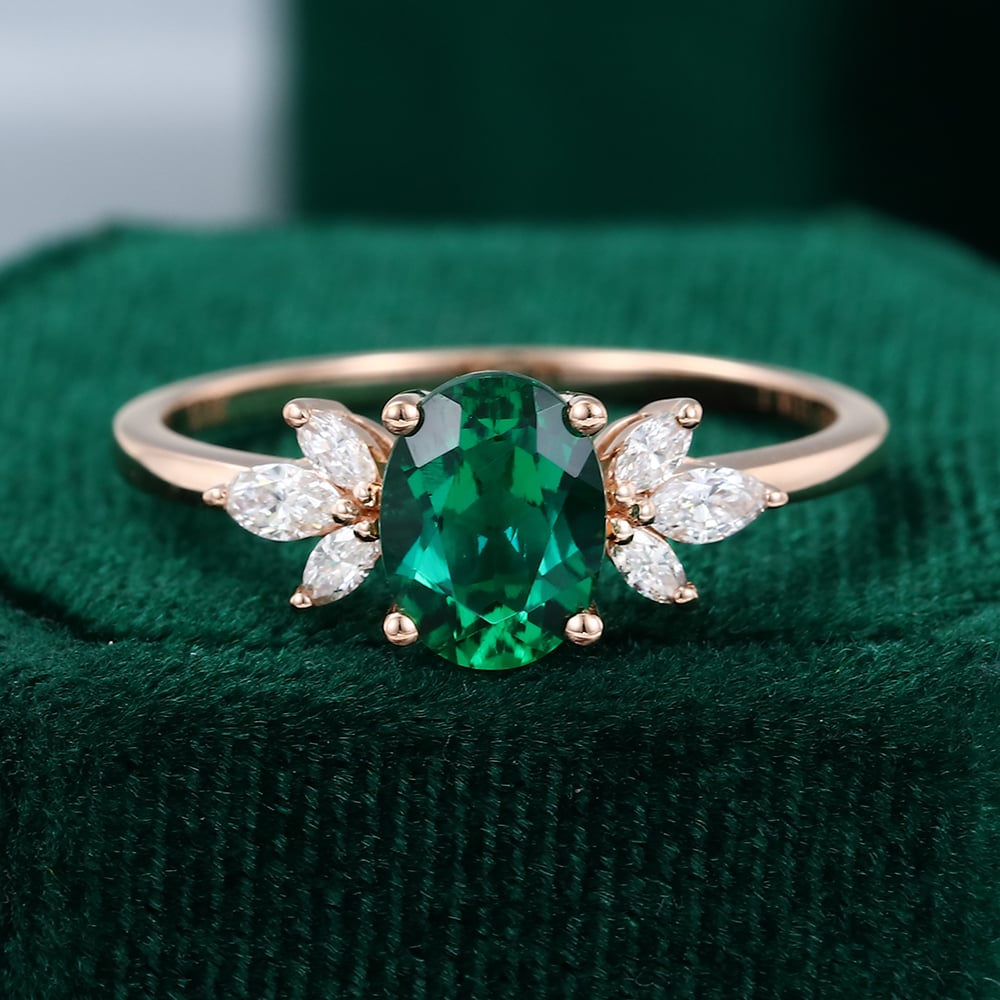
Yes — a lab emerald is a real emerald in every gemological sense. It has the same chemical composition, crystal structure, and physical properties as a natural emerald. The only difference is how it was formed.
In this guide, we’ll clarify what “real” means in gemstones, compare lab emerald to natural emerald and simulants, and explore why many modern couples are confidently choosing lab emerald for engagement rings and fine jewelry.
Understanding the facts makes the decision far less complicated — and far more intentional.
Lab Emerald vs Natural Emerald — What’s the Difference?
Rather than vague explanations, here’s a clear comparison:
Feature
Lab Emerald
Natural Emerald
Composition
Genuine beryl
Genuine beryl
Color Source
Chromium / Vanadium
Chromium / Vanadium
Formation
Lab-grown (hydrothermal or flux)
Formed underground over millions of years
Inclusions
Typically cleaner
Often visible inclusions
Rarity
Controlled production
Geologically rare
Price
More accessible
Higher due to rarity
Visual Appearance
Nearly identical to natural
Classic emerald look
The key takeaway: They are the same mineral — different origin.
If you’d like a deeper breakdown of performance, rarity, and long-term considerations, we explore that further in our detailed guide on lab grown emerald vs natural emerald.
For many buyers, the real decision isn’t authenticity. It’s preference.
Is Lab Emerald Fake — Or Just Modern?
The misconception that “lab-created” equals “fake” often comes from confusing two very different categories:
Imitation stones simulate appearance.
Lab-grown stones replicate the mineral itself.
Lab emerald belongs to the second category.
Visually and structurally, it is emerald. The difference is that it was grown under controlled conditions rather than mined.
For engagement jewelry, this controlled growth often results in:
More consistent color
Greater clarity
Better availability in larger sizes
Transparent sourcing
That’s why many couples choosing emerald engagement rings today prefer lab-created stones — not because they’re cutting corners, but because they’re prioritizing design flexibility and value clarity.
Lab Emerald vs Cubic Zirconia — Not Even Close
This comparison appears frequently in forums, but it’s misleading.
Cubic zirconia (CZ):
Is a synthetic diamond simulant
Has a completely different chemical structure
Does not replicate emerald’s mineral identity
Lab emerald:
Is real beryl
Has authentic emerald properties
Can be tested and identified as emerald
They are not substitutes for each other. They belong to entirely different gemstone categories.
If your concern is whether lab emerald is “basically CZ,” the answer is no — gemologically, they are fundamentally different.
The rise of lab emerald isn’t accidental. It reflects shifting priorities.
Couples today often look for:
1. Value Without Sacrificing Size
Lab emerald allows for larger center stones or intricate halo designs within a realistic budget.
2. Consistent Rich Color
Because growth conditions are controlled, lab emeralds often display balanced, vivid green tones.
3. Design Freedom
From vintage-inspired settings to modern minimalist solitaires, emerald offers a bold alternative to traditional diamond sparkle.
4. Individual Expression
Emerald stands apart. It signals intention rather than default tradition.
Within our curated emerald rings collection, many clients are drawn to emerald precisely because it feels distinctive and meaningful — not because it follows convention.
If you want to understand how color, clarity, and overall balance influence emerald quality in general, our guide on What Makes an Emerald Valuable? explores the criteria professionals use to assess true desirability.
So… Is Lab Emerald Real?
Yes — in every gemological sense that defines authenticity.
A lab emerald:
Is chemically identical to natural emerald
Shares the same hardness and durability range
Displays the same green spectrum
Is recognized as genuine emerald under professional testing
What differs is geological origin — not identity.
If you’re still weighing durability, daily wear, or engagement suitability, our guide on Are Emeralds Good for Engagement Rings?offers practical insight beyond theory.
Ultimately, lab emerald is real. The decision rests not on authenticity — but on alignment.
Final Thoughts
Lab emerald is not an imitation. It is not a simulant. It is emerald — grown differently.
If your goal is rich green color, intentional design, and balanced value, lab emerald deserves serious consideration.
Explore our collection of emerald engagement rings and discover how modern craftsmanship brings this timeless gemstone to life — authentically.