- by MollyJewelryUS
- March 4, 2026
- Gemstone Education
Diamonds are prized for their brilliance, durability, and timeless beauty—but with so many simulants and treated stones on the market, it’s important to know how to tell if a diamond is real. Whether you’re evaluating a family heirloom, considering a purchase, or just expanding your knowledge, understanding reliable identification methods will give you confidence in your gem’s authenticity. This guide walks through proven techniques—from simple visual checks to professional evaluation—so you can determine whether a diamond is genuine.
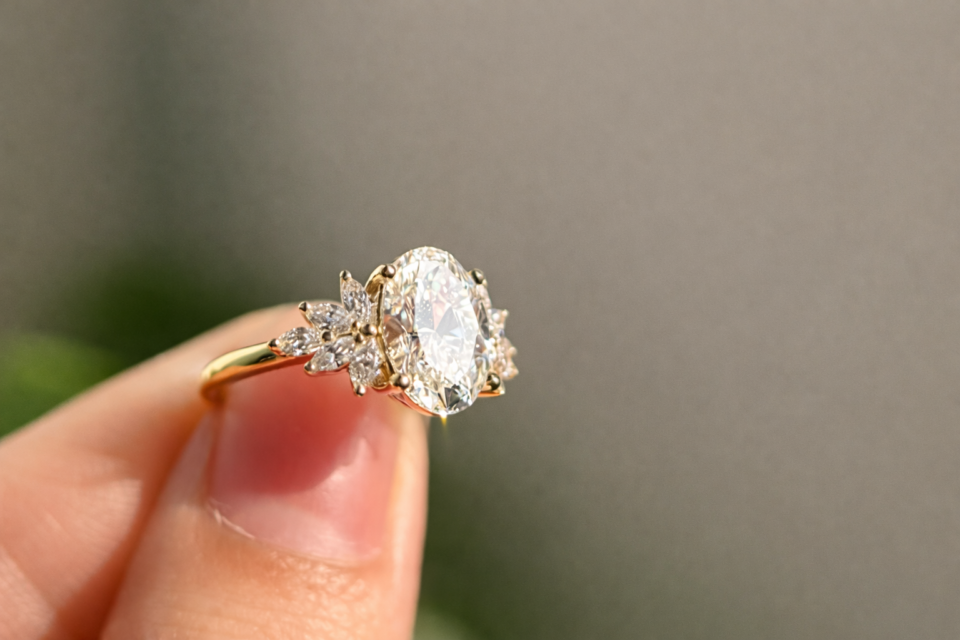
Table Of Contents:
Table Of Contents:
- What Makes Diamonds Different from Imitations
- Proven Methods to Tell if a Diamond is Real
- Why Some Common At-Home Tests Are Unreliable
- How to Handle and Store Your Diamond Safely
- Why Certification Matters
- What to Do if You Suspect a Diamond Is Fake
- Summary: Steps to Tell If a Diamond Is Real
- Lab Diamond Rings in MollyJeweryUS with Certification
- FAQs About How to Tell if a Diamond is Real
What Makes Diamonds Different from Imitations
What Makes Diamonds Different from Imitations
Real diamonds are made of carbon atoms arranged in a crystal lattice, giving them exceptional hardness and specific optical properties. Many imitation stones—like cubic zirconia, moissanite, and glass—can look convincing at first glance, but they differ in density, refractive behavior, and physical response to heat and pressure. Identifying a real diamond involves testing properties that make it unique.
Proven Methods to Tell if a Diamond is Real
Proven Methods to Tell if a Diamond is Real
Not all tests you find online are reliable. Below are methods that jewelers and gemological labs use to distinguish genuine diamonds from fakes.
1. Check for Brilliance and Sparkle
1. Check for Brilliance and Sparkle
One of the easiest indicators is how a stone reflects light. A real diamond produces:
Bright white light (brilliance)
Fire (flashes of spectral colors)
Sharp contrasts between light and dark
Compared to simulants, diamonds exhibit a mix of intense white brilliance and colorful flashes that are unique to their high refractive index.
How to do it:
Hold the stone under bright light and observe the light return and color play. A lack of lively sparkle may suggest a simulant or low-quality stone.
2. Look for Imperfections (Inclusions)
2. Look for Imperfections (Inclusions)
Genuine diamonds almost always have tiny natural imperfections known as inclusions. These may include:
Small crystals
Feather-like internal lines
Minute irregularities in the structure
Simulants like cubic zirconia are often flawless because they are lab-created under uniform conditions.
How to do it:
Use a jeweler’s loupe with at least 10× magnification. Rotate the stone and examine it carefully. If you see characteristic diamond inclusions, it’s more likely authentic.
3. The Fog Test Isn’t Definitive
3. The Fog Test Isn’t Definitive
A common suggestion is to breathe on the stone to fog it up. Real diamonds disperse heat quickly and should clear up almost instantly. While this can be a helpful observation, it should not be used as proof. Some simulants clear fog quickly too, and environmental factors can influence the result. Use this test only as a preliminary check.
4. The Water Drop Test (Simple but Indicative)
4. The Water Drop Test (Simple but Indicative)
Diamonds have high density and a specific surface tension effect. When placed in water, a real diamond tends to sink quickly, while many imitations may float or descend slowly.
How to do it:
Fill a clear glass with water and gently drop the loose stone into it. If it sinks rapidly, that supports the case for a real diamond.
5. Newspaper or Text Test
5. Newspaper or Text Test
Place the stone flat side down on a piece of newspaper. If the text appears blurry or unreadable through the stone, that suggests strong light refraction typical of real diamonds. If you can read the letters clearly, the stone is likely not a diamond. Note: this only works well with a loose stone, not a set ring.
6. Use a Diamond Tester
6. Use a Diamond Tester
A handheld diamond tester can detect thermal conductivity. Diamonds conduct heat differently than most simulants, such as cubic zirconia.
How to use it:
Touch the probe to the stone. The device measures heat dispersion and indicates whether the stone is consistent with diamond properties. This is one of the most dependable at-home testing tools available.
7. Moissanite Can Be Confusing
7. Moissanite Can Be Confusing
Moissanite is often mistaken for diamond because it exhibits even more fiery sparkle. However, its double refraction and slightly different light behavior make it distinguishable under proper inspection.
Professional tip:
A diamond tester that measures electrical conductivity can differentiate moissanite from diamond. Always suspect moissanite if the stone flashes rainbow-like colors excessively.
8. Professional Gemological Evaluation
8. Professional Gemological Evaluation
The most definitive way to tell if a diamond is real is to have it examined by a certified gemologist. Laboratories like GIA (Gemological Institute of America) and IGI (AInternational Gemological Institute) perform in-depth tests using:
Spectroscopy
Polariscopes
Microscopy
Grading reports
A certified report provides not only authenticity but also cut, color, clarity, and carat information.
Why Some Common At-Home Tests Are Unreliable
Why Some Common At-Home Tests Are Unreliable
There are many suggested home diamond tests (e.g., mirror test, UV light test, spark measurement) that should be treated with caution:
Mirror test: Some mirrors may cause misleading reflections.
UV light test: Not all diamonds fluoresce, and some simulants do.
Spark measurement: Patterns may vary significantly with lighting conditions.
These methods can offer clues but are not conclusive proof of authenticity.
How to Handle and Store Your Diamond Safely
How to Handle and Store Your Diamond Safely
Once you’ve confirmed your diamond is real, proper care helps preserve its brilliance:
Clean gently with mild soap and warm water
Use a soft toothbrush for settings
Avoid harsh chemicals (like chlorine)
Store separately to prevent scratches
Real diamonds are extremely durable, but setting structures can wear over time.
Why Certification Matters
Why Certification Matters
A professional certification report from a reputable lab gives you:
Assurance of authenticity
Documented quality parameters
Value reference for insurance and resale
Certified diamonds carry documented 4C grades (Cut, Color, Clarity, Carat), giving you clear insight into quality as well as authenticity.
What to Do if You Suspect a Diamond Is Fake
What to Do if You Suspect a Diamond Is Fake
If any reliable test suggests inconsistency:
Don’t make assumptions based on a single test.
Run multiple reliable tests (loupe + diamond tester).
Seek professional evaluation.
Ask for certification documentation if available.
Authentication is often a process of elimination and confirmation.
Summary: Steps to Tell If a Diamond Is Real
Summary: Steps to Tell If a Diamond Is Real
Reliable methods include:
Observing brilliance and fire
Inspecting inclusions with magnification
Water drop test
Diamond tester usage
Professional gemological analysis
Unreliable or only preliminary tests include breath fogging and subjective sparkle comparisons without tools.
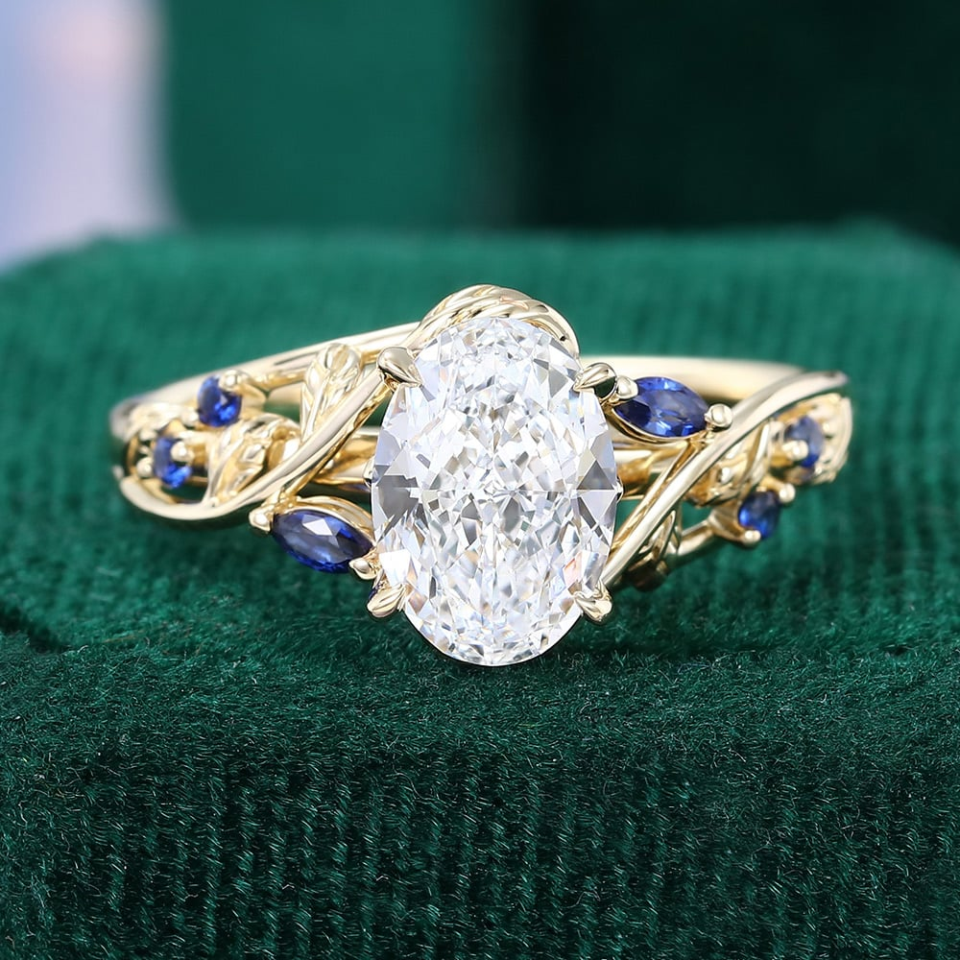
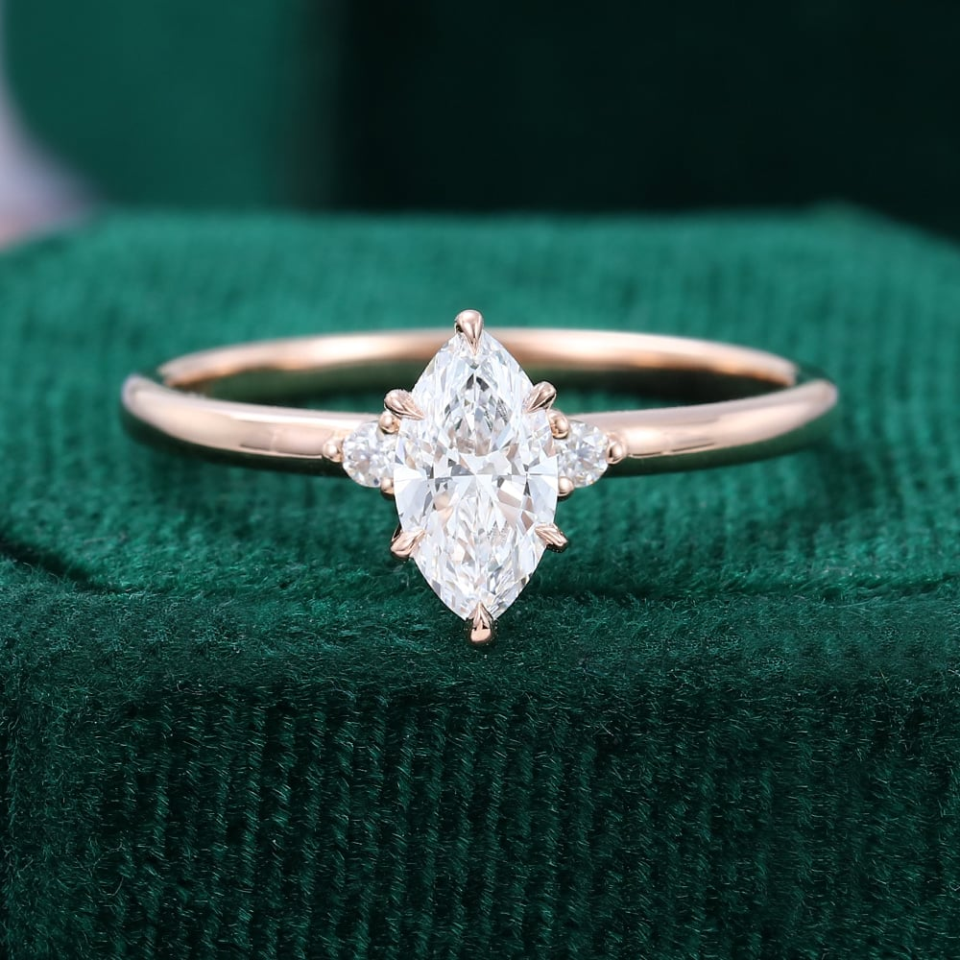
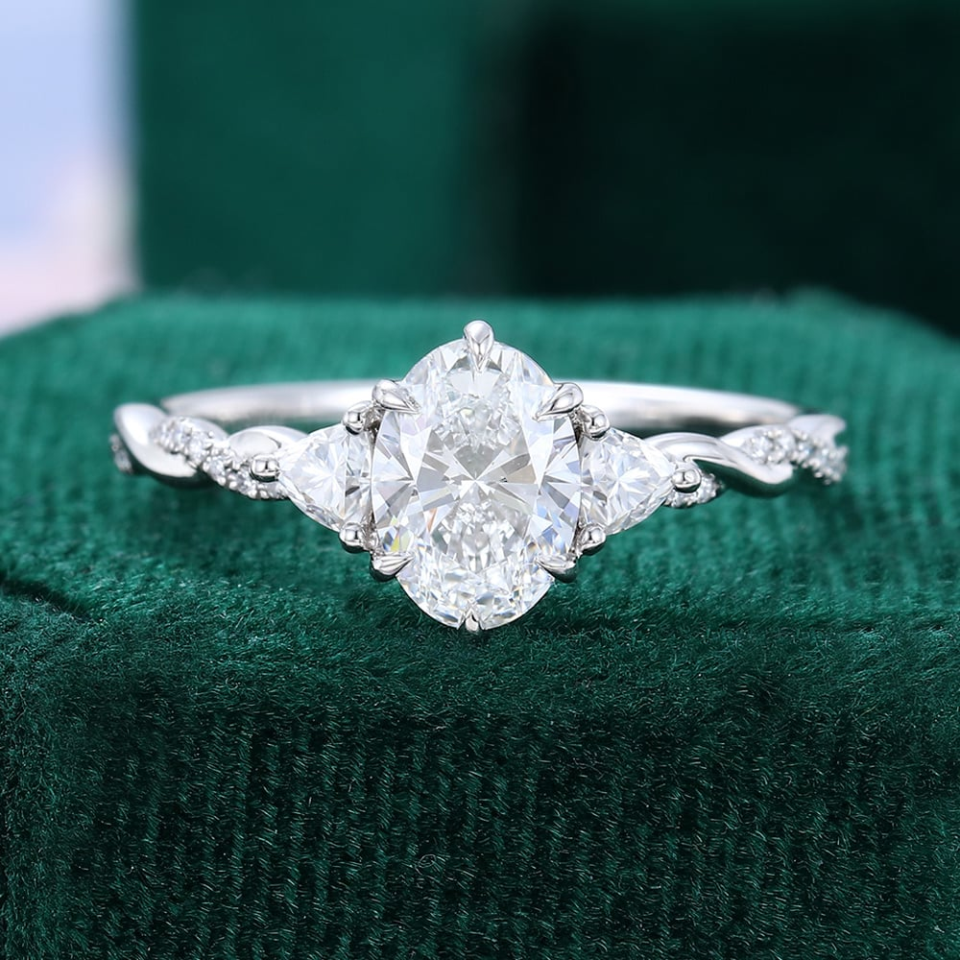
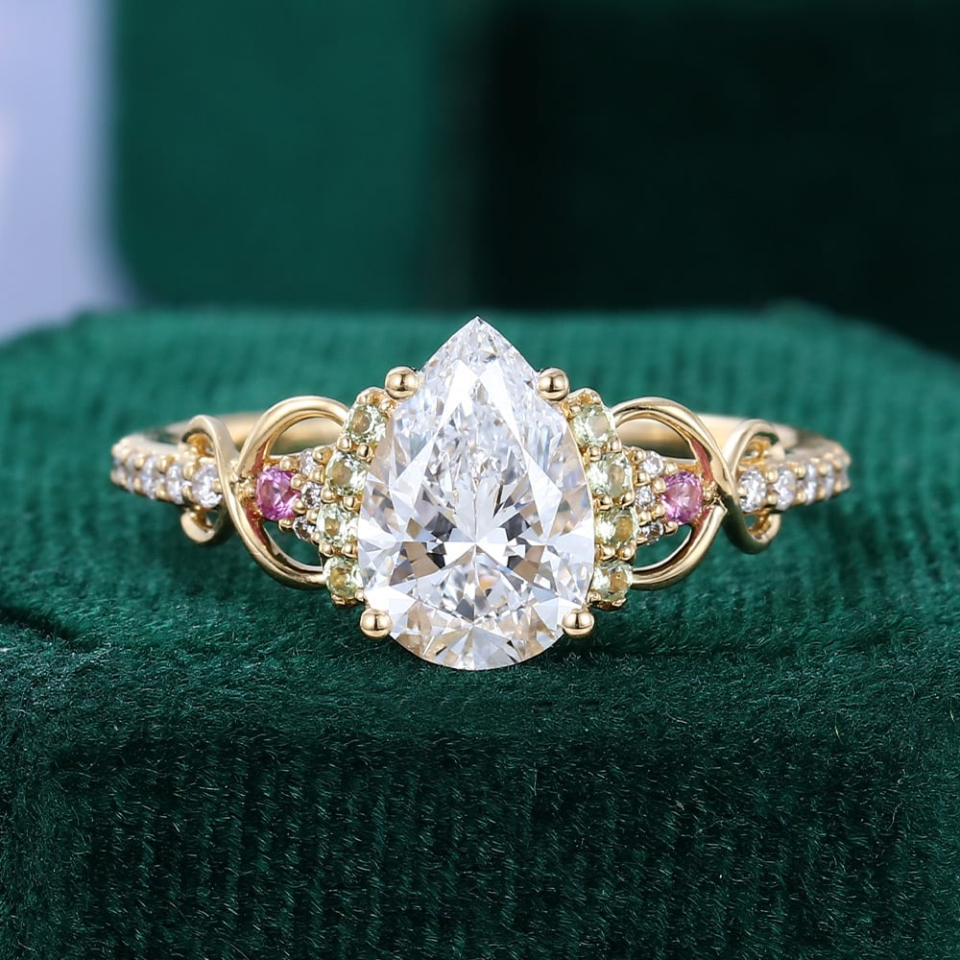
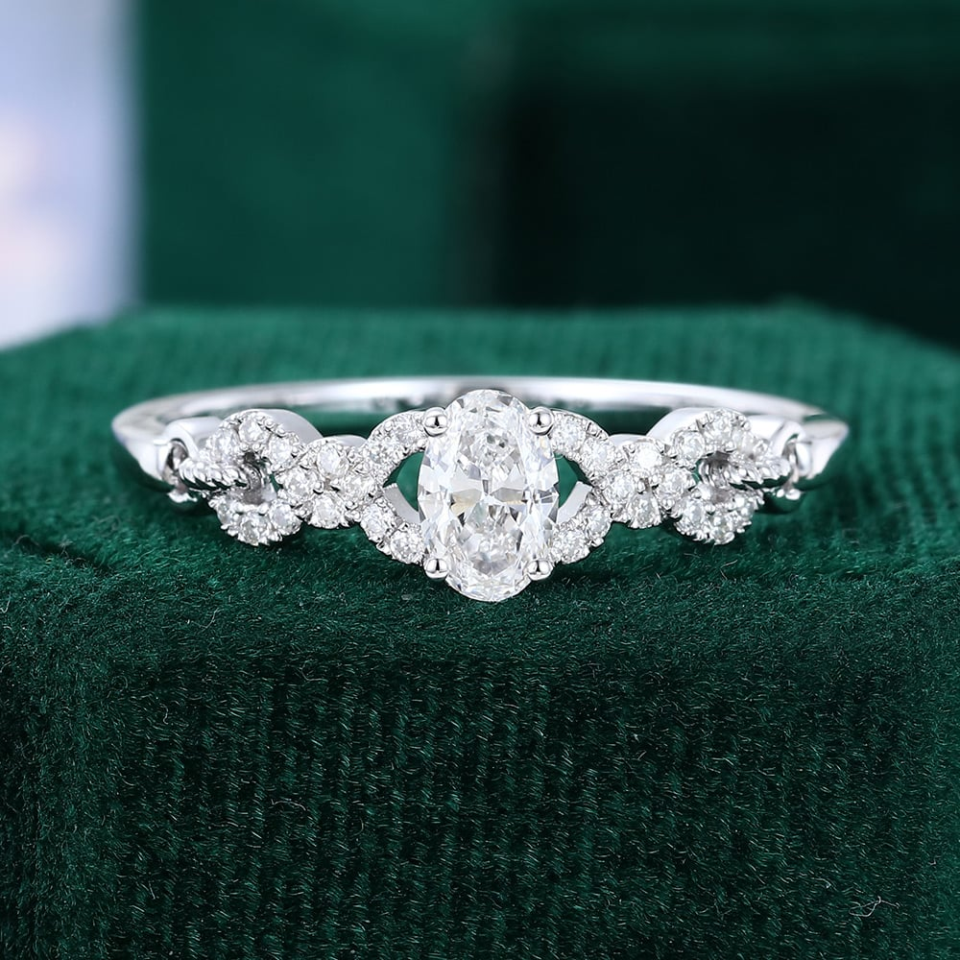
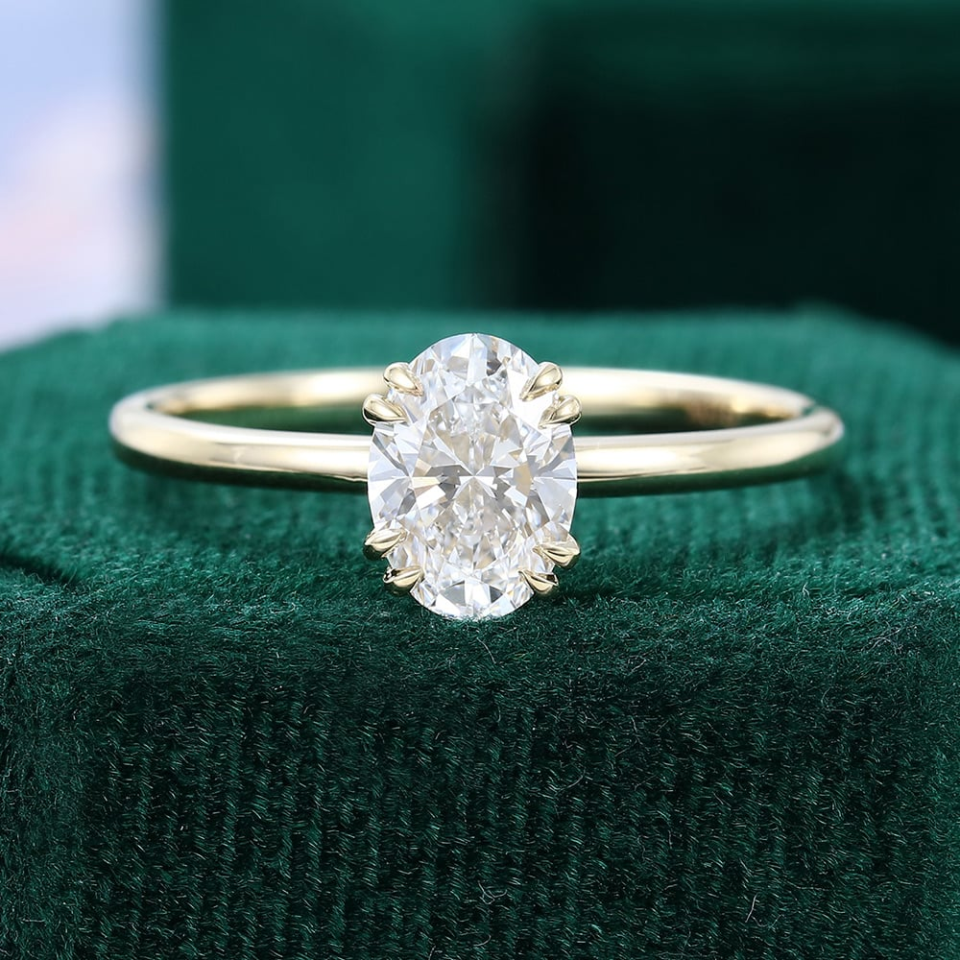
Lab Diamond Rings in MollyJeweryUS with Certification
Lab Diamond Rings in MollyJeweryUS with Certification
FAQs About How to Tell if a Diamond is Real
FAQs About How to Tell if a Diamond is Real
Can I tell if a diamond is real without tools?
You can perform preliminary checks like inspecting brilliance and inclusions, but definitive results require tools or professional evaluation.
Is the fog test accurate?
The fog test can give hints but is not reliable on its own; some simulants clear fog quickly too.
What’s the most reliable at-home test?
Using a diamond tester that measures thermal conductivity is one of the most dependable home methods.
Do real diamonds always have flaws?
Most do have minor inclusions; perfectly flawless stones are rare and often verified by certification.