- by MollyJewelryUS
- April 8, 2026
- Gemstone Education
Sapphire is one of the most durable and valuable gemstones—but its origin is often misunderstood.
So how is a sapphire actually formed?
In simple terms, sapphire forms under extreme heat and pressure deep within the Earth over millions of years. Today, similar conditions can also be recreated in a lab, producing gemstones with the same structure and durability.
Understanding how sapphire forms helps explain its color, rarity, and why some stones cost significantly more than others.
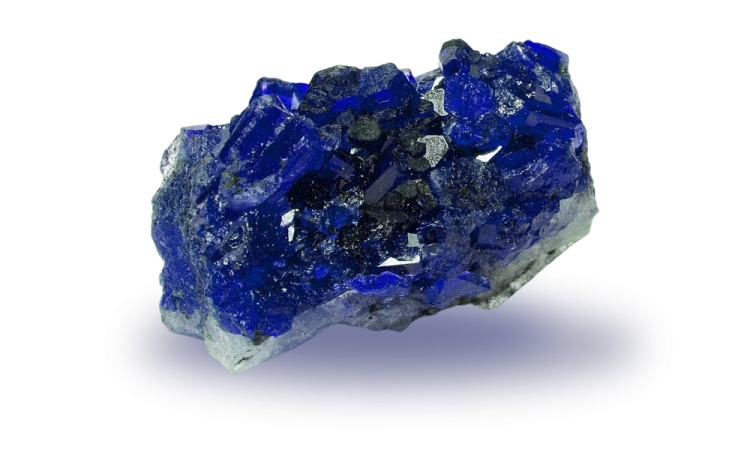
Table Of Contents:
Table Of Contents:
- How Is a Natural Sapphire Formed?
- What Conditions Are Needed to Form Sapphire?
- How Long Does It Take to Form a Sapphire?
- What Determines Sapphire Color?
- How Are Lab-Grown Sapphires Formed?
- Natural vs Lab Sapphire Formation
- Why Formation Matters for Price & Value
- Is Lab Sapphire Worth Buying?
- Final Thoughts
- Related FAQs
How Is a Natural Sapphire Formed?
How Is a Natural Sapphire Formed?
Natural sapphire forms under extreme heat and pressure deep within the Earth.
Sapphire is a variety of corundum, created when aluminum and oxygen crystallize in high-temperature, high-pressure environments. These conditions are typically found deep in the Earth’s crust.
Over time, geological activity—such as volcanic movement—brings sapphire crystals closer to the surface, where they can be mined.
In short:
Natural sapphire is the result of rare geological conditions combined over long periods.
What Conditions Are Needed to Form Sapphire?
What Conditions Are Needed to Form Sapphire?
Sapphire requires a precise combination of heat, pressure, and elements.
| Factor | Requirement |
|---|---|
| Temperature | Extremely high |
| Pressure | Intense |
| Base elements | Aluminum + oxygen |
| Trace elements | Iron, titanium, chromium |
These trace elements are responsible for sapphire’s color variations.
👉 For more details, see sapphire color guide
Key takeaway:
Without the right combination of conditions, sapphire cannot form—and this rarity contributes to its value.
How Long Does It Take to Form a Sapphire?
How Long Does It Take to Form a Sapphire?
Natural sapphires take millions of years to form.
Natural sapphire formation is not a quick process. It develops gradually over geological timescales, often taking millions of years before reaching the surface.
This long formation period is one of the reasons natural sapphires are considered rare. By contrast, lab-grown sapphires can be created in just a few weeks, using controlled heat and pressure.
Why this matters:
The difference in formation time directly affects availability and price, not durability or appearance.
What Determines Sapphire Color?
What Determines Sapphire Color?
Color is formed during growth—not added later.
| Element | Color Result |
|---|---|
| Iron + titanium | Blue |
| Chromium | Pink / red |
| Iron (alone) | Yellow / green |
👉 Learn more: what color is sapphire
In short:
Sapphire color is built into the stone during formation, making it stable and long-lasting.
How Are Lab-Grown Sapphires Formed?
How Are Lab-Grown Sapphires Formed?
Lab sapphires replicate natural formation in a controlled environment.
Lab sapphires are created using advanced methods that simulate the natural conditions required for crystal growth.
Instead of taking millions of years, this process produces sapphire crystals in weeks while maintaining:
- The same chemical composition
- The same hardness (Mohs 9)
- The same visual appearance
👉 See: natural sapphire vs lab-grown sapphire
Key takeaway:
The difference lies in origin, not performance.
Natural vs Lab Sapphire Formation
Natural vs Lab Sapphire Formation
| Feature | Natural Sapphire | Lab Sapphire |
|---|---|---|
| Formation time | Millions of years | Weeks |
| Origin | Earth | Laboratory |
| Structure | Identical | Identical |
| Supply | Limited | Controlled |
Insight:
Formation affects rarity and cost—but not durability or everyday wear performance.
Why Formation Matters for Price & Value
Why Formation Matters for Price & Value
Formation impacts rarity, which directly affects price.
- Natural sapphires are more expensive because they are rarer and take millions of years to form.
- Lab sapphires, on the other hand, are produced in controlled environments, making them more accessible.
Price Comparison :
| Type | Typical Price Range |
|---|---|
| Natural sapphire ring | ~$800 – $3,000+ |
| Lab sapphire ring | ~$200 – $800 |
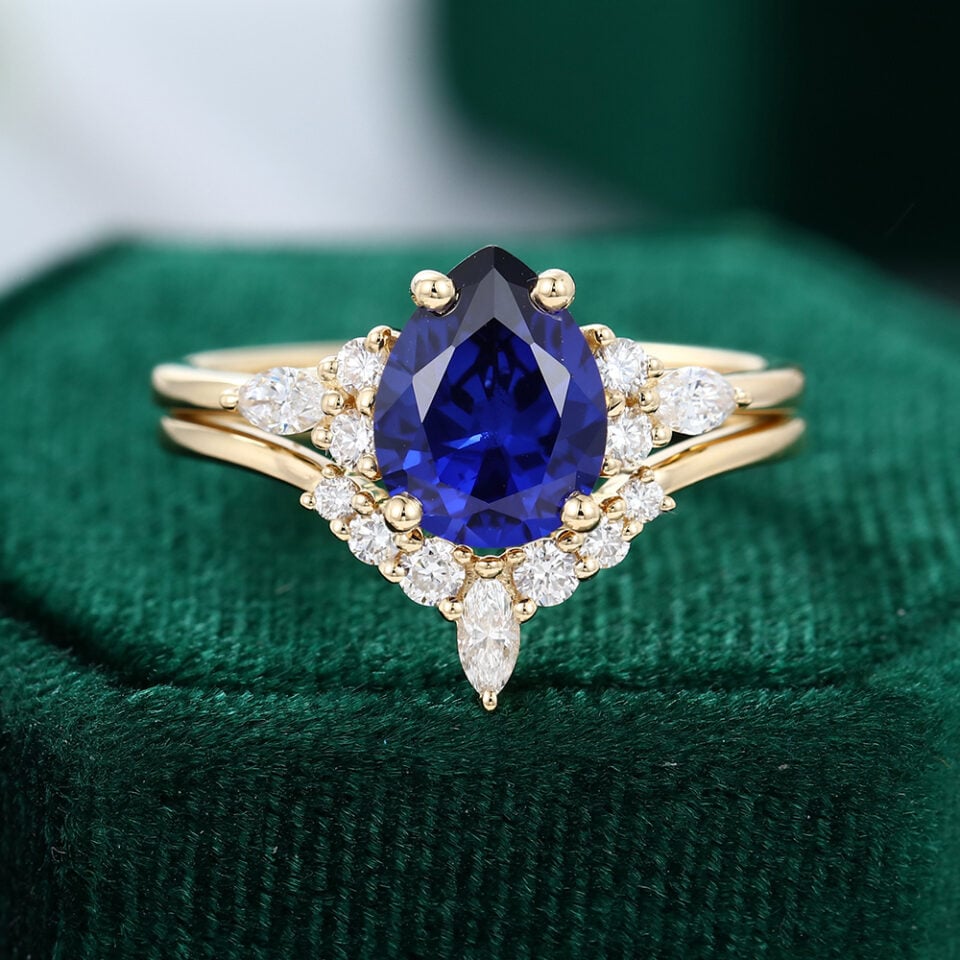
👉 Browse styles: sapphire rings collection
What this means for buyers:
- Natural sapphire → higher rarity, higher price
- Lab sapphire → similar look, better budget efficiency
Is Lab Sapphire Worth Buying?
Is Lab Sapphire Worth Buying?
Yes—especially for value-focused buyers.
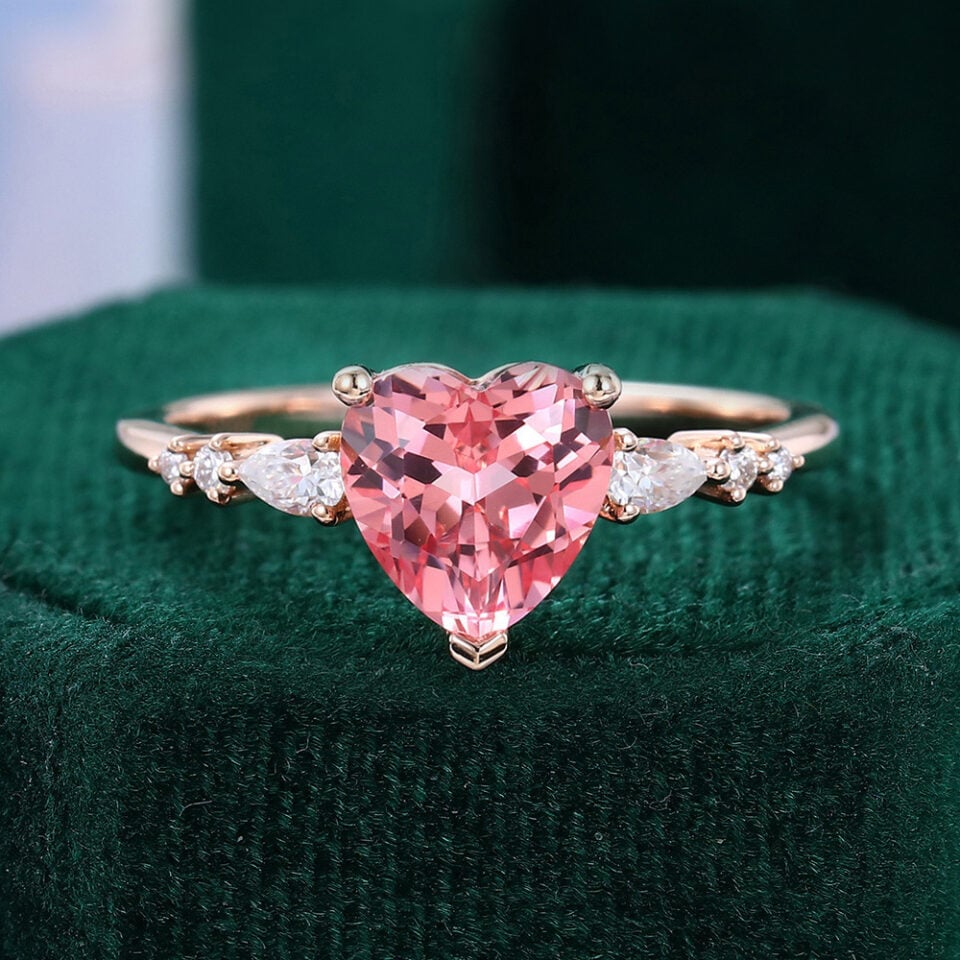
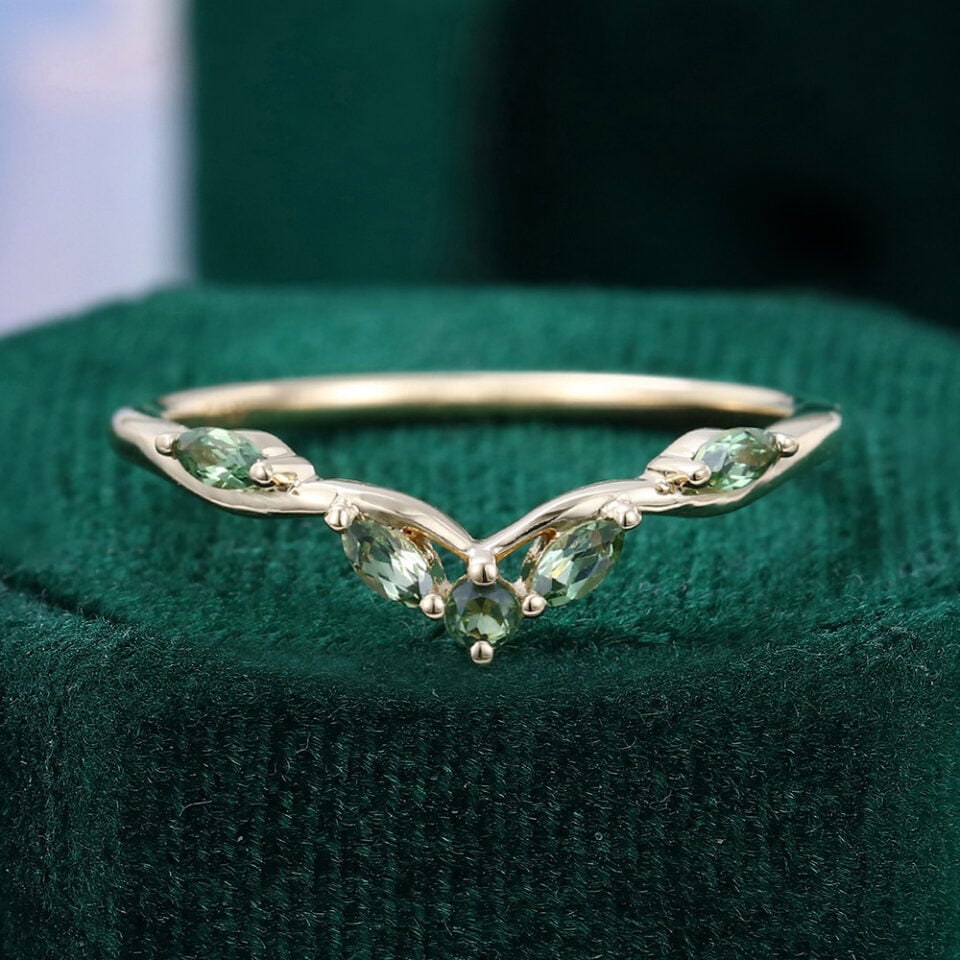
Lab sapphire offers a strong balance between appearance, durability, and cost.
Why many buyers choose lab sapphire:
Why many buyers choose lab sapphire:
- Same hardness and durability as natural sapphire
- Consistent color and clarity
- More affordable pricing
- Larger or more detailed designs within budget
👉 More insights: is lab sapphire worth buying
When lab sapphire makes the most sense:
When lab sapphire makes the most sense:
- Engagement rings with a limited budget
- Buyers prioritizing design over rarity
- Everyday jewelry that needs durability
In short:
Lab sapphire delivers the look and performance of natural sapphire—without the premium price.

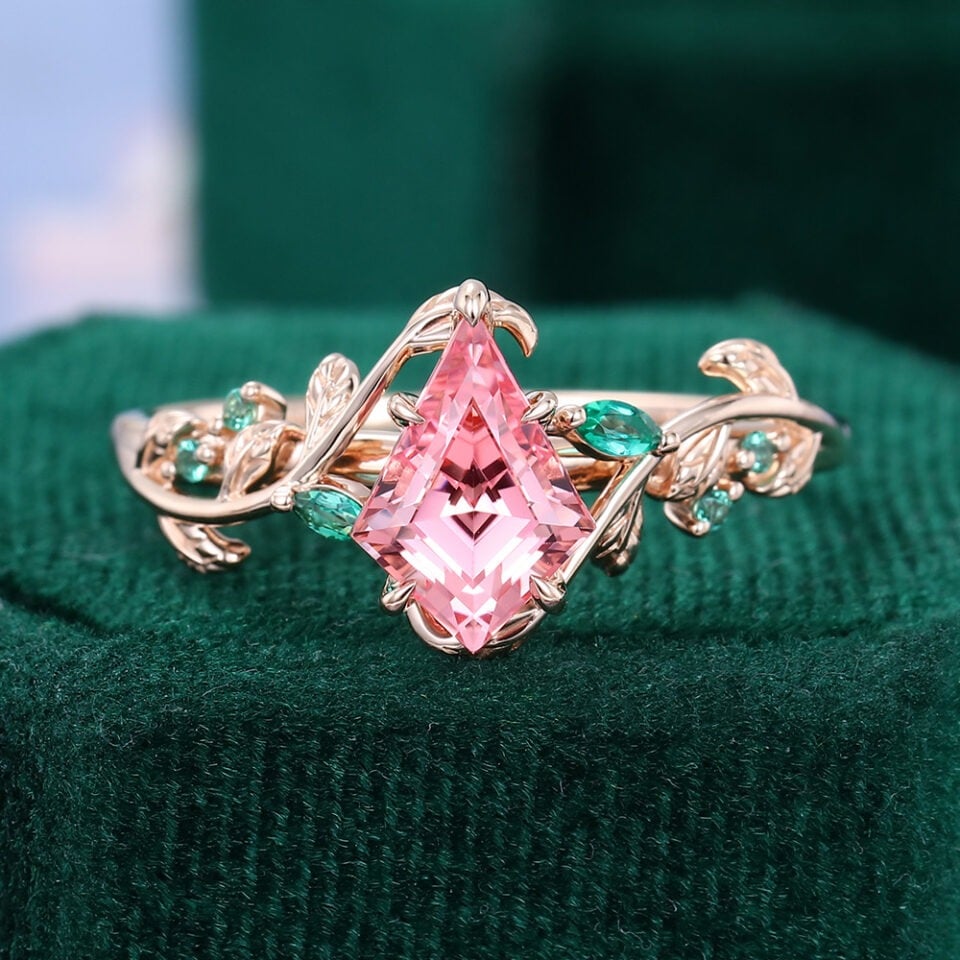
Final Thoughts:
Final Thoughts:
Sapphire forms under extreme conditions—either naturally over millions of years or in a lab within weeks.
While the origin differs, the end result is remarkably similar.
For most buyers, the key decision is not how sapphire forms—but which option better fits budget, style, and priorities.
Related FAQs :
Related FAQs :
Does the way sapphire is formed affect its durability?
Why are natural sapphires more expensive?
Because they are rarer and take millions of years to form.
Are lab sapphires real sapphires?
Yes. They have the same chemical composition as natural sapphire.
Which is better for engagement rings: natural or lab sapphire?
Can you tell the difference between natural and lab sapphire?
Is lab sapphire a good long-term choice?
Yes. It maintains its durability and appearance over time.
Where can I buy sapphire rings at a reasonable price?
Lab sapphire rings typically offer the best value in the $200–$800 range, especially for engagement styles.