- by MollyJewelryUS
- April 29, 2026
- Gemstone Education
Green sapphire doesn’t compete for attention the way blue or pink sapphires do—and that’s exactly why more people are choosing it.
It feels quieter, more personal, and far less expected. If you’re looking for a gemstone that stands out without looking flashy, green sapphire sits in a very specific space: natural, understated, and deeply individual.
But that also means it’s one of the most misunderstood sapphires.
This guide focuses on what actually matters before you buy—from color ranges and value perception to how it compares with other green-toned gemstones and how to choose a ring that won’t feel “off” after a year.
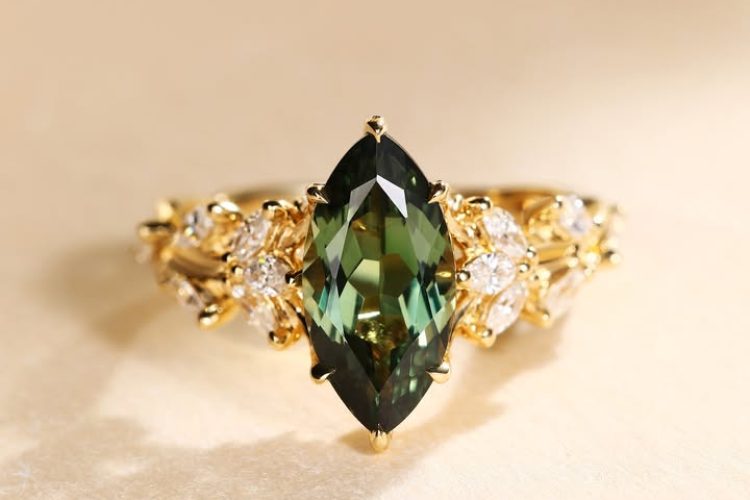
Table Of Contents:
Table Of Contents:
- What Makes Green Sapphire Different
- Color Range: Not Just “Green”
- What Green Sapphire Symbolizes (And Why It Feels Different)
- Green Sapphire vs Emerald vs Teal Sapphire
- Is Green Sapphire Valuable or Underrated?
- Best Jewelry Styles for Green Sapphire (What Actually Works)
- How to Choose the Right Green Sapphire
- Final Thoughts
- FAQs
What Makes Green Sapphire Different
What Makes Green Sapphire Different
Green sapphire belongs to the same mineral family as all sapphires, but its identity is defined by tone and restraint.
Conclusion: It’s not designed to be eye-catching—it’s designed to feel intentional.
Unlike brighter sapphires, green sapphire typically has:
- Lower saturation
- Mixed undertones (yellow, blue, gray)
- A more “earthy” rather than vivid appearance
This is why it appeals to people who:
- Don’t want a traditional diamond look
- Find emeralds too bold or high-maintenance
- Prefer something that feels closer to nature
If you’ve ever felt that most engagement rings look “too polished,” this is usually the direction people move toward.
Color Range: Not Just “Green”
Color Range: Not Just “Green”
One mistake people make is assuming green sapphire is a single color. It’s not—it’s a spectrum.
Conclusion: The undertone matters more than the color name.
Common variations include:
- Olive green (warm, vintage feel)
- Forest green (deep and grounded)
- Teal-leaning green (slightly more vibrant)
- Gray-green (muted, minimalist aesthetic)
If you’re unsure which tone suits you, this is exactly where most people benefit from understanding broader sapphire color behavior →👉 sapphire color guide
What Green Sapphire Symbolizes (And Why It Feels Different)
What Green Sapphire Symbolizes (And Why It Feels Different)
Green sapphire doesn’t carry the same symbolism as blue (loyalty) or pink (romance).
Conclusion: It represents balance, growth, and individuality.
That’s why it’s often chosen by people who:
- Want something less traditional than a diamond
- Prefer meaning that feels personal rather than cultural
- Value longevity over trend
It’s also increasingly linked to:
- Nature-inspired engagement rings
- Minimalist and modern relationships
- “Non-traditional but still timeless” aesthetics
Green Sapphire vs Emerald vs Teal Sapphire
Green Sapphire vs Emerald vs Teal Sapphire
Green Sapphire vs Emerald
Green Sapphire vs Emerald
| Feature | Green Sapphire | Emerald |
|---|---|---|
| Durability | Very high (daily wear safe) | Lower (more fragile) |
| Color | Muted, earthy | Bright, vivid green |
| Clarity | Usually cleaner | Often included |
| Style | Subtle, modern | Classic, bold |
Takeaway:
If you like green but don’t want the maintenance or intensity of emerald, green sapphire is the more practical choice.
Green Sapphire vs Teal Sapphire
Green Sapphire vs Teal Sapphire
| Feature | Green Sapphire | Teal Sapphire |
|---|---|---|
| Tone | Softer, muted | More vibrant |
| Color Mix | Yellow/gray undertones | Blue-green mix |
| Visual Impact | Understated | More noticeable |
If you’re deciding between the two, this comparison helps:
👉 teal sapphire vs green sapphire
Is Green Sapphire Valuable or Underrated?
Is Green Sapphire Valuable or Underrated?
Green sapphire sits in an unusual position in the market.
Conclusion: It’s more “undervalued” than “cheap.”
Compared to blue sapphire:
- Lower demand → lower price
- Less standardized color grading
- More individuality per stone
This actually works in your favor:
- You can get larger stones for the same budget
- Designs feel less mass-produced
- It avoids the “everyone has the same ring” problem
If you’re evaluating sapphire value more broadly:
👉 sapphire engagement ring cost
Best Jewelry Styles for Green Sapphire (What Actually Works)
Best Jewelry Styles for Green Sapphire (What Actually Works)
Green sapphire is not a “fits everywhere” gemstone—and that’s exactly why choosing the right style matters more than usual.
Conclusion: The best designs are the ones that don’t fight the color.
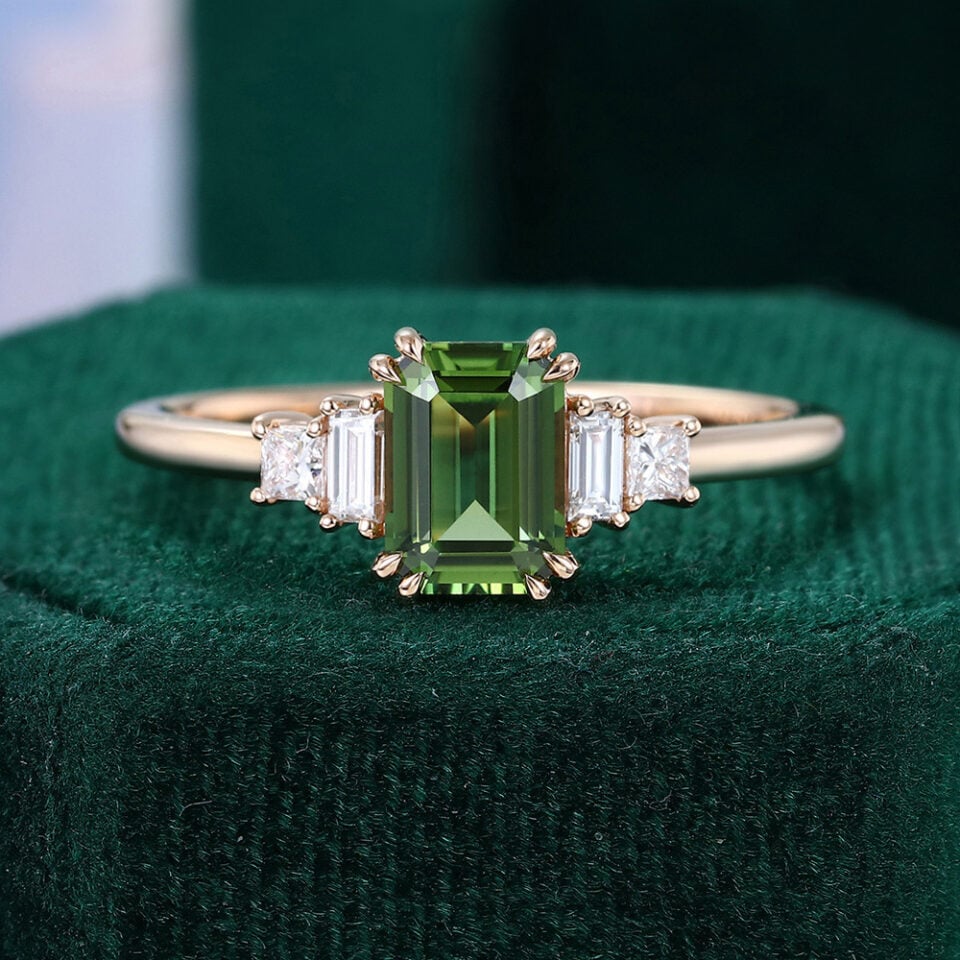
1. Minimalist Solitaire (Most Recommended)
1. Minimalist Solitaire (Most Recommended)
reen sapphire performs best when it’s allowed to breathe visually.
- Clean solitaire settings
- Thin bands
- No excessive side stones
Why it works:
Muted tones need space. Over-designing can make the stone look darker or less defined.
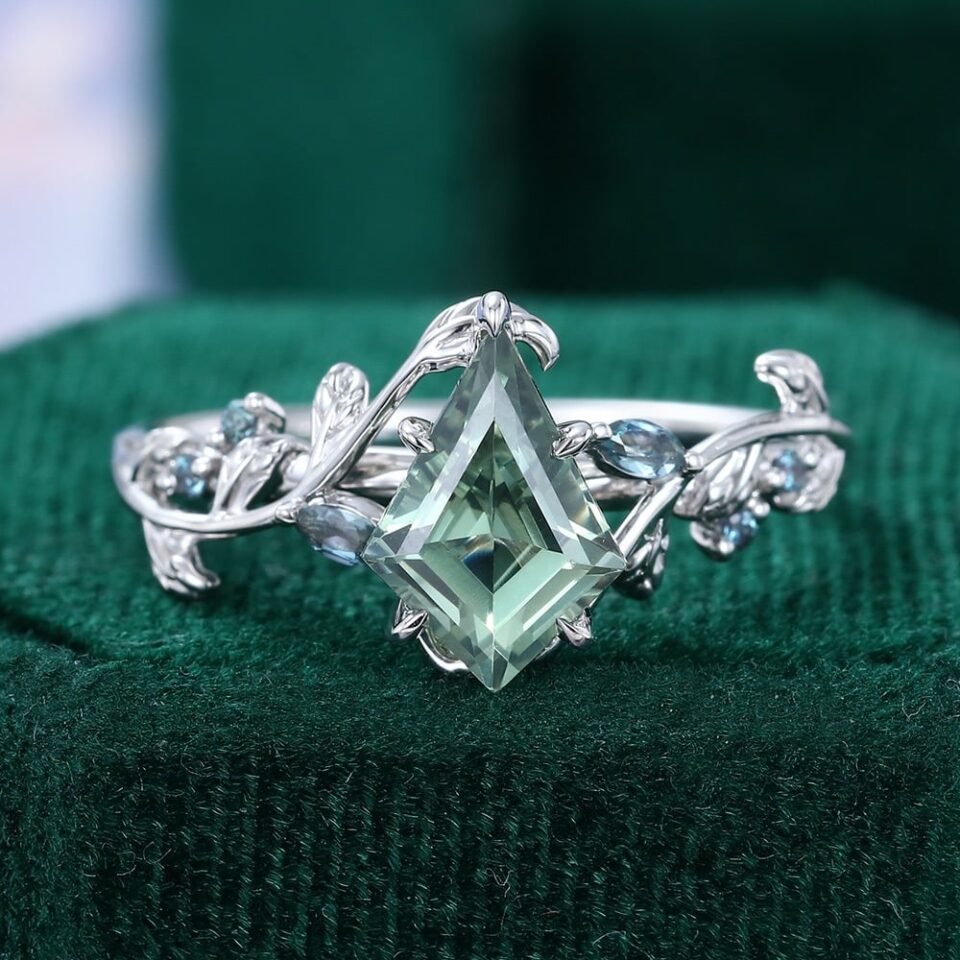
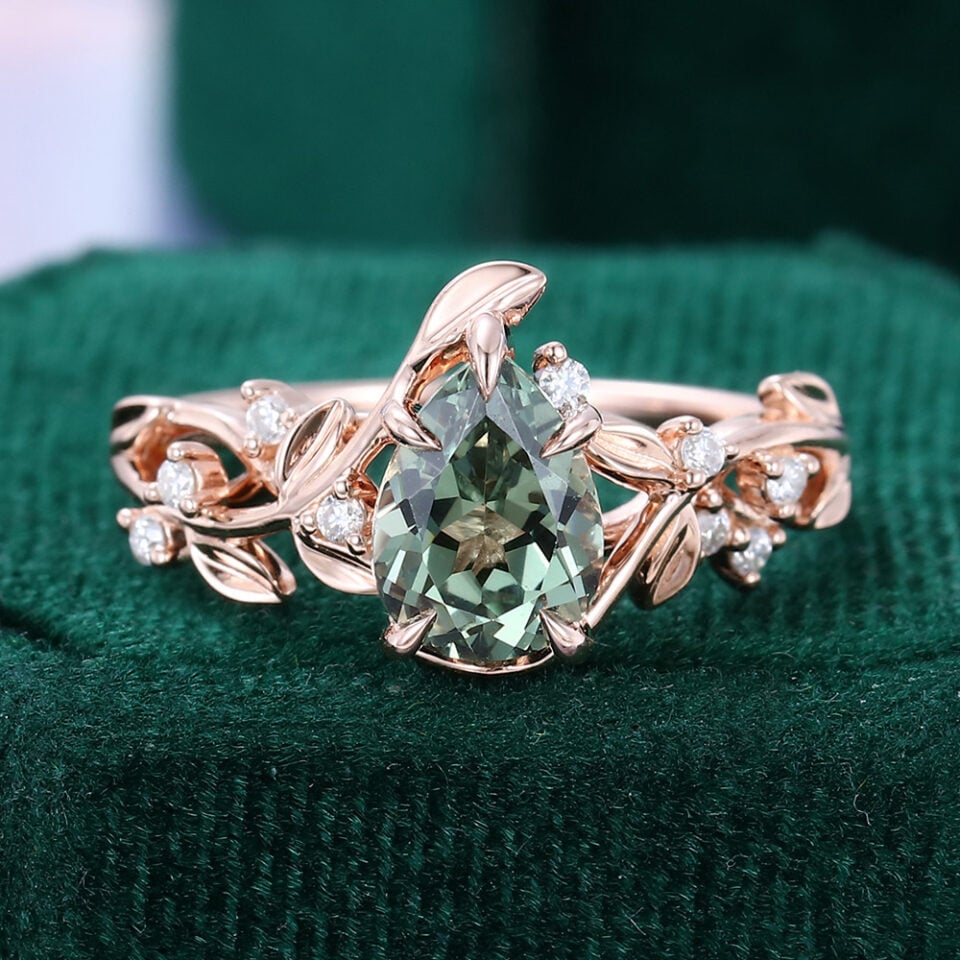
2. Vintage-Inspired Settings (Best for Olive / Warm Greens)
2. Vintage-Inspired Settings (Best for Olive / Warm Greens)
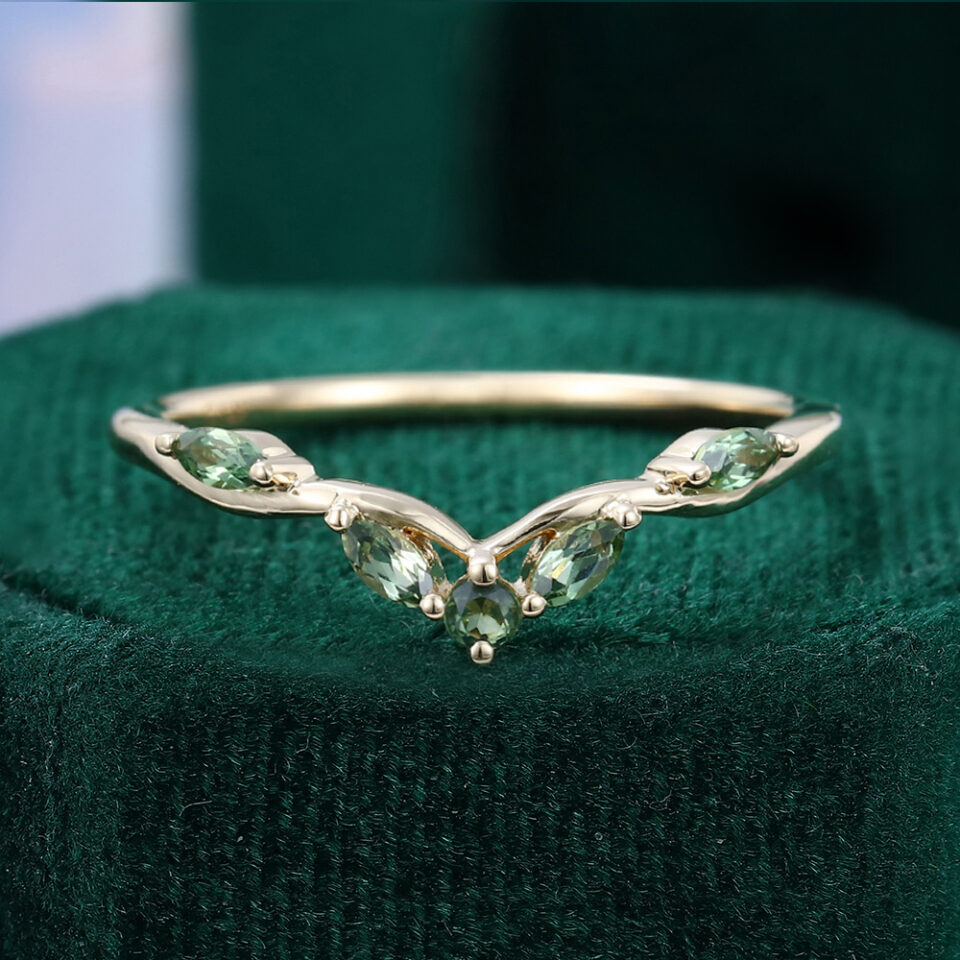
Certain green sapphires—especially olive or slightly yellow-toned ones—naturally lean vintage.
- Milgrain details
- Filigree structures
- Soft, antique finishes
Conclusion: These designs don’t just “match” the stone—they enhance its natural tone.
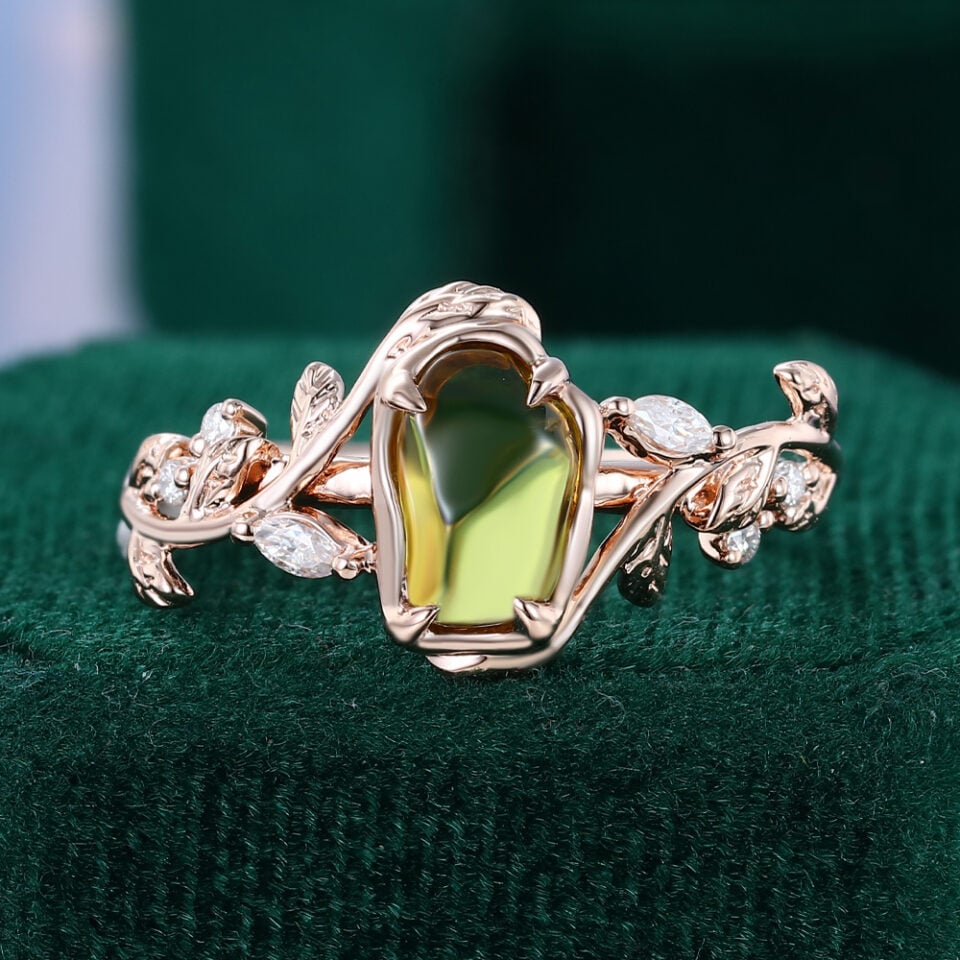
3. East-West & Low-Profile Settings (Modern Direction)
3. East-West & Low-Profile Settings (Modern Direction)
For people who don’t want a traditional engagement ring look:
- East-west orientation
- Bezel or semi-bezel settings
- Lower profile designs
Why it works:
- Makes the color feel more contemporary
- Reduces the “formal jewelry” look
- Better for daily wear

How to Choose the Right Green Sapphire
How to Choose the Right Green Sapphire
Instead of focusing on traditional “4Cs,” green sapphire selection is more visual.
Conclusion: Prioritize tone and balance over perfection.
Key factors:
- Color consistency (avoid patchy tones)
- Undertone preference (warm vs cool green)
- Cut quality (affects brightness in muted stones)
- Setting choice (yellow gold warms it, white gold sharpens it)
If you want a deeper breakdown of sapphire quality:
👉sapphire quality guide
Final Thoughts
Final Thoughts
Green sapphire isn’t for everyone—and that’s exactly its strength.
It doesn’t try to compete with diamonds or bright sapphires. Instead, it offers something harder to find: a ring that feels considered, personal, and not easily replaced by trends.
If your goal is to choose something that still feels right years later, not just something that looks impressive today, green sapphire is one of the few gemstones that consistently delivers on that.
Related FAQs
Related FAQs
Is green sapphire good for an engagement ring?
Because small differences in trace elements and structure can significantly affect how color appears.
Why is green sapphire less expensive than blue sapphire?
Yes. With a hardness of 9, it is highly durable and suitable for daily jewelry.
Does green sapphire look too dull compared to other gemstones?
Typically, medium to vivid pink with clean tone and no gray undertones.
What metal works best with green sapphire?
In most cases, yes—due to durability and color stability.
Can green sapphire be worn every day?
Yes. It is increasingly chosen for its durability and unique appearance.
Is green sapphire a good diamond alternative?
Yes. It is increasingly chosen for its durability and unique appearance.
How do I know if a green sapphire is high quality?
Look for:
- Even color distribution
- Minimal visible inclusions
- Balanced brightness
For deeper guidance:
👉 how to tell if a sapphire is real