- by MollyJewelryUS
- March 11, 2025
- Gemstone Education
Last updated on July, 30 2026
Although “green amethyst” is the name most people recognize, the gemstone’s proper mineralogical name is prasiolite. Understanding this difference is one of the keys to appreciating its beauty and shopping with confidence.
Whether you’re considering your first green amethyst ring or simply curious about this unique gemstone, this guide covers everything you need to know—from how prasiolite forms and what gives it its distinctive color to its symbolism, value, durability, and the best ways to wear and care for it.
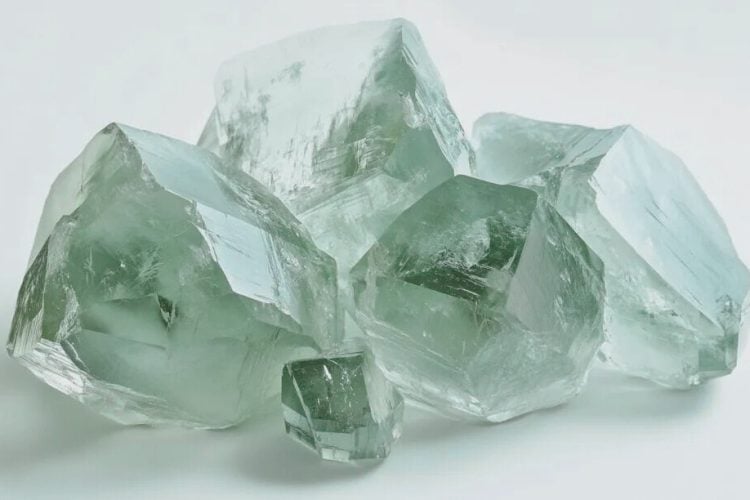
Table of Contents
What is Green Amethyst?
What is Green Amethyst?
Green amethyst, also known as prasiolite, is a green variety of quartz admired for its fresh, soft color and exceptional clarity. While “green amethyst” is the name most shoppers recognize, prasiolite is the proper gemological term used within the jewelry industry.
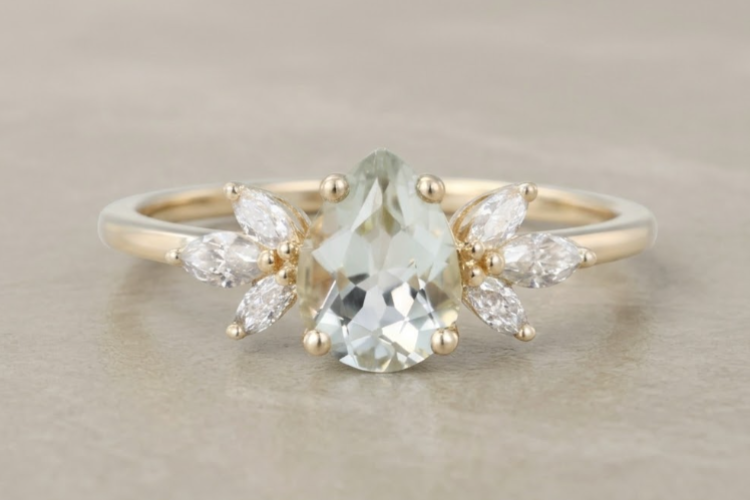
Unlike traditional purple amethyst, green amethyst displays subtle sage to olive-green hues that pair beautifully with yellow gold, white gold, and rose gold. Its understated color offers a refined alternative to emerald, making it increasingly popular in engagement rings and everyday fine jewelry.
Most green amethyst available today is created by carefully heating natural amethyst, a stable and widely accepted process that reveals its signature green color. Natural prasiolite also exists but is much rarer.
With its elegant appearance, affordable price, and versatile style, green amethyst has become a favorite for couples looking for a unique gemstone that feels both timeless and nature-inspired.
Is Green Amethyst Natural?
Is Green Amethyst Natural?
Yes—but there’s an important distinction.
Natural prasiolite does exist, but it is extremely rare. Most green amethyst used in jewelry today starts as natural purple amethyst that is carefully heat-treated to produce its soft green color.
This treatment is permanent, widely accepted in the jewelry industry, and does not change the stone’s chemical composition or durability. Because of this, heat-treated green amethyst is still considered a genuine quartz gemstone rather than an imitation.
When shopping, choose a reputable jeweler who clearly discloses whether the stone is natural prasiolite or heat-treated green amethyst, so you can buy with confidence.
Green Amethyst Formation
Green Amethyst Formation
- Natural Formation: In very rare cases, amethyst undergoes natural radiation exposure or geological heating, causing changes in the oxidation state of iron and turning its color from purple to green – forming Prasiolite.
- Artificial Treatment: Most green amethyst available in the market is produced by heating amethyst to approximately 500°C. This process is stable and widely accepted in the gemstone industry. (This type of Prasiolite is often referred to as green amethyst.)
Physical & Chemical Properties of Green Amethyst
Physical & Chemical Properties of Green Amethyst
- Composition: Silicon dioxide (SiO₂), part of the quartz family alongside amethyst and citrine.
- Hardness: Mohs scale of 7, making it suitable for daily wear.
- Refractive Index: 1.544–1.553 (single refraction).
- Color Stability: Prolonged exposure to strong sunlight may cause fading, so it is advisable to avoid excessive sun exposure.
Green Amethyst Primary Sources
Green Amethyst Primary Sources
- Brazil: Is the largest global source of amethyst, the primary origin of heat-treated green quartz and some natural Prasiolite.
- USA, Canada, Poland: Small quantities of natural Prasiolite can be found.
- Africa: Some mining areas produce untreated, light green amethyst.
Green Amethyst Meaning & Symbolism
Green Amethyst Meaning & Symbolism
Green amethyst is often associated with renewal, harmony, emotional balance, and personal growth. Its gentle green color evokes the freshness of nature, making it a meaningful gemstone for those entering a new chapter in life, whether it’s an engagement, anniversary, or personal milestone.
Unlike gemstones prized solely for rarity or brilliance, green amethyst is appreciated for the calm and understated elegance it represents. Many people choose it as a reminder to embrace patience, clarity, and positive change.
Although these symbolic meanings come from historical traditions and modern gemstone beliefs rather than scientific evidence, they continue to make green amethyst a popular choice for meaningful jewelry.
Green Amethyst Benefits
Green Amethyst Benefits
While gemstones aren’t scientifically proven to provide healing effects, green amethyst has long been connected with qualities that many wearers find personally meaningful.
It is commonly believed to symbolize:
- Emotional balance – encouraging calmness and reducing everyday stress.
- Personal growth – representing fresh starts and positive transformation.
- Clarity of mind – inspiring thoughtful decisions and inner peace.
- Connection with nature – reflecting harmony, renewal, and organic beauty.
For many people, these associations are what make green amethyst feel more personal than traditional gemstones.
Green Amethyst Value & Price
Green Amethyst Value & Price
One reason green amethyst has become increasingly popular is its excellent balance between beauty and affordability.
Compared with emeralds or green sapphires, green amethyst offers a similar fresh green appearance at a much more accessible price. Because most jewelry-quality stones are heat-treated from natural amethyst, they are readily available without the premium cost associated with rarer gemstones.
Several factors influence the value of a green amethyst:
- Color: Stones with an even, soft green hue are generally the most desirable.
- Clarity: High transparency with minimal visible inclusions is preferred.
- Cut: Well-proportioned cuts maximize brilliance and highlight the gemstone’s delicate color.
- Carat weight: Larger stones are less common and typically command higher prices.
Rather than being valued for rarity alone, green amethyst is appreciated for offering elegant color, excellent clarity, and versatile styling at a price that suits a wide range of budgets.
Green Amethyst vs. Other Green Gemstones
Green Amethyst vs. Other Green Gemstones
| Gemstone | Color | Durability (Mohs) | Pricce | Best For |
|---|---|---|---|---|
| Green Amethyst | Soft sage to light green | 7 | $$ | Everyday elegance and affordable fine jewelry |
| Emerald | Rich, vivid green | 7.5–8 | $$$$ | Luxury investment pieces |
| Green Sapphire | Medium to deep green | 9 | $$$ | Daily wear with excellent durability |
| Peridot | Bright yellowish green | 6.5–7 | $$ | Colorful, budget-friendly jewelry |
If you’re looking for a gemstone that combines natural beauty, versatility, and value, green amethyst is an excellent choice. It offers a refined alternative to traditional green gemstones while remaining suitable for engagement rings, promise rings, earrings, and everyday jewelry.
How to Differentiate Natural Prasiolite from Treated Green Amethyst?
How to Differentiate Natural Prasiolite from Treated Green Amethyst?
Wondering how to tell the difference between natural Prasiolite and artificially treated green amethyst? Below are detailed methods for identification, including visual inspection and professional testing:
1. Color Observation
1. Color Observation
- Natural Prasiolite usually exhibits a soft pale green hue with yellow or grayish tones. Highly saturated green shades are extremely rare. Its color distribution is naturally uneven, often displaying gradual transitions or color zoning.
- Treated Green Amethyst typically has a bright, evenly distributed green color, often leaning towards cool-toned mint green or bluish-green. It rarely shows color zoning or gradients.
2. Microscopic Examination of Inclusions and Internal Features
2. Microscopic Examination of Inclusions and Internal Features
- Natural Prasiolite common inclusions include two-phase (gas-liquid) inclusions, needle-like rutile, or hematite crystals. It may also show natural growth lines (parallel striations or hexagonal crystal structures) and occasionally natural healing fractures with feather-like or cloudy edges.
- Treated Green Amethyst may retain the original amethyst color banding. “Fried egg”-like white cracks around inclusions (caused by heat-induced fractures). Poorly treated stones may show surface burn marks or color concentration zones.
3.Professional Gem Testing
3.Professional Gem Testing
If you need a definitive identification, professional gemological testing is the most reliable option. Gemologists may use specialized equipment to examine:
- UV Fluorescence: Natural prasiolite usually shows little or no fluorescence under UV light, while treated stones may respond differently.
- Spectroscope Analysis: The absorption spectrum can reveal trace elements and help distinguish natural prasiolite from heat-treated material.
- Microscopic Examination: Under magnification, experts can identify natural crystal growth patterns and internal features that indicate whether the stone formed naturally or has been heat treated.
- Tip: Laboratory testing is the most accurate way to verify high-value green amethyst or prasiolite, especially when purchasing collector-grade gemstones.
4. Certification Identification
4. Certification Identification
This is the easiest and most reliable method. Check the gemological certificate issued by the authority (e.g. GIA, AGL), these certificates will clearly state the origin of the color:
- Natural Prasiolite: “Color is natural“.
- Heat-treated Green Amethyst: “Color is due to heat treatment“.
5. Simple Test Method (Use with Caution)
5. Simple Test Method (Use with Caution)
Low-Temperature Fading Test: Place the gemstone in a -20°C environment (e.g., a household freezer) for several hours:
- Treated Green Amethyst: May temporarily revert to purple (reversible iron valence change).
- Natural Prasiolite: Remains color-stable and unchanged.
Warning: This method may damage the gemstone, so use it with caution!
Green Amethyst Daily Cleaning & Care Tips
Green Amethyst Daily Cleaning & Care Tips
- Avoid prolonged exposure to sunlight to prevent color fading, especially for heat-treated green amethyst.
- Use mild soapy water and a soft cloth for cleaning. Avoid ultrasonic cleaning.
- Store separately from harder gemstones (e.g., diamonds) to prevent scratches.
Is Green Amethyst Right for You?
Is Green Amethyst Right for You?
Green amethyst is an excellent choice for anyone looking for a gemstone that combines natural beauty, affordability, and timeless elegance. Its soft green color offers a refreshing alternative to traditional gemstones, while its versatility makes it suitable for everything from engagement rings to everyday jewelry.
Green amethyst may be the perfect fit if you:
- Prefer subtle, elegant colors over bold, vibrant gemstones.
- Appreciate nature-inspired or vintage jewelry designs.
- Want a meaningful gemstone without the high price of emerald.
- Are looking for a durable gemstone suitable for regular wear with proper care.
Whether you’re celebrating an engagement, anniversary, birthday, or simply adding something unique to your jewelry collection, green amethyst offers lasting beauty and personal significance.

Final Thoughts
Final Thoughts
Green amethyst, or prasiolite, has become increasingly popular for good reason. Its gentle green color, accessible price, and timeless appeal make it a beautiful alternative to traditional gemstones.
From understanding how it forms to exploring its symbolism, value, durability, and jewelry styles, knowing more about green amethyst helps you choose a piece you’ll enjoy for years to come.
If you’re drawn to elegant, nature-inspired gemstones with understated charm, green amethyst is well worth considering.
Explore our handcrafted green amethyst rings, necklaces, and earrings to discover a design that reflects your personal style and celebrates life’s meaningful moments.
FAQs
FAQs
Is Green Amethyst Natural?
Natural prasiolite is very rare. Most green amethyst used in jewelry is created by heat-treating natural amethyst, a permanent and widely accepted process that produces its characteristic green color.
Is green amethyst the same as prasiolite?
Yes. Prasiolite is the proper gemological name for the gemstone commonly marketed as green amethyst. While “green amethyst” is widely used in the jewelry industry, both names typically refer to the same green variety of quartz.
Can green amethyst be worn every day?
Yes. With a Mohs hardness of 7, green amethyst is suitable for everyday wear when properly cared for. Removing rings during heavy activities and cleaning them regularly will help preserve their beauty.
Does green amethyst have any symbolic meaning?
Green amethyst is commonly associated with renewal, balance, clarity, and personal growth. Although these meanings come from historical traditions rather than scientific evidence, they continue to make the gemstone a meaningful choice for gifts and milestone jewelry.
Is green amethyst good for engagement rings?
Yes. Green amethyst offers a distinctive alternative to traditional center stones, especially for couples who appreciate nature-inspired designs and want an elegant gemstone at an accessible price. With proper care, it can be a beautiful choice for an engagement ring.
Does green amethyst fade over time?
Green Amethyst sun exposure may cause lightening, but normal wear has minimal impact.
Some heat-treated Green Amethyst may temporarily turn purple in low temperatures (around -20°C) due to reversible oxidation states of iron but will return to green at room temperature. This phenomenon can be used for an experimental observation (handle with caution).