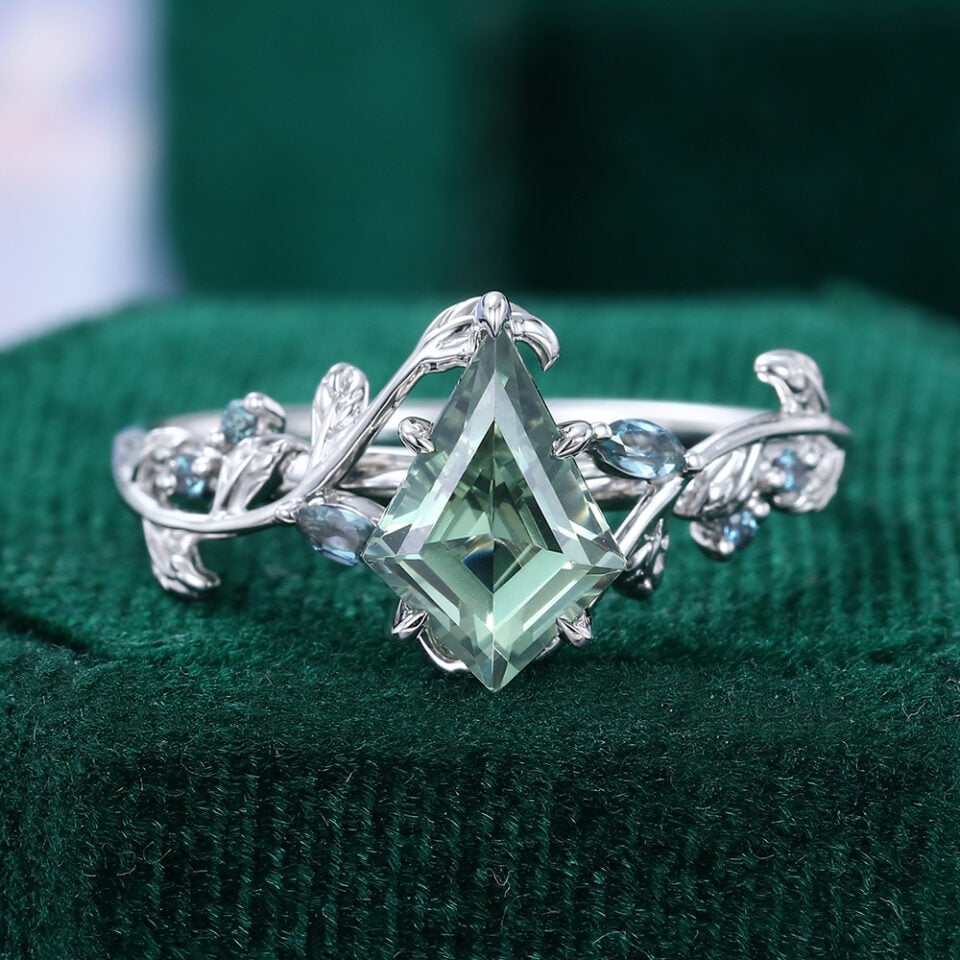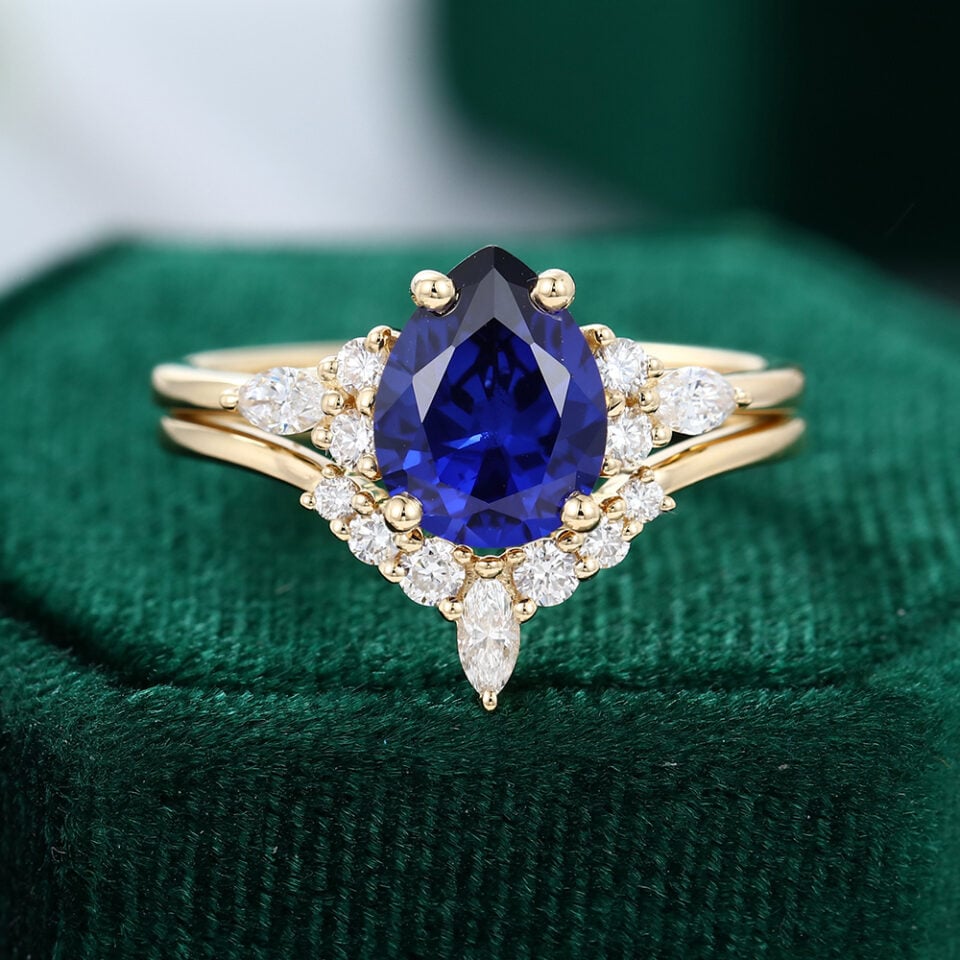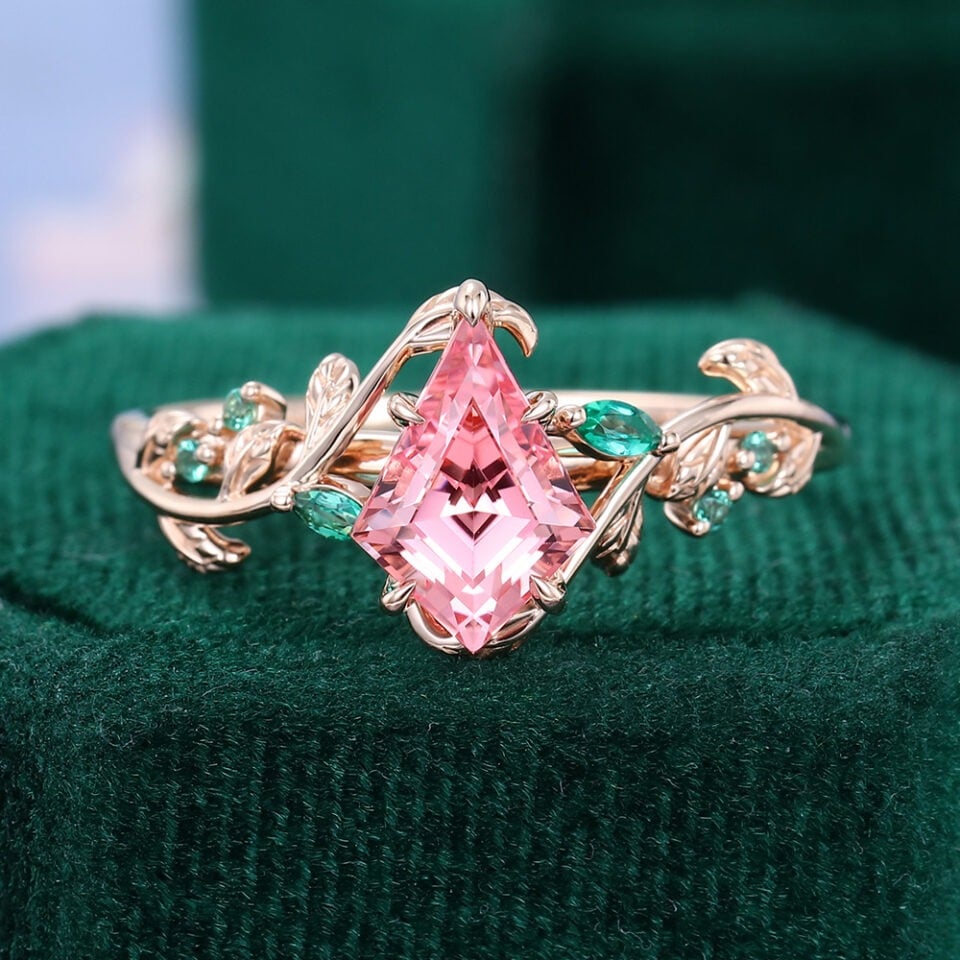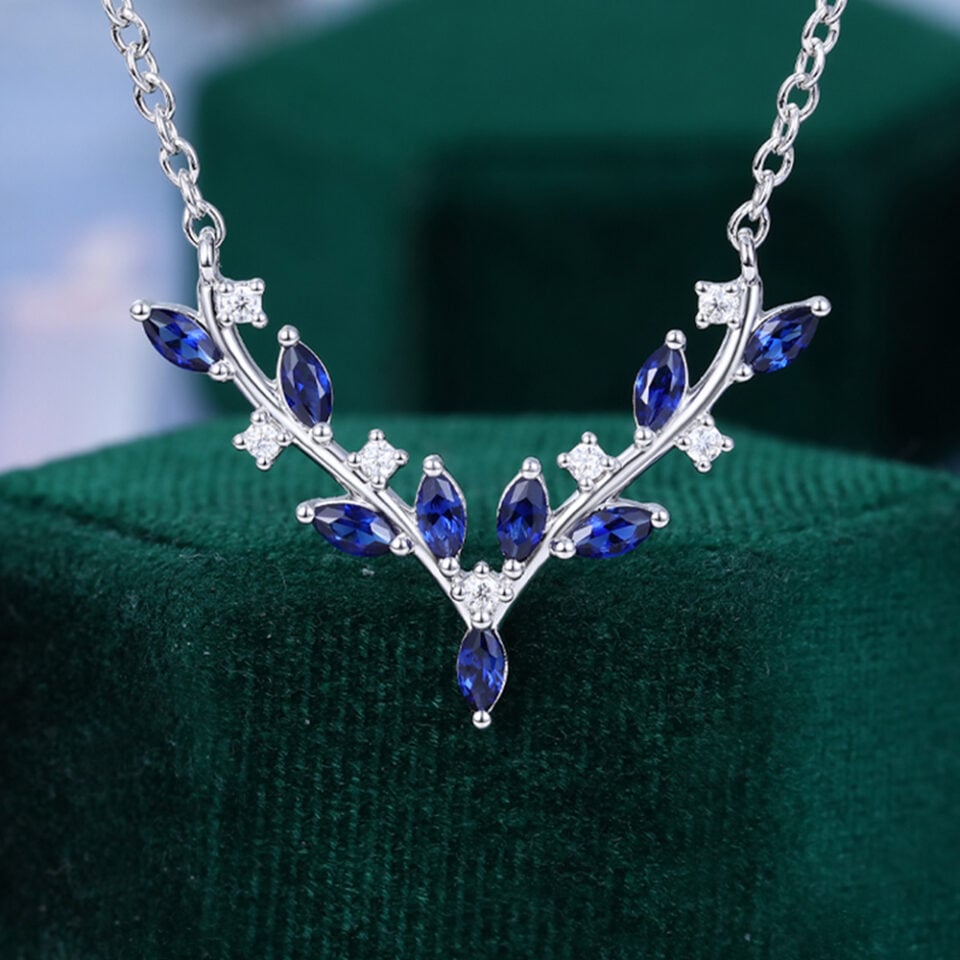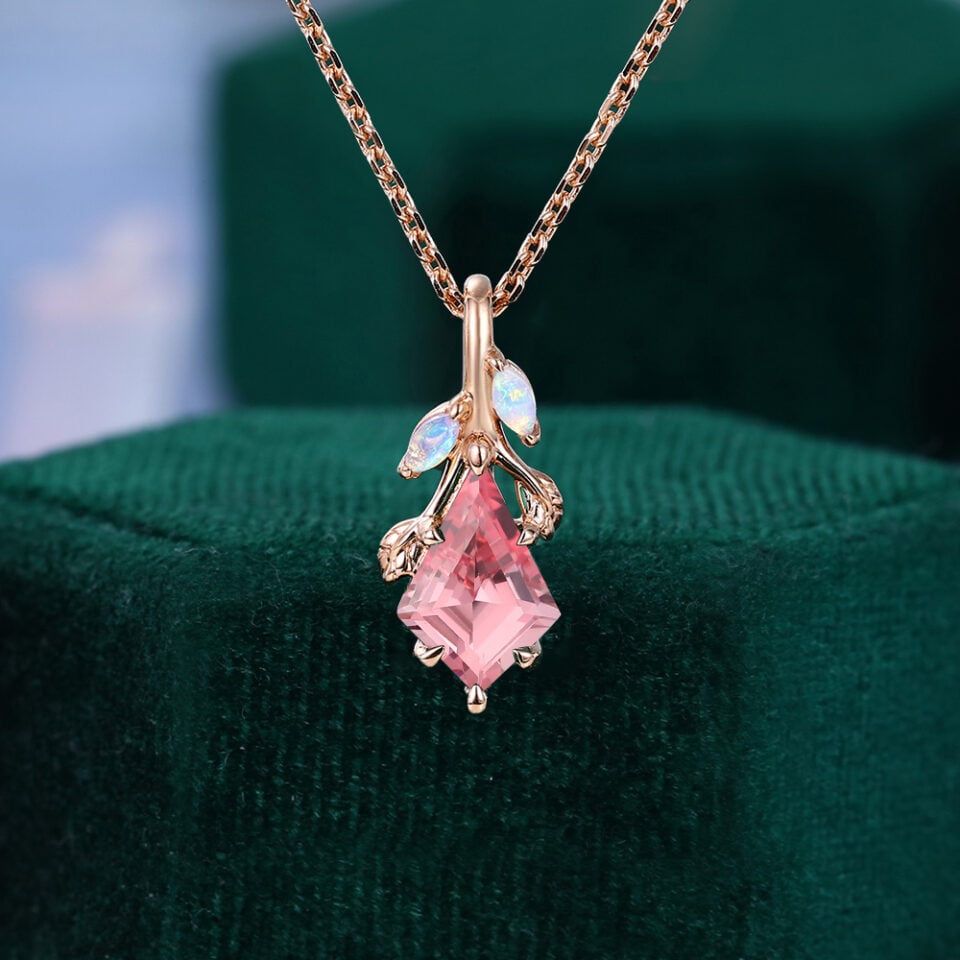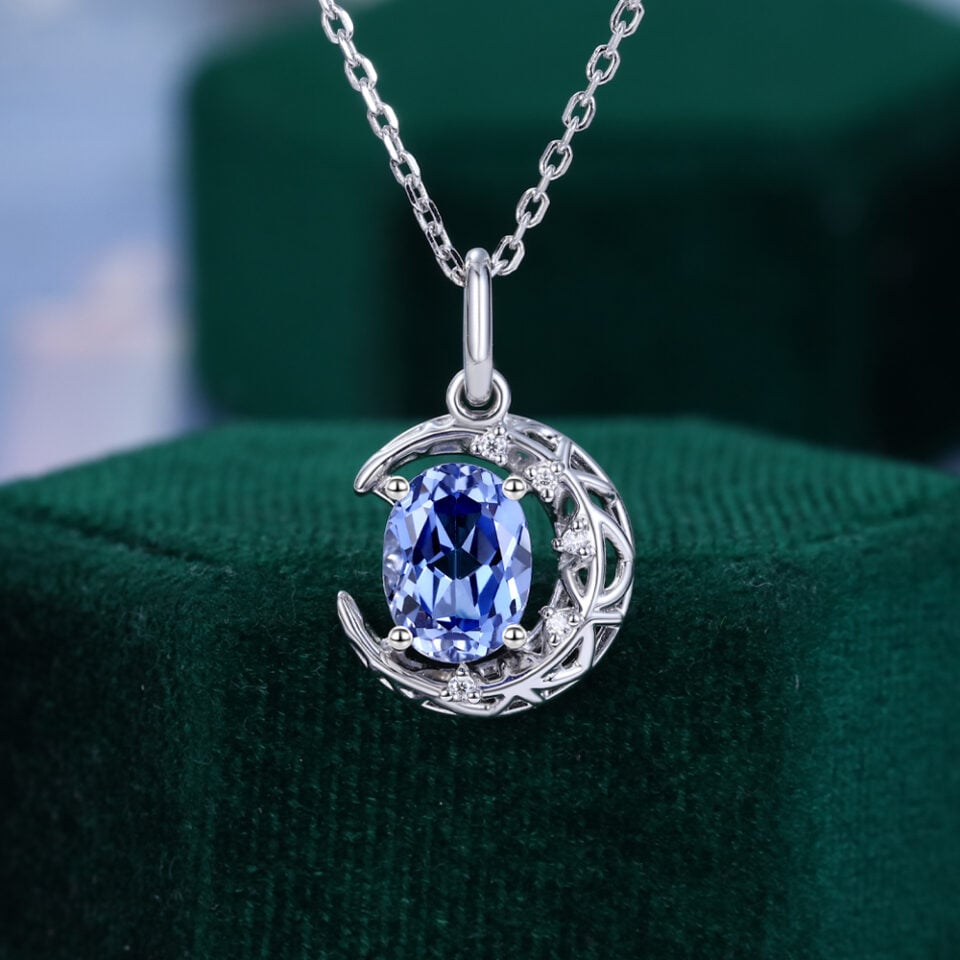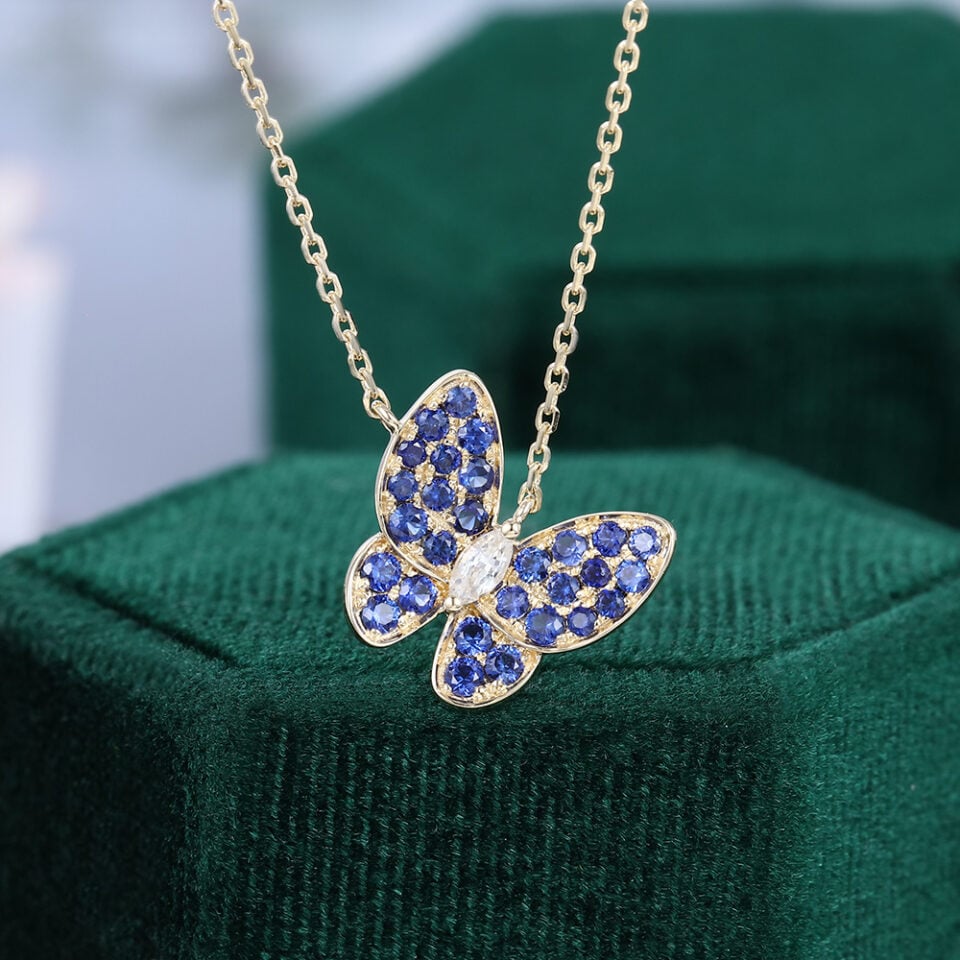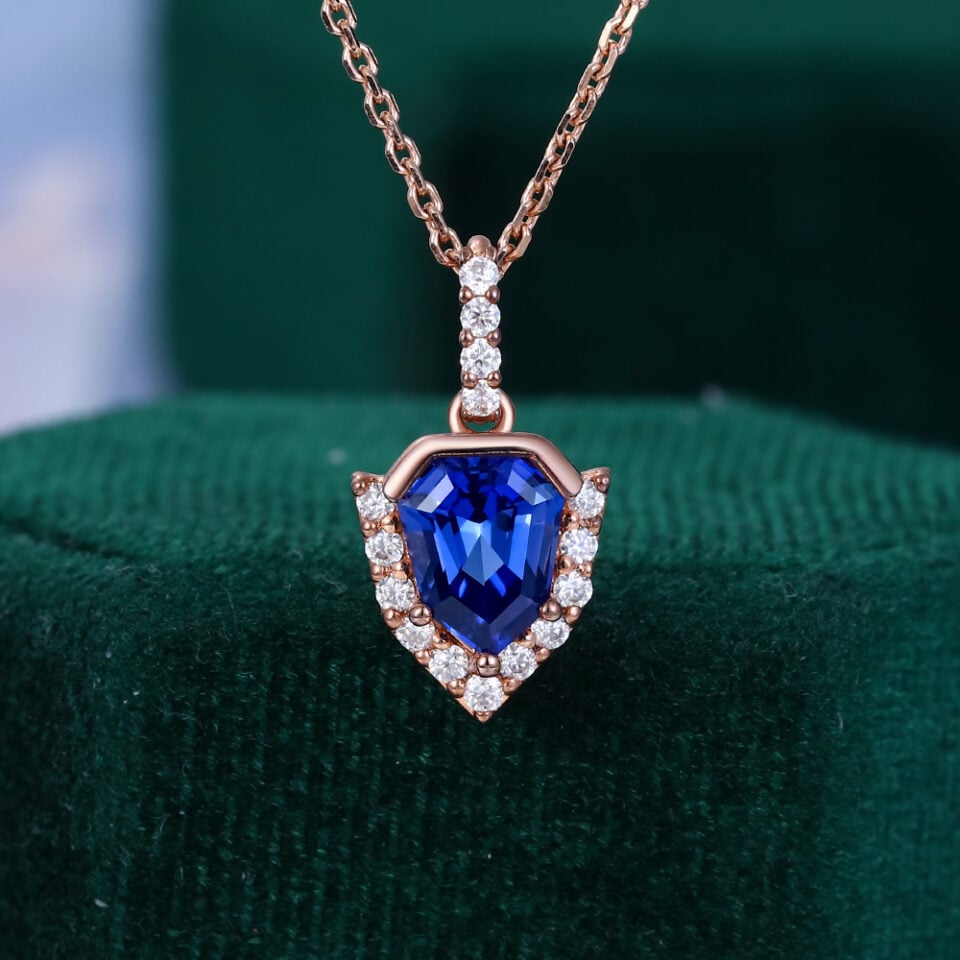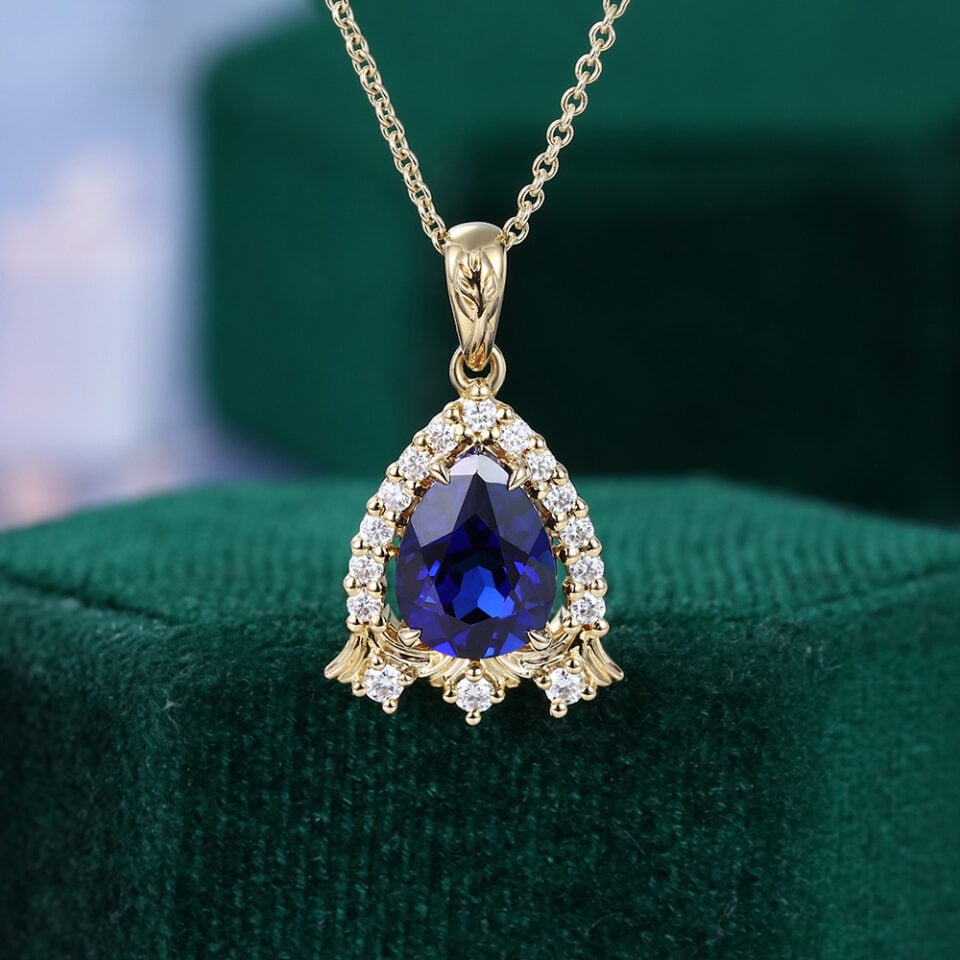
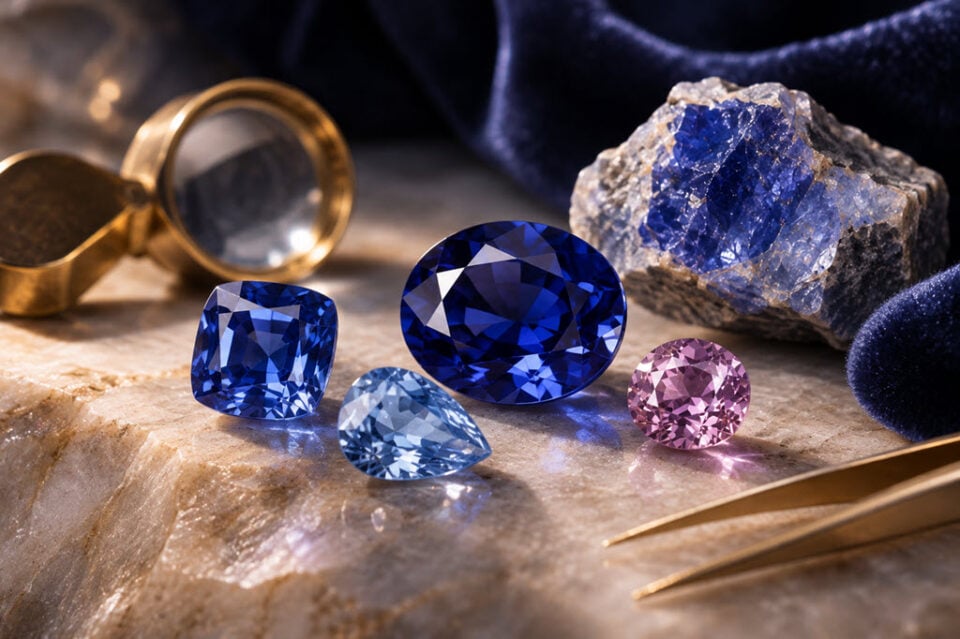


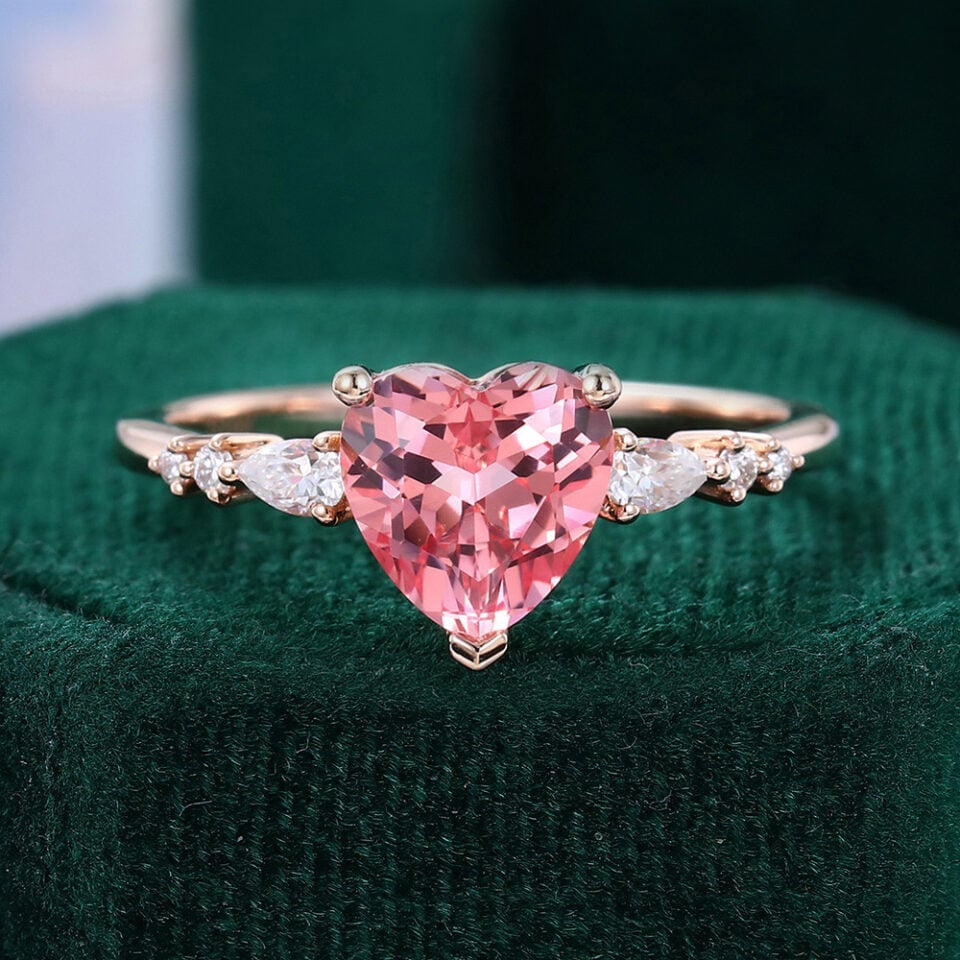
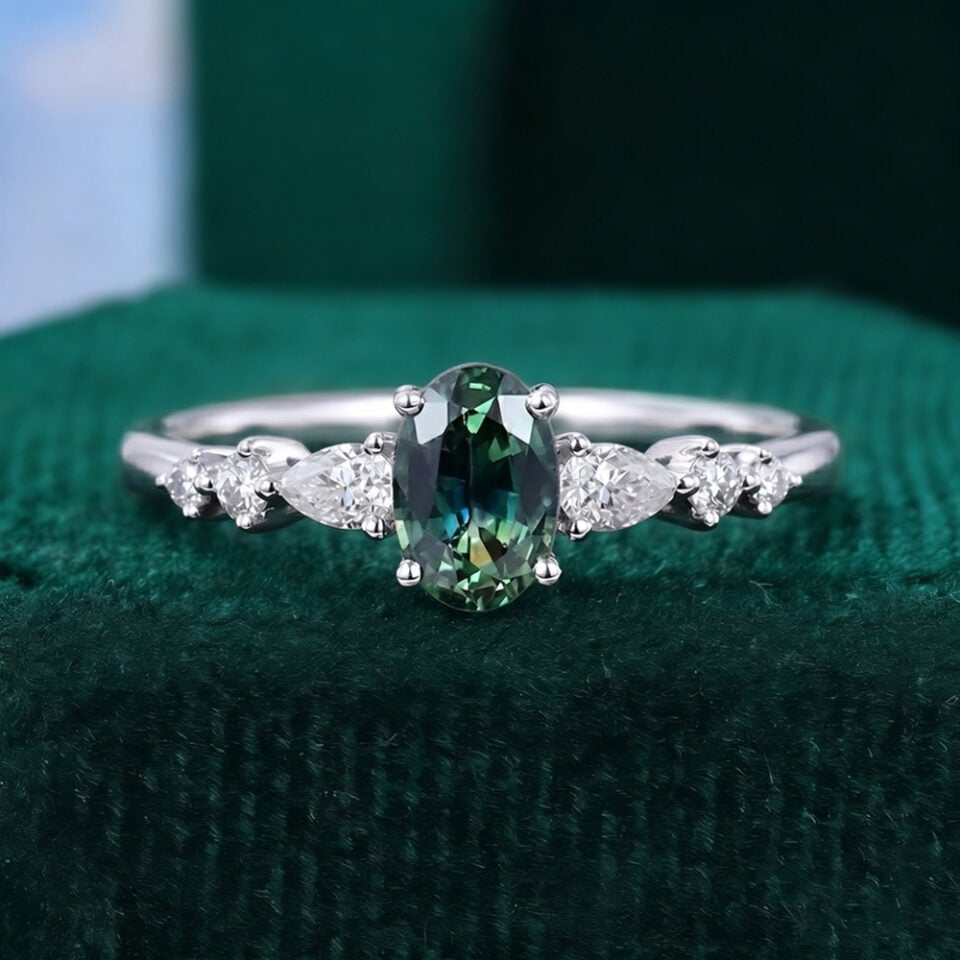
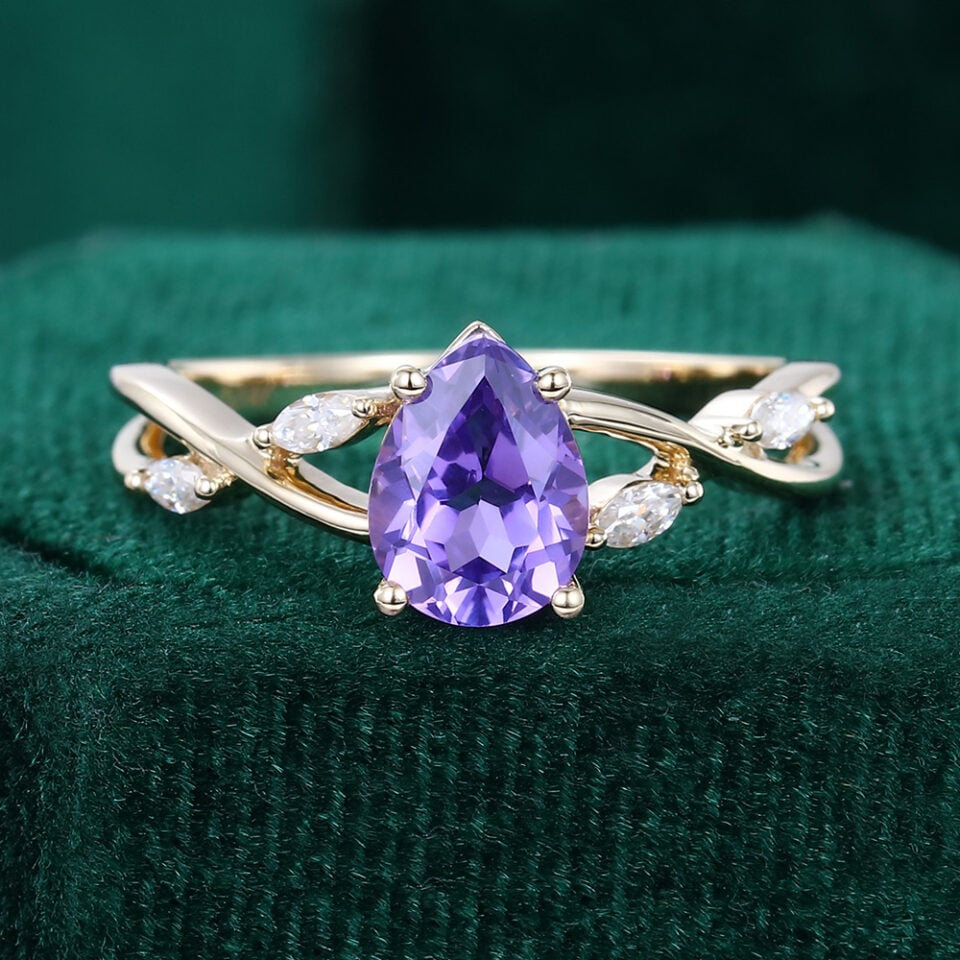


It’s easy to see why sapphire rings, necklaces, and earrings are so admired, but their rarity is another story. These gemstones are found in many parts of the world, yet certain varieties are so exceptional that collectors may spend years searching for them.
How rare are sapphires, then? And what makes one stone far more valuable or sought-after than another? The answer lies in a fascinating combination of natural formation, quality, and scarcity.
Are Sapphires Rare? The Short Answer
Simply put, it depends. Commercial-quality natural sapphires and lab-grown alternatives are relatively accessible, while exceptional natural sapphires are much rarer.
A vivid, richly saturated color, eye-clean appearance, and no heat treatment are a particularly desirable combination. Finding all these characteristics in one natural sapphire is relatively uncommon.
What Makes One Sapphire Rarer Than Another?
Four key factors shape sapphire rarity. Even two gemstones that look nearly identical at first glance can differ significantly in how rare and valuable they are.
Exceptional Color and Natural Clarity
Color is one of the biggest factors in sapphire quality and rarity. A stone’s hue, tone, and saturation all matter, but finding a sapphire with rich color and excellent transparency is especially difficult. The most desirable examples often display:
Large Carat Weight
Size also makes a huge difference when it comes to how rare a sapphire is. A beautiful 1-carat stone is generally easier to come by than a 5- or 10-carat sapphire with the same level of quality.
The larger the stone, the harder it becomes to find one with excellent color, clarity, and structural integrity. That growing scarcity helps explain why fine-quality large sapphires can cost significantly more per carat.
Unheated Sapphires
As we’ve covered in our guide to sapphire types, heat treatment is common in the sapphire market, often used to improve color and clarity. That makes fine-quality unheated stones especially sought after when they already have excellent color and transparency.
💡 Important: Unheated doesn’t always mean better. A sapphire with poor natural color may be less desirable than a beautifully colored heated stone.
Origin and Limited Supply
How rare is sapphire? Where a stone comes from can influence its scarcity, too. Kashmir, Myanmar (Burma), and Sri Lanka (Ceylon) have long been associated with some of the world’s most admired sapphires.
Superior stones from these historic sources can be difficult to find, particularly those from Kashmir, where supplies of fine-quality material are extremely limited.
What Is the Rarest Type of Sapphire?
Not every sapphire variety is considered rare. When assessing scarcity, gemologists often look at their color, optical phenomena, and trace element combinations. The following four types are worth knowing.
1. Padparadscha Sapphires
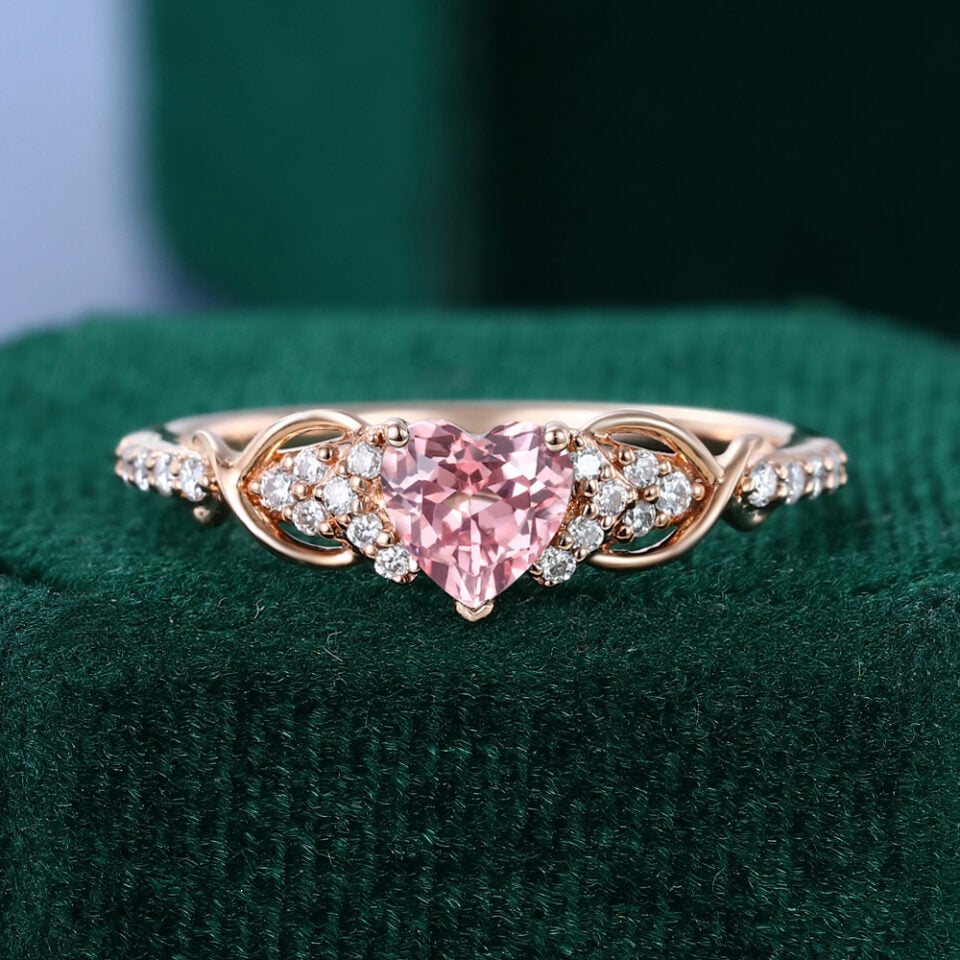
Named after the Sinhalese word for “lotus blossom,” padparadscha sapphires are appreciated for their unusual mix of soft pink and orange, much like the colors of a fading sunset. The finest examples balance both shades beautifully, making them especially desirable to collectors. Still, gemologists don’t always agree on exactly which colors qualify as padparadscha.
2. Fine Kashmir Blue Sapphires
Among the world’s most coveted blue gemstones, Kashmir sapphires stand out for their velvety cornflower-blue hue and soft, almost luminous appearance. This distinctive glow contributes to their enduring appeal among collectors.
Mined from historic Himalayan deposits during a relatively brief period, these sapphires have become increasingly rare, with well-documented specimens often fetching significant premiums.
3. Fancy Color Sapphires
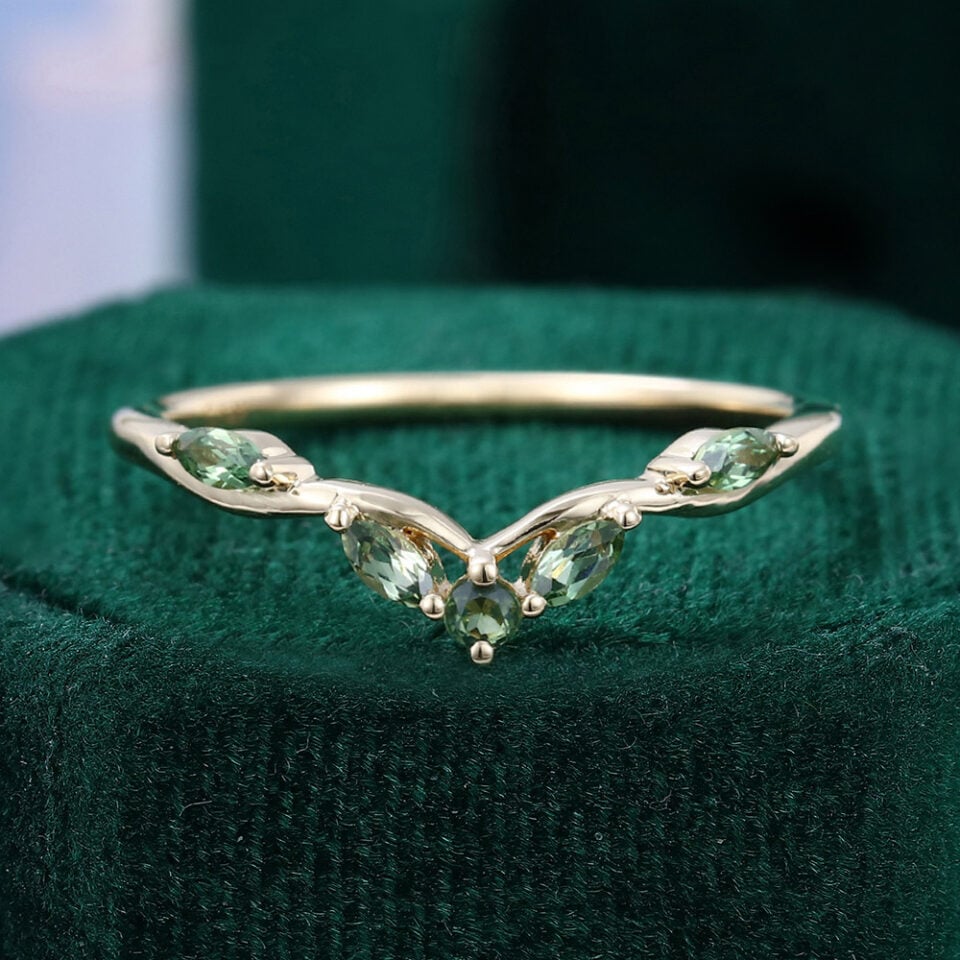
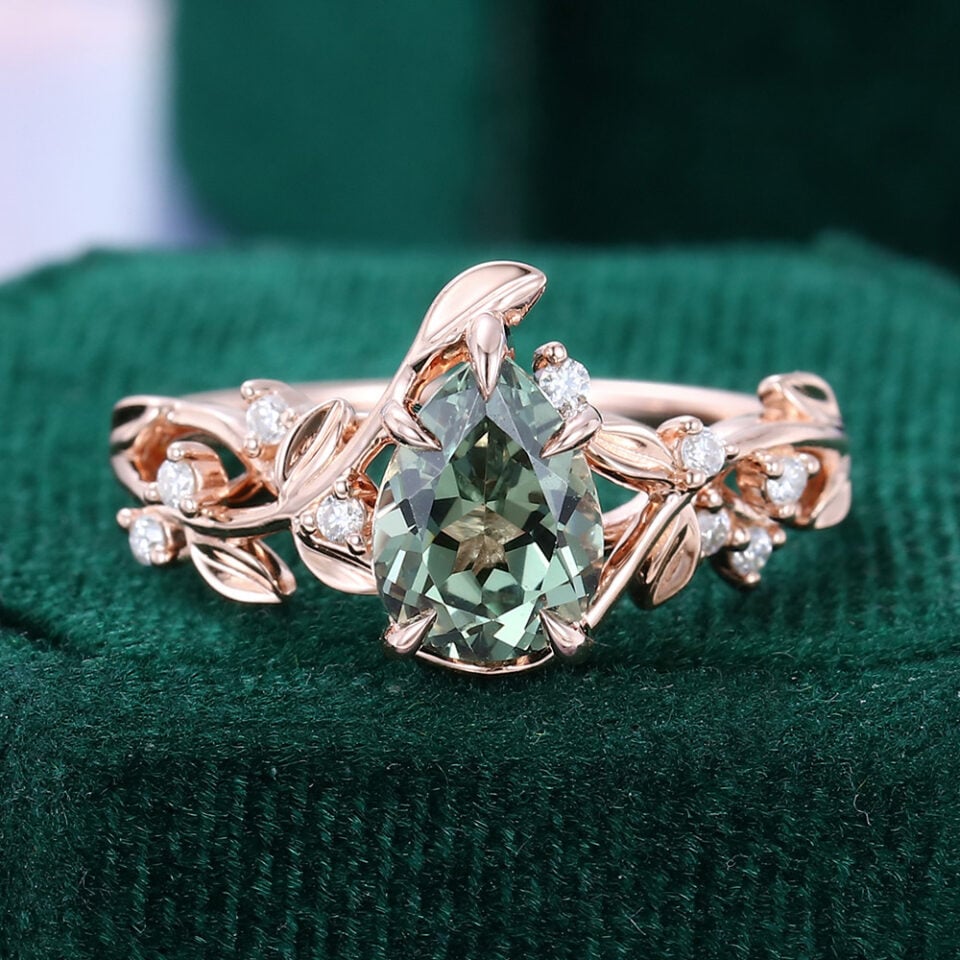
While blue is the classic sapphire color, these gemstones also occur in pink, purple, green, yellow, and other attractive shades. However, fancy colors aren’t universally rare. Their scarcity depends on the particular shade and its quality.
An attractive pink sapphire or teal sapphire may be distinctive without being exceptionally scarce, while certain vivid, well-balanced colors are much harder to source.
4. Color-Change and Star Sapphires
Color-change sapphires reveal different colors under different light sources, often shifting from blue-green in fluorescent lighting to reddish-purple under incandescent light.
On the other hand, star sapphires display another remarkable effect: a luminous, star-shaped pattern known as asterism across their polished surface. Both phenomena are uncommon and rely on specific optical properties within the gemstone.
How Rare Is It to Find a Sapphire? A Geological Perspective
Discovering sapphire-bearing deposits does not guarantee a supply of gem-quality crystals. The formation of sapphires requires specific geological conditions and sufficient aluminum oxide. Even after mining, rough stones may be too fractured, opaque, poorly colored, or small to produce attractive faceted gems.
Overall, there is currently no dependable industry-wide percentage for the occurrence of gem-quality sapphires. Unlike lab-grown stones, natural pieces vary considerably across deposits in terms of available reserves, mining difficulty, and the quality of the crystals recovered.
Sapphire Rarity Compared With Diamonds and Rubies
To get a better sense of how rare sapphires really are, it helps to compare them with two other iconic luxury gemstones: diamonds and rubies.
| Feature / Metric | Natural Sapphire | Natural Diamond | Natural Ruby |
|---|---|---|---|
| Mineral Family | Corundum (Al₂O₃) | Pure Carbon (C) | Corundum (Al₂O₃) |
| General Availability | Commercial grades widely available | Commercial grades widely available | Commercial grades available |
| Exceptional Rarity | Fine color, large size, and unheated quality | Rare natural colors, exceptional clarity, and large size | Fine vivid red color, high clarity, and large size |
| Key Rarity Factors | Color, treatment, size, and origin | Color, clarity, size, and natural characteristics | Color, treatment, size, and origin |
Is Sapphire Rarer Than Diamond?
The answer depends on what you’re comparing. Diamonds and sapphires are both widely available in jewelry stores, but fine-quality, untreated natural sapphires in vivid colors may be far scarcer than ordinary diamonds.
The same is true of diamonds. Those with unusual natural colors or superior quality may be just as difficult to find. Ultimately, there is no universal rarity ranking that applies to every stone.
👉 For a comparison of colorless options, see our guide on white sapphire vs diamond.
Gemstone Siblings: Sapphire vs. Ruby Scarcity
Buyers also often wonder whether sapphires are rarer than rubies. Interestingly, these two gemstones are mineral siblings, as both belong to the corundum family and share the same basic chemical composition.
When comparing sapphires and rubies, their rarity hinges on color, quality, and availability. Fine-quality sapphires in certain highly desirable hues can be exceptionally scarce, while top-quality rubies are also among the rarest gemstones.
Does a Rare Sapphire Make a Better Jewelry Choice?
A rare sapphire may be valuable, but scarcity alone doesn’t make it the right choice for you. The way a stone is cut, how it looks in a setting, and the meaning it holds can be just as important.
Before selecting your sapphire jewelry, keep these four things in mind:
🌟 If one of these styles speaks to you, browse MollyJewelryUS‘s collections of sapphire rings and sapphire necklaces, where thoughtful designs meet a range of styles and budgets.
FAQs About Sapphire Rarity
Blue sapphires are relatively accessible in commercial grades, but top-quality stones with vivid, velvety color, excellent transparency, and significant size are considerably rarer.
Rarity directly elevates price per carat, particularly for unheated gems, large carat sizes, and rare colors like Padparadscha or Kashmir blue.
Yes. Natural sapphires depend on geological deposits and mining, while lab-grown sapphires can be produced under controlled conditions, making their supply more predictable.
Fine, saturated royal or cornflower blue sapphires in unheated conditions are generally rarer than commercial yellow or green varieties.
Appearance offers clues, but it cannot reliably establish natural origin, treatments, or geographic provenance. For valuable stones, an independent gemological report is still advisable.
Not necessarily. Unheated sapphires vary widely in quality. Those combining outstanding natural color, clarity, and size are especially scarce.
Final Thoughts
So, how rare are sapphires? As we’ve seen, it hinges on what makes each stone special. Think of the delicate sunset colors of padparadscha sapphires or the velvety blue tones of exceptional Kashmir gems. These are the qualities that make certain sapphires so difficult to find.
Still, rarity is only one part of a sapphire’s allure. A stone that feels right for your personal style may be far more rewarding than one chosen simply for its scarcity.
Planning for an important moment? Use the tool below to check the estimated delivery window for your handcrafted jewelry.
If you order today, your jewelry is estimated to arrive within these windows.
General (All Materials)
Calculating...
Expedited (Solid Gold & Platinum)
Calculating...
Expedited (Silver & Gold Plated)
Calculating...
Handcrafted to Order, Delivered Worldwide
Every piece is handmade after your order is placed. The estimated windows above include both our crafting time and shipping time, so you can plan with more confidence. We ship within the United States and to many international destinations. Please note that delivery times may vary slightly depending on the destination, carrier, and customs processing.
Metal Material Guide
Choosing the right metal is key to your jewelry’s look and longevity. Here is a quick breakdown to help you find your perfect match!
Quick Picks
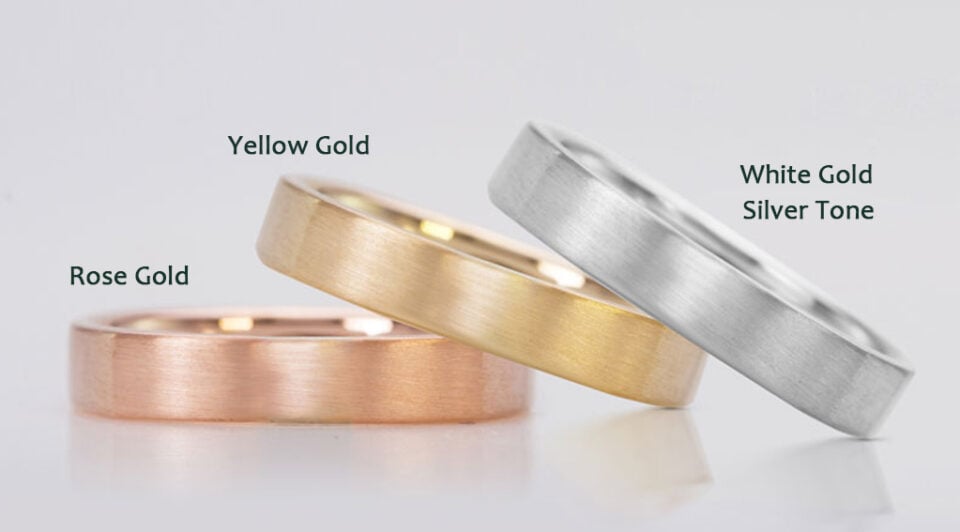
Not sure where to start? This chart highlights the most durable and preferred metal options categorized by color.
| Metal Color | Best Choice |
|---|---|
| Yellow Gold | 14K Yellow Gold ✅ |
| Rose Gold | 14K Rose Gold ✅ |
| Silver-Tone | Platinum ✅ |
Metal Options Explained
· Solid Gold(10K, 14K & 18K)
Solid gold is gold throughout, not just a surface finish. It is made by blending pure gold with other metals to create different balances of color, strength, and value.
* 10K Gold – Practical Choice
Gold Purity: 41.7%. A durable solid gold option with a more subtle gold tone. It is a practical choice if you want real gold at a more accessible price.
* 14K Gold – Most Popular 🔥
Gold Purity: 58.5%. Our most recommended choice for yellow gold and rose gold jewelry. It offers the best balance of color, durability, and everyday wear.
* 18K Gold – Premium Choice
Gold Purity: 75%. A richer, warmer gold option with a higher gold content. It has a more luxurious color and lower sensitization potential.
· Platinum 🔥
Made from 95% pure platinum. Our top choice for silver-tone jewelry. Naturally bright, strong, allergy-friendly, and low-maintenance, platinum is ideal for engagement/wedding rings and long-term daily wear.
· Sterling Silver
Made from 92.5% pure silver. A beautiful and budget-friendly choice with a bright silver look. Best for lighter or occasional wear, as silver may require more care over time.
· Gold Plated Silver
A lower-budget option with the look of gold over a sterling silver base. It is a lovely choice for occasional wear, but the plating may fade with frequent daily use.
Introduction
From an environmental sustainability perspective, all of our items are made to order. This production approach allows us to minimize raw material waste, avoid overproduction, and ensure that each piece is crafted specifically for the customer in optimal condition.
Please note that production typically takes approximately 2–3 weeks. As each item is individually made with care and attention to detail, we believe the additional time ensures a higher level of quality and craftsmanship.
Production Time
Please allow an additional 4 business days for Silver and Platinum pieces. Weekends and public holidays are not counted as business days.
Shipping time
Shipping Fee
About Customs Duties
Need Help?
Finding a wedding band that truly fits your engagement ring can be challenging. With our Custom Fit Service, any curved wedding band, enhancer wedding band, or open wedding band can be tailored to match your ring’s exact shape — even if your engagement ring was not purchased from us. In this guide, we’ll walk you through our services and processes in detail. Let’s get started!
Why do you need a custom wedding band?
More and more couples are choosing unique, personalized engagement rings, making flexible customization options especially important when finding the right wedding band. Ready-made bands are designed with general curves and do not account for the specific height, stone shape, prong placement, or profile of your engagement ring.
When the band does not match the engagement ring, you may experience:
* Visible gaps between the two rings
* Rubbing or collisions that can loosen stones over time
* Instability, causing the rings to twist or catch on clothing
* A mismatched appearance that does not look intentional
To solve these problems, our custom-fit wedding bands eliminate them by tailoring to the exact structure of your engagement ring, ensuring a seamless fit, comfortable wear, and a cohesive look from every angle.

Case Study 1: Customizing the Curvature of a Curved Wedding Band
In this example, the engagement ring features an organic, asymmetrical cluster design, a structure that most ready-made curved bands cannot naturally follow.
The first image clearly shows this issue: the unmatched curvature leaves a gap in the left side and causes the two rings to sit separately rather than as a cohesive set.
After applying our Custom Fit Service, the wedding band’s curve was redesigned to mirror the exact outline of the engagement ring. The result is a customized curvature that fits snugly, creating a unified, intentional look from every angle.

Case Study 2: Customizing the Gap of a Open Wedding Band

Case Study 3: Customizing the Inner Spacing & Curvature of a Ring Enhancer
In this example, the customer chose a ring enhancer to frame an engagement ring with unique center setting and shank. However, the original enhancer was designed with general proportions: the inner spacing was too narrow, and the curvature did not match the engagement ring’s profile. As a result, the engagement ring could not slide in naturally, and the curvature is not the perfect one.
To create a perfect pairing, we adjusted two key elements:
1) Inner Spacing Adjustment: the gap between the two bands of the enhancer was widened so that the customer’s engagement ring could fit comfortably inside without friction or pressure on the prongs. This ensures the rings stack smoothly and remain stable during daily wear.
2) Curvature Refinement: we reshaped the curves to echo the exact outline of the engagement ring’s halo and basket. This prevents unwanted gaps and allows the enhancer to hug the ring in a balanced, symmetrical way.

How Our Custom Fit Service Works?
We make the custom-fit process easy and stress-free. Simply share photos and measurements, and we will customize a wedding band that matches your engagement ring beautifully — yes, without sending it in! Here’s how:
1) Share Photos and Measurements: To begin, we ask for clear photos of your engagement ring along with three specific views (front, side, and top).
We also need a few basic measurements such as: *Length & Width of the Center Stone, *Setting Height, *Band Width & Thickness
2) We Create a CAD Model of Your Engagement Ring: Using your photos and measurements, our designers build a precise digital model of your engagement ring. This allows us to see its curvature, profile, height, and overall structure accurately.
3) We Tailor the Wedding Band for a Perfect Fit: Based on the style you choose, whether it is a curved wedding band, open wedding band, or ring enhancer, we adjust every detail to match your engagement ring. This may include: 1️⃣ Refining the curvature to match your ring’s outline. 2️⃣ Adjusting the opening distance for open bands. 3️⃣ Modifying the inner spacing of enhancers to fit around the setting. 4️⃣ Matching band width or thickness when requested (extra cost might be required).
4) Modification Confirmation: We will share the customized design with you for confirmation. Once approved, we begin crafting your one-of-a-kind wedding band.
Our goal is to ensure your wedding band does more than sit beside your engagement ring — it should complement it flawlessly, as if it were made for your story from the beginning.


Frequently Asked Questions
No, you do not need to ship your ring to us. We can create a perfectly fitted wedding band using photos, three specific views, and a few simple measurements.
Yes. Our Custom Fit Service allows us to tailor any wedding band to match your engagement ring’s unique shape, height, and setting—whether it’s a solitaire, halo, cluster, three-stone, unique design, or a custom ring that is not purchased from us. We tweak all the details to ensure you get a perfect wedding set.
The initial modeling stage takes 1–3 days, during which we create a digital representation of your engagement ring and customize the band design. Once you approve the design, production typically takes 2–3 weeks, the same as you selected on the product page.
Yes. Our Custom Fit Service works for any engagement ring, regardless of where it was purchased.
Depending on the design you choose, we may adjust:
The curvature of the band
The opening distance of an open band
The inner spacing of a ring enhancer
The band width or thickness (extra cost might be required if needed)
Absolutely. We will send you a detailed digital mock-up showing how your curved band aligns with your engagement ring. Production only begins after you approve the design.
The service is $100, available as an add-on option on our wedding band product pages.
This is extremely rare due to the precision of our modeling process, but if an issue arises, please be confident that we stand behind our work. Rest assured that we will review the details and offer a solution based on the specific situation.
Yes. In many cases, a straight band can be reshaped with a custom curvature to match your engagement ring. Feel free to contact us if you have any customization ideas.
Yes, we can. In addition to our Custom Fit Service, which tailors a wedding band specifically to your engagement ring, we can create custom wedding band designs that are not listed on our site. Feel free to contact us if you are interested in working with us for something special!
Yes. We can customize men’s wedding rings to complement women’s engagement rings or wedding bands. Whether you want both rings to share matching silhouettes, profiles, design elements, or finishes, we can tailor the men’s band to create a coordinated and cohesive set that feels connected while still reflecting each person’s style.
1. Getting Started:
Online shopping offers a wide variety of choices, but when it comes to purchasing rings, it can be tricky—you can’t be certain of the fit without trying it on!
At MollyJewelryUS, we completely understand your concerns, which is why we’ve created this guide to make your decision easier.
Please take the time to carefully review this guide, as all of our rings are made to order, and a 35% restocking fee applies to exchanges and refunds.
Now, let’s walk you through the measurement process!
2. Key Points to Know About Ring Sizes:
1) Different Bandwidth Affects The Wearing Experience
2) Resizing Considerations
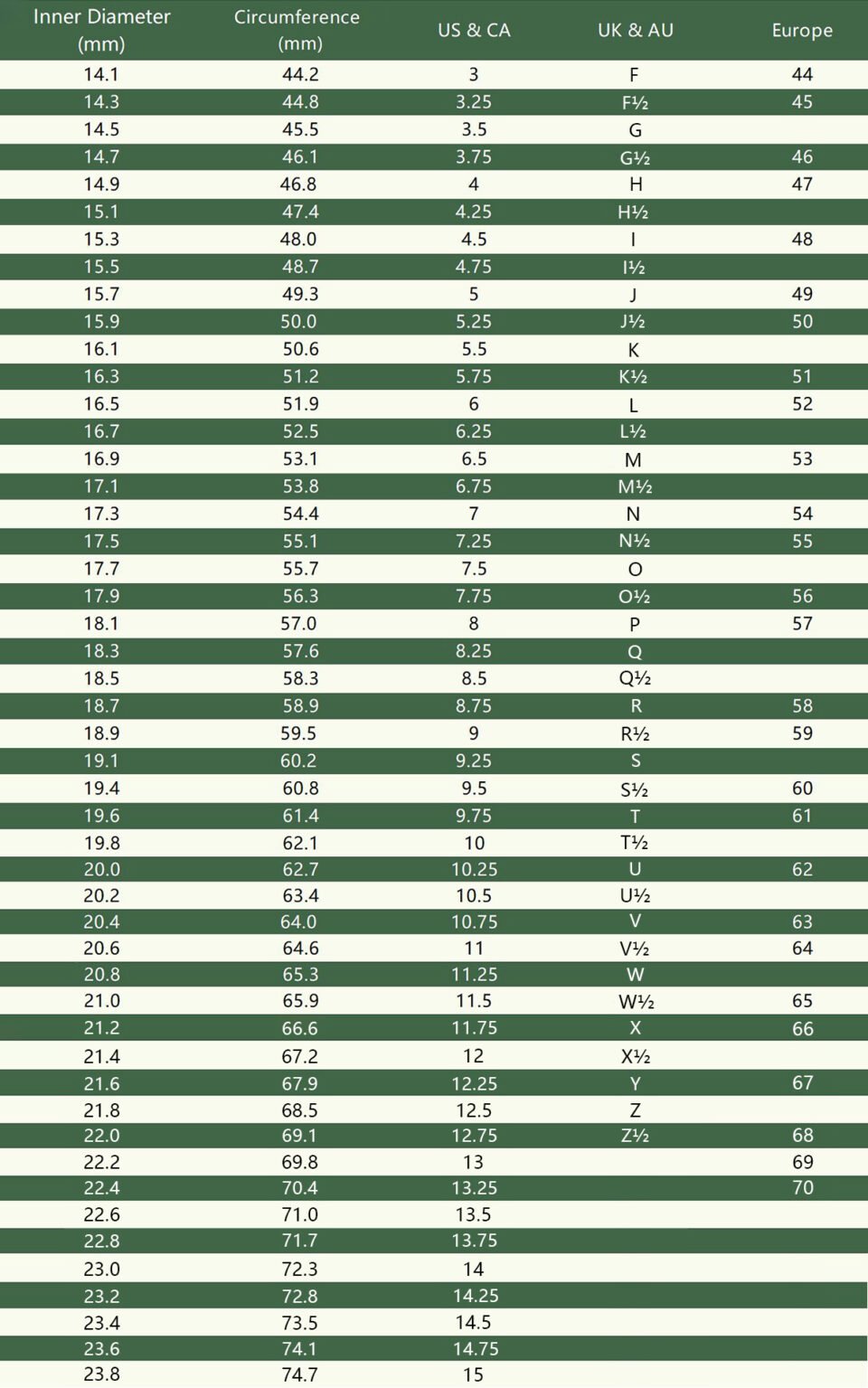
3. How To Determine Ring Size?
1) Measure A existing rings
* If you know there is a ring that fits perfectly, but you are not sure about its size: Measure the inside diameter and the band width by placing a ruler either on top of the ring or underneath it.
* Please send us some photos according to the following pictures, and we will assist you in choosing the correct size!


2) Use a ring size gauge to find out the perfect size
* If you don’t know the size at all, this would be the best way to take your measurements! Since it’s metallic, it more closely resembles the feeling of wearing a ring, and you can easily tell the size by checking the labels. If you want to be foolproof, you can also take a photo according to Method 1, and send it to us.

3) Use a ring sizer for the measurement

* Please don’t snap it too tightly or loosely, make sure it can turn around on your finger, but there are no gaps. Sending us a picture of wearing it on your finger would be helpful for the judgment.
4) Get sizing at your local jeweler
It’s a good idea to get sized at a nearby jeweler! However, please ask them about the bandwidth they usually use. Just like mentioned at the beginning, band widths affect how rings fit.
5) Measure the circumference of The finger
Unlike metal or plastic, paper strips and thread are thicker and more flexible. As a result, they can create a slight bulge or slack when wrapped around the finger, leading to a measurement slightly larger than the actual size.
Though this method is simple and convenient, it can only serve as a secondary reference, as it may not offer the same accuracy as professional ring-sizing tools.
Please measure multiple times to ensure errors are minimized. Additionally, please let us know the height and weight of the wearer so we can make better assessments.
*Use a strip of paper, a piece of string, or a measuring tape around your finger and mark the overlap. Then, take it off, make it straight, and measure from the beginning to the overlap.
Please send us a photo of the measuring strip or string.

*Use a strip of paper or a piece of string around your finger and mark the overlap. Then, take it off, make sure it is straight, and measure from the beginning to the overlap.
Please send us a photo of the measuring strip or string.
In conclusion: If you are measuring at home, sending us pictures of your measuring process is a very important step.
If you need any assistance, please get in touch with us at service@mollyjewelryus.com
4. Sizing & Design Tips
For ring sizes smaller than 4US
Rings with smaller circumferences have tighter curvature, which can put extra stress on the side settings and make side stones more prone to loosening over time.
We recommend choosing designs with fewer or smaller side stones to ensure long-lasting durability and comfort.
For ring sizes bigger than 9US
Larger rings naturally experience greater structural stress when worn, as the metal band spans a wider circle and endures more bending force during daily wear.
To maintain proper strength and balance, we suggest choosing styles with a band thickness of at least 1.6 mm. If you notice that the thickness listed on our product page does not meet this specification, feel free to contact us for customization.