- by MollyJewelryUS
- April 2, 2026
- Buying Guides
Have you ever taken off a pair of earrings only to notice redness, itching, swelling, or even a burning sensation around your piercings? Many users share the same frustration: “Why do my ears react to almost every pair I try?”
In many cases, these reactions are caused by metal sensitivity and often mistaken for infection. Allergic reactions usually show up as itching and irritation soon after wearing earrings, while infections tend to involve more persistent pain, warmth, or discharge.
Choosing the best earrings for sensitive ears shouldn’t feel like trial and error. It’s about understanding materials and comfort-focused designs. In this guide, we’ll help you find the best metal for sensitive ears and achieve irritation-free everyday wear.
Table of Contents
Table of Contents
- Why Do Some Earrings Irritate Sensitive Ears?
- Best Metals for Sensitive Ears
- Best Earring Styles for Sensitive Ears
- How to Choose Comfortable and Hypoallergenic Earrings?
- Earrings that You Should Avoid for Sensitive Ears
- Tips for Preventing Ear Irritation from Earrings
- Final Thoughts
- FAQs about Earrings for Sensitive Ears
Why Do Some Earrings Irritate Sensitive Ears?
Why Do Some Earrings Irritate Sensitive Ears?
There are many situations that may cause earring-related allergies. In most cases, low-quality metals, poor craftsmanship and improper wearing habits can all trigger contact dermatitis.
Common reasons for earring irritation include:
- Nickel Content: The top culprit that causes immune responses in millions of people.
- Plating Corrosion: Thin coatings can wear off and react with sweat, release metallic salts that sink into your skin.
- Friction and pressure: Sharp designed or heavy earrings might damage the edges of the piercing.
- Poor Hygiene: Water trapped or poor hygiene of earrings can buildup bacteria, which will lead to infection-like symptoms.
By understanding these factors, it becomes much easier to find the sensitive ears best earrings.
Best Metals for Sensitive Ears
Best Metals for Sensitive Ears
When it comes to sensitive skin, metal choice matters more than anything else. Sensitive-friendly earrings are usually labeled as “hypoallergenic”, which can significantly reduce the risk of irritation.
In this section, we’ll introduce the most common materials used in this type of earrings. Let’s take a closer look!
1. Titanium
1. Titanium
- Great Choice for: Fresh and sensitive piercings, or those with severe nickel allergies.
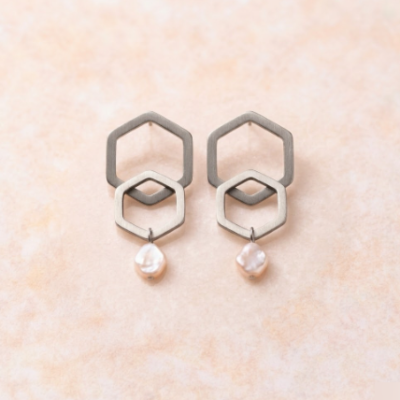
Often cited as the GOAT on jewelry forums, pure titanium is considered nickel-free and highly biocompatible (meaning the body doesn’t fight it). So there is no need to worry about allergic reactions when wearing titanium earrings.
They are also lightweight, which would be helpful to prevent excessive strain on the earlobes. Despite their performance, titanium earrings for sensitive ears are typically more affordable than precious metals.
2. High-purity Gold
2. High-purity Gold
- Great Choice for: Daily wear for sensitive ears, offering long-lasting comfort, anti-sensitivity and style.
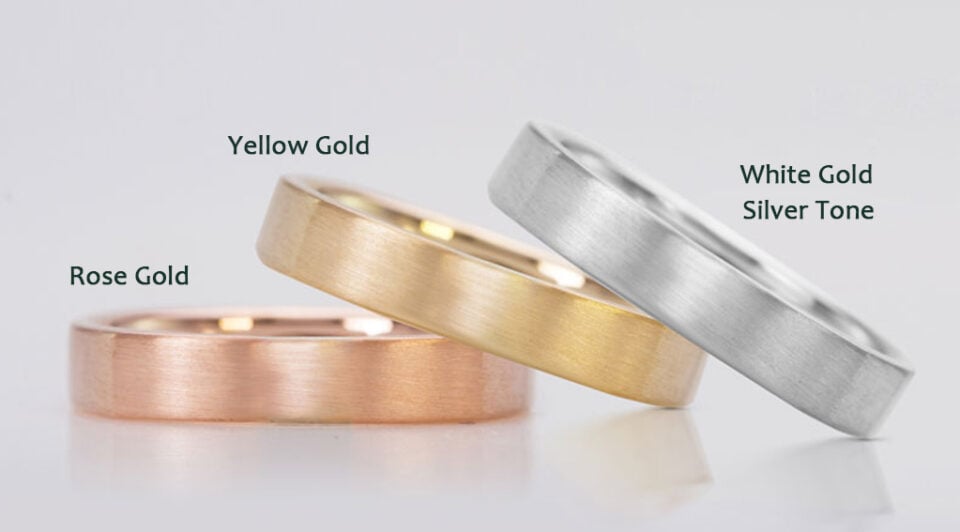
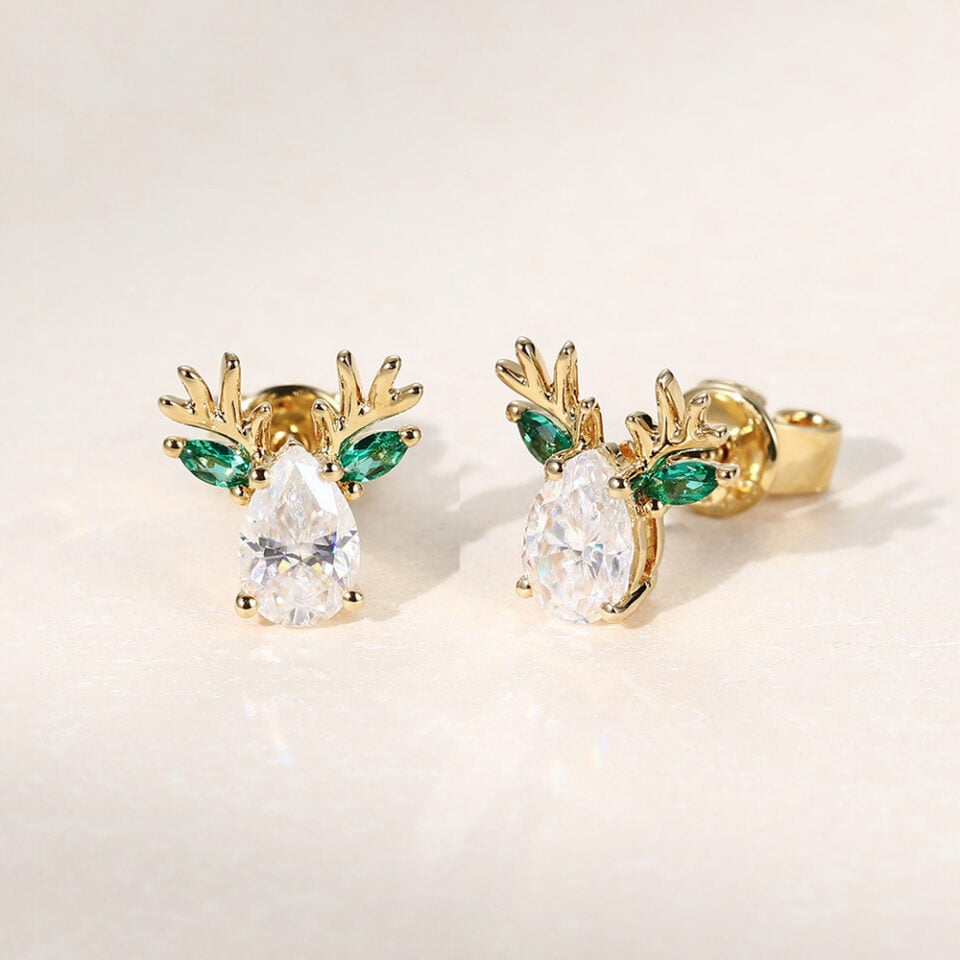
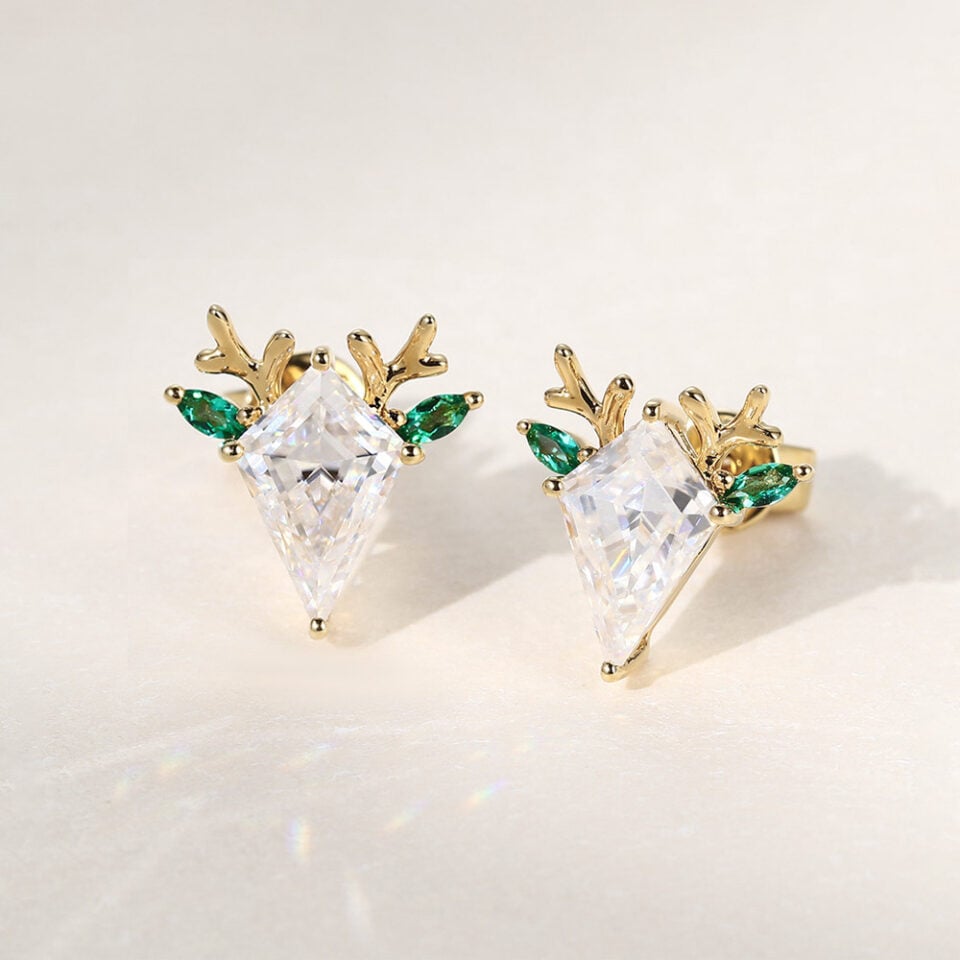
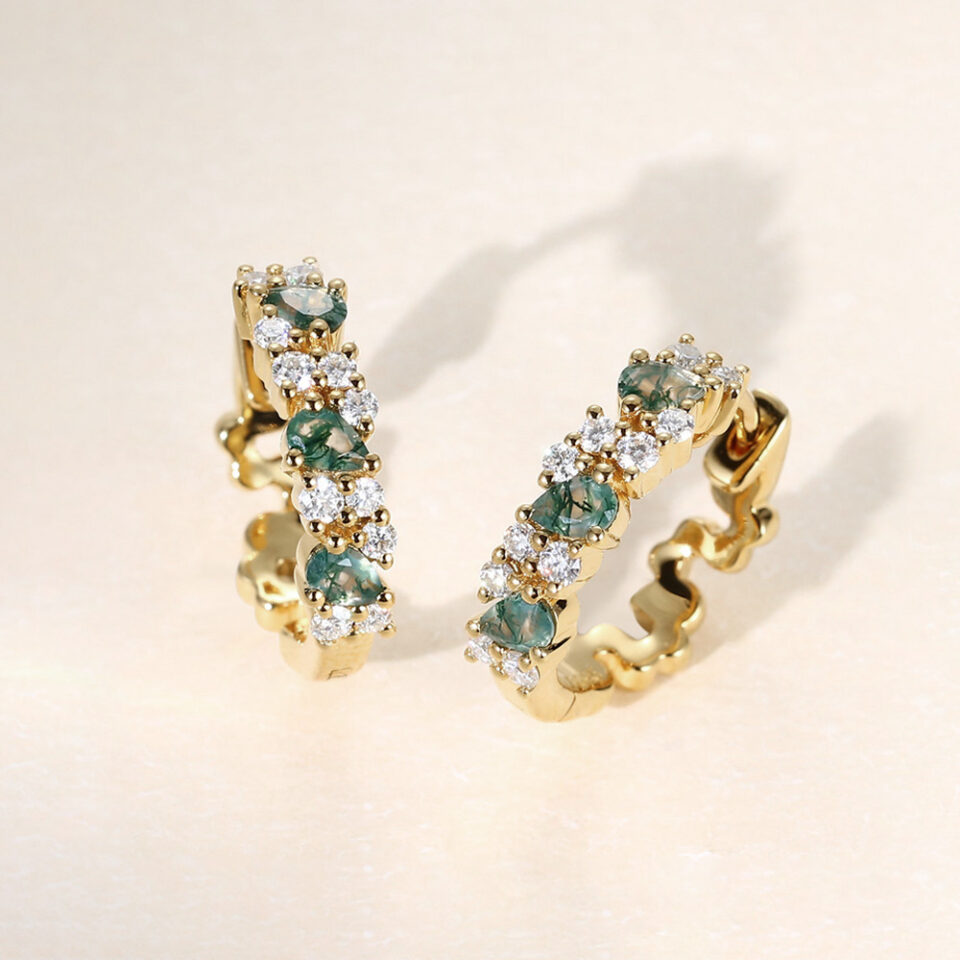
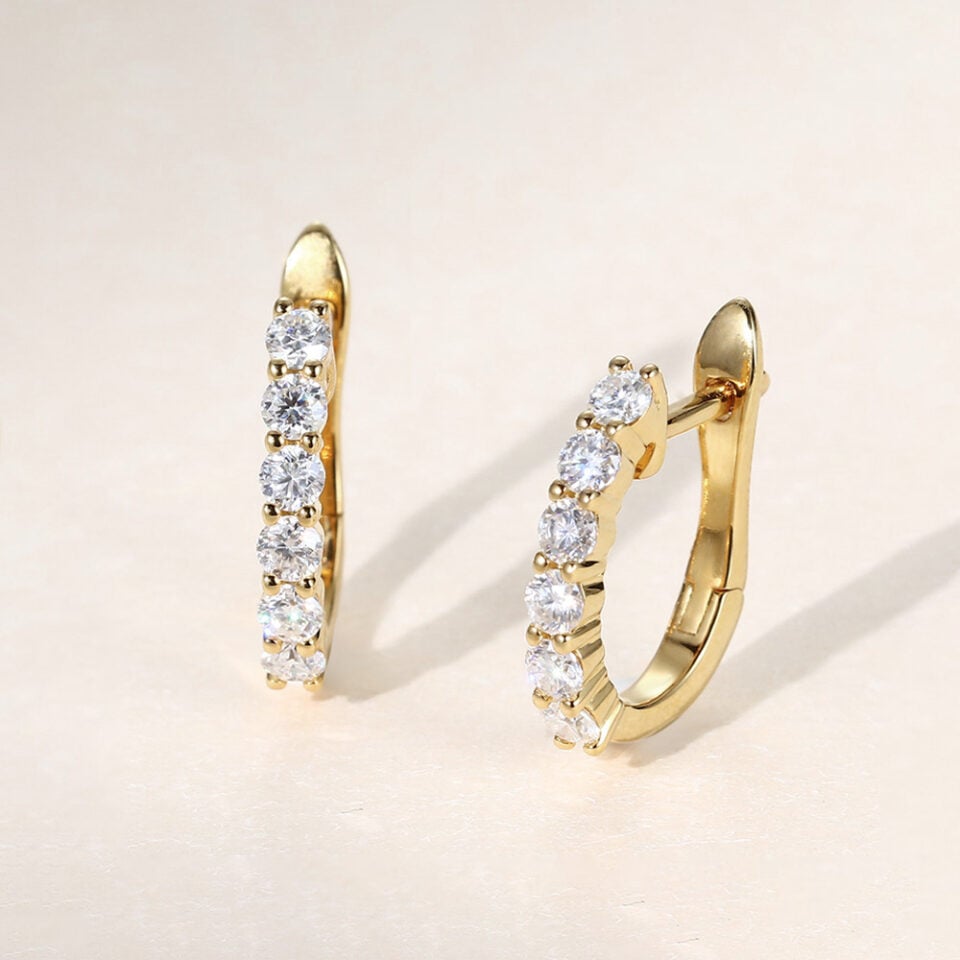
Gold is a timeless choice for jewelry. Higher-purity gold (14K, 18K or higher) is hypoallergenic and highly corrosion-resistant, making it especially suitable for sensitive ears. In contrast, a key difference between 24K, 18K, 14K, 10K gold is that lower-karat gold often contain more alloy metals, which may increase the risk of skin irritation.
If you are on a budget and can only choose lower-purity gold, white gold earrings may be a better choice. Most of them is rhodium-plated, a finish that helps create a protective barrier between the skin and the base metal, which can reduce the risk of irritation while maintaining a bright, silvery-white shine.
💡 Note:Rhodium plating may wear off over time and require replating for continued protection.
(At MollyJewelryUS, all white gold jewelry is rhodium-plated for your peace of mind.)
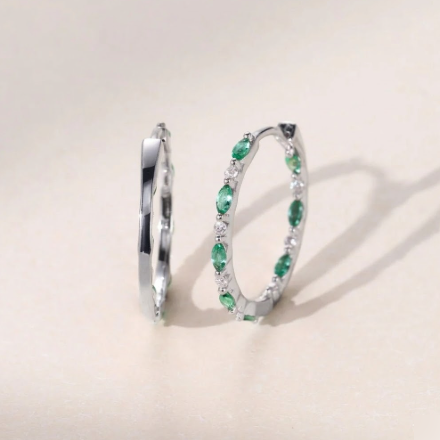
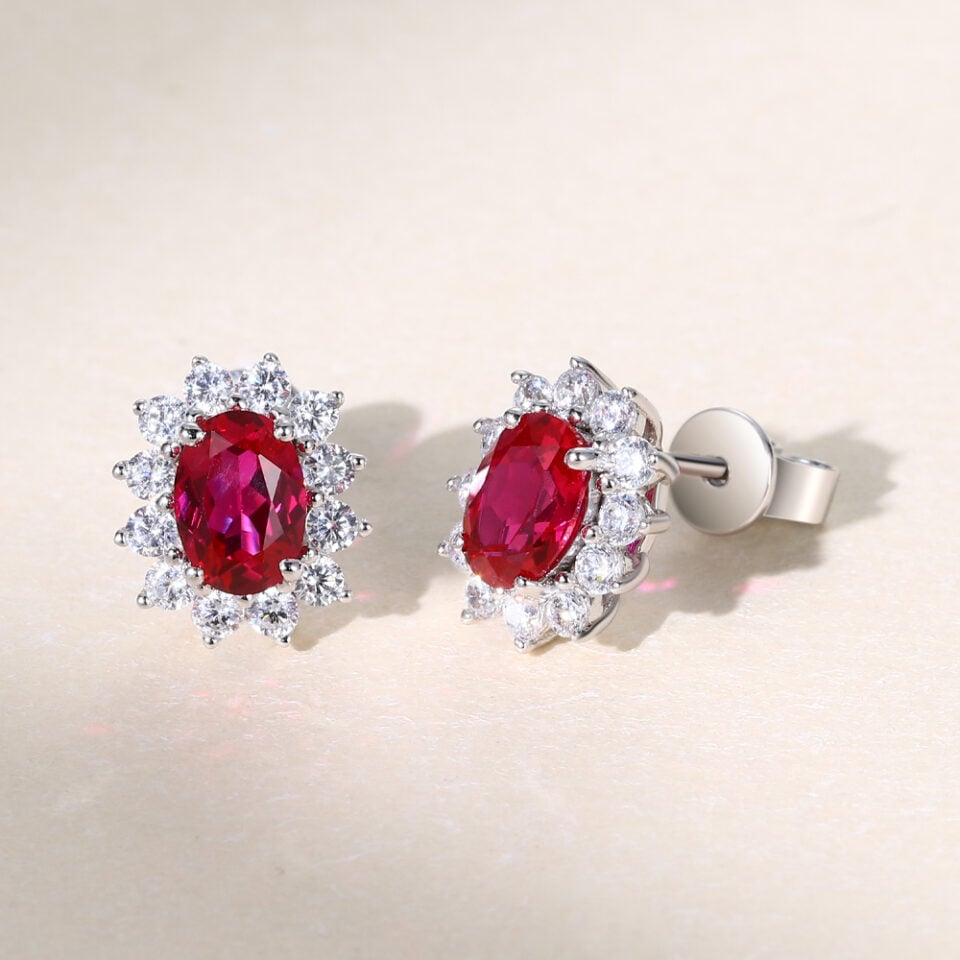
3. Platinum
3. Platinum
- Great Choice for: Luxury 24/7 wearability seekers with extremely sensitive ears.
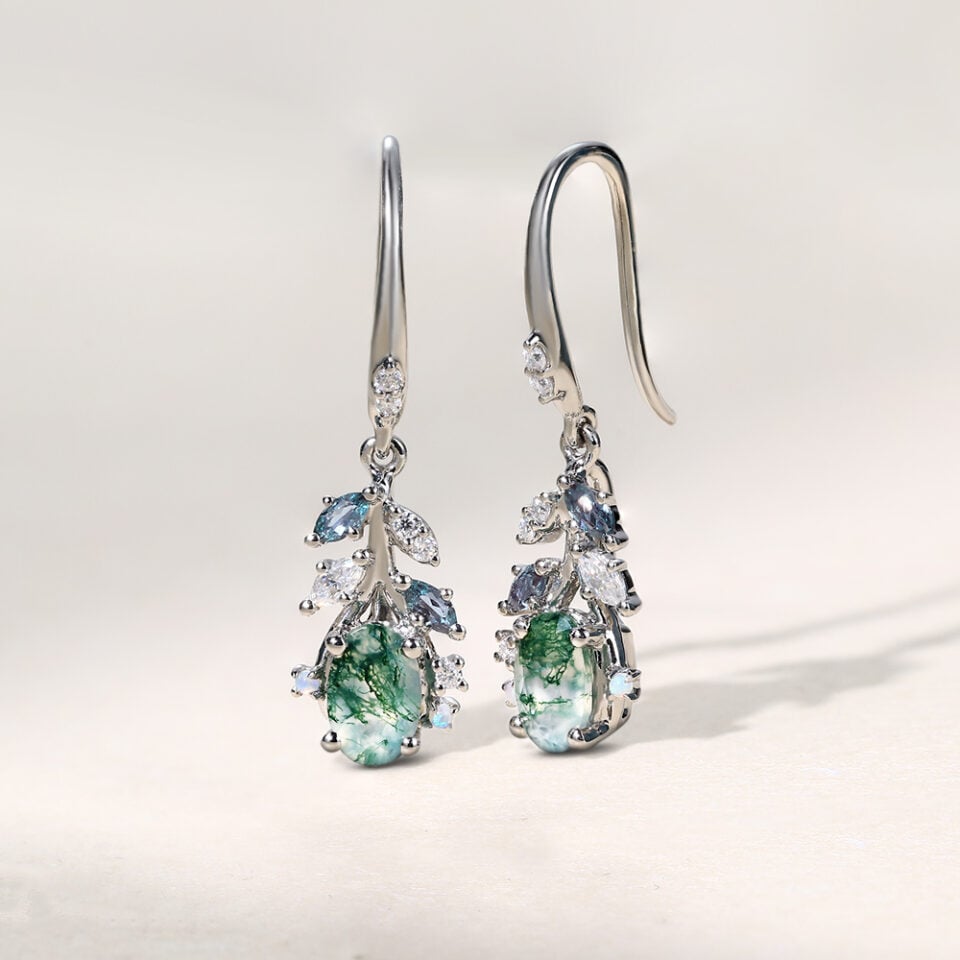
Platinum earrings are also hypoallergenic and highly resistant to corrosion. They are extremely durable and corrosion-resistant, which makes them less likely to cause skin allergies. In addition, platinum has a very high density and won’t thin out over decades, so earrings made from it would be ideal for long-term wear.
However, it’s important to know that platinum differs from gold and silver. Platinum earrings are sometimes more expensive than the other two, so they would be a better choice for those with flexible budget too.

4. Surgical Stainless Steel
4. Surgical Stainless Steel
- Great Choice for: Those with a limited budget and mild-to-moderate sensitivity.
Unlike these three metals mentioned above, surgical stainless steel is an alloy and does not specifically refer to any particular metal. It is not only a common material for sensitive ears best earrings found in mainstream shops too, but also more affordable.
Earrings made from surgical steel in high-quality grades such as 316L or 316LVM (like implant-grade), can be safe for skin contact and not likely to cause allergic reactions.
💡 A Note on Surgical Steel: This material may still contain little nickel at the molecular level, so those with severe nickel allergies should choose with caution.
5. Niobium
5. Niobium
- Great Choice for: Sensitive ears seeking a nickel-free experience with colorful styles.
Many people may not be aware that niobium is one of the best metals for sensitive ears too. Due to its pure form close to 99.9%, there are no “hidden” fillers to trigger a reaction.
Niobium earrings are as safe as titanium but offer a unique aesthetic advantage: they don’t require plating and can be “anodized” into colors like sapphire blue, purple, or black.
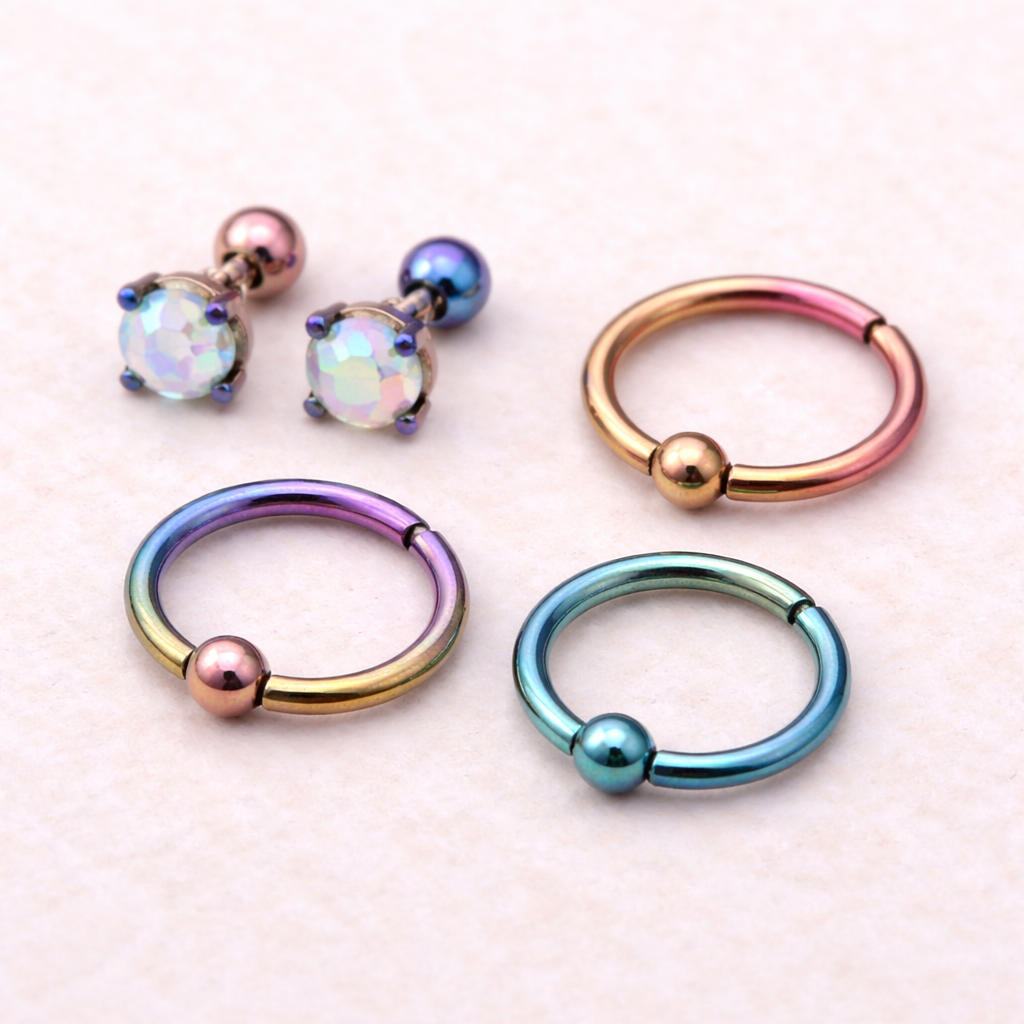
What’s more, the pricing often falls between titanium and gold/platinum, making niobium a top-tier selection for fashion and good earrings for sensitive ears.
Best Earring Styles for Sensitive Ears
Best Earring Styles for Sensitive Ears
Beyond the metal, the shape and fit of the jewelry play a huge role in your comfort. What earrings are best for sensitive ears? Let’s look at the winners.
Stud Earrings with Flat Back
Stud Earrings with Flat Back
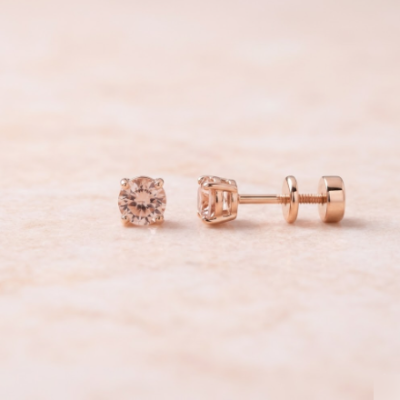
Among different types of earrings and their backs, studs are typically paired with push (butterfly) backs or flat backs. Compared to the former, stud earrings with flat backs are always the better option, the reasons are as follows:
- Reduce friction, offering a smooth surface against the ear skin
- Less likely to poke no matter talking on the phone or sleeping
- Comfortable for daily wear and healing piercings
Lightweight Huggie or Drop Earrings
Lightweight Huggie or Drop Earrings
If you prefer a more statement style or are dressing for occasions like parties or weddings, you can opt for small hollow huggies or short drop earrings. They can still be suitable for sensitive skin because:
- Won’t be too heavy, reduce pulling on the piercing
- Improve airflow around the ear
- Offer style while ensuring comfortable wearing experience
Tips: While choosing these earrings in different sizes, you can also choose smooth, well-finished backs to help prevent irritation on ears.
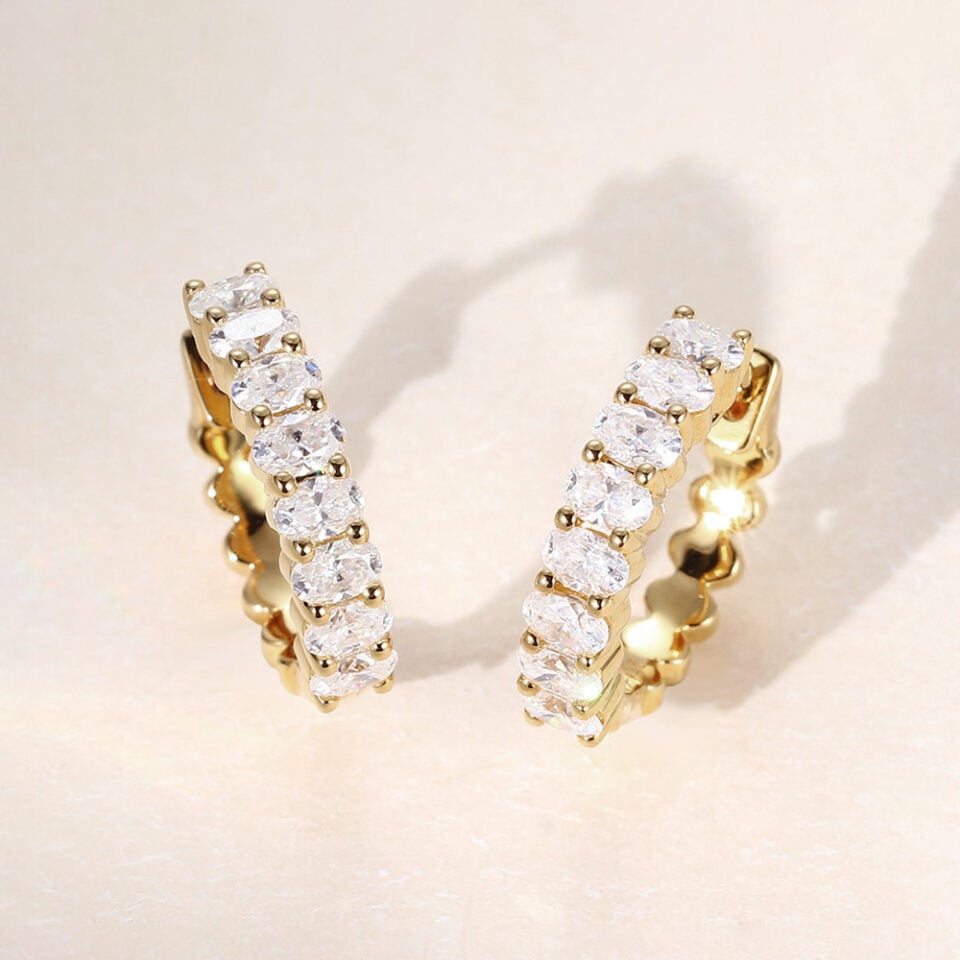
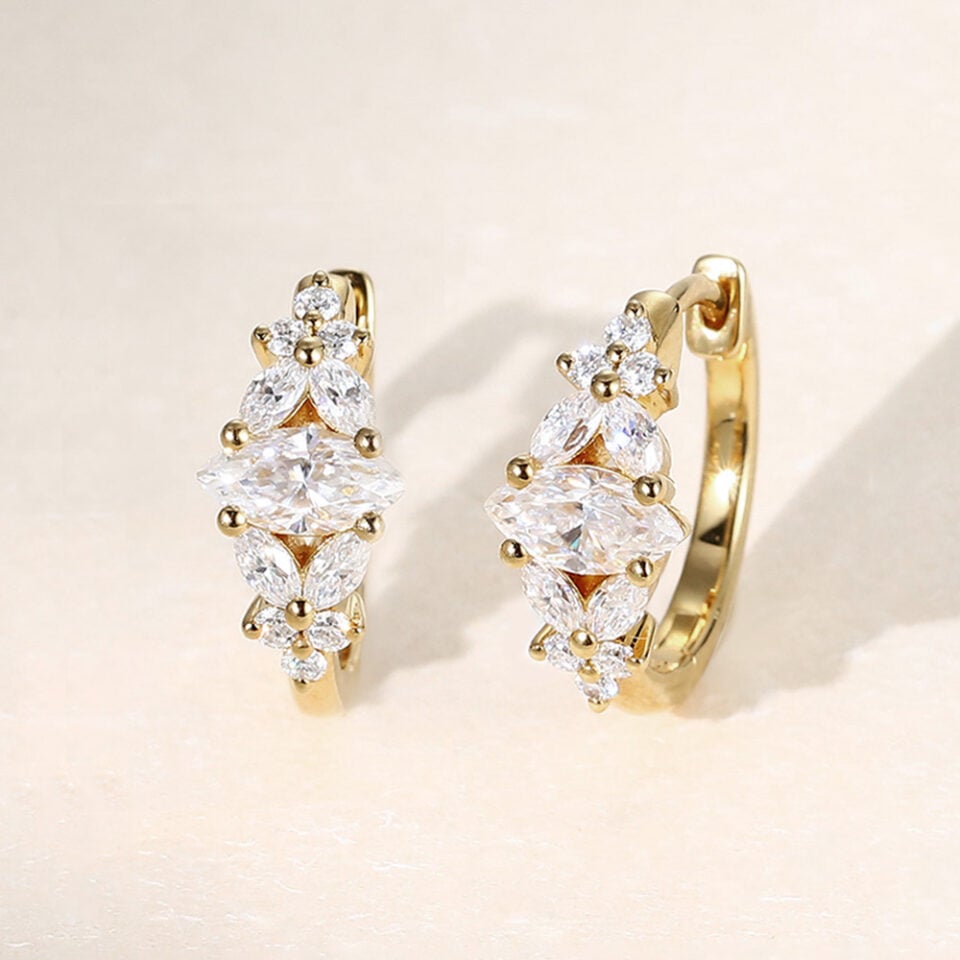
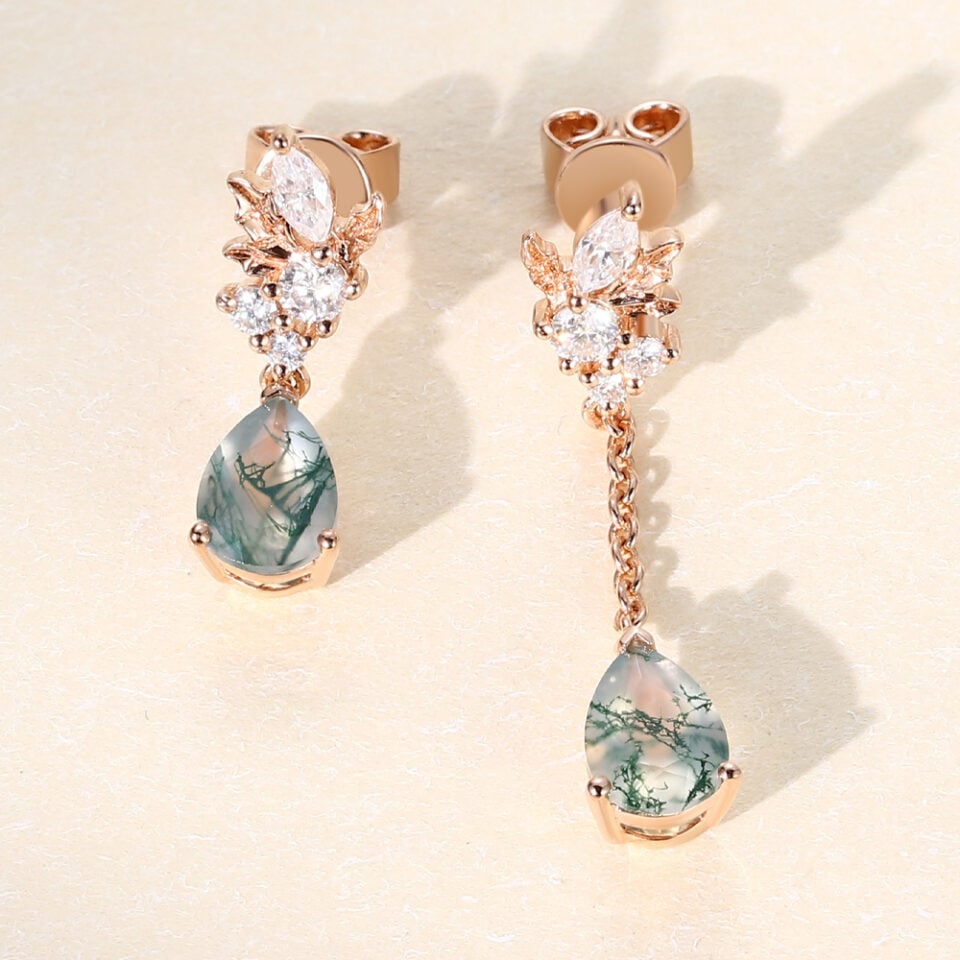
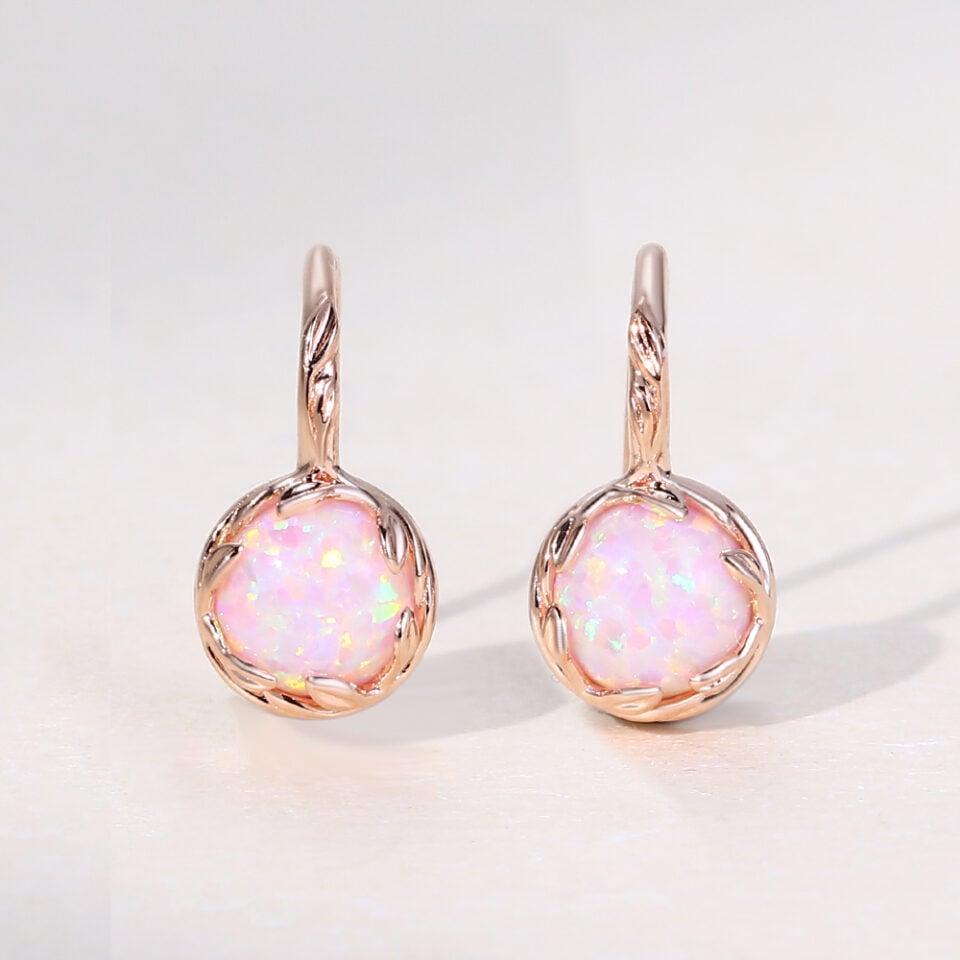
💖 Looking for the right drops or huggie earrings for sensitive ears? These are some pieces we’ve specially selected for you.
Cartilage Earrings for Sensitive Skin
Cartilage Earrings for Sensitive Skin
Designed specifically for cartilage piercings, cartilage earrings are often small and delicate. Those made from hypoallergenic metals such as gold or titanium, are also good choices for sensitive ears.
Here are the advantages of cartilage earrings:
- Lightweight, excellent earrings for everyday wear
- No need to worry about catching on clothing
- Can be worn on the firmer parts of the ear without causing stubborn infections
How to Choose Comfortable and Hypoallergenic Earrings?
How to Choose Comfortable and Hypoallergenic Earrings?
Selecting earrings for sensitive ears is not just about picking “safe metals”, but understanding your own sensitivity level and choosing the comfortable design based on a suitable earring style.
By following the steps below, you’ll be able to choose the right pair.
Step 1: Know your sensitivity triggers, pick the suitable material
Step 1: Know your sensitivity triggers, pick the suitable material
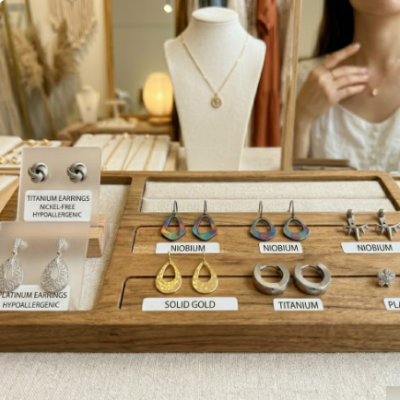
If you’re sensitive to nickel, always look for nickel-free or clearly labeled hypoallergenic earrings. When in doubt, stick to trusted materials like titanium, platinum, niobium, or solid gold.
Step 2: Match earrings to your style, but keep them lightweight
Step 2: Match earrings to your style, but keep them lightweight
After selecting safe materials, consider your preferred earring style, like studs, huggies, or drop earrings. However, for sensitive ears, always prioritize low-weight designs.
Step 3: Select the appropriate earring structure
Step 3: Select the appropriate earring structure
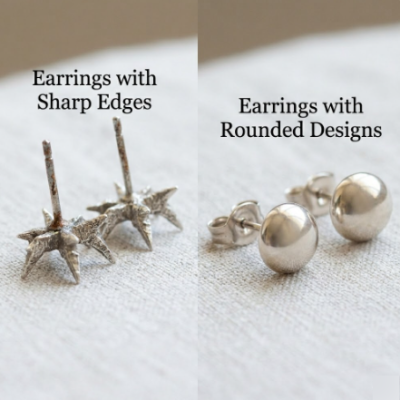
Earrings with rough posts, sharp decorative elements, or overly intricate shapes that may rub against the skin. Smooth finishes and rounded structures are much more skin-friendly.
Step 4: Pay attention to the earring back types
Step 4: Pay attention to the earring back types
Comfortable backs matter as much as the front design. Flat backs or secure, smooth closures help reduce pressure and make daily wear easier, especially for earrings for sensitive studs.
Earrings that You Should Avoid for Sensitive Ears
Earrings that You Should Avoid for Sensitive Ears
| Type of Earrings | Why it’s Problematic |
|---|---|
| Nickel-containing Earrings | The primary cause of allergic contact dermatitis. |
| Cheap Alloy Earrings | May mix with toxic heavy metal, triggering irritation. |
| Heavy Earrings | Cause pulling and inflammation. |
| Earrings with Rough or Sharp Posts | Increase friction and skin damage. |
Tips for Preventing Ear Irritation from Earrings
Tips for Preventing Ear Irritation from Earrings
Even with the best earrings for sensitive ears, you also need proper care and good wearing habits to ensure long-term ear comfort.
- Regular Cleaning: Use a saline solution or alcohol wipe to sanitize posts before inserting earrings, which would be helpful to prevent earwax buildup.
- Dry Your Ears: Keep your piercings dry and well-ventilated.
- Avoid Extended Wearing: Give your ears regular breaks, and be sure to remove your earrings during heavy sweating.
- Keep an Eye on The Piercings: Choose earrings more carefully for newly pierced ears.
- Don’t Sleep in Huggies: Use flat back studs if you need earrings for sleeping, as huggies can snag and irritate the ears overnight.
Final Thoughts
Final Thoughts
Finding the right earrings for sensitive ears doesn’t have to be frustrating. If your budget allows, choose stable hypoallergenic metals such as titanium, 14K/18K gold, or platinum. For people on a tighter budget, medical-grade stainless steel is also a good option.
Pairing these materials with thoughtfully designed styles like flat-back studs or small huggies can help you achieve both comfort and style. Start with a high-quality pair of earrings and see how your skin responds. Your ears will thank you.
FAQs about Earrings for Sensitive Ears
FAQs about Earrings for Sensitive Ears
Are Titanium Earrings Better than Gold for Sensitive Skin?
Is Sterling Silver Earring Good for Sensitive Ears?
It depends. Standard 925 Sterling Silver contains 7.5% copper. Most people are fine with it, but if you have a copper allergy, your ears will still react.
Are Sensitive Earrings Different for Adults than for Kids?
While both require the same hypoallergenic metals, kids’ earrings feature shorter posts and safety screw-backs to prevent poking or snagging during sleep and play.
What does "nickel-free" actually mean?
In the US, “nickel-free” usually means the outer coating is nickel-free. In the EU, standards are much stricter.
Can I wear earrings every day with sensitive ears?
Why do my ears still hurt with hypoallergenic earrings?
Possible reasons include poor fit, friction, or buildup of bacteria. Even hypoallergenic earrings need proper cleaning and sizing.