- by MollyJewelryUS
- April 8, 2026
- Gemstone Education
Lab ruby is known for its vivid red color—but a common concern is whether that color can fade over time.
In reality, lab ruby does not fade. Its color is formed within the stone itself, making it stable under sunlight, heat, and daily wear.
What can change, however, is how the stone looks on the surface—often mistaken for fading. This guide explains the difference, what to expect over time, and whether lab ruby is a reliable choice for long-term wear.
Table Of Contents:
Table Of Contents:
Does Lab Ruby Fade?
Does Lab Ruby Fade?
Lab ruby does not fade under normal conditions.
Lab ruby is chemically identical to natural ruby, both belonging to the corundum family. Its red color comes from trace chromium within the crystal structure—not from coatings or surface treatments.
Because of this, the color is permanent and will not fade with time, exposure to light, or regular wear.
In short:
If the stone is a genuine lab ruby, fading is not a concern.
Why Lab Ruby Doesn’t Lose Color
Why Lab Ruby Doesn’t Lose Color
The key reason lies in how the color is formed.
Color Stability Breakdown:
| Factor | Lab Ruby Behavior |
|---|---|
| Color origin | Internal (not coated) |
| UV exposure | No impact |
| Heat resistance | Very high |
| Daily wear | No color change |
Unlike treated or dyed stones, lab ruby’s color is part of its internal structure. This makes it highly resistant to environmental factors that typically cause fading in lower-quality gemstones.
Key takeaway:
Lab ruby maintains its color because there is nothing on the surface to wear off.
Does Lab Ruby Ever Look Dull or Different?
Does Lab Ruby Ever Look Dull or Different?
mportant distinction: dullness ≠ fading
While lab ruby does not lose color, it can appear less vibrant over time due to everyday wear.
Common Causes :
| Appearance Change | Real Cause | Fix |
|---|---|---|
| Looks dull | Oil and dirt buildup | Cleaning |
| Reduced sparkle | Surface residue | Polishing |
| Scratches on metal | Setting wear | Maintenance |
In most cases, what appears to be fading is simply a layer of buildup blocking light from entering the stone.
👉 Regular care helps maintain brilliance—see the ruby cleaning and care guide
Lab Ruby vs Natural Ruby: Do Both Fade?
Lab Ruby vs Natural Ruby: Do Both Fade?
A common concern is whether lab-created stones behave differently from natural ones.
| Type | Color Stability |
|---|---|
| Lab Ruby | Does not fade |
| Natural Ruby | Does not fade |
Both types share the same hardness and chemical structure, which means their color stability is identical.
👉 For a full comparison, see lab grown ruby vs natural ruby.
Is Lab Ruby Durable for Daily Wear?
Is Lab Ruby Durable for Daily Wear?
✔ Conclusion: Yes, highly durable
- Mohs hardness: 9
- Resistant to scratches and wear
- Suitable for everyday rings
This level of durability makes lab ruby a practical choice for engagement rings and daily jewelry.
👉 More details: can lab ruby be worn daily
In short:
Lab ruby is built for long-term wear without losing its appearance.
Common Myths About Lab Ruby Fading
Common Myths About Lab Ruby Fading
Misunderstandings about lab gemstones often lead to unnecessary concerns.
❌ Myth 1: Lab ruby is fake and loses color
Lab ruby is real ruby, with the same structure and durability as natural stones.
👉 See: is lab ruby real
❌ Myth 2: Sunlight causes fading
Ruby is highly UV-stable and does not fade under normal light exposure.
❌ Myth 3: Lab stones are less durable
Lab ruby has the same hardness as natural ruby and performs equally well in daily wear.
❌ Myth 4: The color will fade after years of wearing
Lab ruby does not gradually lose color over time. Any perceived change is usually due to dirt, oil, or reduced surface brilliance—not fading.
❌ Myth 5: Chemicals or water will damage the color
Everyday exposure to water, soap, or mild chemicals does not affect the internal color of lab ruby. Only extreme conditions (rare in daily life) may impact the surface, not the color itself.
❌ Myth 6: Lab ruby fades faster than other gemstones
In reality, ruby—both natural and lab-created—is one of the most color-stable gemstones available, outperforming many softer stones.
When Should You Be Concerned?
When Should You Be Concerned?
Real fading is extremely rare
The only situations where color issues may occur:
- Low-quality imitation stones (not real ruby)
- Dyed or treated materials sold as ruby
Authentic lab ruby does not have this problem.
Practical advice:
Buying from a reliable source eliminates nearly all risk.
Is Lab Ruby Worth Buying Long-Term?
Is Lab Ruby Worth Buying Long-Term?
Yes, especially for value-focused buyers
Lab ruby combines several long-term advantages:
- Permanent, non-fading color
- High durability (suitable for daily wear)
- More accessible pricing than natural ruby
Price Context :
- Typical lab ruby rings: $200–$800
- Allows for larger stones or more detailed settings within budget
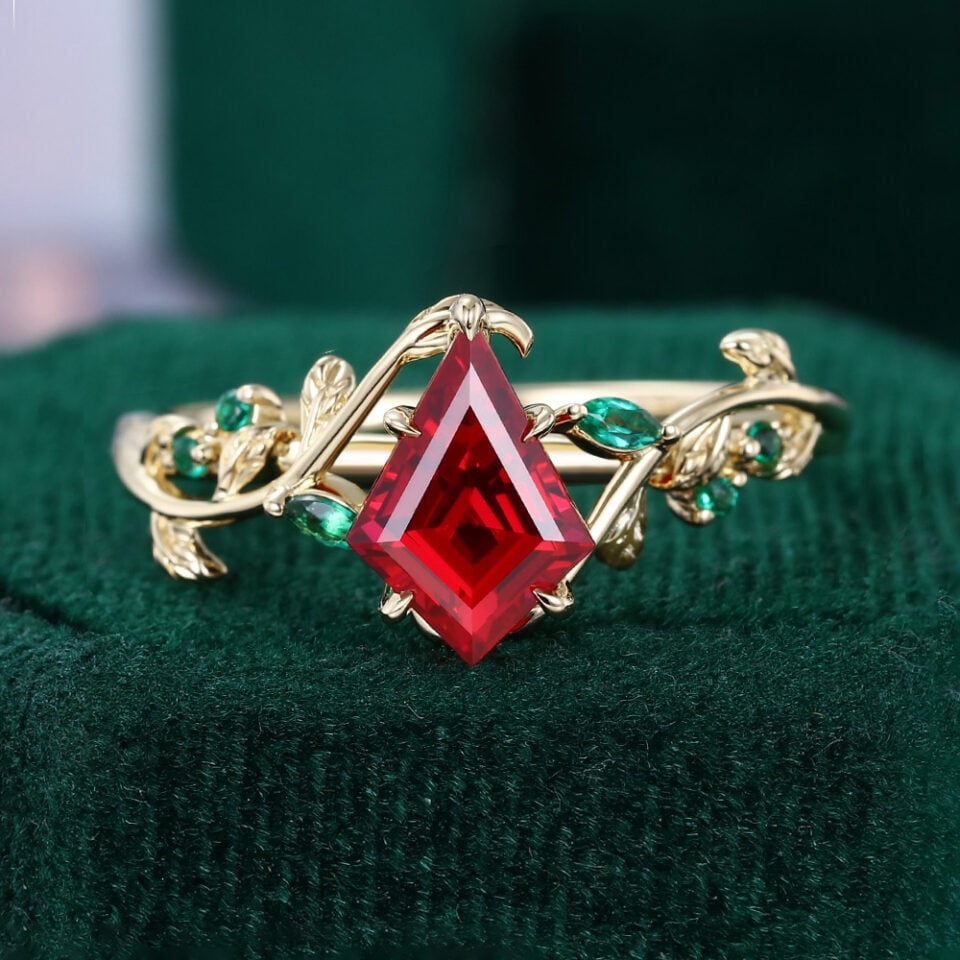
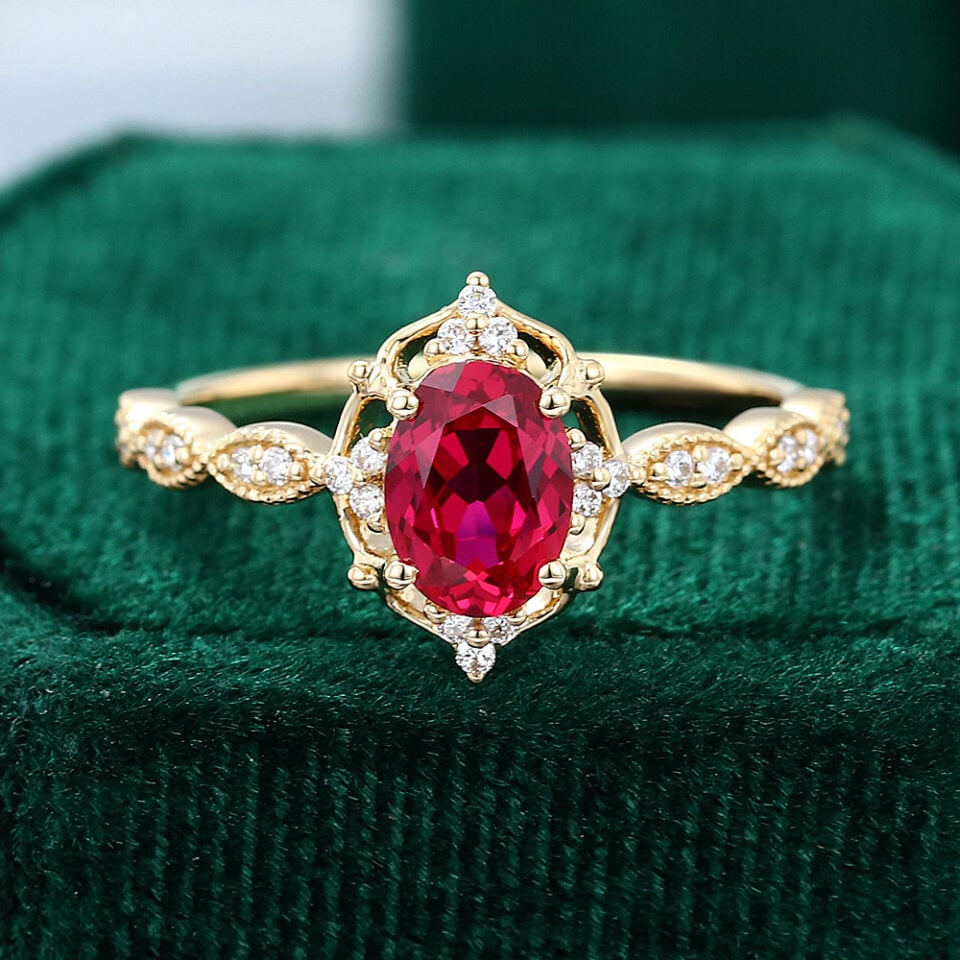
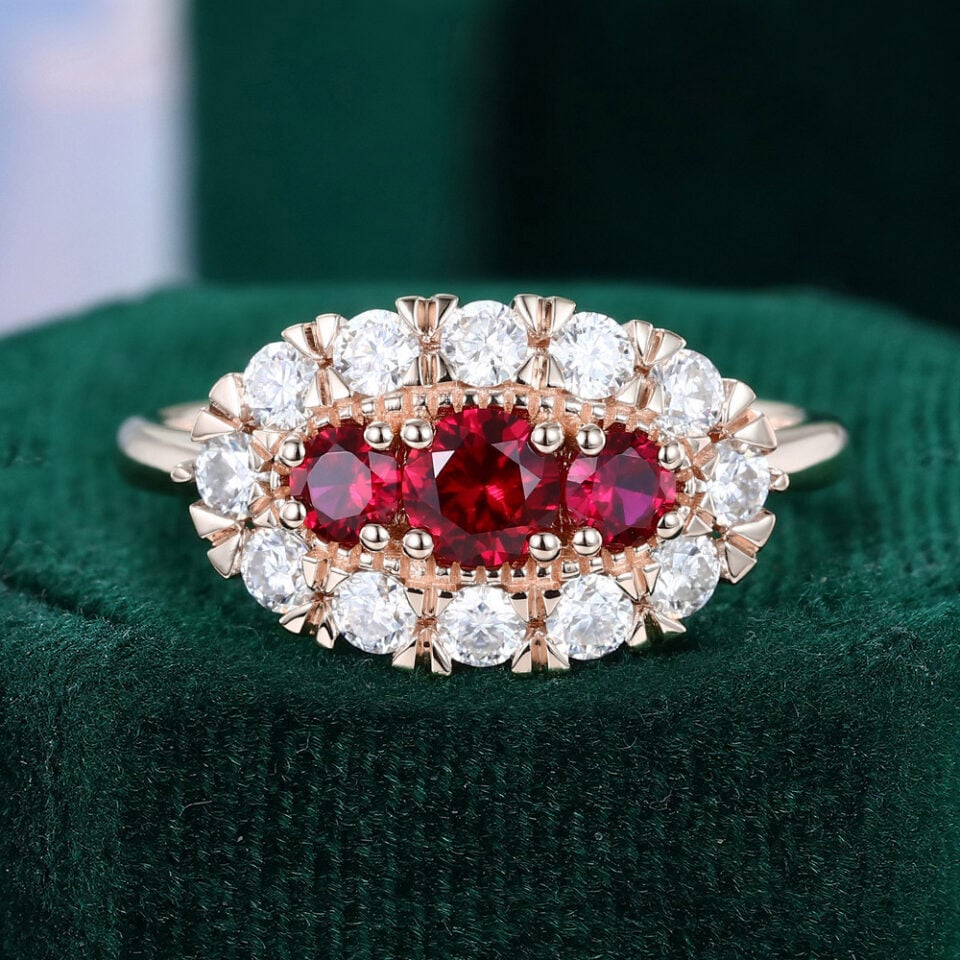
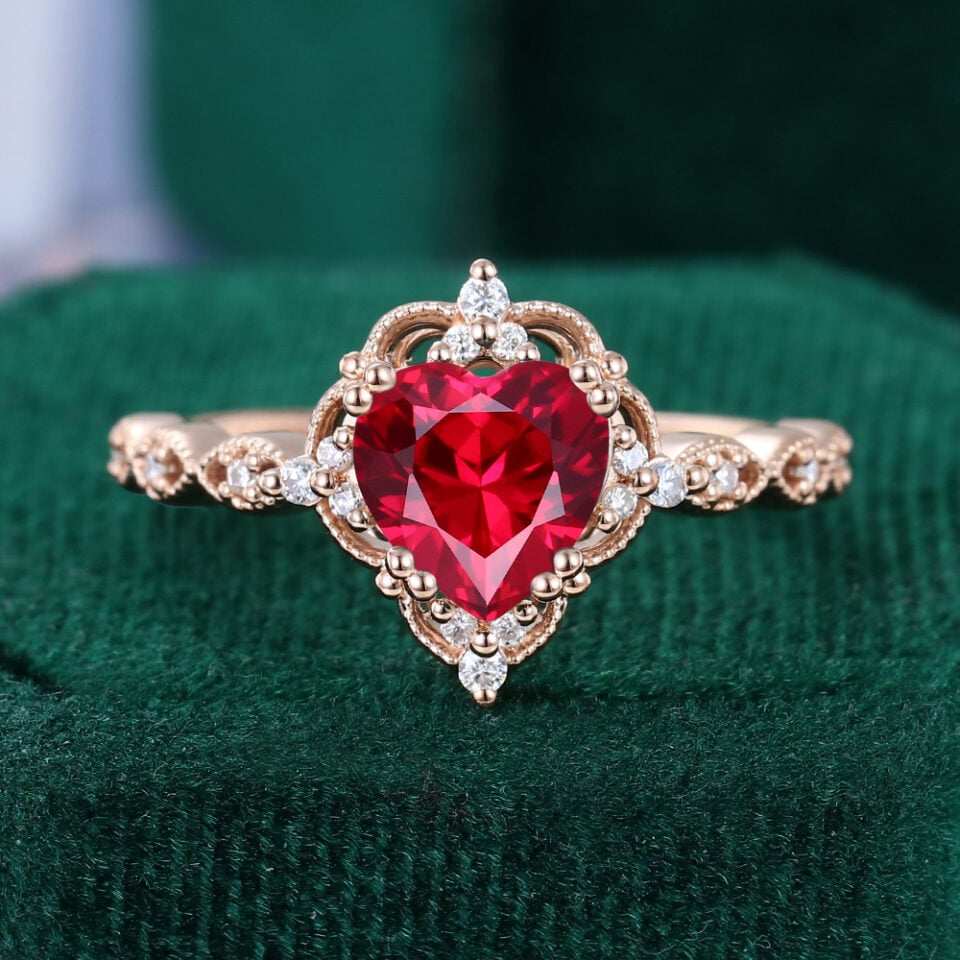
👉 Explore styles in our ruby engagement rings collection.
Key takeaway:
Lab ruby delivers strong visual impact and durability without the high cost of natural ruby.



Final Thoughts:
Final Thoughts:
Lab ruby does not fade and remains stable over time.
With its:
- Consistent color
- Strong durability
- Accessible pricing
It stands out as a reliable and practical choice for engagement rings and everyday jewelry.
Related FAQs :
Related FAQs :
Does lab ruby fade in sunlight?
Does ruby lose color over time?
No. Both natural and lab rubies retain their color permanently.
Can lab ruby look cloudy?
Surface buildup can reduce clarity, but cleaning restores its appearance.
How should lab ruby be cleaned?
Is lab ruby suitable for everyday wear?
Yes. Its hardness makes it ideal for daily use.
👉 See: can lab ruby be worn daily
Is lab ruby real or fake?
Lab ruby is real ruby created in a controlled environment.
Does lab ruby scratch easily?
No. It is highly resistant to scratches due to its hardness.