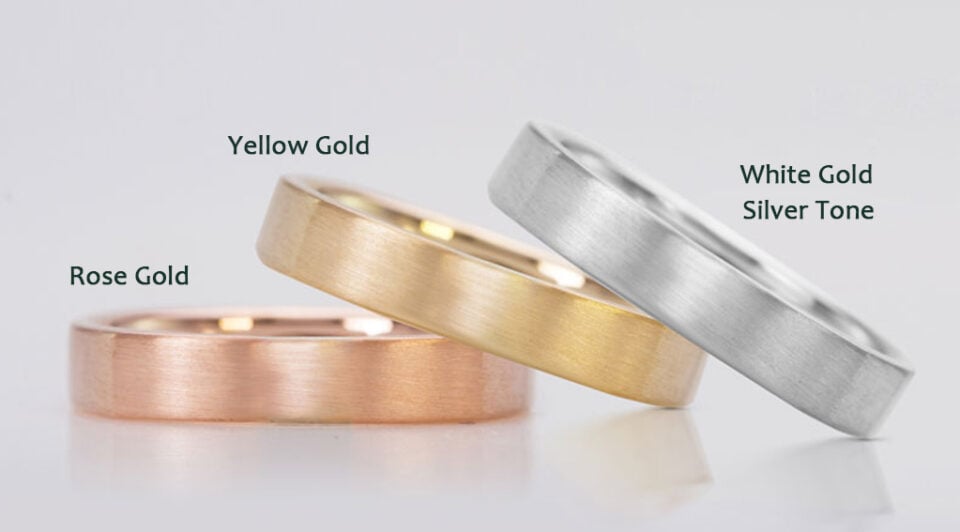
- by MollyJewelryUS
- June 22, 2026
- Gemstone Education
Yes, amethyst can fade over time, but color loss is usually caused by prolonged exposure to sunlight, heat, or improper storage—not normal daily wear.
Most amethyst rings retain their beautiful purple color for many years when properly cared for. Whether the gemstone is natural or lab-created, understanding what causes fading can help preserve its appearance and value.
In this guide, we’ll explain why amethyst sometimes loses color, how common fading really is, and what you can do to keep your amethyst ring looking vibrant for years to come.

Table of Contents
Does Amethyst Really Fade Over Time?
Does Amethyst Really Fade Over Time?
Amethyst can fade, but it is not something most owners experience during normal wear.
The biggest threat to amethyst color is long-term UV exposure and excessive heat rather than everyday use.
| Question | Answer |
|---|---|
| Can amethyst fade? | Yes |
| Is fading common? | No |
| Main cause | UV exposure and heat |
| Daily wear risk | Low |
| Lab amethyst affected? | Yes |
| Preventable? | Absolutely |
Bottom Line:
Most amethyst rings maintain their color for years when properly cared for.
What Causes Amethyst to Lose Color?
What Causes Amethyst to Lose Color?
Sunlight and heat are the biggest reasons amethyst loses color over time.
Amethyst belongs to the quartz family and gets its purple color from trace amounts of iron and natural color centers within the crystal structure.
When exposed to intense UV radiation or excessive heat for prolonged periods, those color centers can gradually weaken, causing the stone to appear lighter than before.
The most common causes include:
- Long-term direct sunlight exposure
- UV radiation
- Excessive heat
- Improper jewelry storage
- Frequent exposure to high-temperature environments
Typical Lab Diamond Ring Prices
Typical Lab Diamond Ring Prices
| Exposure Type | Risk Level |
| Direct sunlight for years | High |
| Constant window display | High |
| Hot tubs and saunas | Moderate |
| Steam cleaning | Moderate |
| Occasional outdoor wear | Low |
| Normal daily wear | Very Low |
This is why jewelers often recommend storing gemstone jewelry away from sunny windows and avoiding unnecessary heat exposure.
If durability is one of your biggest concerns, you may also find our guide on Does Amethyst Scratch Easily? helpful when evaluating long-term wear.
Lab-Created vs Natural Amethyst: Which Holds Color Better?
Lab-Created vs Natural Amethyst: Which Holds Color Better?
One of the most common misconceptions is that lab-created amethyst fades faster than natural amethyst.
In reality, that isn’t typically the case.
Both natural and lab-created amethyst share essentially the same chemical composition and crystal structure. As a result, their response to sunlight, heat, and everyday wear is remarkably similar.
| Feature | Lab-Created Amethyst | Natural Amethyst |
| Color Stability | Excellent | Excellent |
| UV Sensitivity | Similar | Similar |
| Heat Sensitivity | Similar | Similar |
| Fading Risk | Low | Low |
| Color Consistency | Higher | Variable |
For most buyers, the bigger difference isn’t durability—it’s consistency.
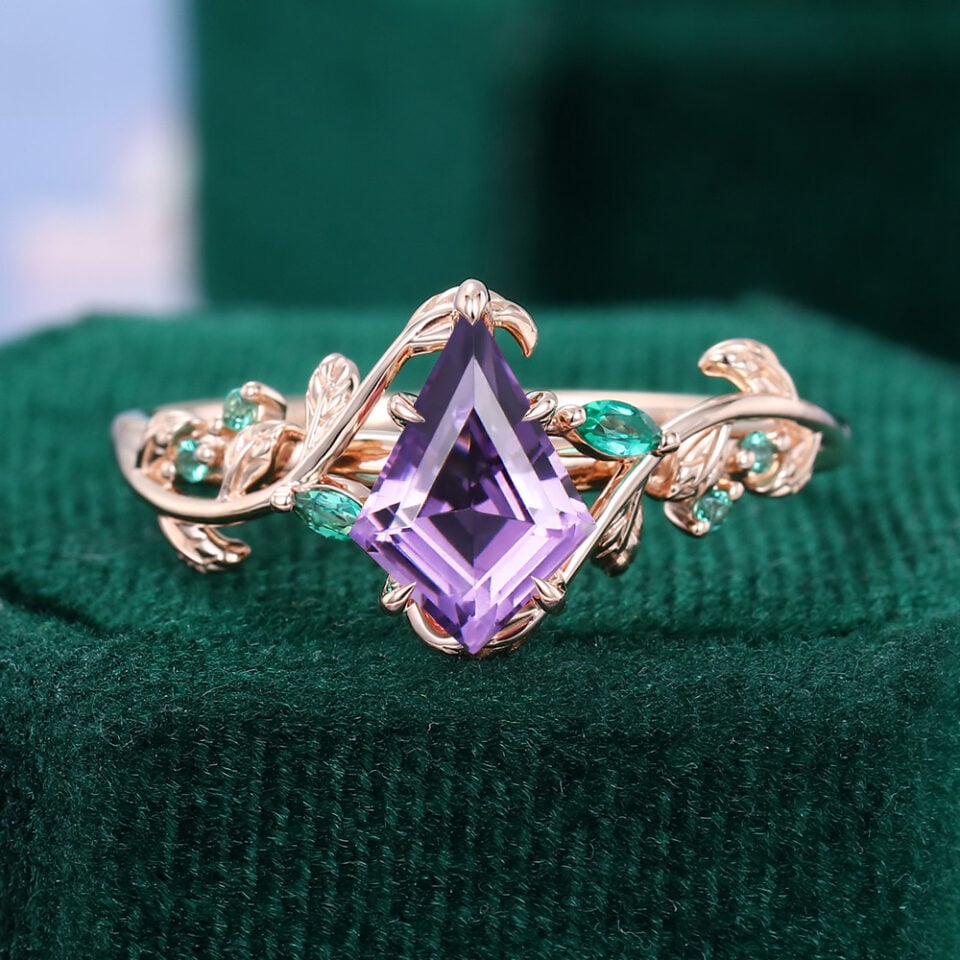
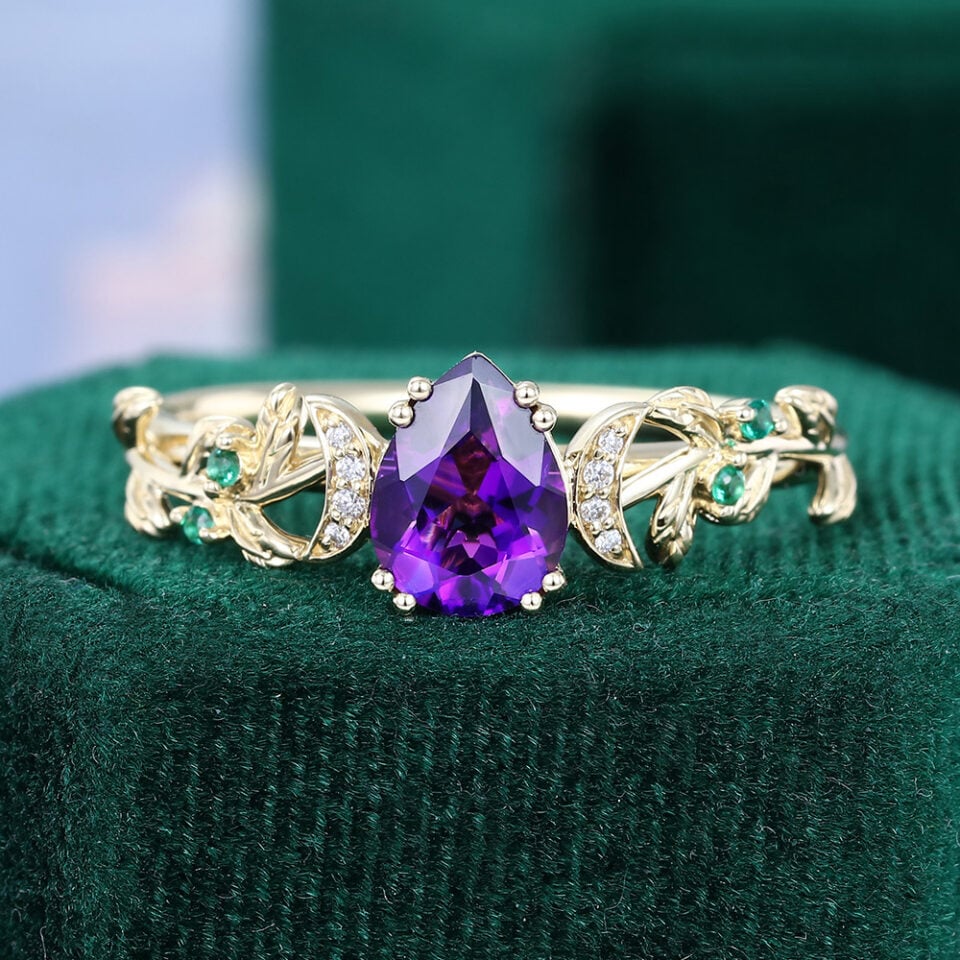
Lab-created amethyst often offers richer and more uniform purple color, making it easier to achieve the look many shoppers want in an engagement ring or statement piece.

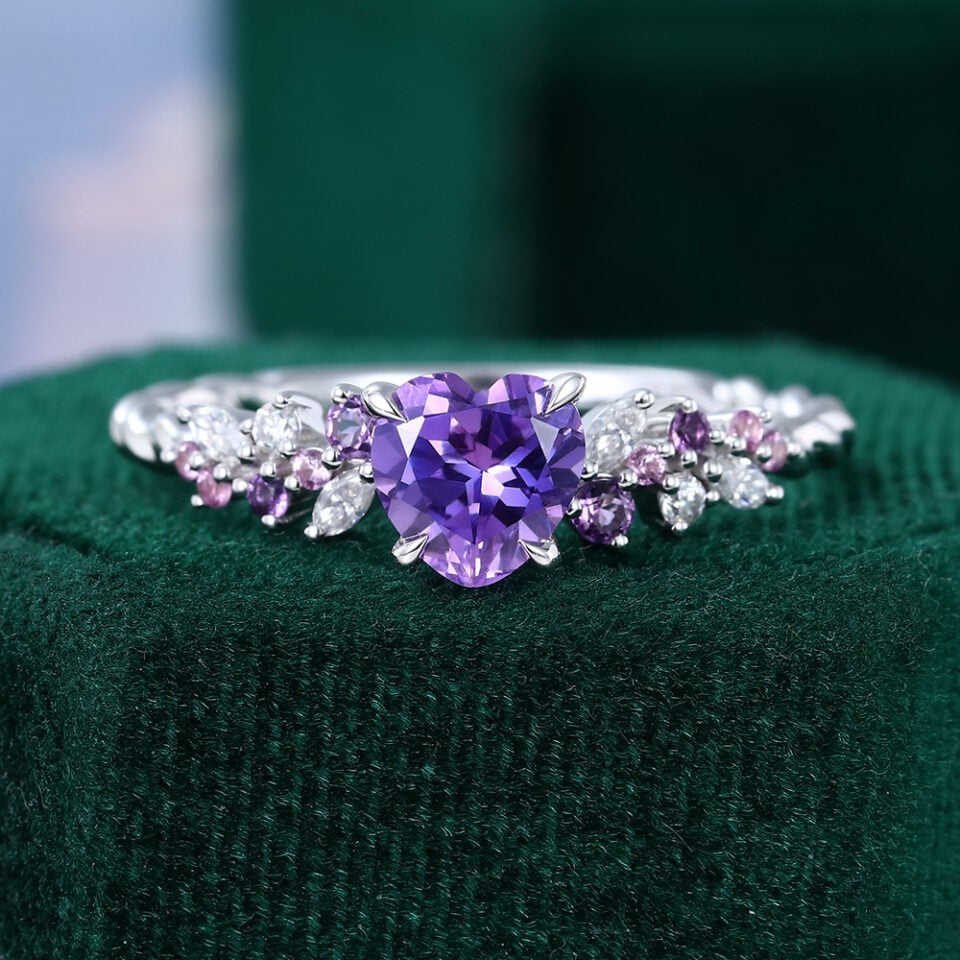
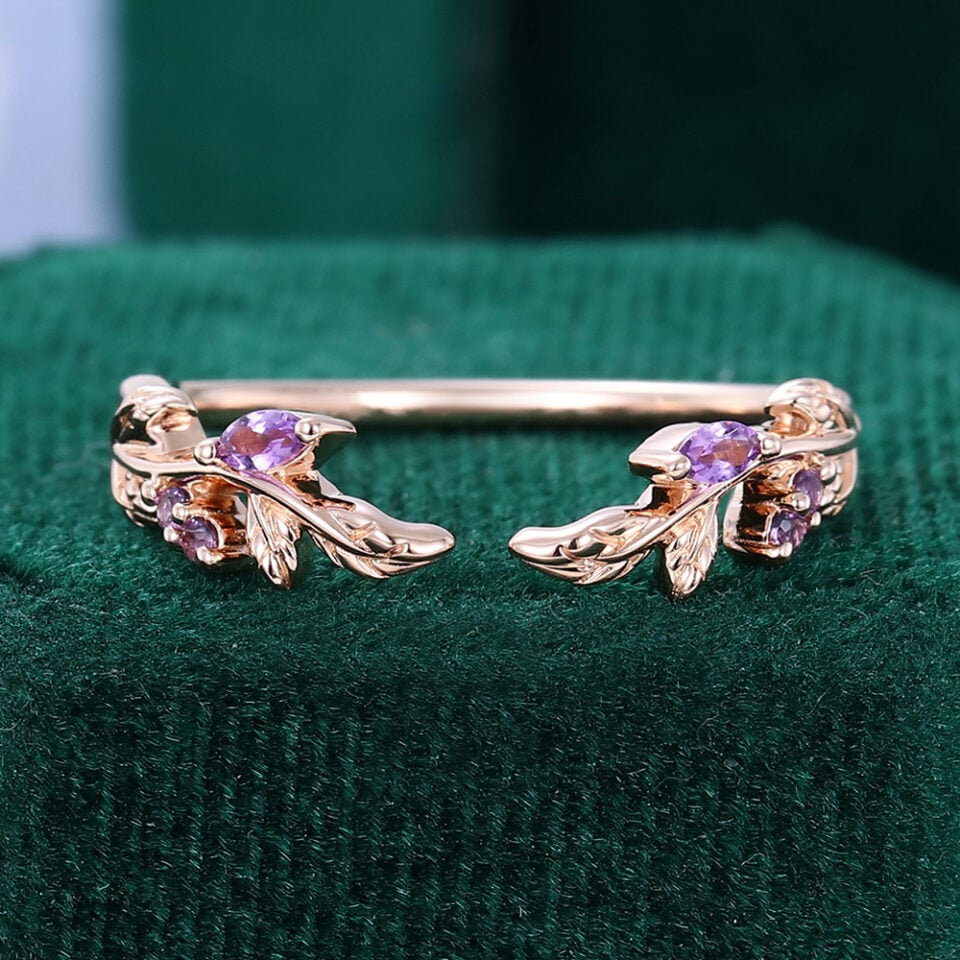
How Fast Does Amethyst Fade?
How Fast Does Amethyst Fade?
Most amethyst rings never develop noticeable fading under normal ownership conditions.
Many online discussions create the impression that amethyst quickly loses its color.
That isn’t supported by real-world experience.
The timeline depends almost entirely on how the gemstone is treated.
Typical Expectations
Typical Expectations
| Environment | Expected Outcome |
| Proper storage | Minimal change |
| Everyday wear | Little to no fading |
| Occasional sunlight exposure | Low risk |
| Years in direct sunlight | Gradual fading possible |
| Frequent heat exposure | Increased risk |
In fact, scratches, chips, and accidental damage are usually far more common concerns than color fading.
How to Prevent Amethyst From Fading
How to Prevent Amethyst From Fading
Fortunately, protecting an amethyst ring is relatively simple.
Unlike some gemstone care routines that require special products or frequent maintenance, preserving amethyst color mostly comes down to avoiding unnecessary exposure.
Best Practices
Best Practices
✓ Store jewelry away from direct sunlight
✓ Avoid leaving rings on windowsills
✓ Remove rings before entering hot tubs or saunas
✓ Use mild soap and warm water for cleaning
✓ Store jewelry in a fabric-lined jewelry box
Simple Care Checklist
Simple Care Checklist
| Care Habit | Recommended |
| Jewelry box storage | ✓ |
| Direct sunlight exposure | Minimize |
| Steam cleaning | Avoid |
| Gentle cleaning | ✓ |
| Extreme heat | Avoid |
These small habits can help preserve color and overall appearance for many years.
Should Fading Stop You From Buying an Amethyst Ring?
Should Fading Stop You From Buying an Amethyst Ring?
For most buyers, absolutely not.
This is often where shoppers become unnecessarily worried.
After reading that amethyst can fade, some people immediately assume it isn’t suitable for fine jewelry.
However, millions of amethyst rings are worn worldwide without noticeable color loss.
The key is understanding that fading is a manageable environmental issue rather than an inherent flaw in the gemstone.
Amethyst continues to be one of the most popular colored gemstones because it offers:
- Rich and distinctive purple color
- Meaningful symbolism
- Excellent affordability
- Larger center stones for the budget
- Unique engagement ring possibilities
For many buyers, these advantages easily outweigh the relatively small risk of color fading.
You may also find these related guides helpful:
Final Thoughts
Final Thoughts
Amethyst can fade over time, but the risk is often exaggerated.
In reality, most color loss occurs because of prolonged exposure to sunlight, UV radiation, or excessive heat rather than normal daily wear. With proper storage and simple care habits, an amethyst ring can maintain its vibrant purple color for many years.
For buyers who love distinctive color, meaningful symbolism, and excellent value, amethyst remains one of the most attractive gemstone choices available today. Whether you’re shopping for a unique engagement ring, a meaningful gift, or a personal statement piece, understanding how to care for your gemstone allows you to enjoy its beauty with confidence.
Explore our Amethyst Ring Collection to discover lab-created designs that combine vivid color, exceptional craftsmanship, and everyday wearability.
FAQs
FAQs
Does amethyst fade in sunlight?
Yes. Prolonged exposure to direct sunlight can gradually reduce the intensity of amethyst’s purple color over time.
Do lab-created amethyst rings fade?
Lab-created amethyst can fade under the same conditions as natural amethyst, but noticeable color loss is uncommon with proper care.
Can a faded amethyst regain its color?
In most cases, naturally faded amethyst cannot fully regain its original color without professional treatment.
Should I remove my amethyst ring before showering?
Occasional exposure to water is generally fine, but removing the ring during showers can help reduce long-term wear and buildup.
How long will an amethyst ring keep its color?
With proper care, many amethyst rings maintain their color for decades without noticeable fading.
Is amethyst suitable for an engagement ring?
Yes. Many couples choose amethyst engagement rings because of their unique color, symbolism, and affordability.
Does amethyst fade faster than purple sapphire?
Purple sapphire is generally more resistant to environmental wear, but properly cared-for amethyst remains highly suitable for jewelry.
Is fading a common complaint among amethyst ring owners?
No. Most owners report that scratches or accidental impacts are far more common concerns than color fading.