- by MollyJewelryUS
- March 5, 2026
- Gemstone Education
Lab-created diamonds have rapidly transformed the jewelry industry, especially in engagement rings and modern fine jewelry. Many buyers today choose lab diamond rings because they offer the same brilliance and durability as mined diamonds at a much more accessible price. However, one common question remains: do lab grown diamonds hold their value over time?
The answer is more nuanced than a simple yes or no. While lab grown diamonds do have resale value, their price behavior is different from natural diamonds due to production methods, supply levels, and evolving market demand. Understanding how value works in the lab diamond market can help you make a more informed purchase.
Table Of Contents:
Table Of Contents:
- Understanding Value vs. Price in Lab Grown Diamonds
- Do Lab Grown Diamonds Have Resale Value
- Why Lab Grown Diamonds Depreciate Faster
- Lab Grown Diamonds vs Natural Diamonds in Value Retention
- Factors That Affect Lab Diamond Resale Value
- The True Value of Lab Grown Diamonds
- Why Many Buyers Still Choose Lab Diamonds
- Why Buy Lab Diamond Jewelry from MollyJewelryUS
- How to Buy Lab Grown Diamonds with Long-Term Value in Mind
- Final Thoughts
- FAQs About Lab Grown Diamond Value
Understanding Value vs. Price in Lab Grown Diamonds
Understanding Value vs. Price in Lab Grown Diamonds
Before discussing resale value, it is important to distinguish between price and value. Price refers to how much you pay when buying a diamond, while value reflects what the market is willing to pay later if you resell it.
Lab grown diamonds are real diamonds with the same chemical composition, hardness, and optical brilliance as mined stones. The main difference is that they are produced in controlled laboratories using advanced methods such as CVD (Chemical Vapor Deposition) or HPHT (High Pressure High Temperature).
Because they can be produced in larger quantities, their market pricing behaves more like technology products than rare natural resources. As production efficiency improves, prices for new lab diamonds gradually decrease, which can affect resale value.
Do Lab Grown Diamonds Have Resale Value?
Do Lab Grown Diamonds Have Resale Value?
Yes, lab grown diamonds do have resale value, but it is typically lower than that of natural diamonds.
Current market analyses suggest that most lab grown diamonds retain around 20% to 40% of their original retail price when resold depending on factors such as quality, certification, and market conditions.
For example, a lab diamond purchased for several thousand dollars might resell for a few hundred to a couple thousand dollars in the secondary market.
However, this depreciation does not necessarily mean the purchase is a poor financial choice. Because lab grown diamonds cost significantly less upfront than natural diamonds, the absolute financial loss is often smaller.
Why Lab Grown Diamonds Depreciate Faster
Why Lab Grown Diamonds Depreciate Faster
Several structural factors influence how lab grown diamonds retain value.
Increasing Production
Increasing Production
Unlike natural diamonds that formed billions of years ago, lab diamonds can be manufactured whenever demand increases. Advances in production technology allow manufacturers to create high-quality diamonds more efficiently each year.
This continuous supply keeps prices competitive and can push resale values down for previously purchased stones.
Lower Initial Purchase Price
Lower Initial Purchase Price
Lab grown diamonds often cost 40% to 80% less than comparable natural diamonds, which means buyers already receive substantial value at the time of purchase.
Because the starting price is lower, resale percentages may look smaller even though buyers initially saved a significant amount.
Limited Secondary Market
Limited Secondary Market
The resale infrastructure for lab diamonds is still developing. Traditional jewelers, auction houses, and estate dealers historically focused on natural diamonds, so fewer established channels exist for reselling lab grown stones.
As the popularity of lab diamonds continues to grow, the resale market is expected to evolve as well.
Lab Grown Diamonds vs Natural Diamonds in Value Retention
Lab Grown Diamonds vs Natural Diamonds in Value Retention
When comparing resale performance, natural diamonds generally hold value slightly better due to rarity and long-established market demand.
Natural diamonds typically retain around 25% to 50% of their retail price when resold, depending on quality and market conditions.
However, this comparison can be misleading without considering the purchase price. A natural diamond engagement ring might cost $20,000, while a similar lab diamond ring might cost $5,000. Even if the natural diamond retains a higher percentage, the total financial loss could still be greater.
For many buyers, the affordability and size advantages of lab diamonds outweigh resale considerations.
Factors That Affect Lab Diamond Resale Value
Factors That Affect Lab Diamond Resale Value
Not all lab grown diamonds perform the same in the secondary market. Several factors influence how much value a diamond retains.
Certification
Certification
Diamonds with reputable grading reports—such as IGI or GIA—are easier to resell because buyers can verify their quality.
Cut Quality
Cut Quality
Excellent or ideal cut diamonds maintain stronger demand. A well-cut stone reflects light better and retains visual appeal even years later.
Carat Weight
Carat Weight
Larger diamonds often retain relatively better value because high-carat stones remain desirable for engagement rings and luxury jewelry.
Overall Jewelry Design
Overall Jewelry Design
A diamond set in a beautifully crafted ring may retain more value than a loose stone because the design adds aesthetic and emotional appeal.
The True Value of Lab Grown Diamonds
The True Value of Lab Grown Diamonds
While resale value is often discussed, most jewelry purchases are not investment assets. Engagement rings and diamond jewelry are typically bought for their emotional significance rather than financial return.
Lab grown diamonds excel in areas that matter to many modern buyers:
Exceptional brilliance and clarity
Ethical and environmentally responsible sourcing
Larger diamonds at a lower price
Modern customization possibilities
Because of these advantages, lab diamonds have become increasingly popular with couples who want a beautiful ring without the high cost traditionally associated with diamonds.
Why Many Buyers Still Choose Lab Diamonds
Why Many Buyers Still Choose Lab Diamonds
Even knowing that resale values may be lower, many consumers still prefer lab diamonds for practical reasons.
First, the initial savings allow buyers to choose a larger or higher-quality stone within the same budget. Second, lab diamonds offer peace of mind for buyers who value sustainable and conflict-free sourcing.
Finally, jewelry is often worn for decades, making everyday enjoyment more important than resale potential.
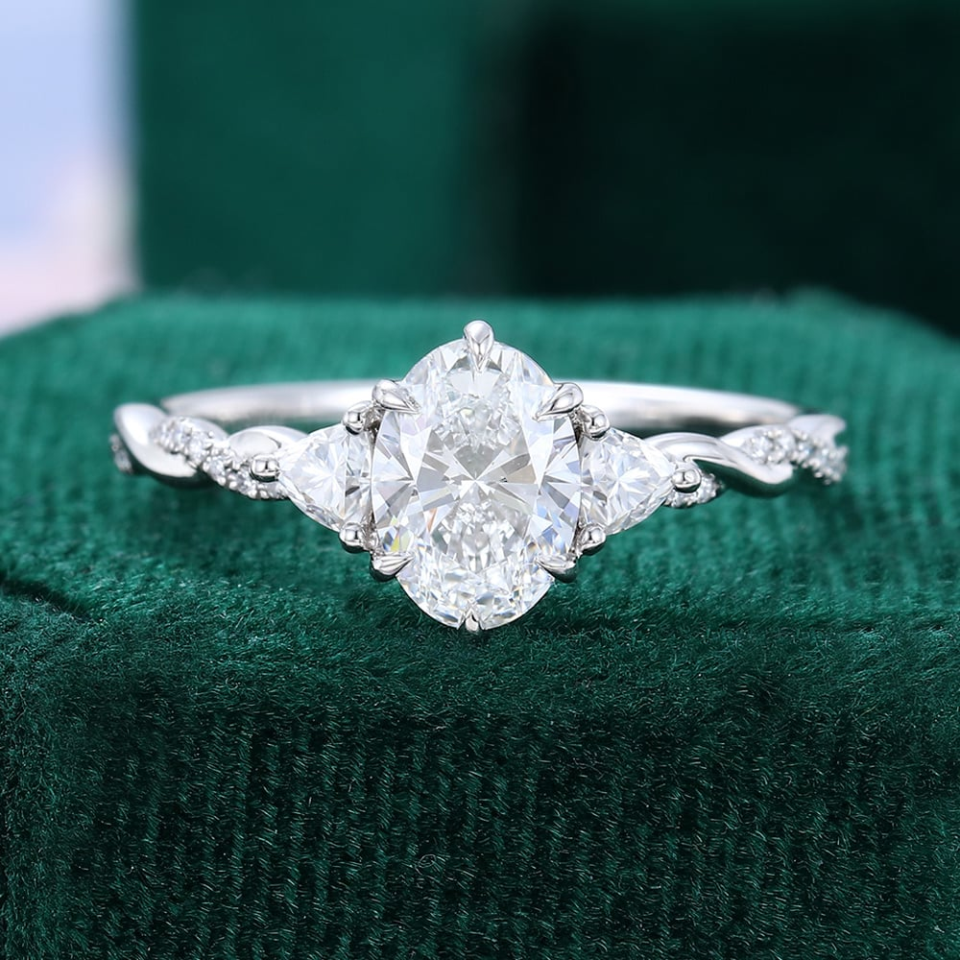
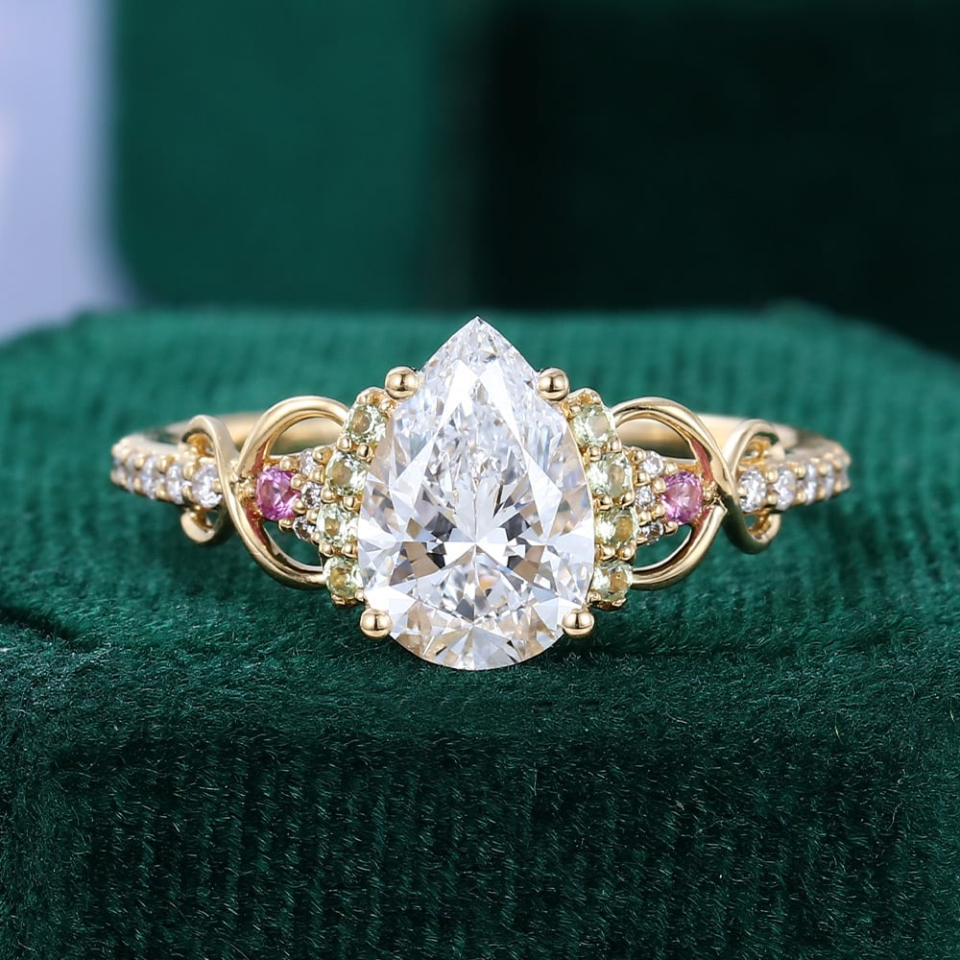
Why Buy Lab Diamond Jewelry from MollyJewelryUS
Why Buy Lab Diamond Jewelry from MollyJewelryUS
When purchasing lab grown diamond jewelry, choosing a trusted jeweler makes a significant difference in quality and long-term satisfaction.
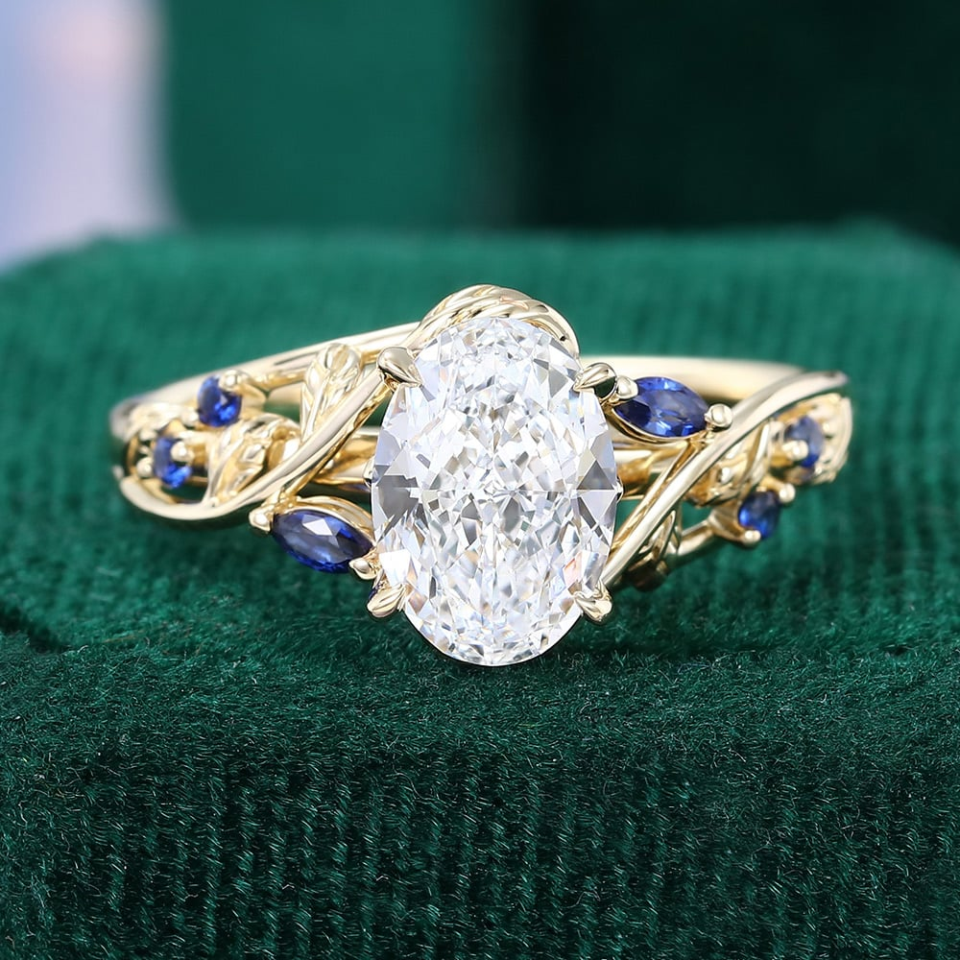
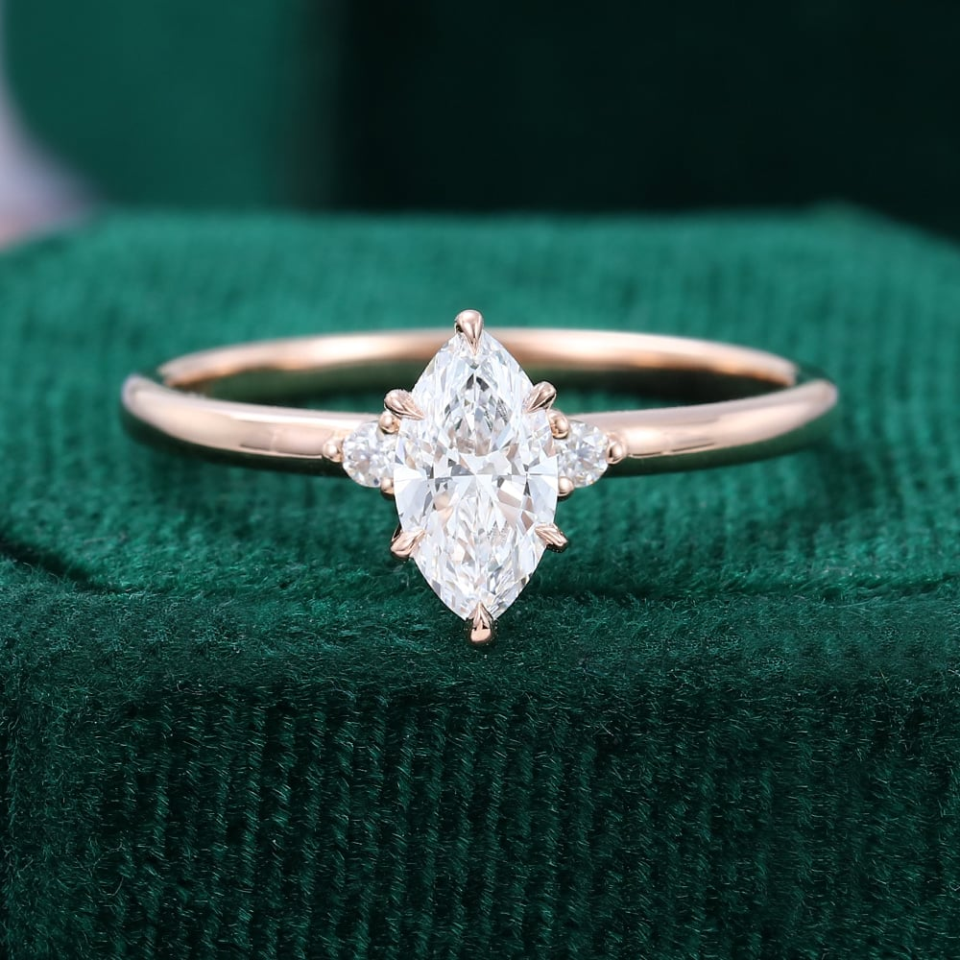
At MollyJewelryUS, each lab diamond piece is carefully designed to combine modern craftsmanship with timeless style. The brand focuses on creating jewelry that highlights the brilliance of lab grown diamonds while maintaining exceptional attention to detail.
One of the key advantages of MollyJewelryUS is its custom jewelry service. Customers can personalize their lab diamond rings, selecting stone shape, carat weight, metal type, and design elements to create a ring that perfectly reflects their style.
This customization allows couples to design unique engagement rings or meaningful jewelry pieces that feel truly personal.
In addition to custom designs, MollyJewelryUS emphasizes quality materials and expert craftsmanship, ensuring that each piece is made to last for years of everyday wear.
How to Buy Lab Grown Diamonds with Long-Term Value in Mind
How to Buy Lab Grown Diamonds with Long-Term Value in Mind
If value retention matters to you, there are several strategies that can help maximize the longevity and desirability of your diamond jewelry.
Choose diamonds with excellent cut grades and strong certification. Prioritize timeless ring designs rather than overly trendy styles that may feel dated later.
Selecting a reputable jeweler with strong craftsmanship also helps ensure your jewelry remains durable and appealing over time.
Most importantly, buy a diamond that you truly love. The emotional value of a meaningful piece of jewelry often outweighs any resale considerations.
Final Thoughts
Final Thoughts
So, do lab grown diamonds hold their value?
The answer is yes—but in a different way than natural diamonds. Lab diamonds typically retain a portion of their value in resale markets, often around 20–40% of the original purchase price. At the same time, their significantly lower initial cost means buyers enjoy substantial savings upfront.
For many people, the real value of lab grown diamonds lies in their beauty, affordability, and ethical production. Rather than treating them as financial investments, most buyers view them as meaningful jewelry that celebrates important moments in life.
When chosen thoughtfully and crafted with care, lab diamond jewelry can remain treasured for years—regardless of resale price.
FAQs About Lab Grown Diamond Value
FAQs About Lab Grown Diamond Value
Do lab grown diamonds lose value over time?
Yes, lab grown diamonds typically depreciate after purchase because production technology continues to improve and supply increases. However, they still retain some resale value depending on quality and certification.
Are lab grown diamonds a good investment?
Lab grown diamonds are generally not considered financial investments. They are best viewed as luxury jewelry purchases that provide beauty, symbolism, and everyday enjoyment.
Can you resell lab grown diamonds?
Yes, lab grown diamonds can be resold through online marketplaces, private buyers, or certain jewelry retailers. The resale value often depends on certification, carat size, and overall condition.
Do lab grown diamonds last as long as natural diamonds?
Yes. Lab grown diamonds have the same hardness (10 on the Mohs scale) and durability as natural diamonds, making them suitable for daily wear.