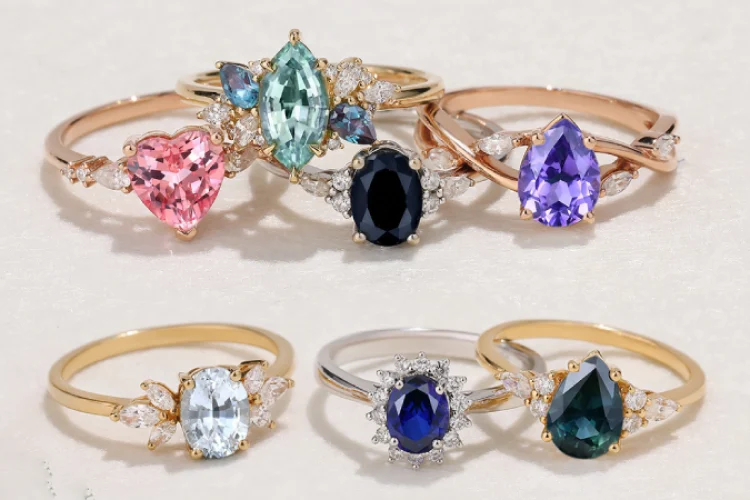
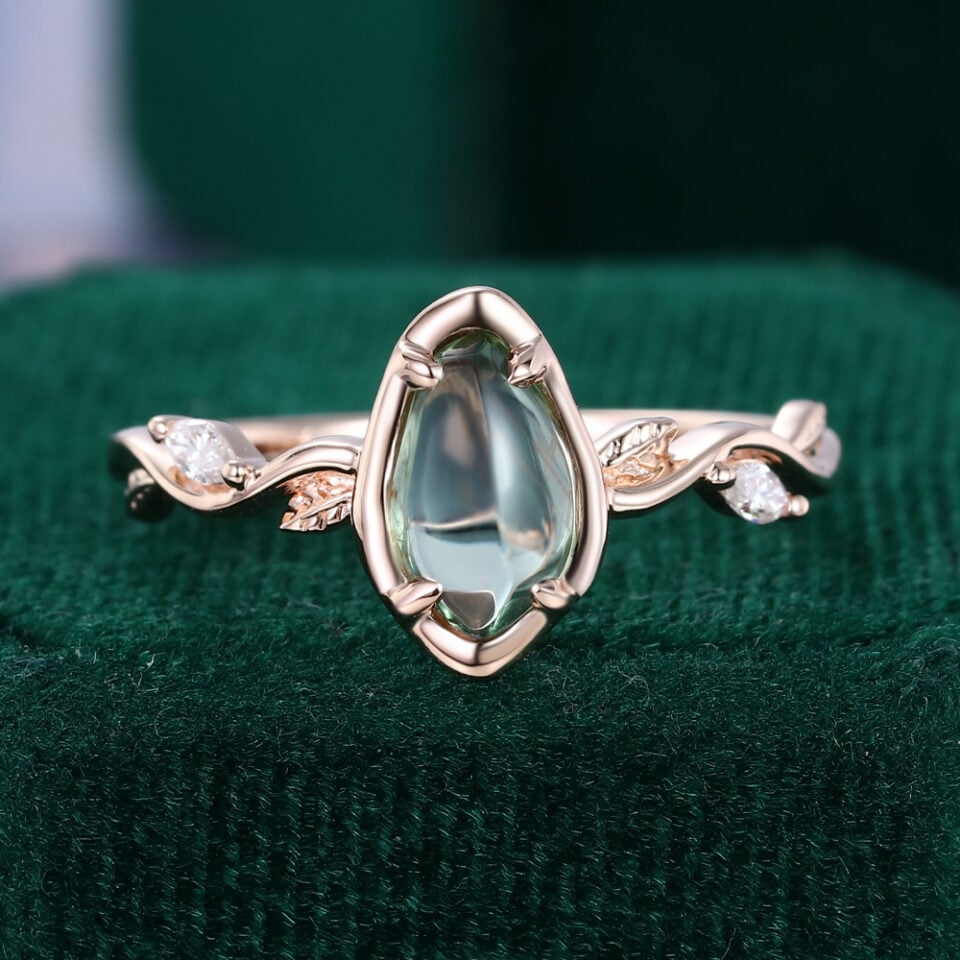
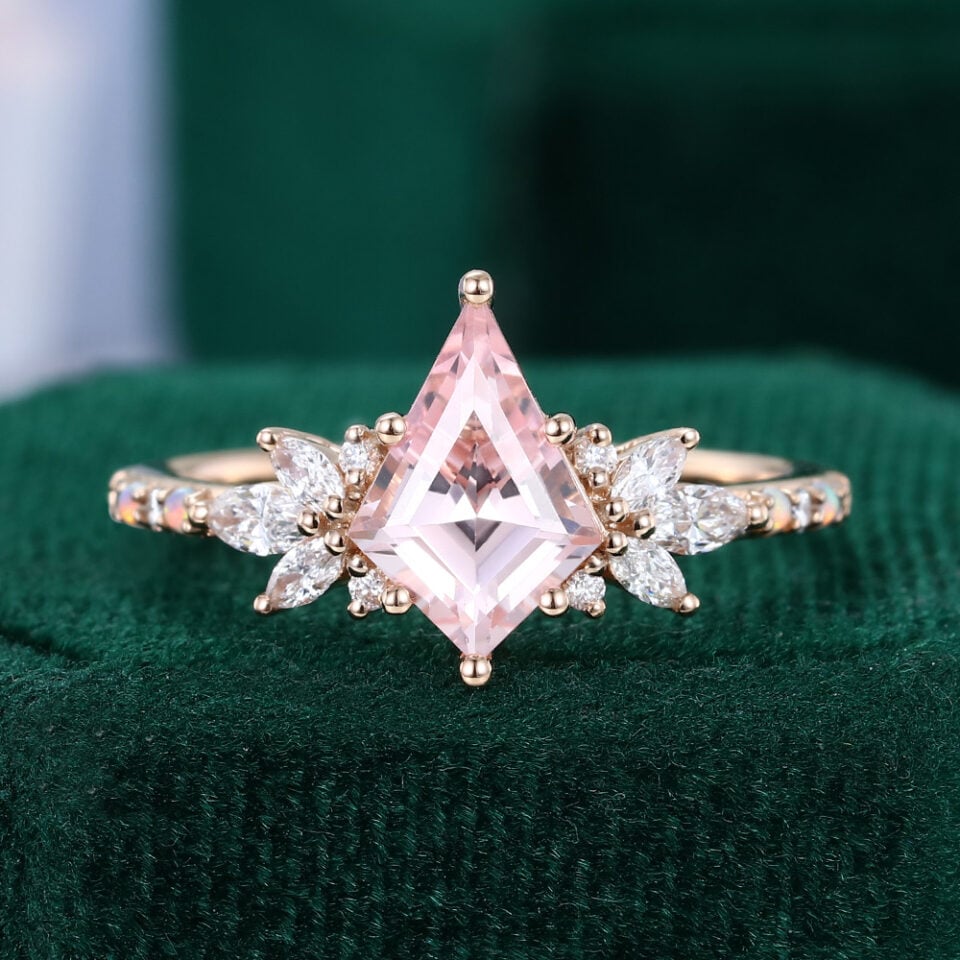
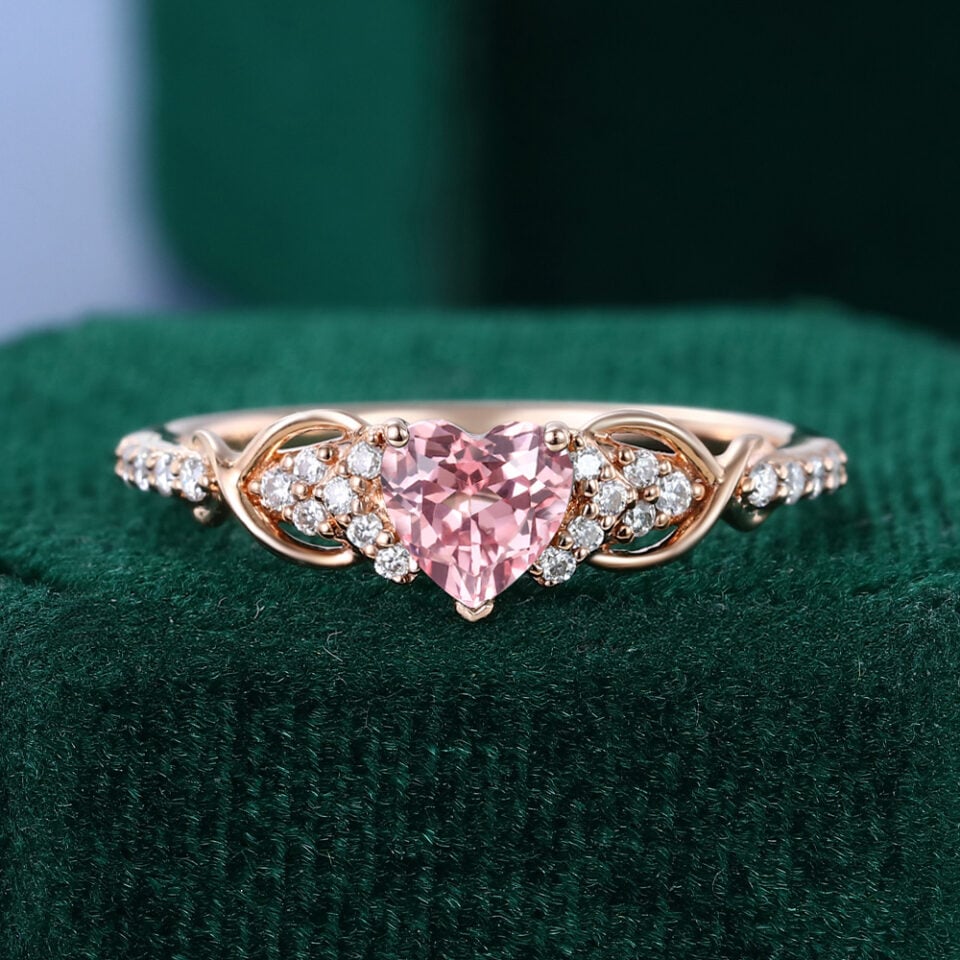
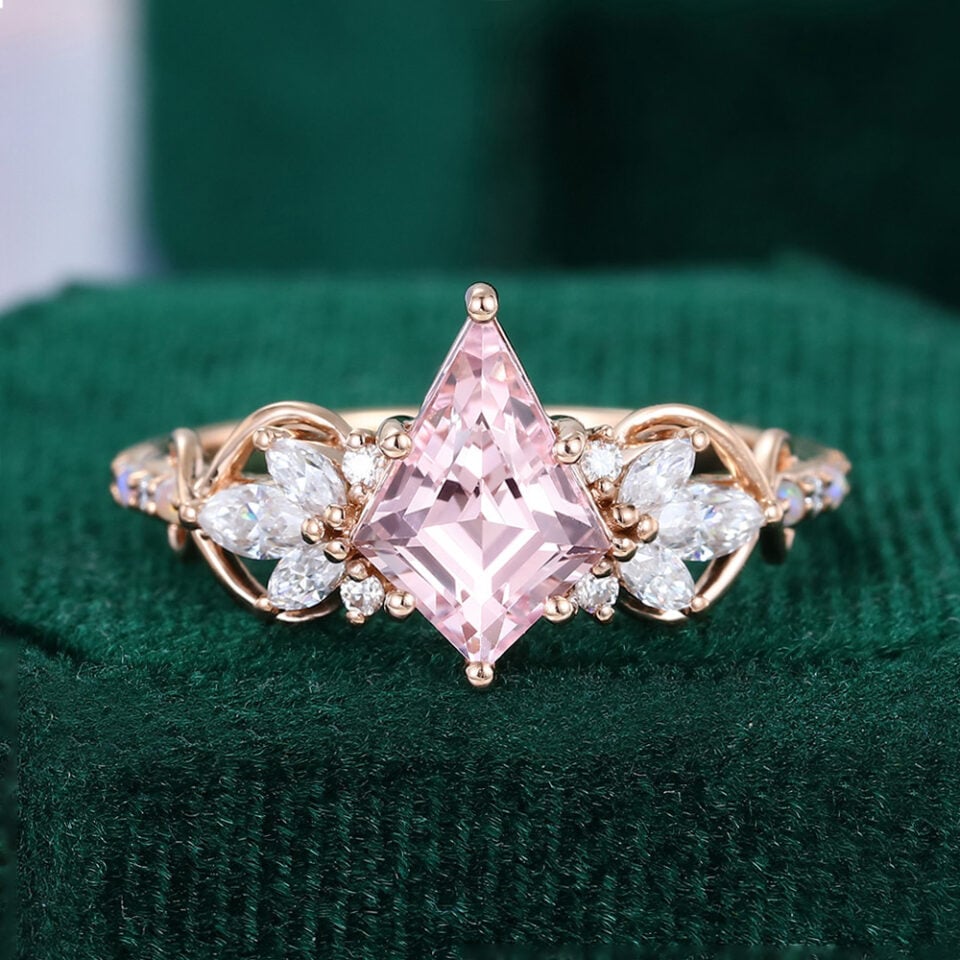
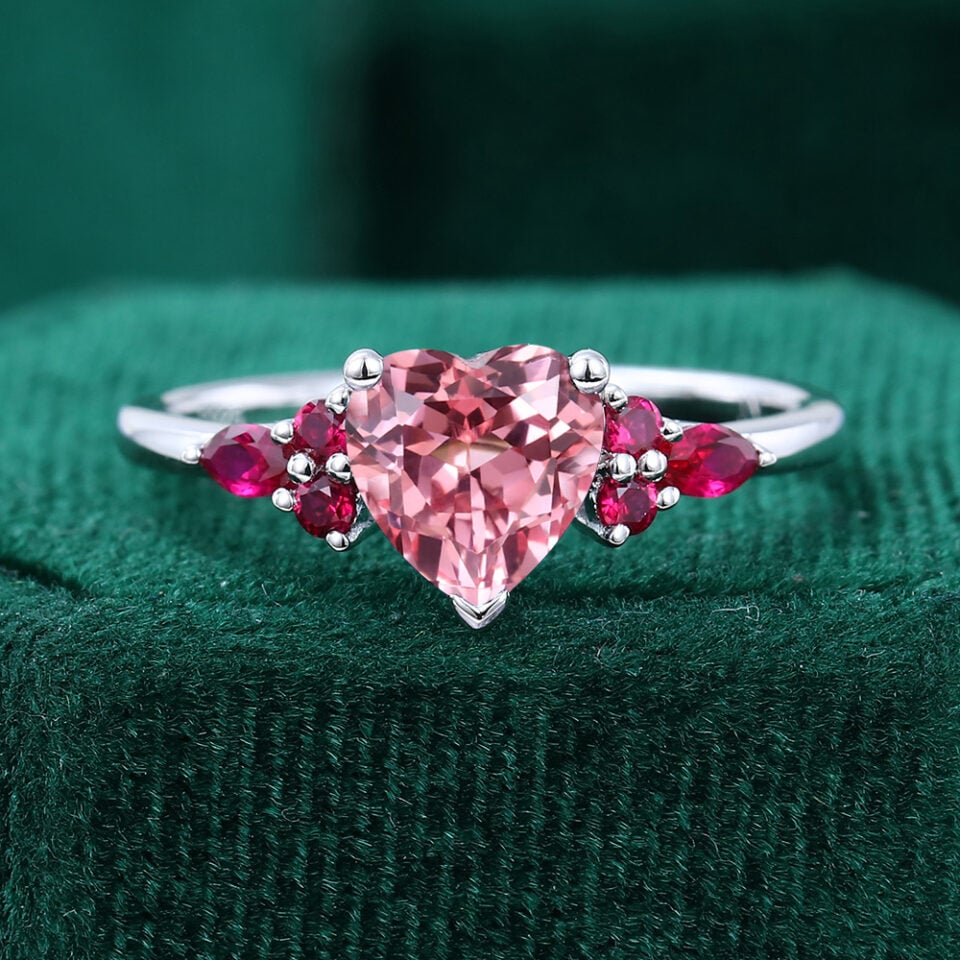
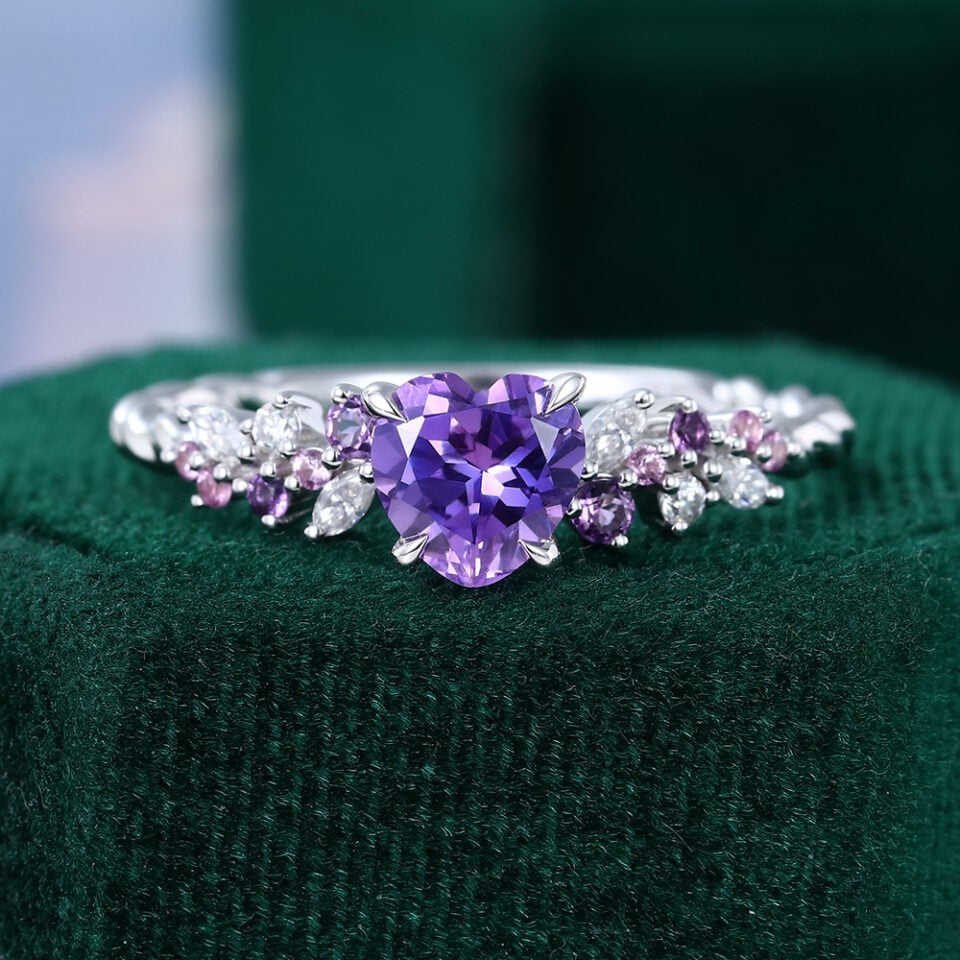
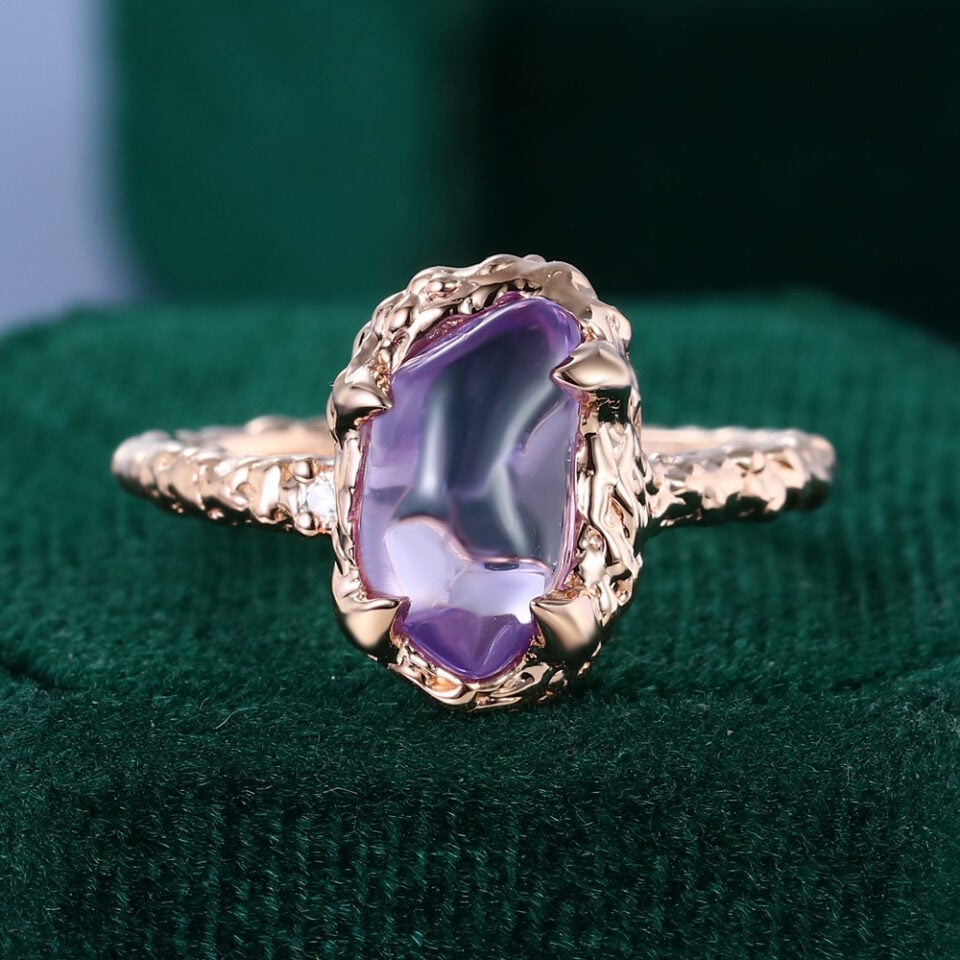
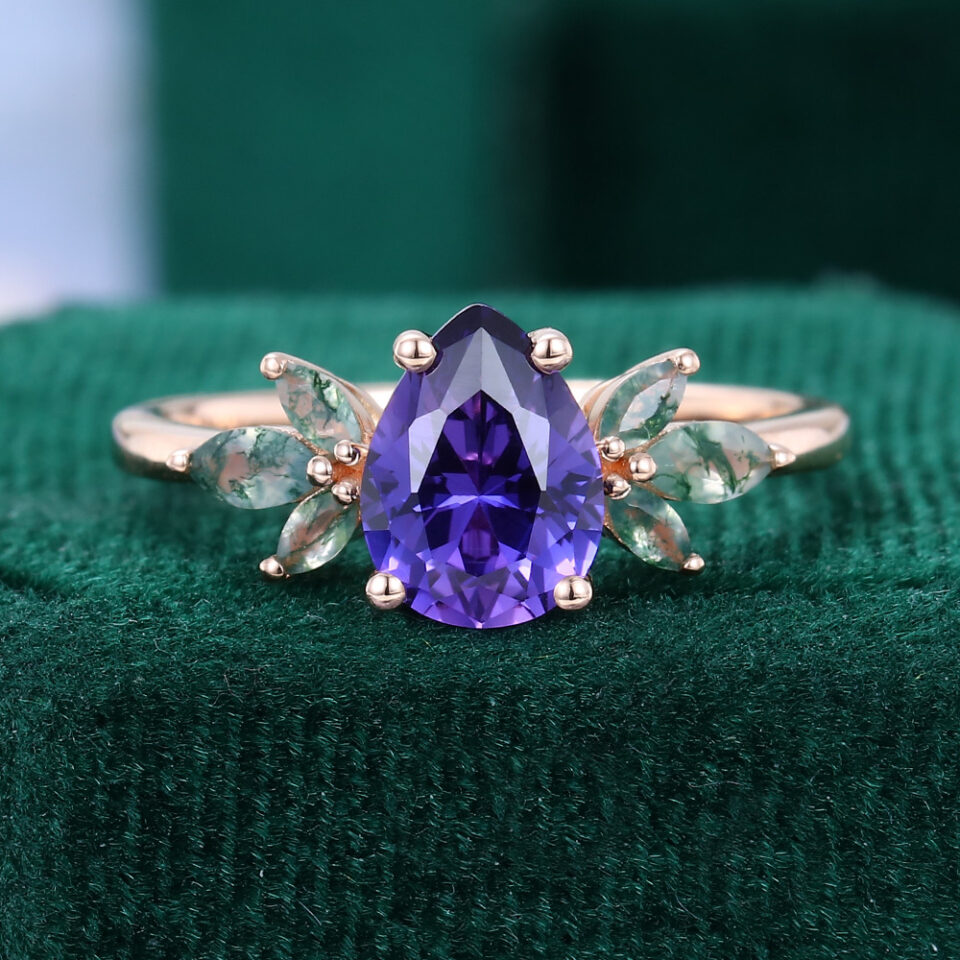
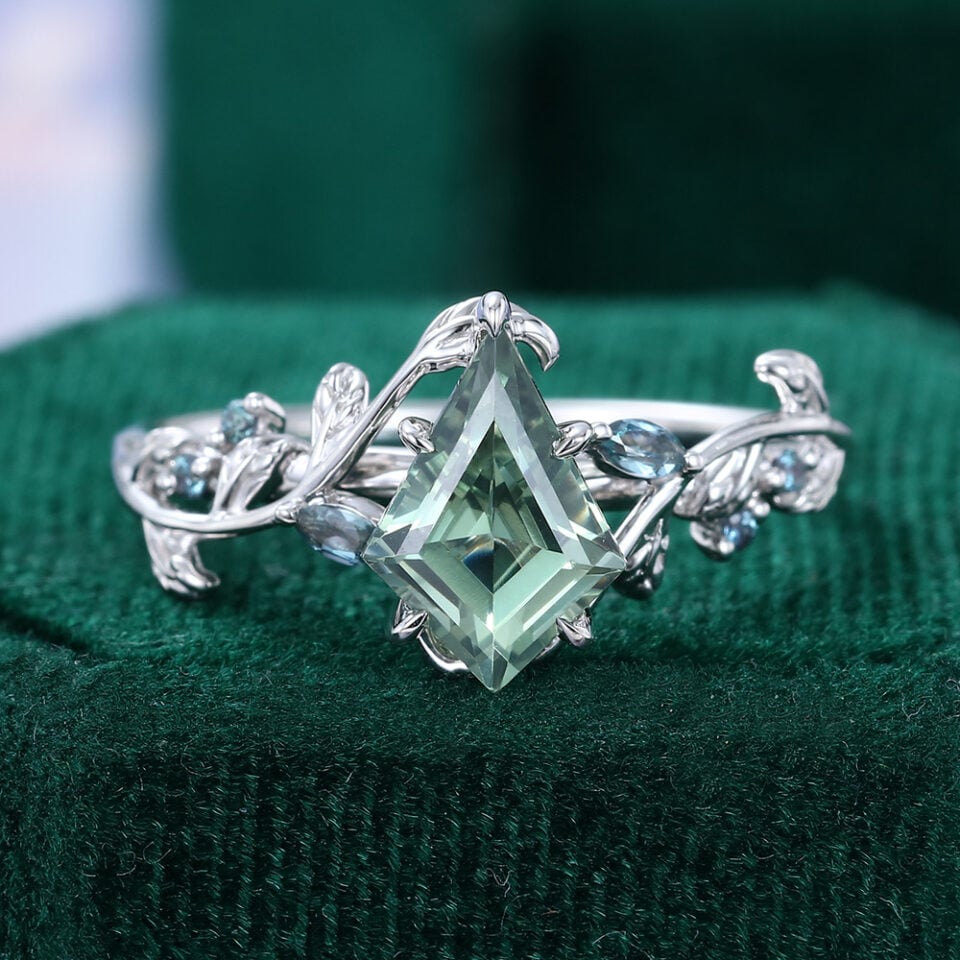
Colored sapphire engagement rings have become one of the most meaningful alternatives to traditional diamond rings. Known for their durability, rich symbolism, and stunning range of colors, sapphires allow couples to express personality, values, and love in a way that feels truly personal.
From classic blue sapphire rings worn by royalty to modern teal, green, pink, and purple designs inspired by nature, this guide will help you understand how to choose the right colored sapphire engagement ring—based on color, style, budget, and everyday wear.
A sapphire engagement ring features a sapphire as the center stone instead of a diamond. Sapphires belong to the corundum family and are prized for their exceptional durability (9 on the Mohs hardness scale), making them ideal for daily wear.
While blue sapphire is the most iconic choice, sapphires naturally occur in nearly every color except red (which is classified as ruby). This wide color range is what makes colored sapphire engagement rings so versatile and increasingly popular for modern couples.
Why Choose a Colored Sapphire Engagement Ring?
Choosing a colored sapphire engagement ring is about more than aesthetics—it’s about meaning, individuality, and longevity.
Durable for everyday wear: Sapphires resist scratches and chips better than most gemstones.
Deep symbolism: Traditionally associated with loyalty, wisdom, trust, and commitment.
More expressive than diamonds: Color allows the ring to reflect personality and emotional meaning.
Timeless yet unique: Sapphires have been worn for centuries, but colored varieties feel fresh and personal.
For couples who want a ring that stands out without sacrificing elegance, sapphire engagement rings offer the perfect balance.
Different sapphire colors carry different emotional meanings and visual impressions. Below are the most popular choices for engagement rings, with natural pathways to explore each collection.
Blue Sapphire Engagement Rings
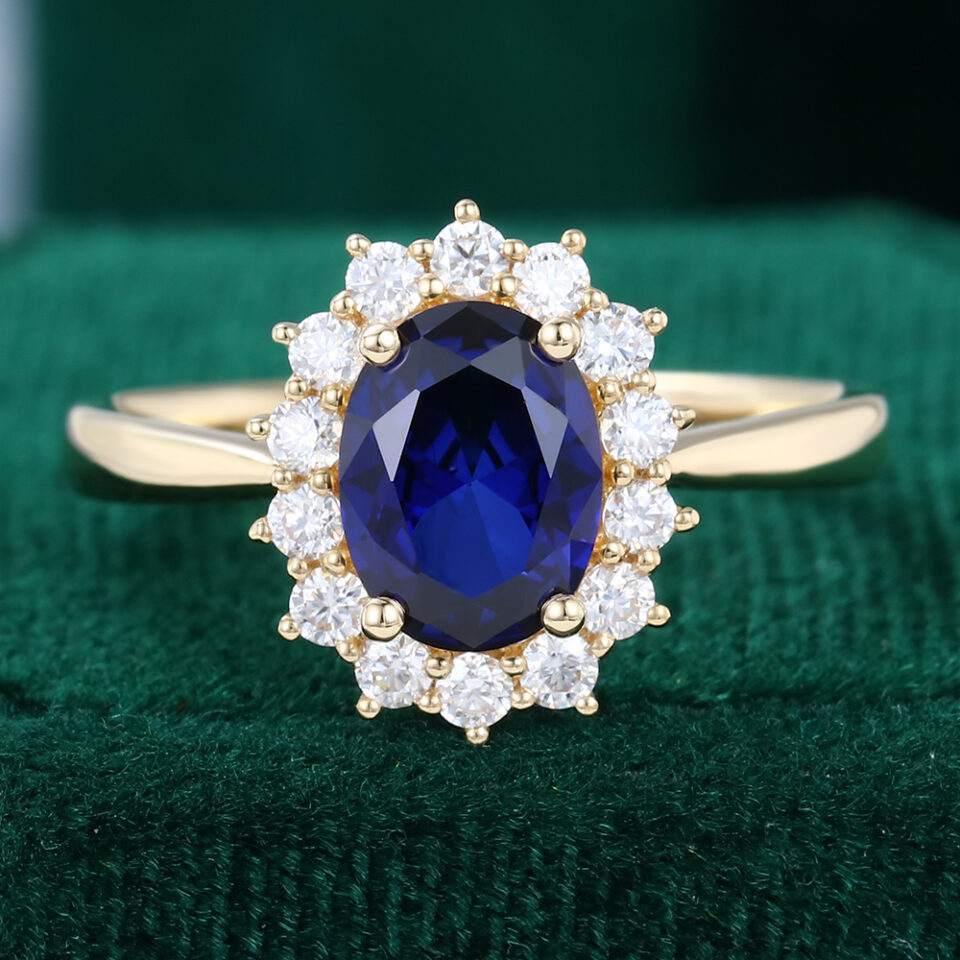
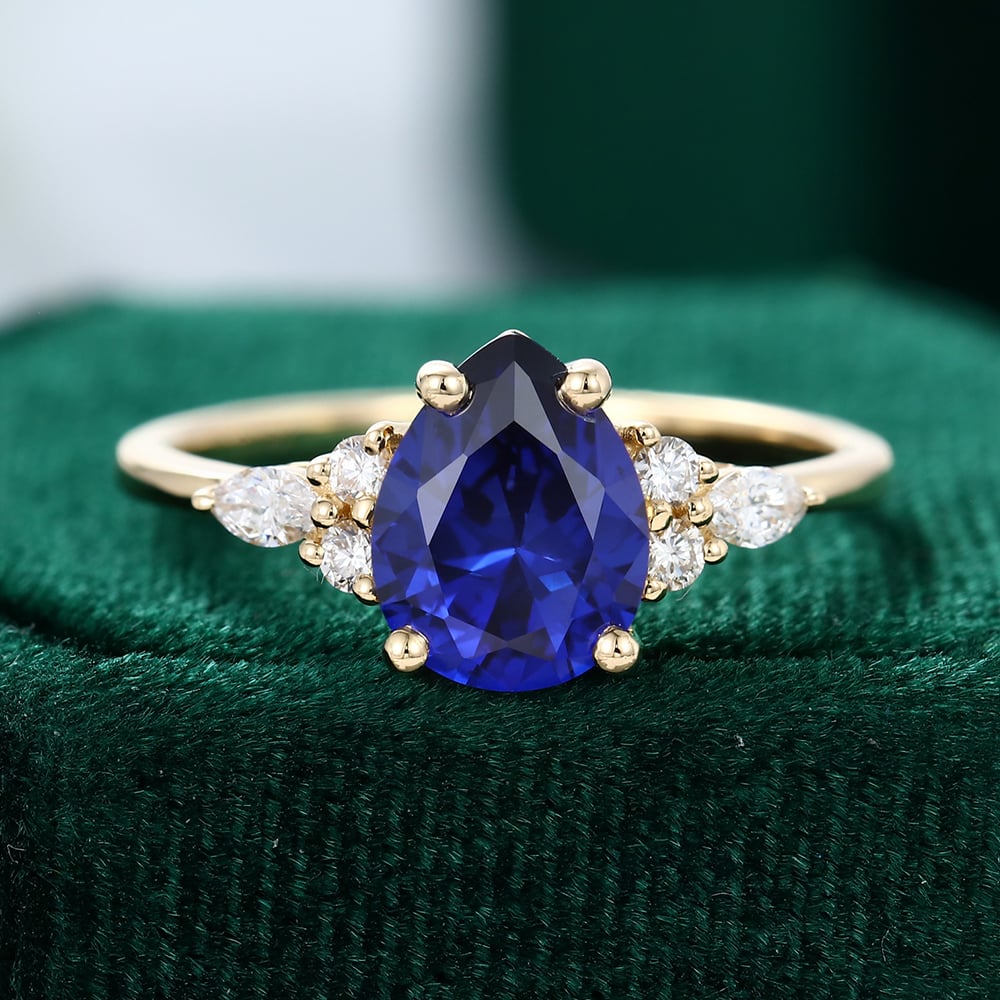
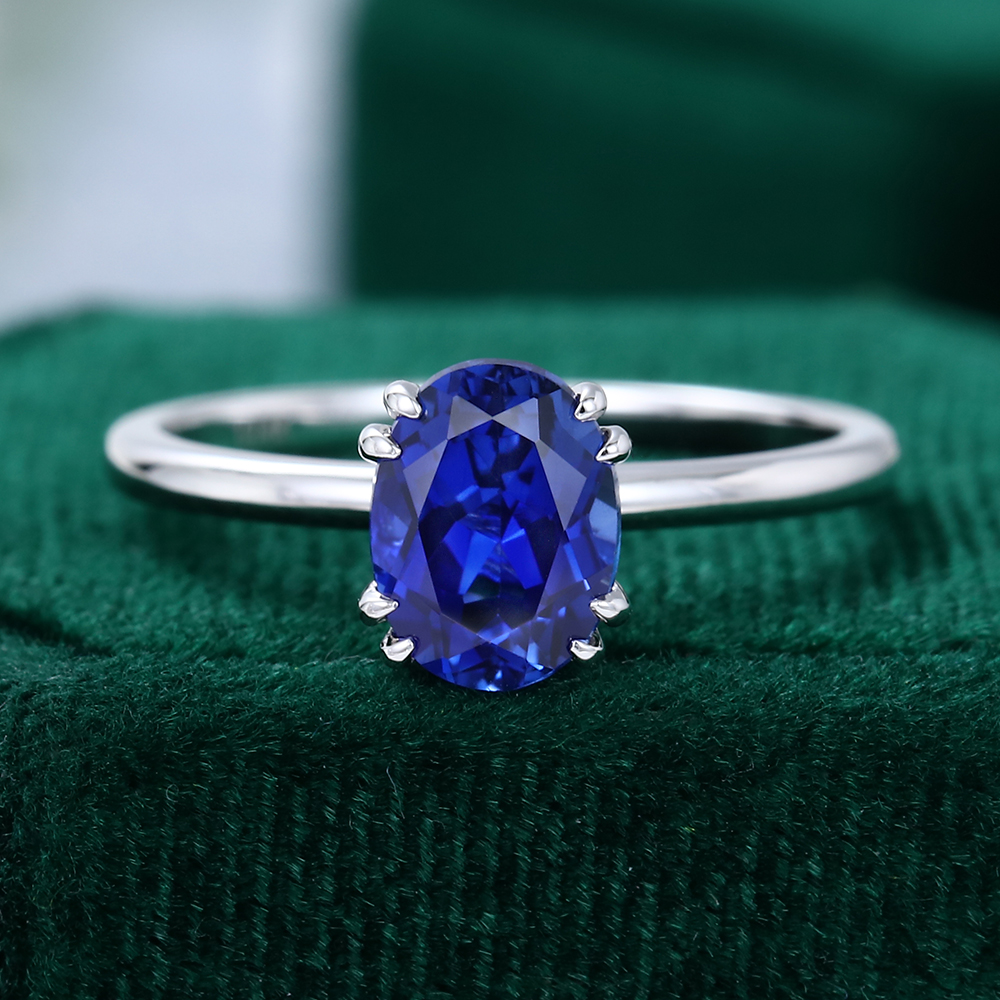
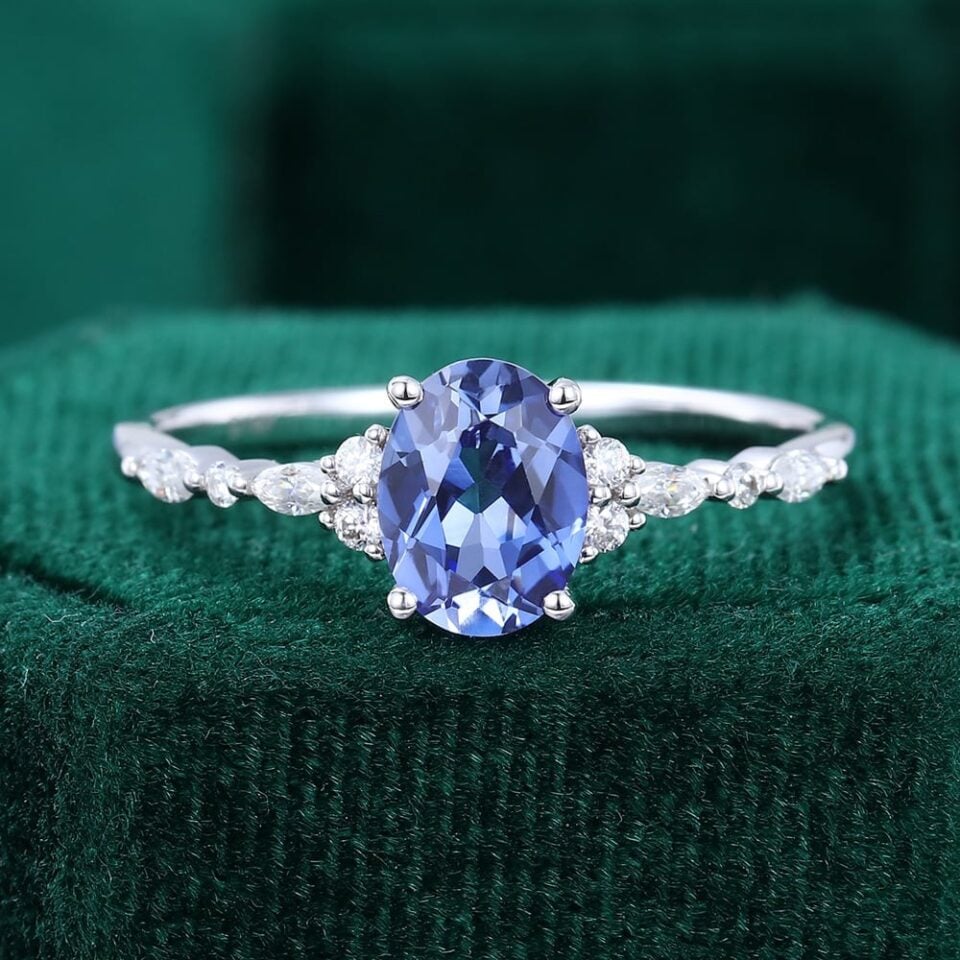
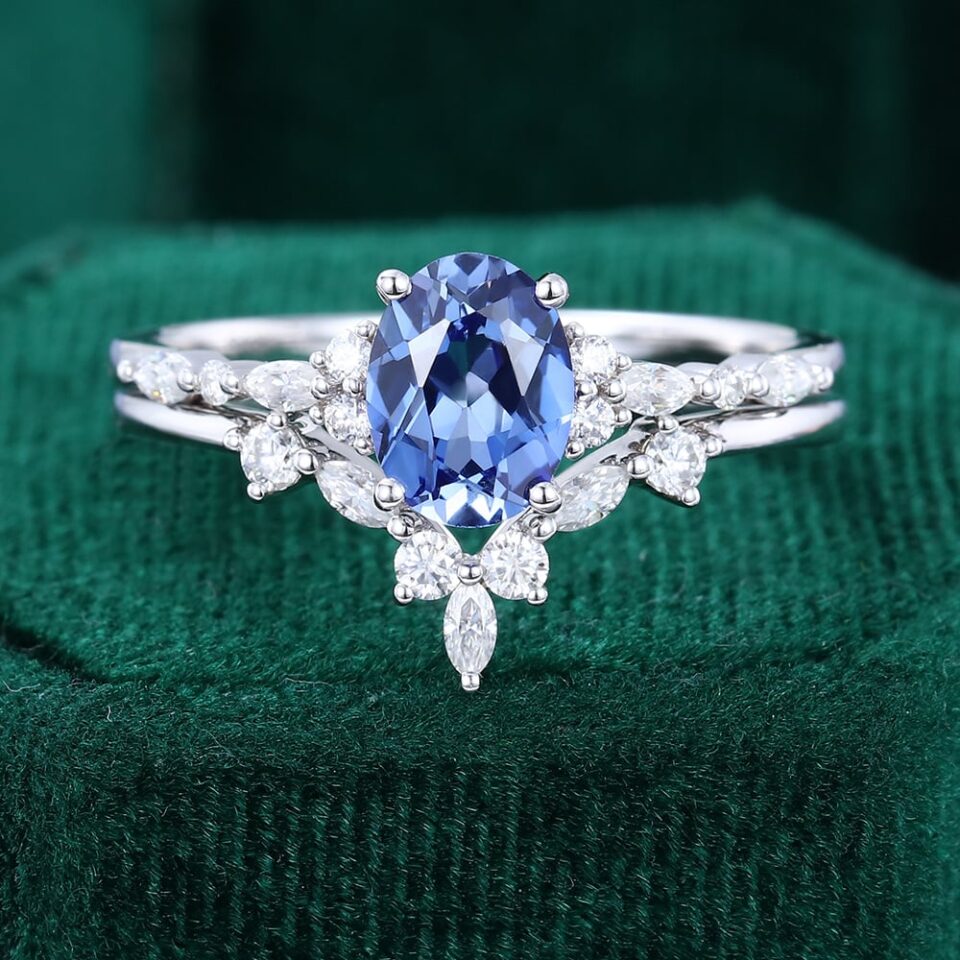
Blue sapphire rings are the most classic option, symbolizing trust, sincerity, and lifelong commitment. From deep royal blue to lighter cornflower blue, these sapphire engagement rings are timeless and elegant—ideal for those who love tradition with substance.
Cornflower blue sapphires are prized for their soft, balanced blue tone—lighter than royal blue, yet rich and refined. Historically associated with royalty, cornflower sapphire rings feel romantic, graceful, and quietly luxurious.
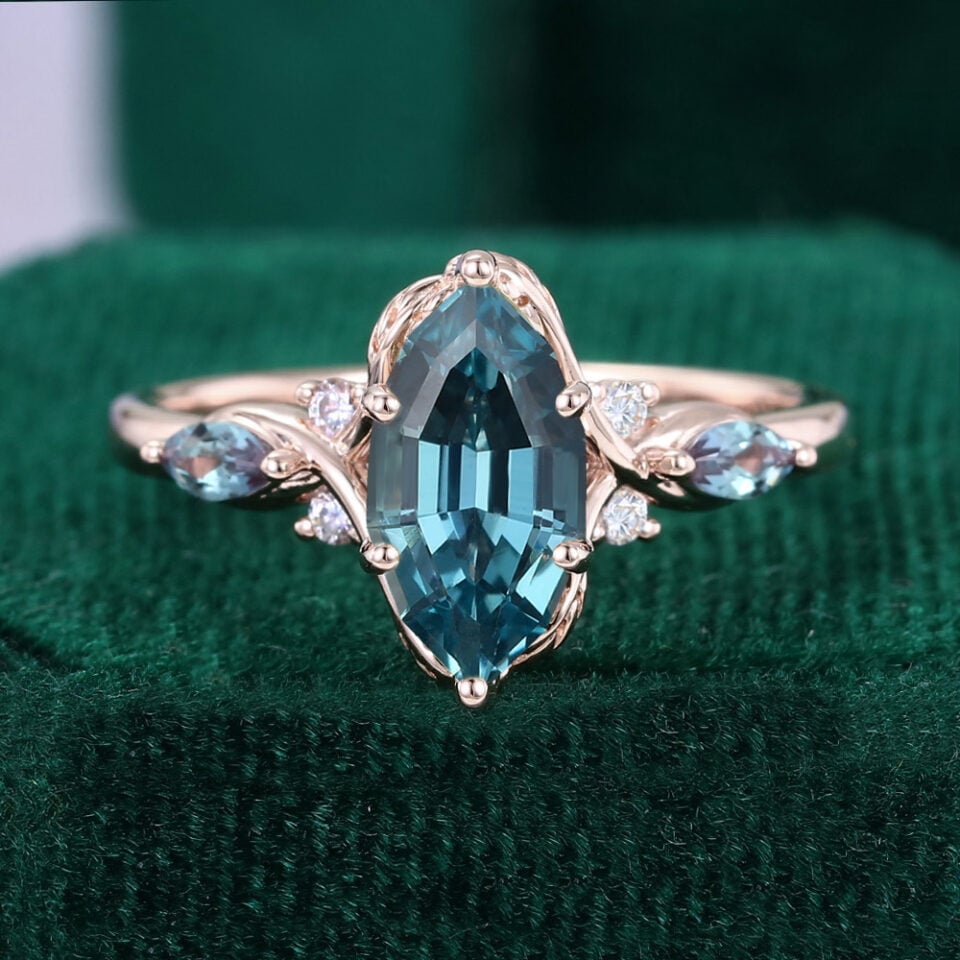
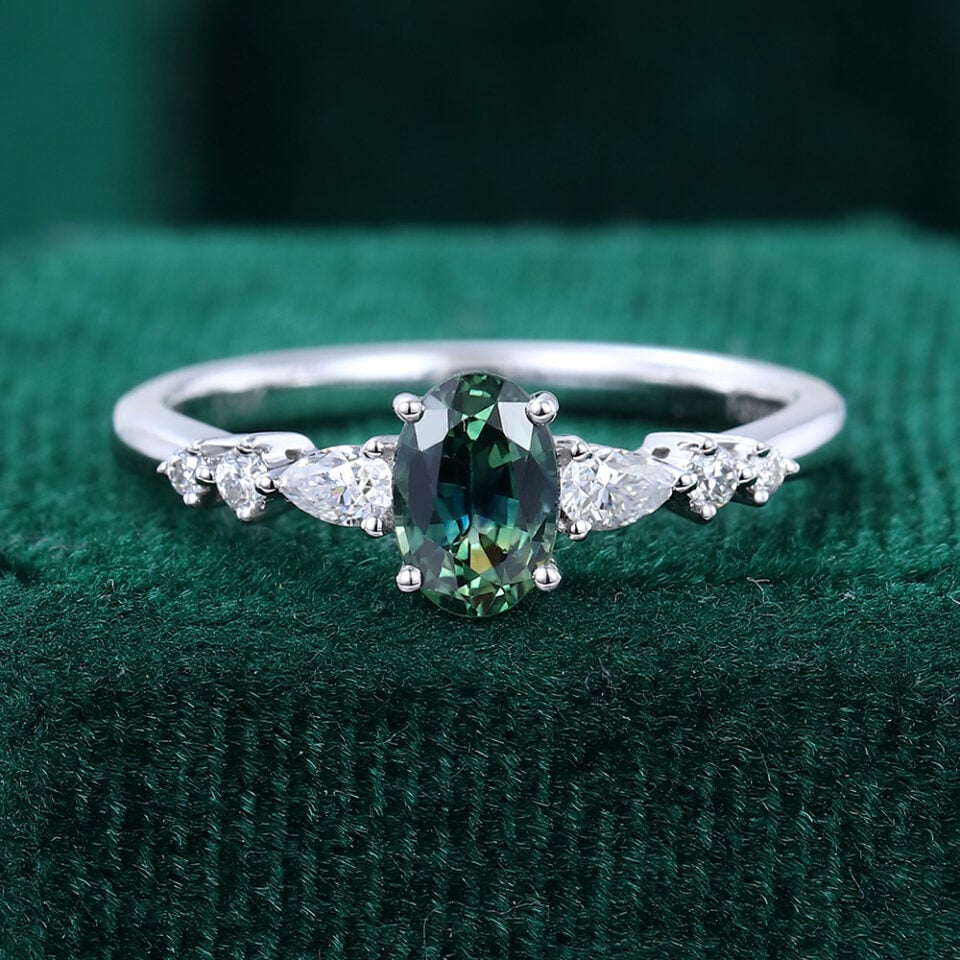
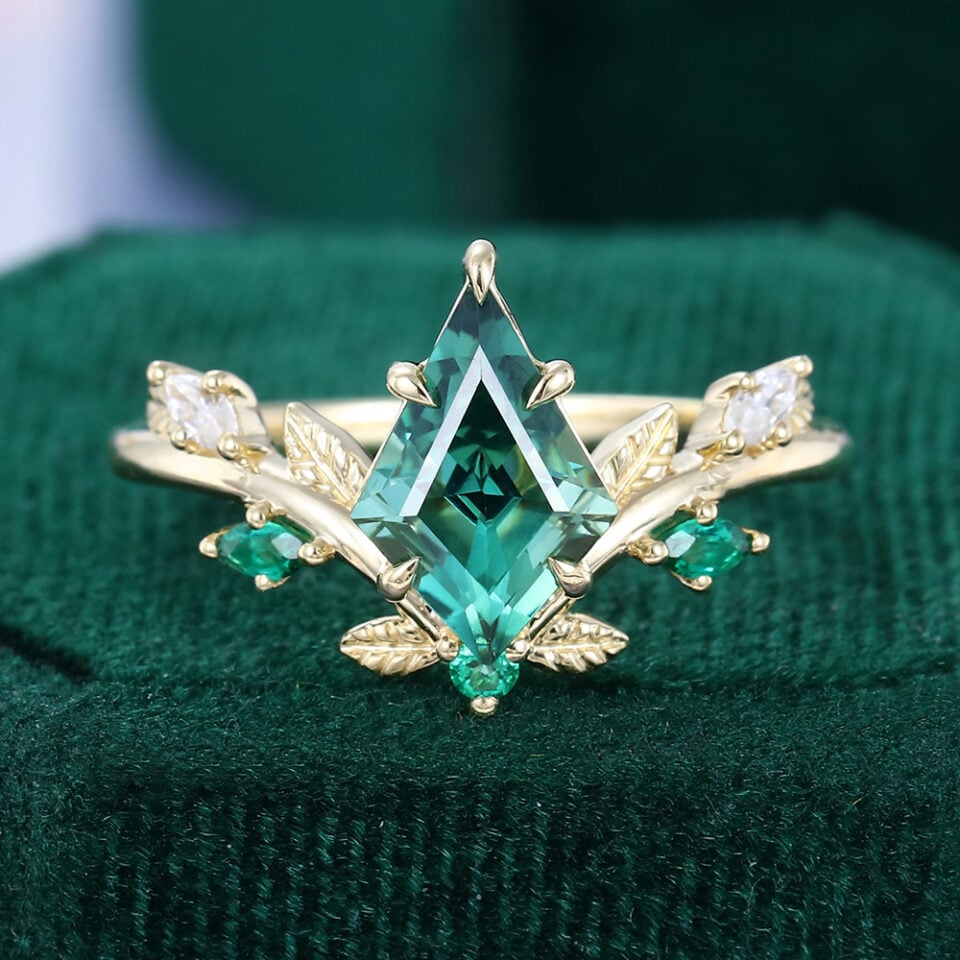
Teal sapphires blend blue and green hues, creating a color inspired by sea, sky, and nature. Often sourced from Montana, teal sapphire engagement rings symbolize tranquility, wisdom, and individuality—perfect for couples drawn to organic beauty.
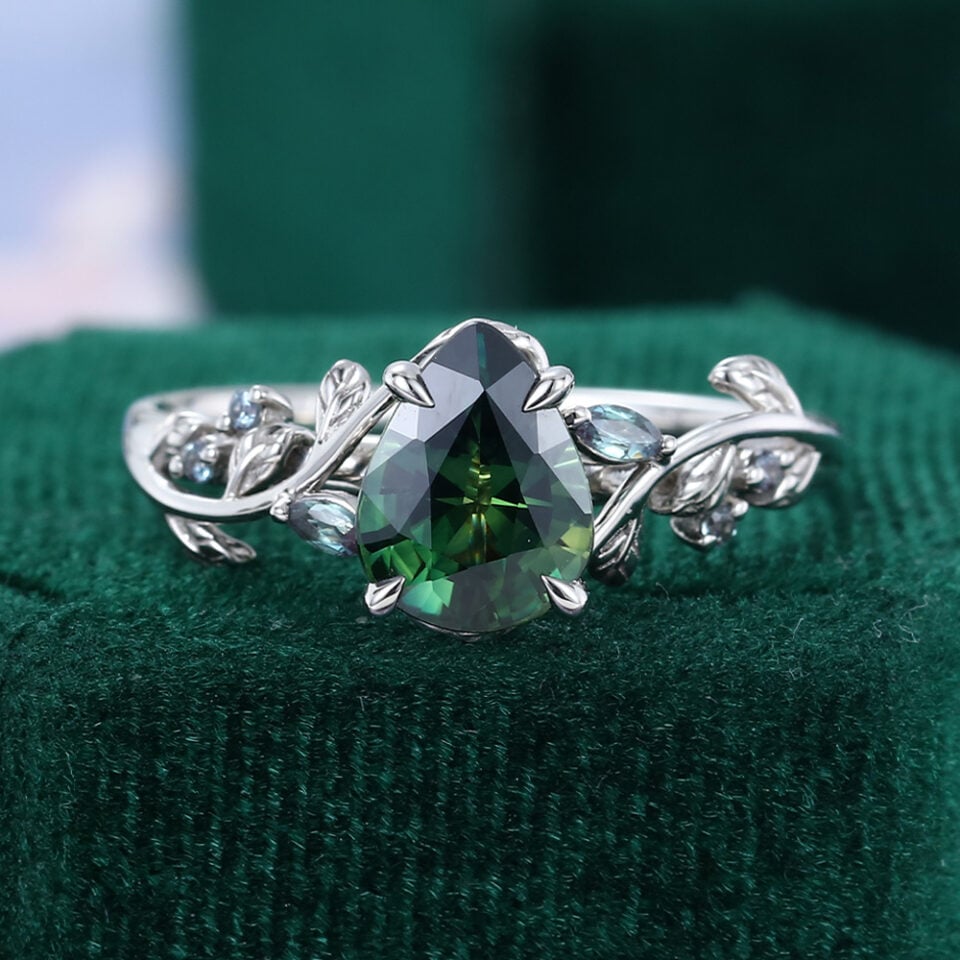
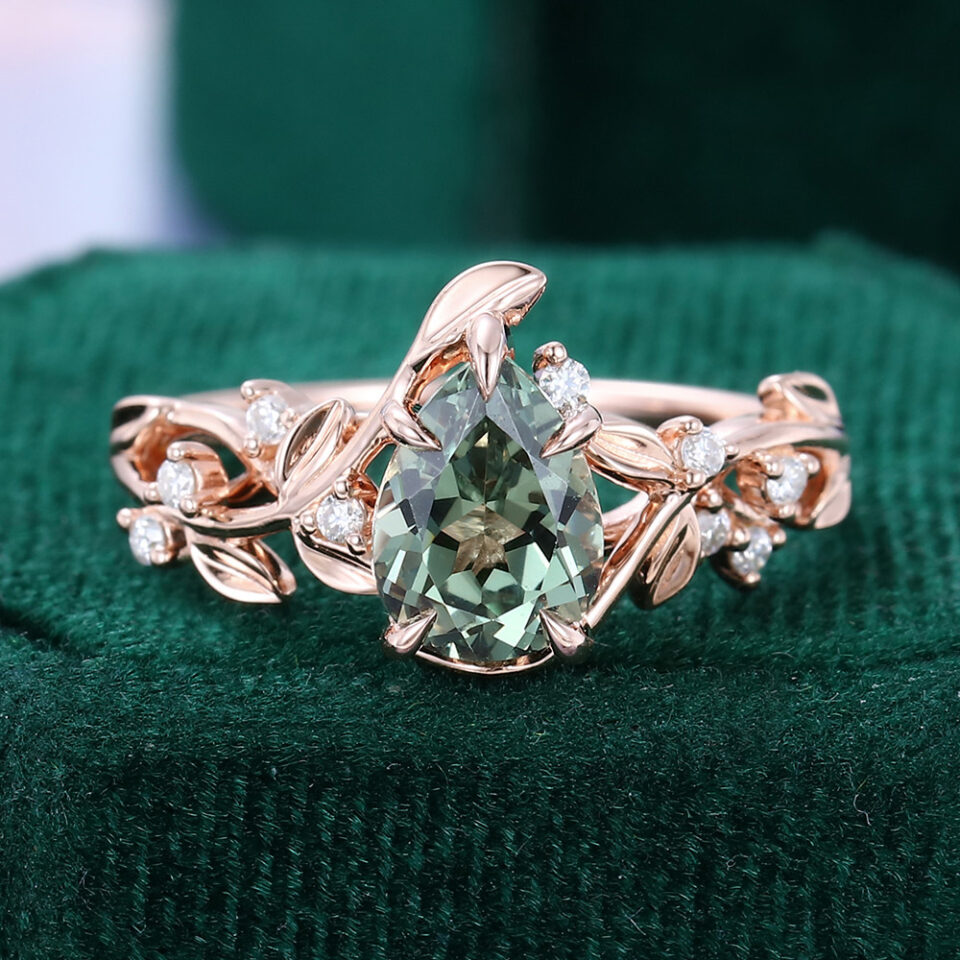
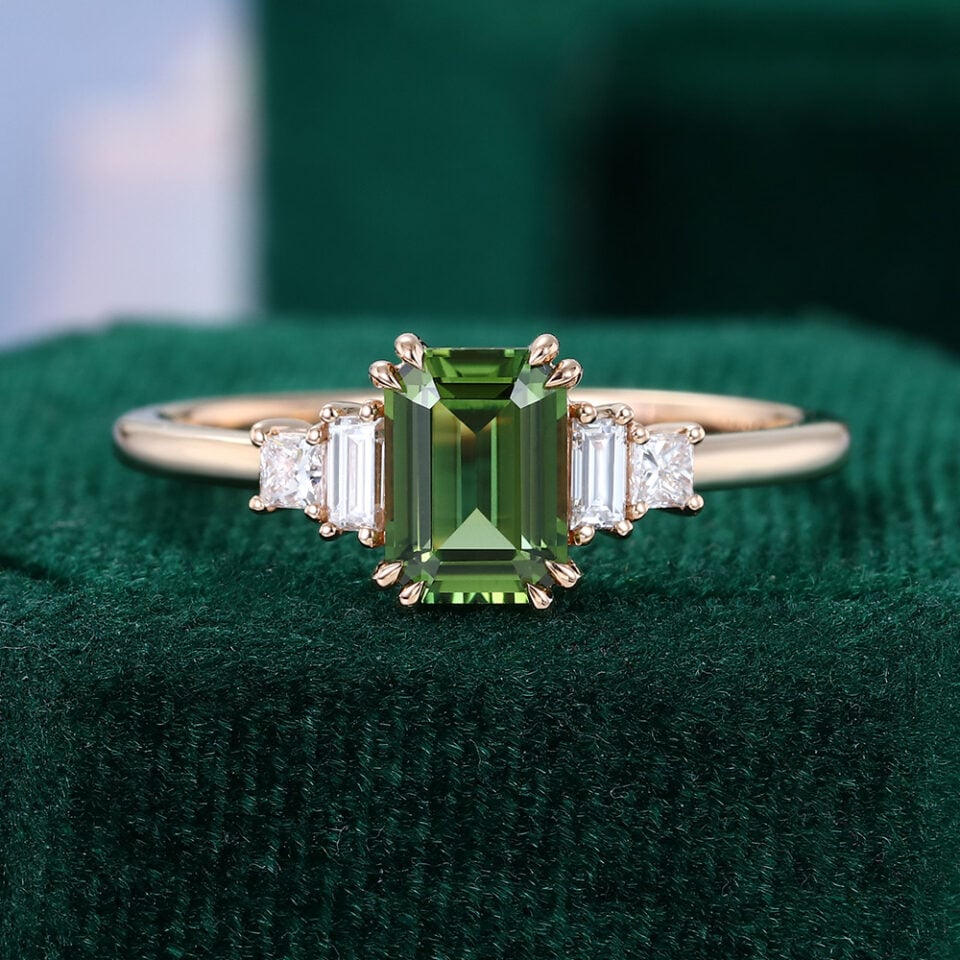
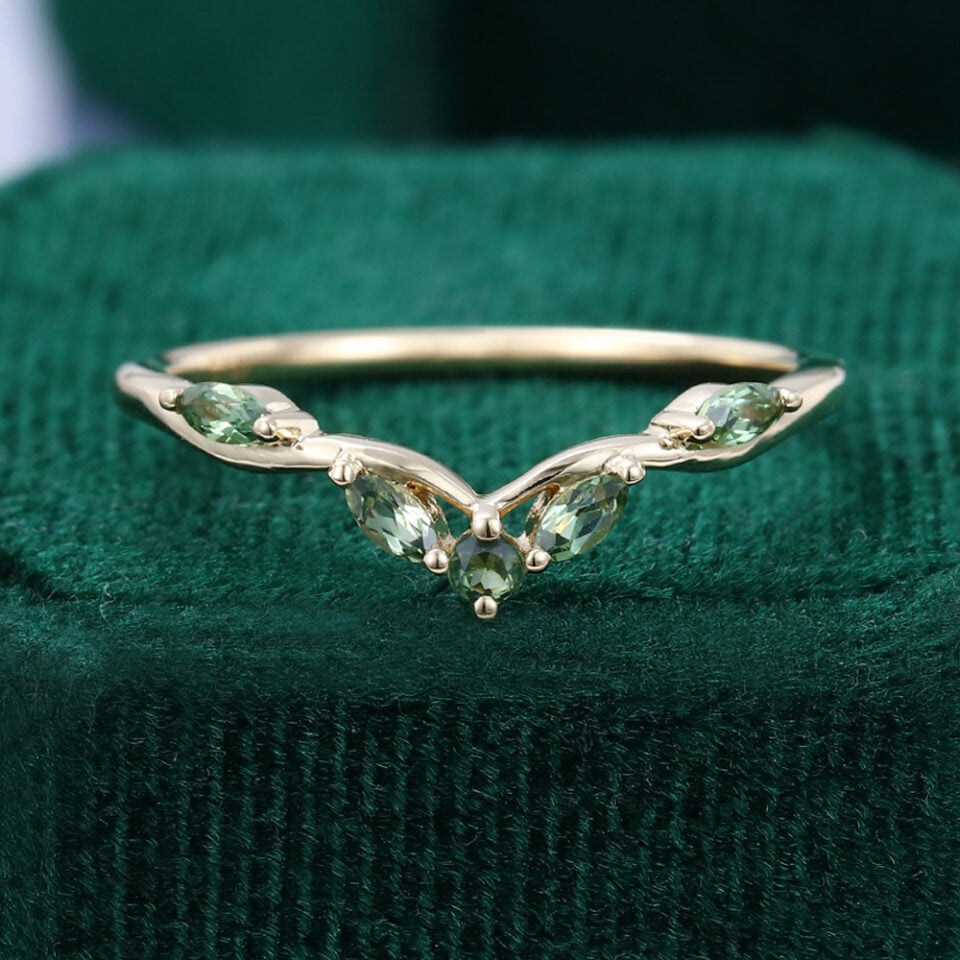
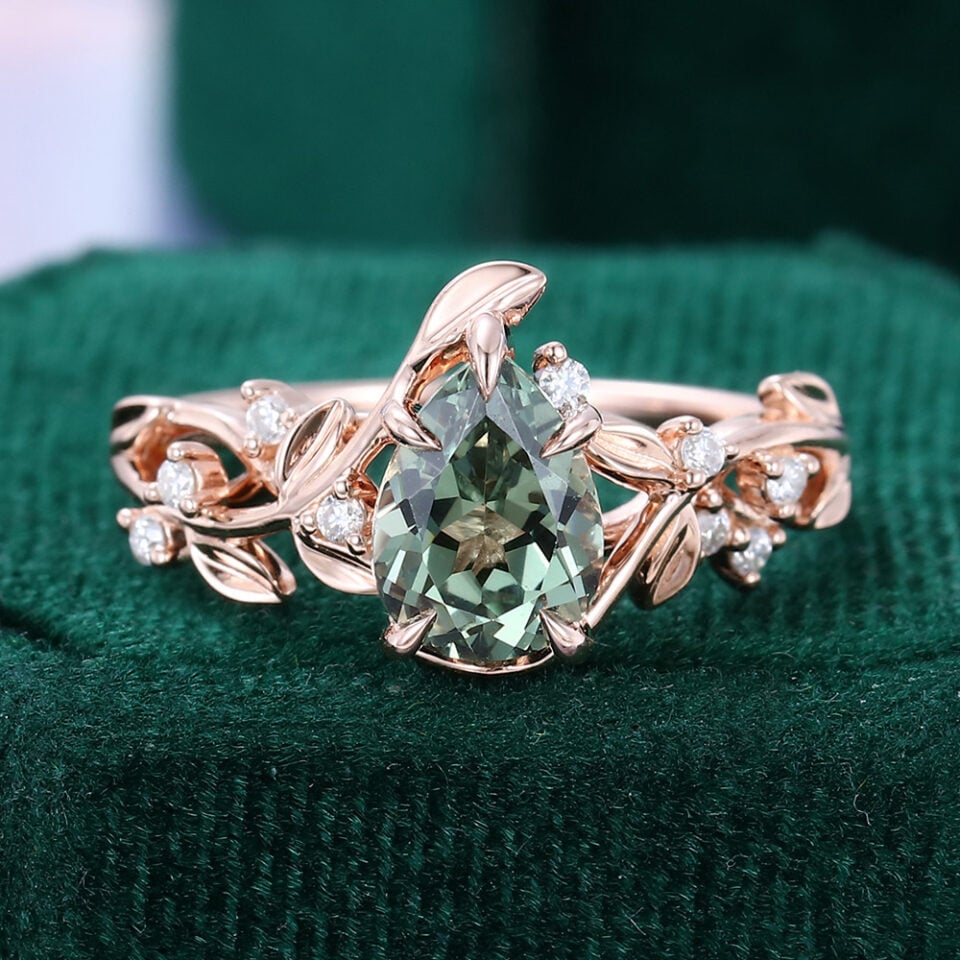
Green sapphire rings represent growth, renewal, and harmony. These sapphires range from soft sage to deep forest green and pair beautifully with yellow gold or white gold for a look that feels grounded yet elegant.
Pink sapphire engagement rings symbolize romance, compassion, and emotional connection. Softer than ruby but more durable than many pink gemstones, pink sapphires are ideal for feminine, romantic, and joyful designs.
Purple sapphires range from lavender to deep violet, representing creativity, wisdom, and individuality. These engagement rings feel artistic and expressive, perfect for those who want a ring with character.
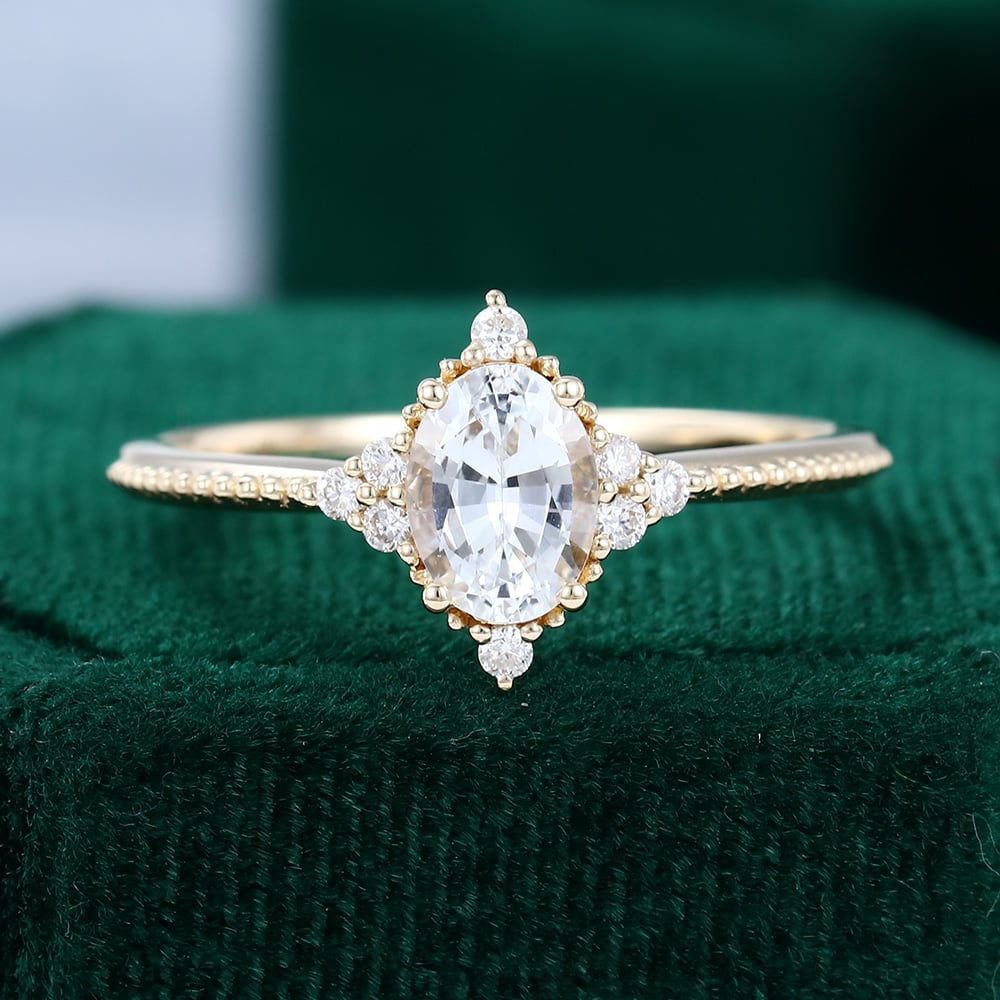
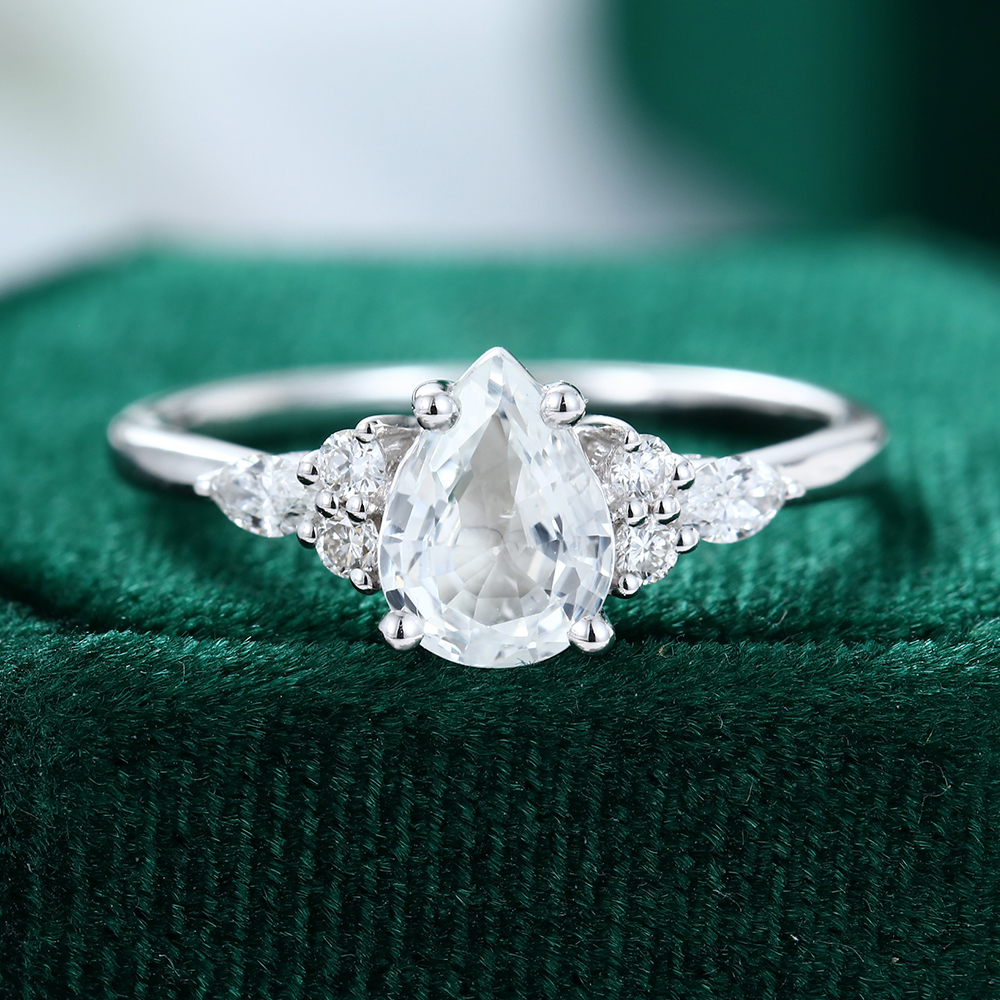
White sapphire rings offer a diamond-like appearance at a more accessible price. While they sparkle differently from diamonds, white sapphires are durable, elegant, and ideal for minimalist or classic engagement ring styles.
Unlike diamonds, sapphire value is driven primarily by color. Look for even color distribution, medium to rich saturation, and minimal gray or brown undertones.
2. Cut Shapes That Enhance Beauty
Popular sapphire cuts include oval, round, cushion, emerald, and marquise. Oval and cushion cuts enhance brilliance and color depth, while emerald cuts highlight clarity and structure.
3. Clarity & Visual Balance
Most sapphires contain natural inclusions. Eye-clean stones—where inclusions are not visible without magnification—offer the best balance of beauty and value.
4. Carat Weight & Appearance
Sapphires are denser than diamonds, so a 1-carat sapphire may appear slightly smaller than a 1-carat diamond. Focus on face-up size rather than carat weight alone.
Settings & Metals for Sapphire Rings
Sapphires pair beautifully with a wide range of settings and metals:
Solitaire: Highlights the gemstone’s color.
Halo: Adds sparkle and visual size using diamonds.
Three-stone: Symbolizes past, present, and future.
Bezel: A modern, protective setting ideal for daily wear.
Metal choices include white gold, yellow gold, rose gold, platinum, and sterling silver. Yellow gold enhances warm tones like green or pink sapphires, while white metals emphasize cool blue and teal hues.
Sapphire Engagement Ring Price & Value
Sapphire engagement ring prices vary based on:
Color rarity (padparadscha and cornflower blue are among the most valuable)
Natural vs lab-grown sapphire
Carat weight and clarity
Setting complexity and metal choice
Compared to diamond engagement rings, sapphires often provide better value for size, color, and individuality—especially when choosing unique colored sapphires.
Caring for Your Sapphire Engagement Ring
Sapphires are durable but still benefit from proper care:
Clean with warm water, mild soap, and a soft toothbrush
Avoid harsh chemicals and ultrasonic cleaners for delicate settings
Store separately to prevent scratches from diamonds or other gems
With proper care, sapphire engagement rings maintain their brilliance for a lifetime.