- by MollyJewelryUS
- September 13, 2026
- Buying Guides
Defined by elongated lines and distinctive step-cut facets, the emerald cut embodies a form of luxury that feels both understated and architectural. Its structure places the gemstone at the center of attention, which makes the choice of center stone particularly meaningful.
When it comes to the best gemstones for emerald cut engagement rings, there is no universal answer. Each gem brings its own color, character, and visual presence, shaping the overall mood of the ring and the feeling it conveys.
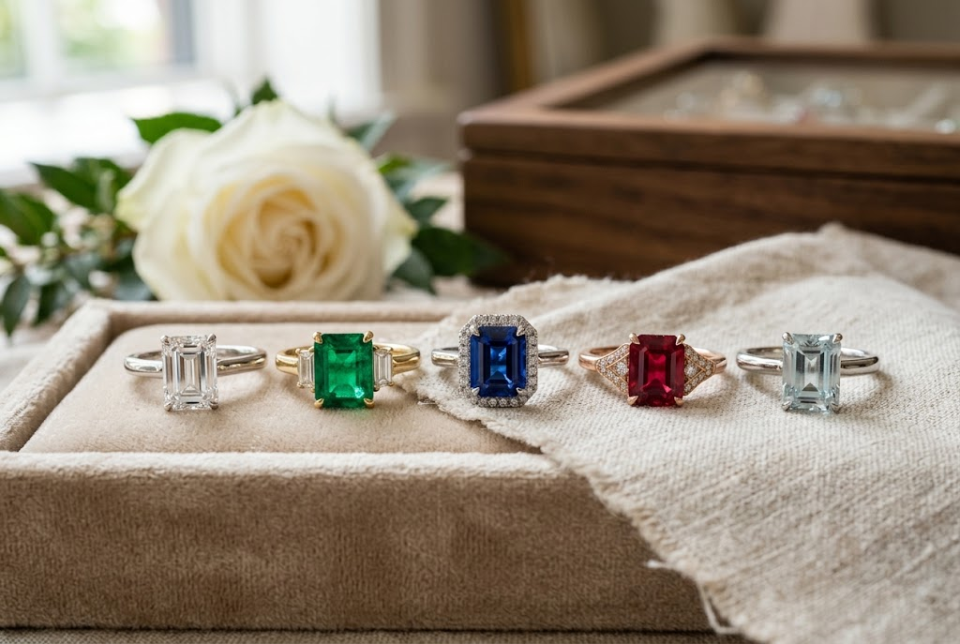
Table of Contents
Key Factors When Choosing an Emerald Cut Gemstone
Key Factors When Choosing an Emerald Cut Gemstone
Compared with brilliant cuts, emerald shapes feature a relatively large, open table that can make a gemstone’s body color and natural inclusions more visible. When choosing a center stone, keep the following five technical factors in mind:
- Prioritize clarity: An eye-clean gemstone can help maintain a cleaner, more refined appearance.
- Review light performance: Step-cuts offer broad flashes of light and a distinctive hall-of-mirrors effect. Choose a stone based on the optical qualities you enjoy most.
- Wearability: Consider hardness, toughness, and stability together when evaluating a gemstone for everyday wear.
- Evaluate color saturation: Deeper, more saturated hues can enhance the linear color effect across its facets.
- Face-up size: Compare the emerald cut’s length and width in millimeters, not just its carat weight.
Emerald Cut Stones That Maximize Classic Brilliance
Emerald Cut Stones That Maximize Classic Brilliance
For refined emerald cut gemstone rings, near-colorless stones offer one of the clearest ways to showcase the beauty of this distinctive cut.
1. Natural and Lab Grown Diamond
1. Natural and Lab Grown Diamond
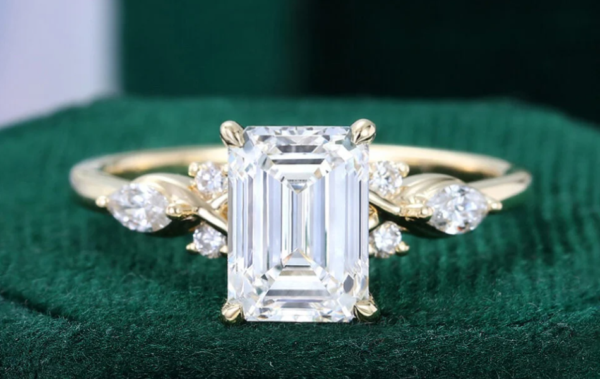
Both natural and lab-grown diamonds can showcase the beauty of an emerald cut, producing broad, mirror-like flashes of light across the facets. The elongated silhouette gives the ring a refined, modern character while preserving the diamond’s classic appeal.
- Ideal for: Brides seeking timeless sophistication, unmatched durability, and iconic, crisp reflection.
2. Moissanite
2. Moissanite
As a stone that combines visual impact with accessible value, moissanite is worth considering in a variety of emerald cut carat sizes. Its brilliance, durability, and affordability make it a popular alternative to diamond.
An emerald cut moissanite ring also offers a more restrained interpretation of sparkle, producing broader, more subtle flashes through its step-cut facets.
- Try it if you: Care about value while looking for a sparkling gem suitable for everyday wear.

Emerald-Shaped Gems That Highlight Deep Color
Emerald-Shaped Gems That Highlight Deep Color
Emerald cuts are equally captivating when used with colored gems. Rather than competing with the shape, rich color can make its geometric lines feel even more distinctive.
1. Sapphire (Teal, Blue & Peach)
1. Sapphire (Teal, Blue & Peach)
Sapphire engagement rings are popular for their wide range of rich colors. Teal sapphires create an ocean-inspired play of blue and green, navy blue varieties evoke a regal elegance, and peach sapphires offer warm, softly nostalgic tones with a vintage character.
With a Mohs hardness of 9, this stone is perfect for everyday wear. When paired with an emerald cut, its table can also showcase the gemstone’s natural body color gracefully.
- Best suited to: Anyone who wants a colored emerald-shaped stone with strong durability and a distinctly luxurious finish.

2. Emerald
2. Emerald
Few colored gemstones capture the architectural appeal of an emerald cut quite like emerald itself. Deep forest-green color settles into the stone’s broad, structured facets, giving the design a dramatic yet refined Art Deco sensibility.
When paired with yellow gold, the gem takes on a warmer, more nostalgic character. However, emeralds are known for their natural inclusions and greater vulnerability to fractures and impact, making protective settings and attentive care essential considerations.
- Perfect for: Traditionalists enamored with vintage regal charm, intense green hues, and historical gemological art.

3. Alexandrite
3. Alexandrite
Alexandrite is especially distinctive for its pronounced color-changing effect, shifting from bluish green in daylight to reddish or purplish red under incandescent light.
In an emerald cut, this distinctive effect unfolds across broad, structured facets, giving the jewelry a sense of dramatic sophistication. As one of June’s birthstones, alexandrite also adds a symbolic layer to a birthstone engagement ring.
- Ideal for: Collectors and unconventional brides who want a center stone with an element of surprise.

Gemstones for a Softer & Romantic Emerald Cut Ring
Gemstones for a Softer & Romantic Emerald Cut Ring
If delicate pastels and ethereal warmth appeal to you, soft color can give emerald cut gemstone engagement ring meaning a more nuanced expression.
1. Morganite
1. Morganite
Morganite rings are known for their alluring peach and champagne glow. The emerald cut highlights the stone’s soft pink hues through its broad facets, bringing out an elegant and ethereal appearance. Pairing the gem with a rose gold or yellow gold band can further enhance its warm beauty.
- Best suited to: Romantic souls who adore feminine peach-pink tones and warm metal pairings.

2. Opal
2. Opal
Opal takes the emerald cut somewhere more artistic. Instead of relying on conventional brilliance, its appeal comes from body color, translucency, and flashes of spectral color that can vary from stone to stone.
That said, as a relatively soft gemstone, an opal engagement ring requires thoughtful protection. A suitable emerald cut setting can help safeguard its vulnerable corners, while gentle handling and careful everyday wear are essential to preserving its appearance.
- Try it if you: Are drawn to unique artistic flair and an ethereal, one-of-a-kind effect.

Best Gemstones for Emerald Cut Engagement Rings Comparison
Best Gemstones for Emerald Cut Engagement Rings Comparison
Selecting among the best gemstones for emerald cut engagement rings can be easier when you see the options side by side. The table below covers the key features, durability, and aesthetic character of each gem to help you make a more informed choice.
| Gemstone | Signature Look | Maintenance Level | Overall Mood |
|---|---|---|---|
| Diamond / Lab Diamond | Crisp, colorless brilliance | Low | Classic & Timeless |
| Moissanite | Bright flashes and fire | Low | Modern High-Glitz |
| Sapphire | Saturated color depth | Low | Vintage & Colorful |
| Emerald | Rich green character | Medium (Handle with care) | Heirloom & Antique |
| Alexandrite | Dynamic color-shifting magic | Low to Medium | Avant-Garde Luxury |
| Morganite | Soft pink romantic glow | Medium (Avoid hard knocks) | Warm & Feminine |
| Opal | Iridescent play-of-color | High (Careful wear) | Ethereal & Unique |
👉🏻 For more buying tips, come and exoplore this reliable guide to emerald cut engagement rings.
Get Your Ideal Match at MollyJewelryUS
Get Your Ideal Match at MollyJewelryUS
Many of these directions are available across MollyJewelryUS‘s range of emerald cut engagement rings, from the iconic lab-grown diamonds to the brilliance of moissanite and the saturated color of other gemstones.
Our jewelry combines accessible pricing with quality craftsmanship, and customization is also available if you want something more personal. You can start by picking an emerald-shaped gem that matches the mood you want to create, then refine the overall look with your preferred setting and metal.
Which Stones Should You Avoid for an Emerald Cut?
Which Stones Should You Avoid for an Emerald Cut?
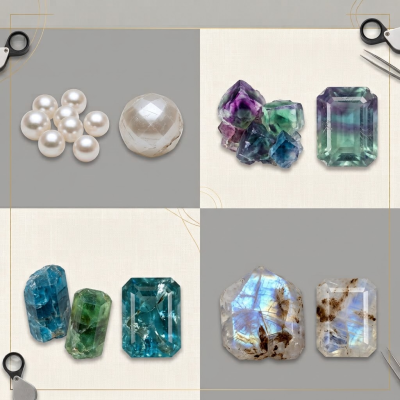
There is no definitive “blacklist,” but not every gemstone thrives under step-cut geometry. Emerald cuts have clipped corners, but gemstones with lower toughness or prominent cleavage may still require additional protection.
So, what stones should not be used for an emerald cut engagement ring? Pearls, fluorite, apatite, and moonstone are generally less suitable for everyday wear in this cut. Their relative softness or structural characteristics can make them more vulnerable to scratches, fractures, or chips when exposed to accidental impact.
However, that doesn’t mean you have to give up on the idea if you love the look of one of these stones. A protective setting can help shield vulnerable areas, while more mindful wear and regular care can reduce the risk of damage.
Essential Ring Design Factors Beyond the Gemstone
Essential Ring Design Factors Beyond the Gemstone
Finding the best gemstones for emerald cut engagement rings is an important step, but it’s not the only decision that shapes your piece. To make sure the finished ring looks cohesive and feels comfortable on your hand, keep these details in mind:
- Proportions: Look beyond carat weight and compare the stone’s length, width, and face-up dimensions.
- Setting: Prongs, bezel designs, halos, and three-stone arrangements can change both the visual weight and protection of the center stone.
- Wedding Band Stacking: Plan your emerald-shaped ring wedding band combination early to decide between flush-fitting bands or curved jackets.
- Personal Meaning: If the symbolism behind your gemstone matters to you, let it play a role in your choice.
- Budget: Review curated selections of like gemstone engagement rings under $500 can help you find exceptional handcrafted design within your price range.
Final Thoughts
Final Thoughts
There is no single definition of the ideal center stone for an emerald cut gemstone ring. The right choice should be the one that aligns with your personal taste while offering the optical qualities and durability you value most.
Diamonds and moissanite keep the look bright and luminous, while sapphire and emerald add depth through their rich color. Alexandrite brings a rare sense of intrigue with its distinctive color-changing effect, while morganite introduces softer, more artistic tones that temper the cut’s crisp geometry.
Once you’ve settled on the style and vibe you want, finding the emerald cut gem becomes much more straightforward.
FAQs about Gemstones for Emerald Cut Engagement Rings
FAQs about Gemstones for Emerald Cut Engagement Rings
What clarity grade is best for an emerald cut gemstone?
Prioritize an eye-clean stone. For diamonds, VS2 or higher can be a useful starting point, while colored gemstones should be judged according to their typical clarity characteristics.
Can I wear an emerald cut moissanite ring every day?
Yes. With a Mohs hardness of 9.25, an emerald cut moissanite ring can be exceptionally durable, scratch-resistant, and ideal for daily long-term wear.
Are colored gemstones good for emerald cut rings?
Absolutely. The cut’s broad facets can make body color especially noticeable, giving sapphire, emerald, alexandrite, and other colored stones a sophisticated visual presence.
Is sapphire good for an emerald cut engagement ring?
Of course. Sapphire offers excellent wearability and rich color, making it one of the strongest alternatives for colored emerald cut gemstone rings.
Does an emerald-shaped diamond sparkle like a round diamond?
Not in the same way. Emerald cuts use step-cut facets that create broader flashes of light rather than the intense, scintillating sparkle associated with round brilliant diamonds.