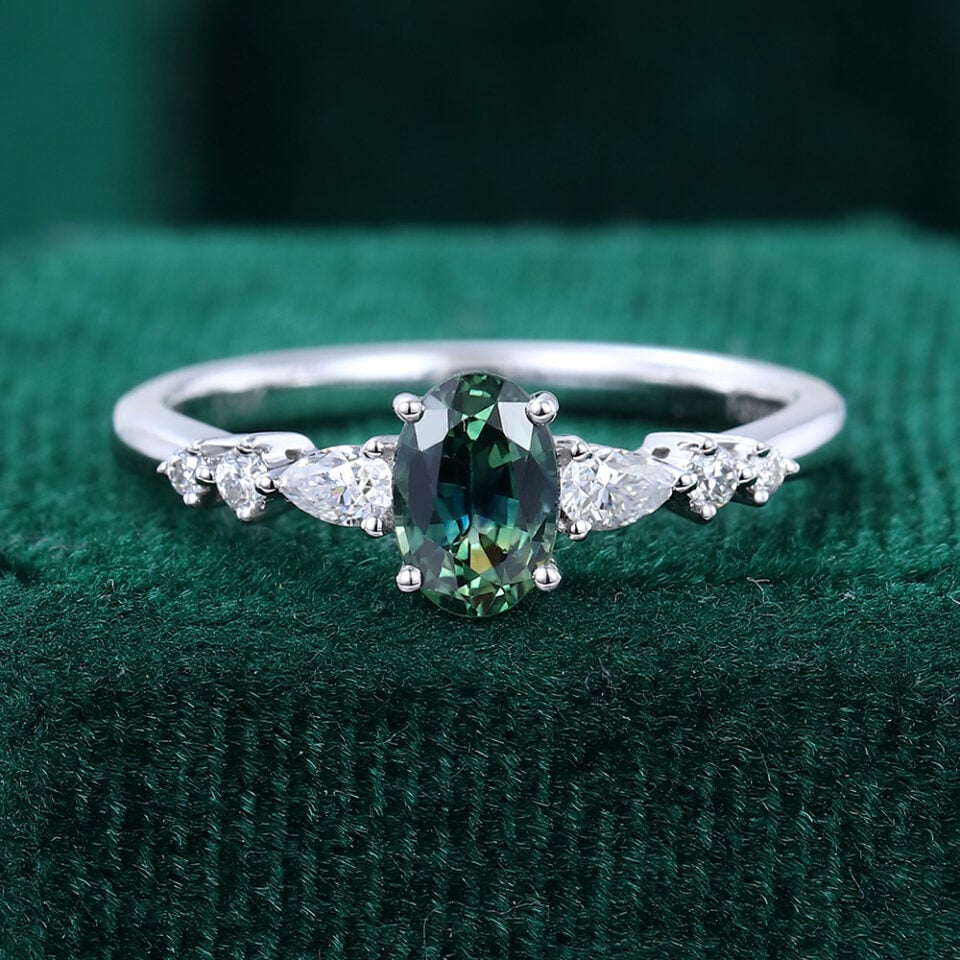
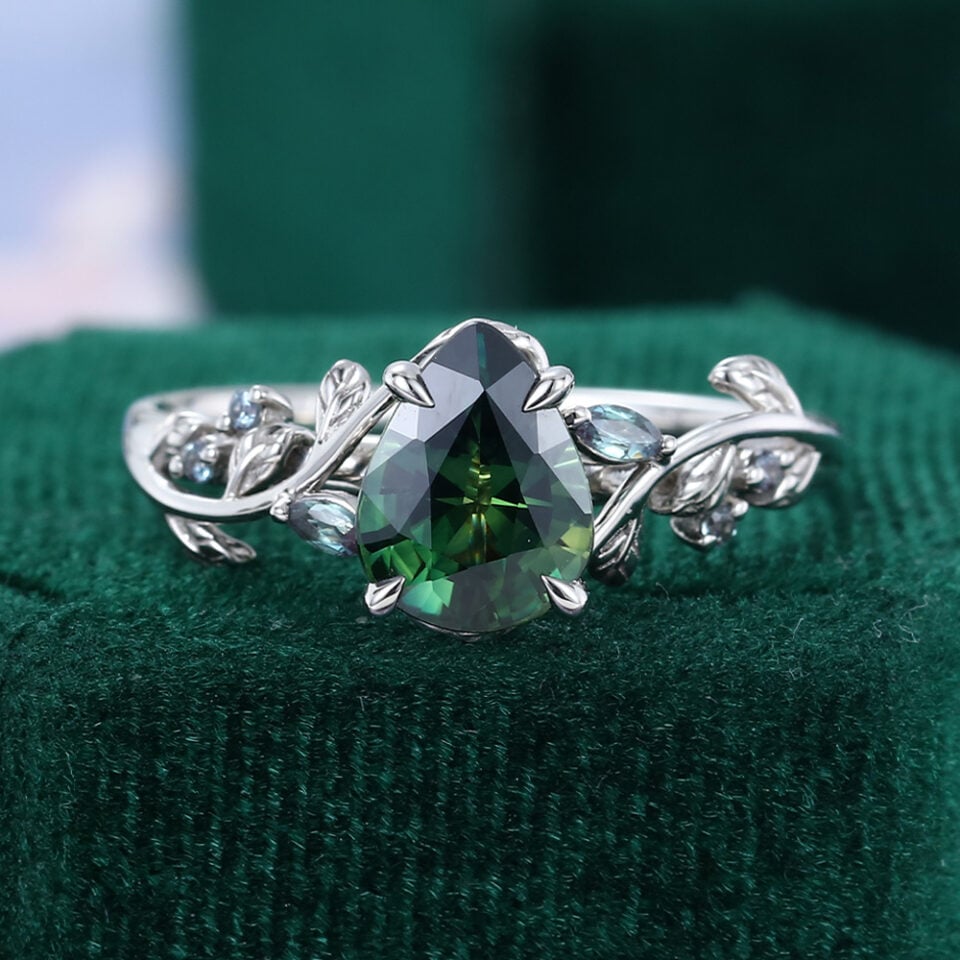
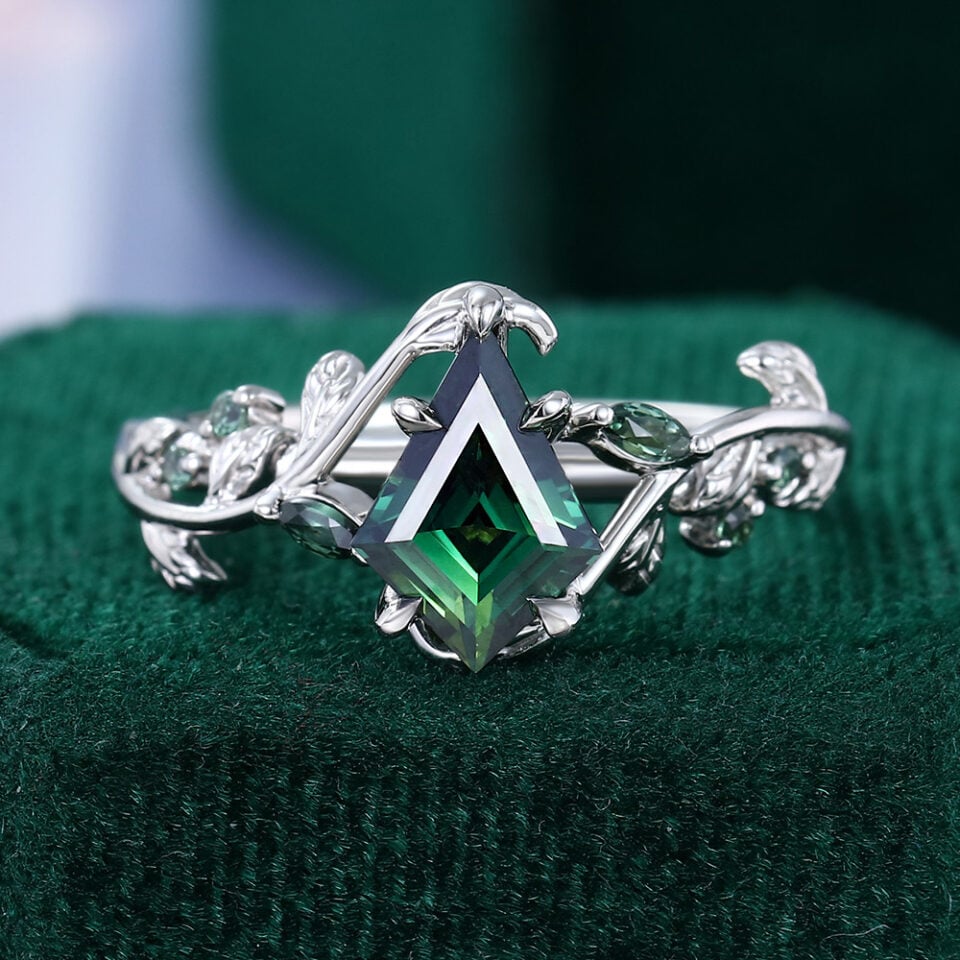
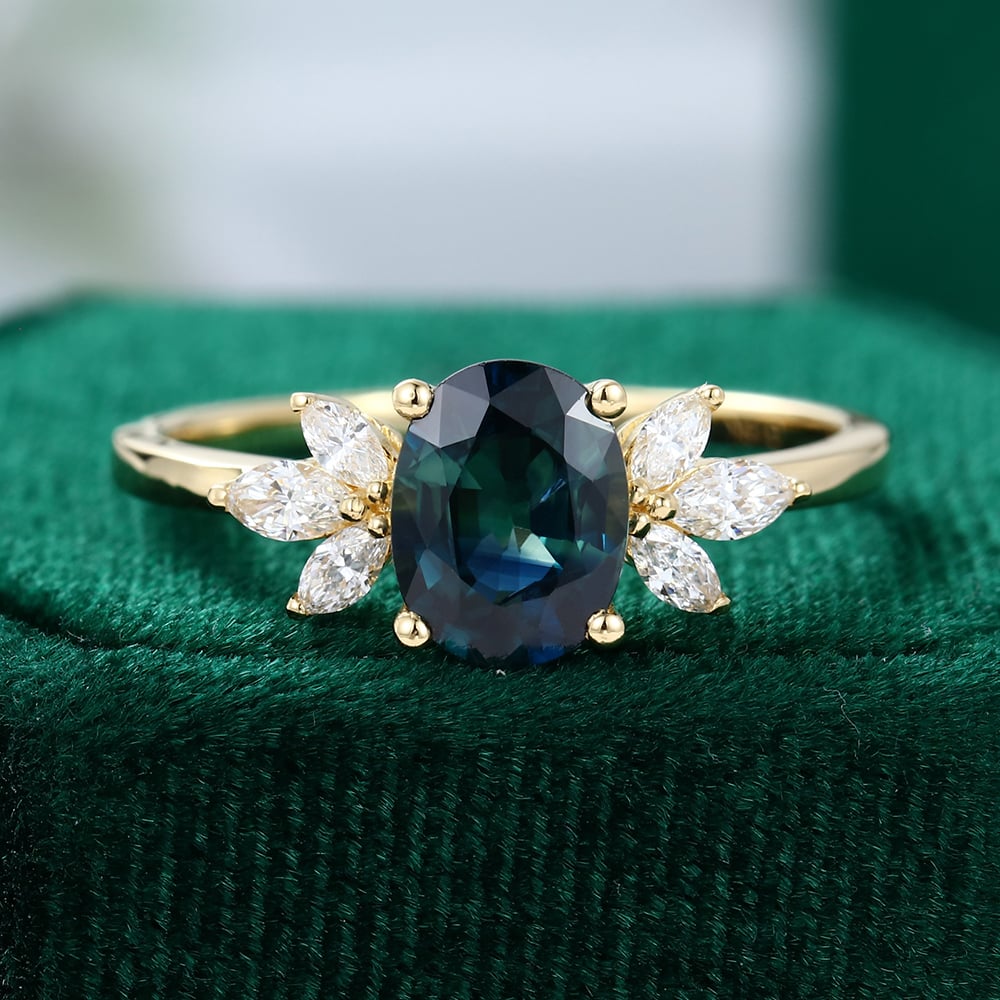
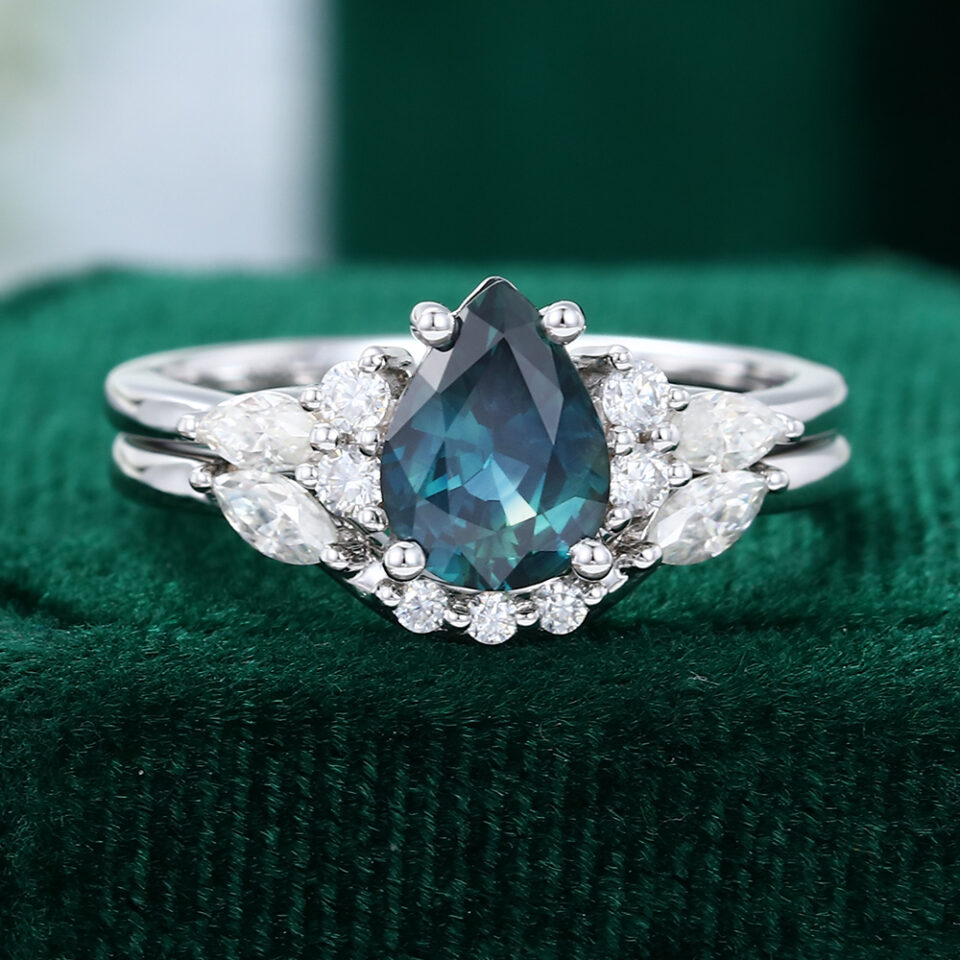
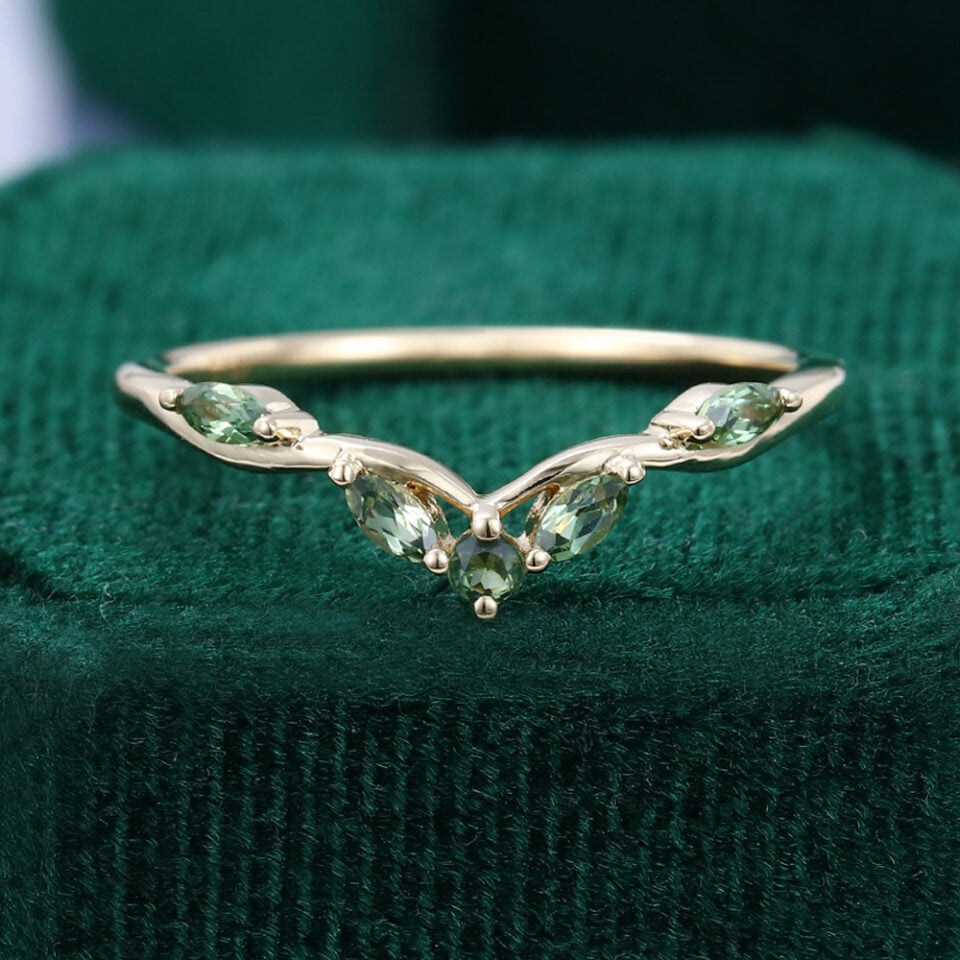
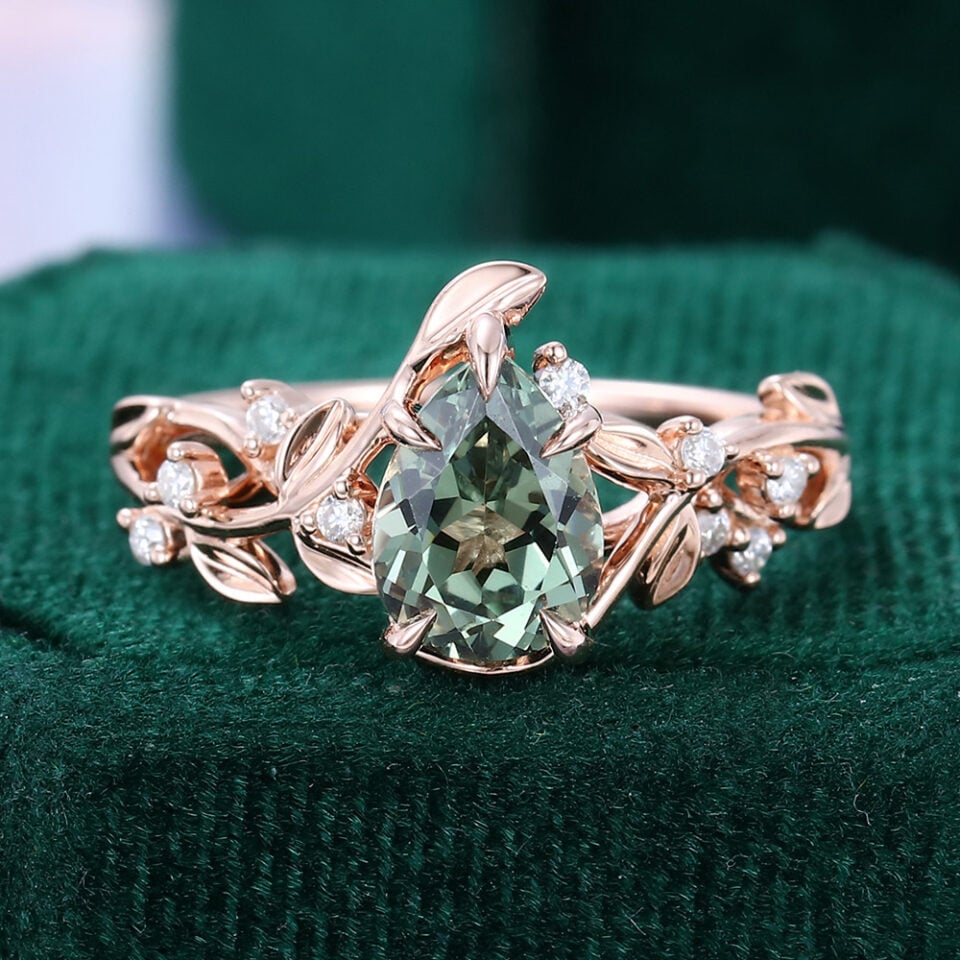
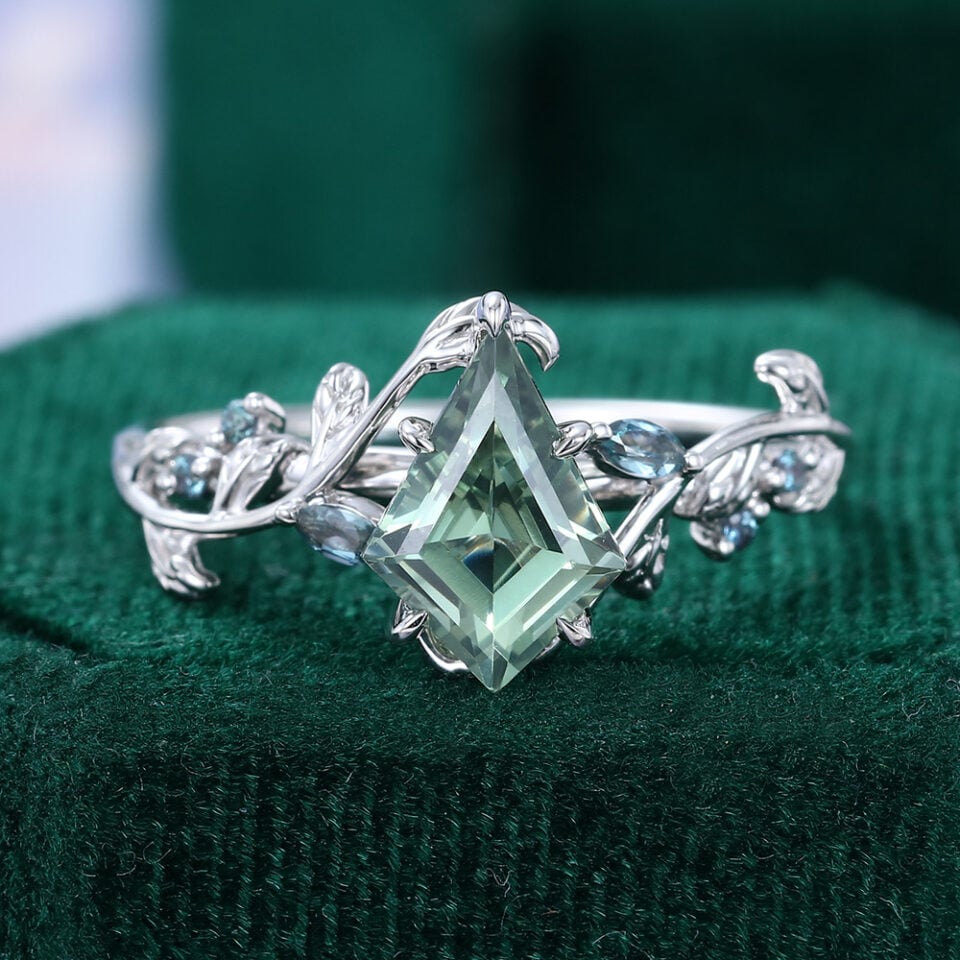
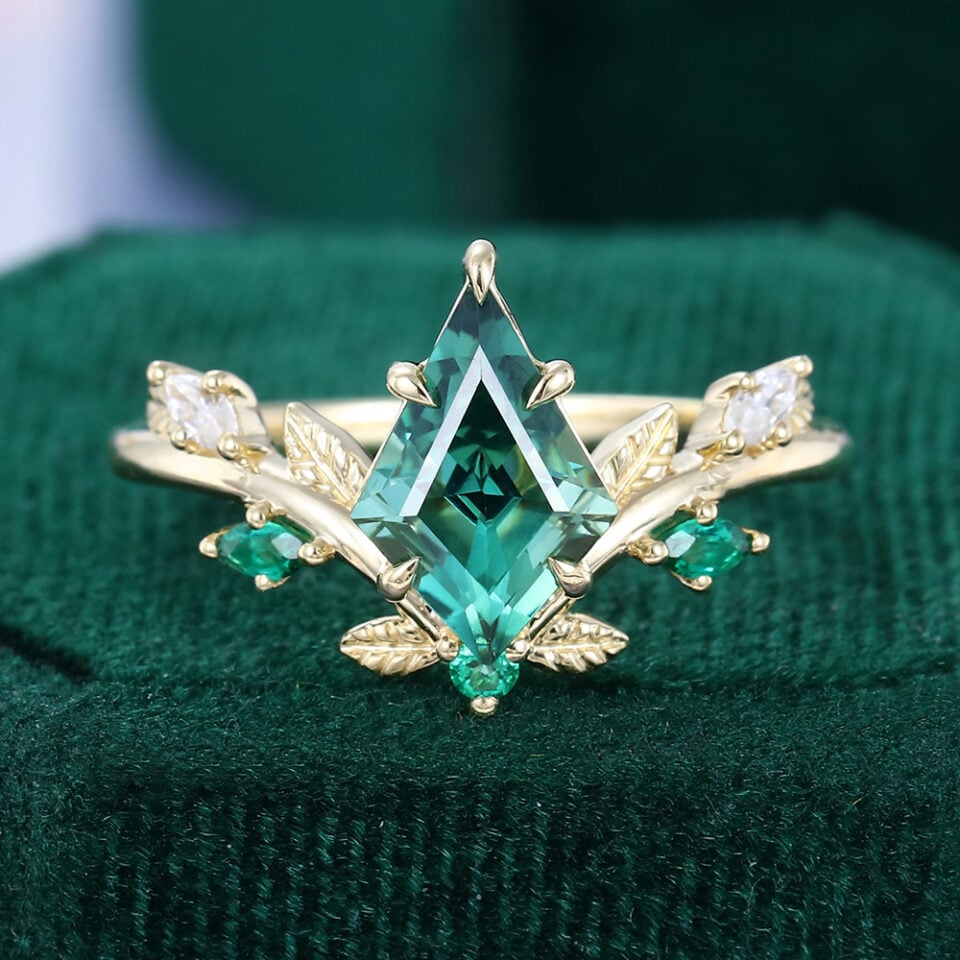
If you’ve ever examined a sapphire up close and noticed tiny lines, soft clouds, or delicate patterns beneath the surface, you’re not alone. Many people are surprised when they discover that most sapphires aren’t perfectly “clean.” This often leads to an important question: are inclusions normal in sapphire, or are they something to worry about?
The short answer is yes—inclusions are completely normal in natural sapphires. In fact, they often tell a deeper story about a sapphire’s origin, authenticity, and individuality. Understanding what inclusions are (and what they aren’t) can help you appreciate a sapphire’s beauty with far more confidence.
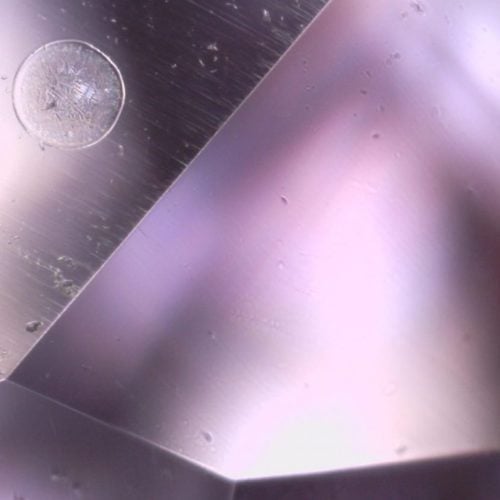
Sapphire inclusions are natural features formed inside the gemstone during its growth deep within the earth. They can appear as fine needles, tiny crystals, wispy patterns, or subtle color zoning. Rather than being flaws created later, inclusions are part of the sapphire’s natural formation process—much like birthmarks that make each stone unique.
Because sapphires form under intense heat and pressure over millions of years, it’s almost impossible for a natural sapphire to be entirely free of inclusions. Their presence is one of the key indicators gemologists use to distinguish natural sapphires from lab-created stones.
Yes—inclusions are expected in natural sapphires and are widely accepted within the gem industry. According to gemological standards, a sapphire without any internal features at all is extremely rare and often raises questions about whether the stone is lab-grown or heavily treated.
Rather than viewing inclusions as defects, many experts consider them proof of authenticity. Each inclusion records a moment in the sapphire’s geological journey, making no two stones exactly alike. For many people, this natural character is part of what makes a sapphire meaningful rather than imperfect.
Common Types of Inclusions Found in Sapphire
While inclusions vary from stone to stone, some types appear more frequently in sapphires:
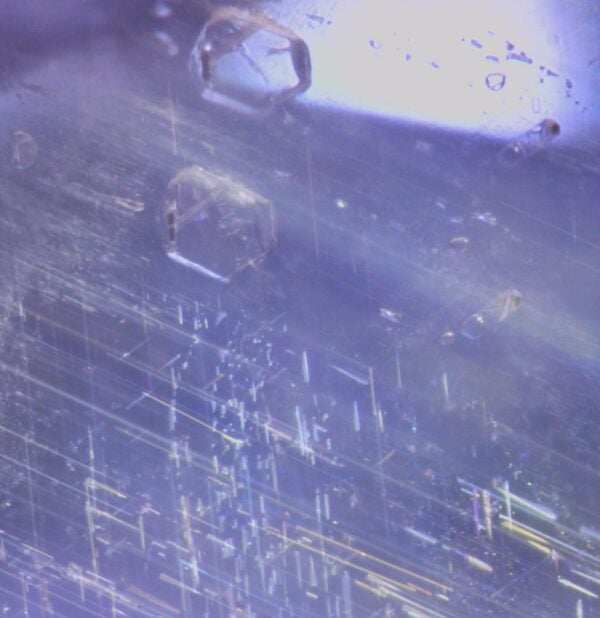
Silk (Rutile Needles)
Fine, needle-like inclusions known as “silk” are among the most common. When evenly distributed, silk can soften light reflection and create a velvety glow—especially prized in certain sapphires.
Mineral Crystals
Tiny crystals of other minerals may become trapped inside the sapphire as it forms. These inclusions are usually harmless and often only visible under magnification.
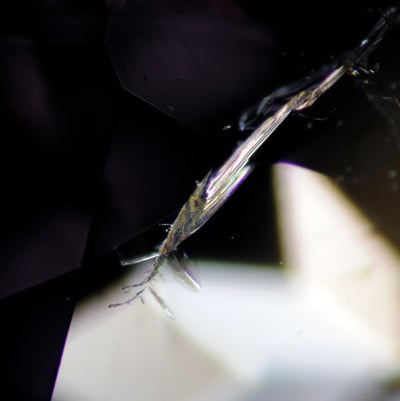
Fingerprints and Healed Fractures
These look like faint, fingerprint-like patterns and are the result of natural crystal growth interruptions that later healed themselves.
Color Zoning
Some sapphires show bands or zones of color concentration. Rather than reducing beauty, subtle zoning can add depth and visual interest when well-cut.
Do Inclusions Affect Sapphire Beauty or Durability?
Not all inclusions affect a sapphire in the same way. Many inclusions are microscopic and completely invisible to the naked eye, meaning they have little to no impact on how the sapphire looks or performs in everyday wear.
In most cases:
Small, internal inclusions do not weaken the stone
Well-distributed silk can enhance softness and glow
Surface-reaching fractures are the main inclusions to evaluate carefully
This is why professional cutting and stone selection matter. A thoughtfully chosen sapphire balances inclusions with color, cut, and structure to ensure both beauty and durability.
Inclusions vs Clarity: What Matters More When Buying a Sapphire?
Clarity is often associated with diamonds, but sapphires follow a different set of priorities. In colored gemstones, color is king, and clarity is evaluated in context rather than isolation.
When assessing sapphire quality, most experts focus on:
Color richness and saturation
Cut and light performance
Overall harmony and character
Clarity (as long as inclusions don’t dominate the appearance)
If you’d like a deeper breakdown of how clarity fits into overall sapphire quality, this guide explains it clearly and simply: 👉 Sapphire Quality Guide
Inclusions that don’t distract from color or brilliance are generally considered acceptable—and often desirable—in natural sapphires.
Natural Sapphire vs Lab Sapphire: A Clarity Comparison
One of the most noticeable differences between natural and lab-grown sapphires is clarity. Lab sapphires are created in controlled environments, resulting in stones that are often visually flawless. Natural sapphires, on the other hand, almost always contain inclusions formed during their geological growth.
This doesn’t make one “better” than the other—it simply reflects different values:
Lab sapphires appeal to those who prefer uniform clarity
Natural sapphires attract those who value rarity, individuality, and natural origin
How to Choose a Sapphire with the “Right” Inclusions
When selecting a sapphire, inclusions should be evaluated thoughtfully rather than avoided outright. A well-chosen sapphire typically features inclusions that:
Are not easily visible without magnification
Do not interfere with structural integrity
Do not overpower the stone’s color or sparkle
Complement the overall design of the jewelry
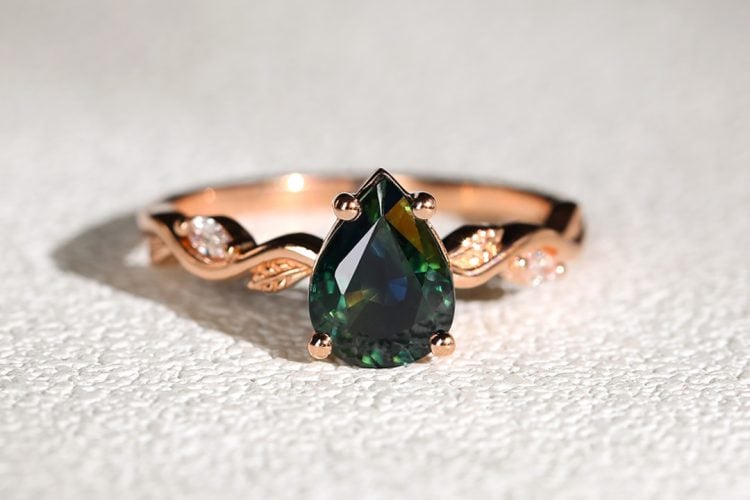
This balance is especially important in pieces meant for daily wear, such as engagement rings. Exploring a curated selection of natural sapphire rings allows you to see how expertly chosen stones showcase beauty without distraction.
There’s a growing appreciation for gemstones that feel personal rather than mass-produced. Inclusions reflect a broader shift toward valuing authenticity, natural origins, and one-of-a-kind beauty.
Instead of chasing absolute perfection, many are drawn to sapphires that feel alive—stones that carry subtle signs of their formation and history. In this way, inclusions become a feature, not a flaw.
Our Perspective on Sapphire Inclusions
At MollyJewelryUS, we view inclusions as part of what makes natural sapphires special. Each stone is selected for its overall harmony—where color, cut, and character work together. When inclusions are present, they are chosen with care to ensure they enhance rather than distract from the sapphire’s natural beauty.
If you’re exploring sapphires for a meaningful piece, browsing our natural sapphire jewelry collections can offer a closer look at how inclusions and elegance coexist beautifully.