- by MollyJewelryUS
- June 30, 2026
- Buying Guides, Gemstone Education
Amethyst and tanzanite may share similar purple tones, but they are very different gemstones when it comes to durability, rarity, price, and everyday wear. While amethyst is known for its rich purple color, affordability, and practicality, tanzanite stands out for its rare blue-violet hues and exclusive appeal.
Choosing between them isn’t simply about selecting the prettier stone—it’s about finding the gemstone that best matches your lifestyle, budget, and the way you plan to wear your ring.
If everyday durability and value are the priorities, amethyst is often the more practical option. If rarity and a distinctive color-changing appearance are more important, tanzanite may be worth the investment.
This guide compares the two gemstones side by side, explains their key differences, and helps you decide which one is the better choice for an engagement rings or everyday jewelry.
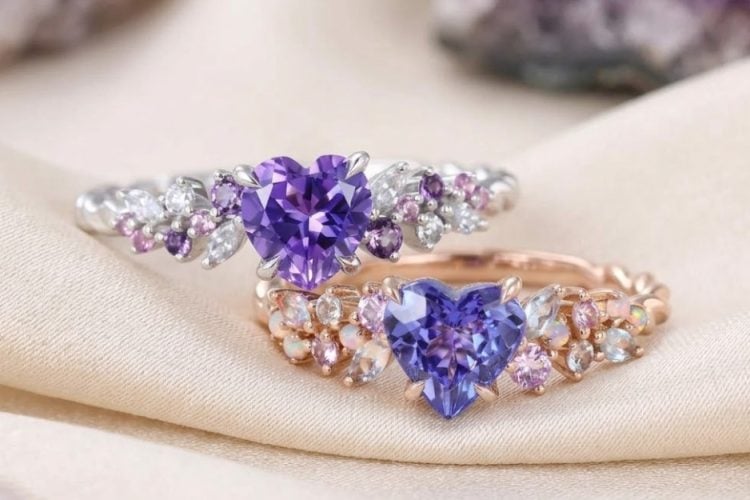
Table of Contents
Amethyst vs Tanzanite at a Glance
Amethyst vs Tanzanite at a Glance
| Feature | Amethyst | Tanzanite |
| Mineral Family | Quartz | Zoisite |
| Mohs Hardness | 7 | 6–7 |
| Typical Color | Purple to lavender | Blue-violet to violet |
| Durability | Good for regular wear with care | Better for occasional wear |
| Rarity | Relatively abundant | Rare (found primarily in Tanzania) |
| Price | More affordable | Higher price per carat |
| Best For | Everyday jewelry, engagement rings, gifts | Luxury jewelry, collectors, special occasions |
Quick Verdict:
- Choose amethyst for better value, richer purple hues, and everyday practicality.
- Choose tanzanite if the unique blue-violet color and rarity matter more than long-term durability.
What's the Difference Between Amethyst and Tanzanite?
What's the Difference Between Amethyst and Tanzanite?
Although both gemstones can appear purple, they belong to different mineral families and offer distinct visual characteristics, durability, and value. Color is only one part of the comparison—the better choice depends on how you plan to wear the ring and what matters most to you.
| Feature | Amethyst | Tanzanite |
|---|---|---|
| Mineral Family | Quartz | Zoisite |
| Mohs Hardness | 7 | 6–7 |
| Typical Color | Purple to lavender | Blue-violet to violet |
| Pleochroism | Minimal | Strong |
| Everyday Wear | Good | Better with extra care |
| Typical Price | More affordable | Generally higher |
While both gemstones create beautiful engagement and fashion rings, amethyst is often chosen for its affordability and classic purple hue, whereas tanzanite stands out for its rare blue-violet color and more exclusive appeal.
Color Comparison: Purple vs Blue-Violet
Color Comparison: Purple vs Blue-Violet
Color is often the deciding factor for buyers choosing between amethyst and tanzanite. While both belong to the purple gemstone family, they create noticeably different visual impressions once seen in person.
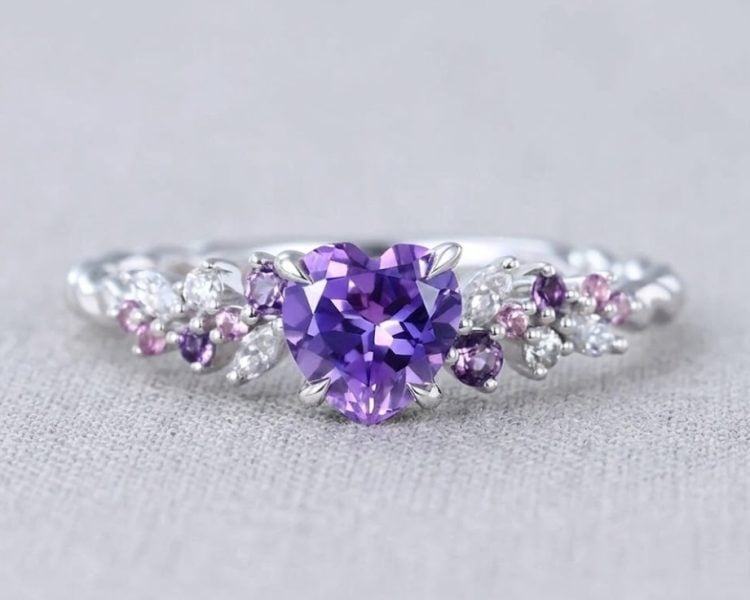
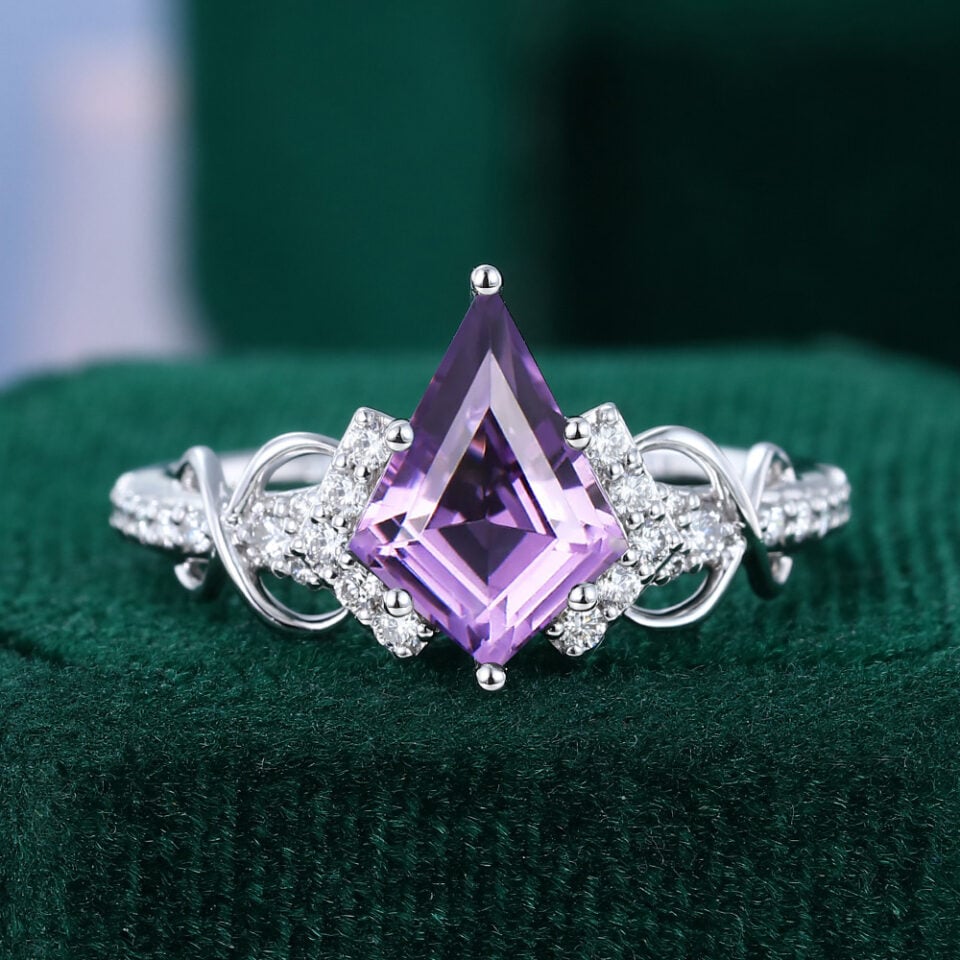
- Amethyst is known for its consistent purple appearance, ranging from soft lavender to deep royal purple. It tends to maintain its color under different lighting conditions, making it a reliable choice for those who want a classic purple gemstone.
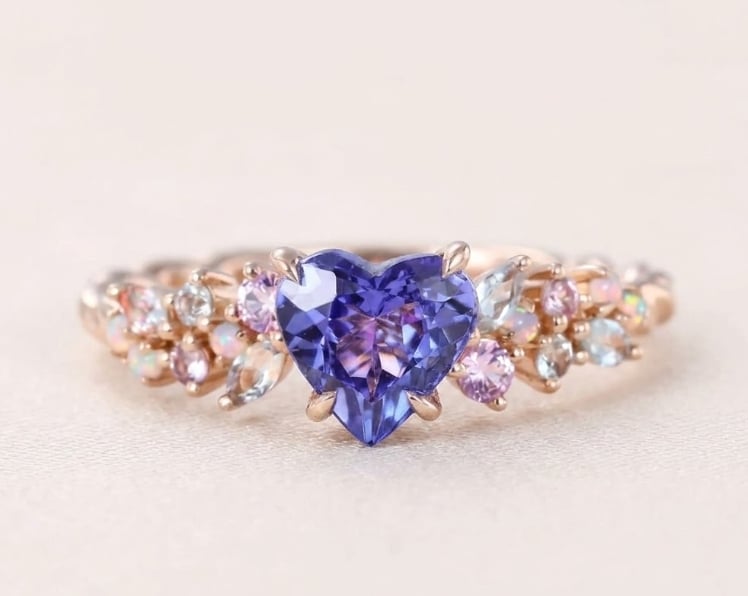
- Tanzanite, on the other hand, is famous for its blue-violet tones and subtle color shifts. Depending on the light source and viewing angle, the gemstone may appear more blue, more violet, or somewhere in between. This changing appearance is one of the main reasons collectors and jewelry enthusiasts are drawn to it.
For buyers who prefer a timeless purple look, amethyst is usually the stronger choice. Those looking for something more distinctive and dynamic may find tanzanite’s changing hues especially appealing.
Tip: If rich purple is the goal, browse our collection of Amethyst Rings. If you’re drawn to cooler blue-violet tones, explore our Tanzanite Rings to compare the two styles side by side.
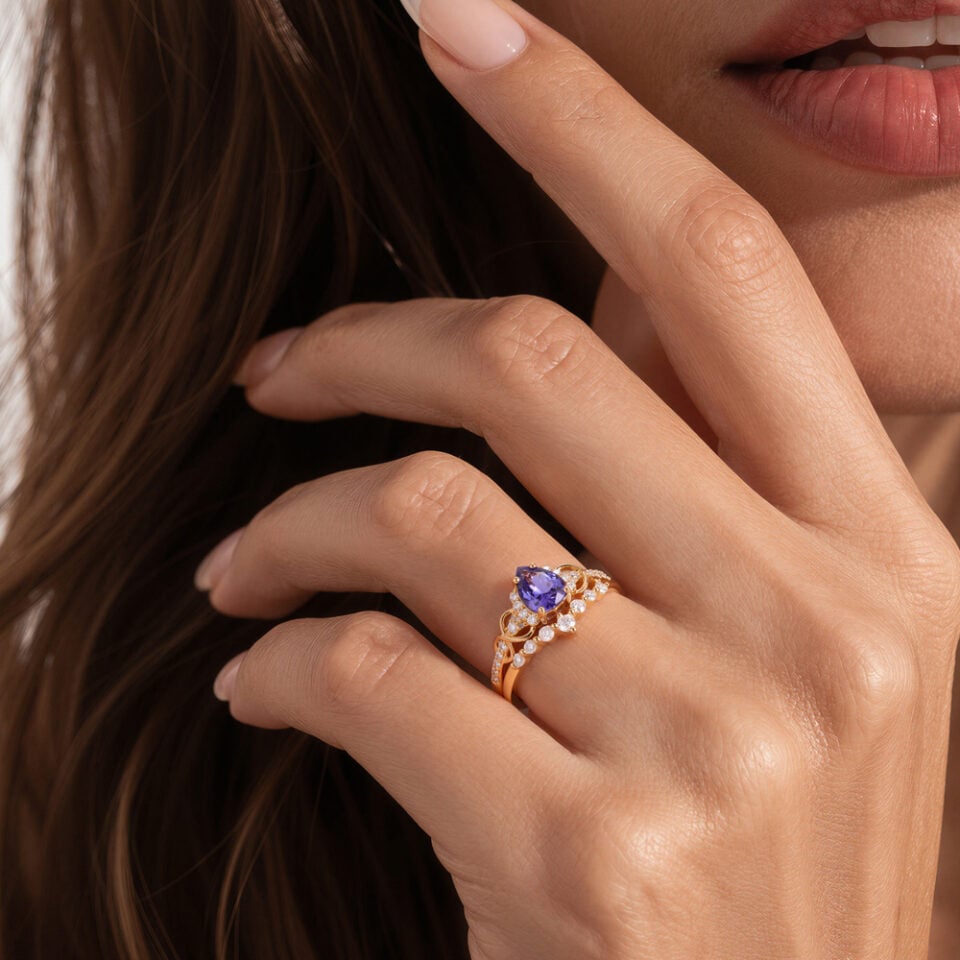
Which Gemstone Is Better for Everyday Wear?
Which Gemstone Is Better for Everyday Wear?
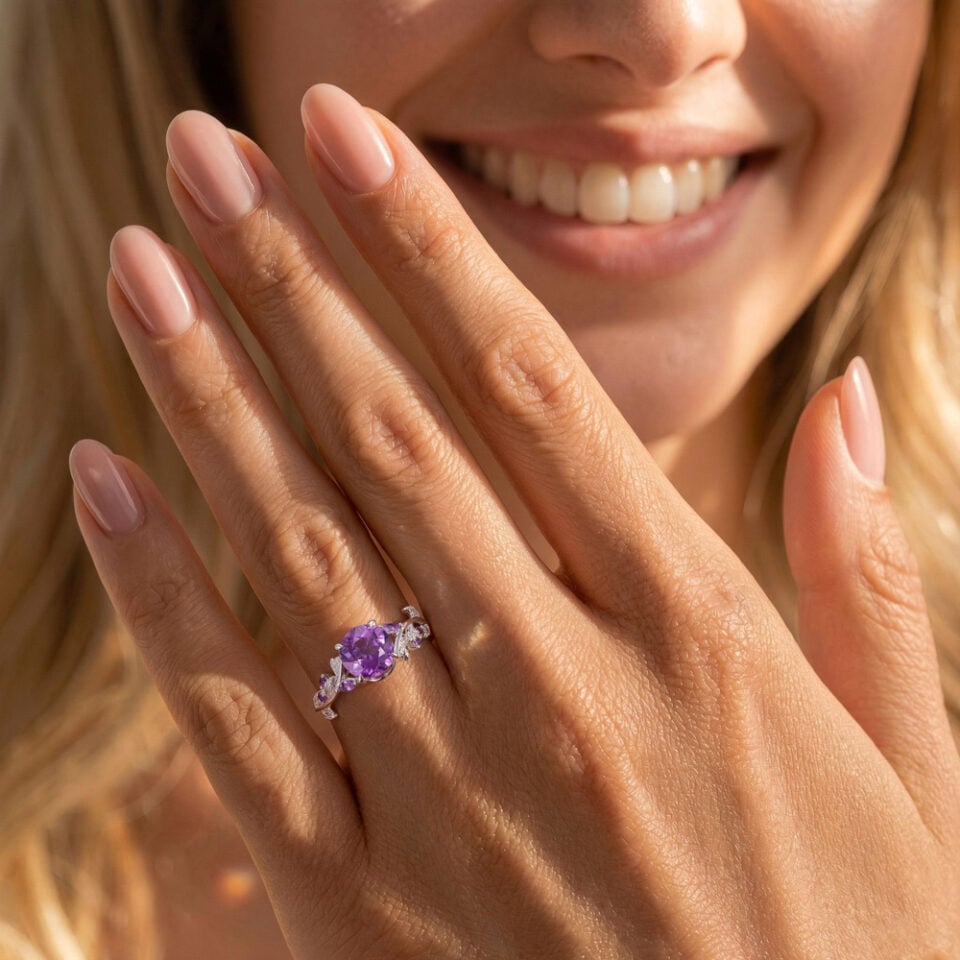
For everyday jewelry, amethyst is generally the more practical choice. Although neither gemstone is as hard as sapphire or diamond, amethyst is better suited to regular wear thanks to its combination of durability and affordability.
Its Mohs hardness of 7 provides good resistance to everyday scratches from common materials such as dust or household surfaces. With sensible care, an amethyst ring can remain beautiful for many years of frequent wear.
Tanzanite, while stunning, is slightly softer and has more pronounced cleavage, meaning it is more vulnerable to accidental knocks or sharp impacts. This doesn’t mean it can’t be worn regularly—it simply benefits from a little more attention and a protective ring setting.
If durability is a major factor in your decision, you may also find our guides on How Durable Is Amethyst? and Does Amethyst Scratch Easily? helpful before choosing your ring.
Buying Tip: Regardless of the gemstone, selecting a protective setting such as a halo or a well-designed prong setting can significantly improve long-term wearability.
Price Comparison: Is Tanzanite Worth the Extra Cost?
Price Comparison: Is Tanzanite Worth the Extra Cost?
Tanzanite is usually more expensive than amethyst, but the difference is driven by rarity—not necessarily by beauty. The right choice depends on whether exclusivity or value matters more.
Unlike amethyst, which is mined in several countries and widely available, tanzanite is found almost exclusively in a small region of northern Tanzania. This limited supply contributes to its higher price and collector appeal.
For most ring buyers, however, comparing finished jewelry is far more useful than comparing loose gemstone prices.
Typical Ring Price Comparison
Typical Ring Price Comparison
| Ring Type | Typical Price Range |
|---|---|
| Lab-Created Amethyst Ring | $180–$500 |
| Lab-Created Tanzanite Ring | $250–$700 |
| Custom Amethyst Ring | $400–$900+ |
| Custom Tanzanite Ring | $500–$1,000+ |
Thanks to modern lab-created gemstones, the price gap between the two is much smaller than many shoppers expect. This means it’s possible to enjoy either gemstone without reaching the price point of many natural fine-jewelry pieces.
How Different Metals Influence the Look of Each Gemstone
How Different Metals Influence the Look of Each Gemstone
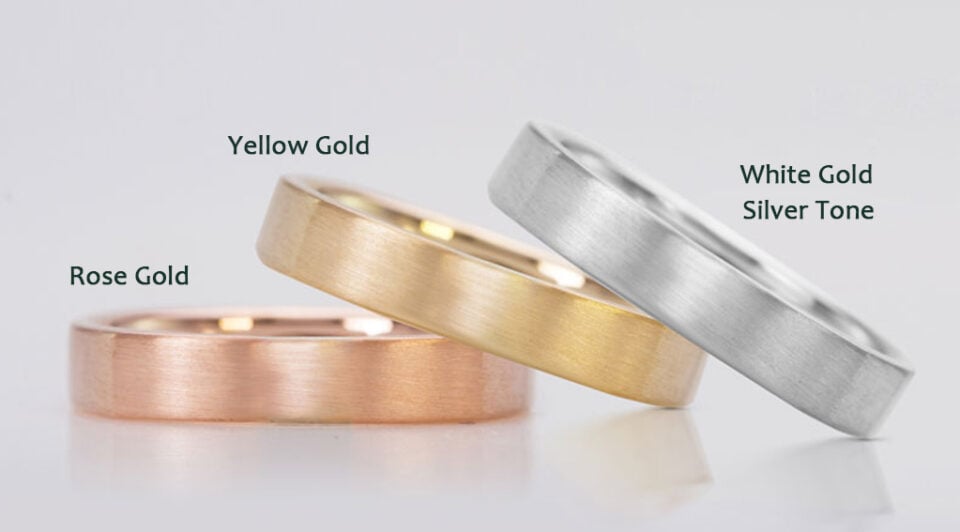
The same gemstone can look surprisingly different depending on the metal color. Choosing the right metal isn’t just about durability—it’s one of the easiest ways to enhance a gemstone’s natural beauty.
| Metal | Best with Amethyst | Best with Tanzanite | Overall Style |
|---|---|---|---|
| White Gold | Highlights cooler purple tones | Enhances blue-violet brilliance | Modern & elegant |
| Rose Gold | Softens lavender hues and creates a romantic look | Adds warmth to violet tones | Vintage & romantic |
| Yellow Gold | Creates bold contrast with deep purple stones | Brings warmth to cooler colors | Classic & timeless |
Among these options, white gold remains one of the most versatile choices because it complements both gemstones without overpowering their color.
If you’re still deciding between metal options, our guide to Best Metal for Amethyst Rings explains how different metals affect color, durability, and everyday wear in greater detail.
How to Choose Between Amethyst and Tanzanite
How to Choose Between Amethyst and Tanzanite
Both gemstones can create beautiful engagement rings, but they suit different lifestyles and priorities.
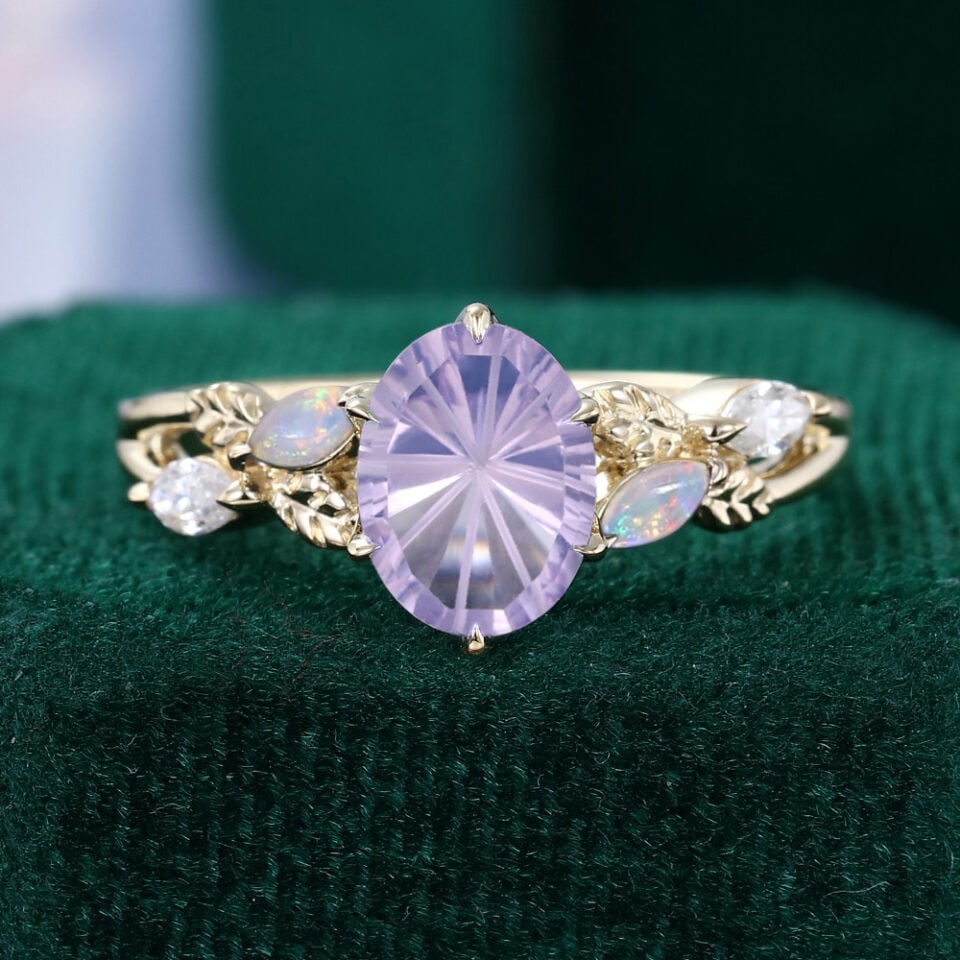
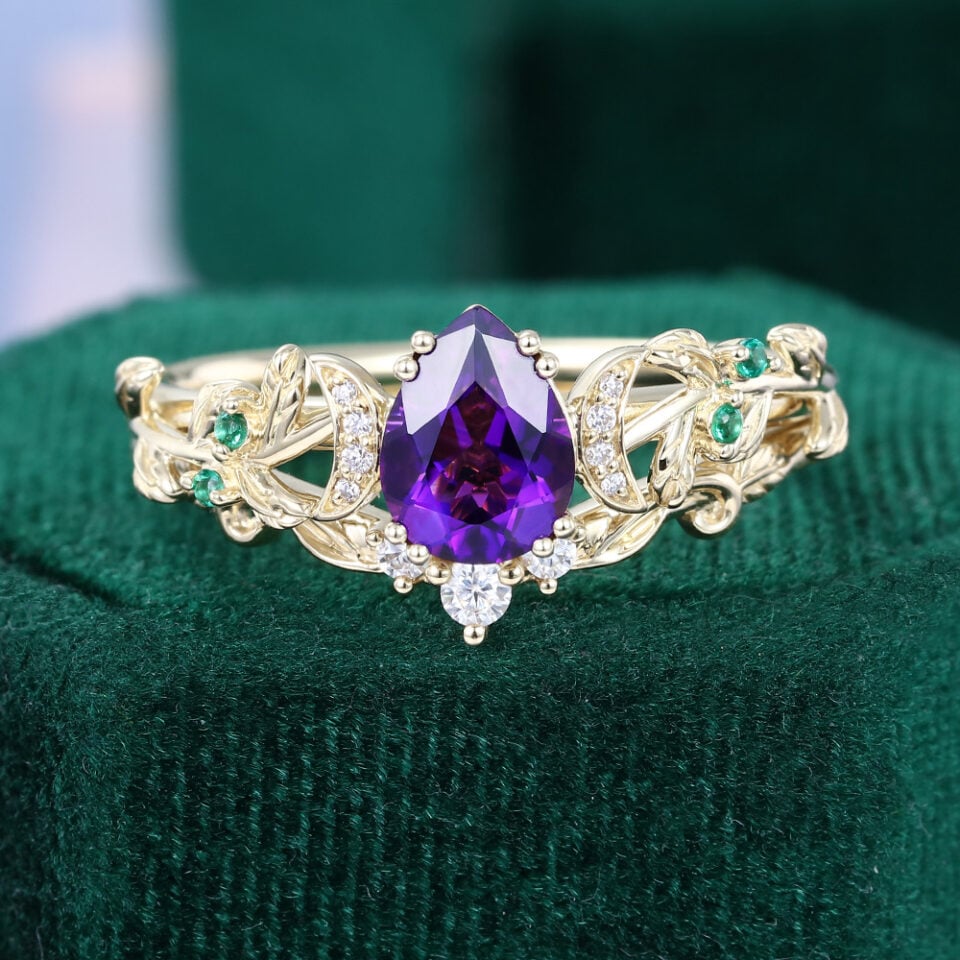
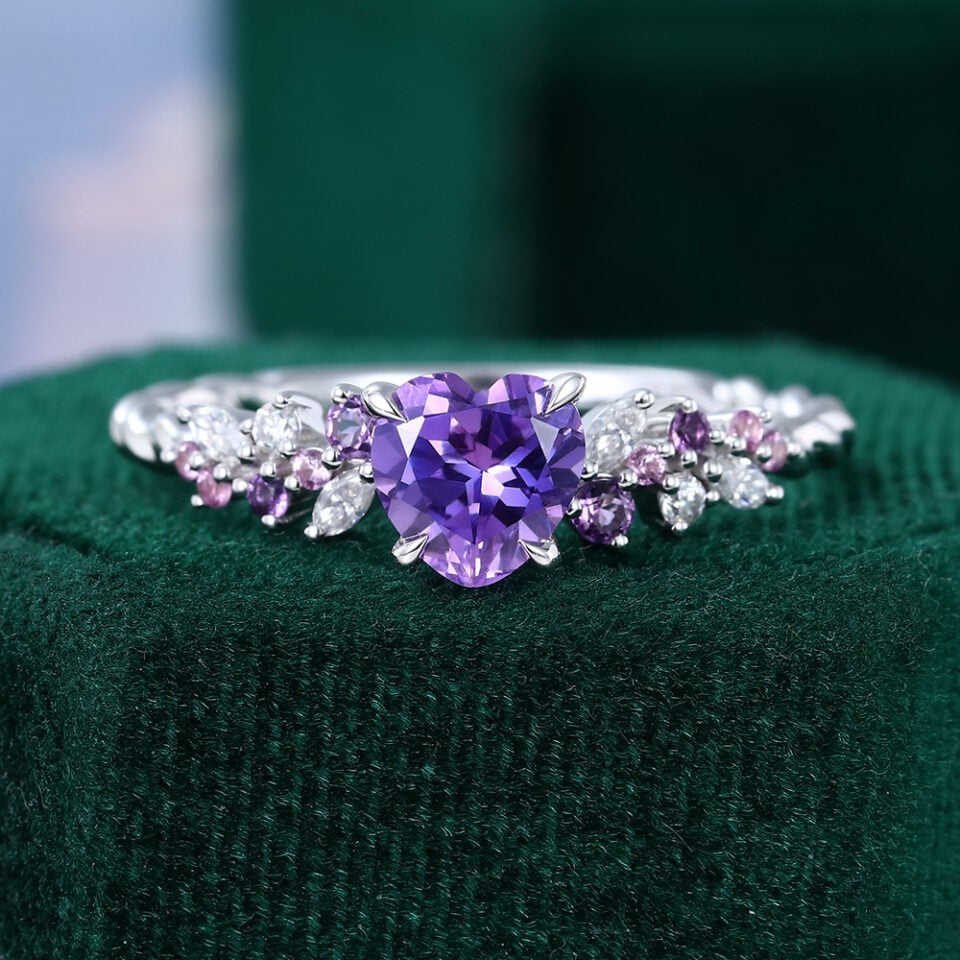
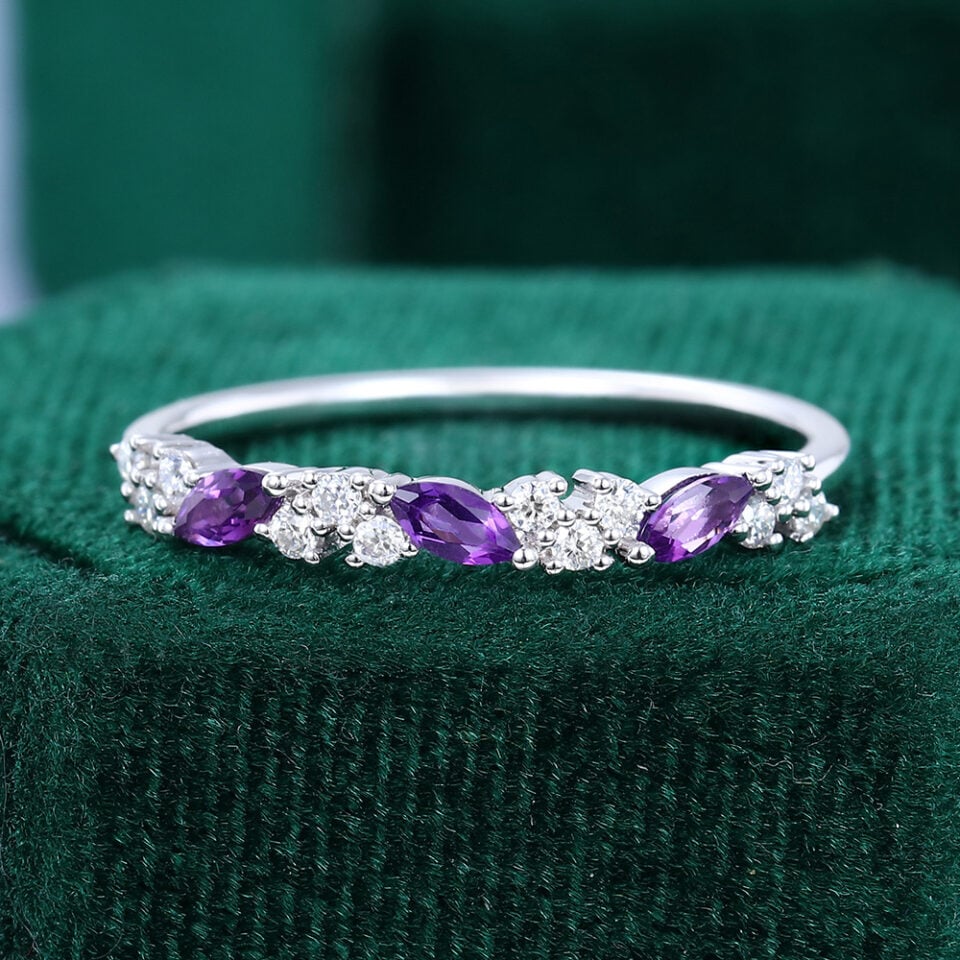
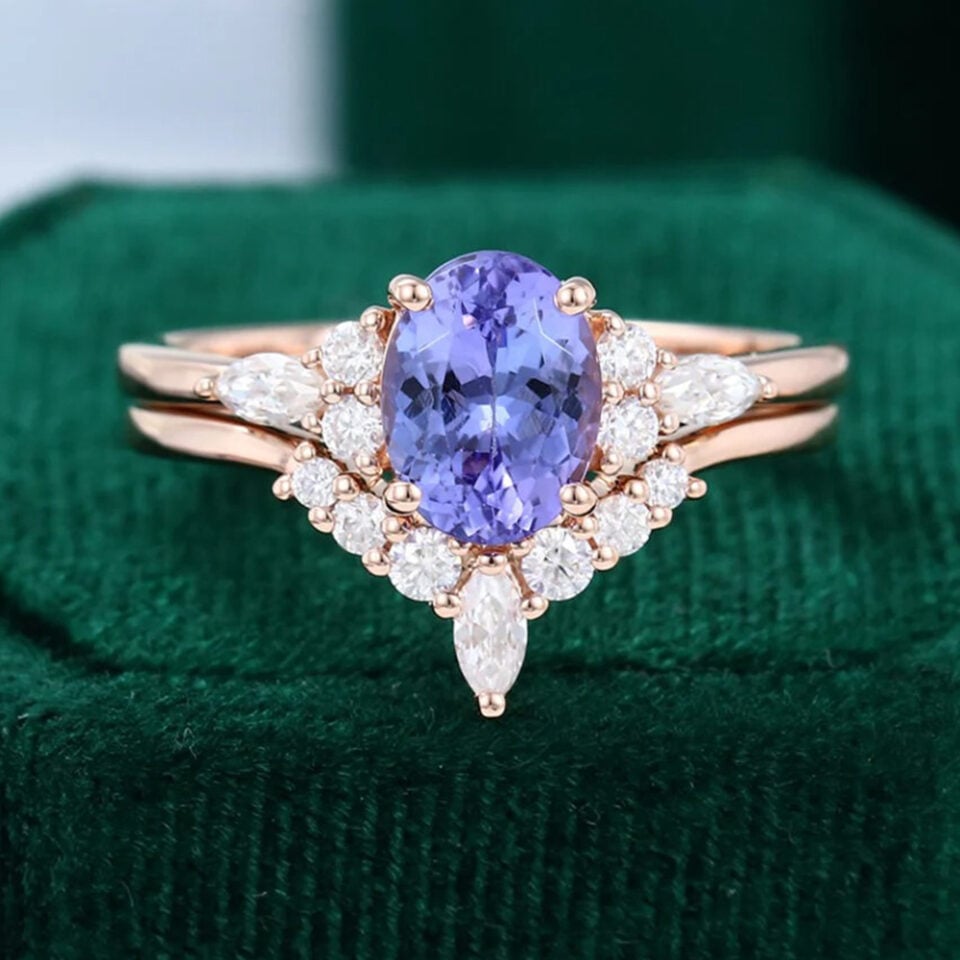
An amethyst engagement ring is ideal for couples who want a distinctive purple gemstone that’s meaningful, affordable, and practical enough for everyday wear. It also allows for larger center stones and more elaborate vintage-inspired designs without exceeding the budget.
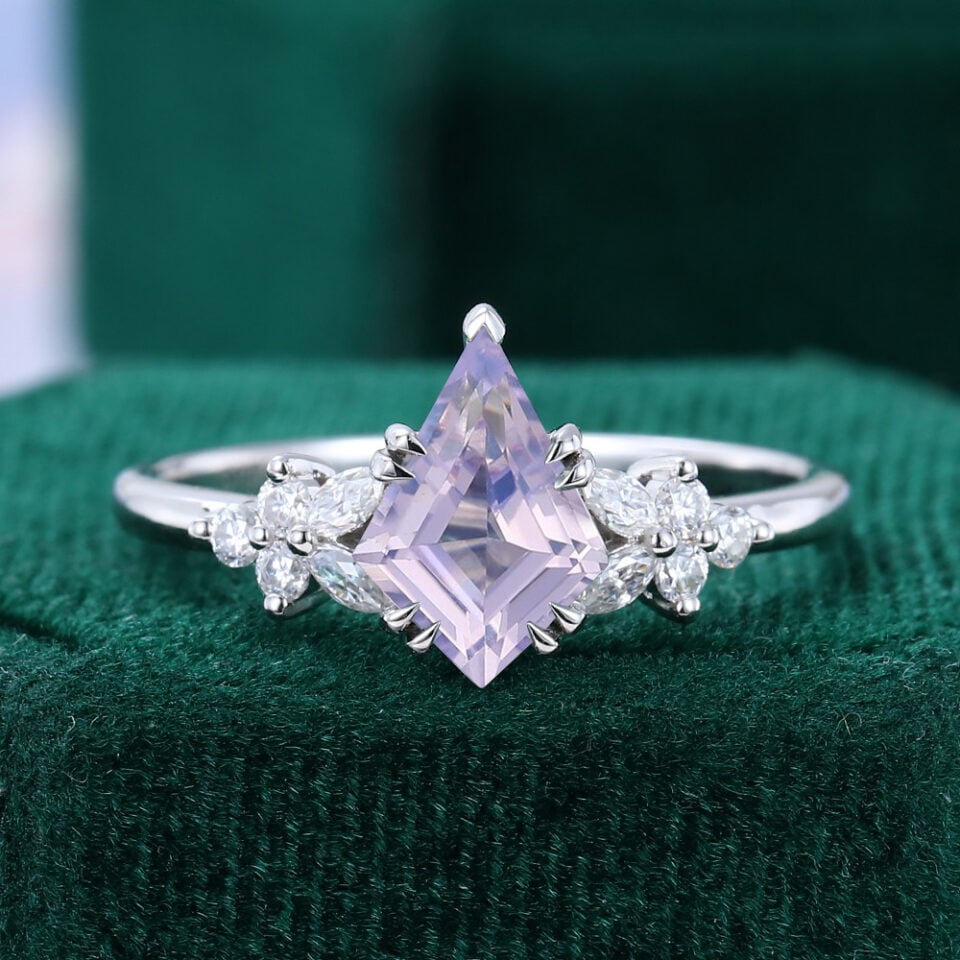
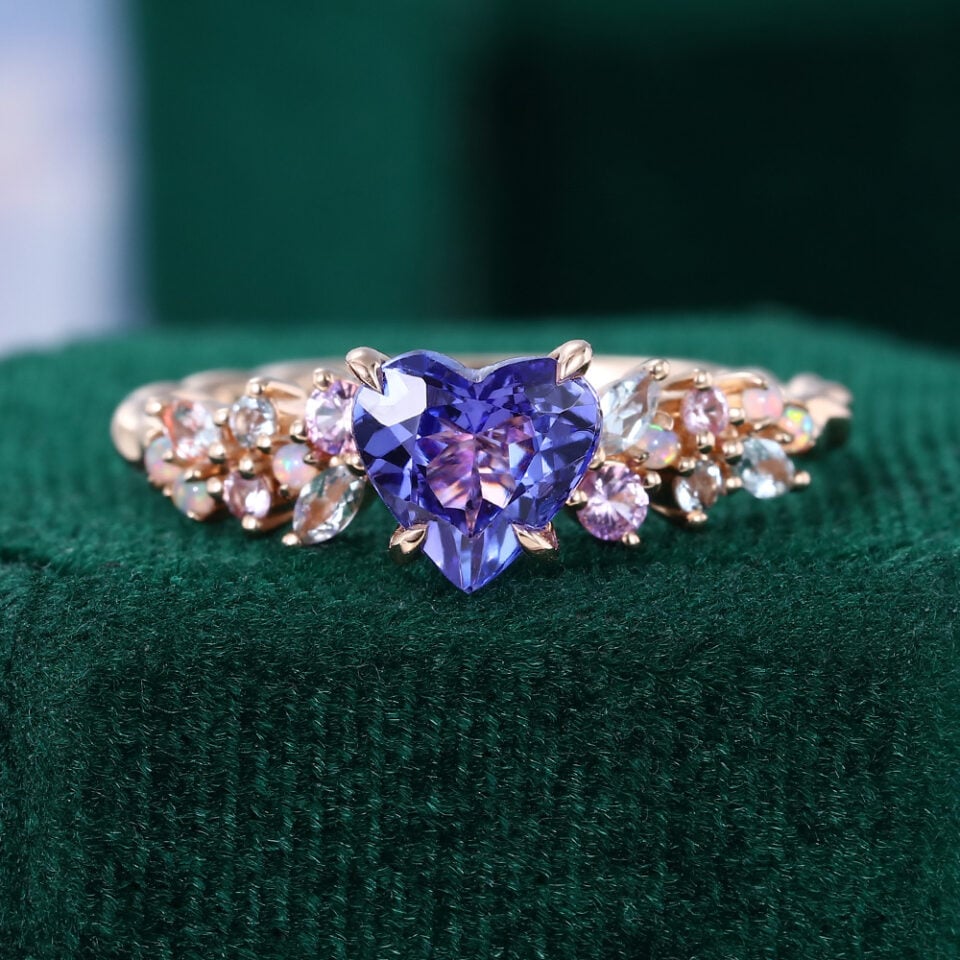
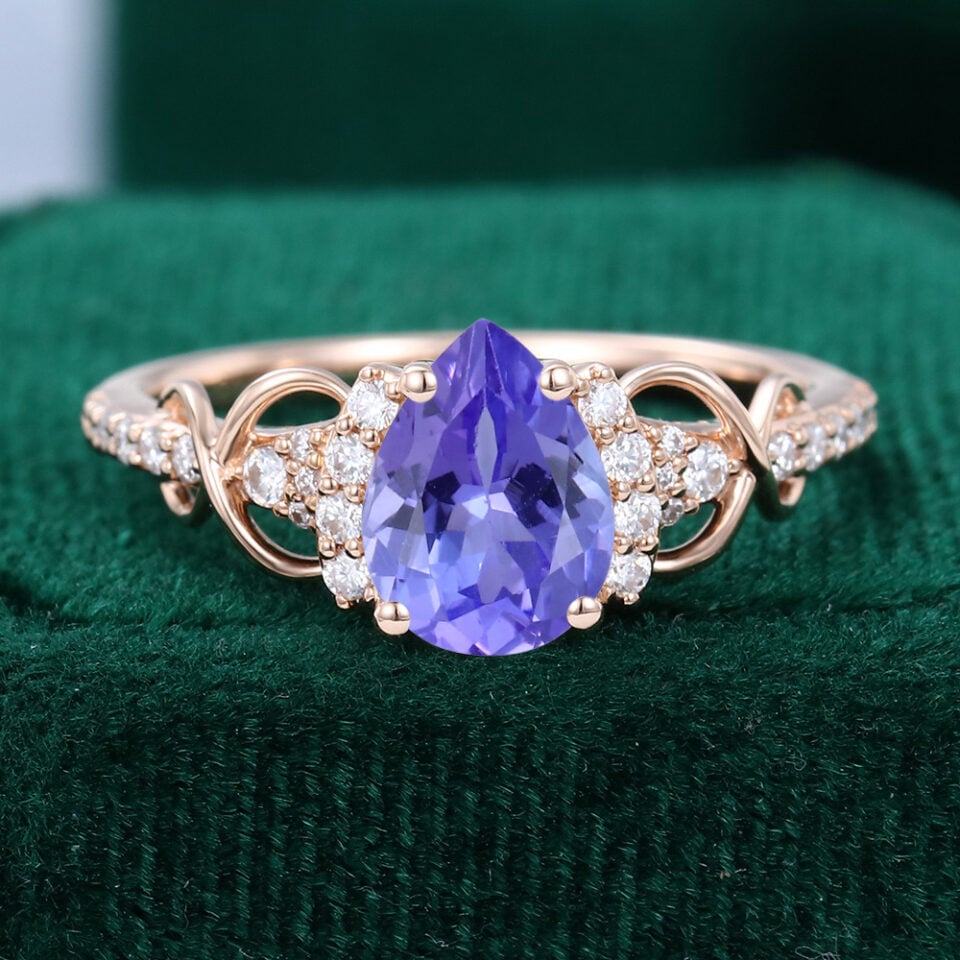
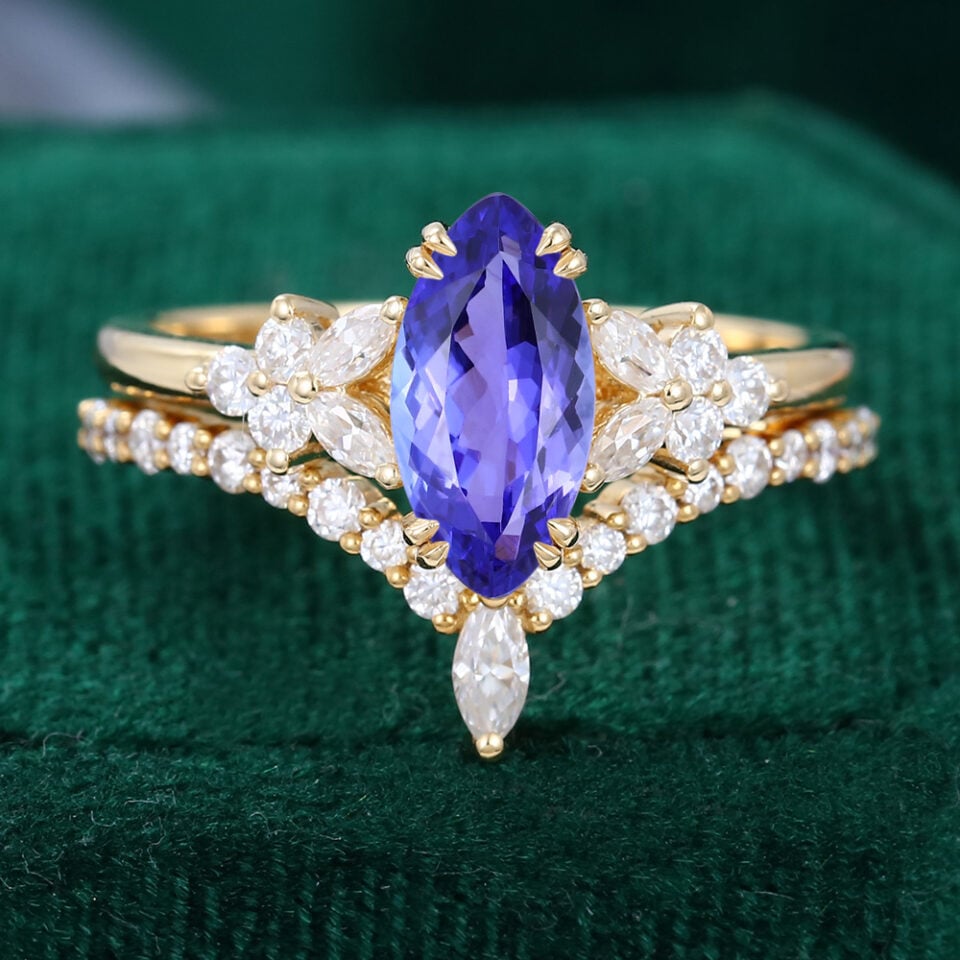
Tanzanite engagement rings appeal to couples looking for something rarer and more exclusive. Their mesmerizing blue-violet color makes them stand out from traditional gemstones, although they require slightly more care if worn every day.
Instead of asking which gemstone is objectively better, consider which best matches the way the ring will be worn.
- Wear your ring every day.
- Prefer a larger center stone.
- Have a moderate budget.
- Love romantic, vintage, or botanical-inspired designs.
- Want the symbolism of the February birthstone.

- Prefer blue-violet over classic purple.
- Appreciate rare gemstones.
- Mainly wear fine jewelry for special occasions.
- Want a ring that feels distinctive and less commonly seen.
If you’re considering an amethyst engagement ring, our Is Amethyst Good for Engagement Rings? guide explores its durability, pros, and buying considerations in greater detail.



Which Gemstone Offers Better Value?
Which Gemstone Offers Better Value?
Neither gemstone is universally “better”—the better value depends on what matters most to you. If you’re looking for a vibrant purple gemstone that balances beauty, durability, and affordability, amethyst is hard to beat. If rarity and a unique blue-violet appearance are your priorities, tanzanite may justify the higher investment.
For most shoppers, here’s how the two compare:
- Better overall value for your budget.
- A larger center stone without a significant price increase.
- A gemstone suitable for regular wear with reasonable care.
- Rich purple color in a wide range of ring styles.
- A meaningful February birthstone with timeless symbolism.
If you’re still comparing options, our Amethyst Ring Buying Guide explains how to choose the right cut, metal, and setting for long-term satisfaction.
- A rarer gemstone with strong collector appeal.
- A distinctive blue-violet color that changes under different lighting.
- A unique alternative to traditional engagement ring stones.
- A ring that’s primarily worn on special occasions.
Rather than asking which gemstone is objectively better, it’s more useful to ask which one better matches your lifestyle and personal style.
Final Verdict: Which Gemstone Is Right for You?
Final Verdict: Which Gemstone Is Right for You?
Rather than asking which gemstone is “better,” it’s more useful to ask which one better matches your priorities.
Choose amethyst if affordability, everyday practicality, and a timeless purple appearance matter most. It offers exceptional value while remaining durable enough for regular wear, making it one of the most versatile colored gemstones available.
Choose tanzanite if rarity, exclusivity, and its captivating blue-violet color are the biggest priorities. Although it requires a little more care, many buyers feel its unique appearance is worth the extra attention.
Ultimately, neither gemstone is the wrong choice. The best ring is the one that fits your lifestyle, reflects your personality, and remains enjoyable to wear for years to come.
FAQs
FAQs
Is tanzanite more expensive than amethyst?
Generally, yes. Tanzanite is rarer and usually commands a higher price than amethyst. However, the final cost also depends on factors such as gemstone size, quality, and ring design. Lab-created versions of both gemstones offer a more affordable way to enjoy their beauty.
Which gemstone is better for an engagement ring?
Both can make beautiful engagement rings. Amethyst is ideal for buyers seeking affordability and everyday practicality, while tanzanite appeals to those who prioritize rarity and distinctive color.
Can people tell the difference between amethyst and tanzanite?
Sometimes, but not always.
Under certain lighting conditions, the two gemstones can appear similar. When viewed side by side, however, tanzanite typically displays cooler blue-violet tones and noticeable color shifts, while amethyst maintains a more consistent purple appearance.
Which gemstone is more durable?
Amethyst is generally the better choice for regular wear. While neither gemstone matches the hardness of sapphire or diamond, amethyst offers a better balance of scratch resistance and everyday practicality.
Which gemstone offers better value?
For most buyers, amethyst provides better overall value. It combines attractive color, accessible pricing, and everyday versatility, making it an excellent option for engagement rings, anniversary gifts, and personal jewelry.
Does tanzanite look more luxurious than amethyst?
Not necessarily.
Tanzanite’s rarity gives it a premium reputation, but a beautifully cut amethyst in a well-crafted setting can look just as elegant. Overall design, craftsmanship, and metal choice often have a greater impact on a ring’s appearance than the gemstone alone.
Which gemstone is better for everyday wear?
Amethyst is usually the better choice for daily wear because it’s slightly harder and more resistant to everyday scratches and minor impacts.