1 carat sapphire price isn’t a fixed number — it’s a range that reflects a gemstone’s color quality, cut, clarity, origin, and overall design. Unlike diamonds, sapphires are prized for rich color more than brilliance, and the price you pay depends on how vividly that color shows on the finger every day.
In the world of sapphire rings, a 1 carat stone can mean different things: a bold centerpiece in a teal sapphire ring, a romantic blue sapphire in classic solitaire, or a richly colored 1 carat center surrounded by accents. When you’re considering how much a sapphire ring costs, it helps to start with real market ranges and then understand the key drivers behind the price.
This guide breaks down what couples really pay for a 1 carat sapphire ring, why prices vary so widely, and how to choose the option that fits both your budget and long-term expectations — without gemology jargon or misleading averages.
Table Of Contents:
- What Does “1 Carat” Really Mean for Sapphire?
- 1 Carat Sapphire Ring Price: Real Ranges by Origin
- What Drives the Price of a 1 Carat Sapphire?
- How 1 Carat Sapphire Rings Compare to Other Gemstone Rings
- Tips for Buying a 1 Carat Sapphire Ring
- Final Thoughts
- Related FAQs

What Does “1 Carat” Really Mean for Sapphire?
A quick clarity point before prices:
- 1 carat refers to weight, not visual size
- Sapphire is denser than diamond, so a 1 ct sapphire often looks slightly smaller face-up
- Cut style (oval, pear, kite, emerald) can dramatically change how large the stone appears
If you want a deeper explanation of how cut, color, and clarity interact, this Sapphire Quality Guide: Color, Clarity, Cut & Carat Explained Simply breaks it down visually.
1 Carat Sapphire Ring Price: Real Ranges by Origin
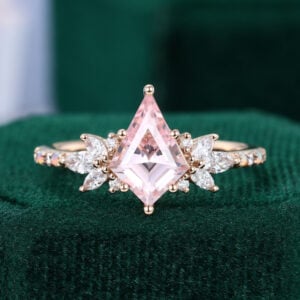
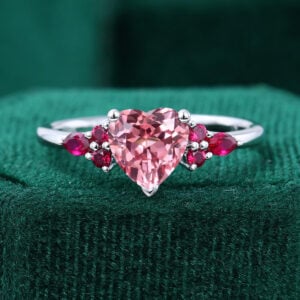
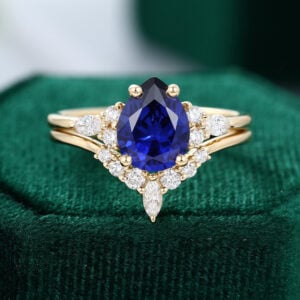
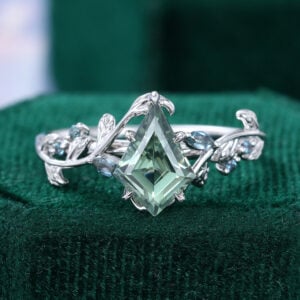
Lab Grown Sapphire Rings (1 Carat)
Typical Price Range: $300 – $1,200
Lab grown sapphires are chemically and physically identical to natural sapphires, with the same Mohs hardness of 9, making them fully suitable for daily wear.
These rings are popular with couples who want:
- A bold sapphire look on a defined budget
- Larger visual impact for the price
- Clean, even color without natural variation
👉 Explore lab sapphire options within our sapphire ring collection to see how design and cut influence value.
Natural Sapphire Rings
Once you move into natural sapphire rings, pricing begins to reflect rarity, natural color variation, and individual character — not uniform perfection.
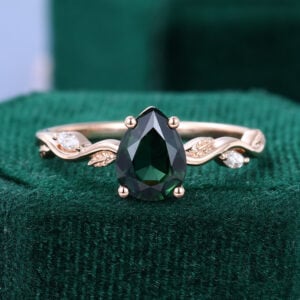
$1,200–$1,600 | First Natural Sapphire Picks
Entry-level natural sapphire rings around 1 carat that focus on:
- Balanced blue or teal tones
- Everyday wearability
- Natural origin without heavy rarity premiums
These are ideal for shoppers who want a genuine natural sapphire while staying close to a mid-range budget.

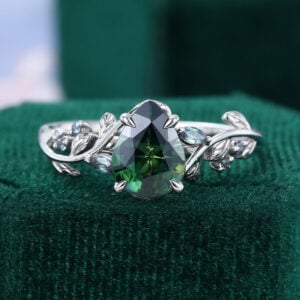
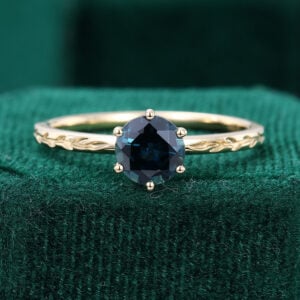
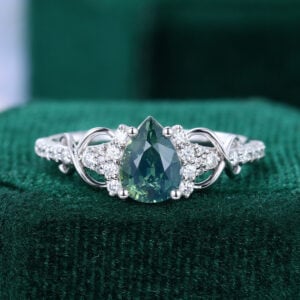
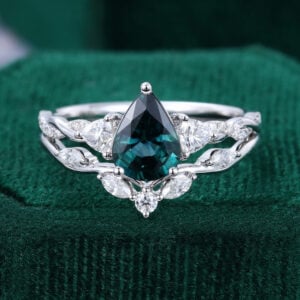
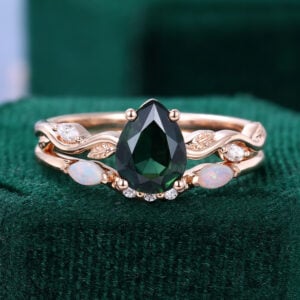
$1,600–$2,200 | Color-Forward Natural Sapphires
At this level, price increases are driven mainly by color strength, not size.
Expect:
- Richer saturation
- More visible depth and tone variation
- Stones that show stronger character under different lighting
This is where many shoppers feel the sapphire starts to look distinctly “alive.”

$2,200+ | Heirloom-Level Natural Sapphires
These 1 carat natural sapphire rings are chosen not for uniform perfection, but for:
- Individuality
- Rarity
- Emotional and heirloom significance
Color may shift subtly, inclusions may be present — but that uniqueness is exactly what defines their value.
-
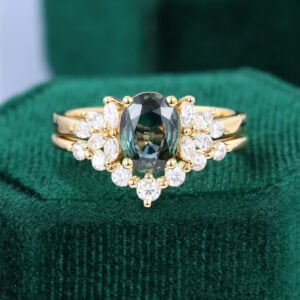
Oval Cut Green Blue Sapphire Bridal Ring Set Cluster Bridal Ring
$2,457 -
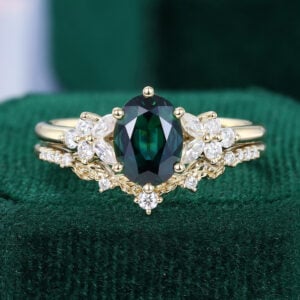
Oval Cut Green Blue Sapphire Cluster Bridal Ring Set 2PCS Nature Inspired Engagement Ring Set
$2,219 -
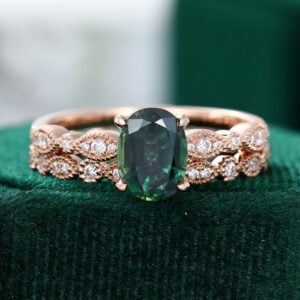
Rose Gold Oval Cut Green Blue Sapphire Engagement Ring Set
$2,289 -
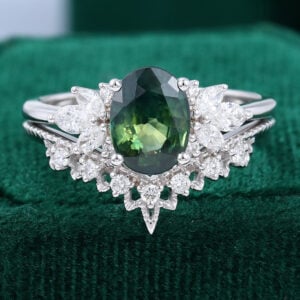
Oval Cut Green Sapphire Engagement Ring Set 2PCS Bridal Ring
$2,276
⚠️ Why This Price Order Matters (Lab → Natural)
Starting with lab grown sapphire rings reflects how most real buyers think:
“What’s the smartest sapphire option for my budget?”
Rather than implying that sapphire rings only start at $1,200+, this structure:
- Prevents price shock
- Avoids the misconception that your site only sells natural stones
- Naturally guides users from value → rarity, not the other way around
What Drives the Price of a 1 Carat Sapphire?
1. Color Intensity and Hue
Color is the single biggest factor in sapphire pricing. Stones with rich, even hues — like deep royal blue or vivid teal — command higher prices because they show depth and saturation even in everyday lighting.
2. Clarity and Eye-Clean Appearance
Unlike diamonds, sapphires almost always have natural inclusions. What matters is visibility: eye-clean stones that look clear to the naked eye are significantly more valuable than stones with visible imperfections.
3. Cut and Face-Up Color
Cut doesn’t just affect sparkle — for sapphires, a well-proportioned cut dramatically influences how color distributes across the stone. Poorly cut sapphire can look dark or washed out even if its quality is high.
4. Treatment and Origin
Heat treatment is common and accepted in the industry, and heat-treated stones are often more affordable than untreated, natural gems. Origin also affects value: sapphires from historic sources like Ceylon, Burma, or Kashmir typically command premiums.
How 1 Carat Sapphire Rings Compare to Other Gemstone Rings
When evaluating cost, it’s useful to consider alternatives:
- A 1-carat moissanite ring typically ranges from about $200–$500, depending on cut and setting, and is valued for brilliance and affordability.
- A 1-carat natural sapphire ring with fine color and clarity often starts in the mid-four figures once set in fine metal.
This pricing context shows why many couples choose sapphire: more color presence and individuality for each dollar spent compared to some alternatives.
Does a 1 Carat Sapphire Hold Its Value?
A sapphire’s value is influenced by:
- Quality and origin
- Cut and finish
- Market trends in colored gemstones
High-quality sapphires — especially those with strong saturation and good clarity — tend to hold value better than lower-grade stones. But unlike diamonds, sapphires are appreciated for color richness and character rather than just rarity.
Tips for Buying a 1 Carat Sapphire Ring
- Always ask for stone details: color grade, cut type, clarity, and any treatments.
- Compare loose stone prices vs finished ring prices — settings can significantly influence the total cost.
- For sapphire lovers, consider cuts like oval or pear for best face-up color and presence.
- If symbolism matters, explore sapphire meaning and value in more depth with our sapphire complete guide.
Final Thoughts
A 1 carat sapphire ring price isn’t about right or wrong — it’s about origin, priorities, and how you want your ring to feel every day.
Whether you choose a clean, modern lab sapphire or a character-rich natural sapphire, the best ring is the one that fits your story — not someone else’s expectations.
👉 Explore Sapphire Rings at Every Price Point →
Related FAQs
Anywhere from $400 to $3,000+, depending primarily on whether the sapphire is lab grown or natural.
They eliminate mining scarcity while offering the same hardness and durability, keeping prices lower without sacrificing wearability.
Natural sapphires generally retain emotional and collectible value better, while lab sapphires offer better upfront value and design flexibility.
Absolutely. Many couples choose lab sapphires intentionally for value, design freedom, or ethical reasons — meaning comes from choice, not price.
The biggest factor is whether the sapphire is lab grown or natural. Lab sapphires offer the same durability at a lower cost, while natural sapphires are priced higher due to rarity and natural formation.
Yes. Lab grown sapphires share the same chemical and physical properties as natural sapphires. The difference is origin, not authenticity.