- by MollyJewelryUS
- February 28, 2026
- Buying Guides
Lab diamond rings continue to shape the modern jewelry market, offering impressive brilliance, ethical sourcing, and accessible pricing. Among all sizes, the 1.5 carat lab-grown diamond has emerged as one of the fastest-growing choices for buyers who want noticeable presence without moving into oversized territory. It strikes a balance between elegance and impact—larger than classic 1 carat stones, yet more budget-friendly than 2 carat options.
If you are considering a 1.5 carat lab diamond ring, understanding how pricing works—and what truly affects visual value—will help you make a confident purchase.
Table Of Contents:
Table Of Contents:
- Why 1.5 Carat Has Become a Sweet Spot
- How Much Does a 1.5 Carat Lab Diamond Ring Cost
- Visual Impact: What Changes at 1.5 Carat
- Choosing the Right Shape for 1.5 Carat
- The 4Cs Strategy at 1.5 Carat
- Ring Design Considerations for Engagement Rings
- Metal Selection and Style Direction
- Budget Allocation Blueprint
- Custom 1.5 Carat Lab Diamond Rings
- Is 1.5 Carat Too Big for Everyday Wear
- Long-Term Value Considerations
- Who Should Choose 1.5 Carat
- FAQs About 1.5 Carat Lab Diamond Ring
Why 1.5 Carat Has Become a Sweet Spot
Why 1.5 Carat Has Become a Sweet Spot
A 1.5 carat diamond typically measures around 7.3–7.5 mm in round shape, creating a significant jump in surface area compared to a 1 carat stone. Visually, it delivers:
Strong finger coverage
Noticeable brilliance from a distance
Elevated presence in minimalist settings
However, the price does not increase proportionally to size in lab-grown diamonds the same way it traditionally does in natural stones. This makes 1.5 carat an especially attractive category for value-conscious buyers who still want a substantial look.
How Much Does a 1.5 Carat Lab Diamond Ring Cost?
How Much Does a 1.5 Carat Lab Diamond Ring Cost?
Pricing depends on both diamond quality and setting choice. Current market ranges generally fall into:
Loose 1.5 Carat Lab Diamond
$1,800 – $3,000 for standard near-colorless, eye-clean options
$3,000 – $4,500 for higher clarity and excellent cut
$4,500+ for premium specifications
Complete Ring (Including Setting)
$2,500 – $6,500+, depending on design complexity and metal choice
Because lab-grown diamonds are produced with advanced technology, buyers can often upgrade clarity or color without the dramatic price jumps associated with mined diamonds.
Visual Impact: What Changes at 1.5 Carat?
Visual Impact: What Changes at 1.5 Carat?
The difference between 1 carat and 1.5 carat is more dramatic than many expect. Surface area increases by over 30%, which enhances light return and sparkle visibility.
At this size:
Cut precision becomes even more important.
Inclusion visibility may be slightly easier to detect if clarity is too low.
Color warmth may show more noticeably in certain lighting conditions.
Selecting balanced grading ensures that the increased size translates into elevated brilliance rather than visible imperfections.
Choosing the Right Shape for 1.5 Carat
Choosing the Right Shape for 1.5 Carat
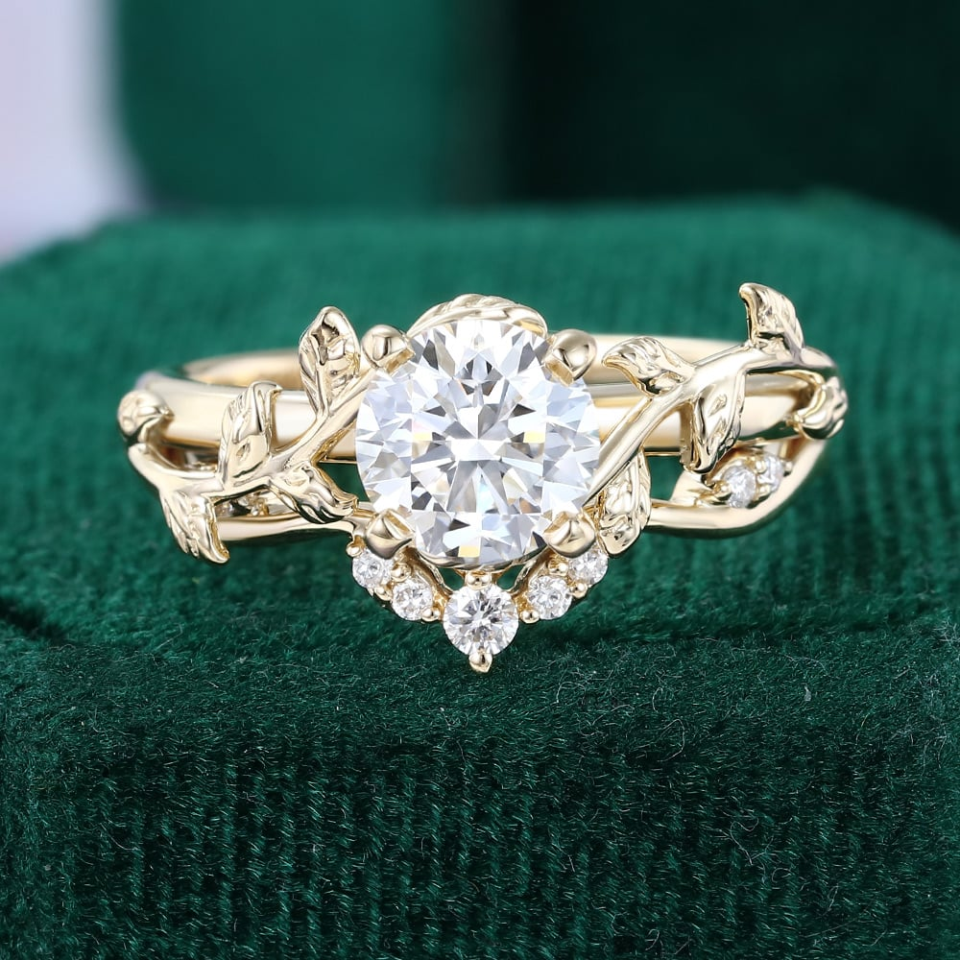
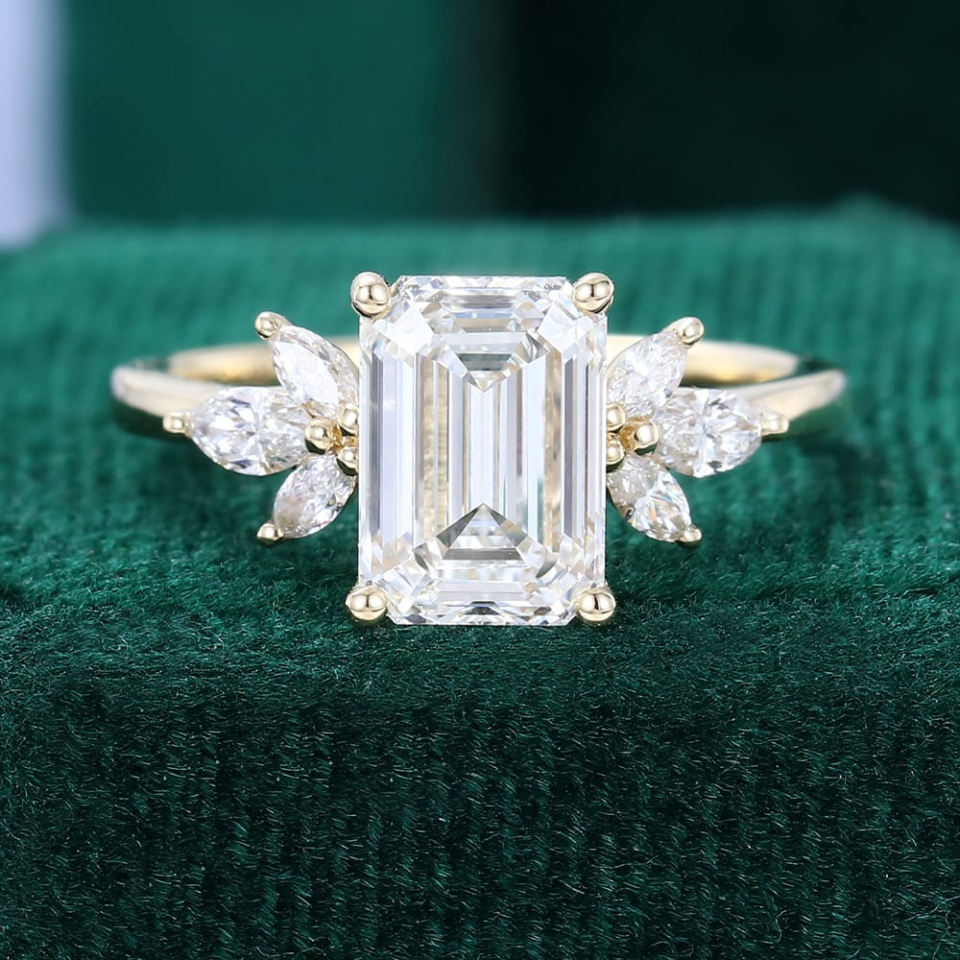
Shape dramatically influences how a 1.5 carat diamond appears on the hand.
Round: Maximum brilliance, timeless appeal.
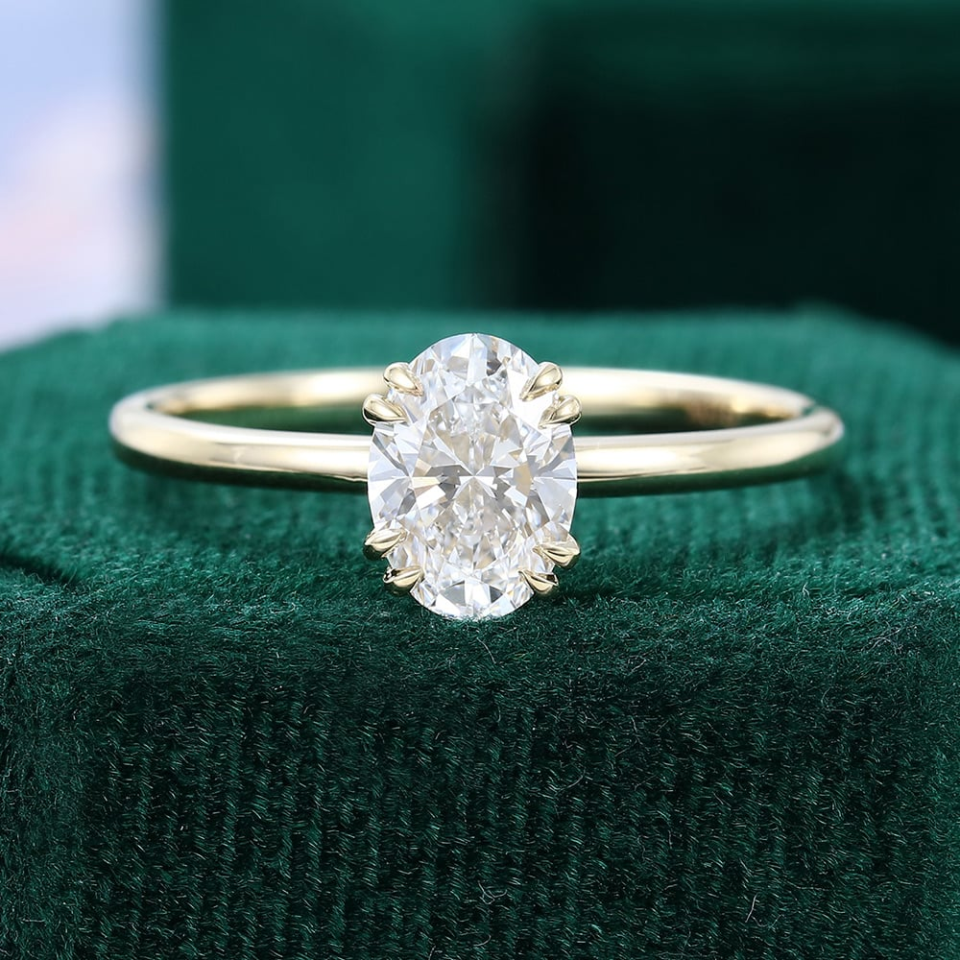
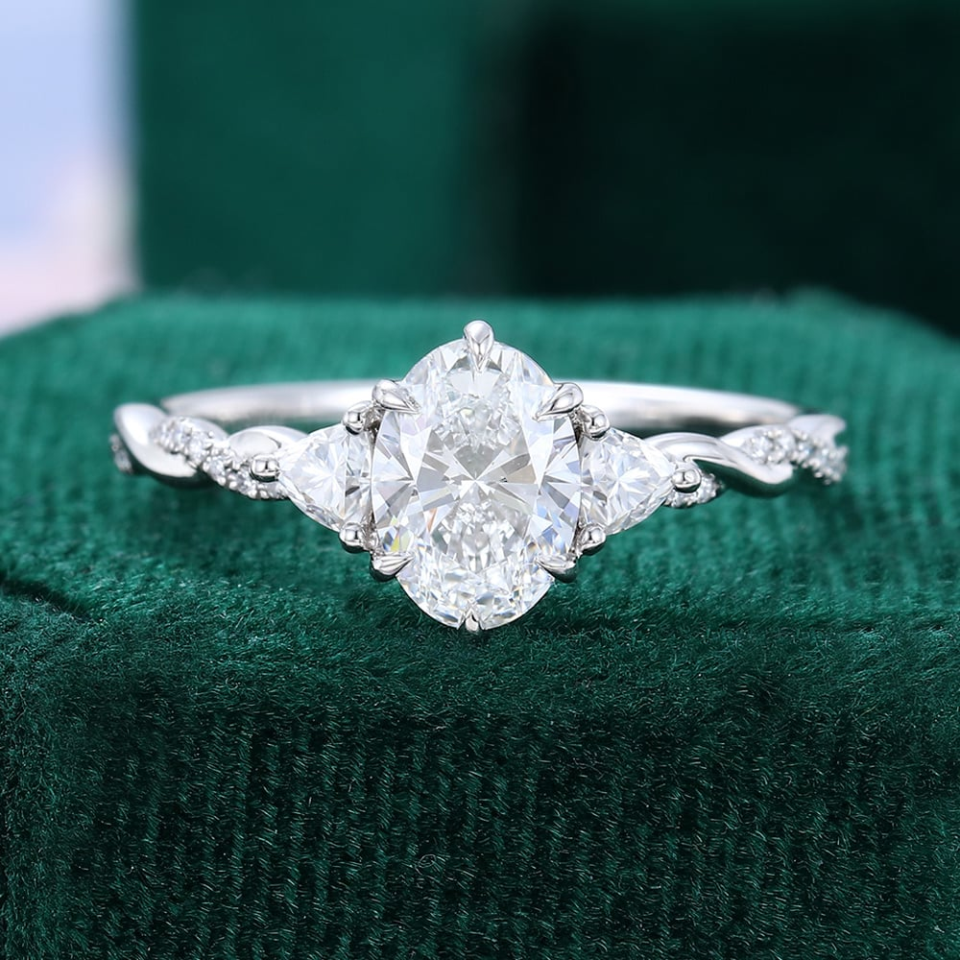
Oval: Elongated silhouette that enhances finger length.
Cushion: Softer edges with romantic character.
Radiant: Brilliant faceting with modern structure.
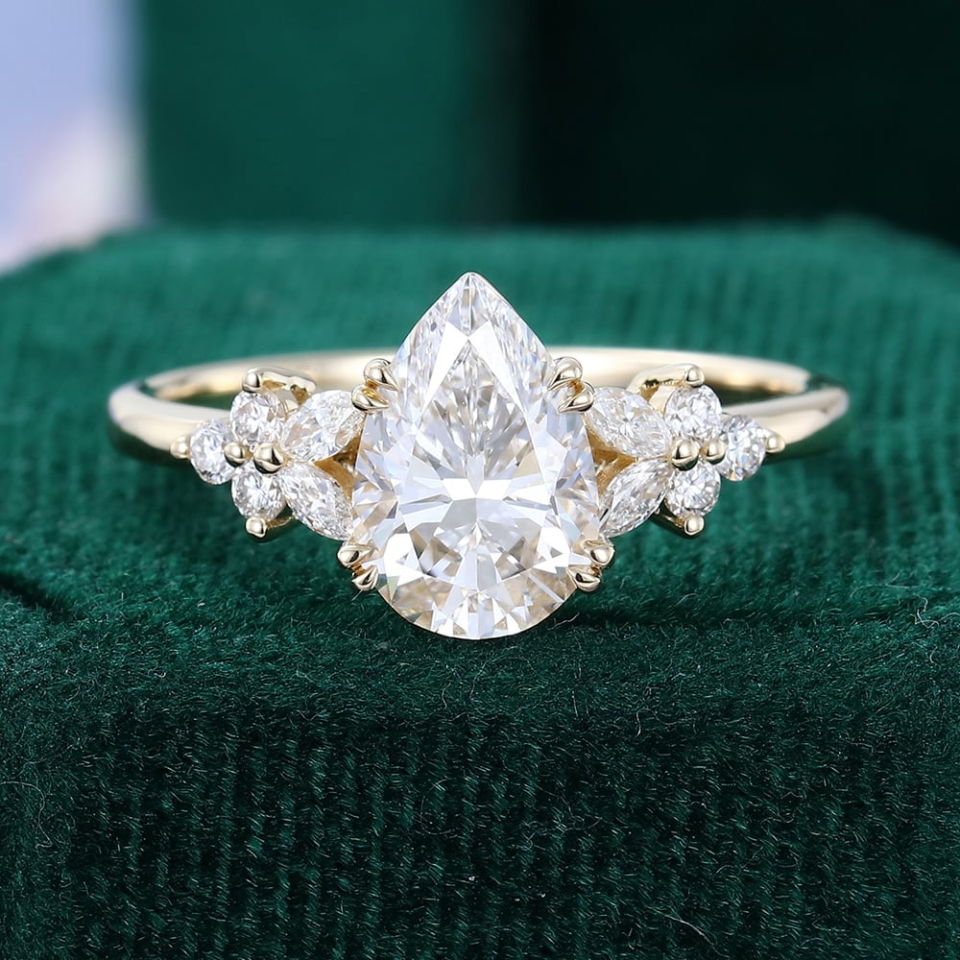
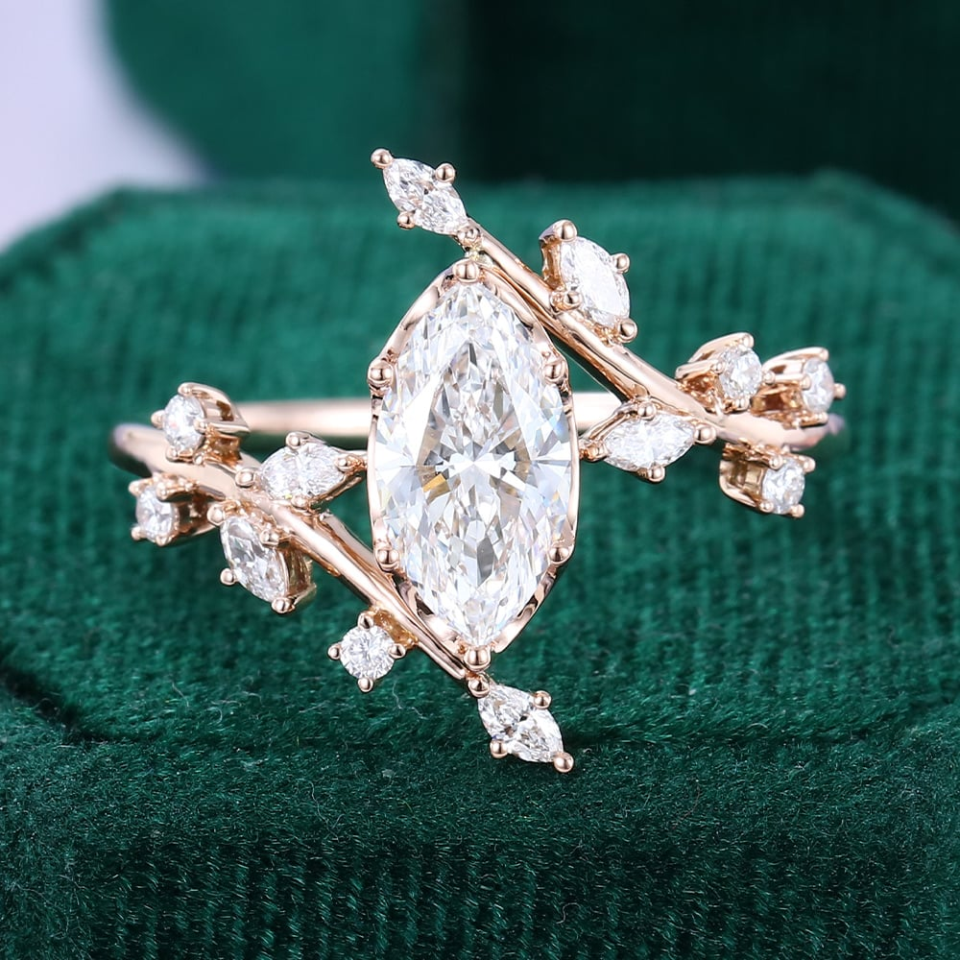
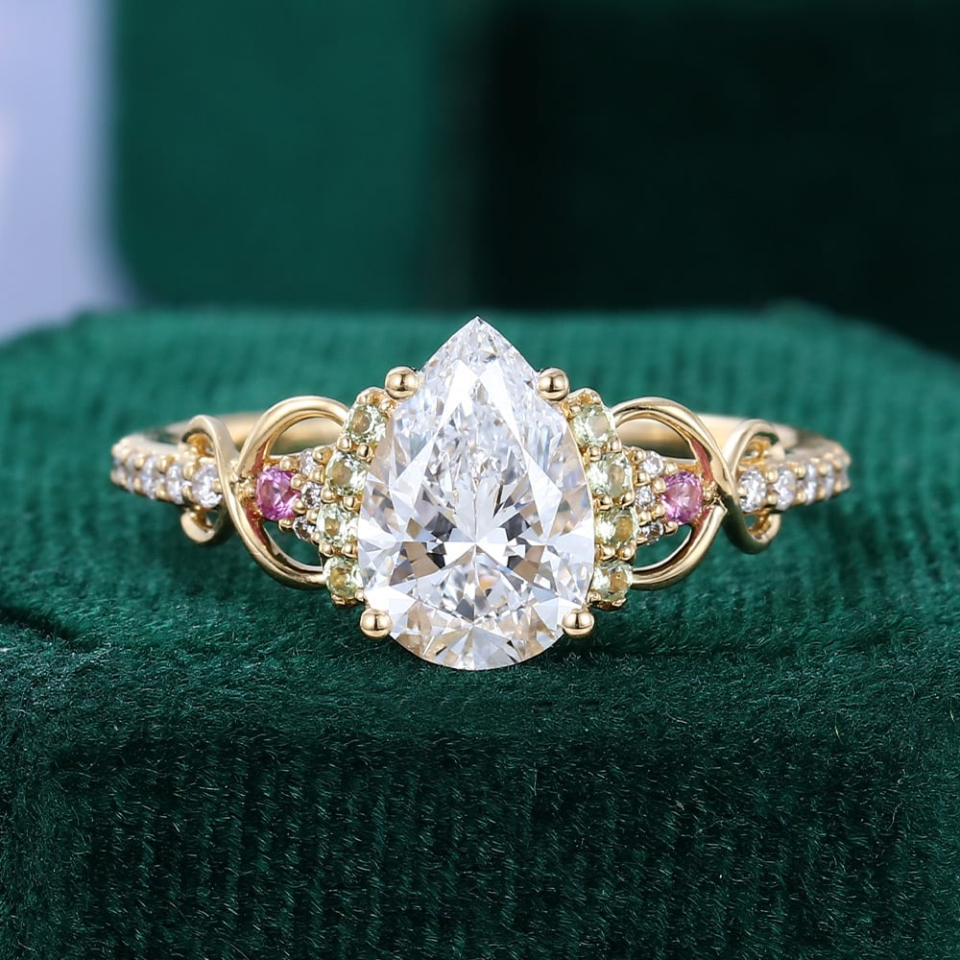
Pear or Marquise: Maximum surface coverage with bold personality.
Elongated shapes can appear even larger than their carat weight suggests, making them popular in this category.
The 4Cs Strategy at 1.5 Carat
The 4Cs Strategy at 1.5 Carat
Rather than maximizing all grades, strategic balance delivers better value.
Cut: Non-Negotiable
Cut: Non-Negotiable
At 1.5 carat, light performance becomes increasingly noticeable. An Excellent or Ideal cut grade ensures strong fire and scintillation.
A larger diamond with mediocre cut may look flat. Precision matters more as carat weight increases.
Color: Where Is the Value Line?
Color: Where Is the Value Line?
For white metals, G–H color grades usually appear bright and colorless to the naked eye.
If choosing yellow or rose gold, I–J may still look visually pleasing while reducing cost.
Higher grades (D–F) offer crisp whiteness but often command a premium that may not create a noticeable difference in daily wear.
Clarity: What Is “Clean Enough”?
Clarity: What Is “Clean Enough”?
VS2 remains a popular choice at 1.5 carat.
SI1 can also work if inclusions are minor and positioned away from the center.
Avoid paying significantly more for VVS unless microscopic perfection is personally meaningful.
Ring Design Considerations for Engagement Rings
Ring Design Considerations for Engagement Rings
When designing engagement rings around a 1.5 carat center stone, proportion is critical.
A diamond of this size pairs well with:
Slim solitaire bands for a bold center focus
Hidden halo settings to increase brilliance subtly
Three-stone layouts for balanced symmetry
Side stone designs that enhance width without overwhelming
Overly heavy bands can make the center stone appear smaller. Maintaining balanced proportions ensures visual harmony.
Metal Selection and Style Direction
Metal Selection and Style Direction
Metal choice influences both aesthetics and maintenance.
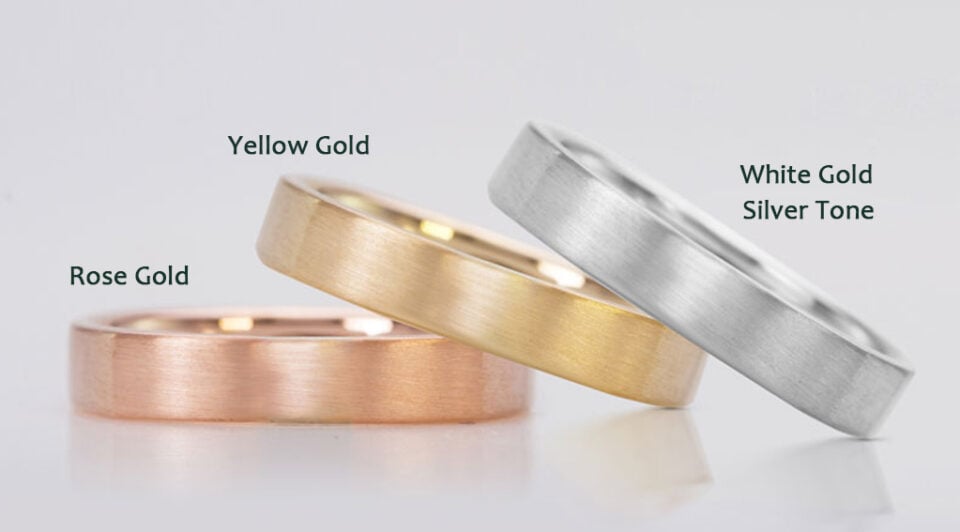
White Gold: Clean, contemporary appearance
Yellow Gold: Classic contrast that enhances brilliance
Rose Gold: Soft, romantic warmth
Platinum: Dense, durable, and naturally white
At 1.5 carat, platinum is often selected for its strength in securing larger stones. However, gold options remain highly durable when crafted properly.
Budget Allocation Blueprint
Budget Allocation Blueprint
If working within a defined budget, consider this hierarchy:
Secure excellent cut quality.
Choose G–H color for strong brightness.
Select VS2 or eye-clean SI1 clarity.
Opt for a refined but not overly intricate setting.
This structure ensures the size upgrade translates into visible luxury rather than hidden technical grades.
Custom 1.5 Carat Lab Diamond Rings
Custom 1.5 Carat Lab Diamond Rings
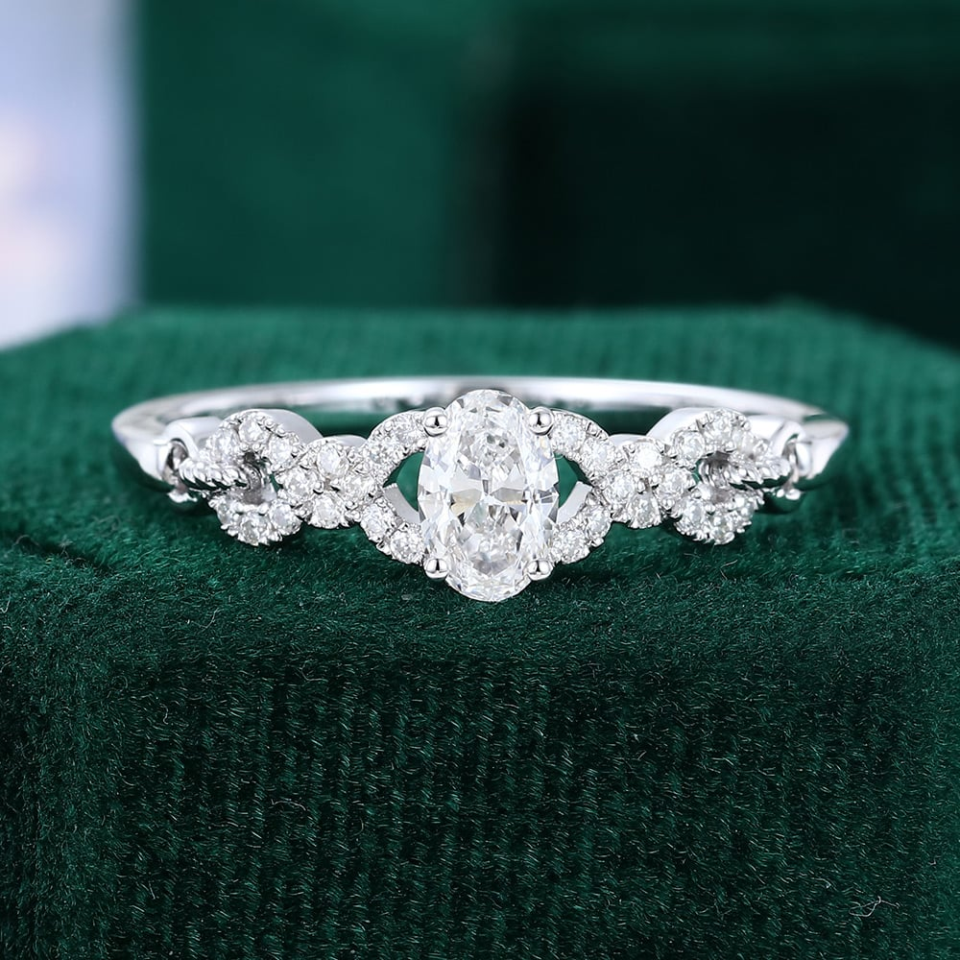
Customization becomes especially popular in the 1.5 carat category because buyers want distinction beyond size.
At MollyJewelryUS, we specialize in custom lab-grown jewelry design. From selecting your exact diamond specifications to choosing setting style, metal, and detailing, every element can be tailored to your preference. Our team works closely with clients to create lab diamond rings that reflect personal style while maintaining exceptional craftsmanship standards.
Custom lab diamond rings allow you to:
Adjust proportions for your hand size
Select specific diamond shapes
Incorporate meaningful side stones
Design unique prong or gallery structures
The result is a ring that feels personal, not mass-produced.
Is 1.5 Carat Too Big for Everyday Wear?
Is 1.5 Carat Too Big for Everyday Wear?
This is a common question. The answer depends on lifestyle.
For most people, 1.5 carat provides noticeable presence without feeling impractical. It remains comfortable for daily wear, particularly when set low or secured in protective prongs.
Professionals who prefer subtle elegance may opt for minimalist settings, while those wanting bold sparkle often choose halos or multi-stone designs.
Long-Term Value Considerations
Long-Term Value Considerations
Lab-grown diamonds are primarily purchased for personal and symbolic value rather than financial investment growth. However, they offer:
Transparent grading standards
Competitive initial pricing
Ethical sourcing confidence
Access to higher quality within budget
For many modern couples, these factors outweigh traditional resale considerations.
Who Should Choose 1.5 Carat?
Who Should Choose 1.5 Carat?
A 1.5 carat lab diamond ring is ideal for:
Buyers upgrading from classic 1 carat size
Those wanting visible impact without 2 carat pricing
Engagement ring shoppers seeking standout brilliance
Individuals who value proportion and presence
It represents a thoughtful midpoint between understated and extravagant.
FAQs About 1.5 Carat Lab Diamond Ring
FAQs About 1.5 Carat Lab Diamond Ring
What is the average price of a 1.5 carat lab diamond ring?
Most complete rings range between $2,500 and $6,500 depending on grading and setting design.
Does a 1.5 carat lab diamond look significantly larger than 1 carat?
Yes. The surface area increase creates noticeably stronger visual presence.
Which clarity grade is best for 1.5 carat?
VS2 or eye-clean SI1 typically offer the best balance between value and appearance.
Are 1.5 carat lab diamonds suitable for engagement rings?
Absolutely. They are increasingly popular for engagement rings due to their impressive yet wearable size.
Does metal choice affect total cost?
Yes. Platinum generally costs more than gold, and intricate settings also increase overall price.